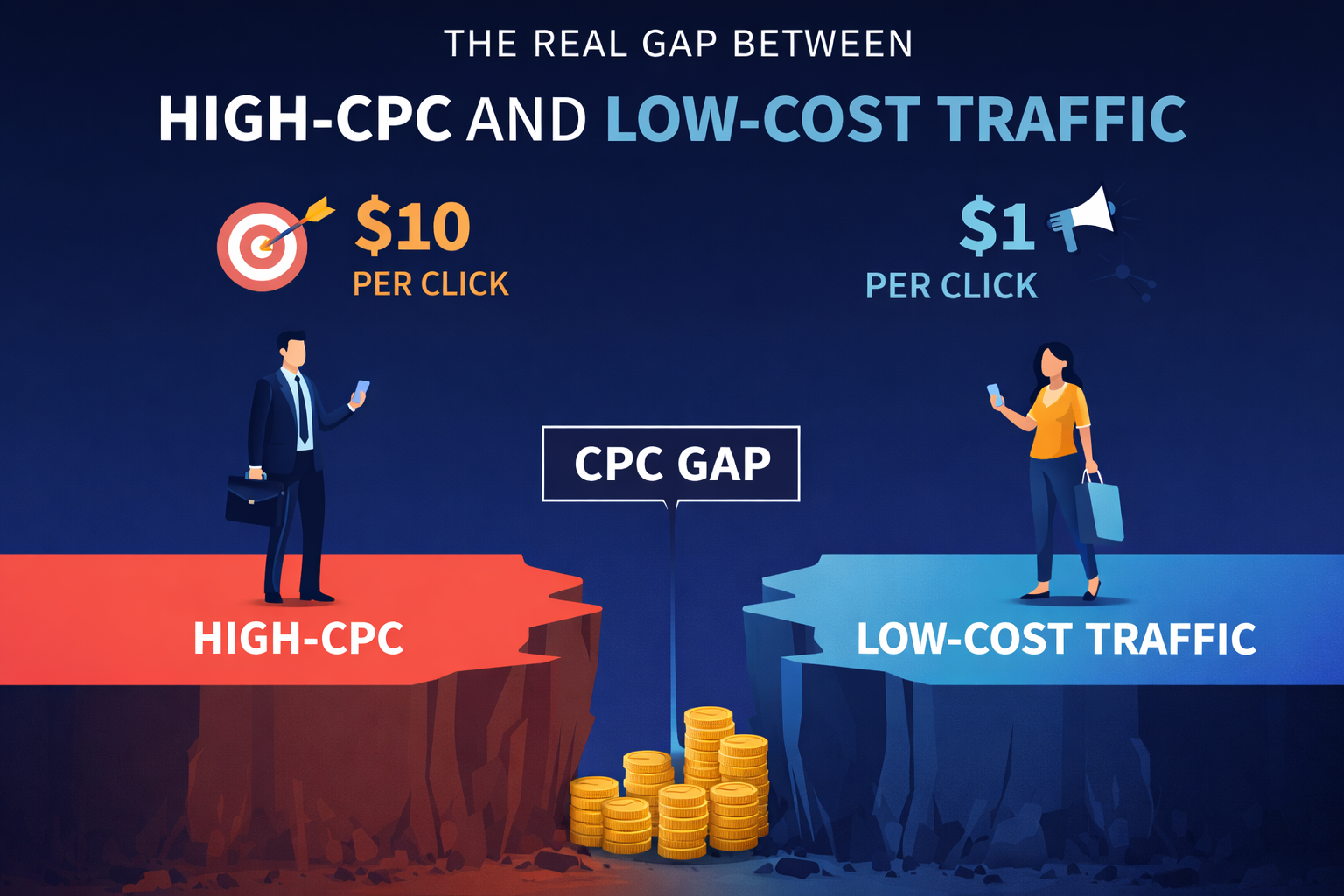
Amazon keyword pricing in 2026 has stopped behaving logically.
You can bid twelve dollars for a click that barely converts, while a thirty-cent keyword quietly prints profit all year. The gap between the most expensive and the cheapest Amazon keywords is no longer just about search volume or competition.
It’s about how Amazon’s auction system now rewards perceived lifetime value, compliance friction, and downstream revenue signals most sellers never see.
If you still treat CPC as a simple supply-and-demand number, you are misreading the market.
What follows isn’t generic advice. It’s what shows up repeatedly when you analyze thousands of live Amazon ad auctions using tools like SellerApp and compare spend to actual revenue outcomes.
Why Some Amazon Keywords Cost More Than Ever in 2026
The most expensive keywords on Amazon are not expensive because they convert well. They are expensive because brands are willing to lose money on them today to control revenue tomorrow.
In categories adjacent to health, wellness, and regulated consumer products, CPC inflation has become structural. Keywords related to blood sugar monitoring, sleep aids, cholesterol supplements, and weight management regularly cross into double-digit CPC territory. The buyer here is older, loyal, and far more likely to reorder or subscribe. That long-term value is baked into the bid. Brands are not bidding for a sale. They are bidding to own the customer.
What’s interesting is that SellerApp data consistently shows that the same intent, expressed through product targeting rather than keyword targeting, often costs dramatically less. When sellers focus purely on keywords, they end up paying a premium for visibility that they could have captured more cheaply by targeting competing ASINs that already aggregate that intent.
Consumer electronics follow a similar pattern, though for a different reason. Keywords tied to premium headphones, power stations, gaming monitors, and robot vacuums attract enterprise-level advertisers, Amazon’s own private labels, and DSP-backed campaigns that distort the auction. Conversion rates on these keywords are often lower than sellers expect, yet bids keep rising because visibility here improves organic ranking across an entire catalog. Sellers aren’t buying sales. They’re buying authority.
This is where inexperienced advertisers get crushed. SellerApp’s blended performance tracking shows that only a fraction of high-CPC keywords actually contribute to organic growth. The rest simply inflate spending while providing the illusion of scale. Without that insight, sellers keep bidding up auctions that never pay them back.
Financially adjacent product categories show a third reason CPCs stay high. Dash cams, home security devices, identity protection tools, and insurance-linked accessories behave more like Google Ads than traditional e-commerce. Buyers are researching serious decisions, not impulse purchases. Brands are willing to pay aggressively for those clicks because a single conversion can unlock years of downstream revenue.
Interestingly, phrase match in these categories often outperforms exact match in 2026. Buyers refine intent inside Amazon rather than arriving with a fully formed query. That shift is visible in SellerApp’s search term data but rarely discussed publicly.
Where the Cheapest Amazon Keywords Still Exist in 2026
Cheap keywords haven’t disappeared. They’ve just moved to places most sellers don’t bother looking.
Replacement and maintenance searches remain one of the most underpriced traffic sources on Amazon. When someone searches for a blender lid, a vacuum filter, or a humidifier wick, the decision is already made. They need a functional part, fast. Brand loyalty is weak, price sensitivity is moderate, and conversion rates are consistently high. Large brands ignore these terms because they don’t scale elegantly. Smaller sellers quietly build defensible revenue here year after year.
SellerApp’s intent mapping regularly reveals that these keywords may look insignificant in isolation, but collectively they form a highly profitable cluster. Native Amazon tools often bury them because search volume appears low. Profit doesn’t care about volume. It cares about efficiency.
Another pocket of cheap keywords lives in function-first home and utility products. These are not lifestyle purchases. No one follows influencers for drawer liners or cord organizers. As a result, Sponsored Brands and DSP barely touch these auctions. Sponsored products dominate, which keeps CPCs stable even as overall ad competition increases.
What separates advanced sellers here is not discovery but prioritization. SellerApp helps surface which of these low-profile keywords actually move units and which are noise. Without that filtering, sellers either ignore the category or waste time chasing dozens of irrelevant terms.
Seasonal technical keywords form the final underpriced group. Items tied to weather, pests, or short-term use cases predictably spike every year, yet most sellers react too late. CPC inflation happens in days, not weeks. Sellers with historical keyword trend data enter early, pay a fraction of the peak CPC, and exit before panic bidding begins. That advantage compounds over time, especially in categories with thin margins.
Why CPC Has Become a Misleading Metric
The biggest mistake sellers make in 2026 is optimizing for CPC instead of outcomes.
High-CPC keywords can be profitable if they accelerate organic rankings, improve conversion velocity, or defend brand visibility. Low-CPC keywords can be useless if they attract browsers rather than buyers. The number itself means nothing unless you understand what Amazon is rewarding behind the scenes.
SellerApp’s real value isn’t showing cheaper keywords. It’s connecting paid traffic to organic movement and long-term revenue signals. That connection is what allows experienced sellers to justify aggressive bids where it matters and ruthlessly cut spending where it doesn’t.
Amazon advertising has stopped being a bidding game. It’s now a positioning game.
The Real Divide Between Expensive and Cheap Keywords
In 2026, the difference between expensive and cheap Amazon keywords isn’t competition. It’s understanding.
Expensive keywords are expensive because someone smarter than you believes they are worth owning. Cheap keywords are cheap because most sellers don’t recognize the intent hiding inside them.
Sellerapp’s amazon full account management helps managing the silent margin killers for your business.
The sellers who win are not the ones avoiding high CPCs or chasing low ones. They are the ones using tools like SellerApp to understand where Amazon’s auction logic overprices attention and where it undervalues demand.
That gap is where real profit lives.
And it’s getting narrower every year.
Author Bio:
Prateek S. is an experienced SEO Analyst and writer specializing in eCommerce with over two years of expertise. Currently at SellerApp, he excels in crafting clear and insightful content that breaks down complex eCommerce concepts, helping businesses optimize their online presence. His work reflects a deep understanding of the digital marketplace, providing practical guidance to those navigating this ever changing industry.
 Access Request Form
 Afterparty RSVP Form
 Band Discovery Form
 Book a room Form
 Booking Enquiries Form
 Brochure Mailing Form
 Buy a Home Form
 Catalog Request Form
 Coach Lines Quote Form
 Contact Us Form
 Credit Application Form
 Drop me a line Form
 Enquiry / Feedback Form
 Got a question? Form
 Instant Quote Form
 Job Application Form
 Language & Literacy Lab Form
 Live Streaming Registration Form
 More Information Form
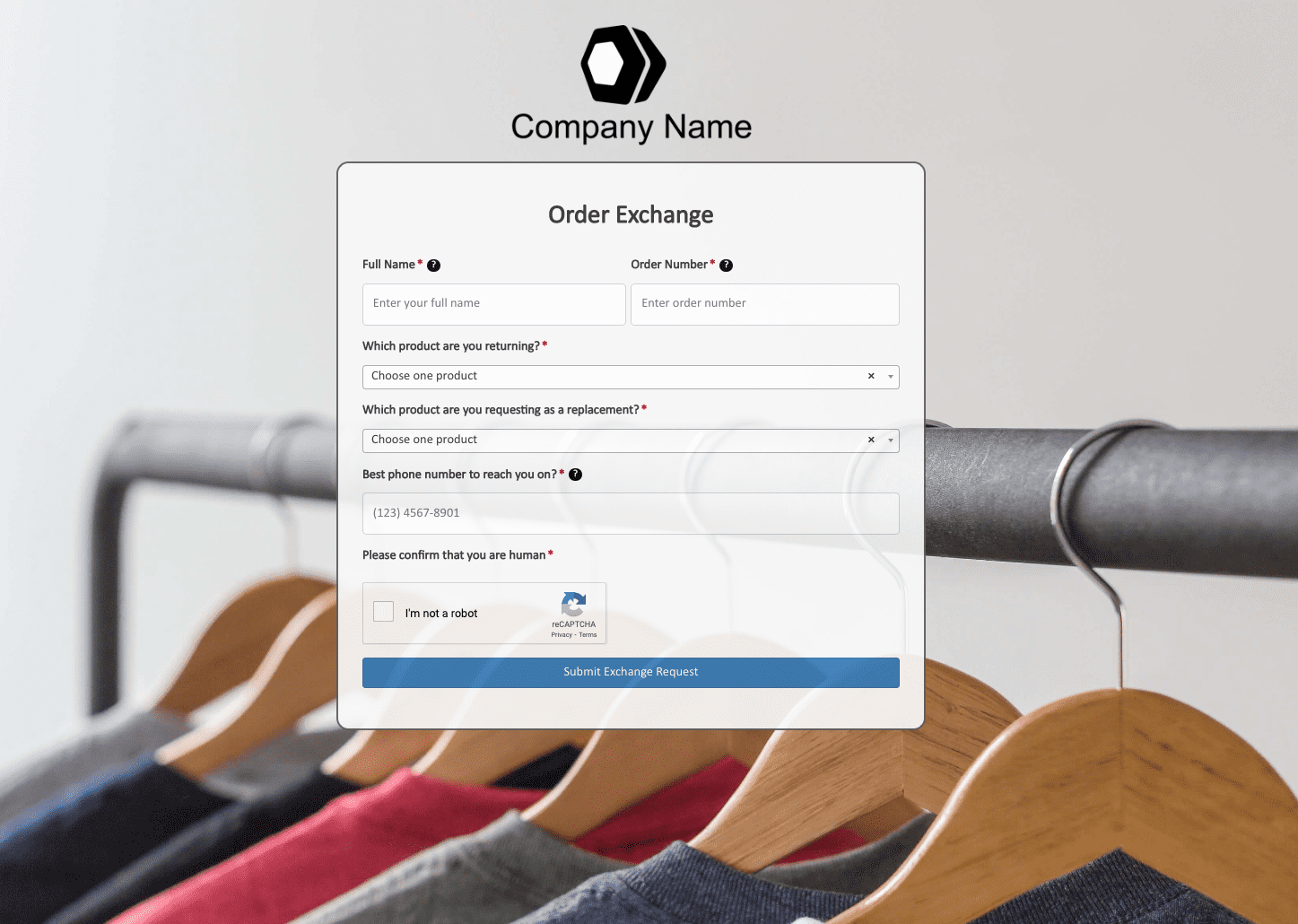 Order Exchange Form
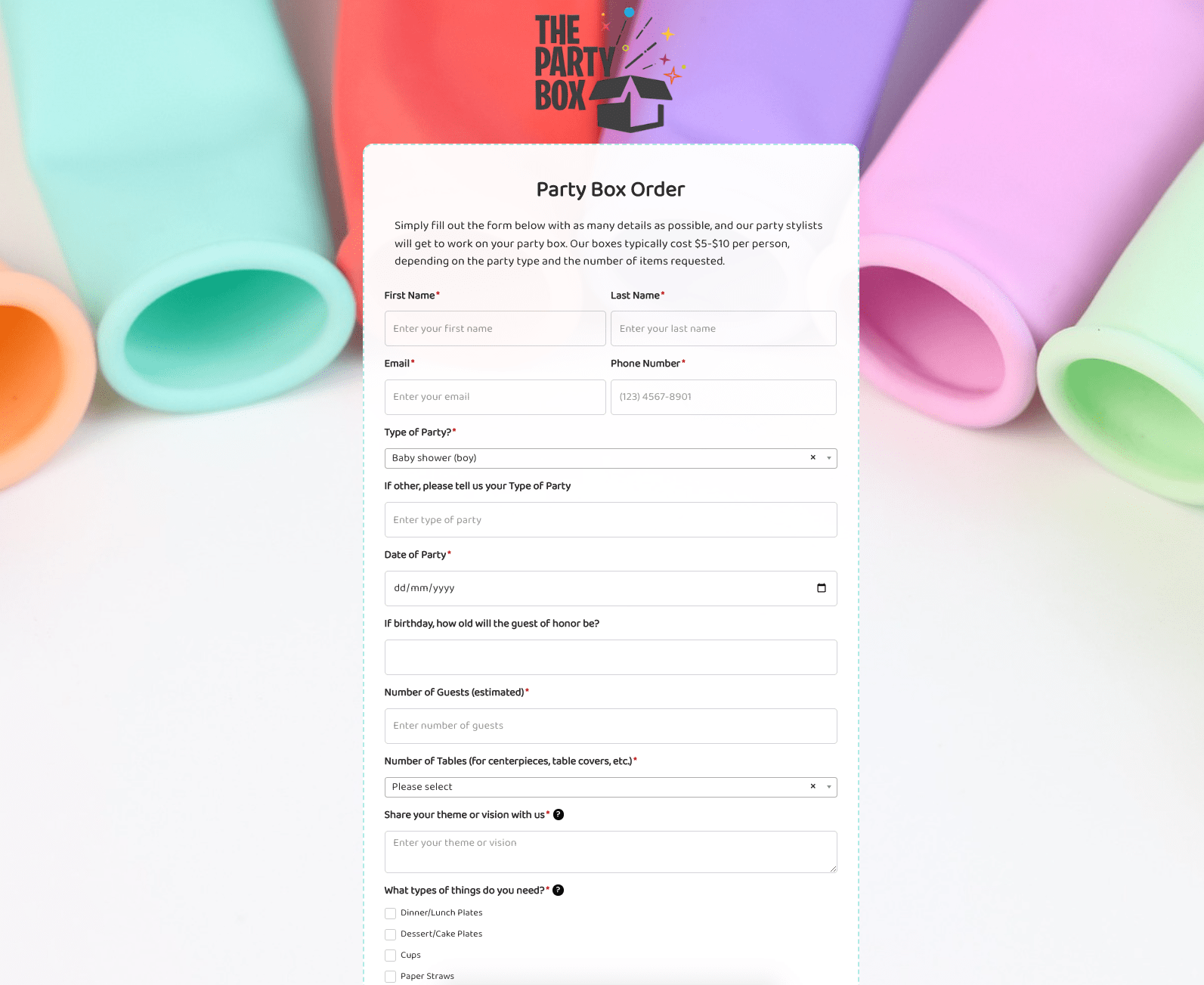 Party Box Order Form
 Pest Control Services Form
 Poll / Survey Form
 Receive Ebook Form
 Refinance Mortgage Form
 Remarks / Questions Form
 Report Driver Form
 Retreat Information Form
 Service Enquiry Form
 Skydiving Registration Form
 Spare Part Enquiry Form
 Staff Application Form
 Submission Form
 User Registration Form
 Website Under Construction Form
 Wedding Photographer Form
 Your Opinion Matters Form