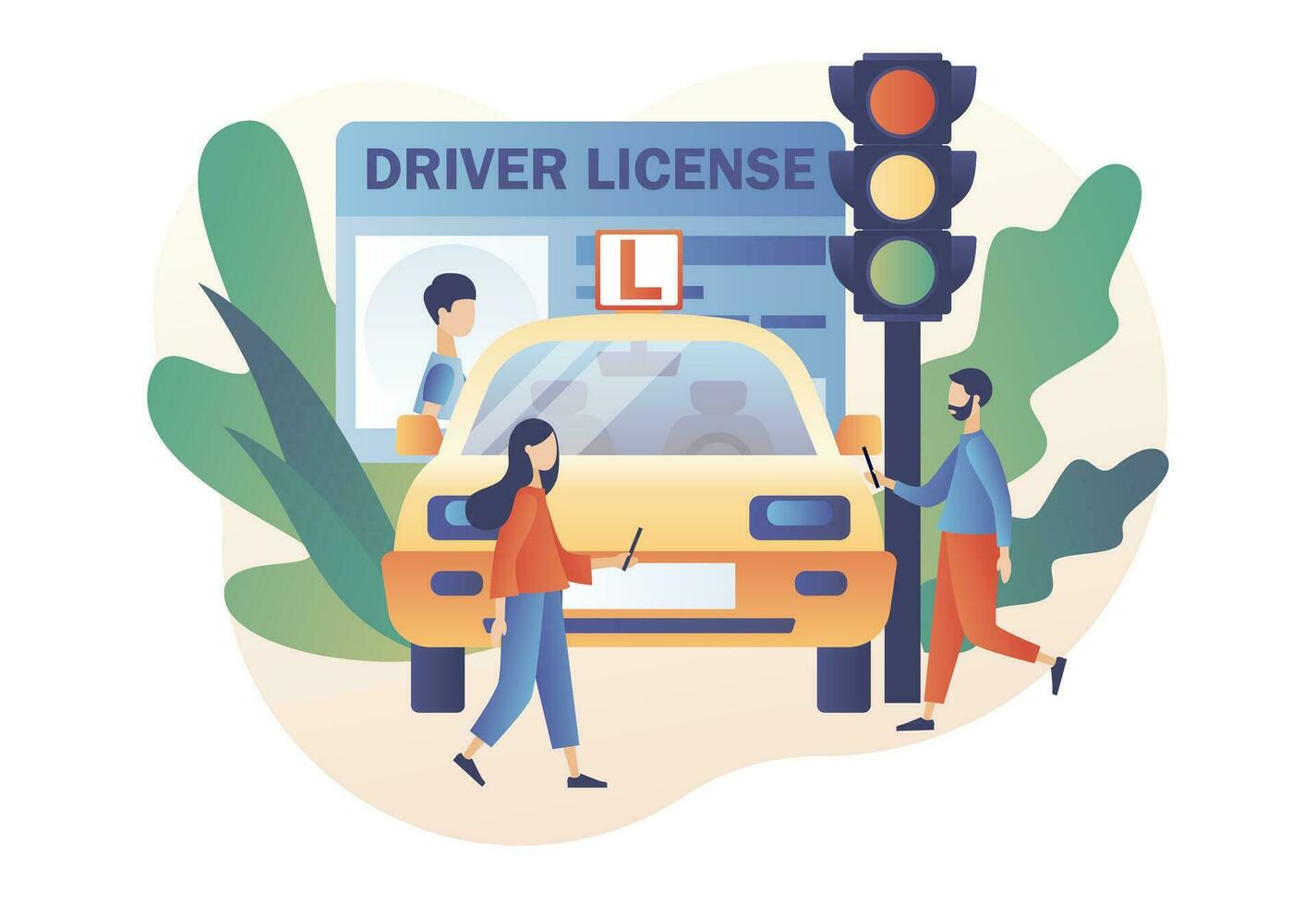
For many new drivers in Ontario, the G1 Knowledge Test can seem daunting. It’s the first step on the road to becoming a licensed driver, but with proper preparation, practice, and understanding of the test, you can pass on your first attempt. This ultimate guide will provide everything you need: tips, strategies, topic breakdowns, and practice guidance to help you succeed confidently.
Understanding the G1 Knowledge Test
The G1 Knowledge Test is designed to assess your understanding of Ontario's road rules, traffic signs, and safe driving practices. It consists of multiple-choice questions drawn from the Ontario Driver’s Handbook. Passing the test is mandatory before you can progress to the G2 road test and eventually earn your full driver’s license.
Test Format
- Number of Questions: 40 multiple-choice questions
- Passing Score: 80% (32 correct answers)
- Topics Covered: Road signs, traffic laws, driving rules, safety practices, and basic vehicle operation knowledge
Common Misconceptions About the G1 Test
Many people believe the G1 test is just memorization. While memorization helps, understanding scenarios and reasoning through questions is equally important. Questions often present real-world driving situations where knowing the rule isn’t enough—you need to understand the correct action.
Top Strategies to Prepare for the G1 Test
1. Study the Official Ontario Driver’s Handbook
The Ontario Driver’s Handbook is your primary study resource. Read it thoroughly and focus on:
- Traffic signs and their meanings
- Rules of the road and penalties for violations
- Safe driving practices, including proper following distance and defensive driving techniques
- Situational driving, such as approaching intersections, school zones, or construction zones
Use highlighters, take notes, or create a personal summary. Rewriting information helps reinforce memory.
2. Take Online Practice Tests Regularly
Practice tests are one of the most effective ways to prepare. Online quizzes simulate the real G1 test, familiarizing you with:
- Question formats and phrasing
- Time pressure and pacing
- Common tricky questions that test situational understanding
Take multiple tests until you consistently score above 90%. Review any incorrect answers carefully, and revisit the handbook sections related to them.
Many learners find that using free online resources, such as apnatoronto, makes a huge difference in familiarizing themselves with question formats and improving their confidence.
3. Focus on Road Signs and Traffic Symbols
Road signs make up a large portion of the G1 test. Pay attention to:
- Shapes: triangles, circles, octagons
- Colors: red, yellow, green, blue, white
- Symbols: arrows, pedestrian icons, speed limits
Flashcards or apps can help you memorize signs efficiently. Consider grouping signs by category (warning, regulatory, guide) for easier recall.
4. Practice Situational Questions
The G1 test includes scenario-based questions. These assess your ability to apply rules in real driving situations. Examples include:
- How to handle a four-way stop intersection
- Proper behavior in a school zone or playground area
- Responding to emergency vehicles on the road
Always think about safety first. In tricky situations, the safest action is often the correct answer.
5. Review Common Penalties and Fines
The test sometimes includes questions on the consequences of traffic violations. Familiarize yourself with:
- Speeding penalties and demerit points
- Illegal U-turns and parking violations
- Driving under the influence laws and consequences
Knowing these details not only helps you pass the test but also promotes responsible driving habits.
6. Use Time Effectively
While the G1 test is not timed strictly, practice tests are. Work on pacing so you don’t rush or overthink. Allocate roughly one minute per question during practice to simulate real conditions.
7. Prepare Mentally for Test Day
Test anxiety can negatively affect your performance. To stay calm:
- Get a good night’s sleep
- Eat a light meal beforehand
- Arrive at the testing center early
- Practice deep breathing techniques if you feel nervous
Confidence improves recall and helps you read questions carefully.
Detailed Topic Breakdown for the G1 Test
1. Road Signs
Road signs are categorized into three main types:
- Regulatory Signs: Indicate laws or regulations, e.g., Stop, Yield, No Parking
- Warning Signs: Alert drivers of potential hazards, e.g., curves, pedestrian crossings
- Guide Signs: Provide information about directions, destinations, or services
2. Traffic Laws and Rules
Questions may cover:
- Speed limits in different zones
- Right-of-way rules
- Lane usage and passing regulations
- Turning and U-turn rules
3. Safe Driving Practices
Expect questions on:
- Following distances and braking techniques
- Driving in adverse weather (snow, rain, fog)
- Using headlights correctly
- Handling school buses and emergency vehicles
4. Vehicle Operation Basics
Some questions assess your knowledge of vehicle components:
- Dashboard indicators and warning lights
- Air brake systems (if applicable)
- Vehicle maintenance checks
Using Practice Tests to Maximize Success
Practice tests are a cornerstone of preparation. Here’s how to use them effectively:
Step 1: Take a Baseline Test
Before studying in detail, take a full practice test to see where you stand. Note the questions you get wrong and the areas where you feel less confident.
Step 2: Study Weak Areas
Focus on the topics where you struggled. If road signs are difficult, make flashcards. If scenario questions are tricky, read the handbook sections thoroughly.
Step 3: Retake Practice Tests
After studying, retake multiple tests. Aim for scores consistently above 90%. This builds confidence and ensures you can handle variations in question phrasing on the official test.
Step 4: Simulate Test Conditions
Take practice tests in a quiet environment without distractions, and time yourself. This helps reduce test-day anxiety and trains your brain to work efficiently under pressure.
Additional Resources to Supplement Your Preparation
Besides practice tests and the handbook, consider these resources:
- Mobile apps: Many apps offer G1 practice questions, flashcards, and progress tracking
- Video tutorials: Short clips explaining tricky rules and scenarios
- Driver education courses: Optional courses provide structured learning and in-car practice
Why Passing the G1 Test Matters Beyond the License
Passing your G1 test is not just about obtaining a license. It lays the foundation for safe driving habits, which are critical for your safety and others on the road. Understanding traffic rules, defensive driving, and situational awareness reduces the risk of accidents and prepares you for more advanced driving stages like the G2 and full license tests.
Conclusion
Passing the Ontario G1 test is achievable with the right preparation. By studying the Driver’s Handbook, using practice tests, focusing on road signs and situational questions, and managing test-day stress, you can confidently pass on your first attempt. Start practicing today, use online resources to your advantage, and take the first step toward becoming a skilled, responsible driver in Ontario.
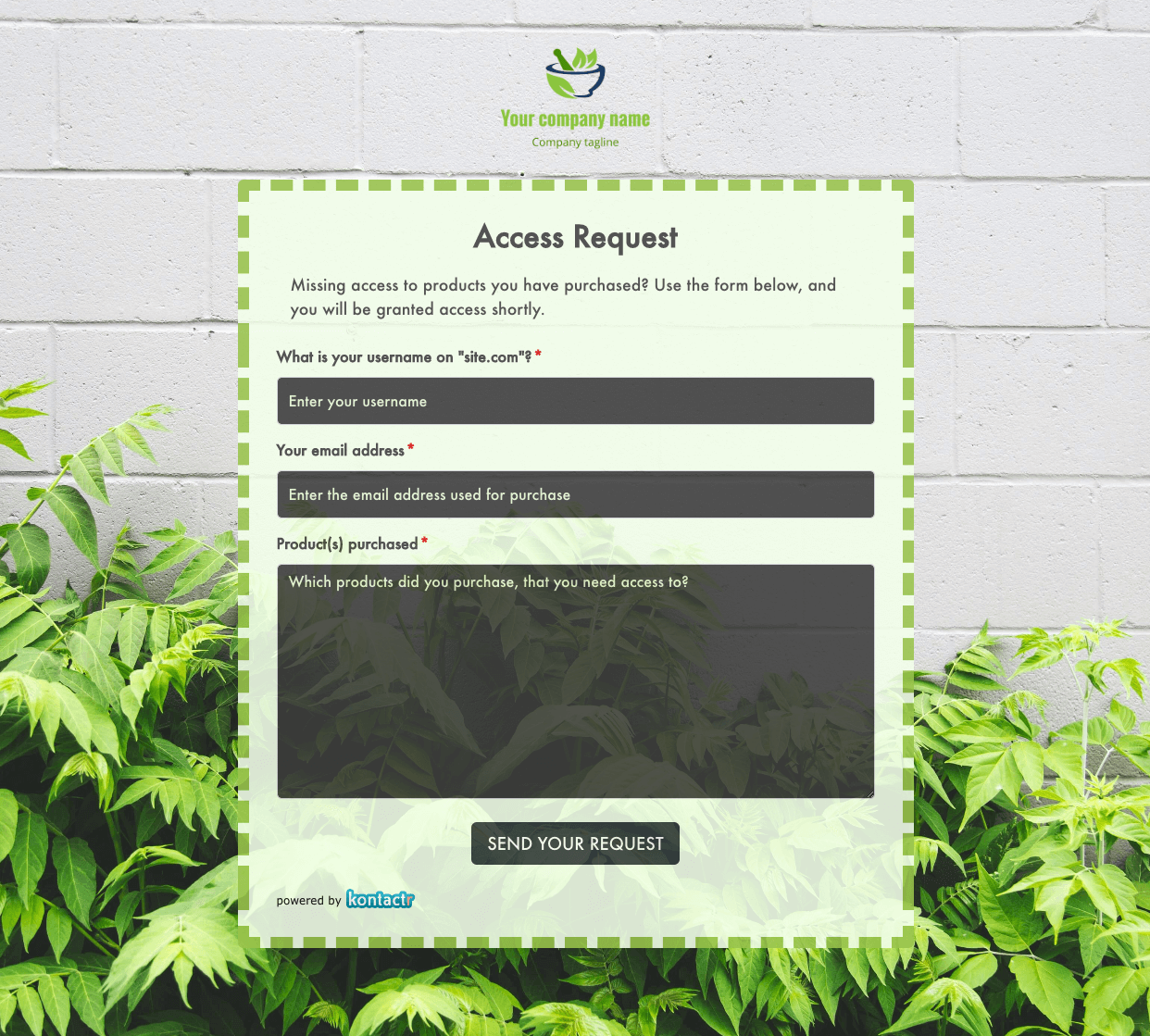 Access Request Form
 Afterparty RSVP Form
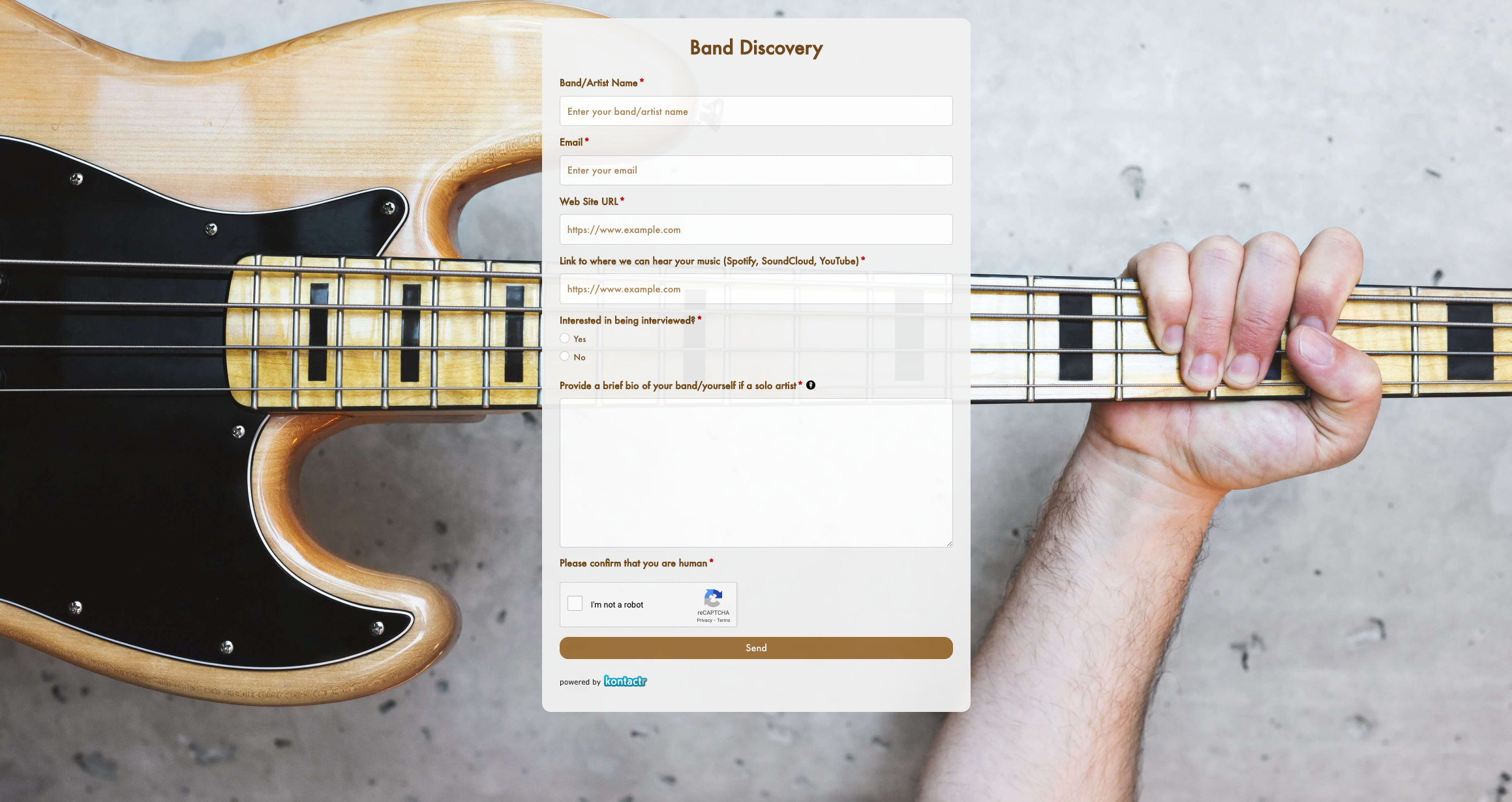 Band Discovery Form
 Book a room Form
 Booking Enquiries Form
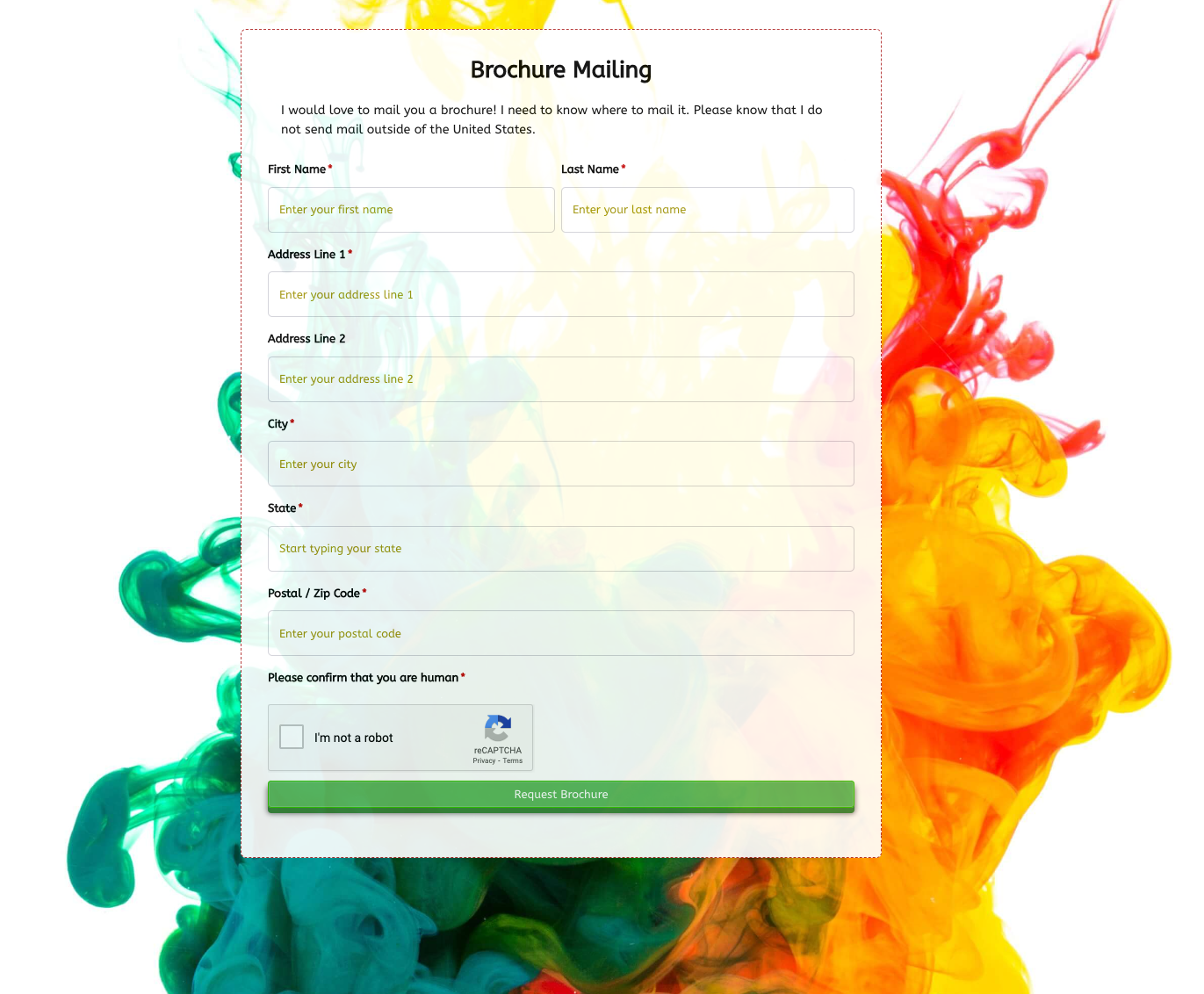 Brochure Mailing Form
 Buy a Home Form
 Catalog Request Form
 Coach Lines Quote Form
 Contact Us Form
 Credit Application Form
 Drop me a line Form
 Enquiry / Feedback Form
 Got a question? Form
 Instant Quote Form
 Job Application Form
 Language & Literacy Lab Form
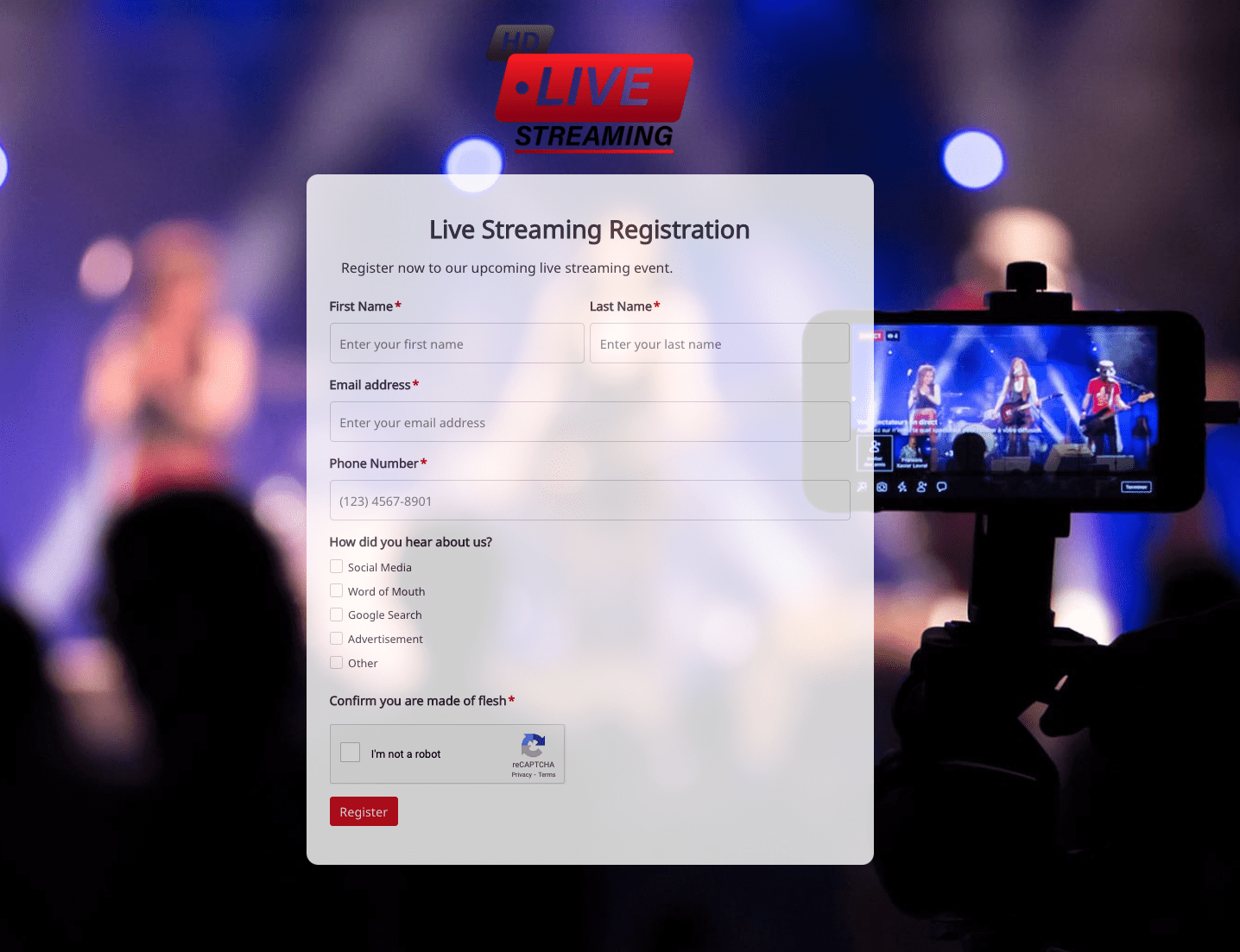 Live Streaming Registration Form
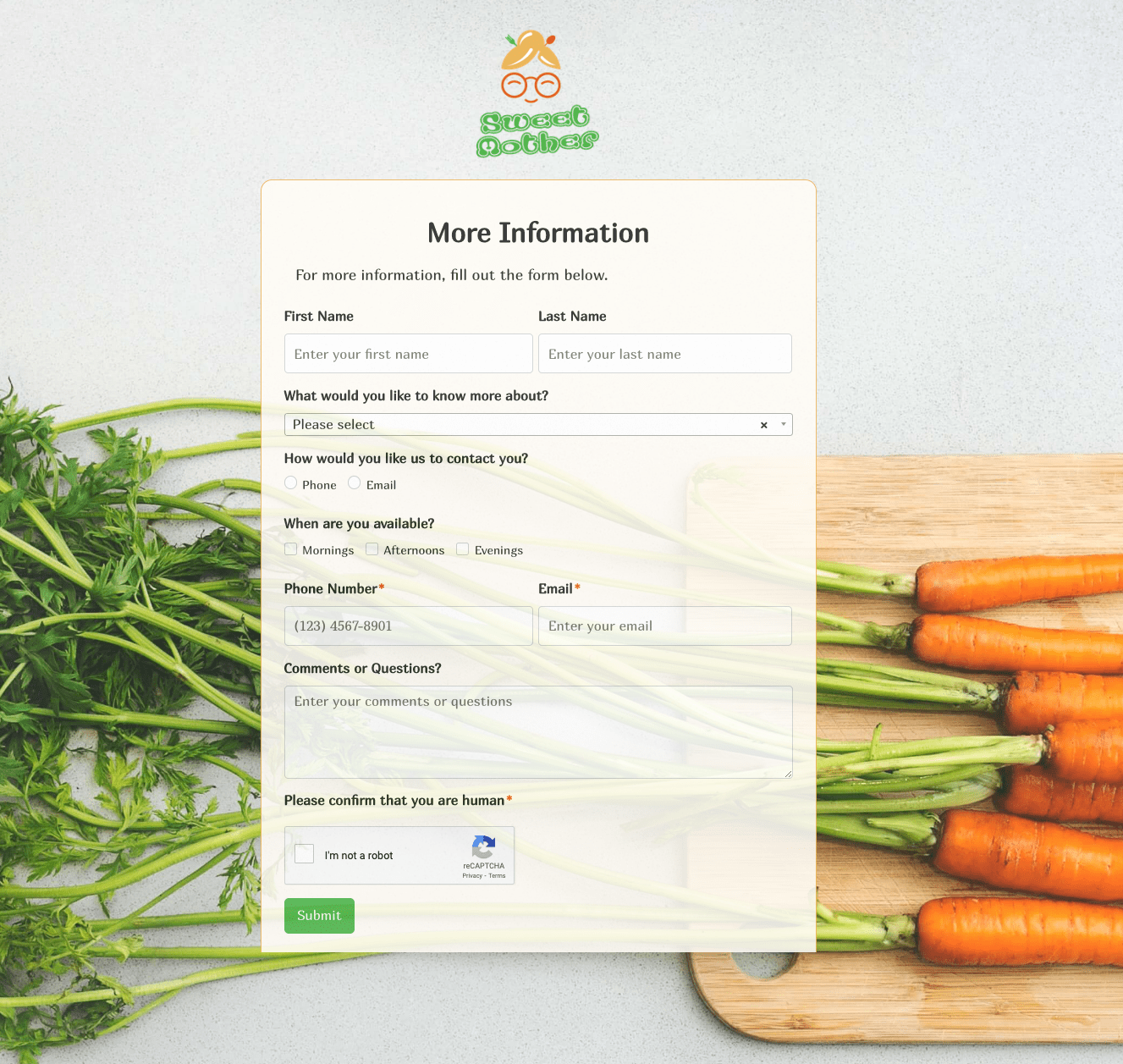 More Information Form
 Order Exchange Form
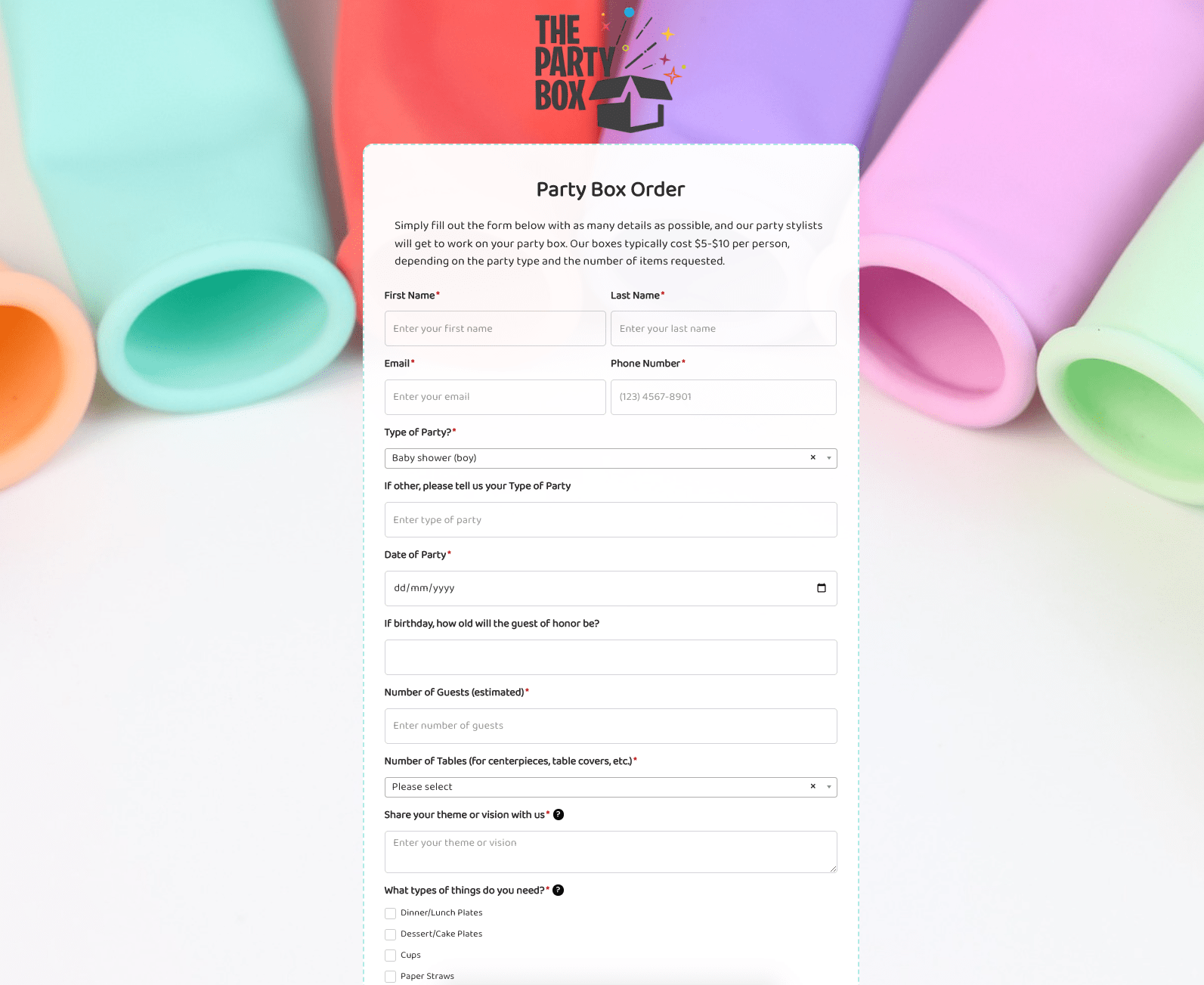 Party Box Order Form
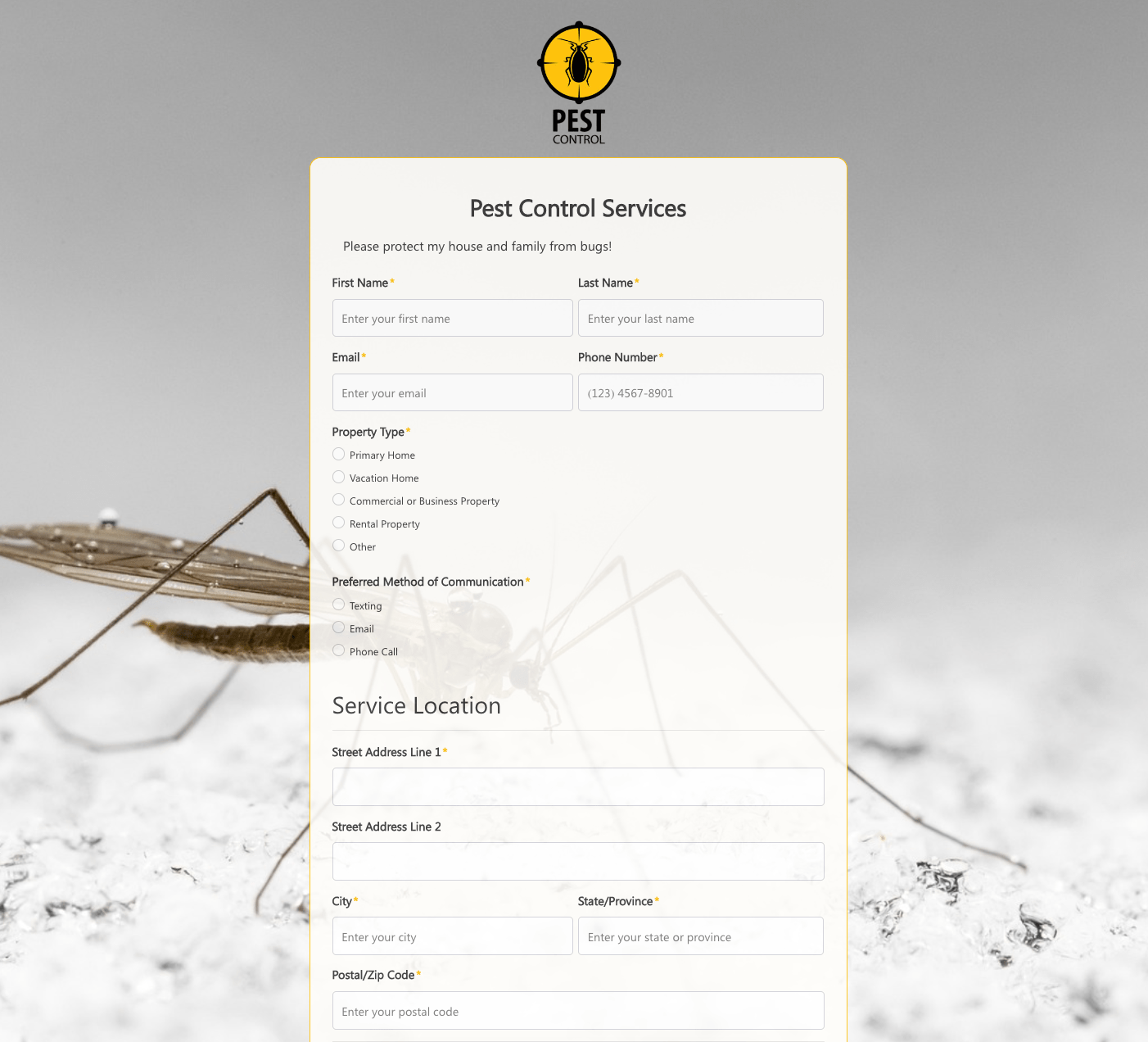 Pest Control Services Form
 Poll / Survey Form
 Receive Ebook Form
 Refinance Mortgage Form
 Remarks / Questions Form
 Report Driver Form
 Retreat Information Form
 Service Enquiry Form
 Skydiving Registration Form
 Spare Part Enquiry Form
 Staff Application Form
 Submission Form
 User Registration Form
 Website Under Construction Form
 Wedding Photographer Form
 Your Opinion Matters Form