Introducing baby snacks is an exciting milestone that supports your child’s growing nutritional needs, motor skills, and independence. As babies transition from exclusive milk feeds to solid foods, snacks help bridge hunger gaps between meals while reinforcing healthy eating habits. When paired with a supportive feeding setup—such as a modern high chair—snack time becomes safer, more comfortable, and more enjoyable for both baby and caregiver.
This comprehensive guide explores how to choose the best baby snacks, when to introduce them, how to ensure safety, and how to establish healthy snacking habits that support long-term growth and development.
Selecting the Best Snacks for Your Baby’s Development
Baby snacks are more than just small meals—they are opportunities for learning, exploration, and nourishment. During infancy, every bite matters because babies have high nutrient needs but small stomachs. This makes nutrient density more important than portion size.
The best baby snacks should:
-
Provide essential nutrients like iron, calcium, healthy fats, and protein
-
Be soft and easy to chew or dissolve
-
Support oral motor development and hand-to-mouth coordination
-
Encourage self-feeding and independence
At this stage, snacks should complement breast milk or formula, not replace them. Offering wholesome snacks teaches babies to enjoy natural flavors and textures rather than overly processed foods, laying the foundation for healthier eating habits later in childhood.
When to Introduce Snacks: Recognizing Readiness Signs
Most babies are ready to incorporate snacks between 6 and 9 months, once they have already started eating solid meals. However, readiness is about development—not age alone.
Signs your baby is ready for snacks include:
-
Sitting upright with good trunk and head control
-
Coordinated hand-to-mouth movements
-
Ability to chew or gum food effectively
-
Curiosity about food and mealtimes
-
Reduced tongue-thrust reflex
Initially, snacks should be offered once a day, gradually increasing to two snacks as your baby approaches their first birthday. Throughout the first year, breast milk or formula should remain the primary source of nutrition, with snacks serving as gentle nutritional support rather than calorie replacements.
Top Nutrient-Dense Soft Snacks for Early Eaters
Choosing the right snacks ensures your baby gets maximum nutritional value from small portions. Soft, whole foods are ideal for early eaters because they are gentle on developing gums and easy to digest.
Highly nutritious snack options include:
-
Avocado slices – packed with healthy fats that support brain development
-
Bananas – naturally sweet and easy to mash
-
Steamed sweet potatoes – rich in fiber, potassium, and vitamin A
-
Soft-cooked carrots, squash, or zucchini – support digestion and eye health
-
Full-fat plain yogurt – provides calcium and probiotics for gut health
-
Scrambled eggs or omelet strips – excellent sources of protein and iron
-
Soft fruits like pears, peaches, and mango
Offering a variety of snacks helps reduce picky eating and ensures your baby receives a wide range of nutrients critical for growth.
On-the-Go Baby Snack Ideas That Are Mess-Free and Convenient
Busy schedules don’t mean you have to compromise nutrition. With a little planning, healthy baby snacks can be portable, practical, and low-mess.
Convenient snack ideas include:
-
Soft fruit slices stored in reusable containers
-
Mini vegetable pancakes or muffins made with oats
-
Unsweetened yogurt in spill-resistant pouches
-
Steamed veggie sticks packed in insulated containers
-
Soft cheese cubes for older babies
Consistency matters even when you’re out. Feeding your baby while seated upright—not in strollers or while crawling—helps reduce choking risks and reinforces positive eating routines.
How to Avoid Common Choking Hazards in Baby Snacks
Safety is the most important consideration when offering baby snacks. Babies are still learning how to chew and swallow, which means certain foods pose a high choking risk.
Avoid the following choking hazards:
-
Whole nuts or large nut pieces
-
Raw apples or carrots
-
Whole grapes (must be quartered lengthwise)
-
Popcorn
-
Hard crackers or chips
-
Sticky foods like thick nut butter
Always supervise snack time, ensure your baby is seated upright, and allow them to eat at their own pace. Gagging is a normal learning response, but choking is not—proper food preparation and positioning significantly reduce risks.
Homemade vs. Store-Bought Snacks: What to Look for on Labels
Both homemade and store-bought snacks can be part of a healthy feeding routine when chosen carefully.
Homemade Baby Snacks
Benefits:
-
Full control over ingredients and textures
-
No preservatives or added sugars
-
Easy customization for allergies or preferences
Challenges:
Store-Bought Baby Snacks
When purchasing packaged snacks, always check labels for:
-
Short, recognizable ingredient lists
-
No added sugar or salt
-
Age-appropriate texture recommendations
-
Whole-food ingredients like fruits, vegetables, and grains
Avoid products marketed for toddlers if your baby is under 12 months, as they often contain unnecessary additives.
Creative Ways to Introduce New Textures and Flavors
Introducing variety early helps babies become more flexible eaters. It’s normal for babies to reject new foods—sometimes repeatedly—before accepting them. To encourage openness to new foods, consistency and creativity are key.
Effective strategies include:
-
Offering new foods alongside familiar favorites: Pairing a new texture or flavor with a food your baby already enjoys reduces anxiety and increases willingness to explore. For example, introduce mashed lentils alongside well-loved sweet potatoes.
-
Varying preparation methods: Changing how foods are prepared helps babies adapt to different textures. A carrot can be served steamed and mashed one day, then finely shredded or cut into soft sticks another day.
-
Encouraging hands-on exploration: Allowing babies to touch, squeeze, and smear food helps them learn through sensory input. Feeling temperature, texture, and shape builds familiarity and reduces resistance over time—even if very little is eaten at first.
-
Eating together as a family: Babies learn by watching. When they see caregivers enjoying a variety of foods, they’re more likely to imitate those behaviors. Family meals also reinforce the social and emotional aspects of eating.
-
Repeating exposure without pressure: It may take 10–15 exposures for a baby to accept a new food. Offering it calmly and without forcing bites builds trust and supports positive associations with eating.
Establishing Healthy Snacking Habits for Long-Term Growth
Healthy snacking habits formed in infancy influence eating patterns well into childhood. Structure and consistency help babies recognize hunger and fullness cues.
To build positive habits:
-
Offer snacks at predictable times
-
Avoid constant grazing throughout the day
-
Serve snacks while seated and supervised
-
Keep portions small and balanced
Snacks should satisfy hunger without interfering with meals. A calm, pressure-free environment encourages babies to listen to their bodies and enjoy food.
Conclusion
Baby snacks play an important role in supporting physical growth, skill development, and emotional well-being. When introduced thoughtfully and paired with safe feeding practices, snacks become valuable learning experiences rather than just fillers between meals.
By choosing soft, nutrient-rich foods and maintaining consistent routines, parents and caregivers can nurture confident, capable eaters. Healthy snack habits formed early help children develop a positive relationship with food—one that supports lifelong health and well-being.
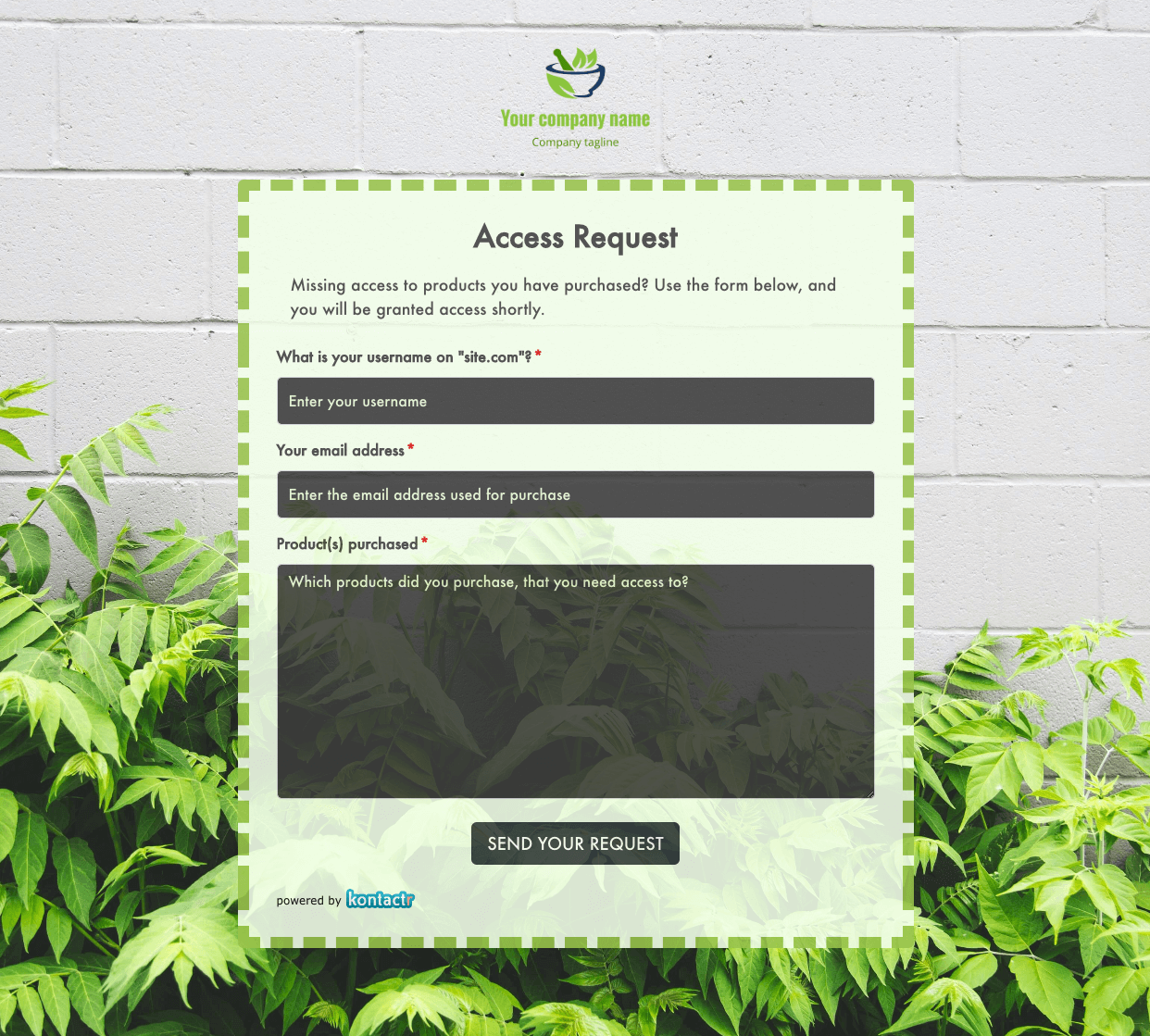 Access Request Form
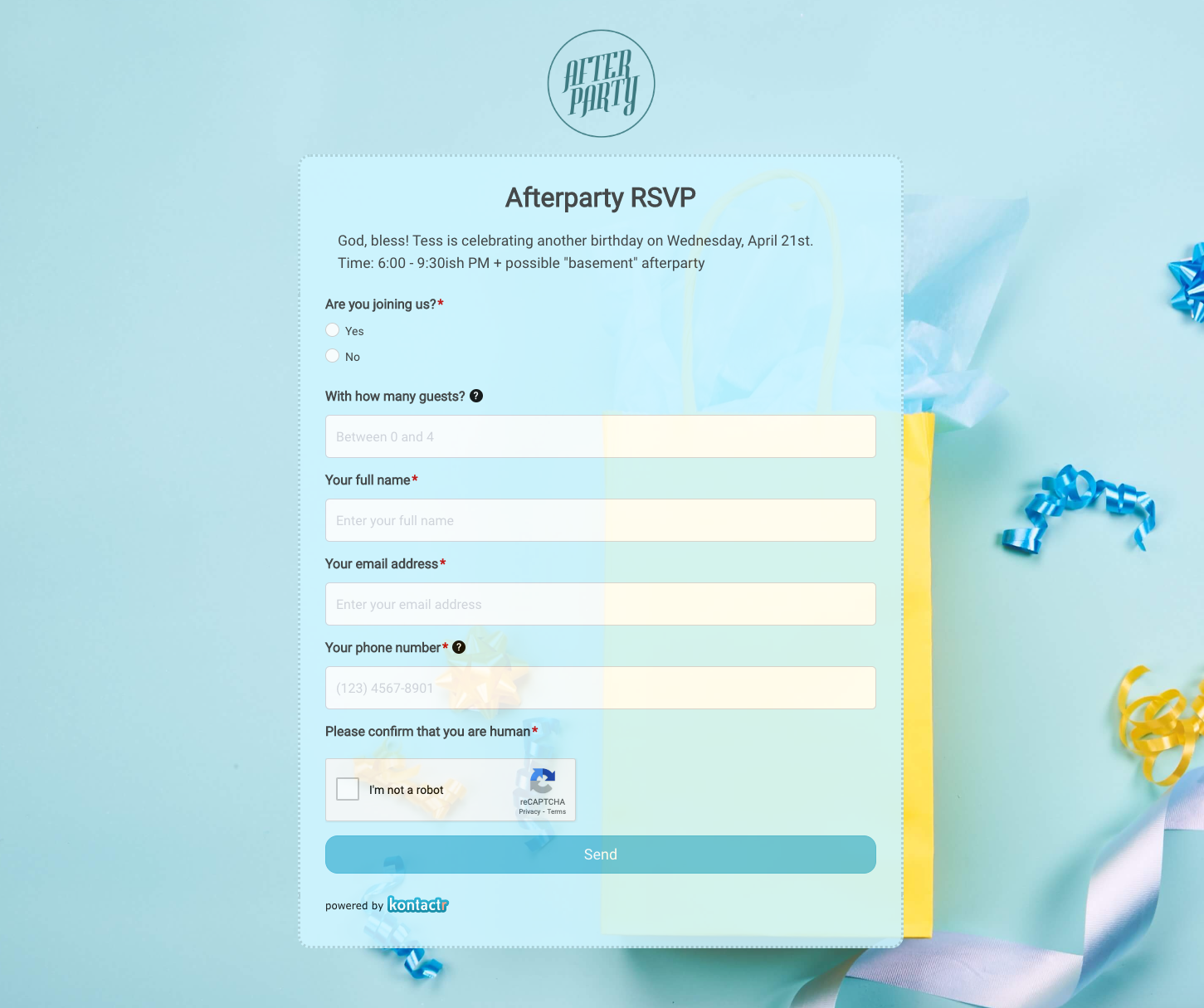 Afterparty RSVP Form
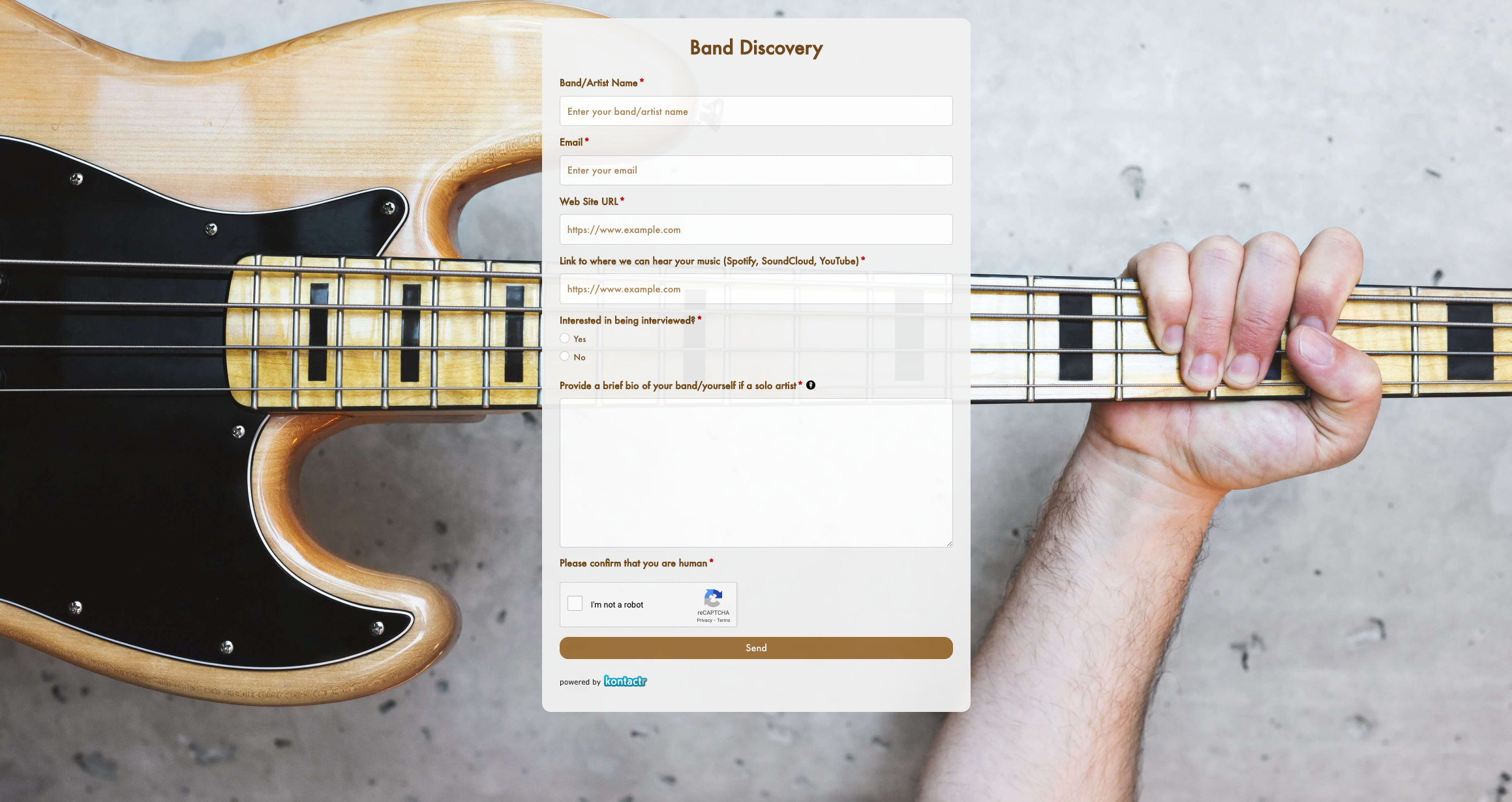 Band Discovery Form
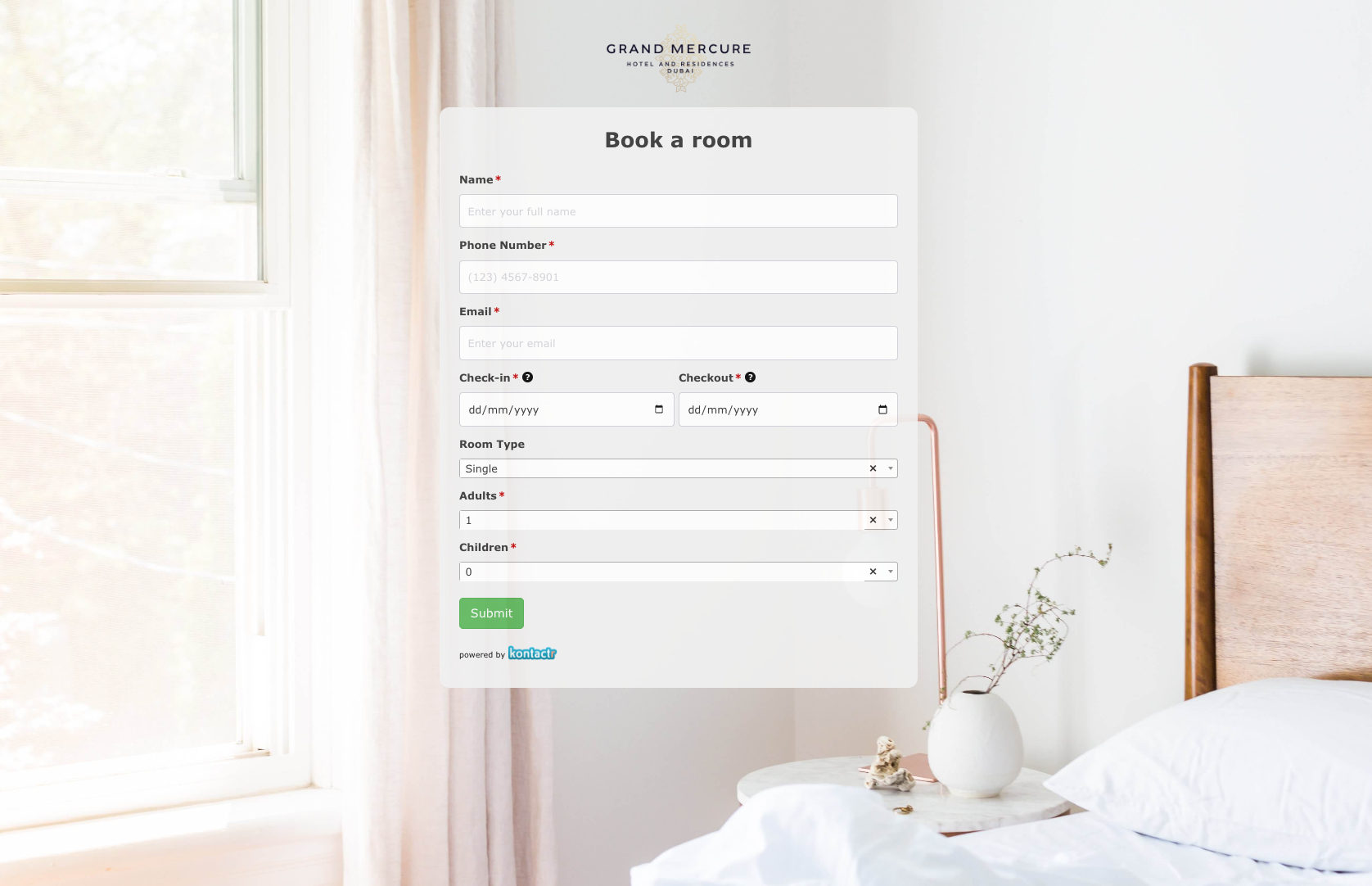 Book a room Form
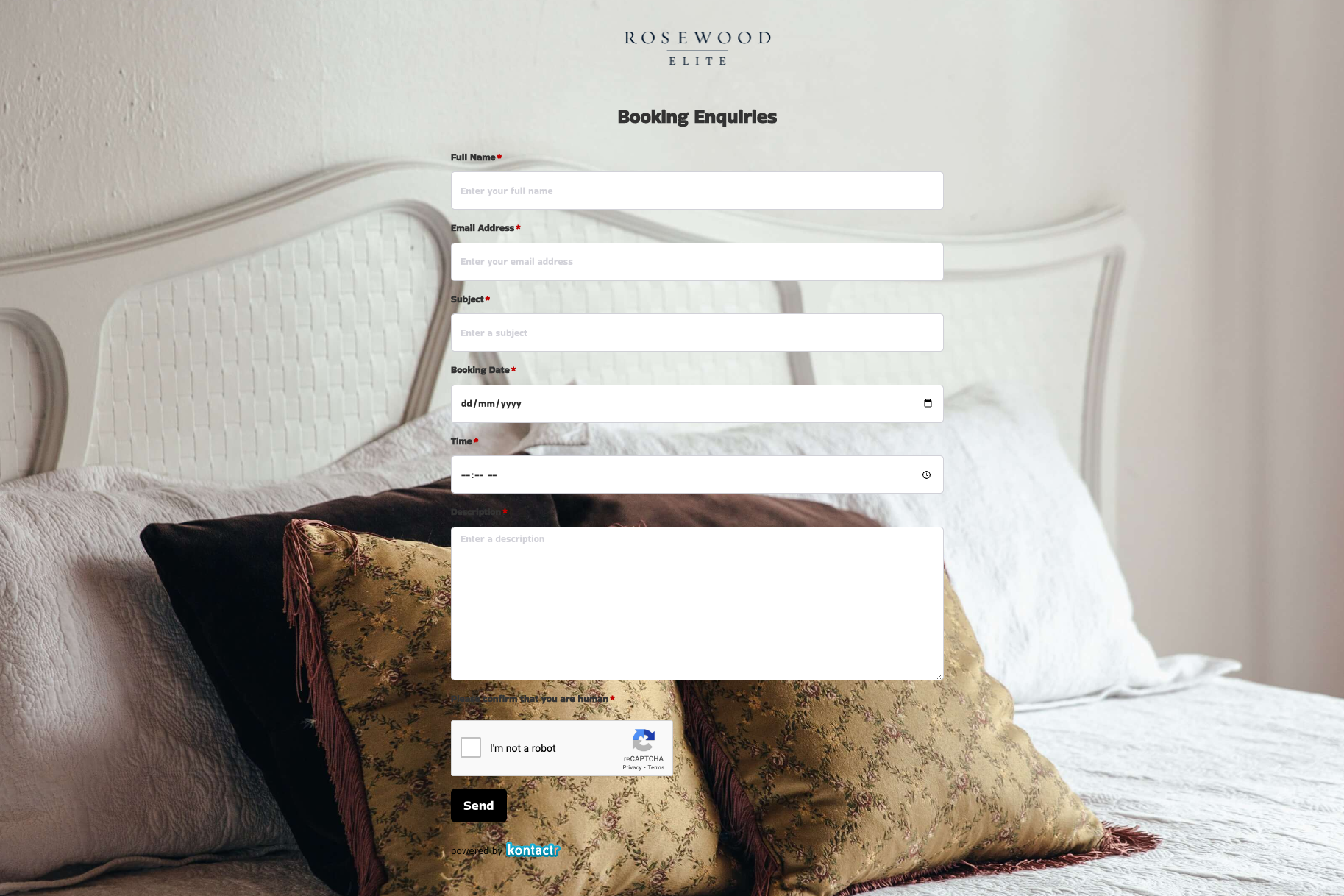 Booking Enquiries Form
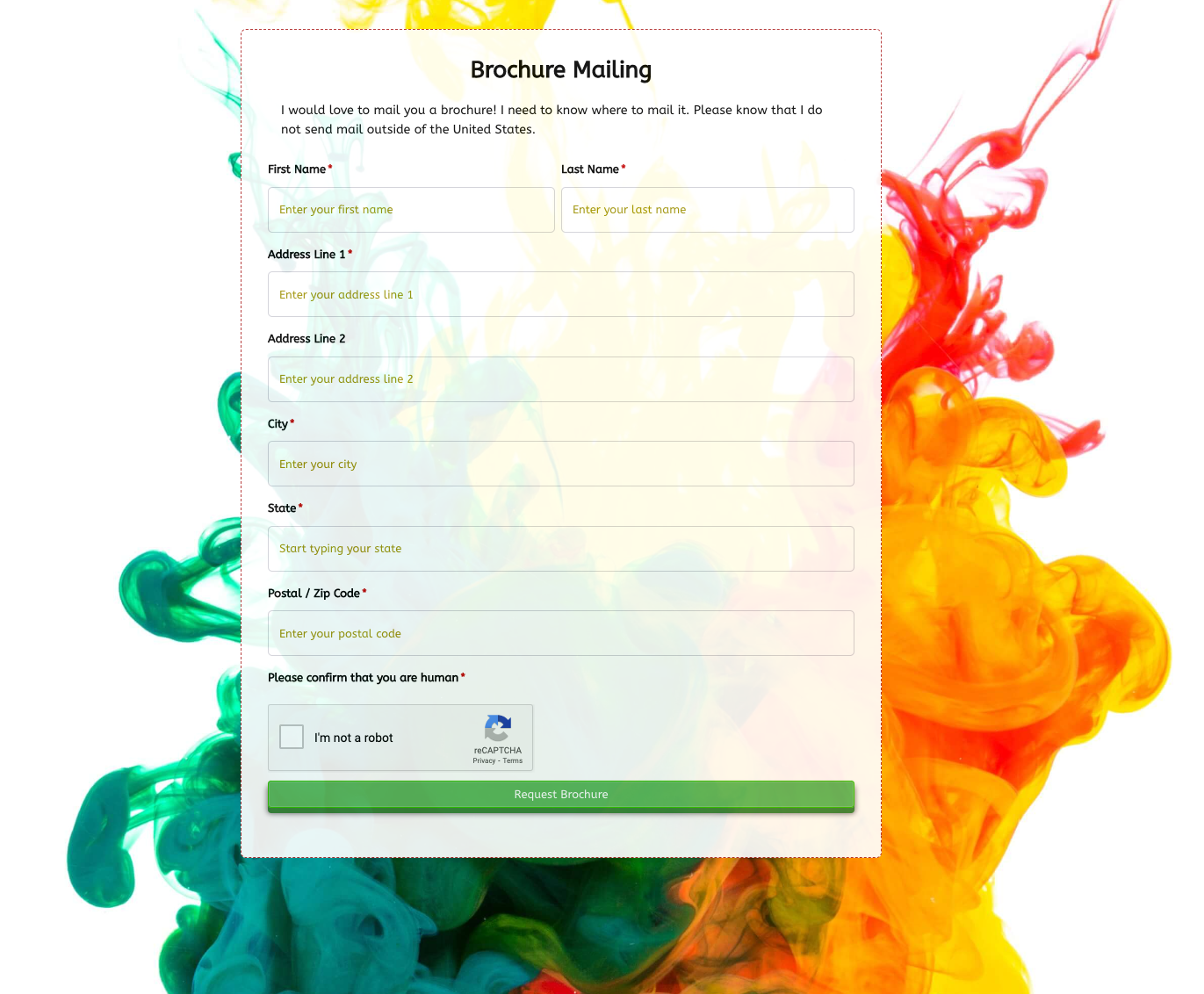 Brochure Mailing Form
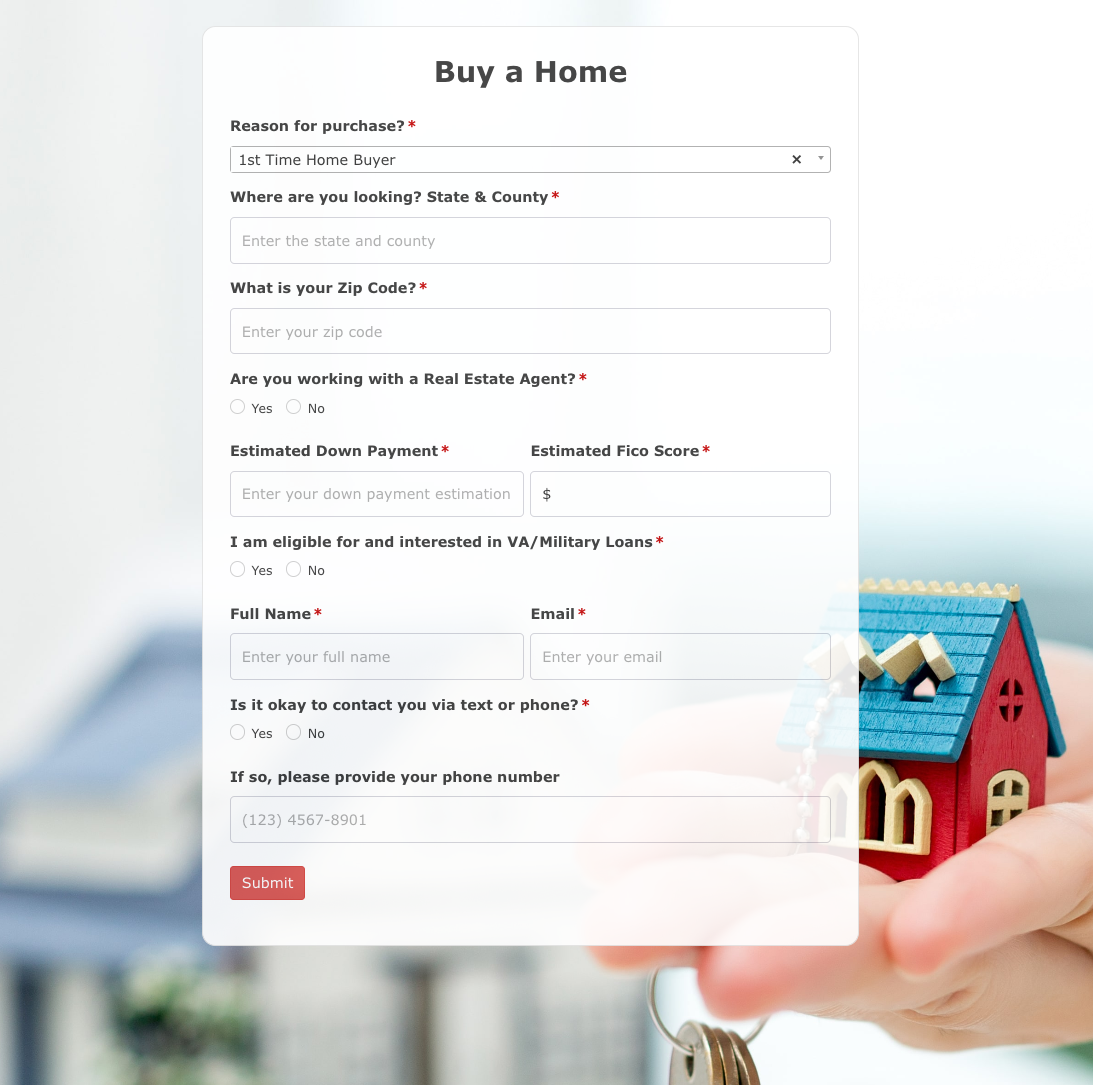 Buy a Home Form
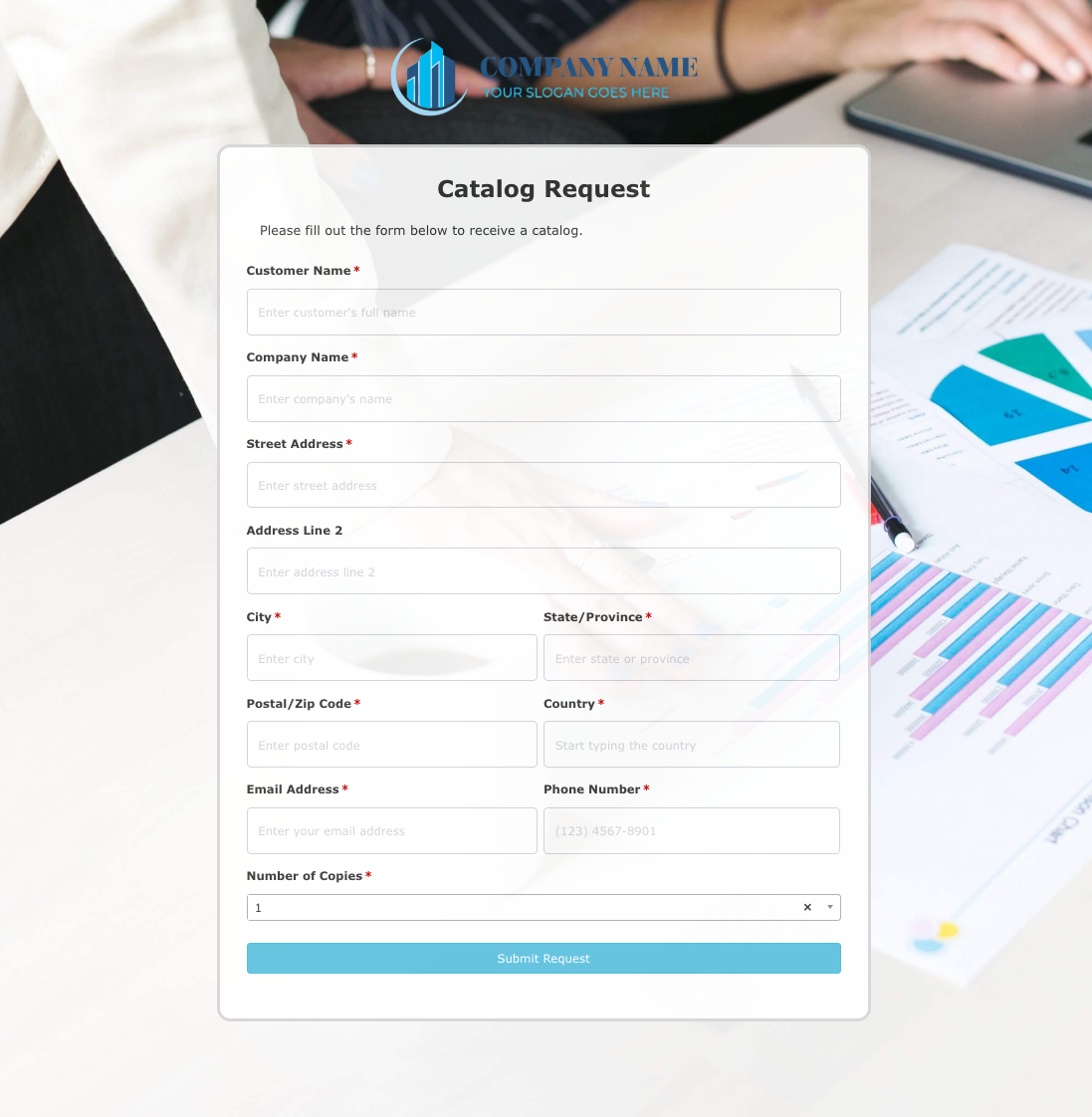 Catalog Request Form
 Coach Lines Quote Form
 Contact Us Form
 Credit Application Form
 Drop me a line Form
 Enquiry / Feedback Form
 Got a question? Form
 Instant Quote Form
 Job Application Form
 Language & Literacy Lab Form
 Live Streaming Registration Form
 More Information Form
 Order Exchange Form
 Party Box Order Form
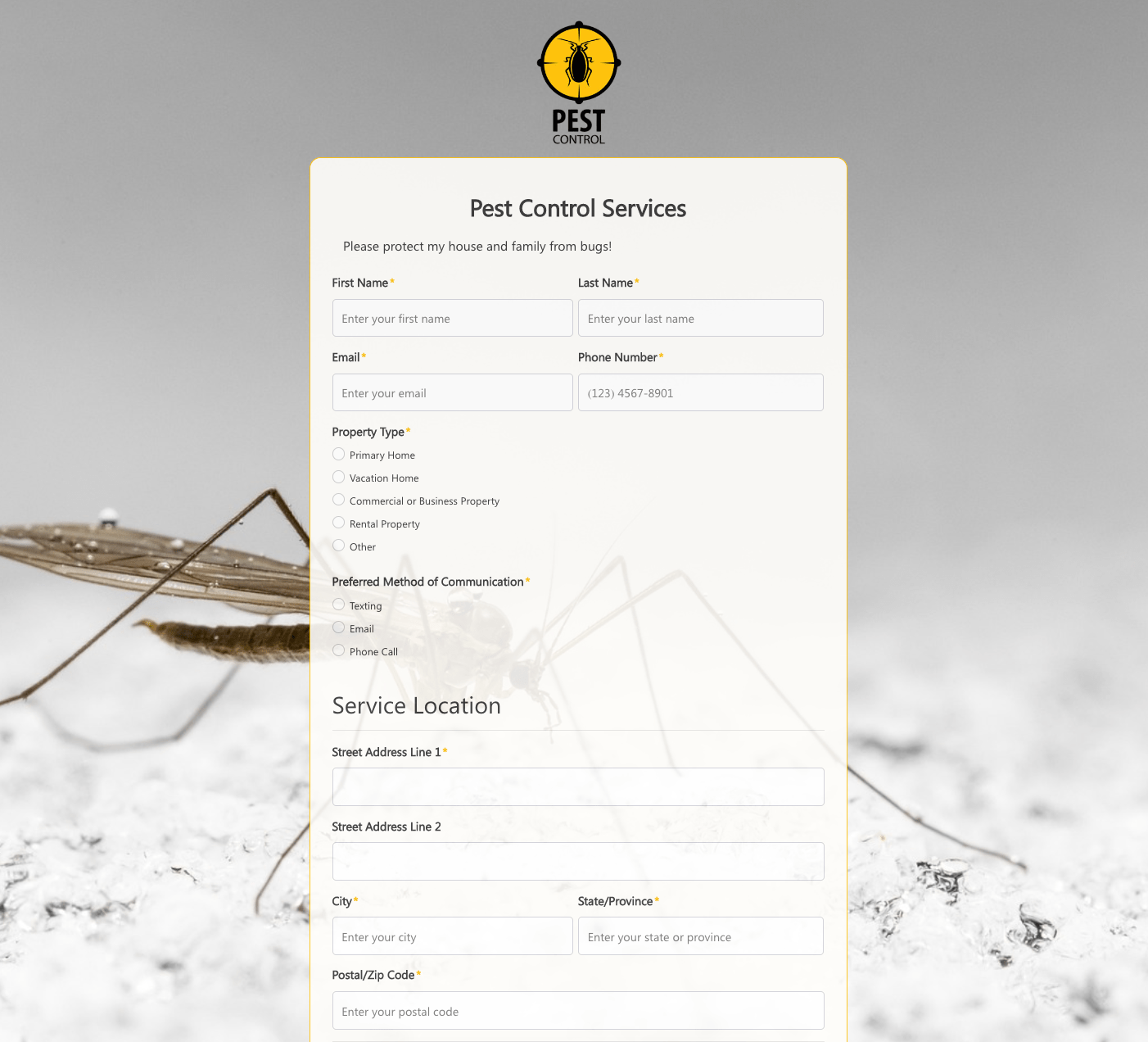 Pest Control Services Form
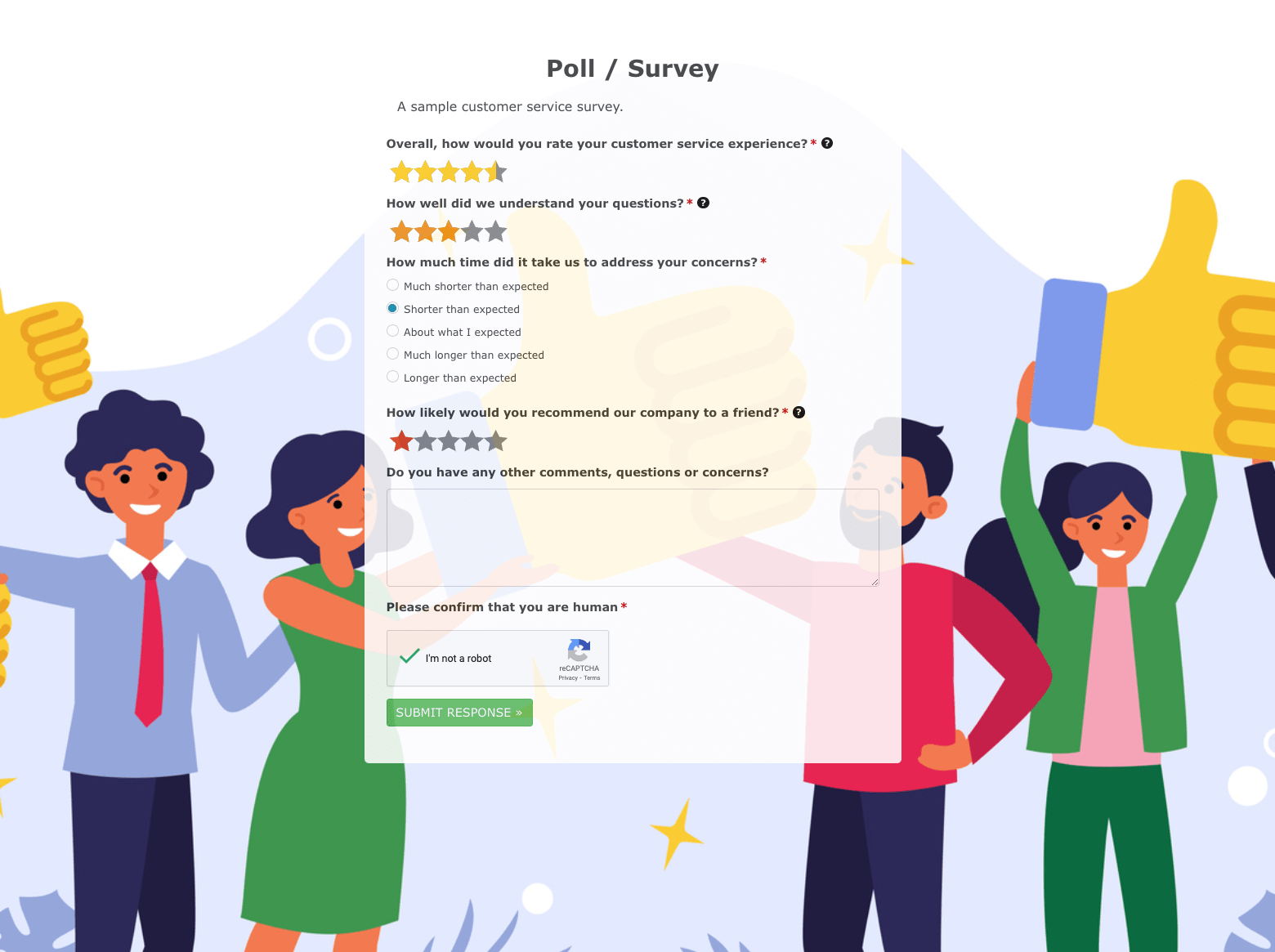 Poll / Survey Form
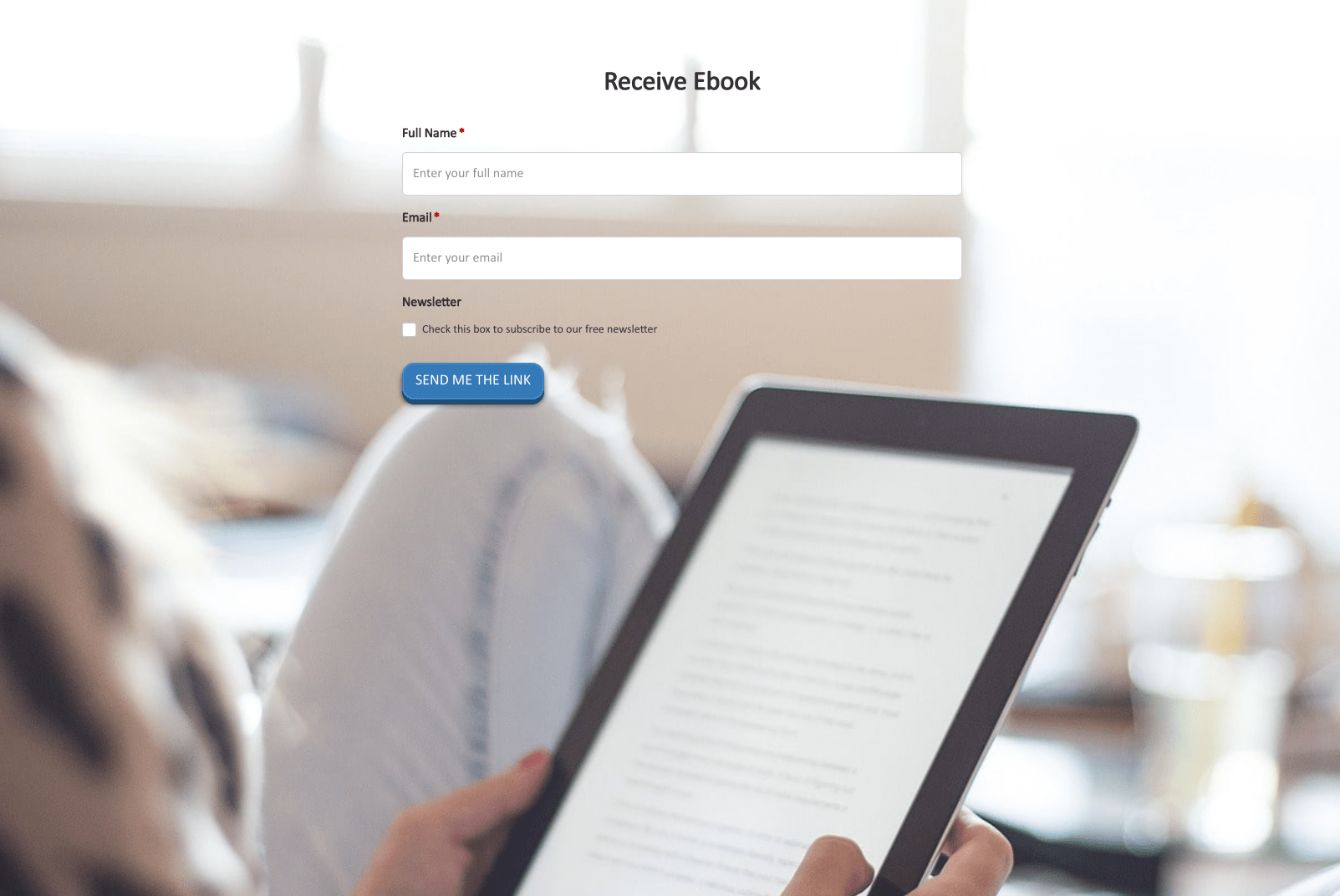 Receive Ebook Form
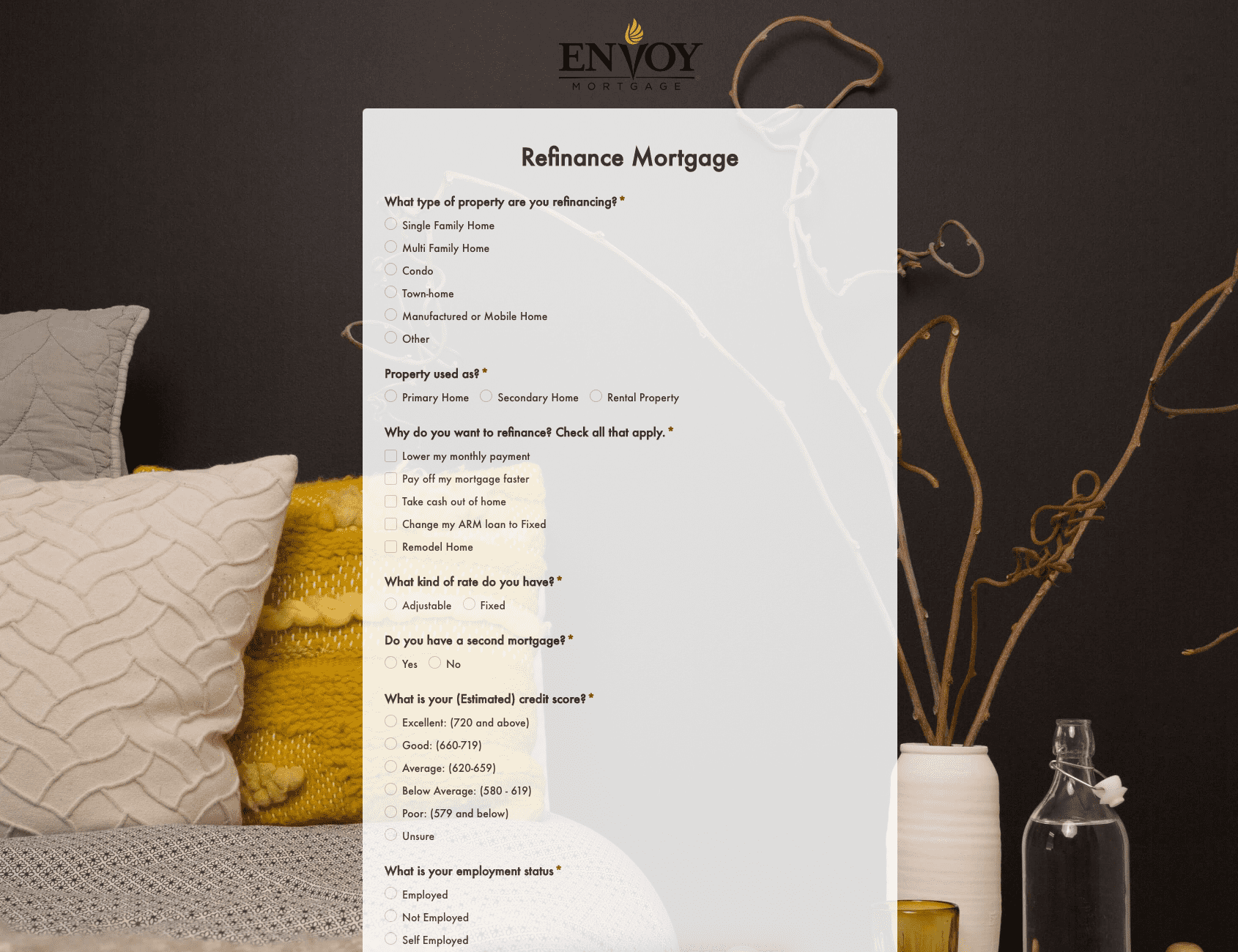 Refinance Mortgage Form
 Remarks / Questions Form
 Report Driver Form
 Retreat Information Form
 Service Enquiry Form
 Skydiving Registration Form
 Spare Part Enquiry Form
 Staff Application Form
 Submission Form
 User Registration Form
 Website Under Construction Form
 Wedding Photographer Form
 Your Opinion Matters Form