Link building, partnership hunting, and site acquisition all run into the same bottleneck: identifying the person who can actually say yes, then earning a reply. That sounds straightforward until you try it. Anyone who has done outreach knows the work is messy. Success depends on careful research, the right supporting tools, and messages that feel genuinely personal rather than templated.
Start With a Clear Target Profile
Do not fire off emails or LinkedIn notes until you can describe your ideal counterpart in detail. Not every owner matches your objective. Link campaigns need complementary niches, meaningful traffic, and readers who actually engage. Acquisition searches add domain age, revenue history, and traffic that holds up over time.
Shape that ideal by working through:
- Industry or niche relevance
- Domain authority and organic traffic thresholds
- Content freshness and posting frequency
- Signs of an active, engaged owner (social presence, recent updates)
- Geographic fit, if relevant to your campaign
Locking the profile in first prevents wasted hours later. Outreach stays tight, and replies climb far above anything a mass blast can deliver.
Finding Contact Information for Website Owners
After you assemble target sites, you still have to find the people who run them. That is where campaigns stall. A generic contact form is usable, yet a named email to the decision-maker almost always outperforms it.
These approaches tend to surface owner details most consistently:
WHOIS Lookups
WHOIS is still a reasonable first stop. Plenty of older registrations list a name, organization, and email. Privacy services have reduced how often that works, yet smaller independent properties often still show the person who registered the domain.
LinkedIn Research
LinkedIn is still the strongest place to identify who sits behind a site. Search the company, scan roles such as founder, CEO, marketing lead, or content manager, and you usually land on real names. After that, tools designed for extracting contact data from LinkedIn profiles can turn profile research into outreach-ready lists much faster.
Contact Pages and About Pages
Obvious as it is, many people skip the site itself. Check About, team pages, and author bios. Writers frequently link personal sites or social accounts that point straight to how to reach them.
Building Scaled Outreach Lists
Large programs covering dozens or hundreds of properties cannot rely on one-by-one lookups. A well-structured email database of business contacts helps here. Filters for industry, company size, title, or seniority let you assemble focused lists in minutes instead of days. When volume and relevance both matter, that kind of source connects site discovery to the right person at each site.
Crafting Outreach That Actually Gets Responses
Perfect contacts still fail if the message is lazy. Owners and executives see cold mail all day. You stand out only when the note clearly belongs to them, which means it must be written that way.
These habits reliably lift reply rates:
- Reference something specific. Point to a recent post, a launch, or a change on their site. Vague openers destroy replies.
- Lead with value. Skip your ask at the top. Start with what they gain, whether that is a contribution, a partnership, or a serious purchase conversation.
- Keep it short. Busy readers abandon long cold emails. Make the point in three or four sentences.
- Have one clear call to action. Do not stack requests. One question, one next step.
Follow-ups count as well. One message often vanishes in a crowded inbox even when interest exists. A courteous nudge two or three days later frequently lands at a better time.
Using LinkedIn for Partnership and Acquisition Outreach
For partnerships and acquisitions, LinkedIn DMs often beat cold email. Context is built in. Recipients can inspect who you are, your background, and whether you look credible. That social proof makes a reply far easier.
On LinkedIn, send a personalized connection note before any pitch. Warm the relationship slightly, then ask. Treat it as a conversation, not a funnel.
Understanding the Broader Context of Your Outreach
It is tempting to obsess over contact hunting and copy. Zooming out to the market you are in can sharpen priorities. Digital adoption, payments infrastructure, and economic development can tell you which regions or sectors deserve attention first. Work that looks at systemic challenges in emerging digital economies and how other countries addressed similar issues can highlight where growth clusters and which markets may be open to new partnerships or deals.
Tracking and Improving Over Time
Each campaign produces lessons. Record opens, replies, and conversions by segment. Watch which subject lines win. Note whether some industries answer faster, or whether LinkedIn beats email for certain profiles.
Gradually you assemble a playbook tied to your niche and goals. That playbook is a real edge. Most people outreach in fits and starts and never collect enough data to improve. A systematic process, even at modest scale, puts you ahead of most people chasing links, partnerships, or acquisitions.
Finding and contacting owners is not mysterious, but it rewards patience, precision, and offering value before you ask. Nail those basics and the tools and tactics tend to fall into place.
 Access Request Form
 Afterparty RSVP Form
 Band Discovery Form
 Book a room Form
 Booking Enquiries Form
 Brochure Mailing Form
 Buy a Home Form
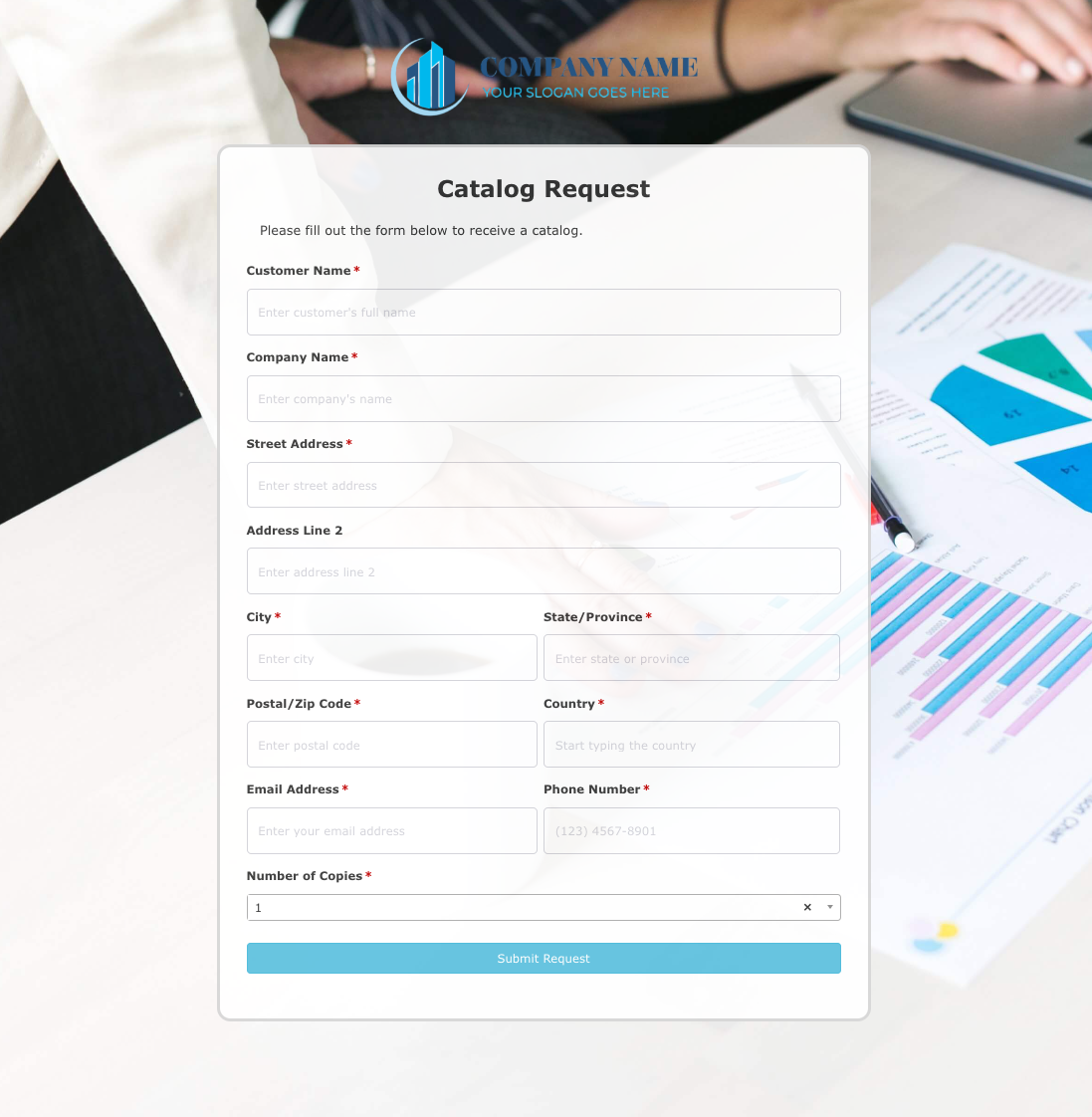 Catalog Request Form
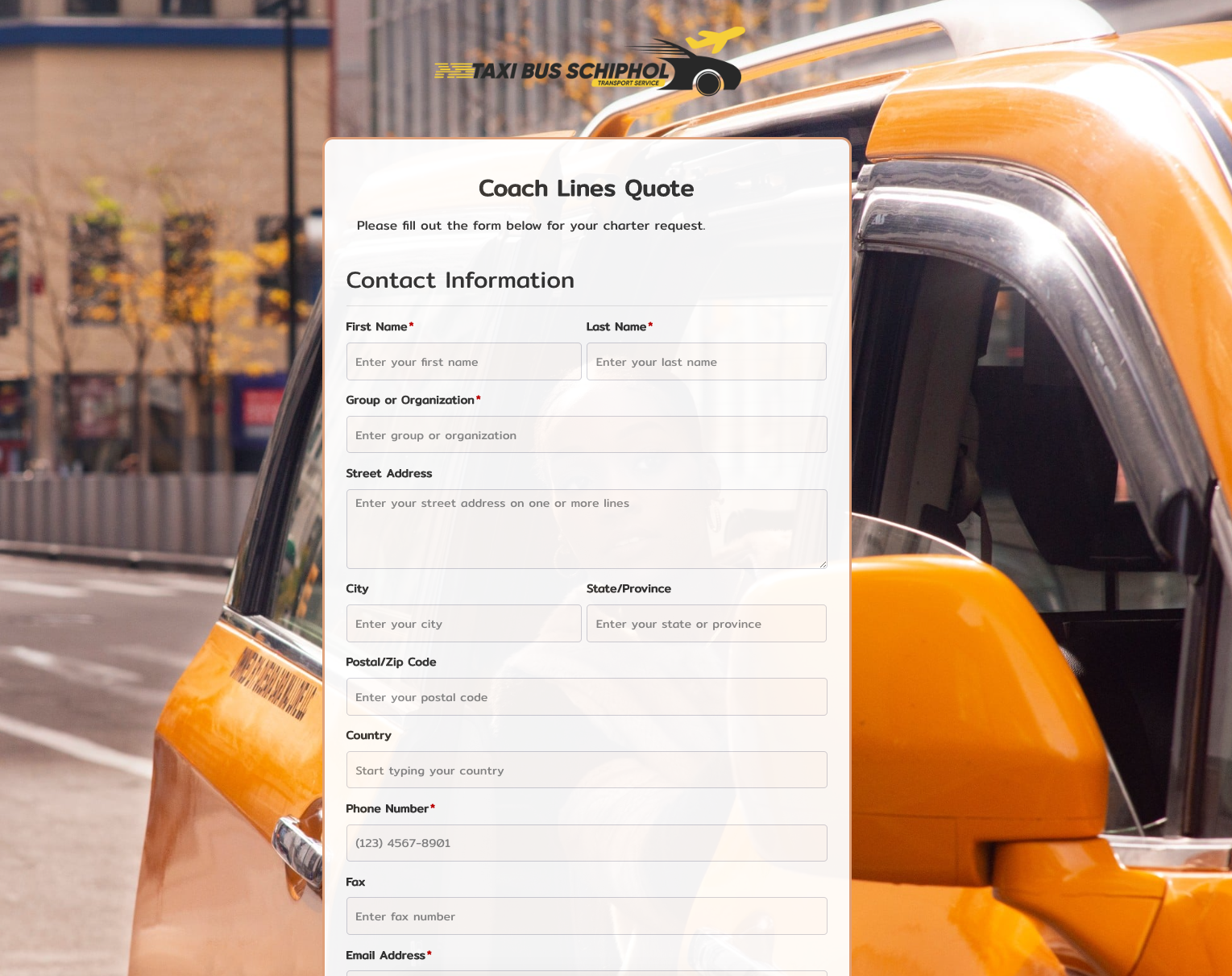 Coach Lines Quote Form
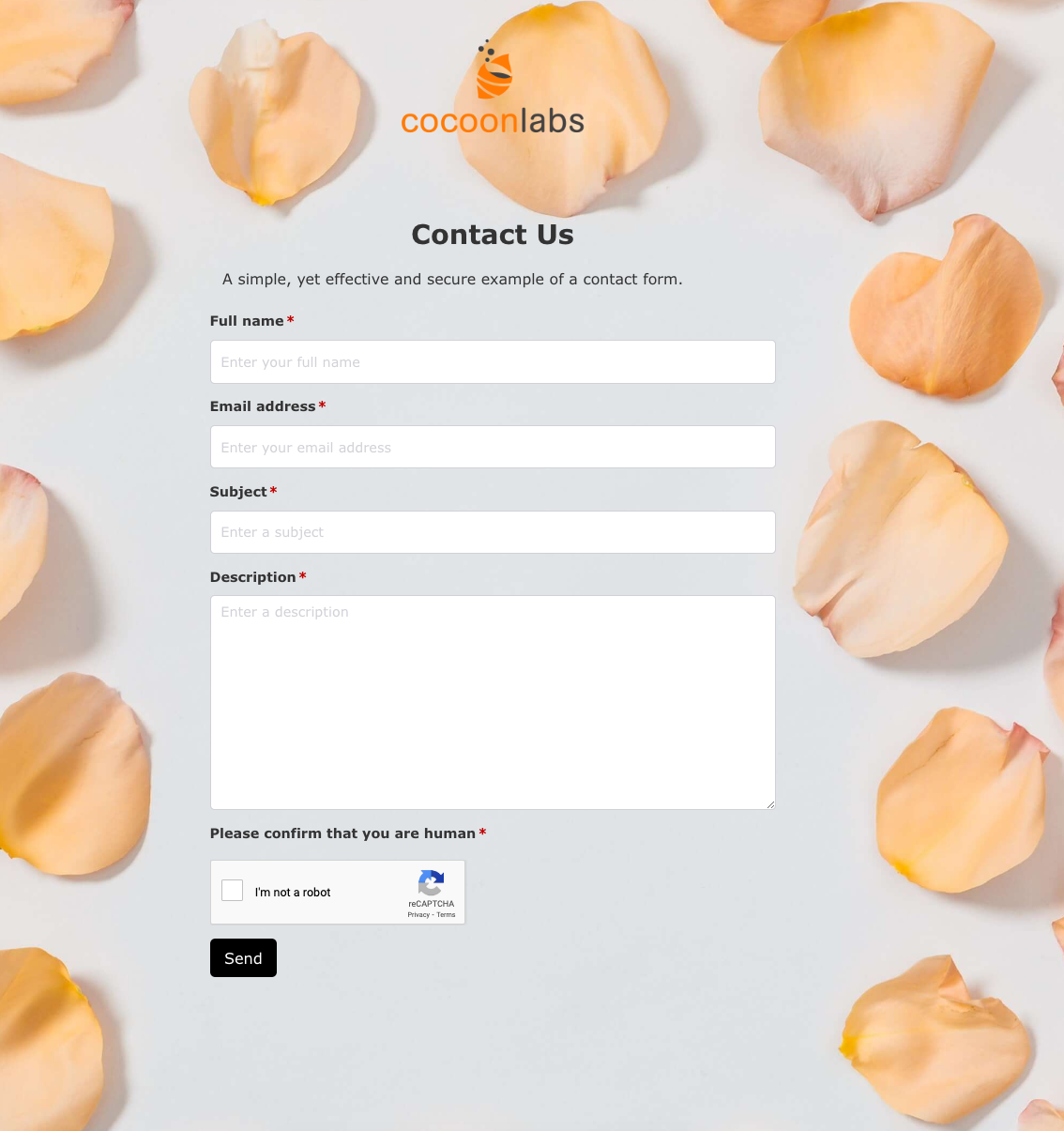 Contact Us Form
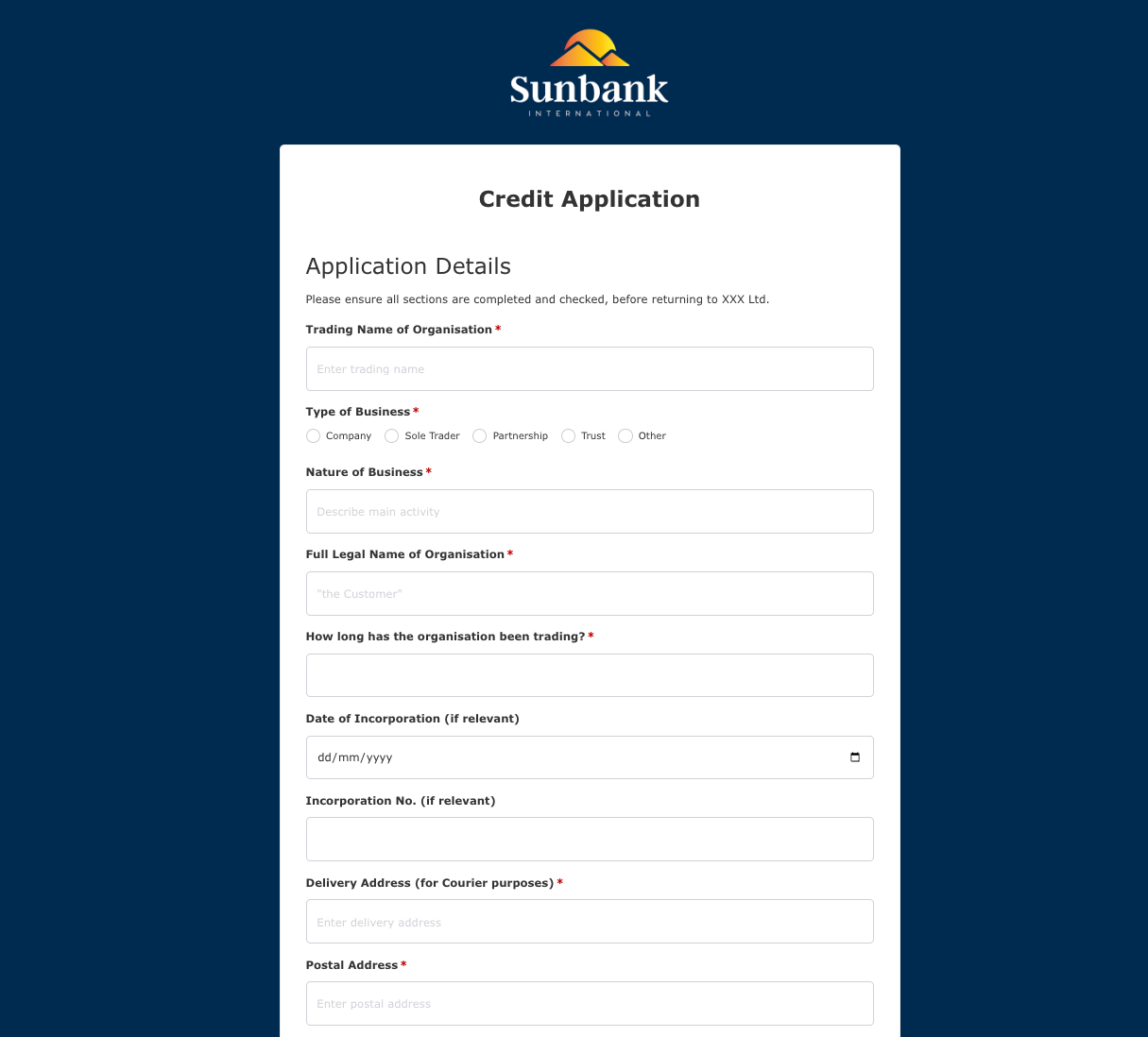 Credit Application Form
 Drop me a line Form
 Enquiry / Feedback Form
 Got a question? Form
 Instant Quote Form
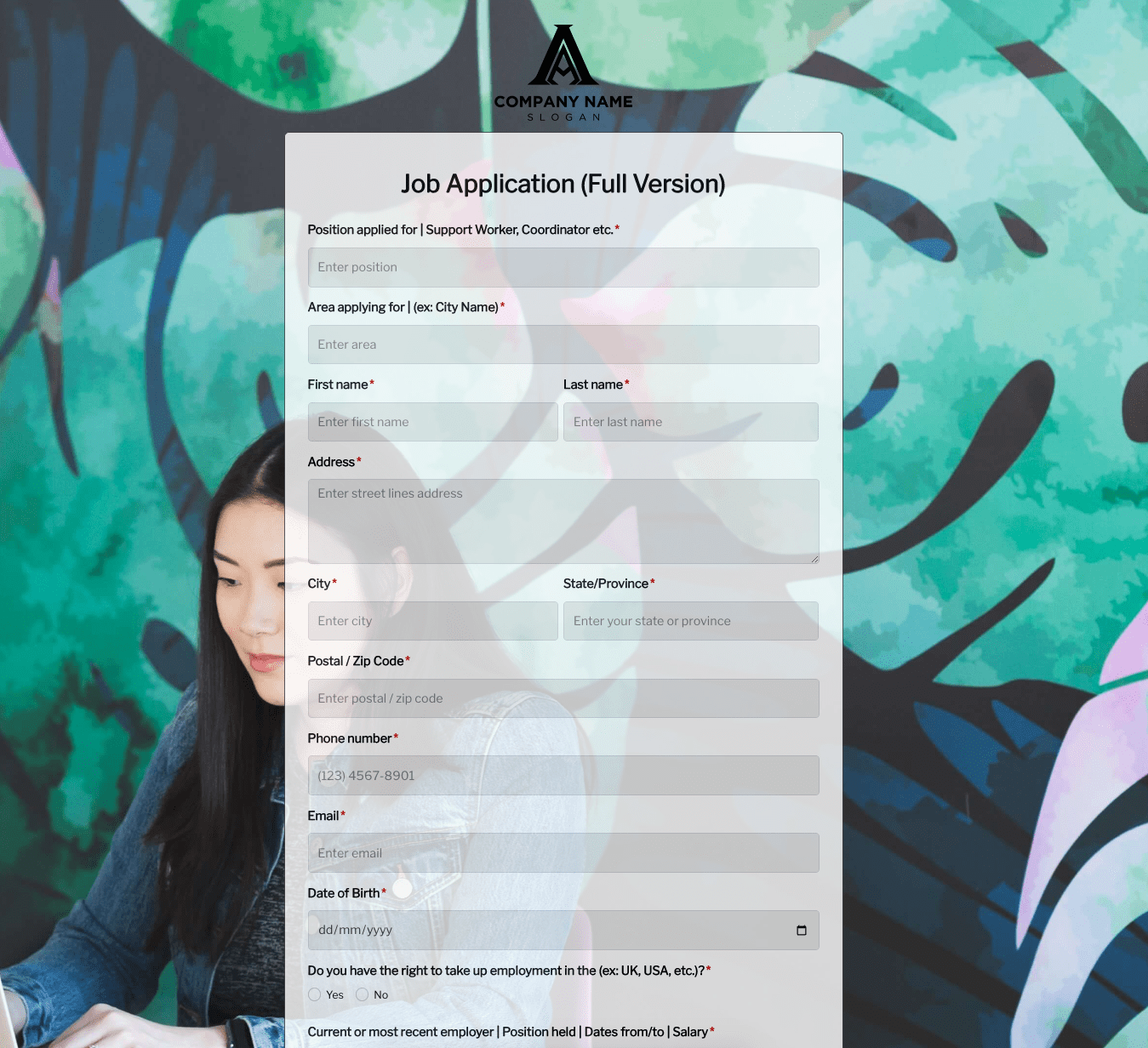 Job Application Form
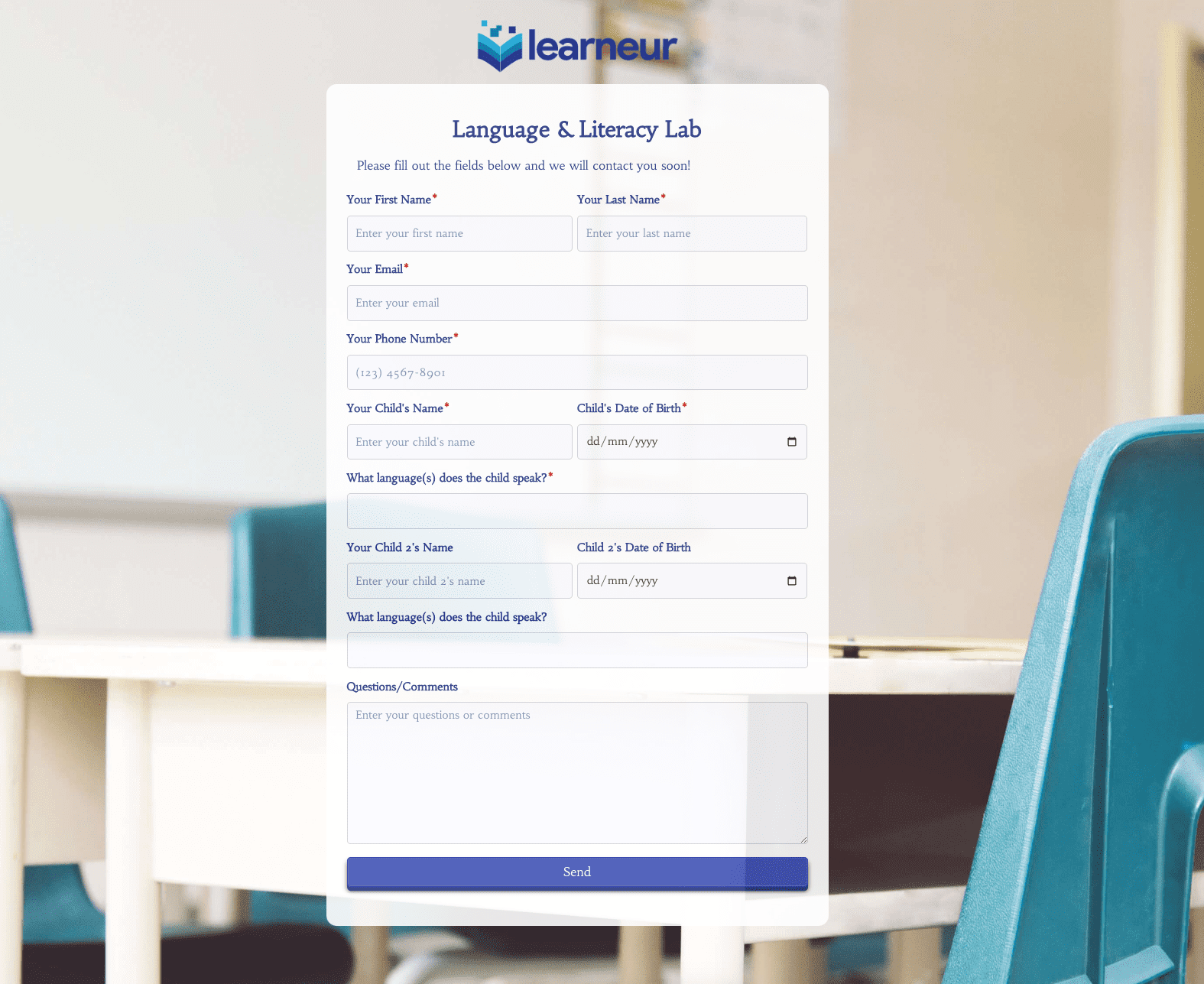 Language & Literacy Lab Form
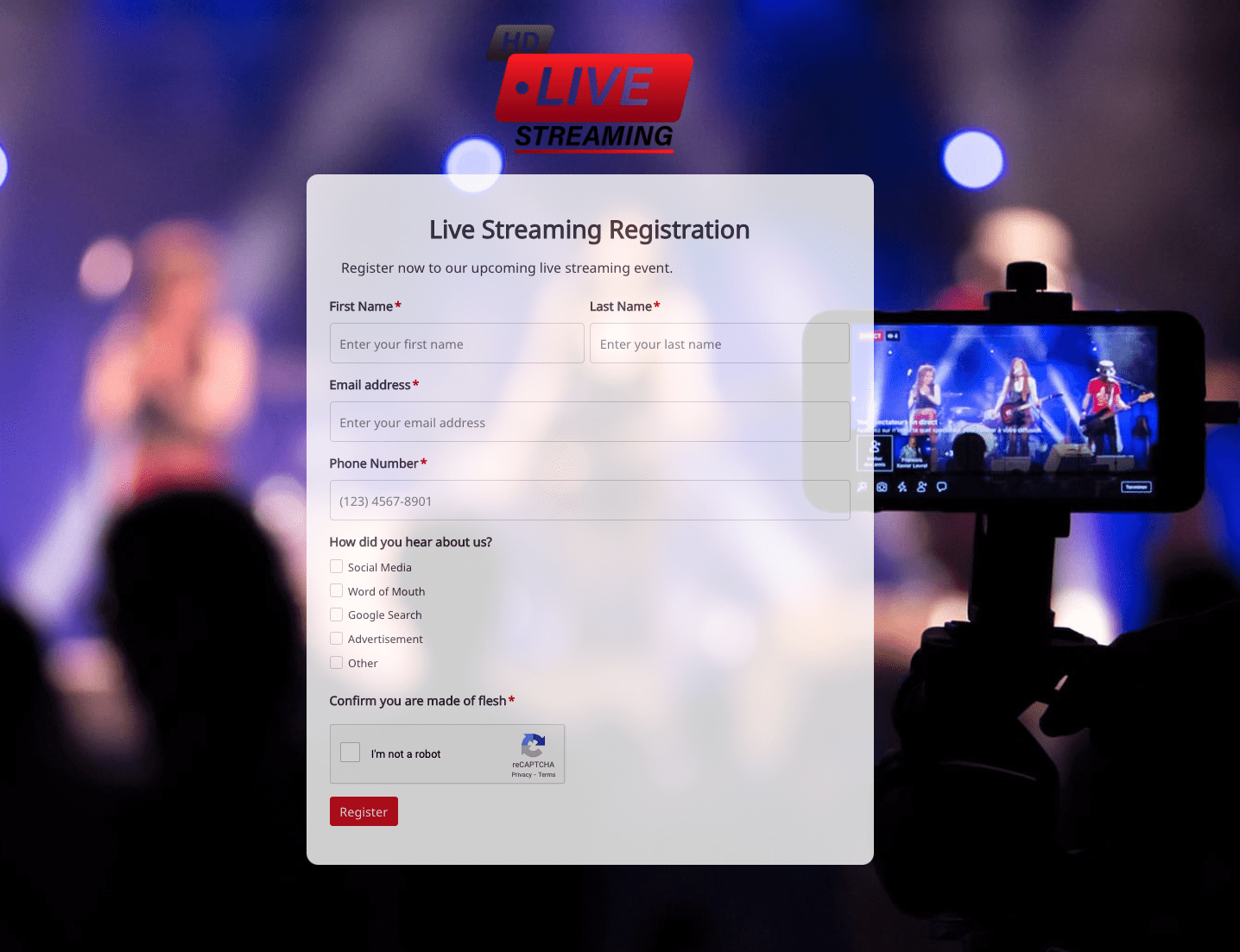 Live Streaming Registration Form
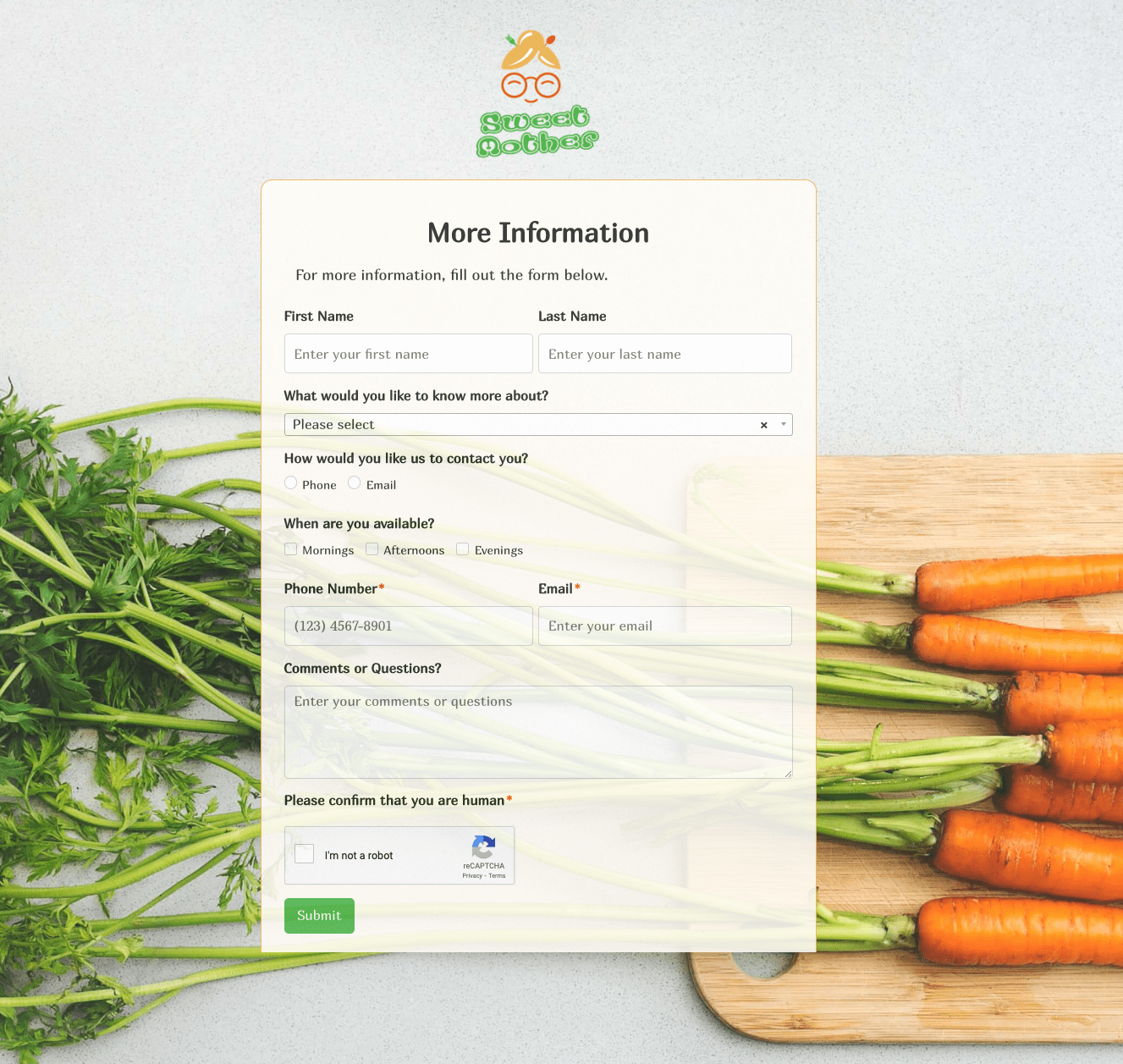 More Information Form
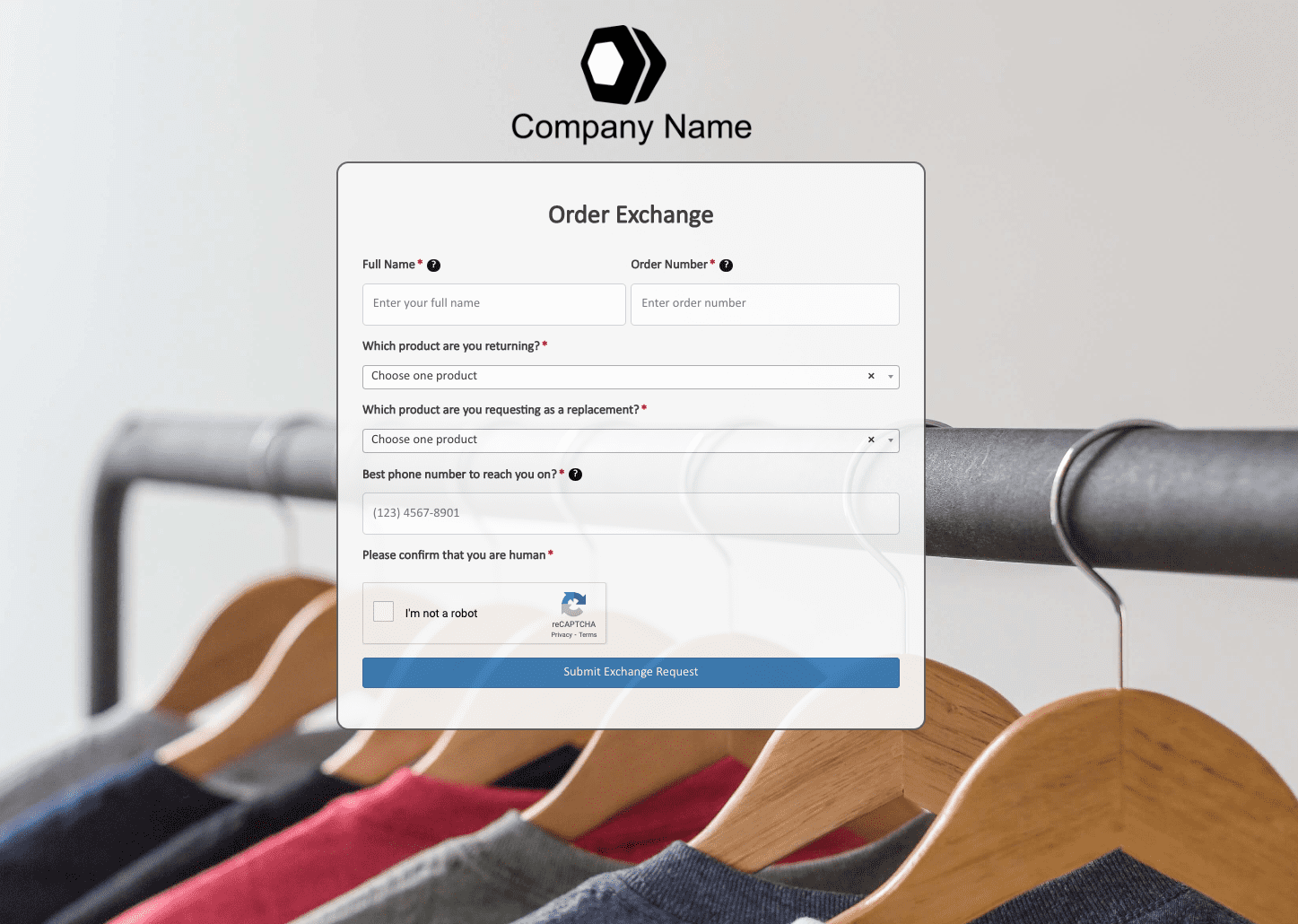 Order Exchange Form
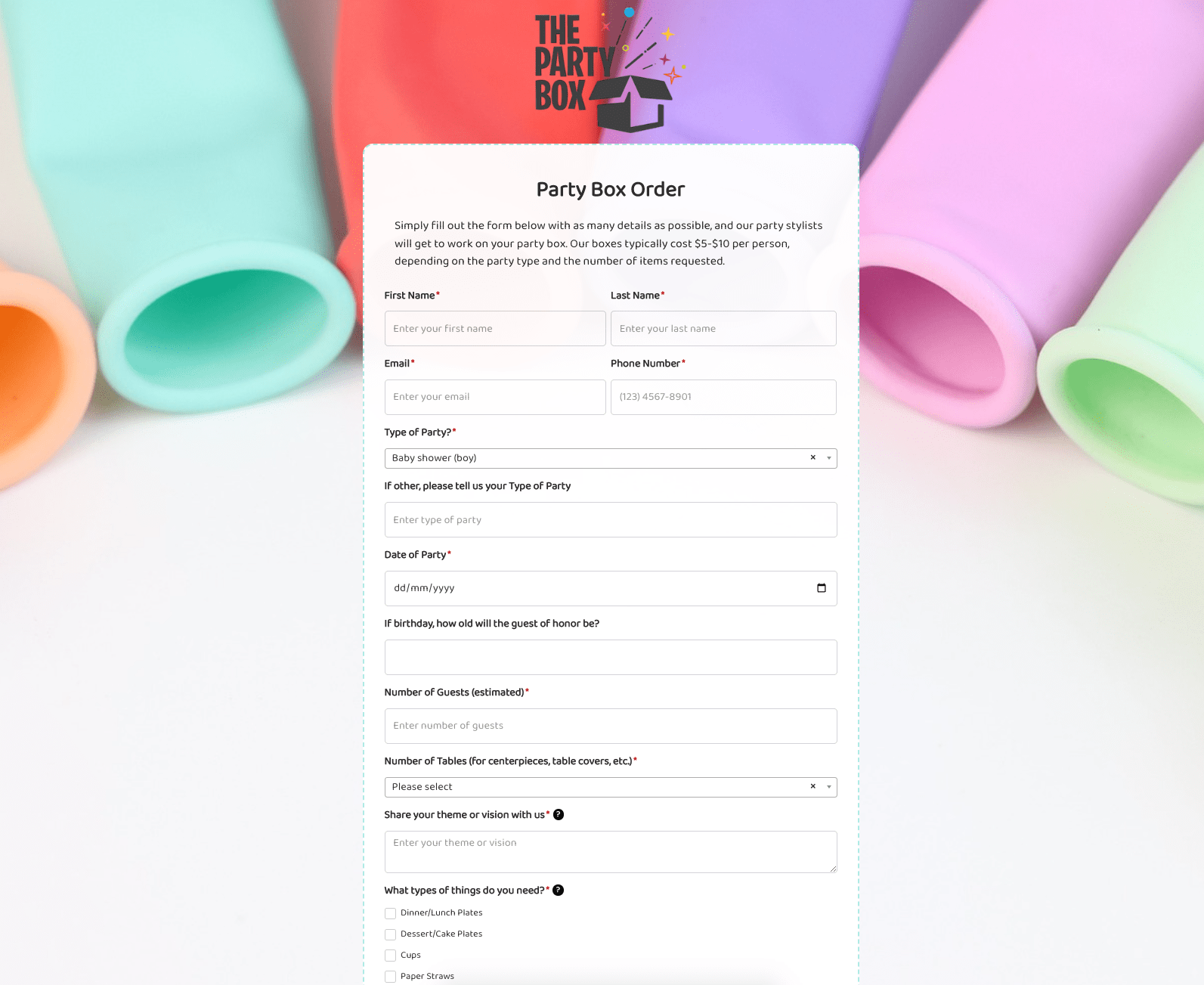 Party Box Order Form
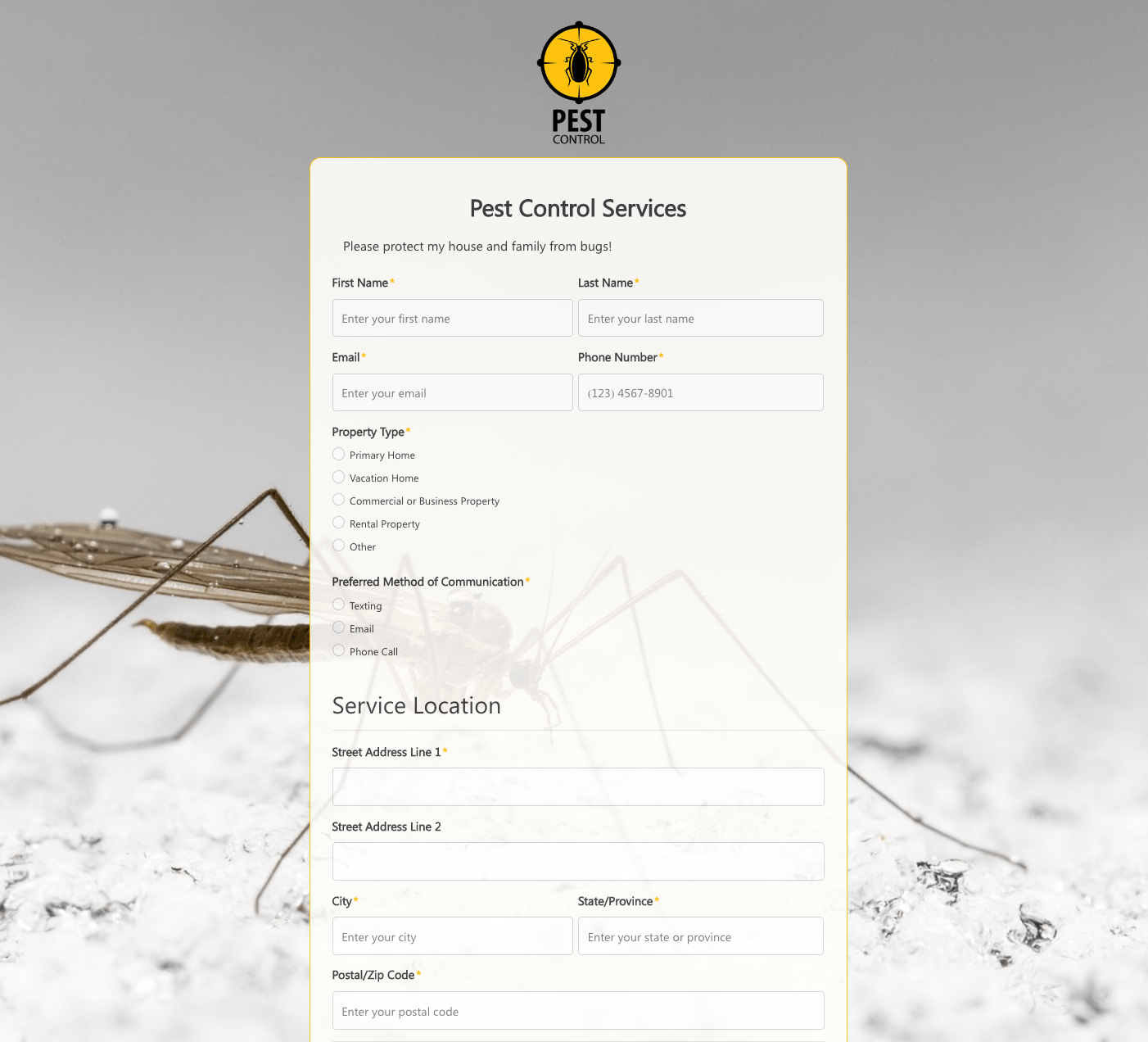 Pest Control Services Form
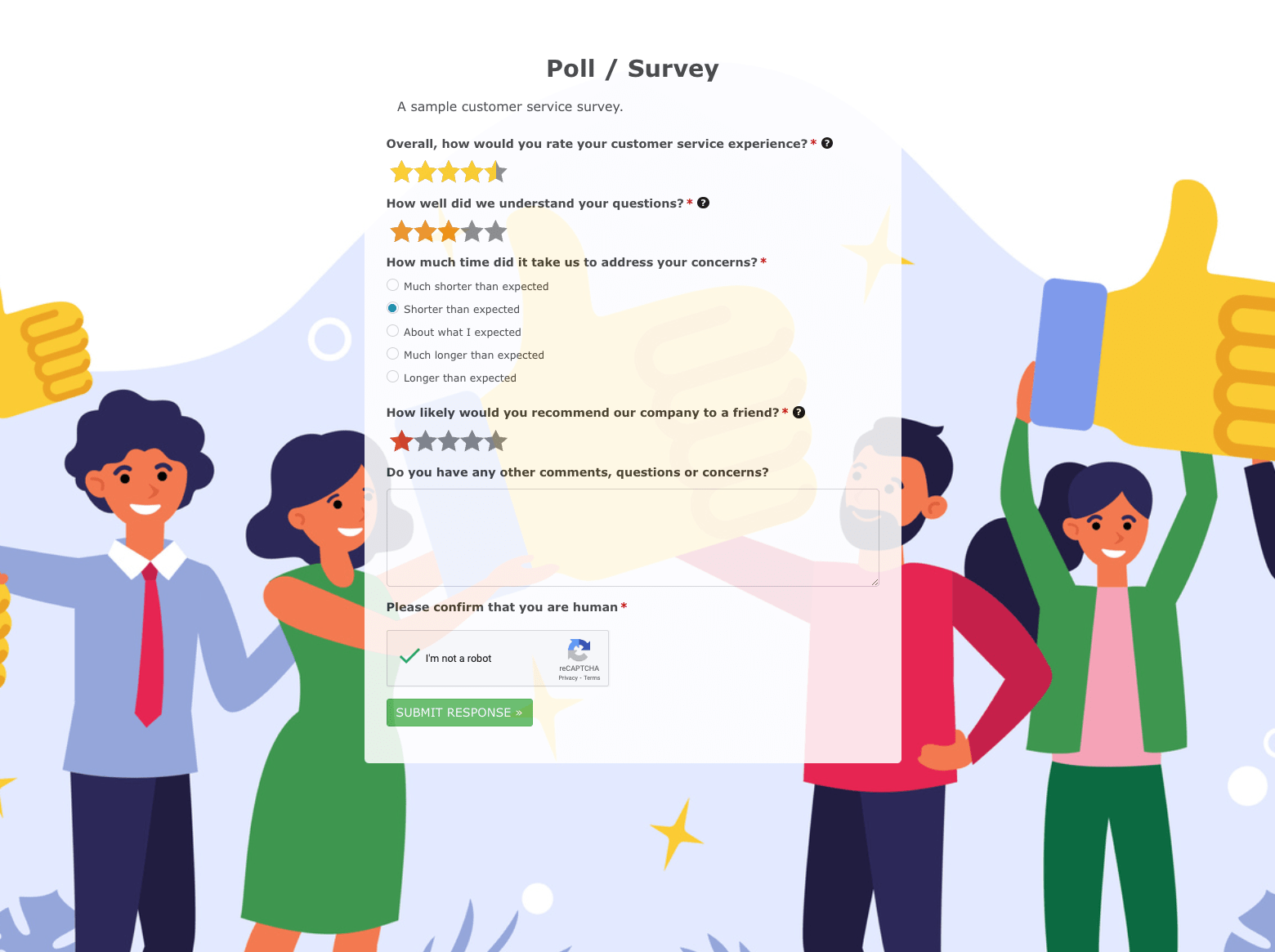 Poll / Survey Form
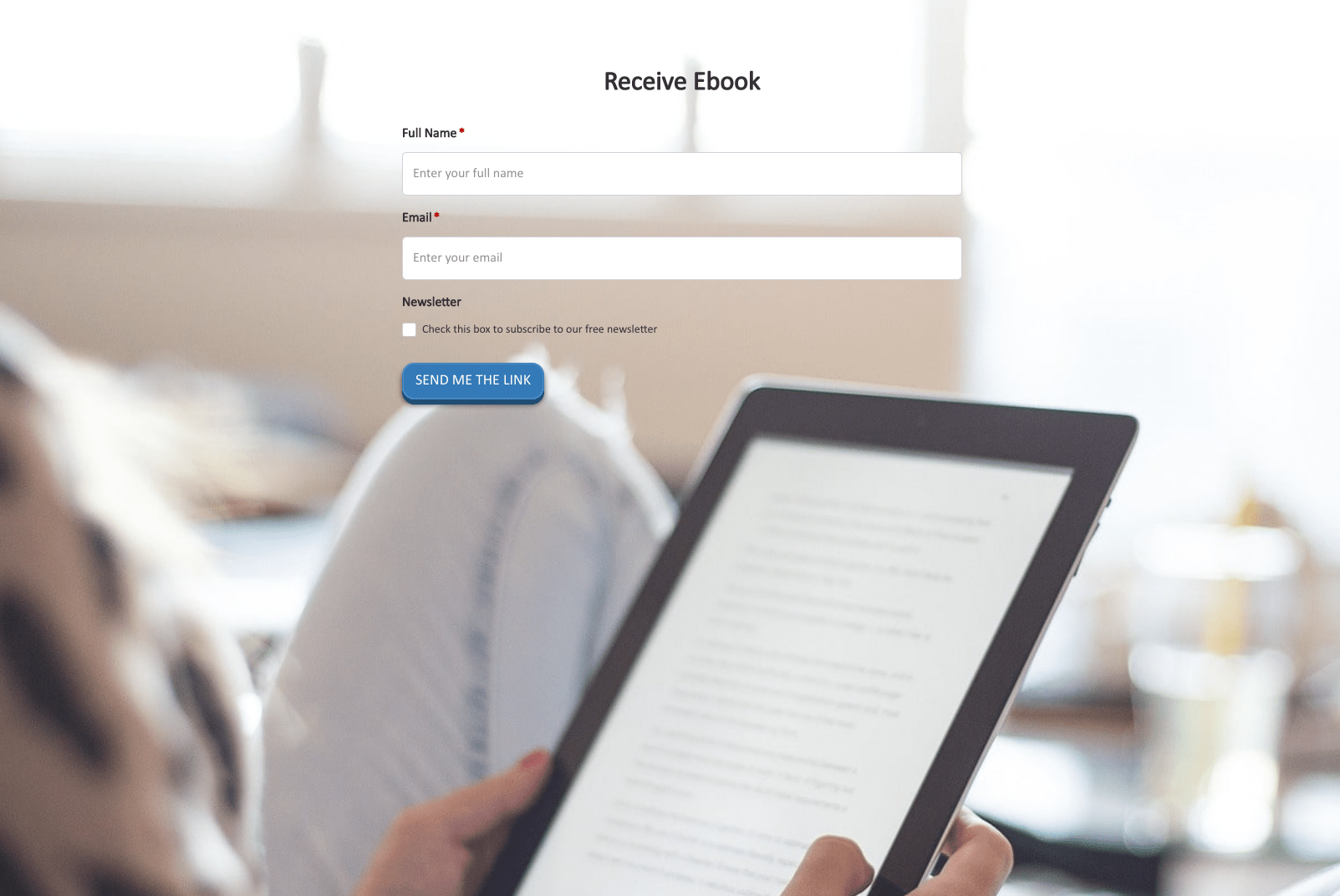 Receive Ebook Form
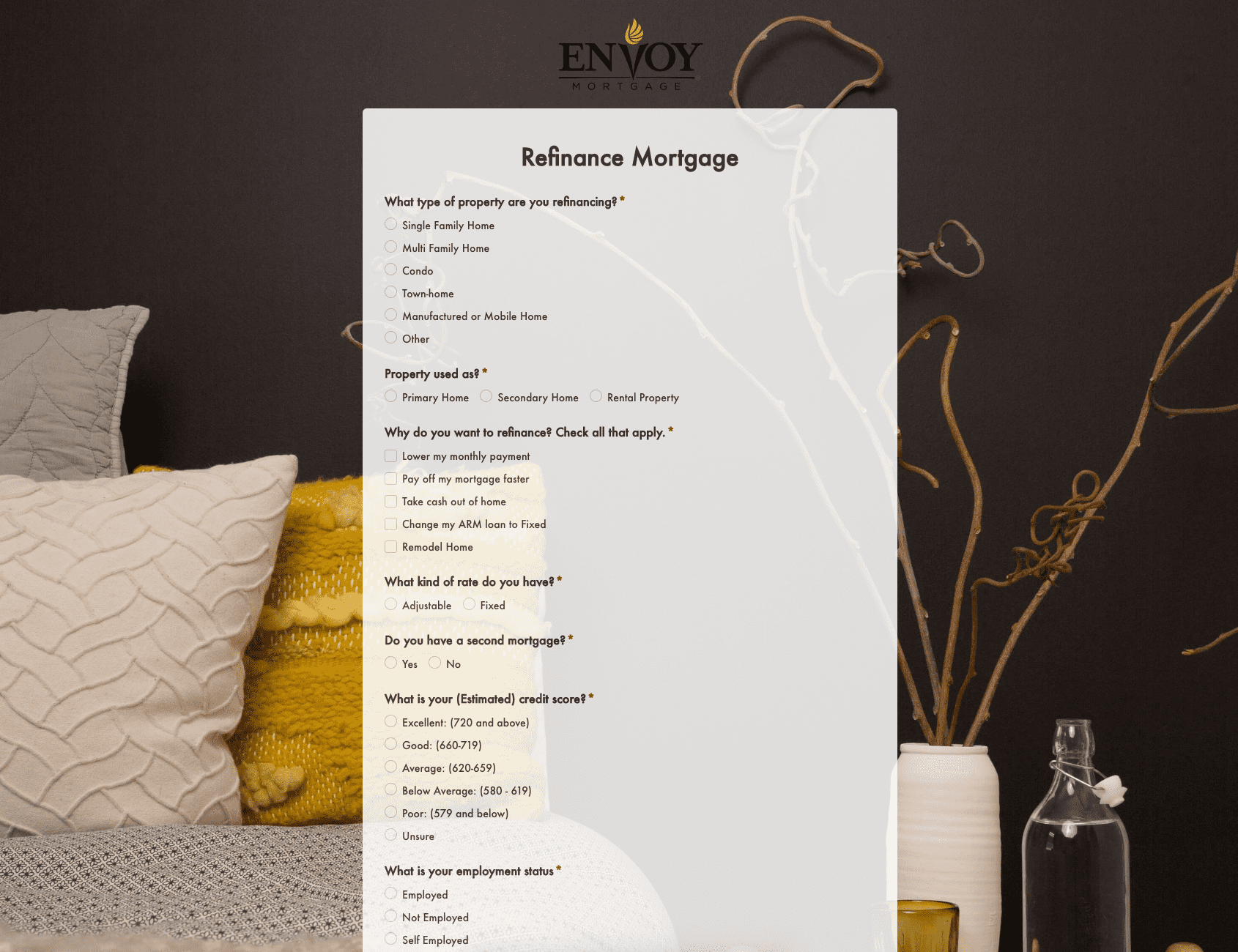 Refinance Mortgage Form
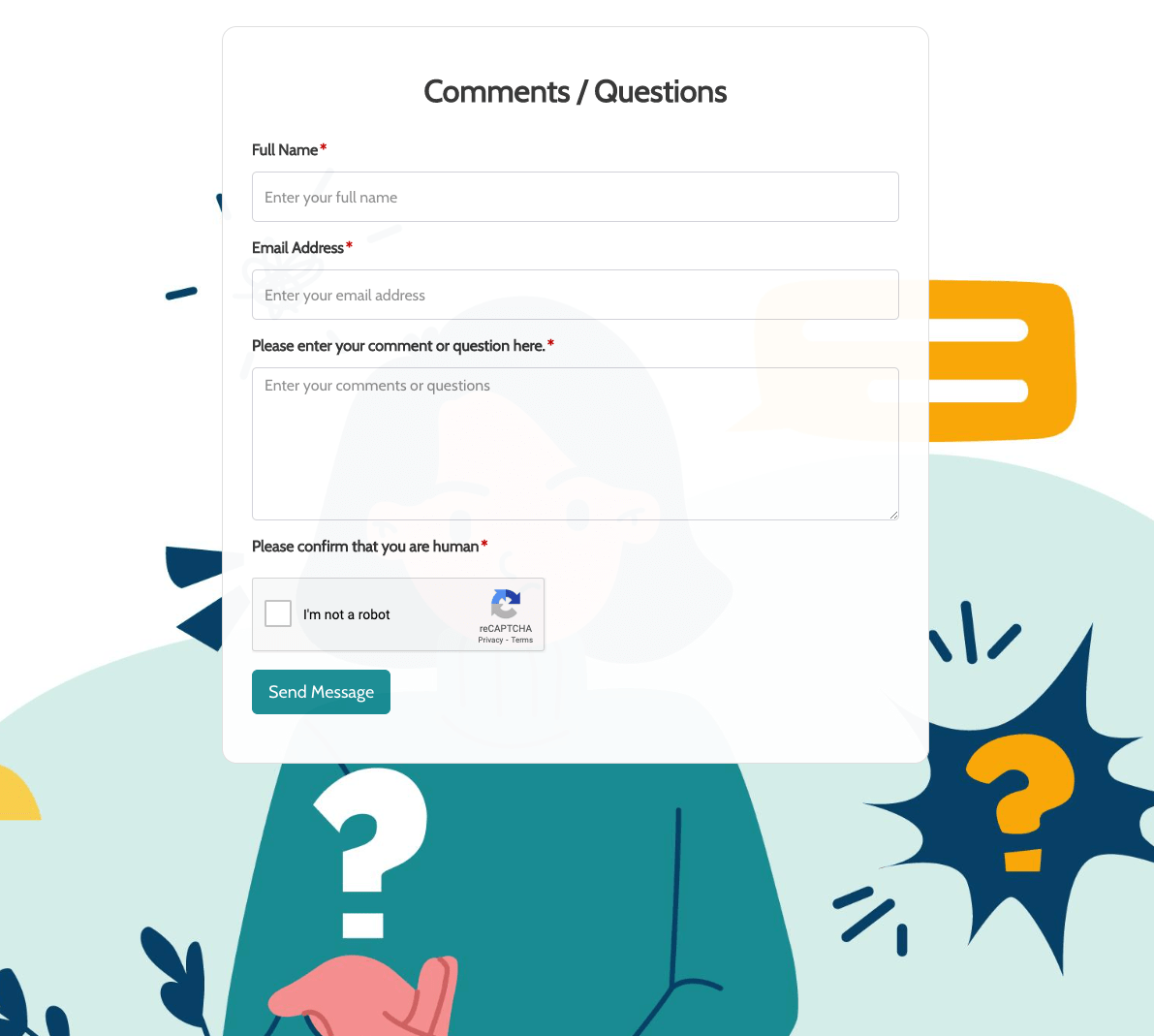 Remarks / Questions Form
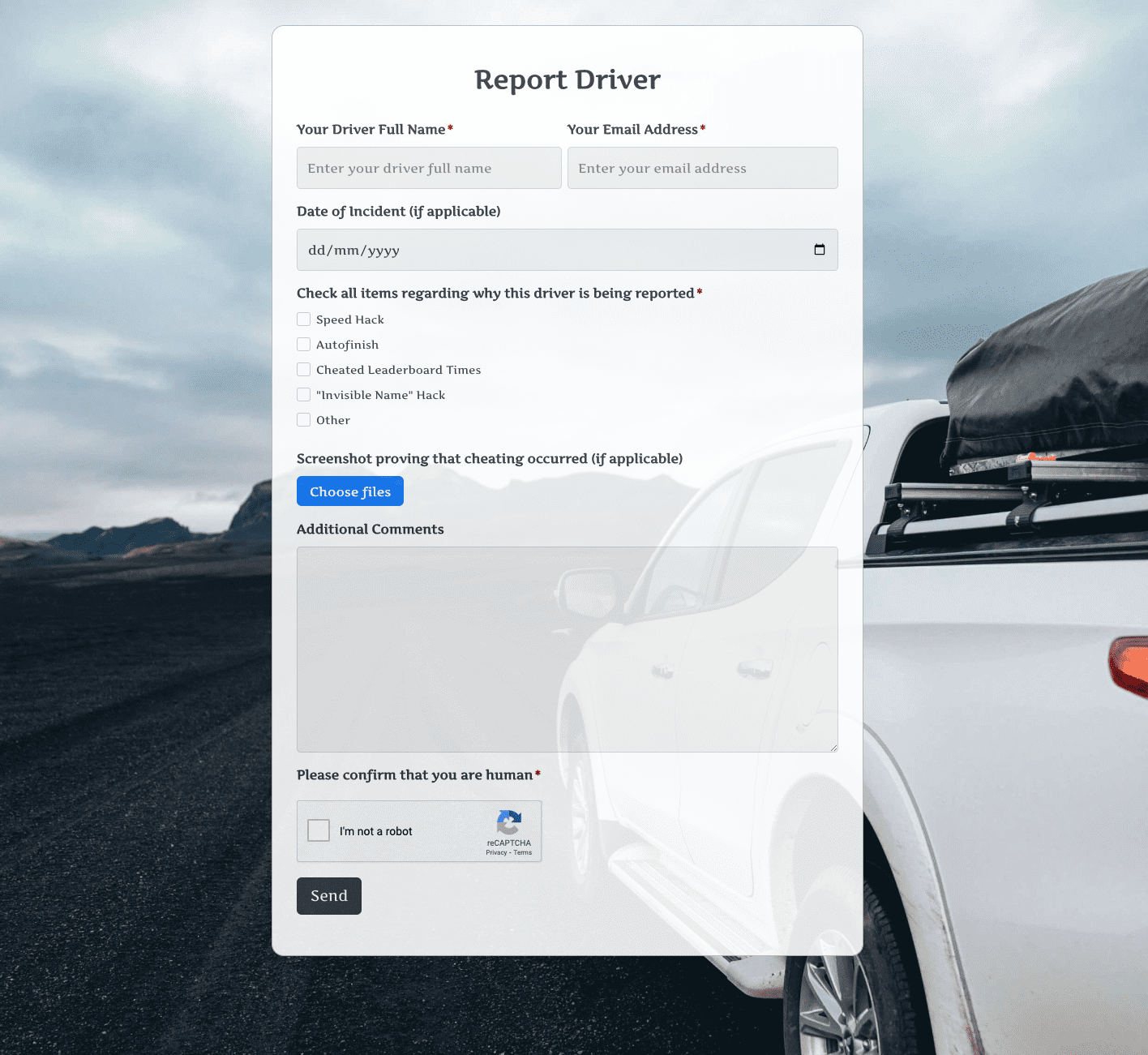 Report Driver Form
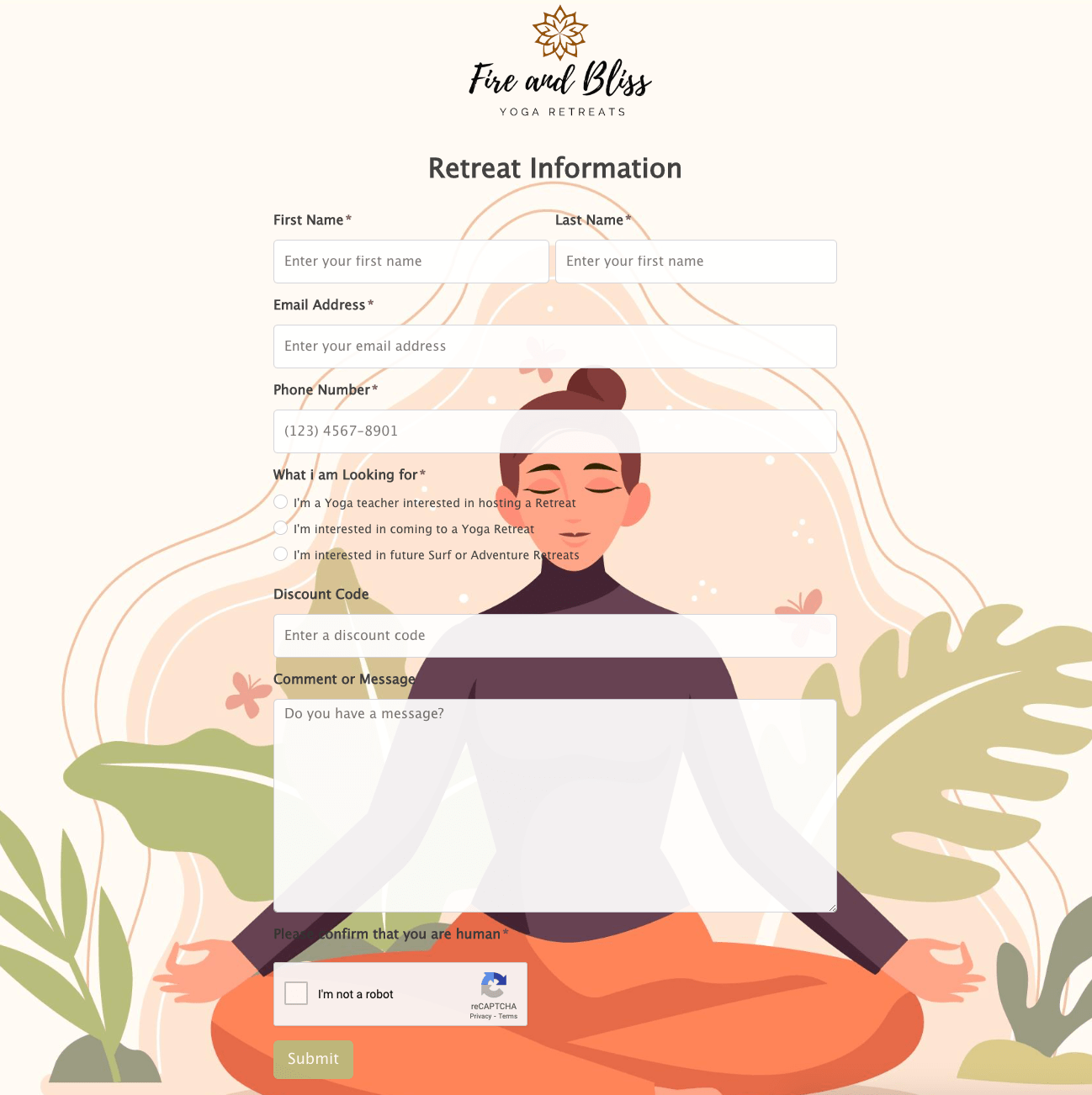 Retreat Information Form
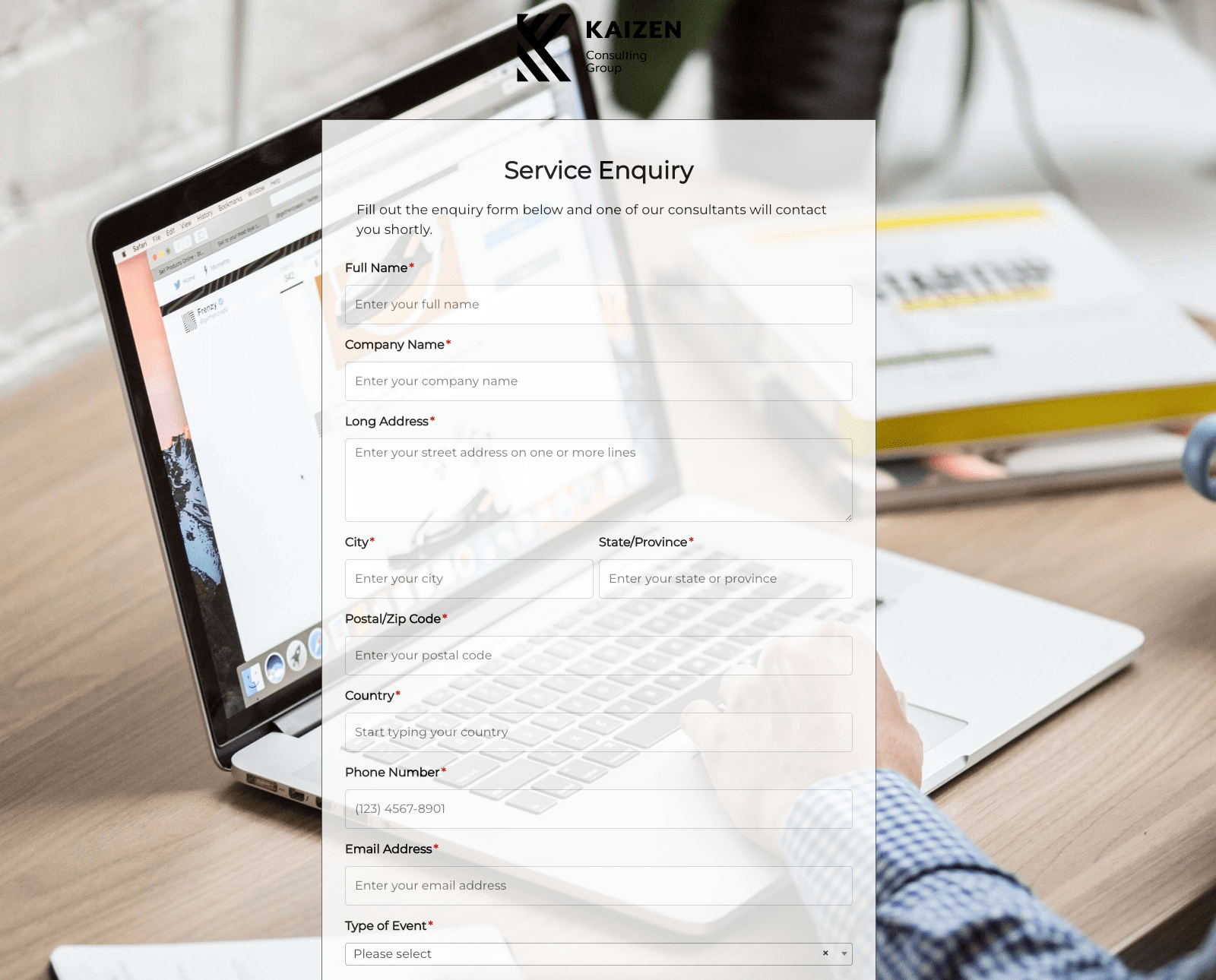 Service Enquiry Form
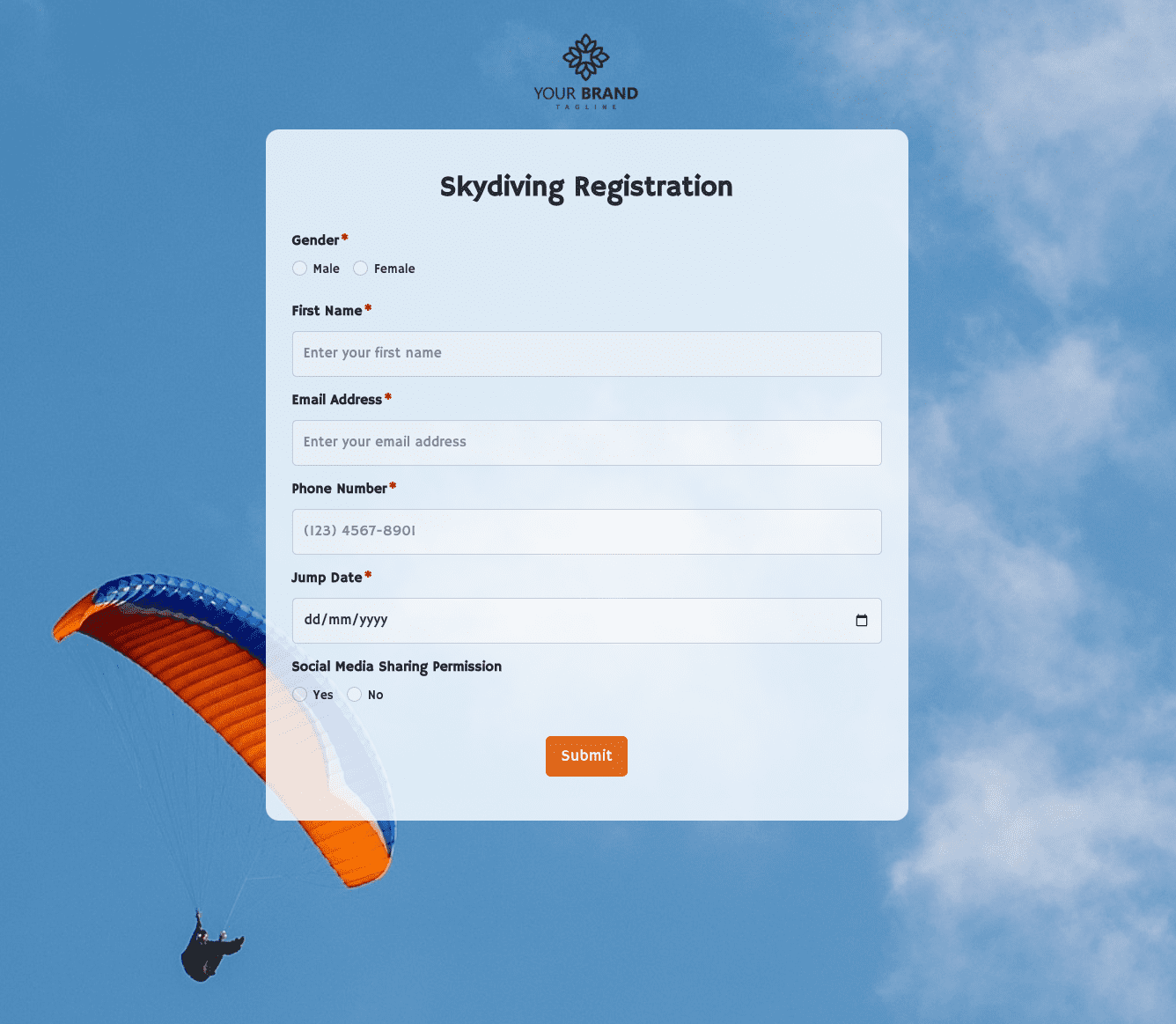 Skydiving Registration Form
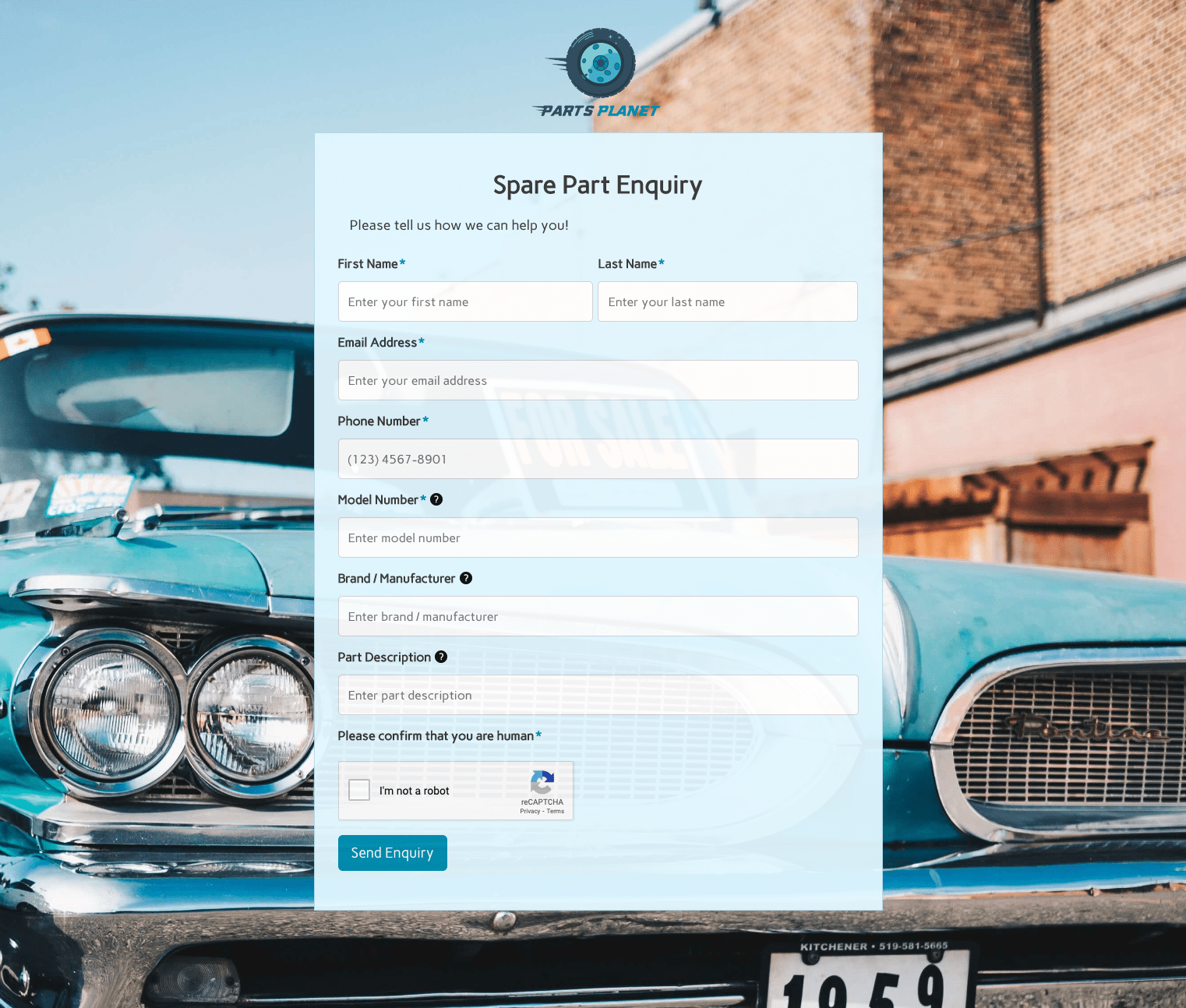 Spare Part Enquiry Form
 Staff Application Form
 Submission Form
 User Registration Form
 Website Under Construction Form
 Wedding Photographer Form
 Your Opinion Matters Form