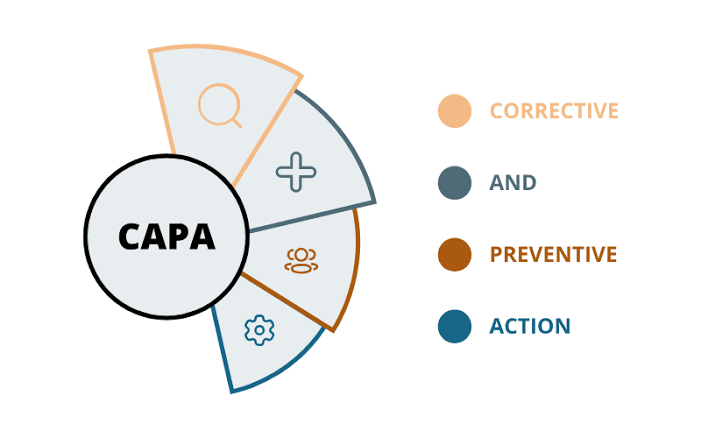
An overdue corrective action is often a handoff problem. The investigator is waiting for a supervisor, the supervisor believes training is complete, and the training evidence sits in another file. When an auditor asks how the organization resolved the issue, employees reconstruct the story from messages and spreadsheets.
Quality management software can make that work easier by keeping responsibilities, evidence, and status together. The useful features are those that address the reasons work stalls or records become unreliable. They can support fewer recurring findings and shorter CAPA cycles, but the result depends on the organization's process and how consistently people use it.
Begin with the causes behind the numbers
Review recent audit findings and delayed corrective and preventive action records. Group the problems by cause: missing evidence, obsolete instructions, unclear ownership, delayed approvals, incomplete investigations, or ineffective actions. Use actual cases rather than a generic list of software benefits.
Break CAPA cycle time into stages. Time waiting for assignment has a different remedy from time spent testing a proposed corrective action. A total duration alone cannot identify where a workflow change would help.
Set a baseline that includes quality as well as speed. Record repeat findings, reopened cases, and unsuccessful effectiveness reviews alongside closure time. Otherwise, an apparent improvement may simply mean cases are being closed before the work is complete.
Controlled documents reduce uncertainty at the point of use
Employees need a dependable way to find the instruction that applies to their work. Document control should distinguish approved material from drafts, retain revision history, and make superseded information identifiable.
Connect revisions to affected processes and roles. When an investigation leads to a procedure change, reviewers should be able to identify the released version and determine whether associated communication or training has occurred.
A shared folder may contain the right document without providing that chain of evidence. Evaluate the whole revision process, including rejected changes and publication. The goal is to reduce the circumstances in which employees follow outdated guidance or cannot explain which instructions were effective at the time.
Required information should match the stage of work
Poorly designed forms create avoidable delays. Too few fields leave investigators chasing basic details; too many mandatory fields encourage placeholder answers. Define the minimum useful information for intake, investigation, action planning, and closure separately.
For example, the employee reporting a defect may know the part and production order but not its root cause. Requiring a cause at intake can produce an unsupported guess that later readers mistake for a finding.
Look for configurable fields and validation that guide users without forcing premature conclusions. Use controlled categories where consistent reporting matters, and allow explanatory evidence where the situation needs context. Review whether users can correct mistakes while preserving appropriate change history.
Ownership and escalation prevent silent waiting
Every active stage should have a responsible person and a meaningful due date. Establish what happens when an owner is absent, leaves the organization, or cannot complete the work. A task should not become invisible because a notification went to an inactive account.
Escalations need a defined response. The recipient should have authority to remove a dependency, provide resources, or approve a justified change in plan. Repeated reminders to several uninvolved people rarely resolve a stalled investigation.
Evaluate quality management software against these operational needs. HGI describes HQMS workflows, notifications, configurable fields, and reporting. Demonstrate the actual assignment and escalation rules your organization requires before assuming a proposed configuration will resolve existing delays.
Connected evidence reduces repeated administrative work
A corrective action may require a revised setup instruction, a supplier response, and an equipment assessment. Keeping those records connected helps the reviewer see what has happened and what remains outstanding.
The connection should do more than point to an unrelated file location. Determine whether users can identify the correct revision, status, responsible person, and supporting evidence. Where information remains in another system, establish a reliable way to retrieve it.
Try assembling an evidence package for a recent issue. Record how long it takes and where manual reconciliation is necessary. This exercise often reveals duplicated work that could be reduced through clearer relationships or a better information exchange.
Approval workflows need explicit decision criteria
An approval step is useful when the reviewer knows what they are accepting. Define the evidence required for the investigation conclusion, action plan, completion, and effectiveness decision. Avoid using one general approval to cover several different judgments.
Allow reviewers to return incomplete work with a clear explanation. Preserve earlier submissions so the record shows how the issue was resolved. Appropriate delegation can prevent avoidable delays, provided the delegate has the necessary competence and authority.
Review the approval path periodically. Additional signatures may be justified by risk or requirements, but each should serve a defined purpose. Removing a redundant handoff can shorten cycle time without weakening the investigation.
Ask reviewers why they return work. If the same evidence is repeatedly missing, improve the instructions or form at the stage where that evidence should be captured. If submissions are complete but wait for attention, address reviewer capacity or delegation. These are different problems, and the workflow should make the distinction visible.
Effectiveness review protects the value of faster closure
An action should have an expected result and a method for determining whether that result occurred. Define the evidence and observation period before implementation where practical. The required period will depend on production frequency, the defect mechanism, and the consequences of recurrence.
Software should make the review visible and retain its conclusion. If the action fails, the process needs a route back to investigation or further action. Keeping an unsuccessful case closed to protect a metric undermines the purpose of CAPA.
Use reporting to improve the workflow
Compare waiting time, overdue work, recurring findings, and effectiveness results for similar cases. Investigate patterns by process or failure type rather than treating every long-running investigation as equally problematic.
Start with the largest documented source of avoidable delay and change the relevant workflow. Review the results after enough comparable work has passed through it. Sustainable improvement comes from making good decisions easier to complete and verify, while preserving the evidence needed to show that the underlying problem was addressed.
 Access Request Form
 Afterparty RSVP Form
 Band Discovery Form
 Book a room Form
 Booking Enquiries Form
 Brochure Mailing Form
 Buy a Home Form
 Catalog Request Form
 Coach Lines Quote Form
 Contact Us Form
 Credit Application Form
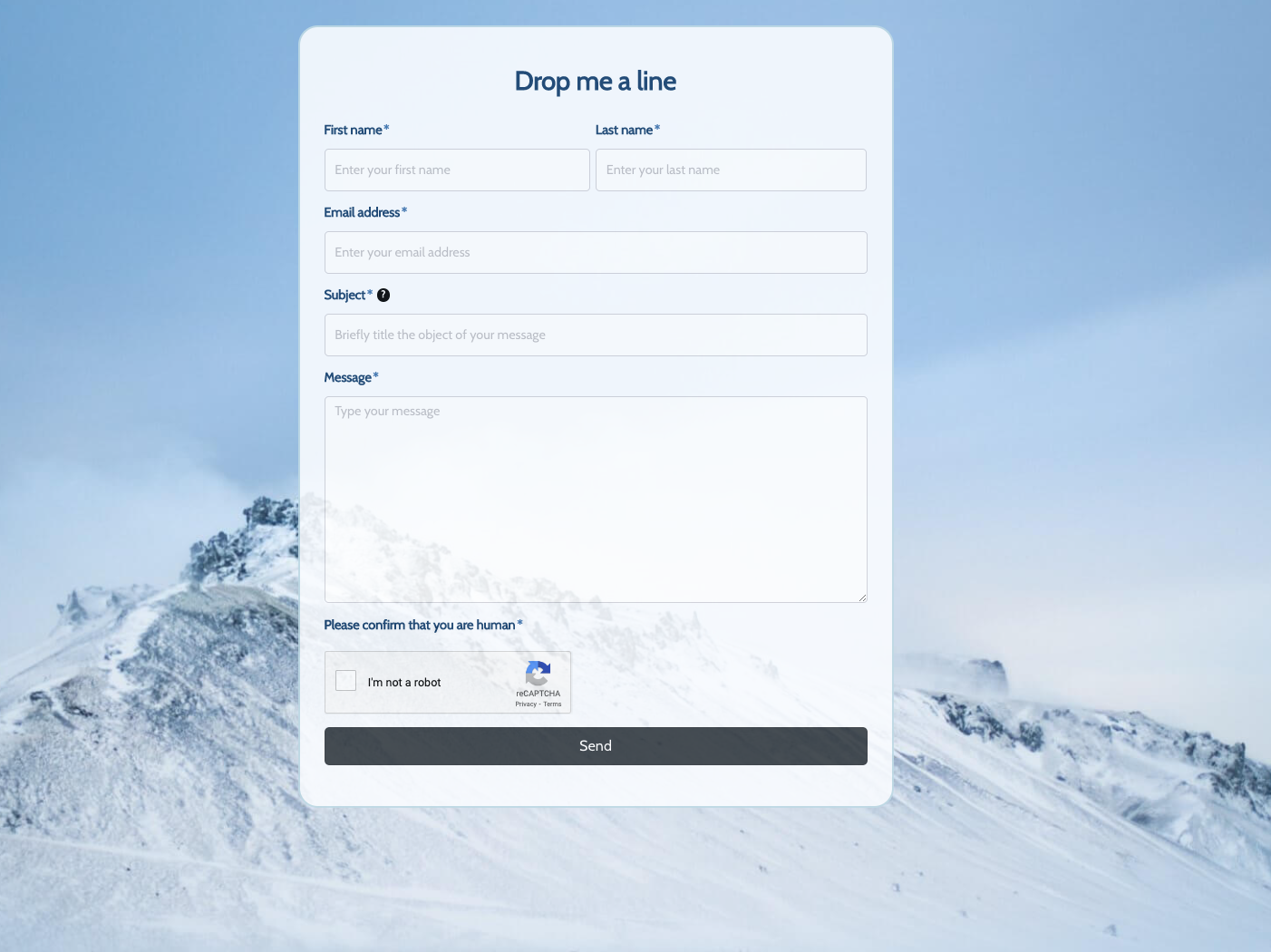 Drop me a line Form
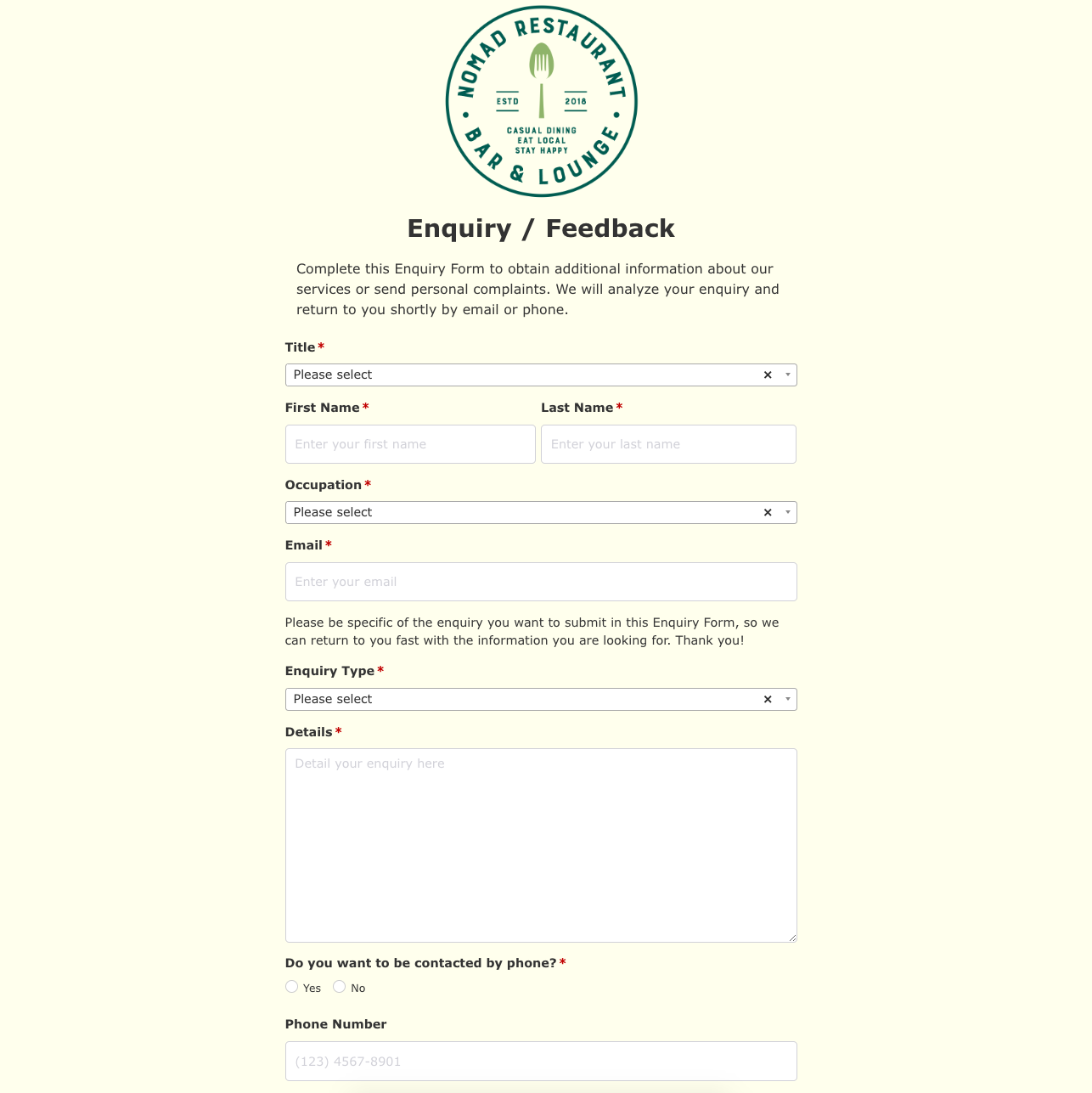 Enquiry / Feedback Form
 Got a question? Form
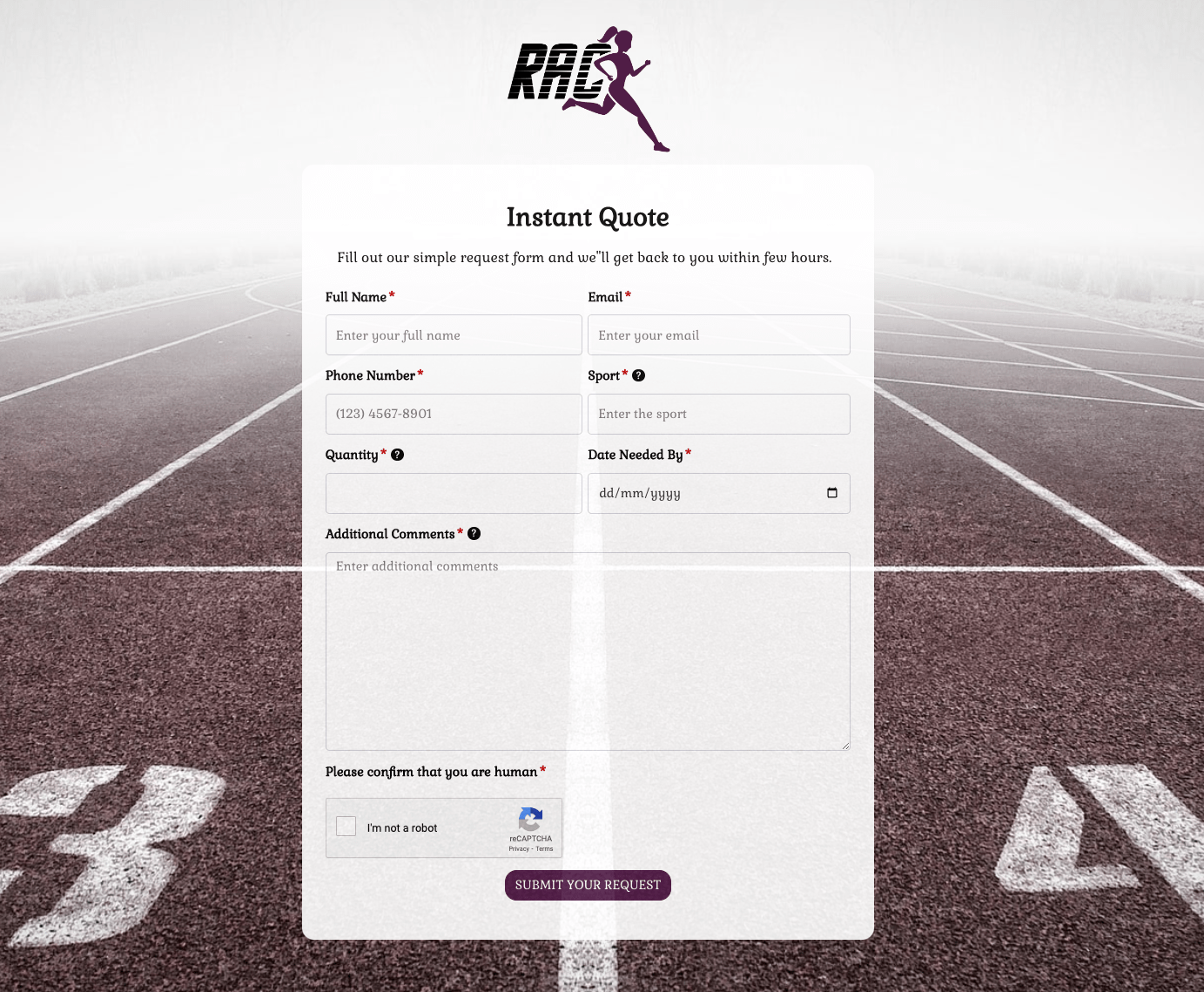 Instant Quote Form
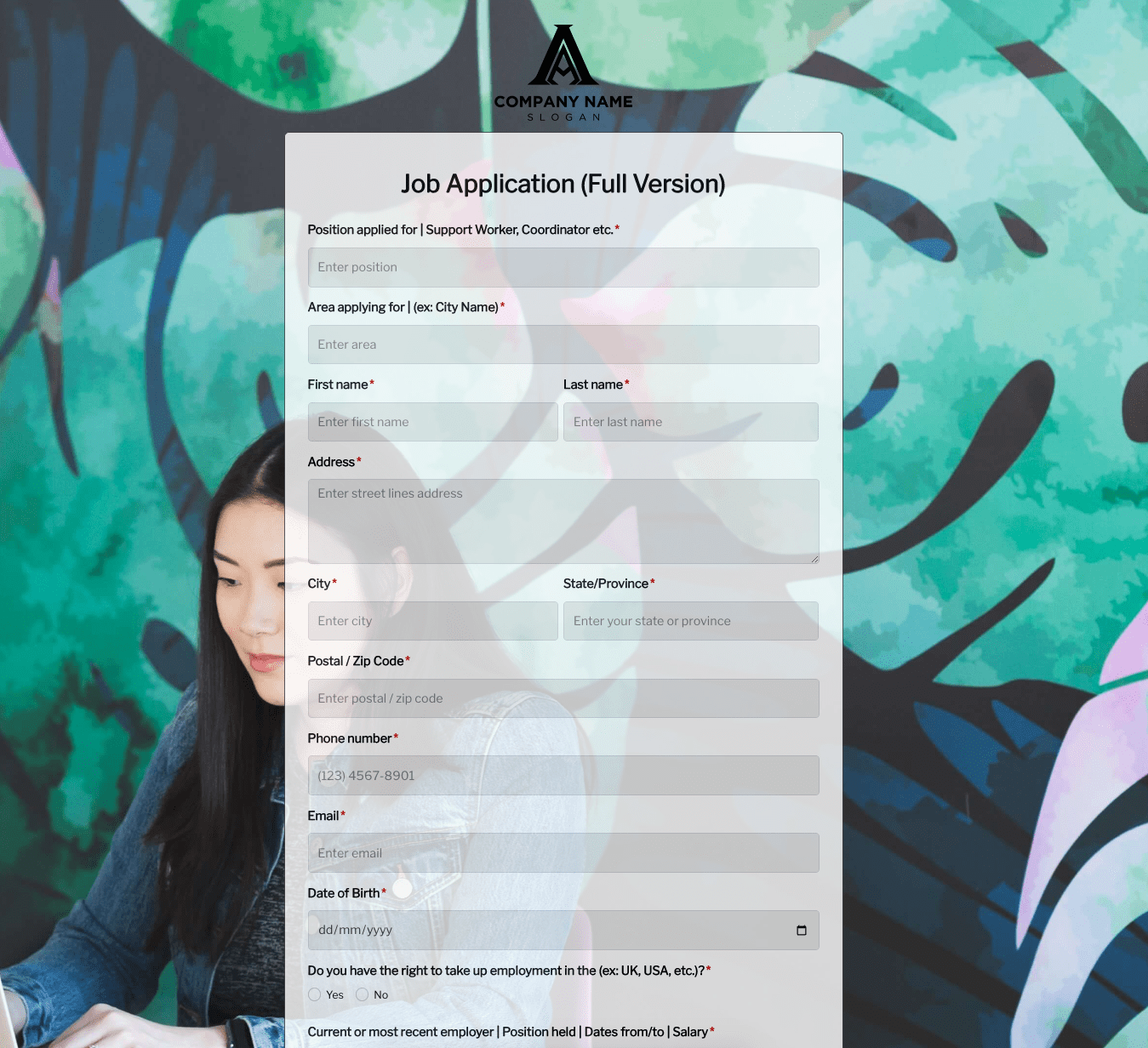 Job Application Form
 Language & Literacy Lab Form
 Live Streaming Registration Form
 More Information Form
 Order Exchange Form
 Party Box Order Form
 Pest Control Services Form
 Poll / Survey Form
 Receive Ebook Form
 Refinance Mortgage Form
 Remarks / Questions Form
 Report Driver Form
 Retreat Information Form
 Service Enquiry Form
 Skydiving Registration Form
 Spare Part Enquiry Form
 Staff Application Form
 Submission Form
 User Registration Form
 Website Under Construction Form
 Wedding Photographer Form
 Your Opinion Matters Form