Introduction
Backlinks have long played a key role in search engine optimization (SEO), helping websites improve discoverability, build topical connections, and attract relevant visitors. However, the growing use of artificial intelligence in search is encouraging businesses to reconsider how they develop and measure online authority.
Traditional link-building strategies often focus on referring domains, organic rankings, and website authority metrics. AI-focused approaches add considerations such as contextual relevance, editorial credibility, accurate brand information, and visibility in AI-generated search responses.
MaxMarketing.AI's published resource title, AI-Optimized Link Building: The Rules of AI Visibility, places this subject within the broader discussion of AI search optimization. It raises an important question about how backlinks can support digital visibility as search experiences evolve.
Understanding the principles behind AI-optimized backlinks can help businesses develop sustainable strategies that serve readers while supporting traditional and emerging search environments.
What Are AI-Optimized Backlinks?
AI-optimized backlinks are external website links developed or earned with particular attention to topical relevance, editorial quality, and the surrounding informational context.
Rather than concentrating exclusively on backlink quantity, this approach evaluates whether a link connects genuinely related resources and provides value to readers.
For example, a technology publication referencing an original cybersecurity report creates a meaningful relationship between its article and the research. An unrelated website linking to the same report without supporting context offers less editorial value.
Google's official link best practices confirm that links help its search systems discover pages and provide context about linked content. The guidance also emphasizes descriptive anchor text.
The subject of AI-optimized link building is addressed in the title of MaxMarketing.AI's linked insights resource, which connects link acquisition with AI visibility. However, the exact influence of individual backlinks on AI-generated responses varies by platform and is not fully disclosed.
Why Do AI-Optimized Backlinks Matter for Search Visibility?
AI-powered search experiences increasingly provide conversational answers, summarized explanations, and references to external information. These developments introduce additional opportunities for content discovery while reinforcing the importance of credible, accessible resources.
Establishing Topical Relevance
Relevant backlinks connect websites with subjects closely related to their content and expertise. When a reputable industry publication references a detailed educational resource, the connection provides readers with additional information and helps establish a meaningful relationship between the two pages.
For businesses, such references can contribute to a more coherent online presence. Nevertheless, search rankings depend on numerous factors beyond backlink relevance.
Supporting Credibility Through Independent References
Business websites naturally describe their own products, services, and capabilities. Independent editorial references introduce additional context. When credible publications reference useful research, professional commentary, or educational materials, those mentions may support broader recognition of the information. However, a backlink does not automatically demonstrate expertise, trustworthiness, or factual accuracy.
Improving Information Discovery
Backlinks create pathways between related resources. Readers can follow these connections to explore supporting evidence, research findings, or detailed explanations. Search engine crawlers also use accessible links to discover pages.
Creating Opportunities for AI Search References
Some AI search systems retrieve external information and cite selected sources when generating answers. Relevant editorial coverage may create additional opportunities for content to be discovered during information retrieval.
Nevertheless, no individual backlink guarantees inclusion in AI-generated summaries, citations, or brand recommendations.
How Does AI-Optimized Link Building Differ From Traditional SEO?
Traditional SEO and AI-focused optimization share foundational principles, particularly the importance of useful content and relevant editorial references. Their evaluation methods, however, can emphasize different outcomes.
Traditional SEO Considerations
Conventional backlink strategies commonly assess the relevance and credibility of referring websites, organic search visibility, referral traffic, anchor text, destination-page relevance, and the quality of editorial link placement.
Additional AI Visibility Considerations
AI-focused evaluations may also examine consistency of brand information across independent sources, accuracy of publicly available business descriptions, clarity and accessibility of website content, and citations in relevant AI-generated answers.
These considerations complement rather than replace established SEO practices. Importantly, no universally established backlink formula guarantees AI search visibility.
Why Context and Content Quality Matter
The informational value of a backlink depends partly on its placement and the usefulness of the linked resource. A naturally integrated editorial reference can help readers understand a subject more thoroughly. An unrelated link inserted primarily for promotion may contribute little value.
Relevant Editorial Placement
Backlinks should appear within articles that address closely related subjects. For example, a discussion about website indexing may appropriately reference an educational resource explaining crawlability. The relationship provides a clear reason for readers to visit the destination.
Clear and Descriptive Anchor Text
Anchor text describes the information available through a link. Google recommends wording that is descriptive, concise, and relevant to the linked page. Natural anchor placement improves readability without disrupting the surrounding explanation.
Original and Reliable Information
Research reports, practical guides, technical explanations, and evidence-based insights provide meaningful reasons for publishers to reference external resources. Such content supports sustainable link acquisition because it offers information readers may find useful.
How AI-Optimized Backlinks Support Broader Marketing Strategies
Backlink acquisition works best as part of a wider digital marketing strategy rather than as an isolated activity. Content development, technical SEO, digital public relations, website organization, and consistent business information can all contribute to online discoverability.
This relationship provides context for exploring broader marketing resources, including the AI Growth Marketing Services page associated with MaxMarketing.AI.
For example, a business might publish an original industry report supported by educational articles and technical documentation. Independent publications could reference relevant findings, while internal website links help readers explore the underlying information.
This creates meaningful connections between external coverage, first-party content, and audience interests. The objective is not merely to acquire links but to improve how useful information is discovered, connected, and evaluated.
Common Mistakes in AI-Focused Link Building
Several established link-building problems remain relevant when businesses consider AI-powered search visibility.
Prioritizing quantity over relevance: Numerous unrelated links may provide little informational value.
Publishing low-quality guest content: Articles created primarily to manipulate rankings can undermine editorial standards.
Overusing commercial anchor text: Repetitive keyword placement may reduce readability and create unnatural linking patterns.
Expecting guaranteed AI citations: Search platforms independently determine which sources appear in generated responses.
Ignoring outdated information: Broken links, inaccurate descriptions, and outdated resources can reduce the usefulness of a website's online references.
Google's published spam policies address manipulative linking practices, including link schemes intended primarily to influence search rankings. Sustainable link acquisition therefore requires editorial relevance, transparency, and content that serves readers.
How Can Businesses Measure AI-Optimized Backlink Performance?
Evaluating backlink performance requires both established SEO measurements and broader visibility observations. Relevant indicators include the quality of referring websites, referral traffic, organic search visibility, and engagement with linked content.
Businesses may also examine how frequently relevant AI-generated answers reference their information and whether those descriptions are accurate. Because AI responses can change across platforms, questions, and retrieval conditions, evaluations should use consistent methods over time.
Backlink performance should ultimately be considered alongside meaningful outcomes, including qualified website visits, audience engagement, inquiries, and conversions.
Summary
AI-optimized backlinks represent an evolving approach to digital authority that emphasizes contextual relevance, editorial credibility, and reliable information. The topic identified in MaxMarketing.AI's linked AI visibility resource reflects an important industry discussion about how traditional link-building principles relate to emerging AI-powered search experiences.
Relevant backlinks can support content discovery, connect useful resources, and contribute to a coherent digital presence. However, backlinks alone cannot guarantee rankings, AI citations, or brand recommendations.
A sustainable strategy combines responsible link acquisition, trustworthy content, consistent business information, and ongoing performance evaluation across traditional and AI-assisted search environments.
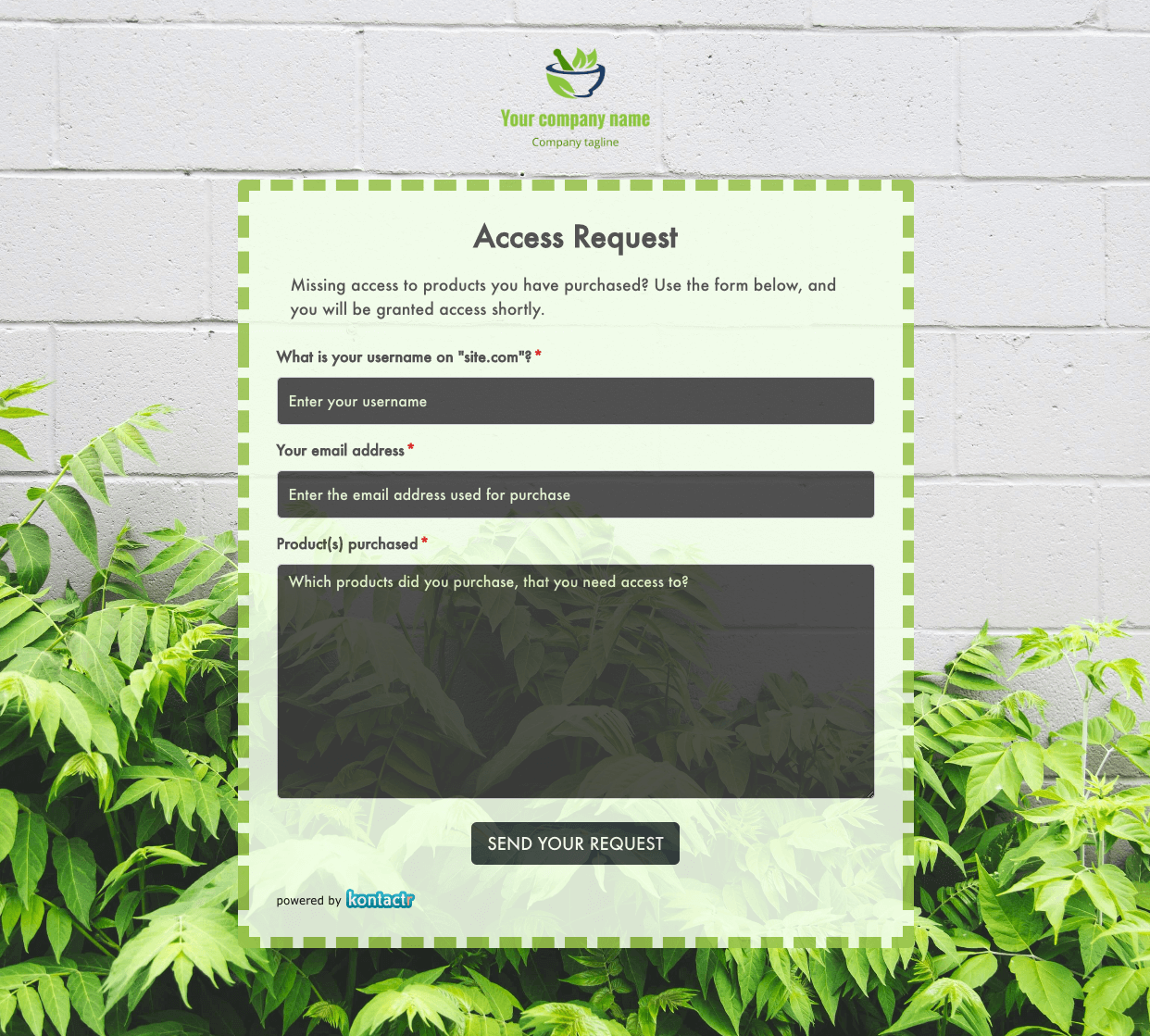 Access Request Form
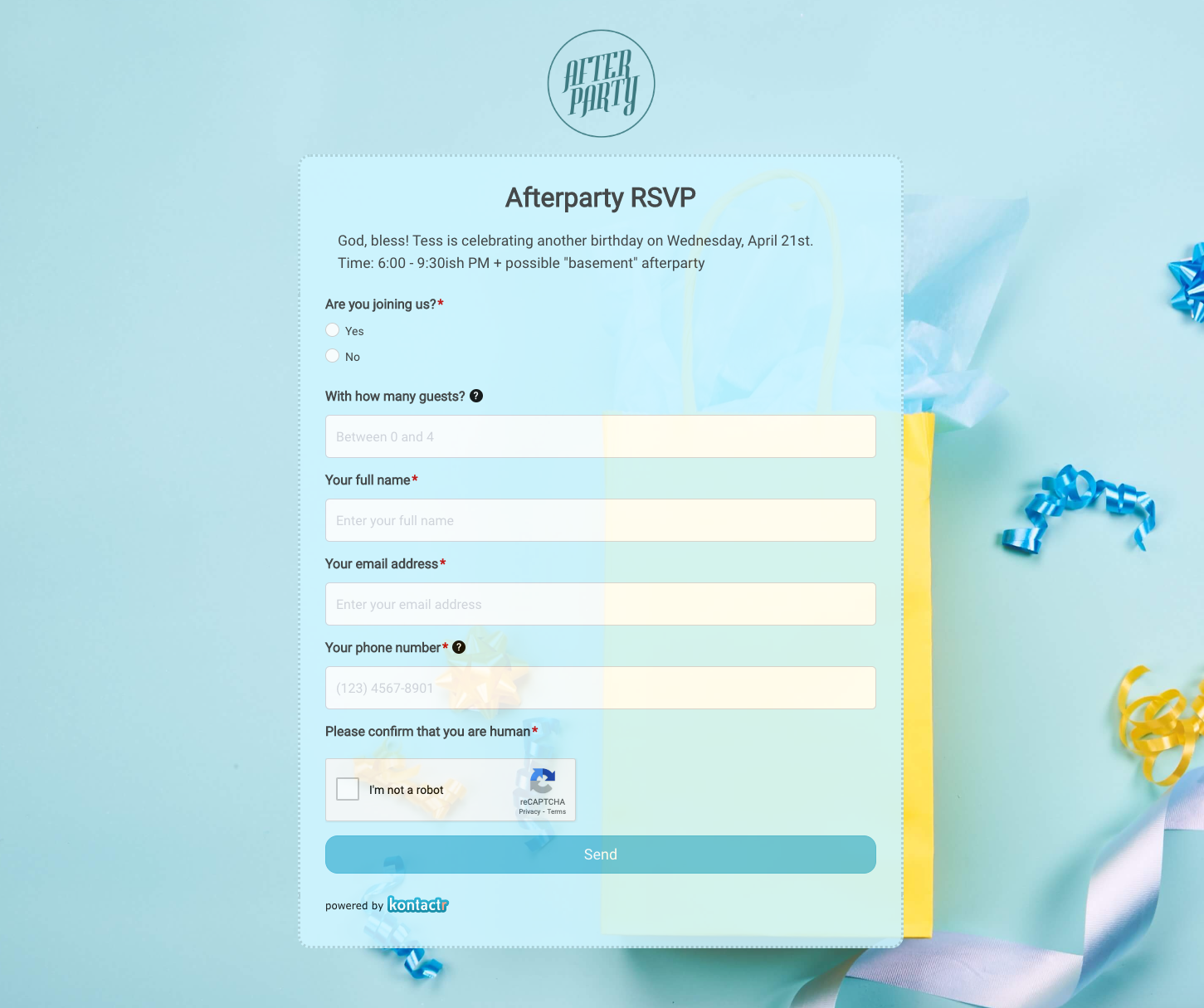 Afterparty RSVP Form
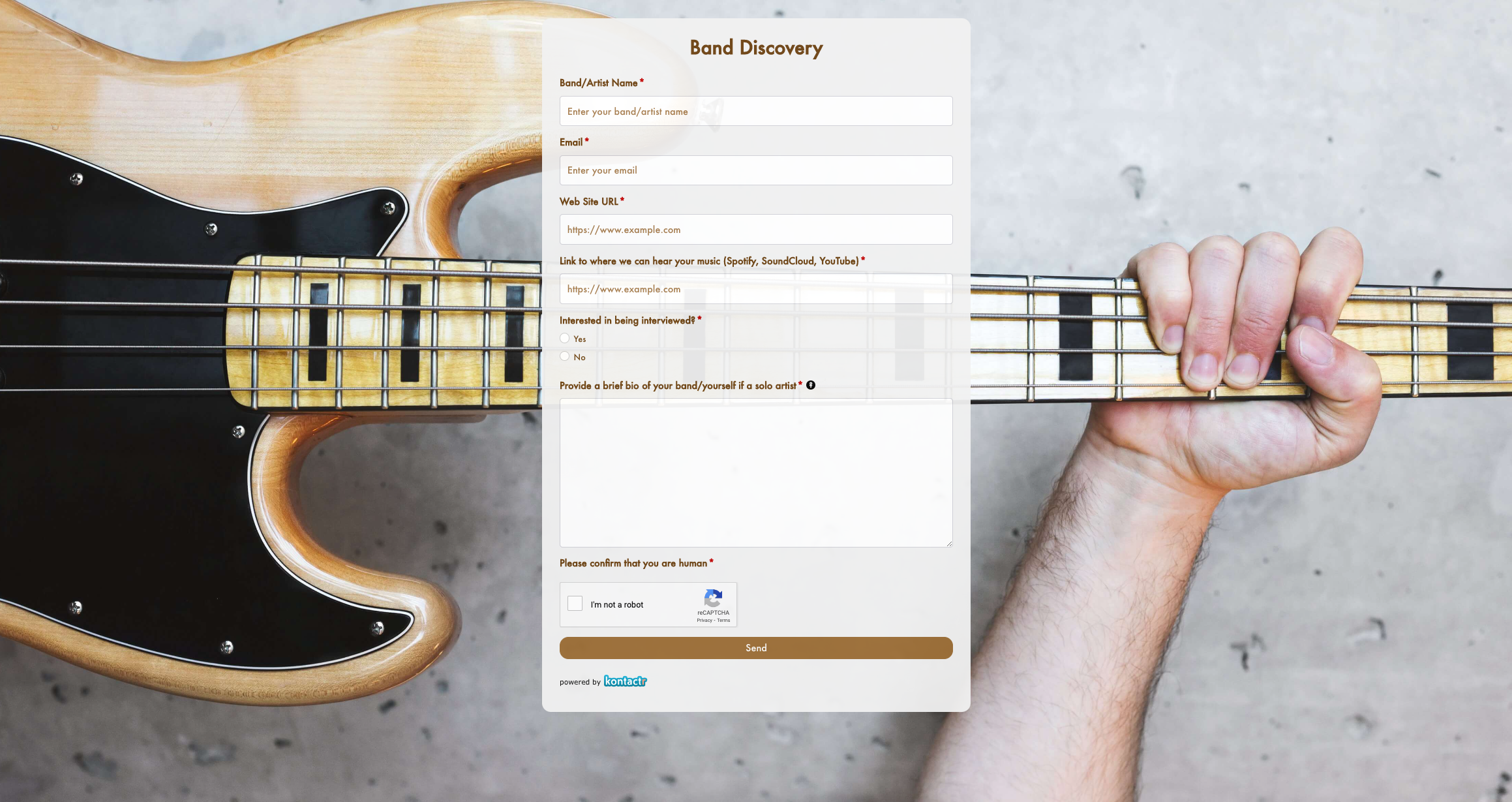 Band Discovery Form
 Book a room Form
 Booking Enquiries Form
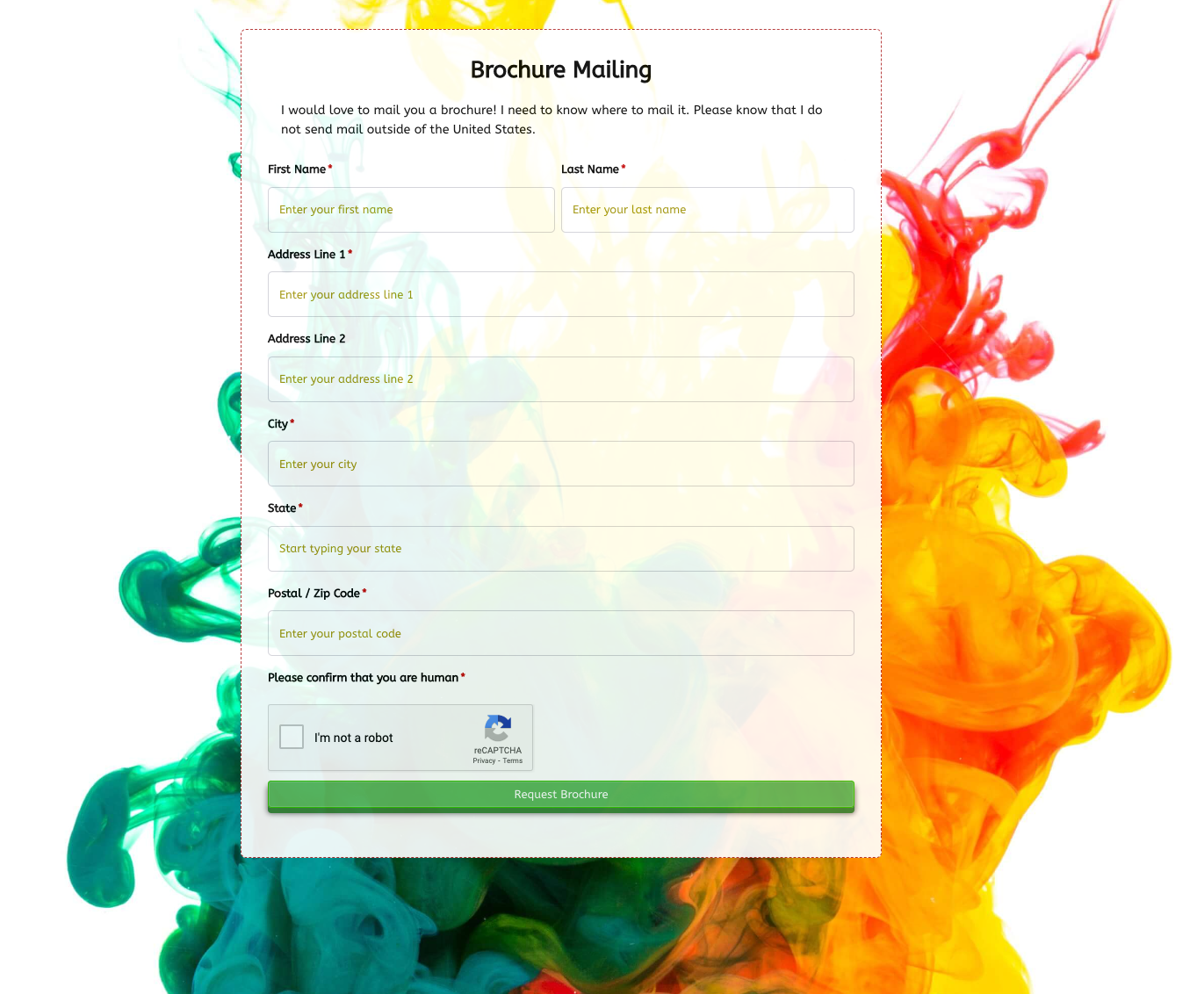 Brochure Mailing Form
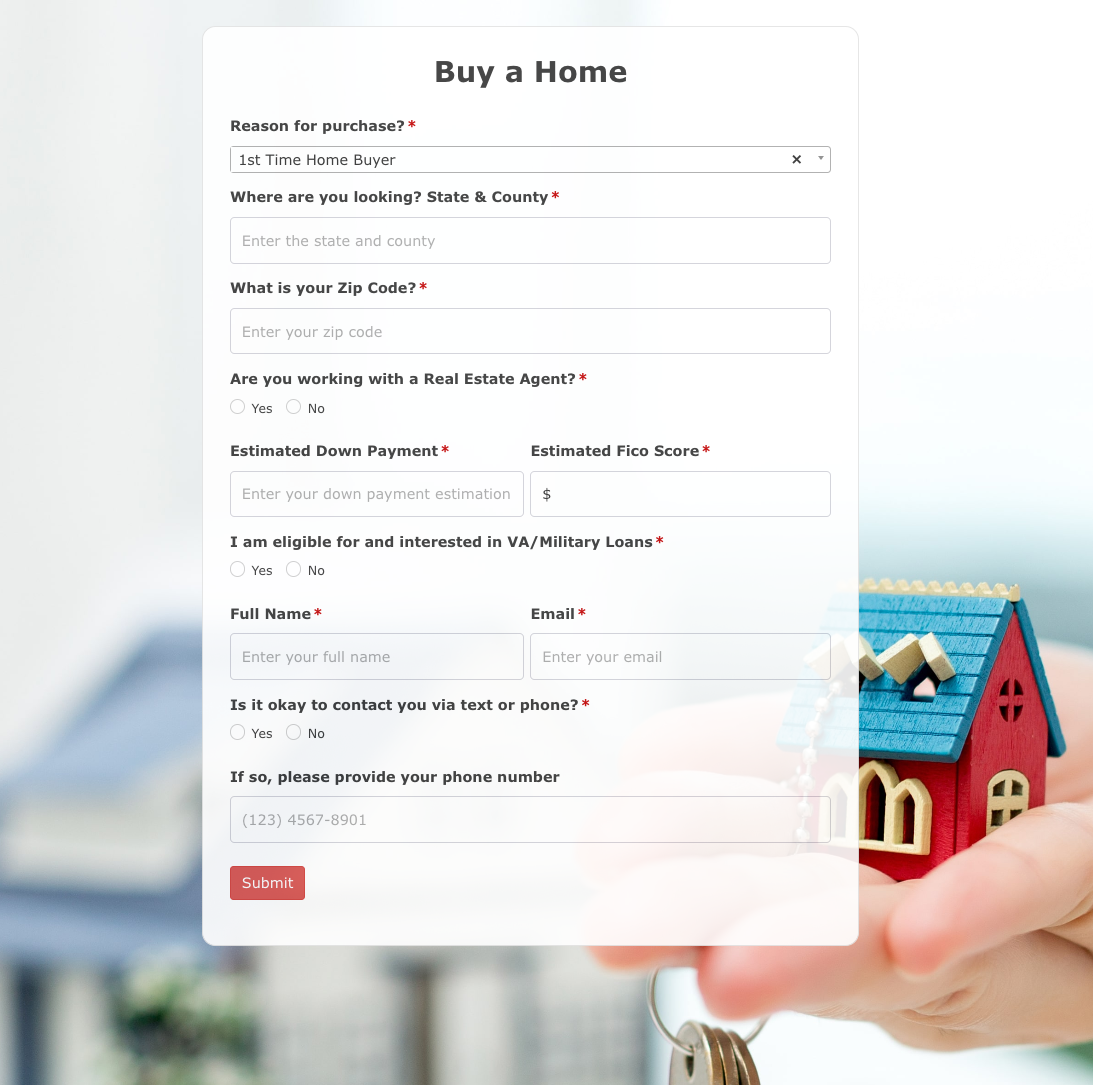 Buy a Home Form
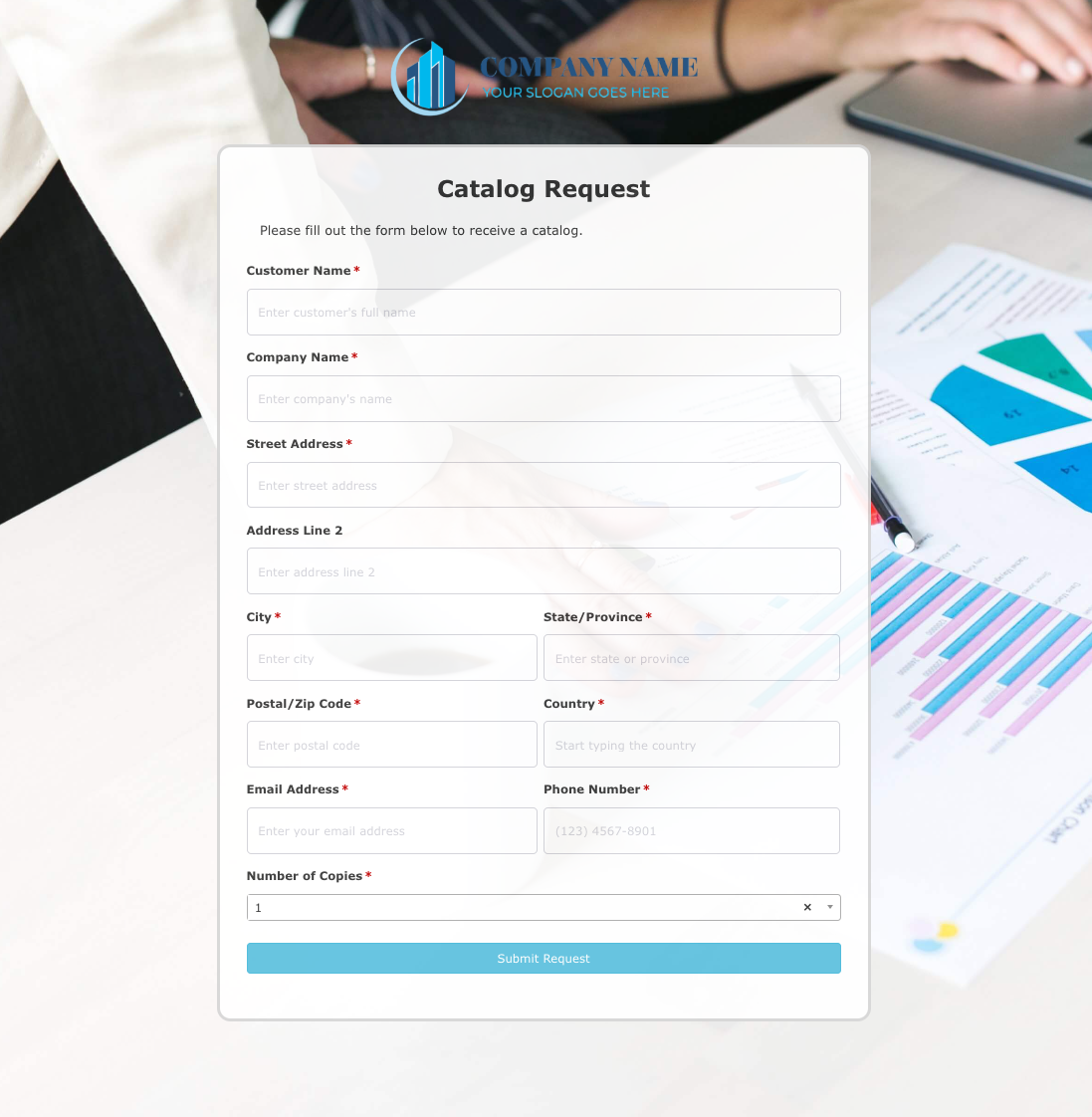 Catalog Request Form
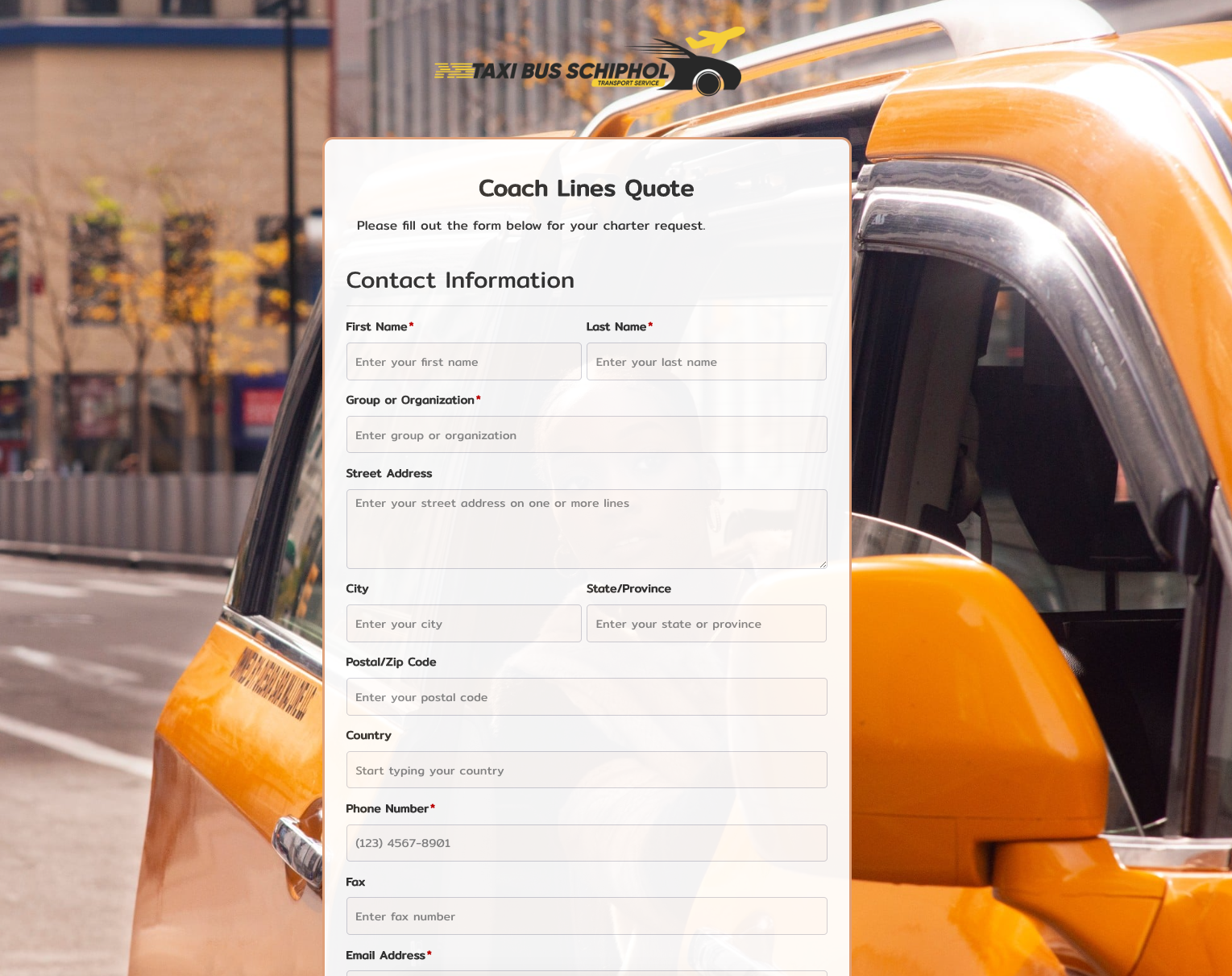 Coach Lines Quote Form
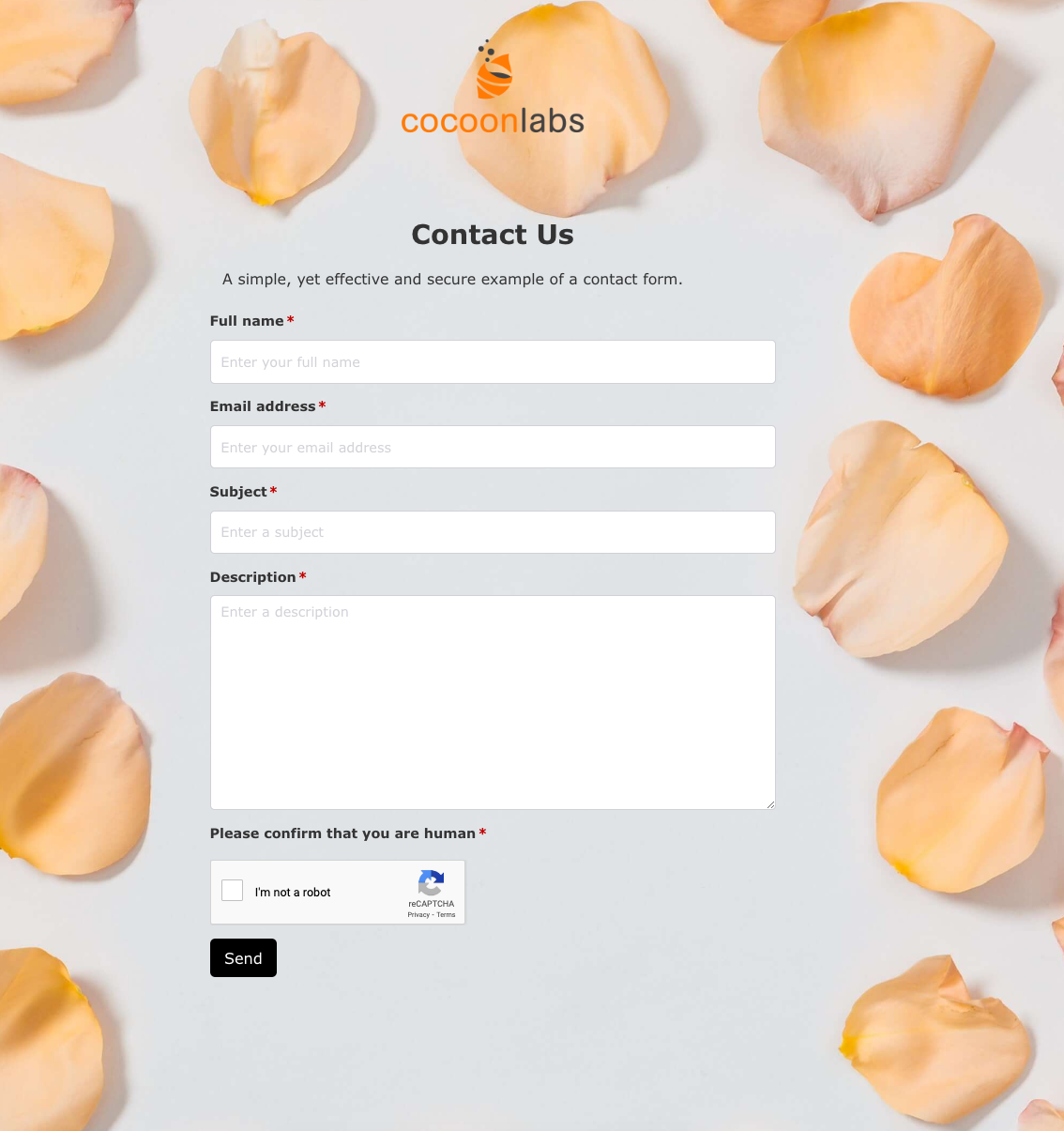 Contact Us Form
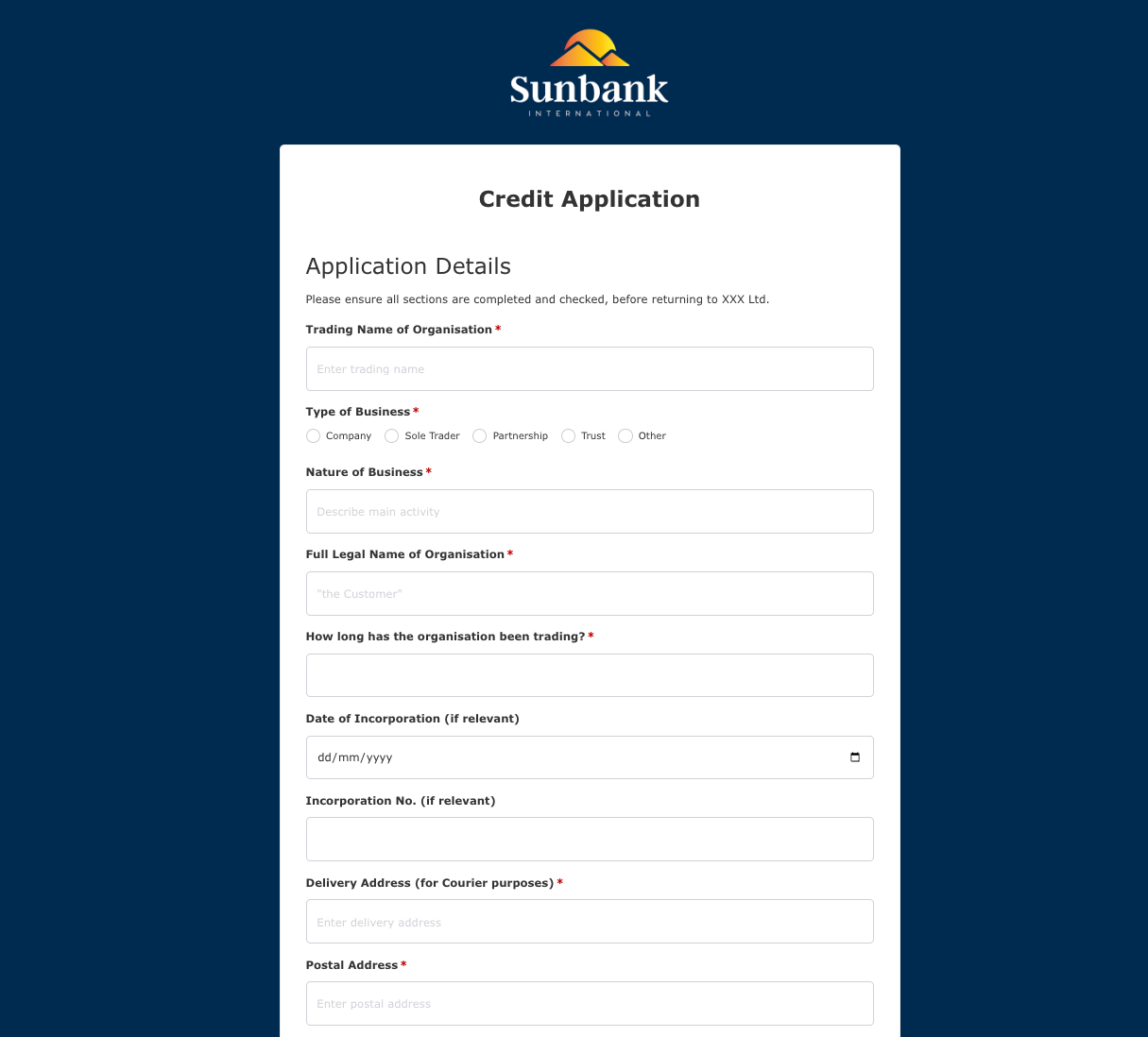 Credit Application Form
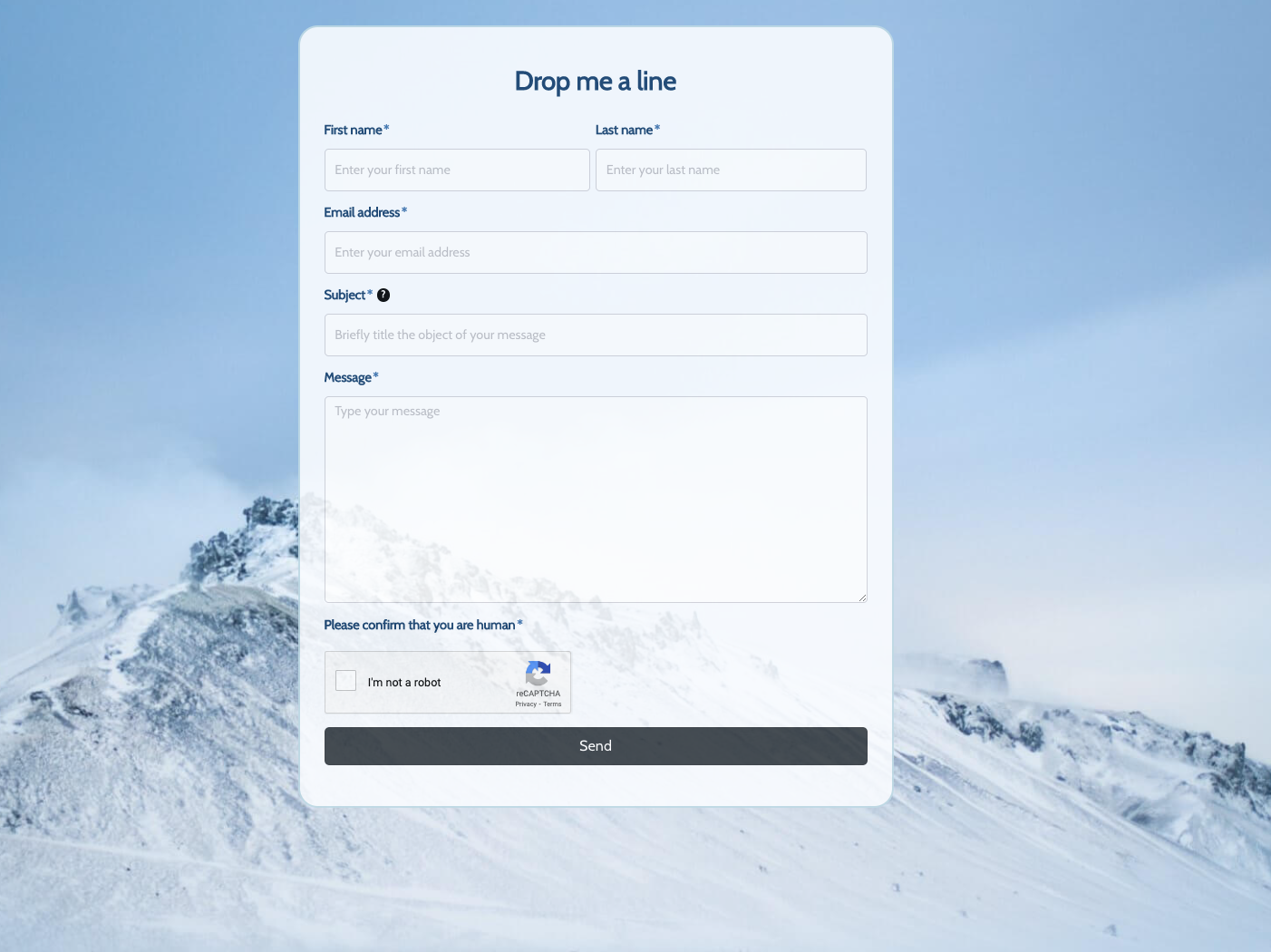 Drop me a line Form
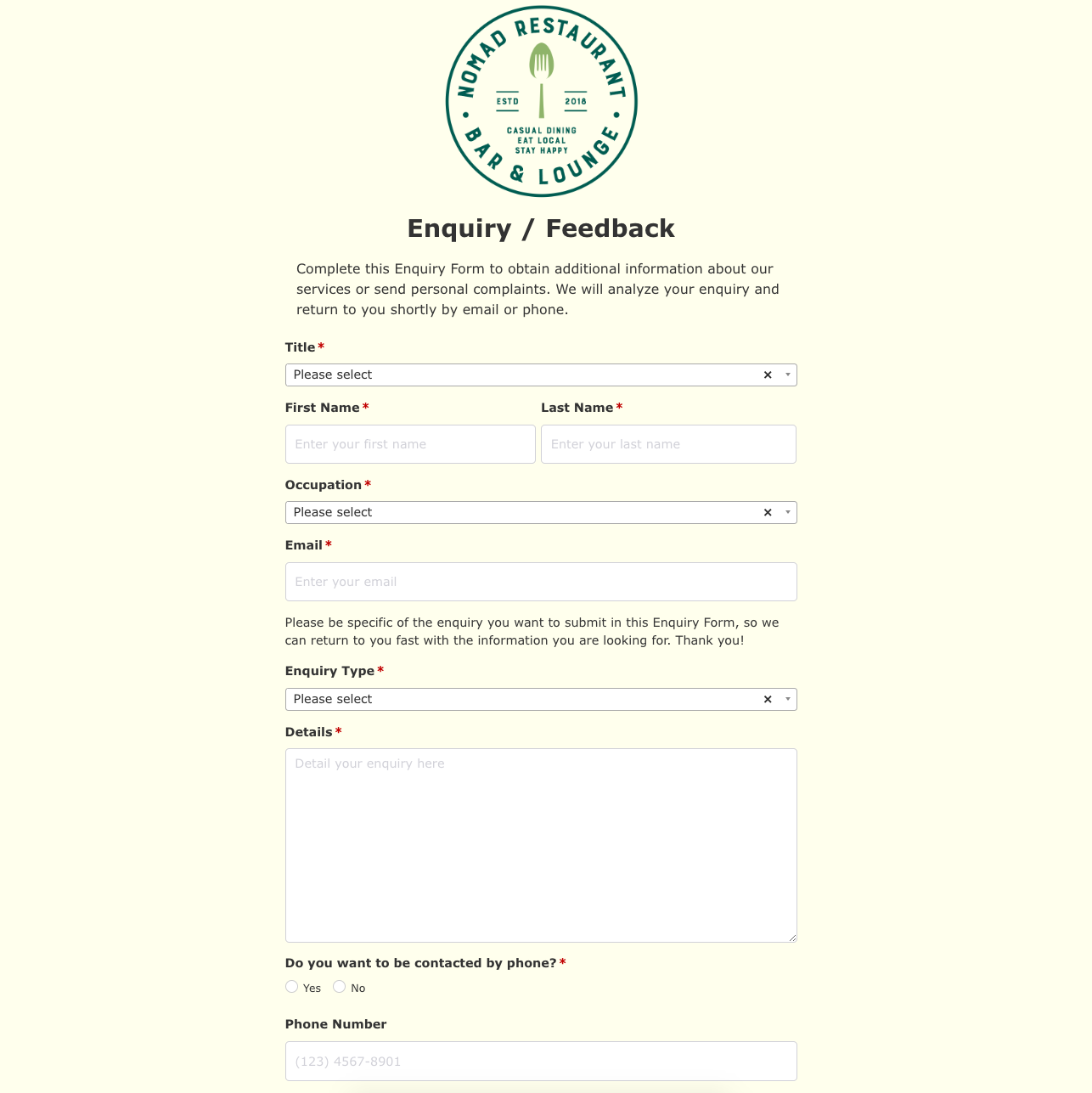 Enquiry / Feedback Form
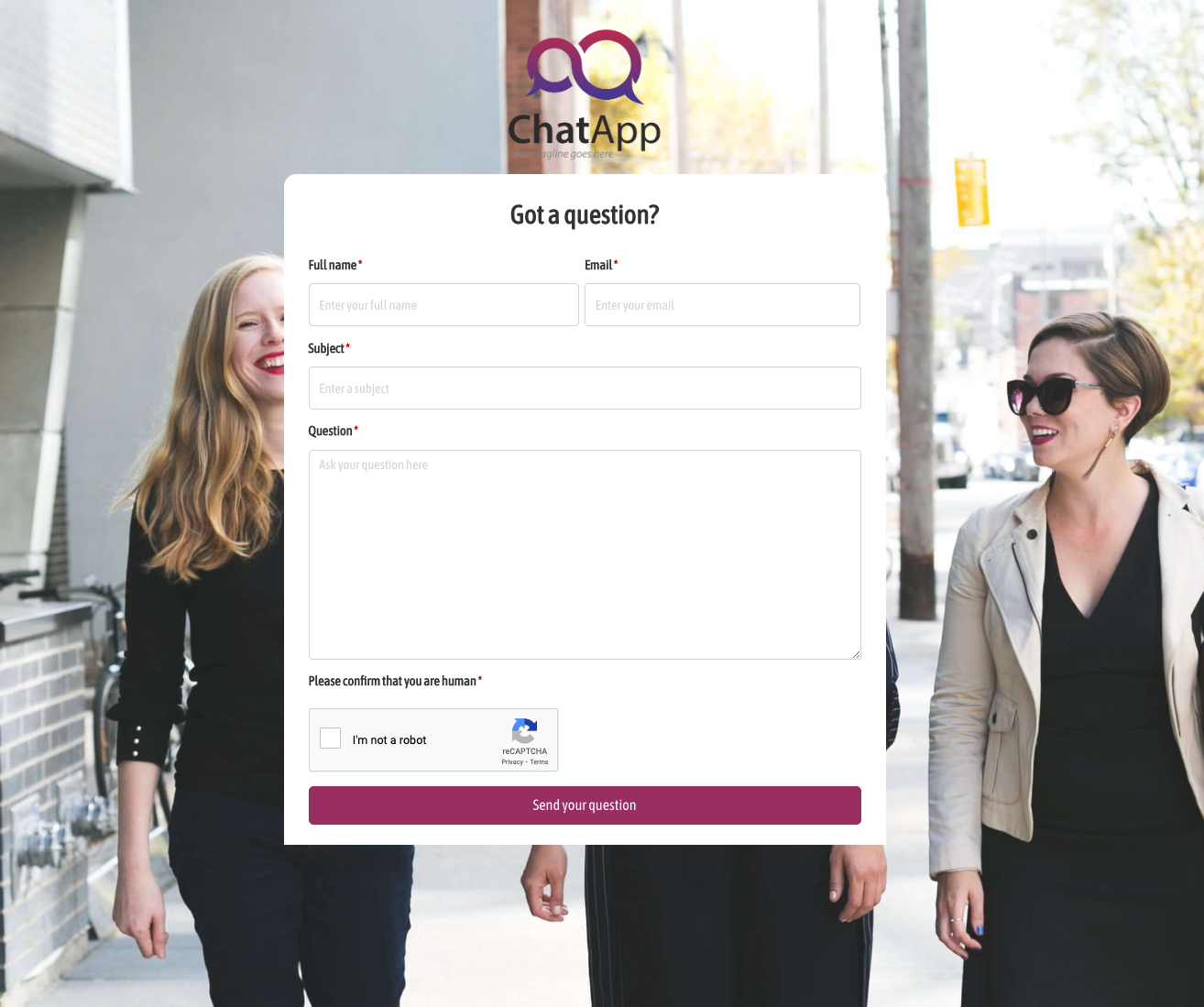 Got a question? Form
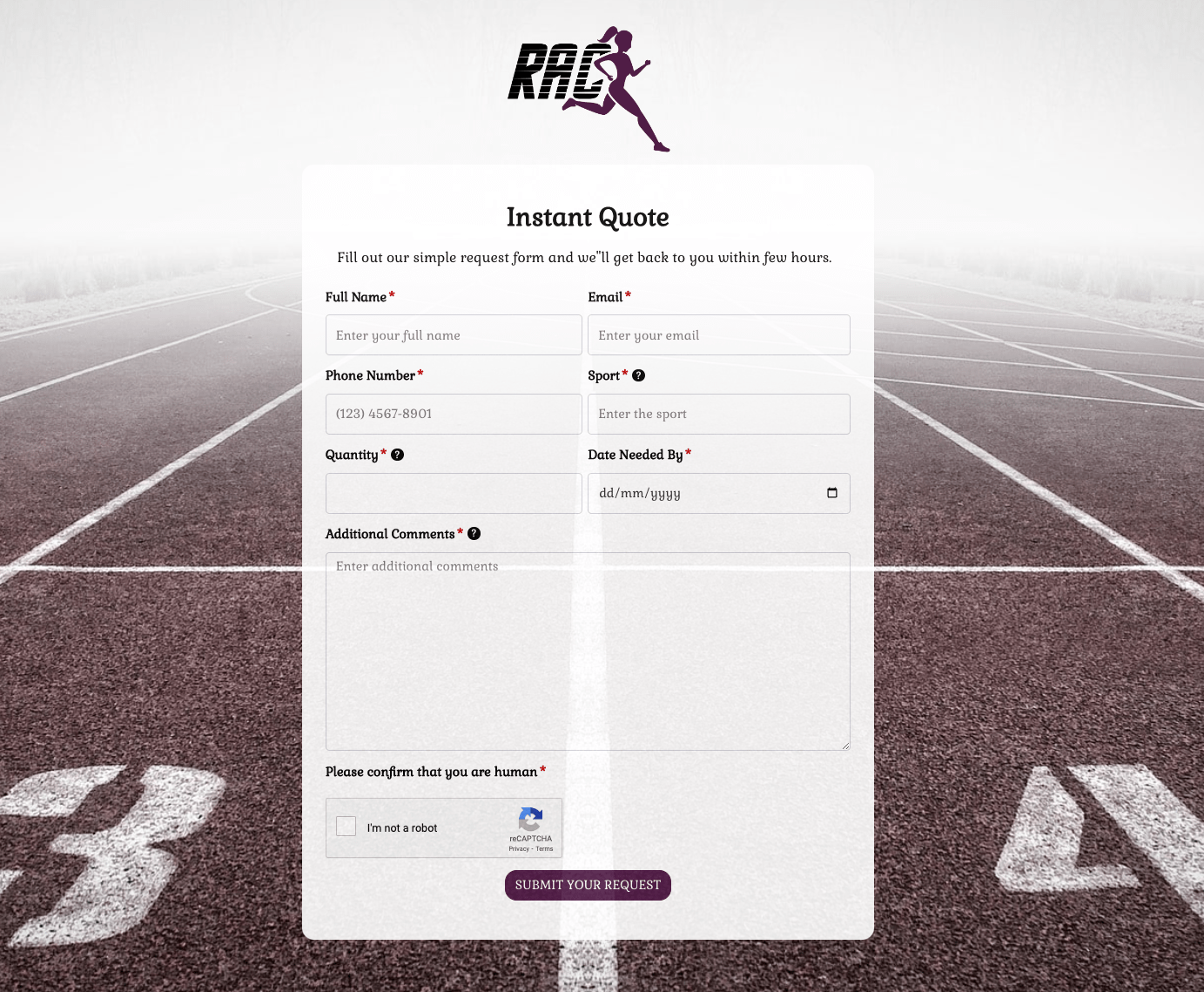 Instant Quote Form
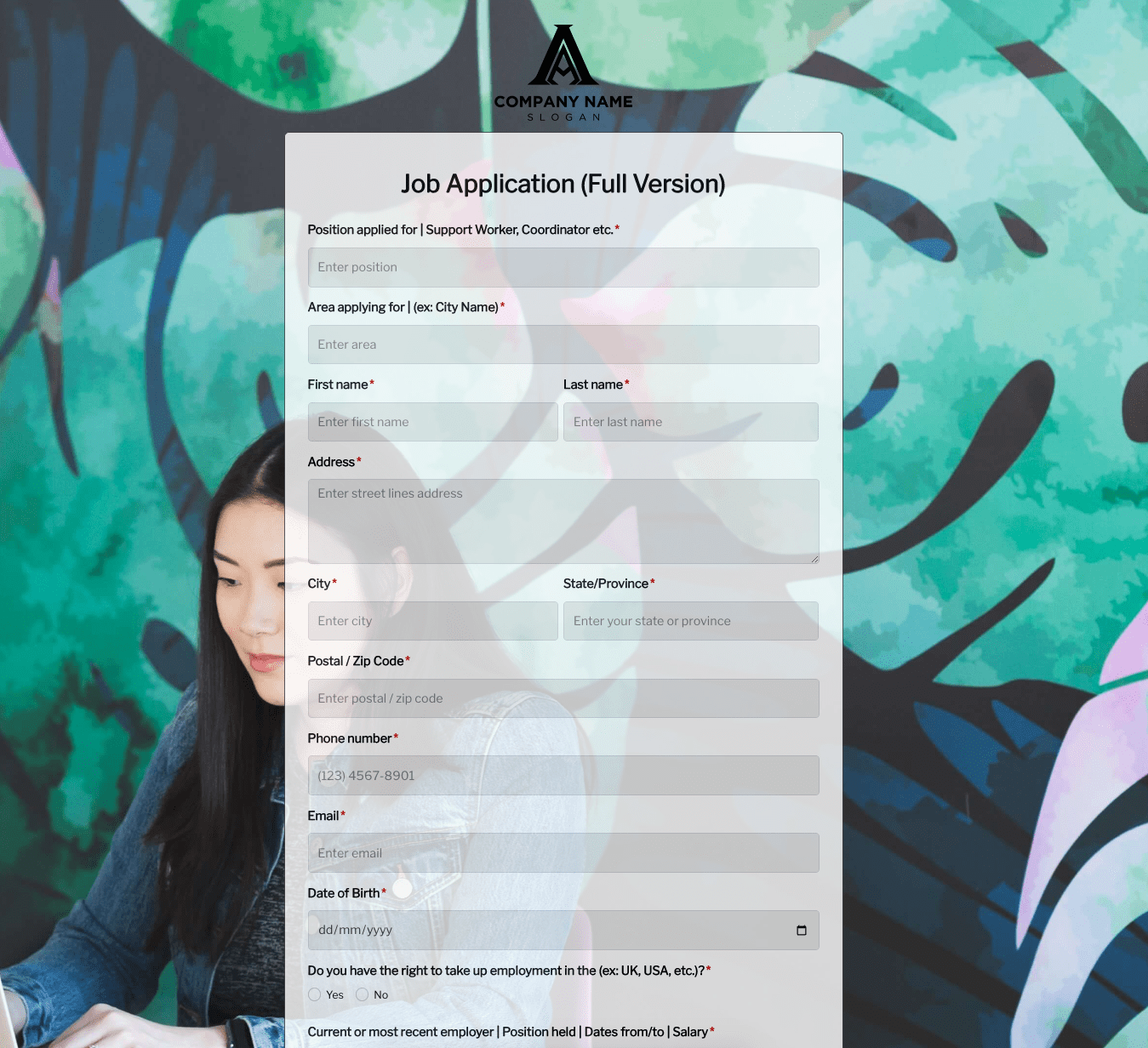 Job Application Form
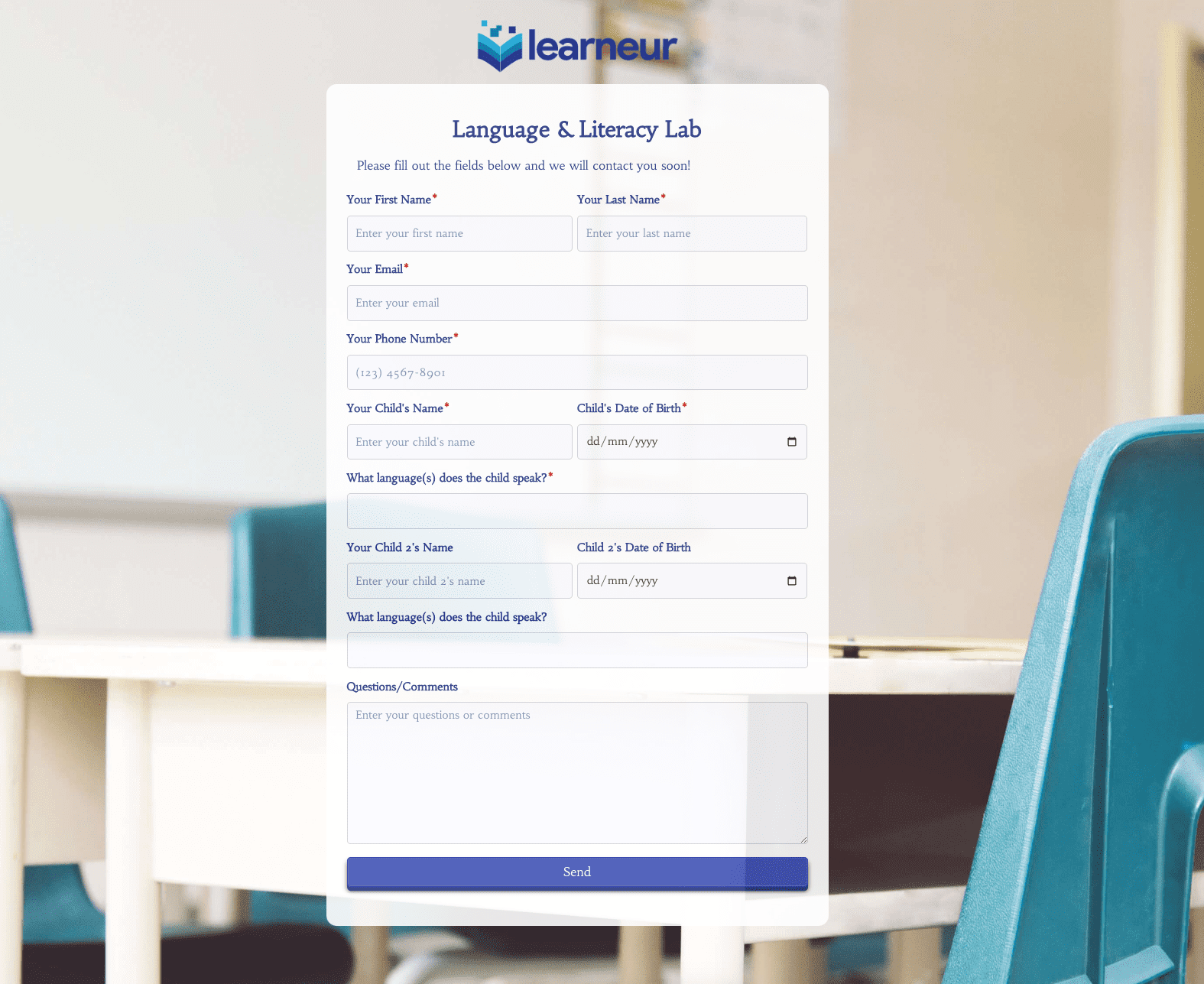 Language & Literacy Lab Form
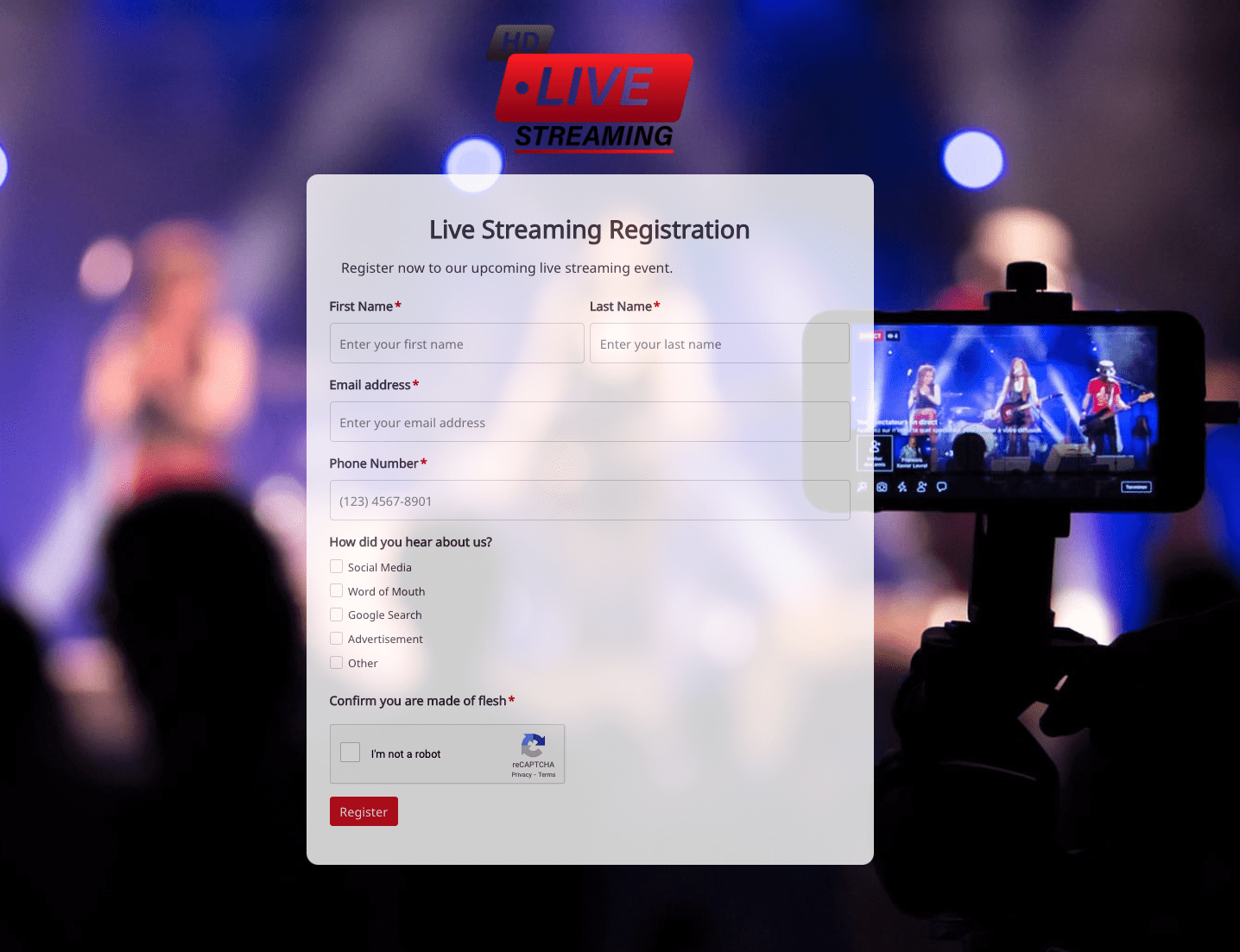 Live Streaming Registration Form
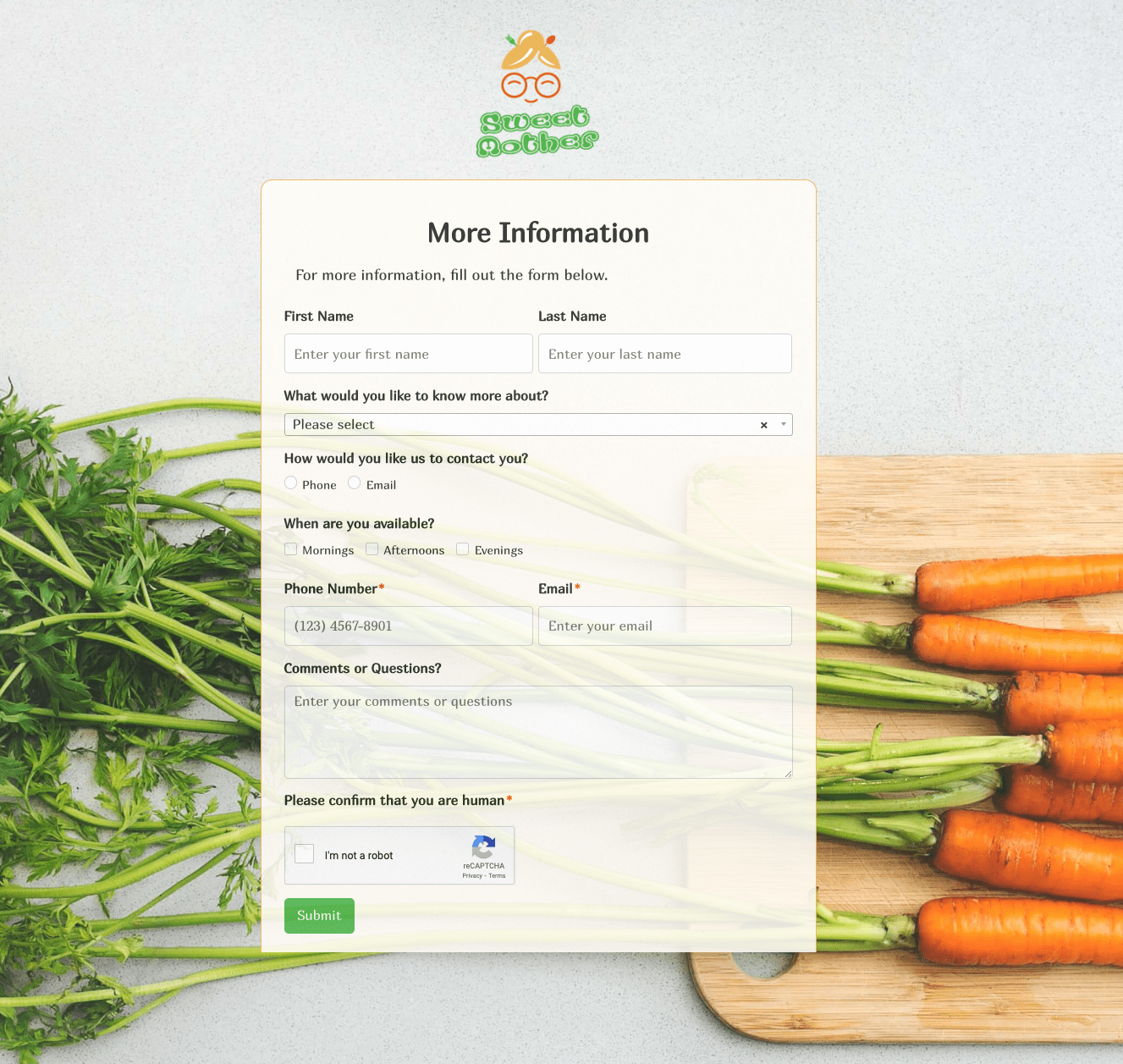 More Information Form
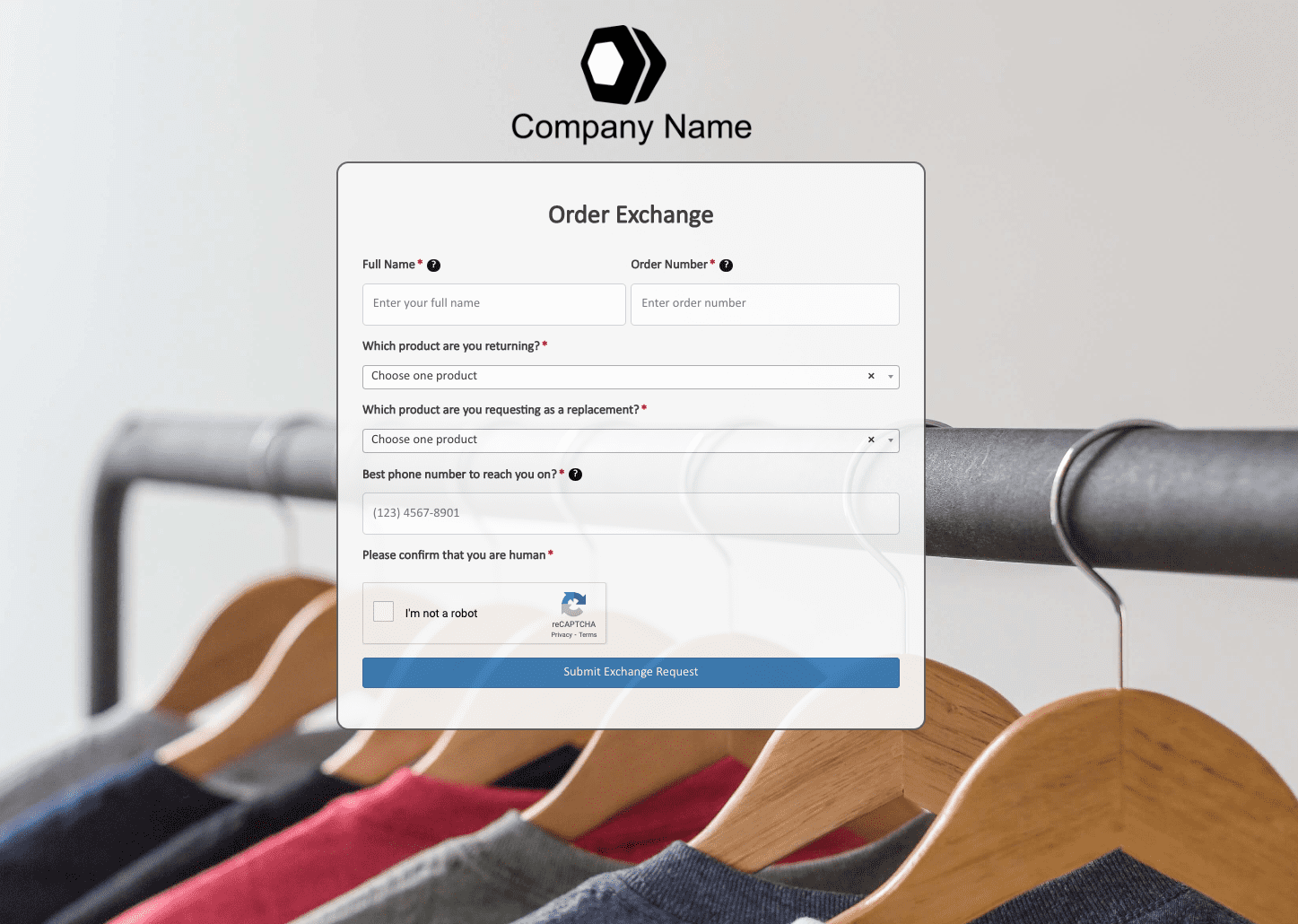 Order Exchange Form
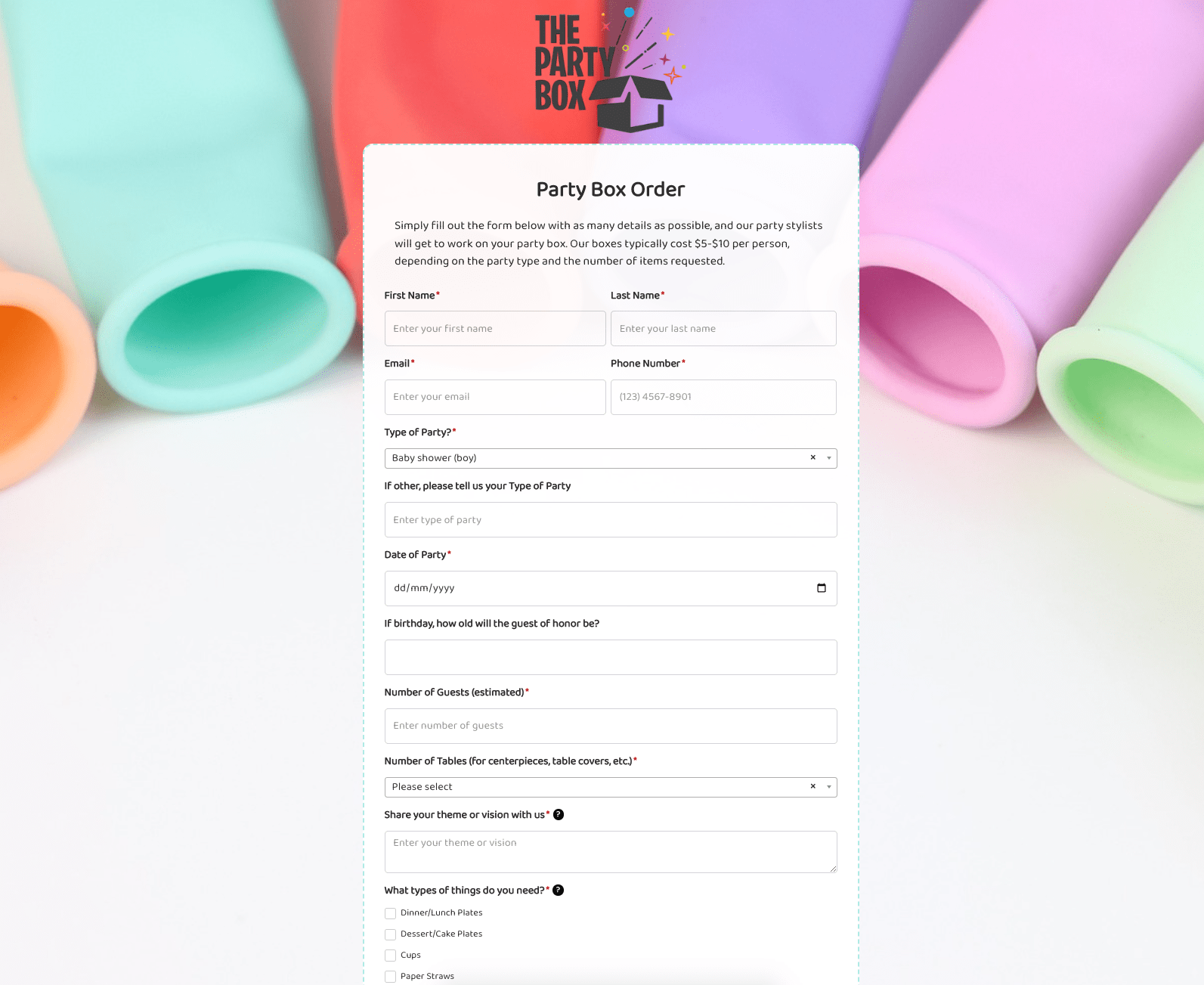 Party Box Order Form
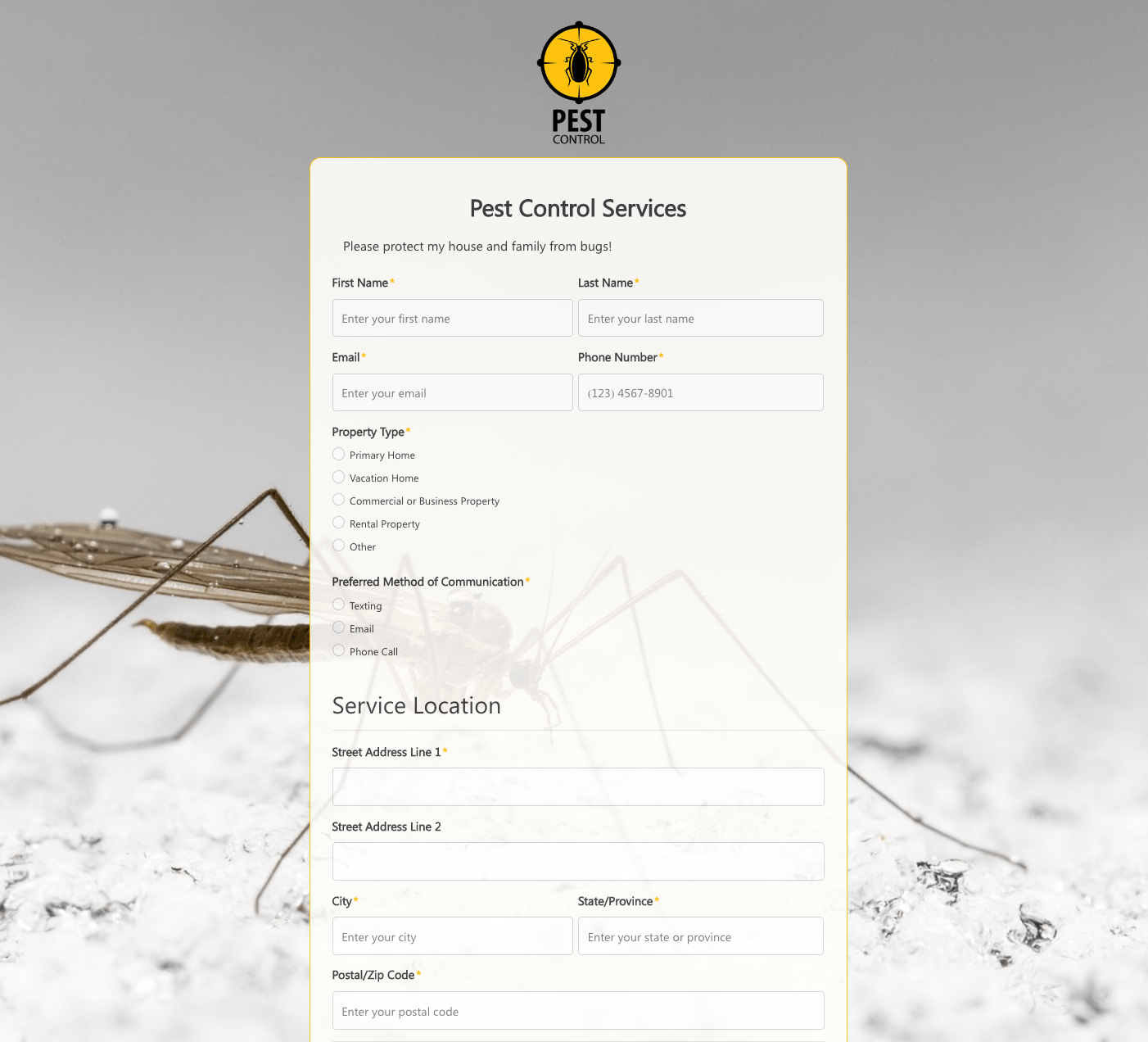 Pest Control Services Form
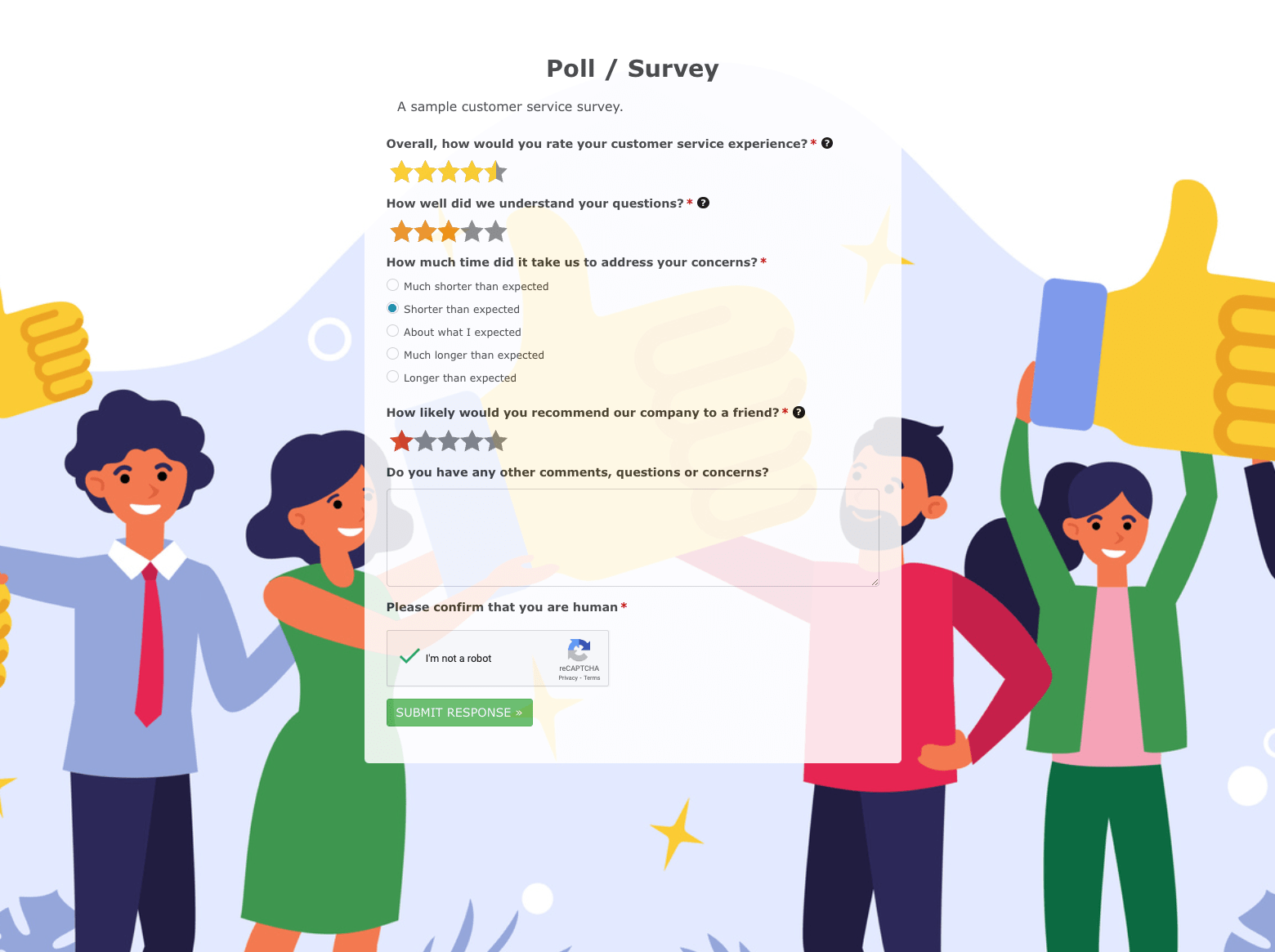 Poll / Survey Form
 Receive Ebook Form
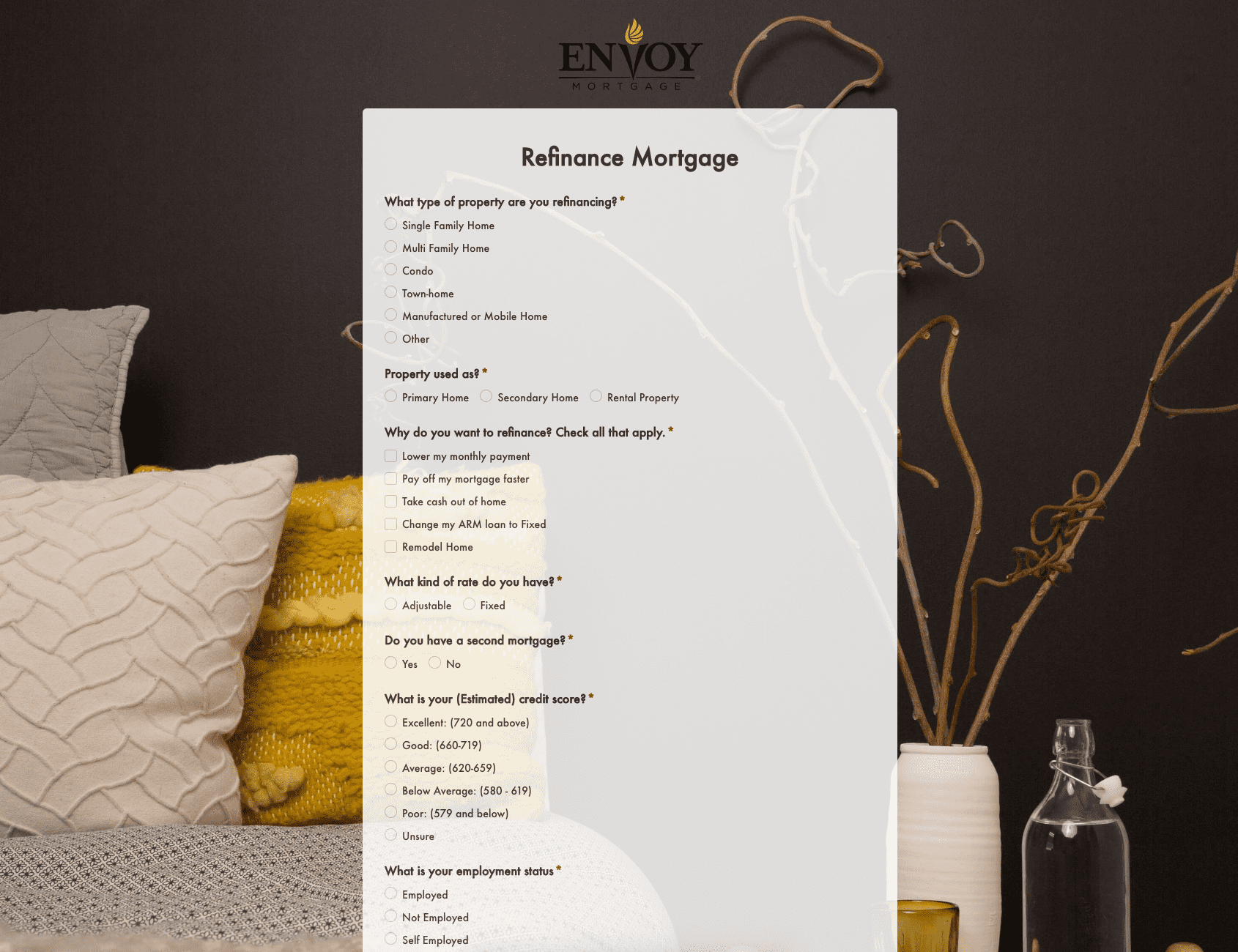 Refinance Mortgage Form
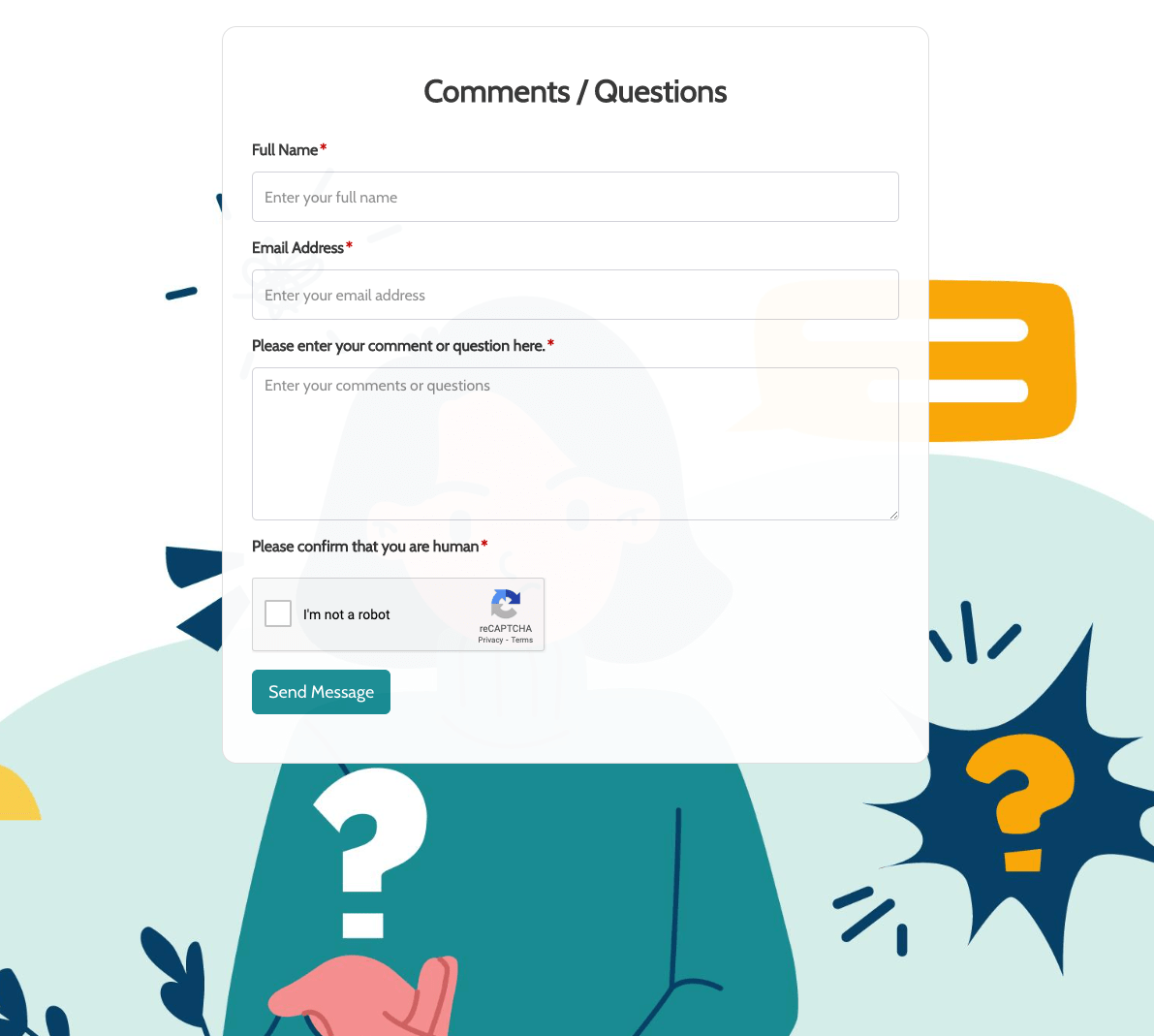 Remarks / Questions Form
 Report Driver Form
 Retreat Information Form
 Service Enquiry Form
 Skydiving Registration Form
 Spare Part Enquiry Form
 Staff Application Form
 Submission Form
 User Registration Form
 Website Under Construction Form
 Wedding Photographer Form
 Your Opinion Matters Form