On Monday, a small business posts an attractive AI-generated image. On Tuesday, it posts another. By Friday, the feed is full of polished pictures with little in common. The colors and moods jump around, making the business almost unrecognizable. More content has produced less recognition.
The problem is not a shortage of images. It is the absence of a creative thread. Image and video tools, including flux 3, can help turn a written concept into visual drafts, but they cannot decide what an audience should remember. That decision comes before five unrelated prompts.
Imagine a Bookshop With One Friday-Night Event
Consider a fictional neighborhood bookshop preparing a late-night mystery reading. There is no advertising budget, just a Friday gathering called Midnight Pages and five days to build interest. The shop wants people to recognize the event, understand what will happen, and know how to reserve a seat.
The obvious approach would be to generate five pictures of books. Instead, the campaign needs a small story. Monday introduces a mystery. Tuesday establishes the atmosphere. Wednesday gives the audience a human reason to attend. Thursday makes the experience feel real. Friday provides the practical invitation.
People do not encounter a week's posts in perfect order. Each must stand alone while carrying clues that connect it to the others.
Give the Campaign Two Things It Can Keep
Before generating anything, write a brief short enough for someone else to understand in a minute. Ours might read: “An intimate mystery reading for curious adults, with warm lamplight, deep green accents, worn paper, and a playful sense of suspense. Never make the event look frightening or exclusive.”
Keep a recognizable visual signature
Choose one or two motifs, not a cage of twenty rules. For Midnight Pages, a brass reading lamp and a narrow strip of green could appear in different ways: reflected on a window, illuminating a book's edge, or framing a poster. The lamp can be subtle; its job is recognition, not repetition.
Hold the palette and general lighting direction steady, but vary the viewpoint. One image might show a desk from above; another could show hands opening an envelope; a third might be a wide shot of empty chairs before the reading. Related is not identical.
Keep one promise to the audience
A visual signature alone cannot explain why anyone should care. Every post should reinforce one promise: “Spend an unusual Friday evening solving a story with other readers.” This gives every asset a purpose. If a proposed image could advertise any generic bookstore, ask what detail connects it specifically to a participatory mystery night.
The promise also keeps AI imagery from inventing the wrong expectations. A spectacular ballroom filled with hundreds of guests might be visually impressive, but it would misrepresent a modest event held between bookshelves. Creative work still has to tell the truth about what is being offered.
Plan the Week Before Choosing the Prompts
A useful content calendar starts with audience questions rather than formats. What is happening? Why is it interesting? Who is it for? What will the evening feel like? How do I join?
|
Day
|
Audience question
|
Suggested visual
|
Message to deliver
|
|
Monday
|
What is this?
|
A sealed envelope under a reading lamp
|
An unusual evening is coming
|
|
Tuesday
|
What is the mood?
|
A close-up of handwritten clues and old pages
|
Expect warmth and mystery, not horror
|
|
Wednesday
|
Would I enjoy it?
|
A short clip of hands discovering a clue
|
Guests will participate, not just listen
|
|
Thursday
|
What will I experience?
|
A wider scene of a small prepared reading space
|
This is a friendly, intimate gathering
|
|
Friday
|
How do I attend?
|
A simple branded invitation built around the best image
|
Time, place, and reservation details
|
Notice what this plan does not demand. It does not require a new AI video every day or five fully independent concepts. One strong still image can become a teaser crop, a story background, or the first frame for a short motion experiment. The idea simply takes several useful forms.
Three Decisions That Make the Visuals Usable
- Generate the scene before adding essential words
Start with the composition: “A small neighborhood bookshop after dusk, one brass reading lamp illuminating a sealed dark-green envelope beside an open novel, inviting atmosphere, cinematic but believable, no people, room for text at the top.” This is an illustrative prompt, not a tested result.
Leave crucial event details out of the generated image when exact wording matters. Add the date, reservation address, and ticket price using a conventional design editor, where spelling and alignment are predictable. An AI image can carry the mood; it should not be treated as the authoritative source for logistics.
- Animate a single action, not an entire advertisement
For Wednesday's video, keep the concept modest: the envelope opens, a folded clue slides into view, and the light shifts slightly as someone reaches for it. One action reads better than a trailer crammed with scene changes.
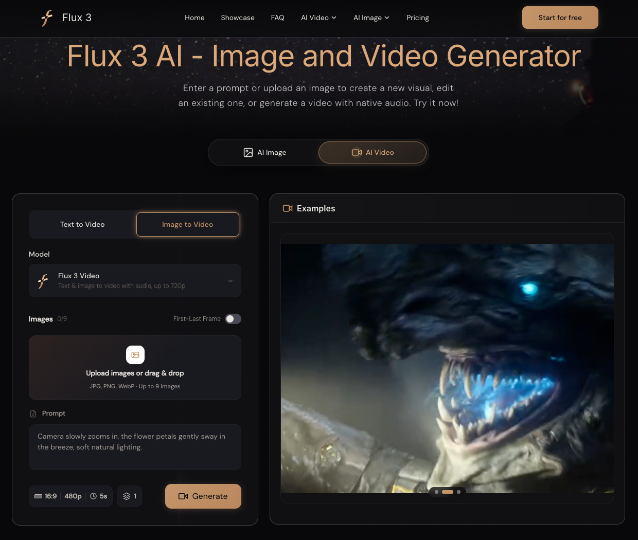
If the team wants to animate a chosen still, the image-to-video route on flux 3 provides a starting-frame workflow. The visible generator settings should determine the available duration and format; do not design the content around an assumed capability. Check for unnatural hands, changing objects, and unexpected text.
- Adapt the composition to the destination
A vertical story needs clear space for interface elements. A square feed image needs a stronger central focal point. A horizontal preview may need more environment around the subject. Merely cropping a landscape image can remove the envelope or lamp that made it recognizable.
Make aspect ratio part of the prompt or editing plan early. Then check the final asset inside a realistic placement, with captions, profile names, and interface overlays taken into account. A beautiful file is not automatically an effective social post.
Reuse What Works, Not Everything You Generate
After producing the first few assets, compare them side by side. If Monday's envelope image captures the campaign better than anything else, reuse its palette and lighting as a visual reference. If Thursday's interior resembles a luxury library rather than the actual neighborhood shop, discard it even if the image looks stunning.
This is where a small team can save time: choose a good direction once, then build variations around it. Save references, approved copy, crops, and rejected versions in a shared folder. “Wednesday-clue-vertical-approved” is more useful than “final-v7-new.”
Not every post has to contain generated media, either. A photograph of the real event space, an authentic staff recommendation, or a simple text card may establish more trust than another invented scene. Consistency does not require one production method.
Review the Campaign as Someone Seeing It for the First Time
Place the five posts on a single page and cover the captions. Can you tell they belong together? Now uncover the captions and ask whether each contributes a new piece of information. A coherent campaign should be recognizable at a glance without feeling like the same announcement repeated five times.
Finally, review factual details separately. Verify the date, location, price, booking instructions, accessibility information, and permission to use any identifiable people or protected material. If an AI scene invents venue features, replace it. Creative polish cannot justify a misleading promise.
The goal is not five AI masterpieces. It is five connected reasons for someone to notice, understand, and consider attending one real event. When a campaign begins with that purpose, the visuals become a story people can follow rather than a collection of images they scroll past.
 Access Request Form
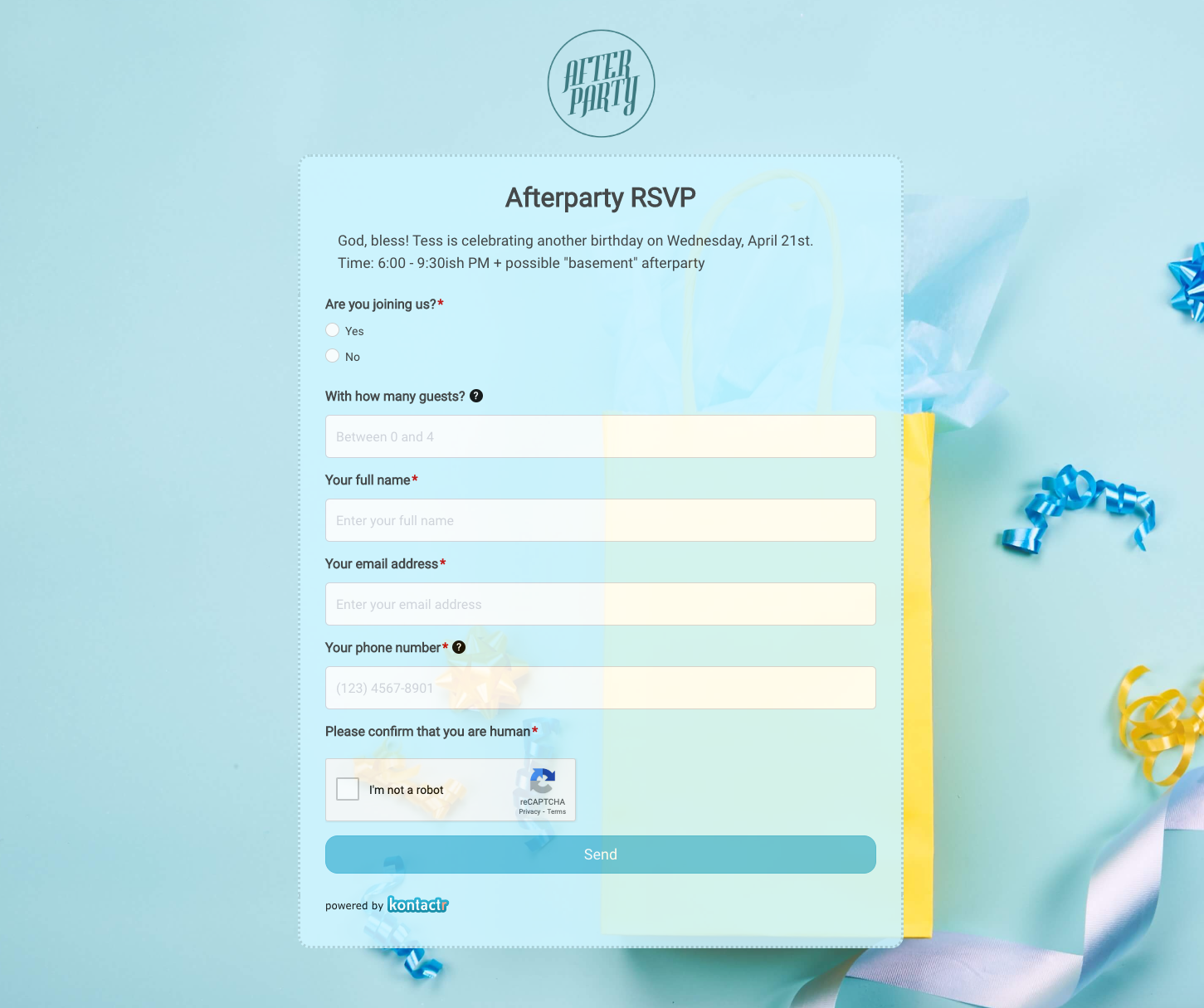 Afterparty RSVP Form
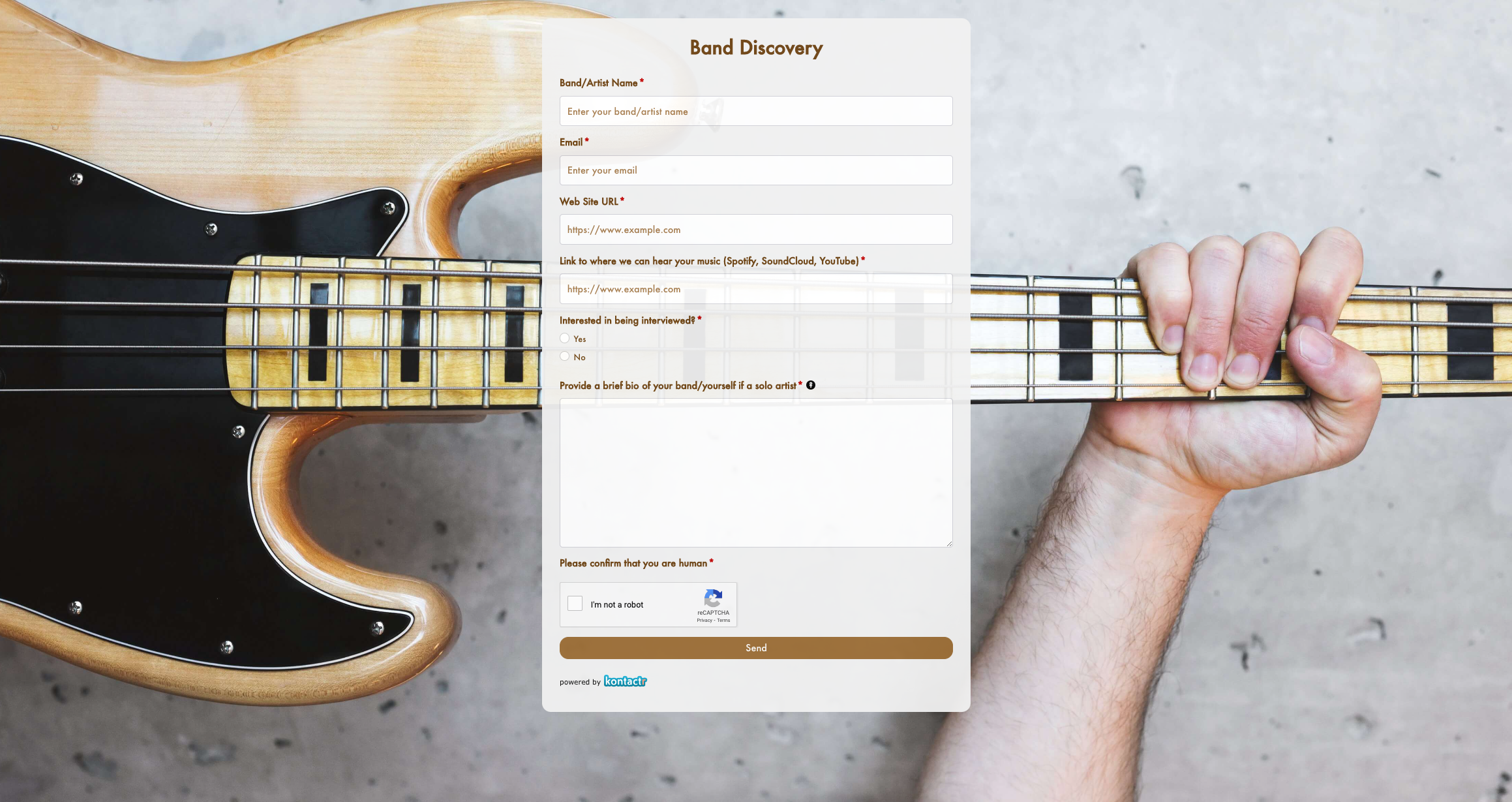 Band Discovery Form
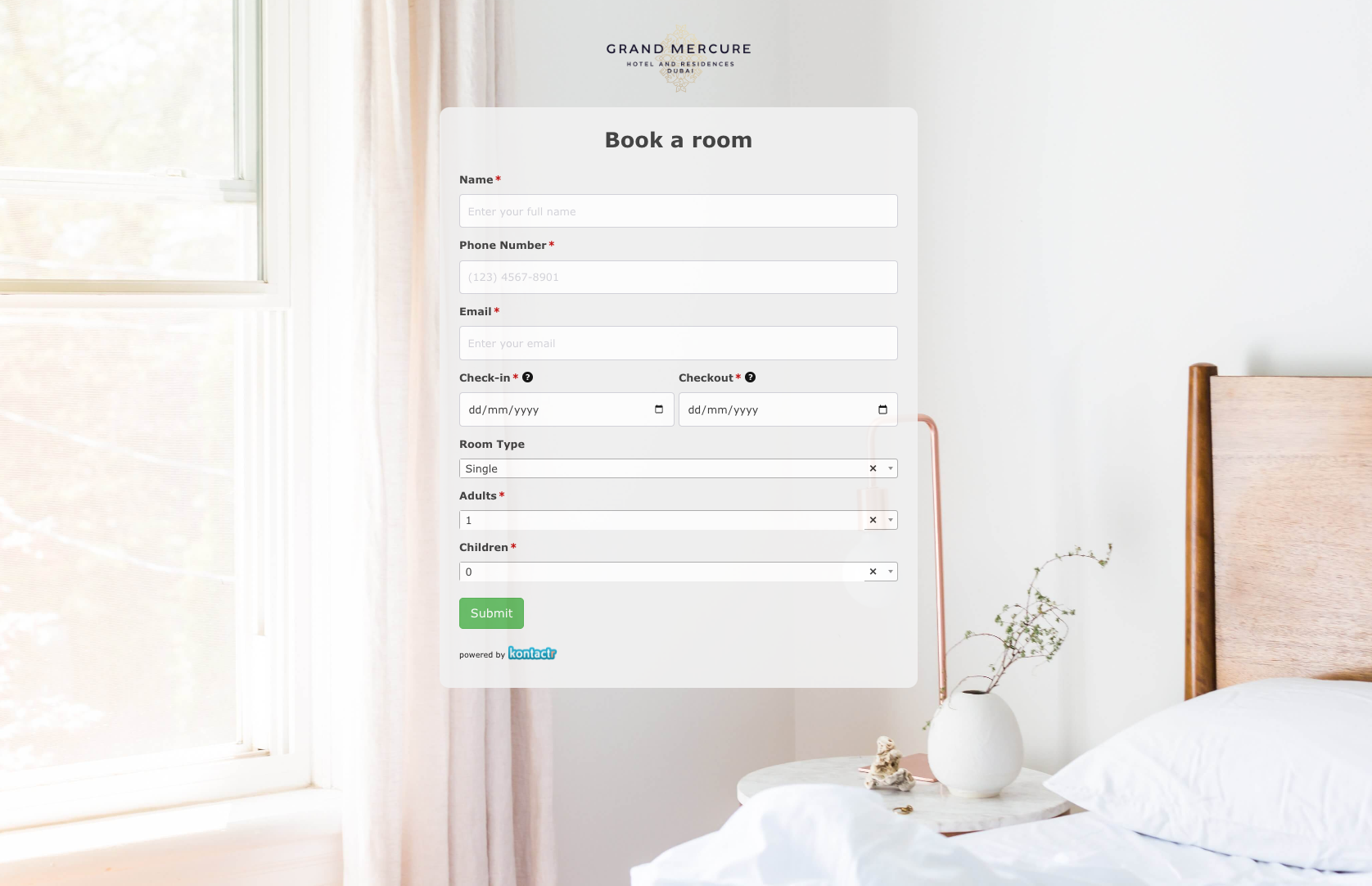 Book a room Form
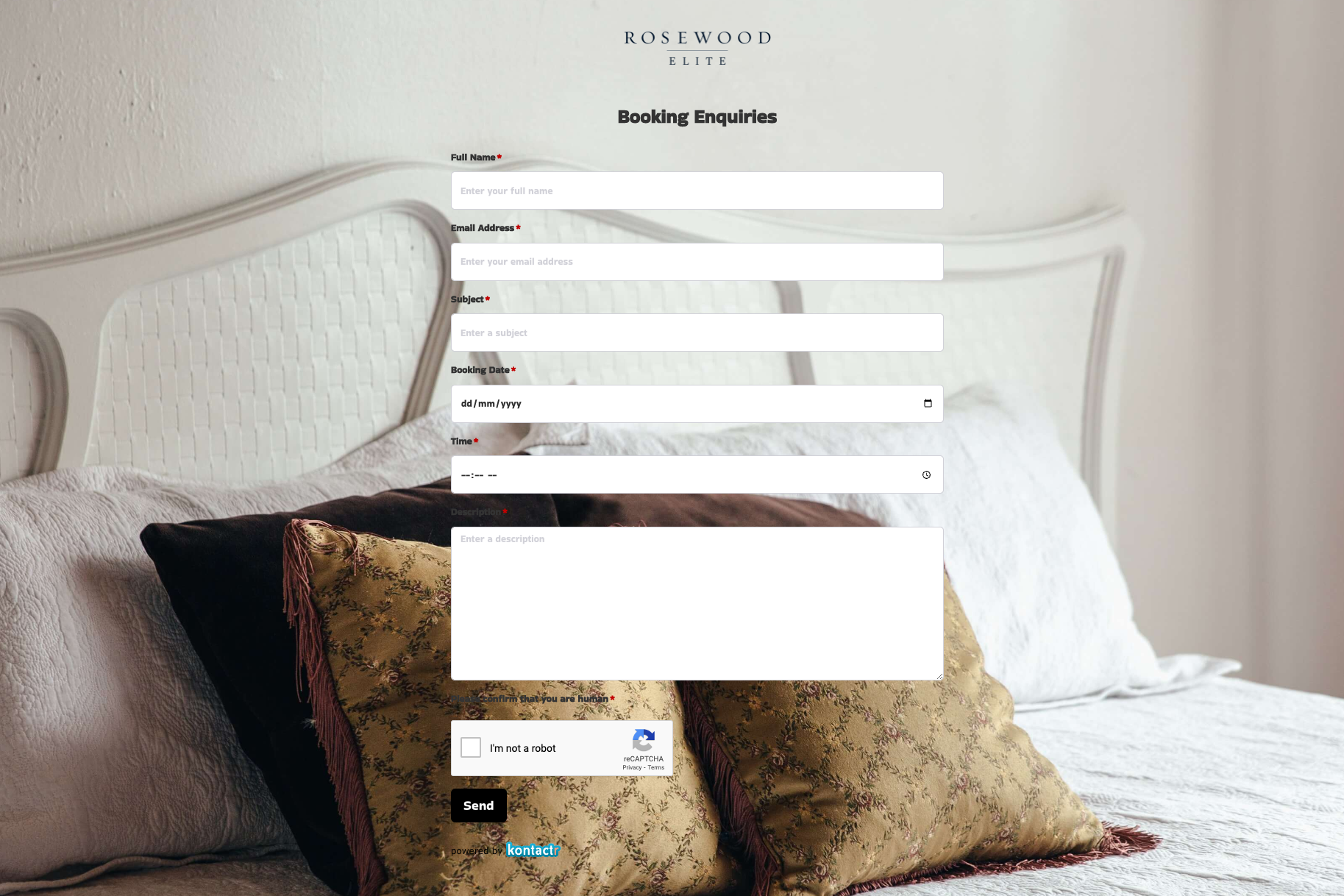 Booking Enquiries Form
 Brochure Mailing Form
 Buy a Home Form
 Catalog Request Form
 Coach Lines Quote Form
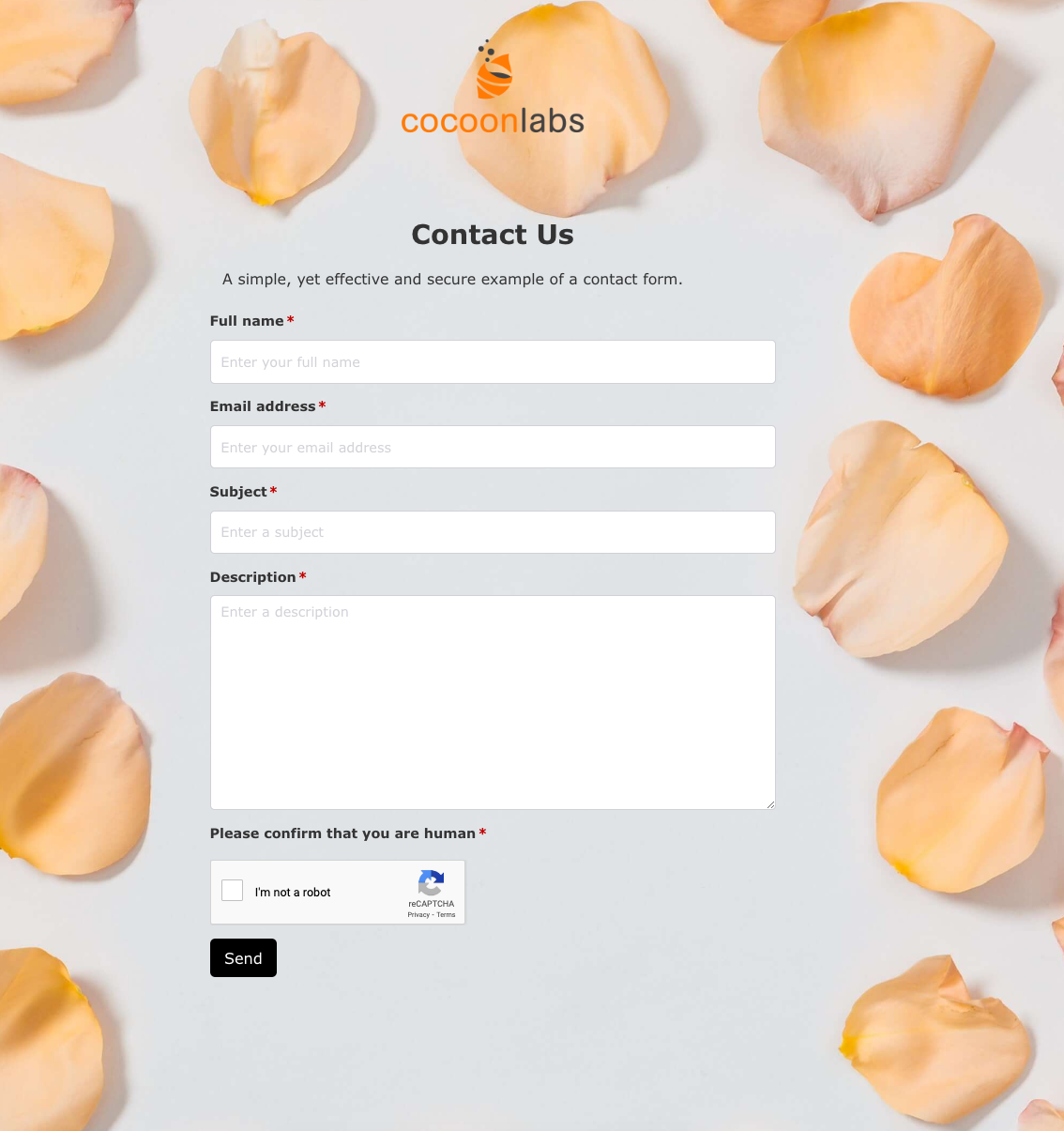 Contact Us Form
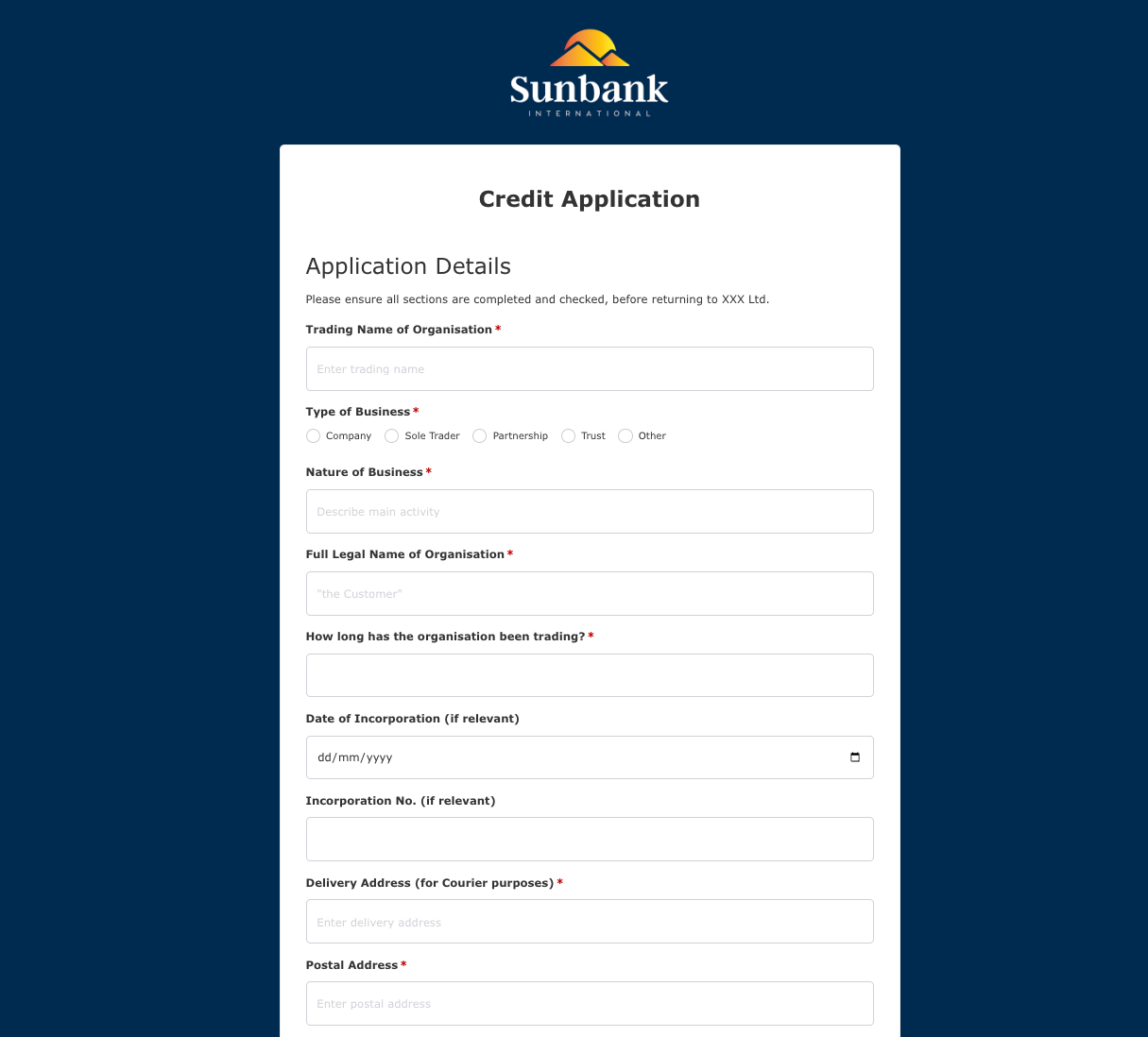 Credit Application Form
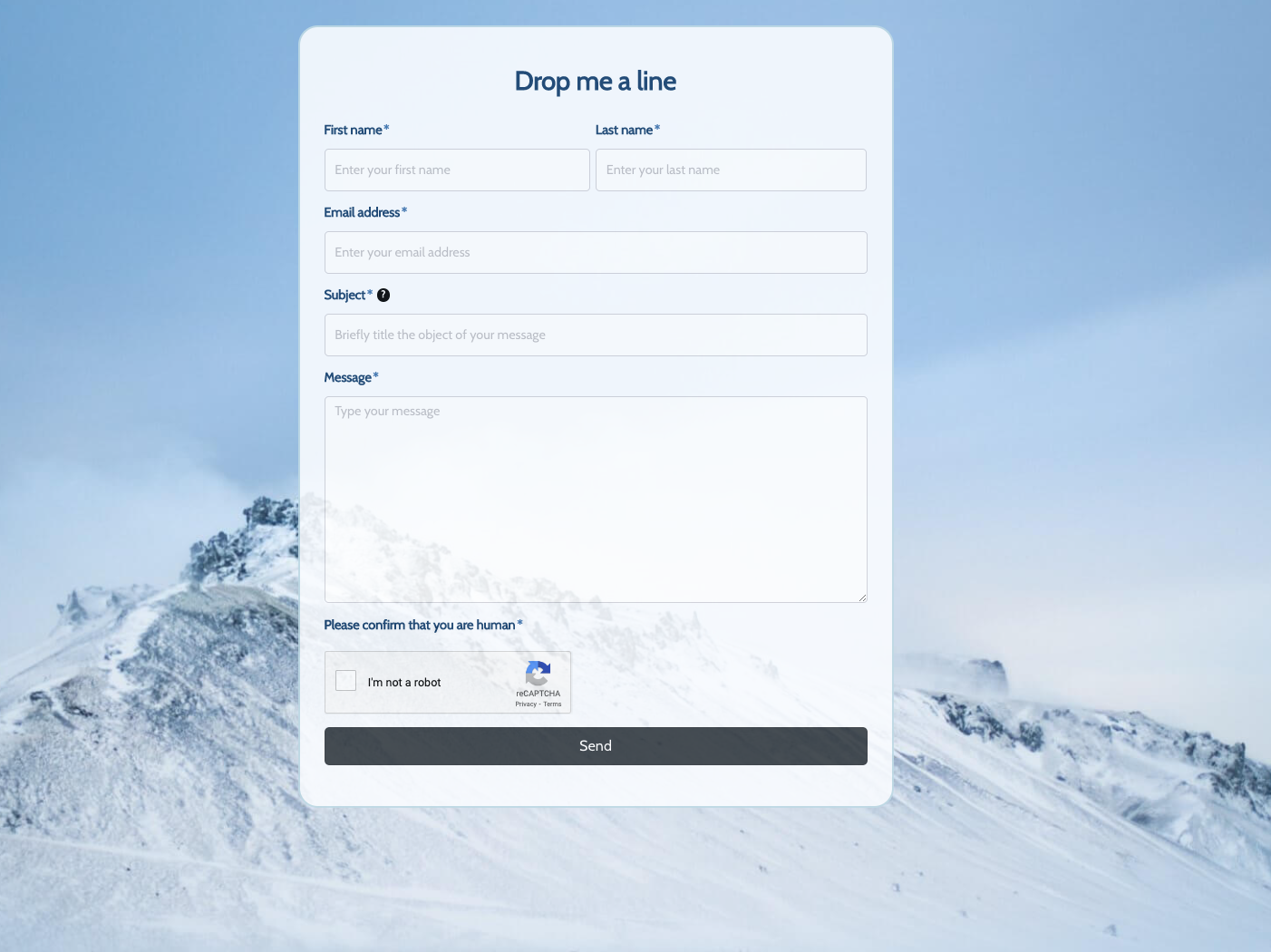 Drop me a line Form
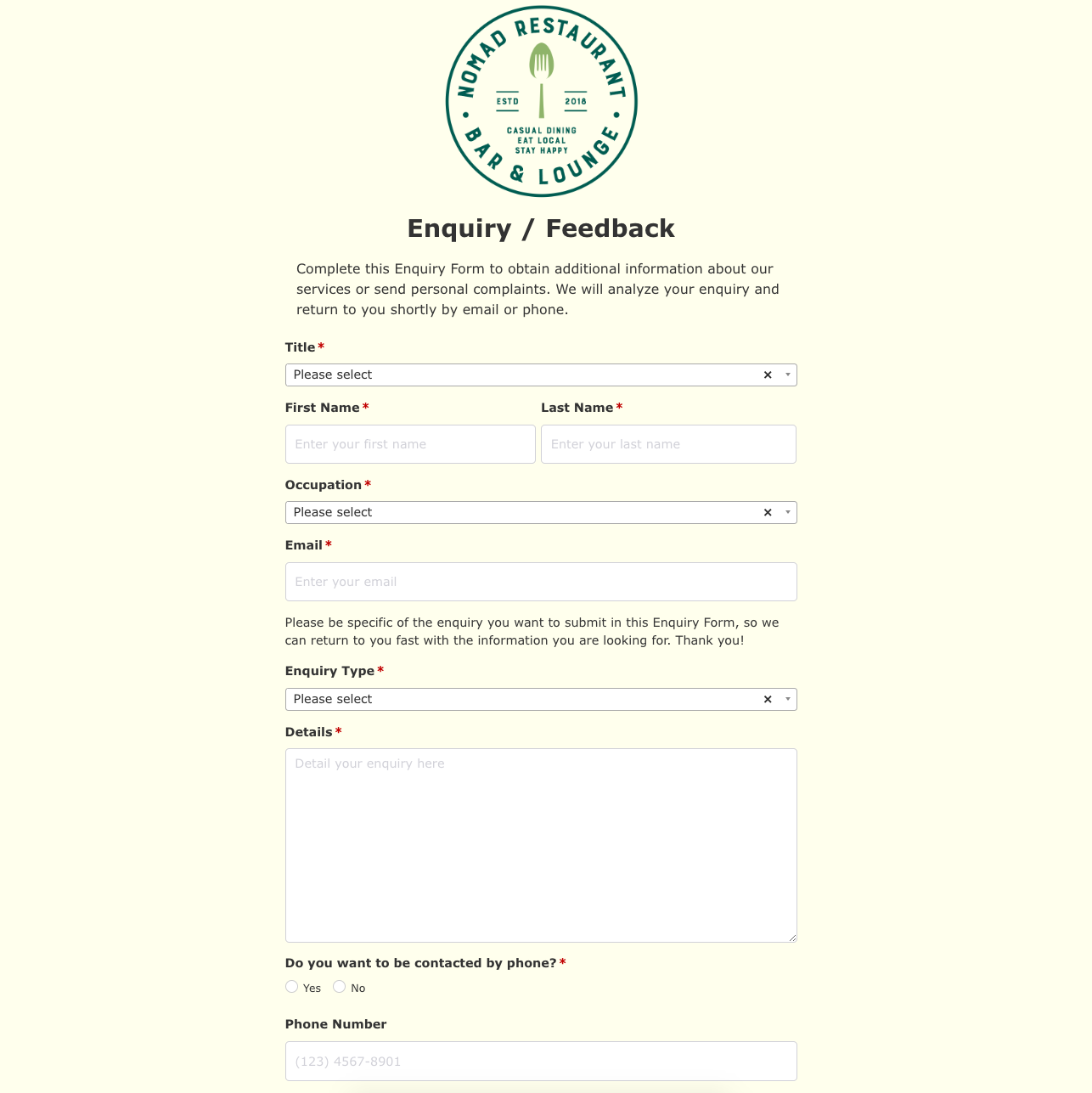 Enquiry / Feedback Form
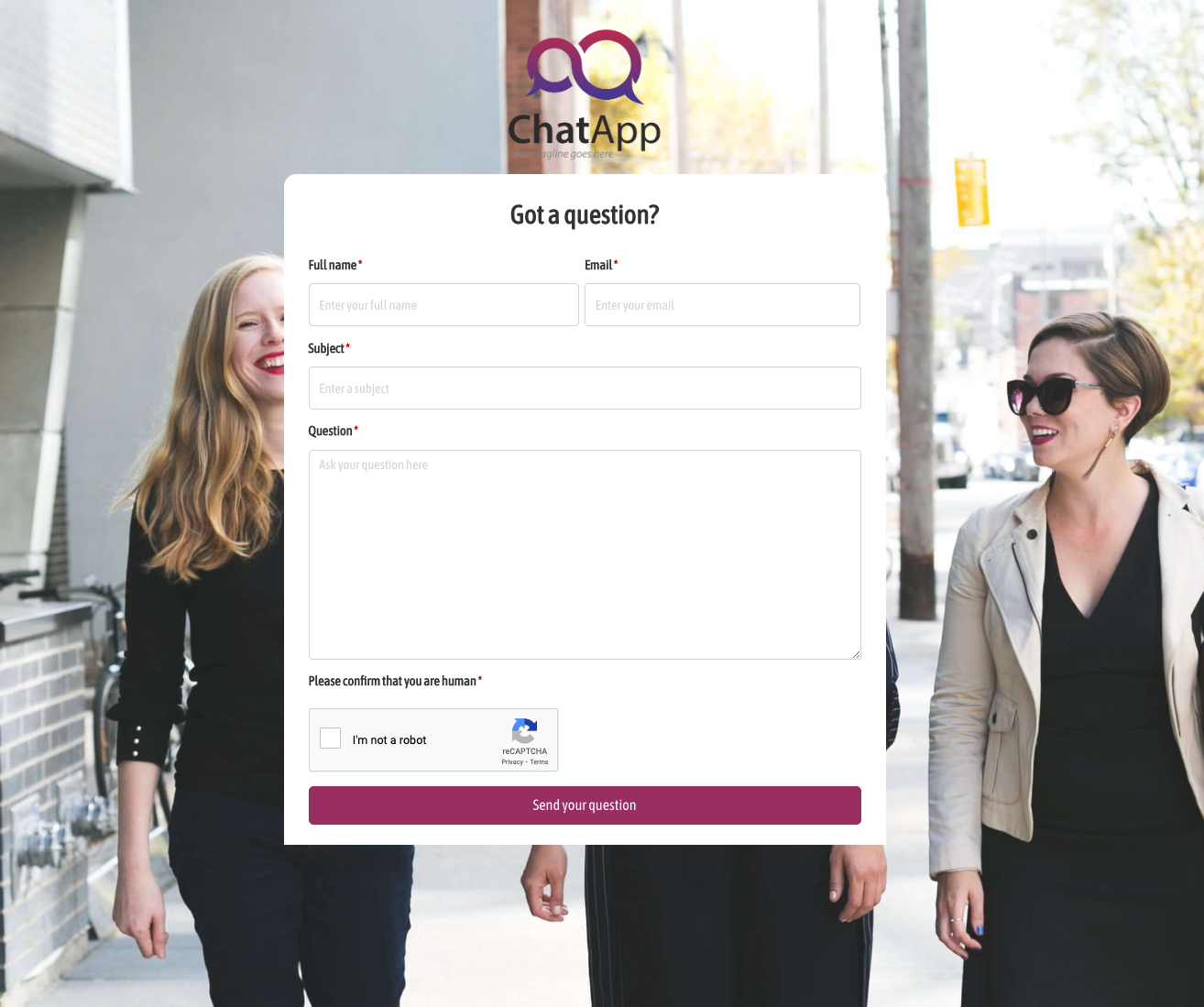 Got a question? Form
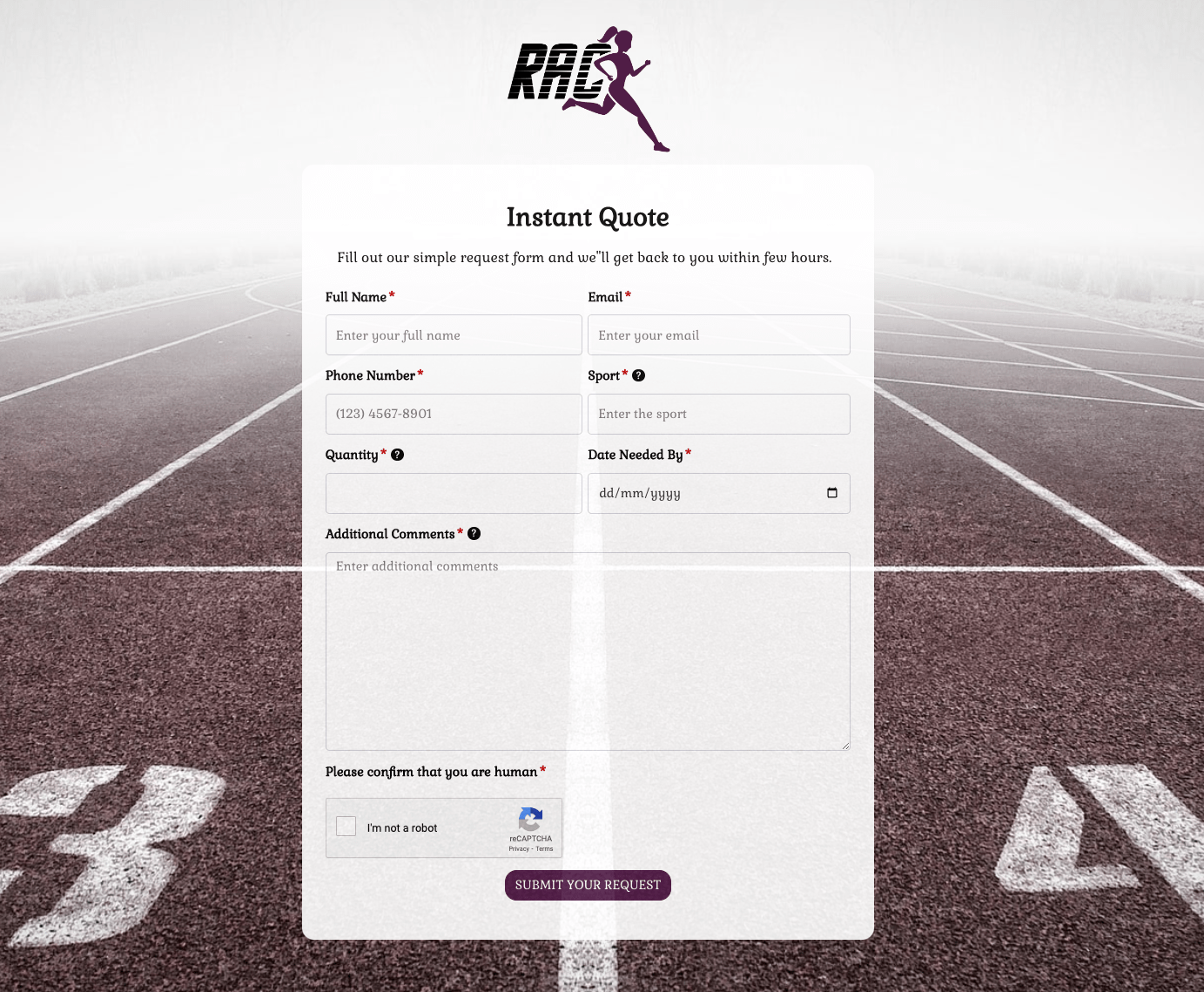 Instant Quote Form
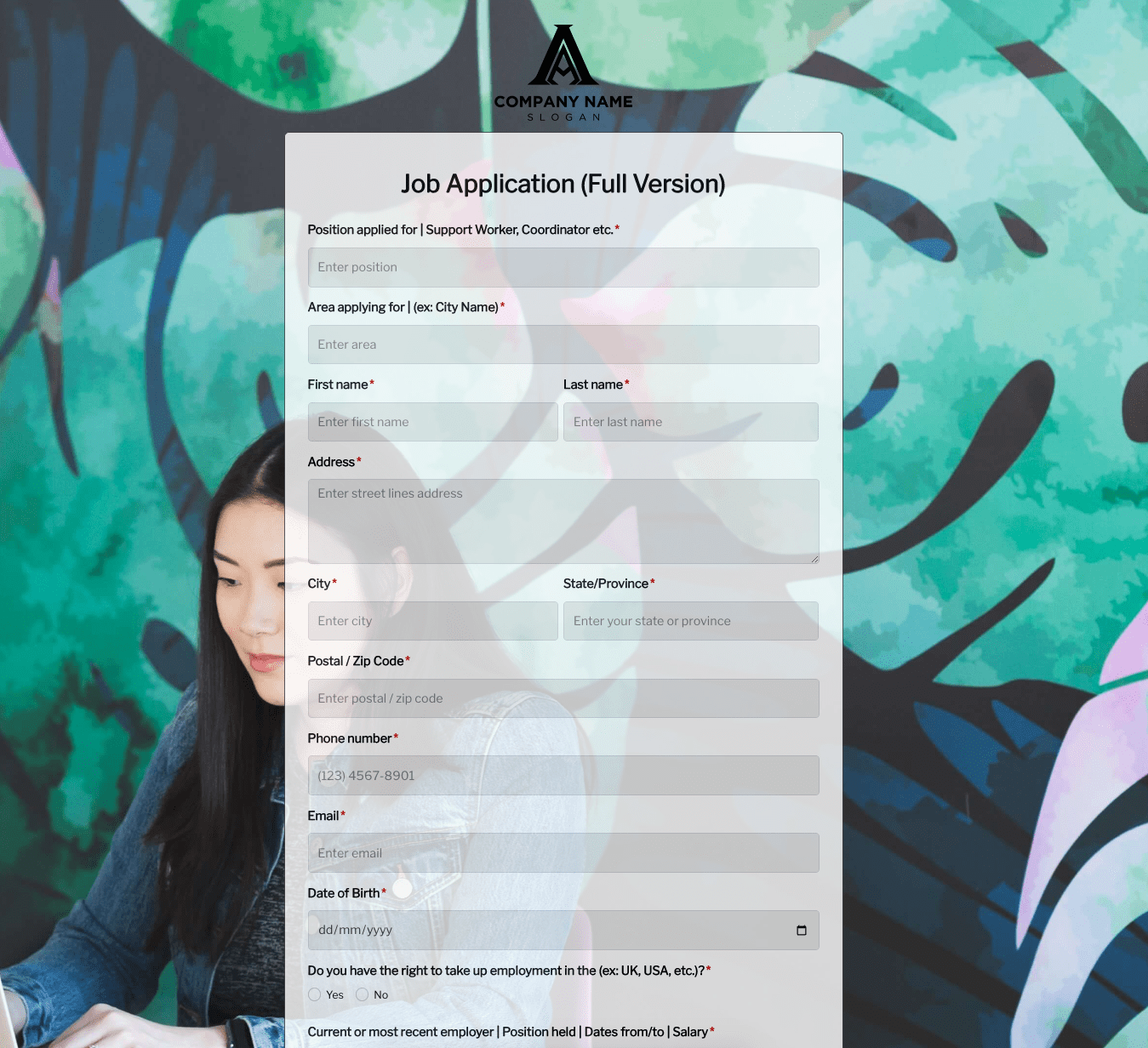 Job Application Form
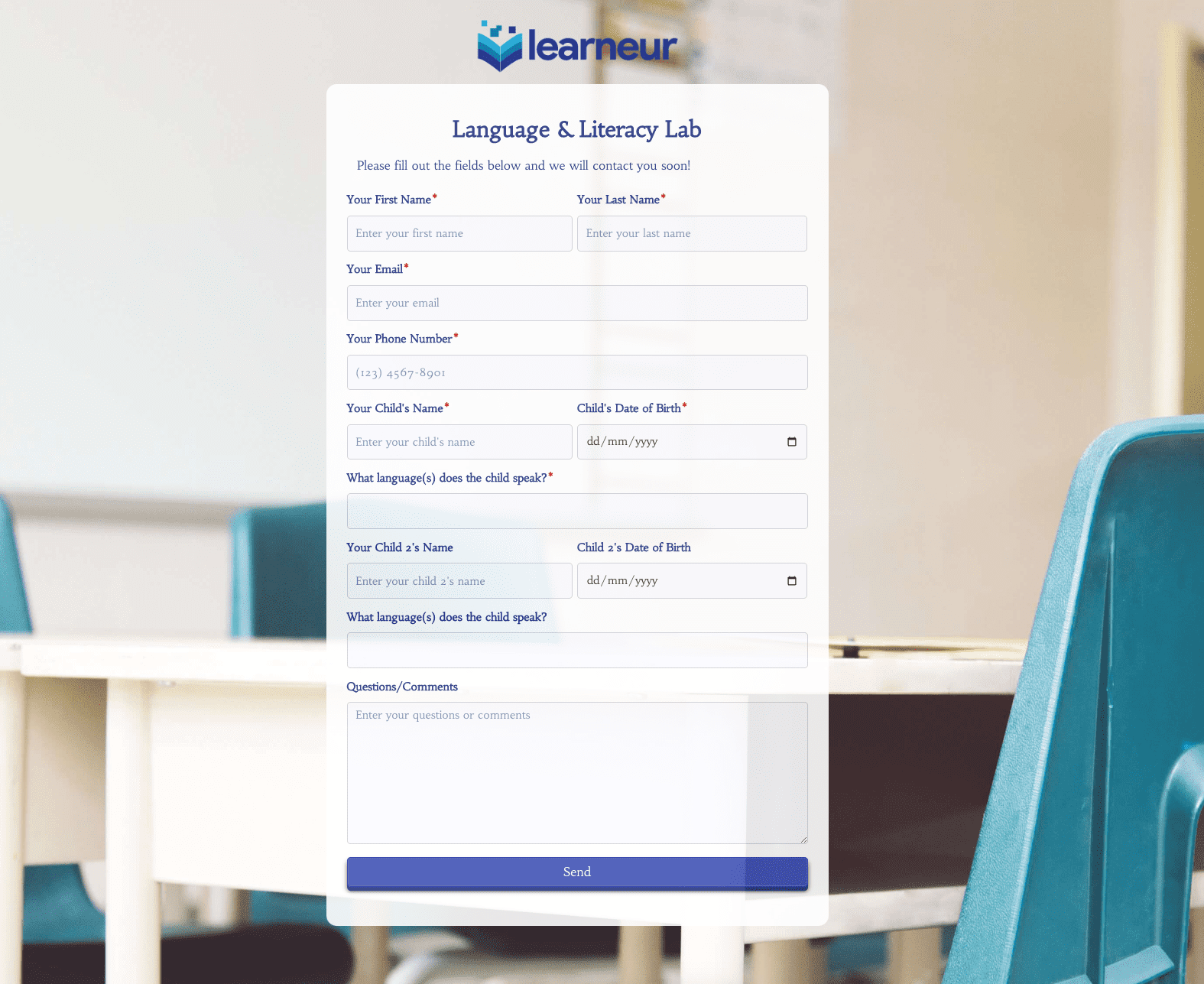 Language & Literacy Lab Form
 Live Streaming Registration Form
 More Information Form
 Order Exchange Form
 Party Box Order Form
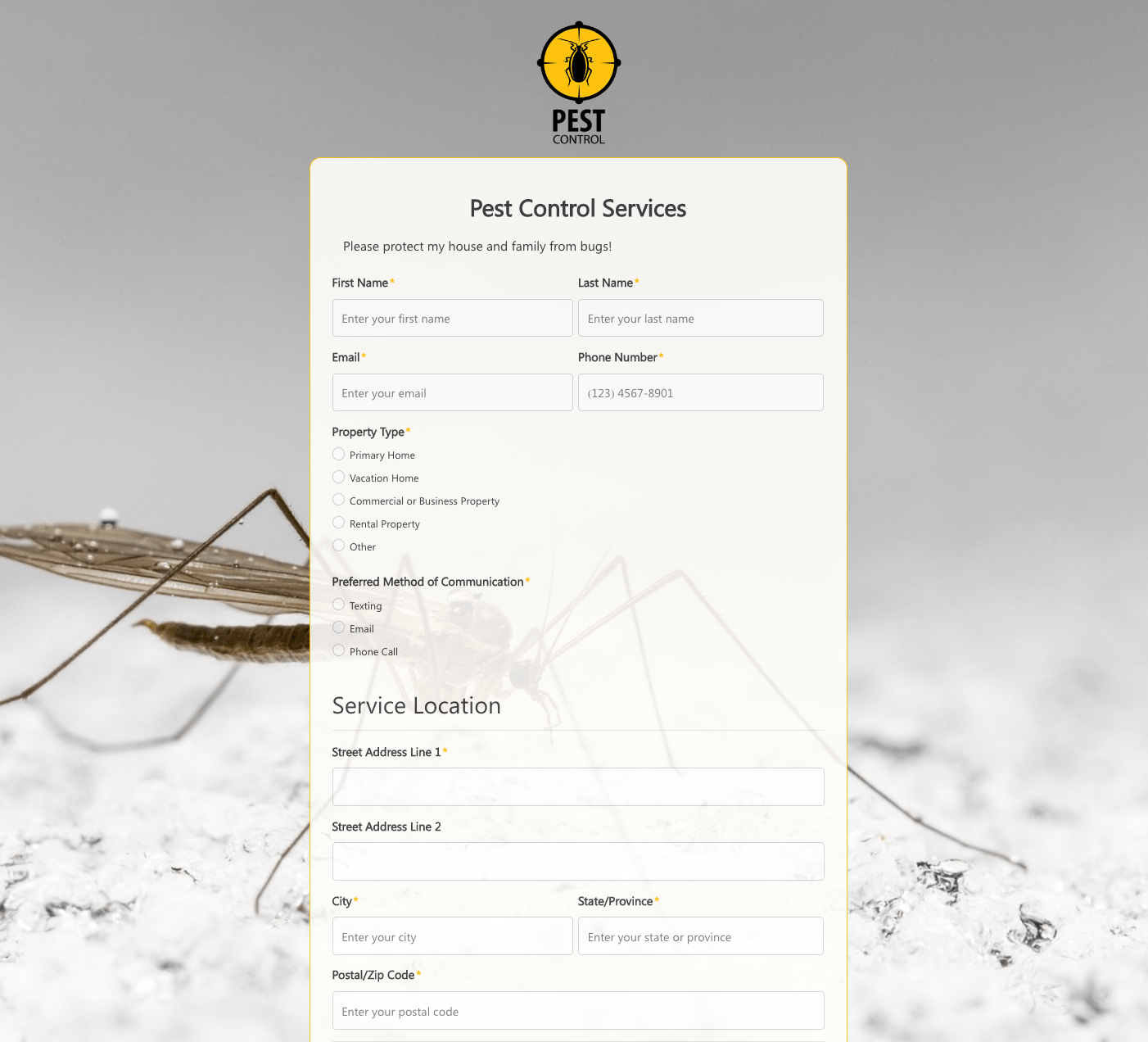 Pest Control Services Form
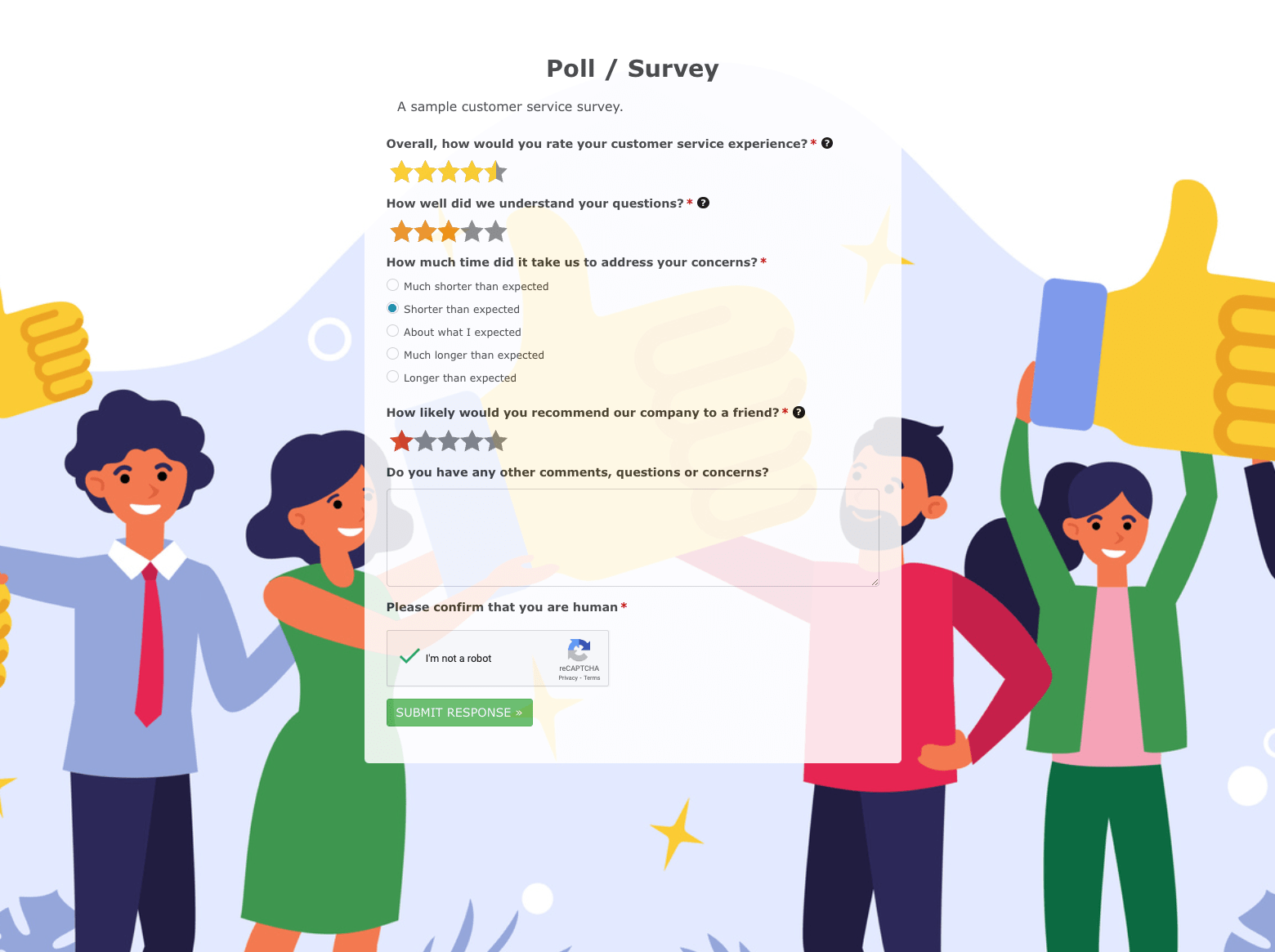 Poll / Survey Form
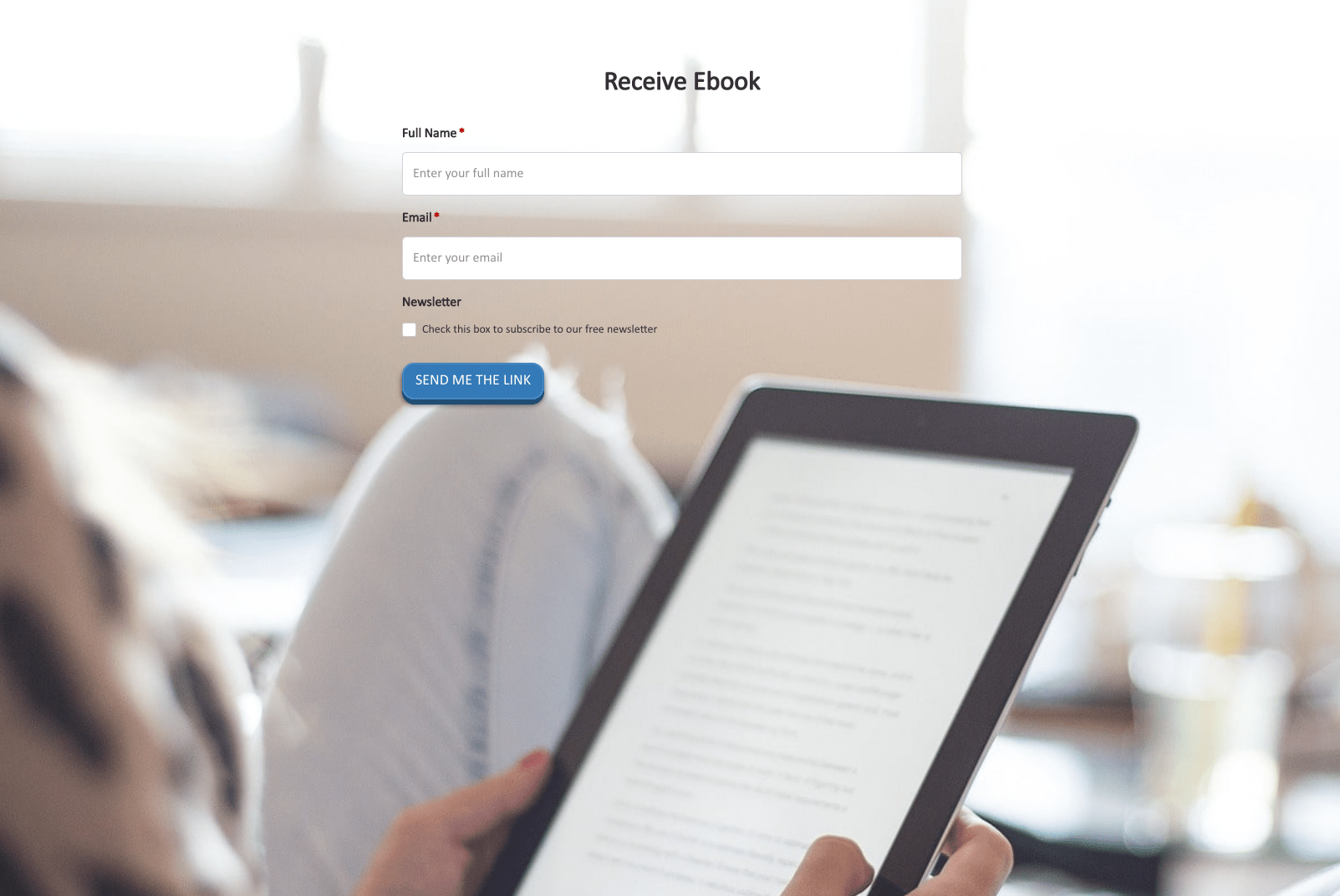 Receive Ebook Form
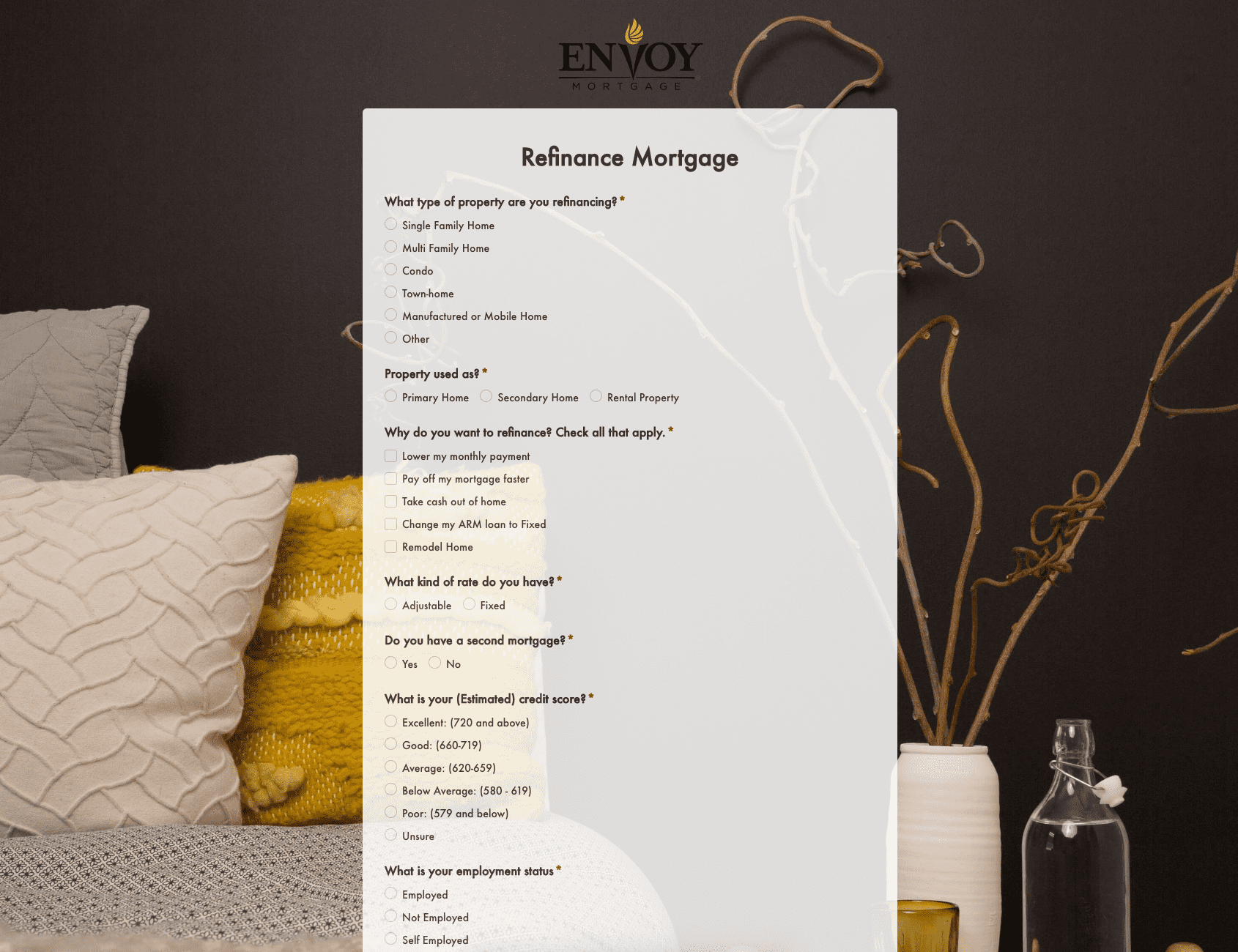 Refinance Mortgage Form
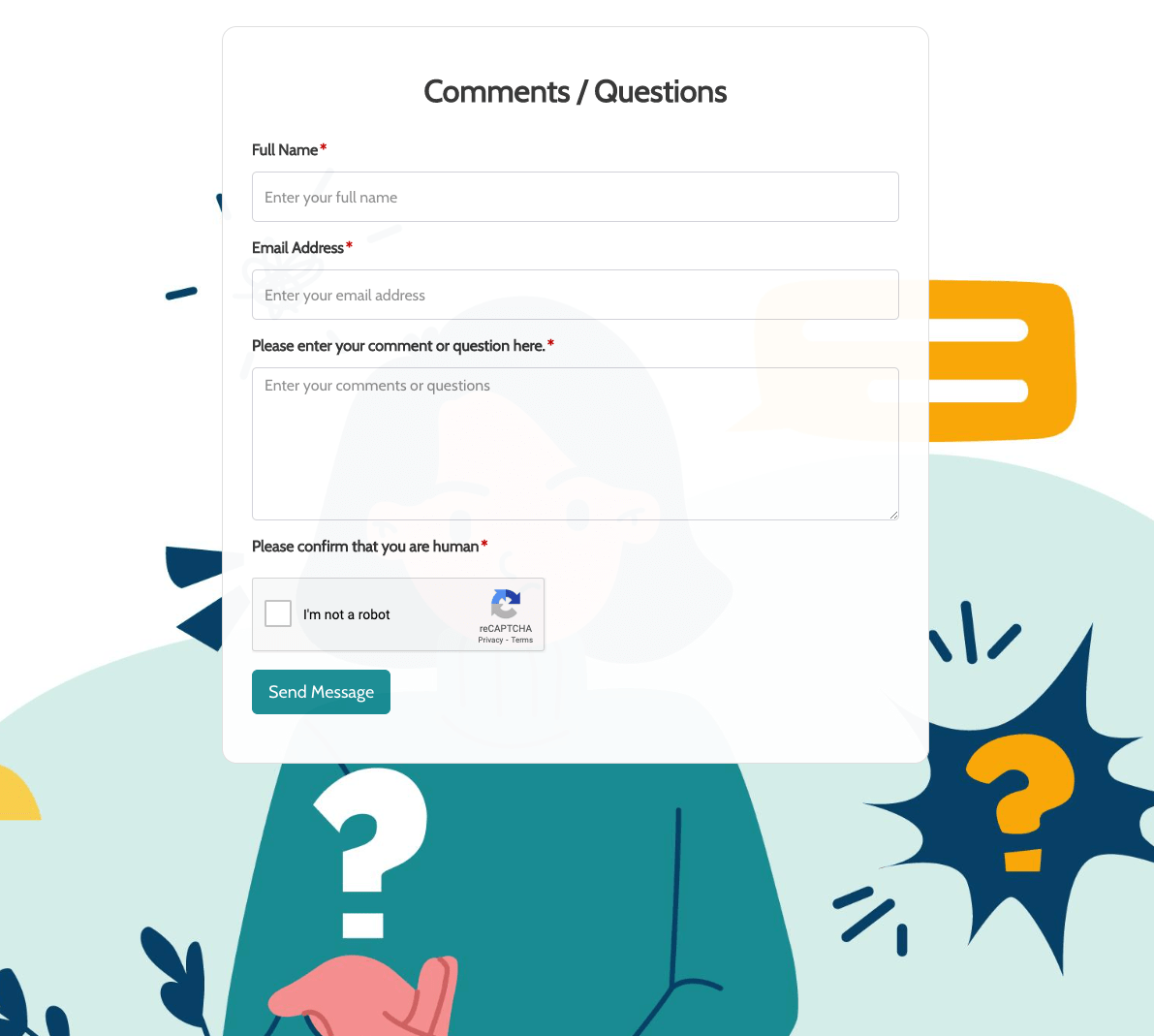 Remarks / Questions Form
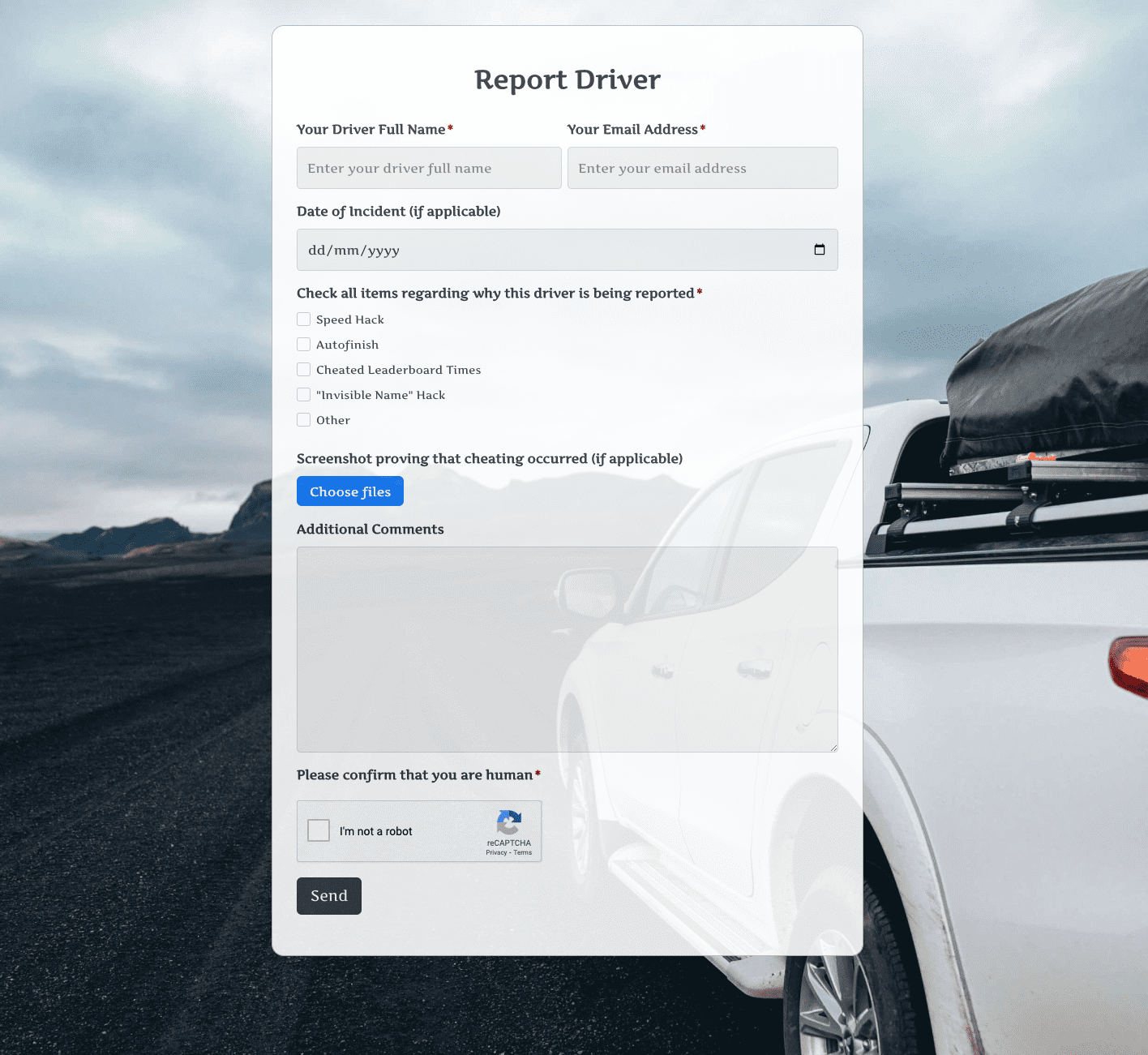 Report Driver Form
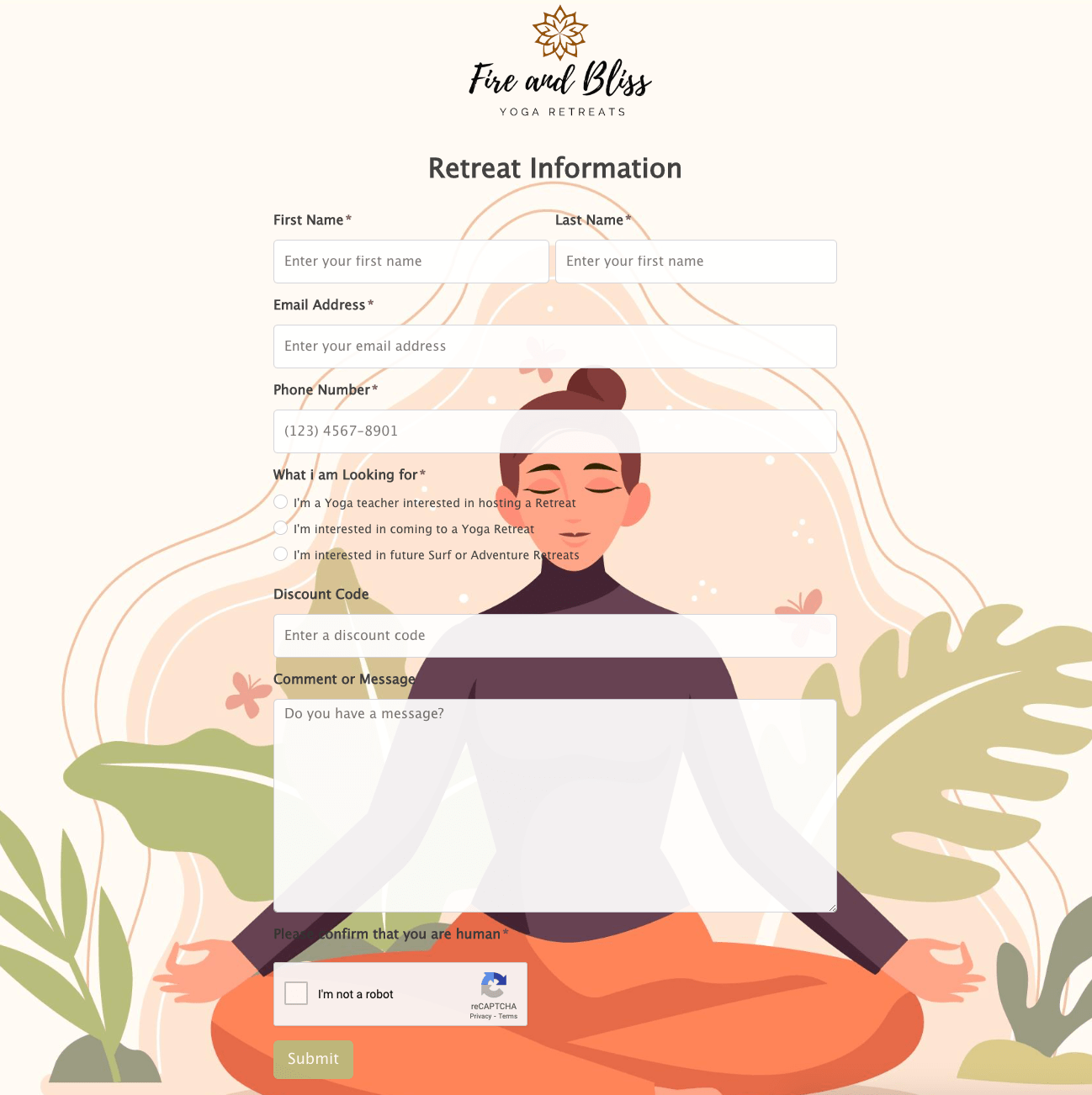 Retreat Information Form
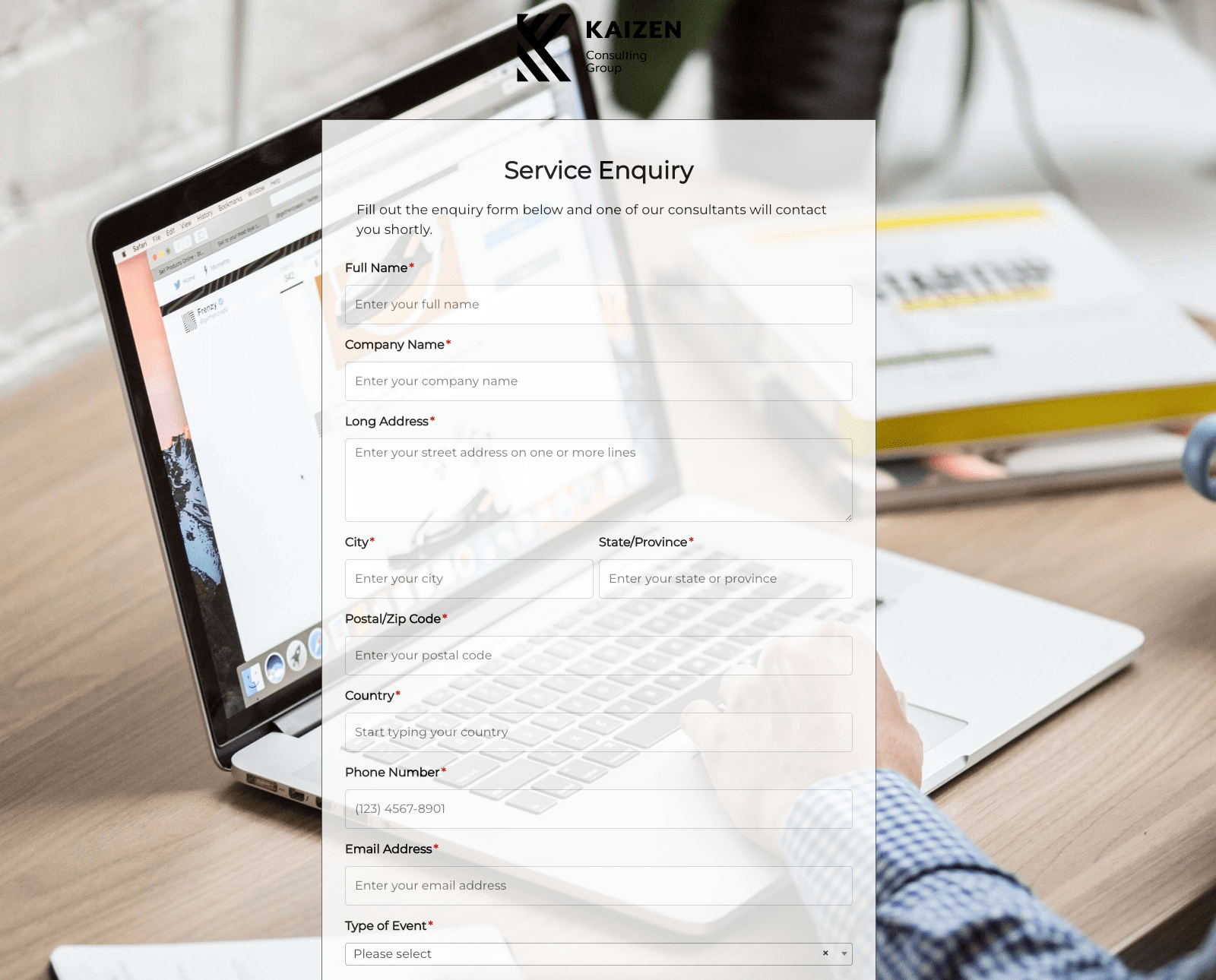 Service Enquiry Form
 Skydiving Registration Form
 Spare Part Enquiry Form
 Staff Application Form
 Submission Form
 User Registration Form
 Website Under Construction Form
 Wedding Photographer Form
 Your Opinion Matters Form