The Future of Hybrid E-Commerce: Merging Tech Hardware with Niche Consumer Goods
Explore how specialist retailers can combine technical hardware and niche consumer goods with clear product information, sourcing signals, and shipping expectations.
A shopper comparing technical hardware needs different information from someone browsing an unfamiliar snack. Yet both decisions can happen in the same online store, under the same navigation, checkout and delivery process. For specialist retailers in 2026, a hybrid catalog creates an opportunity to serve more than one shopping occasion. Its success depends less on the number of categories than on whether each product is easy to understand, its sourcing inspires confidence and the order process sets clear expectations.
Why hybrid catalogs can make sense for specialist retailers
A hybrid catalog works best when its categories share a plausible audience and the store makes the differences between them easy to navigate. A shopper may arrive with a specific hardware requirement, then notice another category while browsing; that possibility is a merchandising rationale, not proof that the second purchase will happen. Smoke Toki provides a concrete example: the authorized online vape distributor organizes nicotine disposables, 510-thread batteries and glass products alongside exotic snacks and drinks. The range gives customers several routes into the catalog without making every product serve the same purpose.
For a small retailer, the useful question is whether a new category adds a recognizable shopping occasion or merely adds inventory. Clear category names, filters and product descriptions help visitors move between technical and lifestyle goods without losing their place. The same principle applies to a store that combines electronics with accessories or specialty foods with kitchen equipment. A broad catalog can create discovery, but it also increases the work required to keep specifications, availability and fulfillment information accurate across unlike products.
Technical listings need more than a headline specification
High-capacity disposables show why technical transparency matters. A hypothetical device advertised with a 35,000-puff count may stand out in a product grid, but the figure should be read as a marketed estimate rather than a guarantee of how many puffs any individual will get. Use patterns differ, and a single headline number does not explain the device’s other characteristics. A useful listing identifies the model clearly and presents its relevant features in a consistent format, allowing adult shoppers to compare products without treating one prominent claim as a complete assessment.
The same discipline applies to 510-thread battery hardware, where shoppers need to know what they are buying before they can judge whether it suits their existing equipment. A product page can distinguish connector type, charging method, stated battery capacity and available controls, where applicable, while identifying the exact model represented in photographs. Such details matter because two listings that share a category name may describe different devices. For retailers, structured specifications also reduce the burden on customer support: they answer straightforward questions before a shopper reaches a contact form or checkout.
Sourcing and authenticity require verifiable signals
Technical detail is only part of the trust equation. Retailers handling branded hardware must also help shoppers understand where products come from, particularly when packaging, model names or specifications can be copied. Direct relationships with brands or established distributors can make sourcing easier to trace, but a general partnership claim is not an independent authentication test for every unit sold. Consistent model information, recognizable packaging details and clear procedures for reporting a questionable item give customers more useful signals than a blanket promise of authenticity.
Sourcing information has a practical place in an online store, provided it sits alongside product information that customers can actually inspect. Retailers can strengthen the experience by keeping brand names and model variations consistent across category pages, product descriptions and order records. If a brand offers a product-verification method, shoppers should be able to identify the applicable instructions without confusing a retailer’s assurance with verification by the brand itself. Direct sourcing supports a credible process; it does not remove the need for documentation and responsive support.
Shipping transparency is part of product trust
For regulated or otherwise restricted categories, delivery information is part of the product experience rather than a minor checkout detail. A customer needs to understand the store’s age-check process, where an order can be shipped, when dispatch is expected and what happens if an item cannot be delivered. Those details belong where shoppers will encounter them before committing to a purchase, with fuller terms available in the shipping policy. Clear language also helps a retailer avoid a mismatch between a prominent delivery message and the conditions that apply to a particular order.
Smoke Toki’s site describes discreet packaging and shipping information accessible from its storefront. These are concrete customer-facing details, not a substitute for checking the requirements that apply to an individual transaction. A useful checkout experience makes any restrictions visible before payment and distinguishes processing time from transit time. It should also explain how customers can raise a delivery issue without forcing them to search through unrelated product pages. For an online business, accurate fulfillment communication can be as consequential to trust as an accurate specification sheet.
Snacks can support discovery, not prove retention
Exotic snacks and drinks provide a different kind of catalog value from hardware. Their appeal may rest on unfamiliar flavors, packaging or regional varieties, so photographs and descriptions have to answer different questions from a battery listing. Smoke Toki gives snacks, candy, chips and drinks their own browsing paths rather than burying them among hardware accessories. That separation lets customers explore a niche category on its own terms while still making it discoverable within the wider store. It is a merchandising choice that may encourage an additional browse, not evidence of a measurable increase in repeat purchasing.
Retailers considering a similar vertical should think about the information each category needs to stand on its own. Food listings benefit from legible product names, package sizes and ingredient or allergen information where relevant; hardware listings call for model-specific technical details. Search, navigation and customer service must account for both sets of questions. Retention is a separate question that requires order and customer data over time. Until a retailer measures it, the sounder niche e-commerce strategy is to treat cross-category discovery as a testable opportunity rather than an established outcome.
A practical framework for evaluating a hybrid store
Whether building a specialist shop or assessing one, start with the path a visitor takes from category page to completed order. Can the visitor distinguish products with similar names, identify the specifications that matter and find answers about sourcing? Are age checks and delivery conditions visible before the final checkout step? A practical guide to setting up an online store can help frame the broader site-building work, but a hybrid retailer must also decide which details need their own category-specific treatment.
Next, consider how the store would handle a question that its product page has not answered. A clear contact route and order-specific support process can expose gaps in descriptions, compatibility information or shipping explanations that routine browsing misses. Those questions can then inform improvements to listings rather than remaining isolated service conversations. The strongest hybrid catalog is therefore not simply the one with the most varied merchandise. It is the one that gives each category appropriate information while maintaining a coherent standard for sourcing, checkout and customer expectations across the entire store.
Article by Raj Sinha
Head of Content @ Kontactr. Tech-savvy, I am in charge of making sure that every blog post we publish is comprehensive and valuable. Taking life as it comes, with fun and Love always.
 Access Request Form
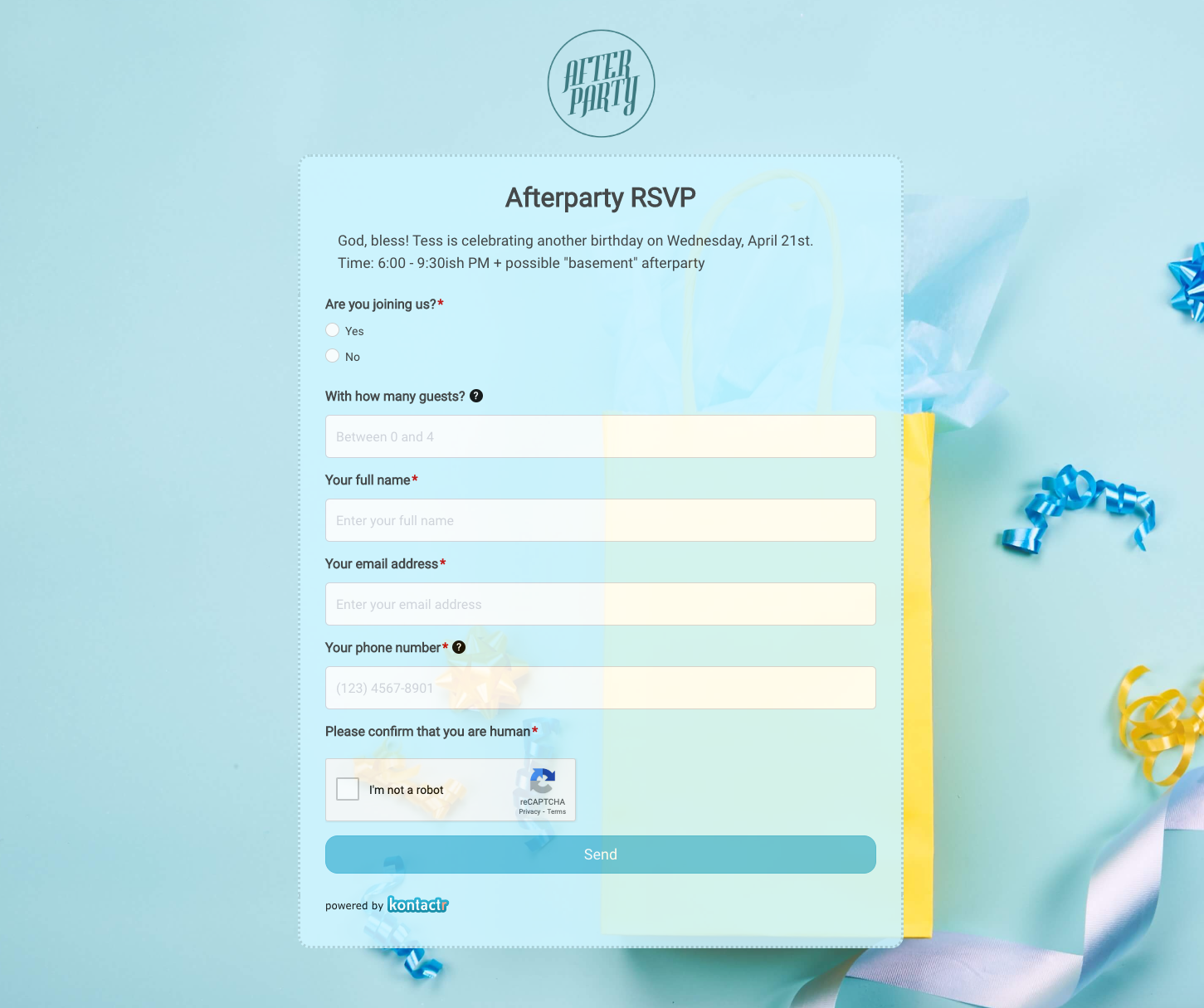 Afterparty RSVP Form
 Band Discovery Form
 Book a room Form
 Booking Enquiries Form
 Brochure Mailing Form
 Buy a Home Form
 Catalog Request Form
 Coach Lines Quote Form
 Contact Us Form
 Credit Application Form
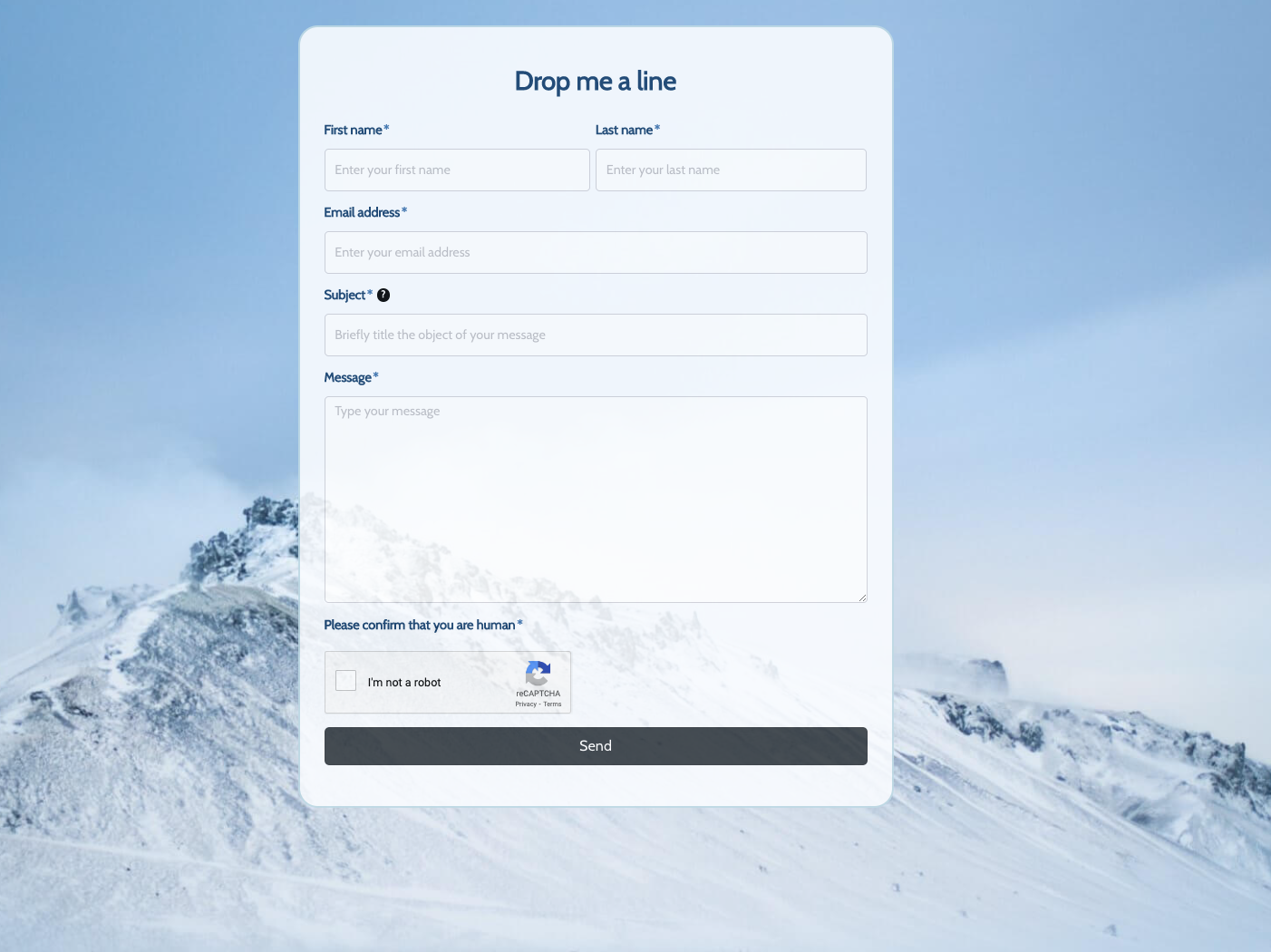 Drop me a line Form
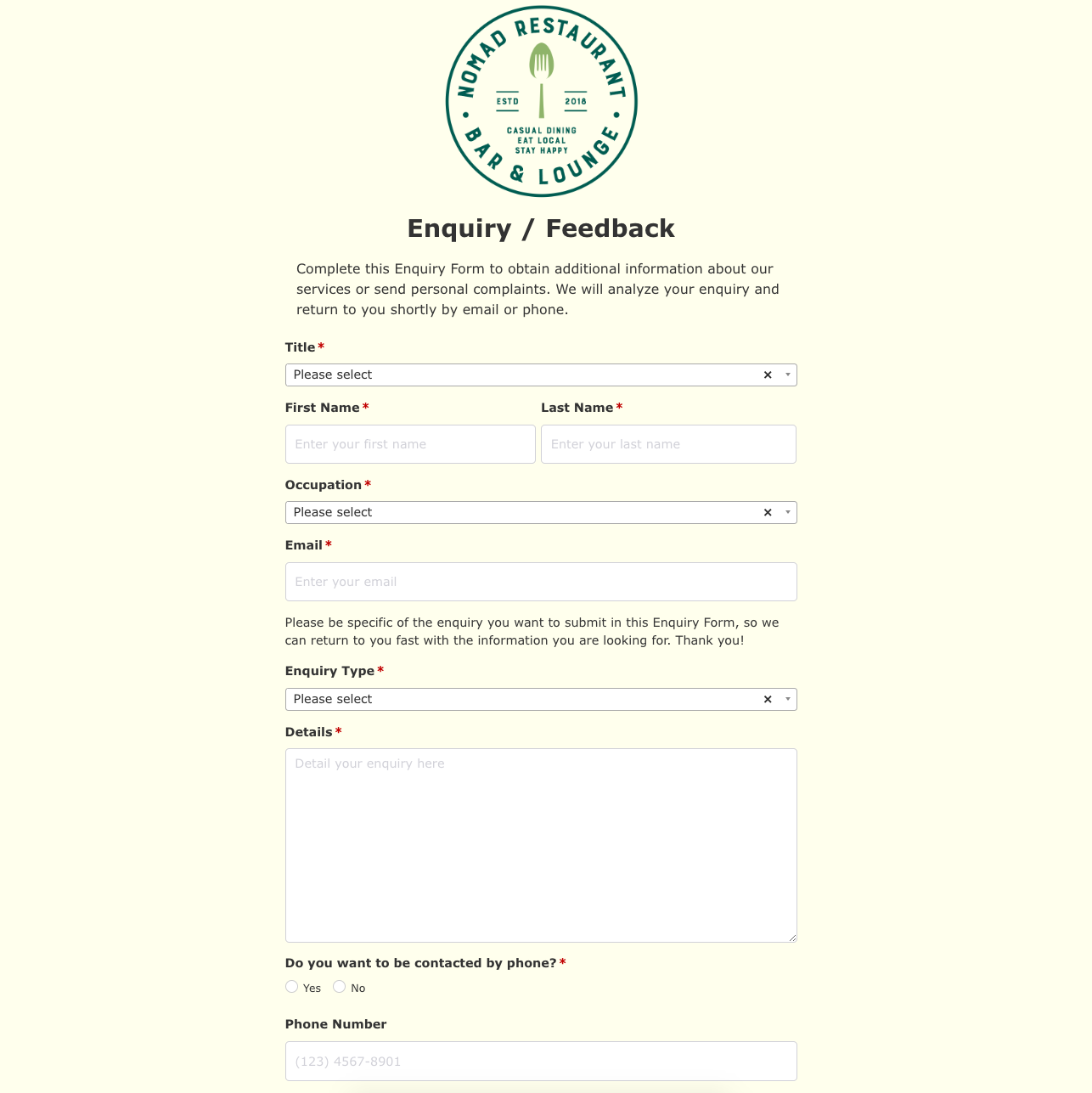 Enquiry / Feedback Form
 Got a question? Form
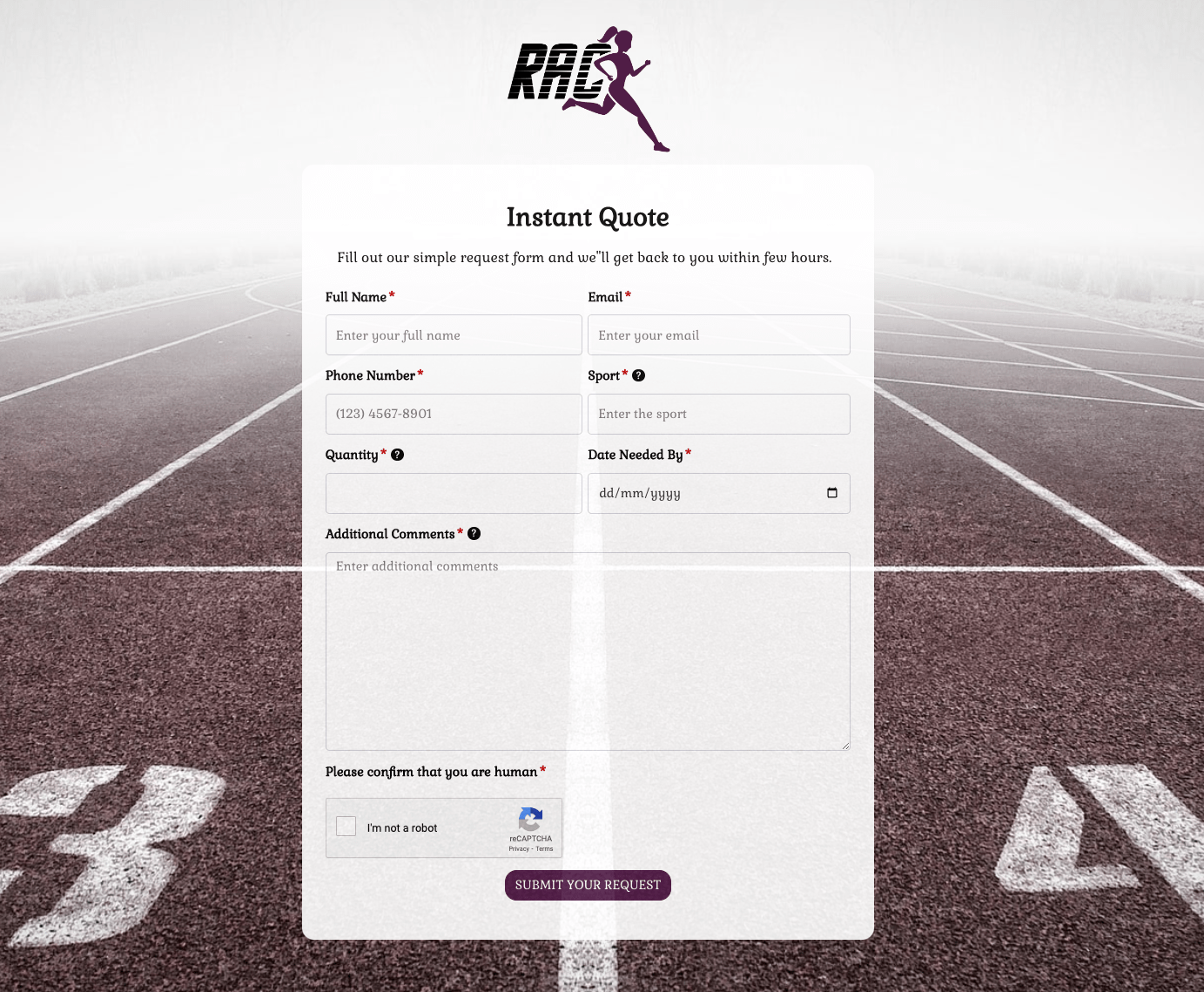 Instant Quote Form
 Job Application Form
 Language & Literacy Lab Form
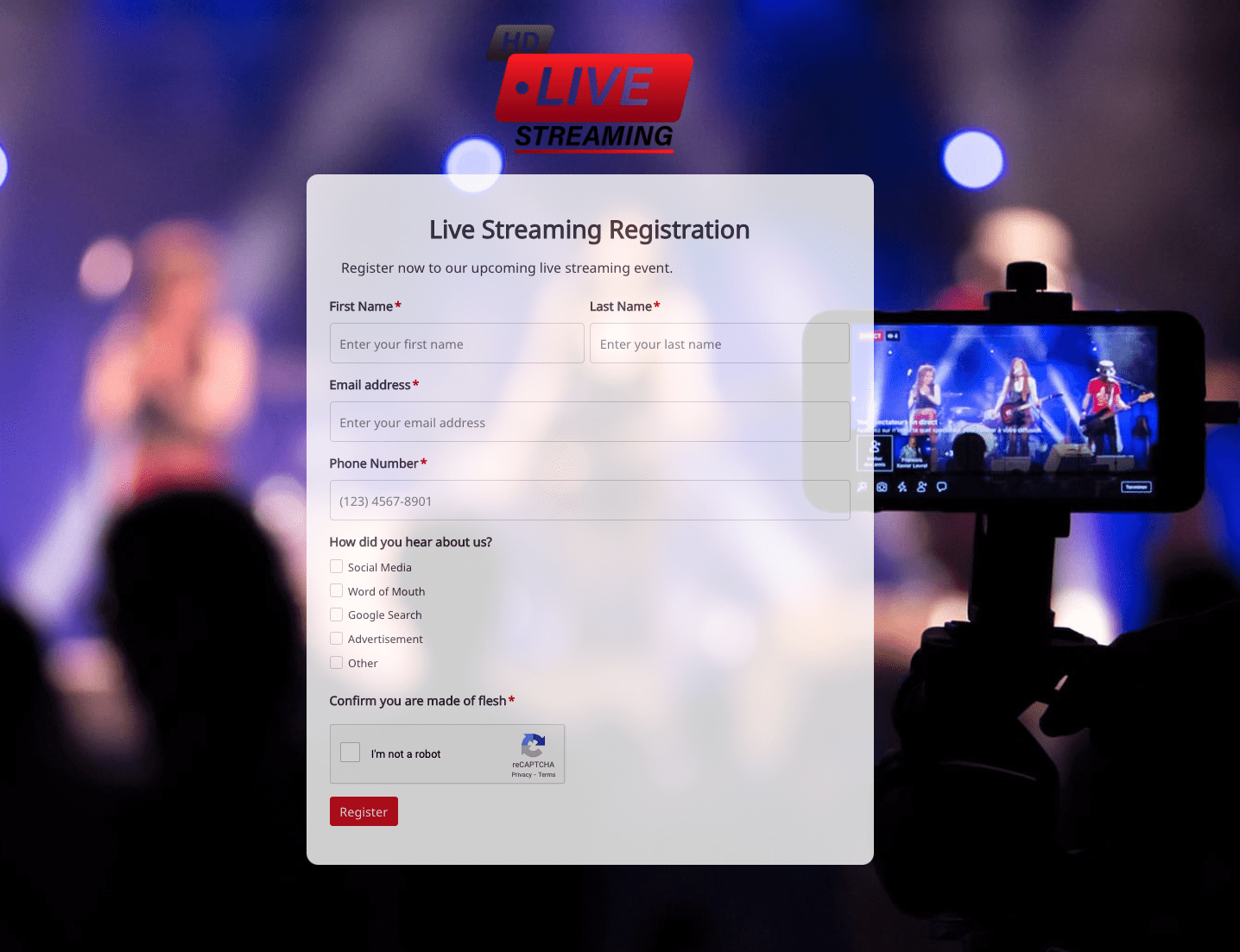 Live Streaming Registration Form
 More Information Form
 Order Exchange Form
 Party Box Order Form
 Pest Control Services Form
 Poll / Survey Form
 Receive Ebook Form
 Refinance Mortgage Form
 Remarks / Questions Form
 Report Driver Form
 Retreat Information Form
 Service Enquiry Form
 Skydiving Registration Form
 Spare Part Enquiry Form
 Staff Application Form
 Submission Form
 User Registration Form
 Website Under Construction Form
 Wedding Photographer Form
 Your Opinion Matters Form