If you’ve ever used a sea freight calculator to get a quote, you probably noticed those three-letter codes—EXW, FOB, CIF, DDP—next to the price. They seem harmless enough, especially if you’re just starting out in international trade. For seasoned importers and exporters, those codes are everything. They shape the whole deal. So yeah, you need to understand Incoterms in 2026. It’s not just a nice-to-have—it’s what keeps your profits safe and your deals from turning into headaches.
Incoterms aren’t suggestions. Responsibilities get spelled out clearly under these rules. Customs duties fall where the agreement says they should. Risk does not shift until the defined point in transit. As updates roll in, contracts need a fresh look now more than ever. Purchase orders might still carry old versions by mistake. Shipping documents must reflect current standards. Using outdated wording could lead to confusion later on.
Here’s a look at EXW, FOB, CIF, DDP, along with several others - all explained without confusing wording. Forget complex jargon; instead, find clear details that help things run smoothly when trading goods.
What Exactly Are Incoterms—and Why Bother?
Incoterms, or International Commercial Terms, were designed to clear up the mess of cross-border trade. Different countries, different laws, different ways of doing business—it’s a sure way towards confusion. Incoterms solve that by giving everyone a common playbook. Every term spells out three main things:
-
Who pays for each leg of the shipment;
-
Who handles insurance and customs paperwork;
-
Exactly where the risk shifts from seller to buyer.
Incoterms in 2026 are holding tight to core ideas while turning attention toward multimodal transport types and electronic documents. Though the foundation stays familiar, real-world application shifts as global freight practices shift, too. Trouble often follows those who ignore these terms - think blocked cargo, harm during transit, or late arrivals. Contracts without clear terms often end in arguments and lost money.
Understanding Risk Transfer: The Core Concept
Before we dive into the individual terms, let’s talk about risk. This is where most people get tripped up. Costs and risk don’t always change hands at the same time. Sometimes, the seller pays for shipping all the way to the destination but hands off the risk much earlier. That’s where confusion (and arguments) start.
Take CIF, for example. The seller pays for the freight and basic insurance to the destination port, but the risk passes to the buyer as soon as the goods are loaded onto the vessel. If something goes wrong on the way, it’s the buyer’s problem—even though the seller booked the shipping. That tiny detail decides who’s filing the insurance claim.
Incoterms did not erase risk, but they make it clear who owns which part. If you treat Incoterms as strategic tools—not just legal boilerplate—you’re already ahead. Clear roles cut down on fights. Defined risk helps you get insurance right. Picking the right term keeps costs in check.
The Most Common Incoterms in 2026
EXW (Ex Works)
EXW is about as simple—and as risky for buyers—as it gets. At pickup points like factories or warehouses, sellers hand off goods under EXW terms. From there, responsibility shifts - buyers take care of loading, transport, insurance, customs, plus all documentation. Sounds straightforward? It is usually not. In lots of countries, only local companies can handle export paperwork. Still, under EXW terms, buyers usually rely on sellers to move cargo across borders. Right from launch, EXW works when all parties know their roles, provided the regional import rules aren’t complicated. New players often find it takes more effort than gain.
FOB (Free on Board)
The task of shifting the cargo onto the vessel falls on the seller under FOB. Once they’re loaded, the risk shifts to the buyer. FOB is popular because it splits the responsibilities pretty evenly. Export paperwork and local moves stay with the seller. From there, coverage and booking travel across water lands on the buyer's plate. Picking your own carrier under FOB gives real say in costs. Both parties should be clear on the exact departure port to keep things moving - one misunderstanding might slow everything down, then add expense.
CIF (Cost, Insurance, and Freight)
One thing about CIF is how it shifts extra duties to the seller compared to FOB. Instead of just handing off at departure, the seller arranges sea transport and covers minimal insurance until arrival at the port. Even so, risk moves to the buyer the moment the cargo boards ship at the starting port. That detail often slips through cracks during talks. It trips folks up - even when shipping costs fall on the seller, any mishap mid-journey becomes the buyer's task. CIF is handy if you’d rather the seller handle shipping. It’s big in trades like grain, oil, and other bulk goods.
DDP (Delivered Duty Paid)
DDP puts nearly everything on the seller’s shoulders. They pay all the costs, handle the paperwork, and deal with customs and import duties in the buyer’s country. The seller delivers the goods ready to be unloaded at the spot both sides agreed on. For buyers, DDP means less stress and fewer headaches. They know what they’ll pay right from the start. For sellers, though, it’s a lot—it takes serious know-how about other countries’ customs, taxes, and how to get things moving smoothly on the ground. DDP pops up a lot in e-commerce and door-to-door deliveries, where buyers want everything wrapped up and easy.
FCA (Free Carrier)
FCA is catching on, especially for container shipments. FOB was made for old-school, non-container sea trade, so it doesn’t always fit today’s logistics. With FCA, the seller gets the goods to the agreed carrier at a set place. Risk moves to the buyer there. Many freight pros see FCA as more practical than FOB for containers.
CPT and CIP
CPT (Carriage Paid To) and CIP (Carriage and Insurance Paid To) work well for multimodal transport—think rail, air, and road. CIP demands higher insurance than CIF in the Incoterm rules, keeping up with modern risk standards. Businesses use these when their goods travel by different modes.
Comparing Responsibilities: A Practical View
You don’t have to memorize every Incoterm. It’s easier to line up the popular ones—EXW, FOB, CIF, and DDP—and see how much the seller actually does.
Seller Responsibility Overview
-
With EXW, the seller’s job ends at their own warehouse. That’s it.
-
With FOB, the seller clears the goods for export and loads them onto the ship.
-
With CIF, the seller pays for the freight and insurance all the way to the destination port.
-
With DDP, the seller takes care of almost everything, including import duties.
So, it’s a spectrum. EXW means the seller barely lifts a finger. DDP means they handle almost everything. The right pick depends on your experience, how much leverage you have, and what your logistics look like.
Incoterms Best Practices and Common Mistakes
Learning the definitions is just the start. Real problems show up when you put Incoterms into contracts and daily business. Here are a few best practices to follow:
-
Spell out the exact place—don’t just say “port” or “city.”
-
Always mention the Incoterms version (“FOB Incoterms 2020”).
-
Make sure your Incoterm matches your transport and insurance contracts.
-
Don’t use sea-only terms for containers unless they fit the situation.
These basics help everyone stay on the same page and avoid expensive mistakes. When your agreements are well written out, confusion and problems are reduced later on.
Even with guidelines in place, people keep tripping over the same issues. A common slip: thinking Incoterms cover payment terms. They don’t. Incoterms spell out who does what, and when risk changes hands—not how or when money changes hands.
Another trap: not syncing insurance with your term. CIF and CIP only make the seller cover basic insurance. If you want more, you have to arrange it yourself. Finally, certain businesses skip revising agreements after a fresh Incoterms release. Using old versions can muddy the legal waters.
Choosing the Right Term for Your Business
Picking an Incoterm isn’t just about what’s easiest. It’s about what fits your strengths. Think about:
-
Who controls freight negotiations—you or your supplier?
-
Do you know how to clear customs where the goods are going?
-
Do you want total cost clarity, or do you want a simple delivery?
Seasoned importers often go with FOB or FCA to steer freight costs themselves. Newer or smaller buyers might pick CIF or DDP for a smoother ride. There’s no single “best” term. The right one matches your needs and strategy.
Final Thoughts
Who handles shipping, who covers costs, who answers when problems hit - that’s where Incoterms step in. Done right, they stop confusion before it starts. A careful choice today means fewer surprises tomorrow. It doesn’t matter if you’re hashing out EXW with someone down the street or dealing with FOB from halfway across the globe—knowing these rules protects your business.
Here’s the thing, though. It’s not about memorizing a list of terms. You need to get the logic behind them. Who pays? Who’s in charge of shipping? Who takes the hit if something goes wrong? Once you nail down those answers, everything gets easier. If not, get ready for headaches and arguments.
With the world moving fast and profit margins shrinking, knowing exactly where you stand is everything. Clarity’s worth its weight in gold. At the end of the day, Incoterms are still one of the best ways to get it.
 Access Request Form
 Afterparty RSVP Form
 Band Discovery Form
 Book a room Form
 Booking Enquiries Form
 Brochure Mailing Form
 Buy a Home Form
 Catalog Request Form
 Coach Lines Quote Form
 Contact Us Form
 Credit Application Form
 Drop me a line Form
 Enquiry / Feedback Form
 Got a question? Form
 Instant Quote Form
 Job Application Form
 Language & Literacy Lab Form
 Live Streaming Registration Form
 More Information Form
 Order Exchange Form
 Party Box Order Form
 Pest Control Services Form
 Poll / Survey Form
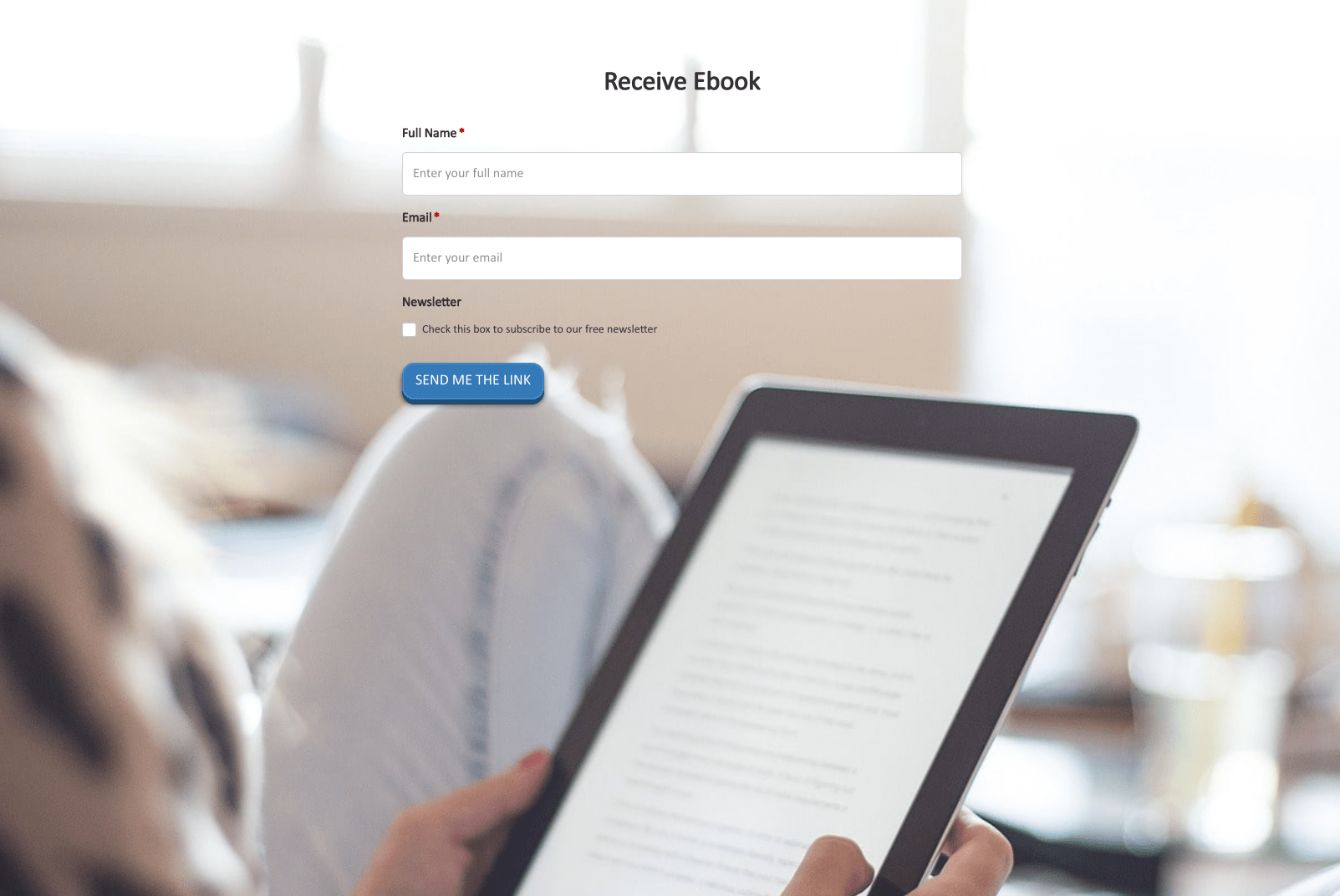 Receive Ebook Form
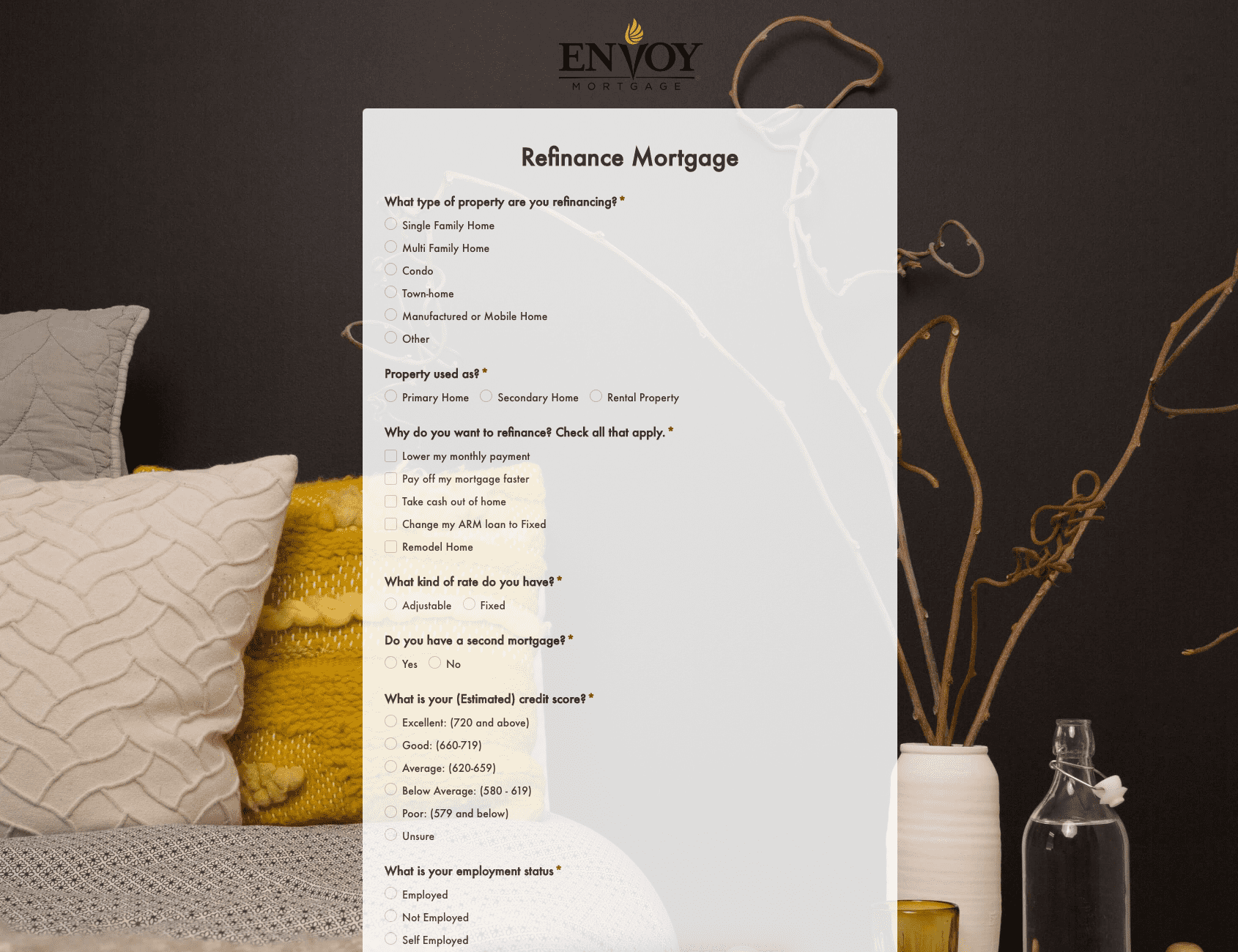 Refinance Mortgage Form
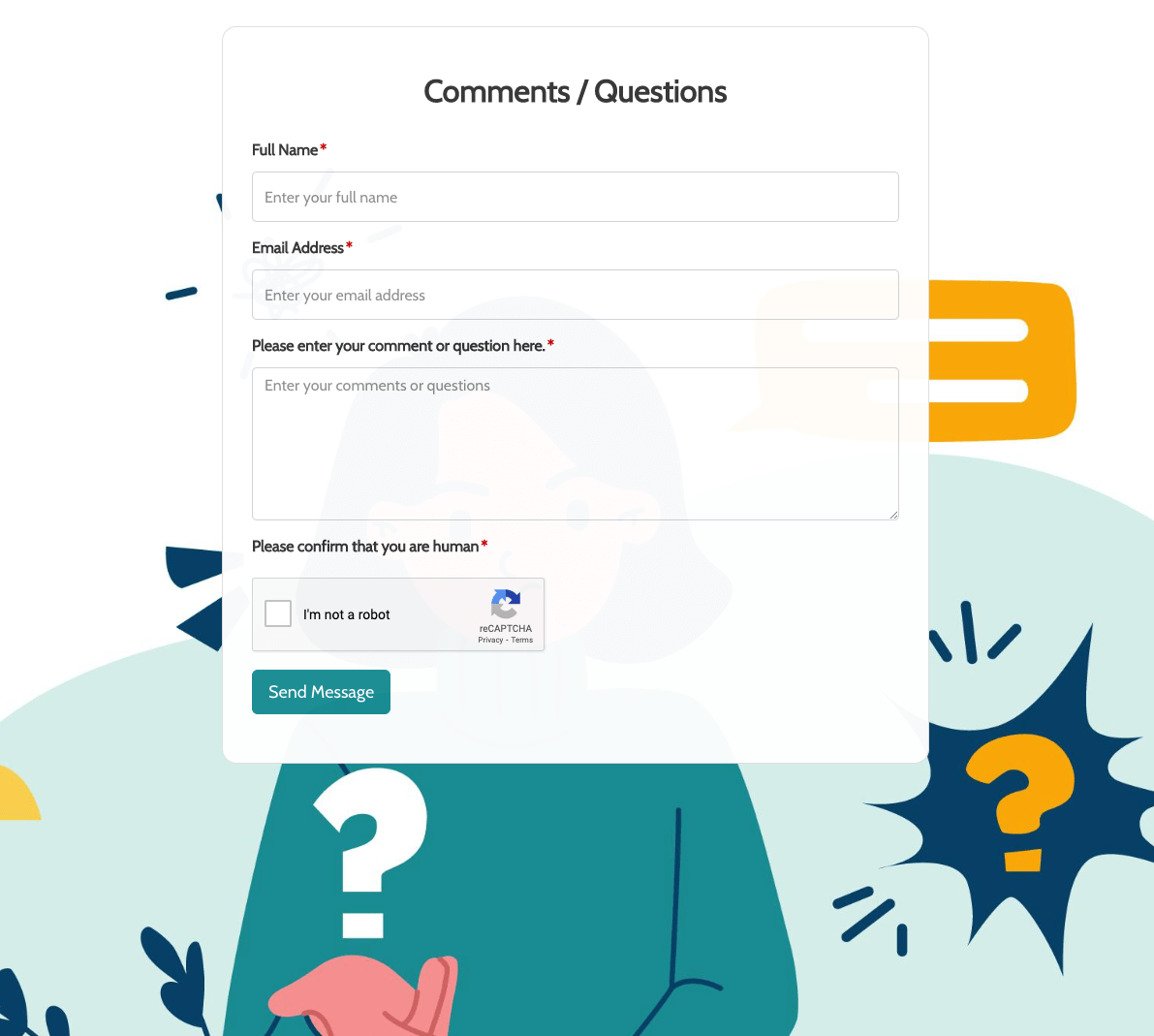 Remarks / Questions Form
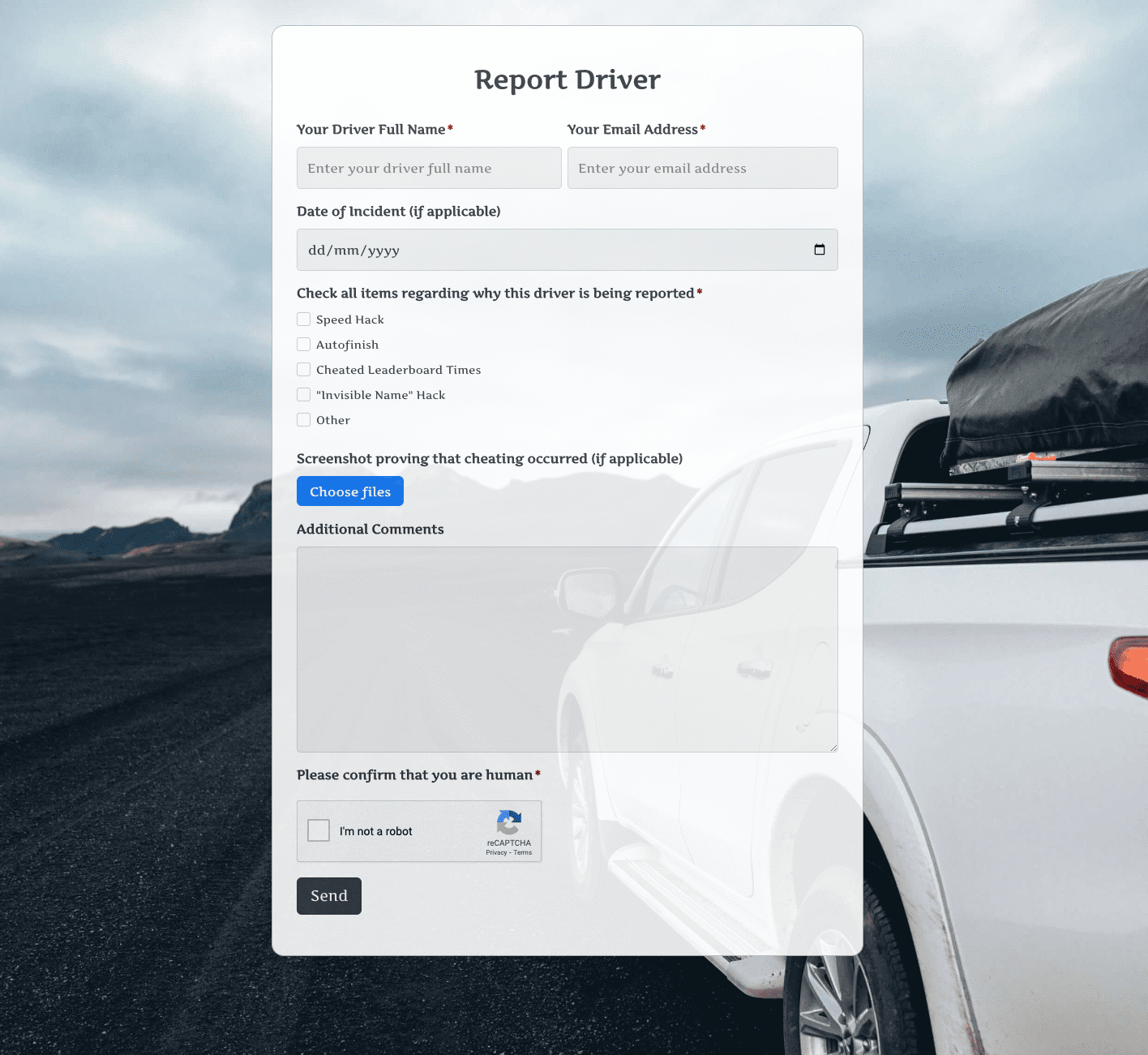 Report Driver Form
 Retreat Information Form
 Service Enquiry Form
 Skydiving Registration Form
 Spare Part Enquiry Form
 Staff Application Form
 Submission Form
 User Registration Form
 Website Under Construction Form
 Wedding Photographer Form
 Your Opinion Matters Form