The digital landscape has shifted. Just a few years ago, the primary concern for writers was plagiarism. Today, we face a new gatekeeper: the AI detector. As Large Language Models (LLMs) like ChatGPT and Claude become ubiquitous, the "cat and mouse" game between AI generation and AI detection has reached a fever pitch.
For students striving for academic excellence and non-native English speakers looking to bridge the linguistic gap, this presents a unique challenge. How do you leverage the efficiency of AI without falling victim to the rigid, and often flawed, algorithms of detection software?
In this comprehensive guide, we will explore the essential toolkit for the modern writer—featuring the Free AI Detector, the Undetectable AI Bypasser, and the AI Stealth Writer—to help you produce content that is not only high-quality but authentically human in the eyes of any algorithm.
The Rise of the AI Gatekeepers: Why Detection Matters
Before we dive into the solutions, we must understand the problem. Educational institutions, search engines, and editorial boards now use sophisticated tools to flag "synthetic" content.
The Problem with False Positives
One of the biggest hurdles for non-native English speakers is the "robotic" label. Because ESL (English as a Second Language) writers often use more formal, predictable sentence structures to ensure clarity, AI detectors frequently flag their original, human-written work as AI-generated. This "linguistic bias" can lead to unfair academic penalties or rejected guest posts.
The Search Engine Factor
From an SEO perspective, Google’s stance has evolved. While they don't explicitly ban AI content, they prioritize Helpful Content that demonstrates E-E-A-T (Experience, Expertise, Authoritativeness, and Trustworthiness). Content that feels "spun" or overly algorithmic often fails to engage readers, leading to high bounce rates and poor rankings.
Tool #1: The Free AI Detector – Your First Line of Defense
Every successful writing project starts with a diagnostic. Before you submit an essay or publish a blog post, you need to know how the "machines" perceive your work.
How it Works
A Free AI Detector analyzes patterns in text, looking for two primary metrics: Perplexity and Burstiness.
- Perplexity: Measures the randomness of the words. AI tends to choose the most "statistically likely" next word, resulting in low perplexity.
- Burstiness: Measures the variation in sentence length and structure. Humans write with "bursts"—a long, flowery sentence followed by a short, punchy one. AI tends to be monotonous.
Why You Need It
For students, using a detector is about risk management. If your original draft shows a 70% AI probability because you used a grammar checker too heavily, you know you need to revise before your professor sees it.
Tool #2: The AI Stealth Writer – Crafting with Human Nuance
If the detector is the thermometer, the AI Stealth Writer is the medicine. This tool isn't just about spinning words; it’s about restructuring thought.
Bridging the Gap for Non-Native Speakers
Non-native speakers often struggle with idioms, flow, and the "rhythm" of English. An AI Stealth Writer takes a base draft and injects the stylistic quirks that define human prose. It replaces repetitive vocabulary with context-aware synonyms and varies the syntax to ensure the writing feels organic.
Features of a Professional Stealth Writer:
- Contextual Intelligence: It understands the subject matter, ensuring technical terms are used correctly.
- Tone Adjustment: Whether you need a formal academic tone or a conversational blog style, the stealth writer adapts.
- Eliminating Fingerprints: AI models often have "telltale signs" (like overusing the word "delve" or "testament"). A stealth writer scrubs these markers.
Tool #3: Undetectable AI Bypasser – The Final Polish
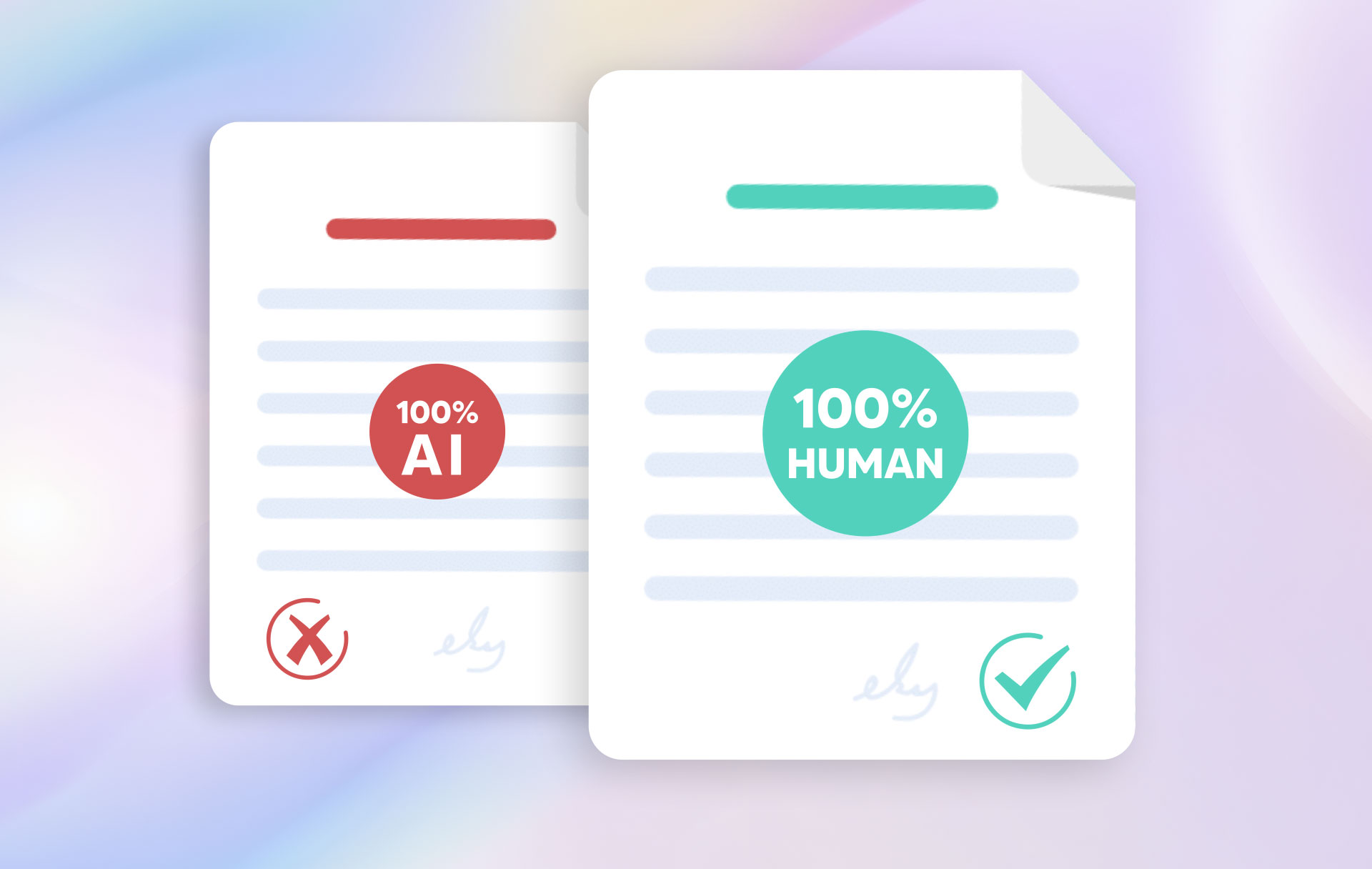
The Undetectable AI Bypasser is the heavy hitter in your arsenal. It is specifically engineered to defeat even the most rigorous detectors, such as Turnitin, Originality.ai, and GPTZero.
The Science of "Humanization"
To bypass a detector, the software must do more than swap words. It must change the semantic fingerprint of the text. The Bypasser re-engineers the sentence structure to mirror human cognitive patterns.
For students, this is particularly useful when you've used AI to help brainstorm an outline or summarize complex research. By running your final synthesized draft through an Undetectable AI Bypasser, you ensure that your unique voice isn't overshadowed by the underlying AI structure.
Key Benefits:
- High Success Rates: Designed to achieve 99% human scores on major platforms.
- Maintains Meaning: Unlike basic "spinners" that turn your text into word salad, a high-quality bypasser preserves your original intent and factual accuracy.
- SEO Optimization: It keeps the keywords intact while making the surrounding text more engaging for human readers.
A Comparative Look: Choosing Your Strategy
|
Feature
|
Free AI Detector
|
AI Stealth Writer
|
Undetectable AI Bypasser
|
|
Primary Goal
|
Identification
|
Creation/Styling
|
Evasion/Refinement
|
|
Best For
|
Checking existing work
|
Drafting initial content
|
Finalizing sensitive docs
|
|
User Base
|
Editors, Teachers, Writers
|
Bloggers, ESL Students
|
Academic Researchers
|
|
Outcome
|
Probability Score
|
Natural-sounding draft
|
100% Human-score text
|
Practical Tips for Writing Naturally in the AI Era
While tools are powerful, the best way to ensure your writing is undetectable is to combine technology with the human touch. Here is how to use these tools effectively:
1. The "Human-AI Sandwich"
Start with a human-written outline. Use AI to expand on specific technical points. Finally, use the AI Stealth Writer to weave those sections together into a cohesive narrative. This "sandwich" method ensures the core ideas are yours.
2. Inject Personal Experience
AI cannot (yet) simulate true personal experience. For students, this means adding personal reflections or specific classroom anecdotes. For SEO writers, this means adding "I" and "me" perspectives—Google loves first-hand expertise.
3. Check for "AI Hallucinations"
Never trust an AI's facts blindly. Use the tools to fix the style, but use your brain to verify the substance. A perfectly human-sounding paper that says the moon is made of green cheese will still fail.
4. Read Aloud
This is the ultimate "human" test. If a sentence feels like a tongue-twister or sounds like a textbook from the 1950s, it’s likely to be flagged as AI. If it sounds like something you’d say to a friend, you’re on the right track.
Ethical Use: A Note to Students and Professionals
The goal of using an Undetectable AI Bypasser or an AI Stealth Writer should be to enhance your productivity and clarity, not to bypass the learning process.
- For Students: Use these tools to polish your thoughts and overcome language barriers. Ensure the final work represents your actual understanding of the subject.
- For Content Creators: Use these tools to create better experiences for your readers. A "natural" article is a readable article.
Conclusion: Embracing the Future of Writing
The era of "pure" human writing is merging with the era of "assisted" writing. For non-native English speakers, these tools are a powerful equalizer, allowing them to compete on a global stage without being penalized for their syntax. For students, they are a way to navigate a complex academic landscape where technology often moves faster than policy.
By leveraging a Free AI Detector to monitor your work, an AI Stealth Writer to craft your narrative, and an Undetectable AI Bypasser to ensure your work reaches its audience without interference, you aren't just "beating the system." You are mastering the new art of digital communication.
The future of writing isn't about Human vs. AI—it's about the humans who know how to use AI to be more human.
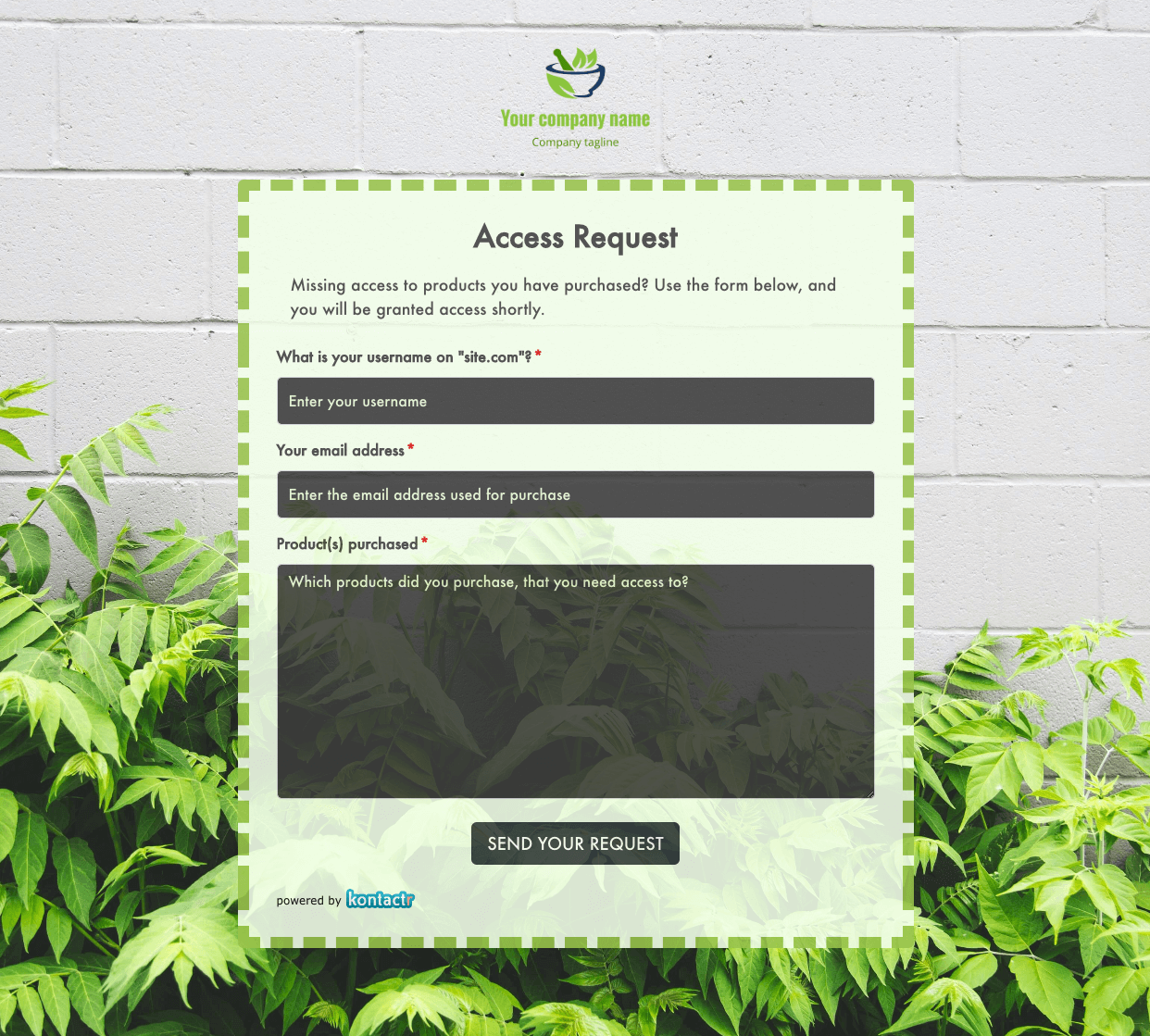 Access Request Form
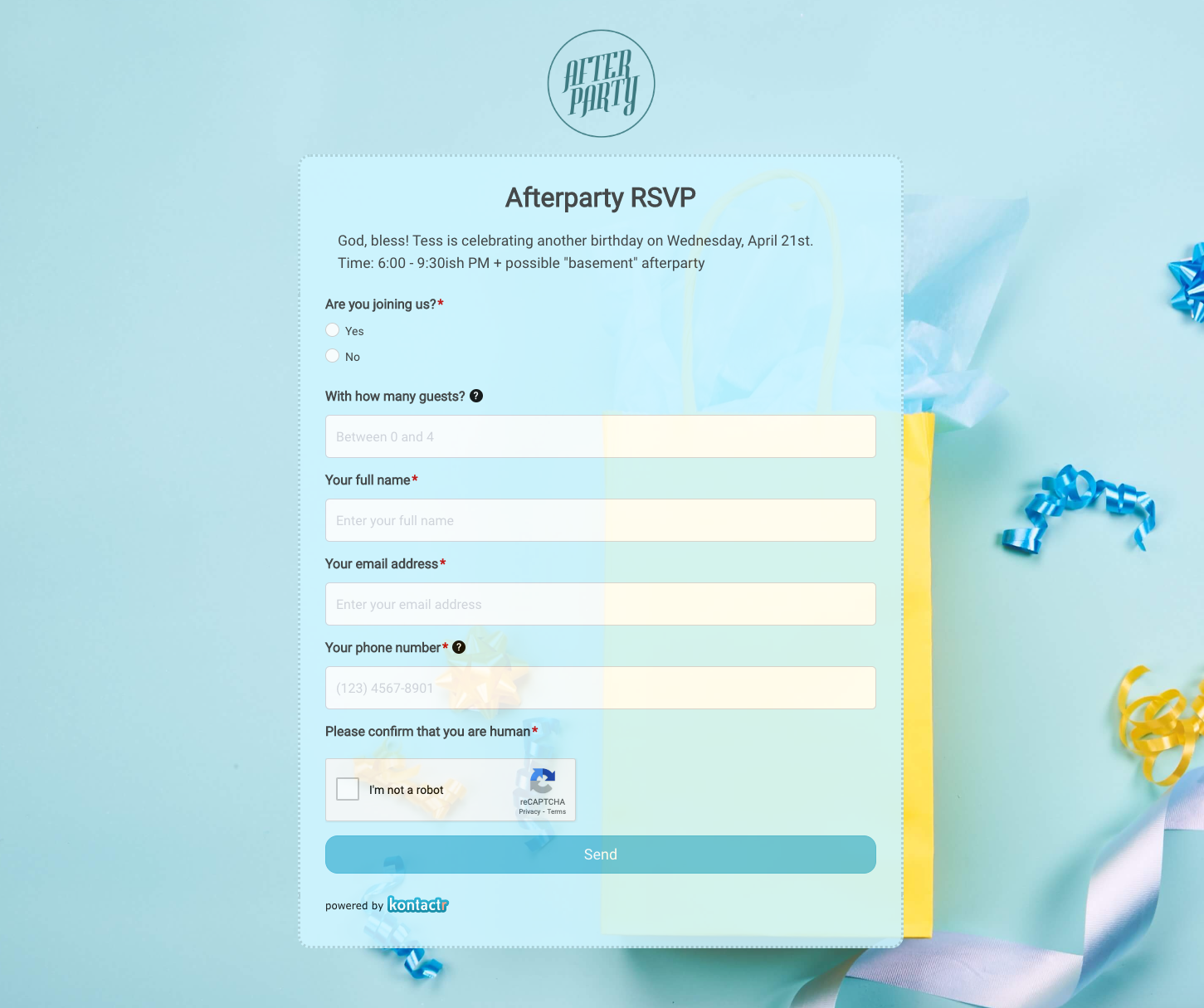 Afterparty RSVP Form
 Band Discovery Form
 Book a room Form
 Booking Enquiries Form
 Brochure Mailing Form
 Buy a Home Form
 Catalog Request Form
 Coach Lines Quote Form
 Contact Us Form
 Credit Application Form
 Drop me a line Form
 Enquiry / Feedback Form
 Got a question? Form
 Instant Quote Form
 Job Application Form
 Language & Literacy Lab Form
 Live Streaming Registration Form
 More Information Form
 Order Exchange Form
 Party Box Order Form
 Pest Control Services Form
 Poll / Survey Form
 Receive Ebook Form
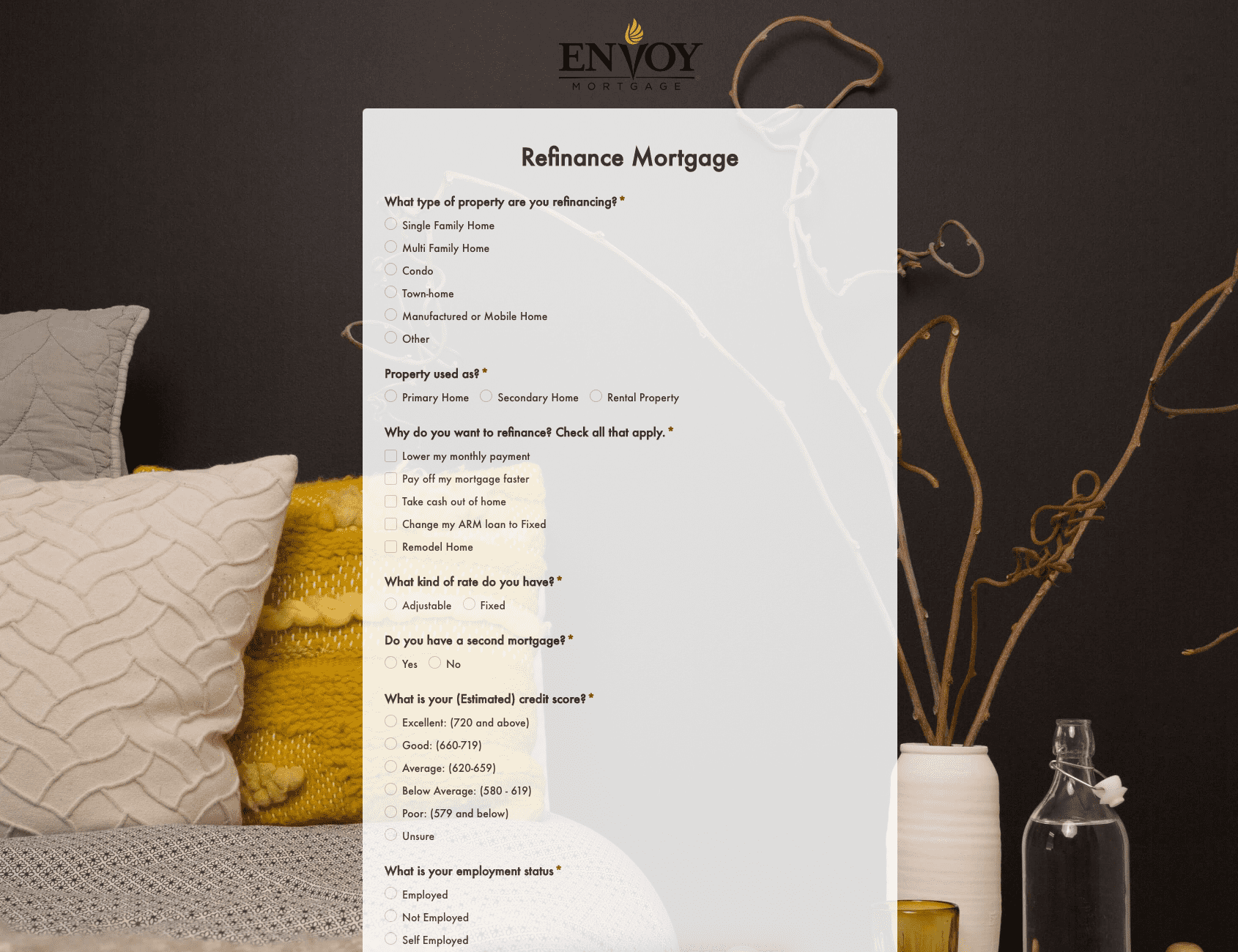 Refinance Mortgage Form
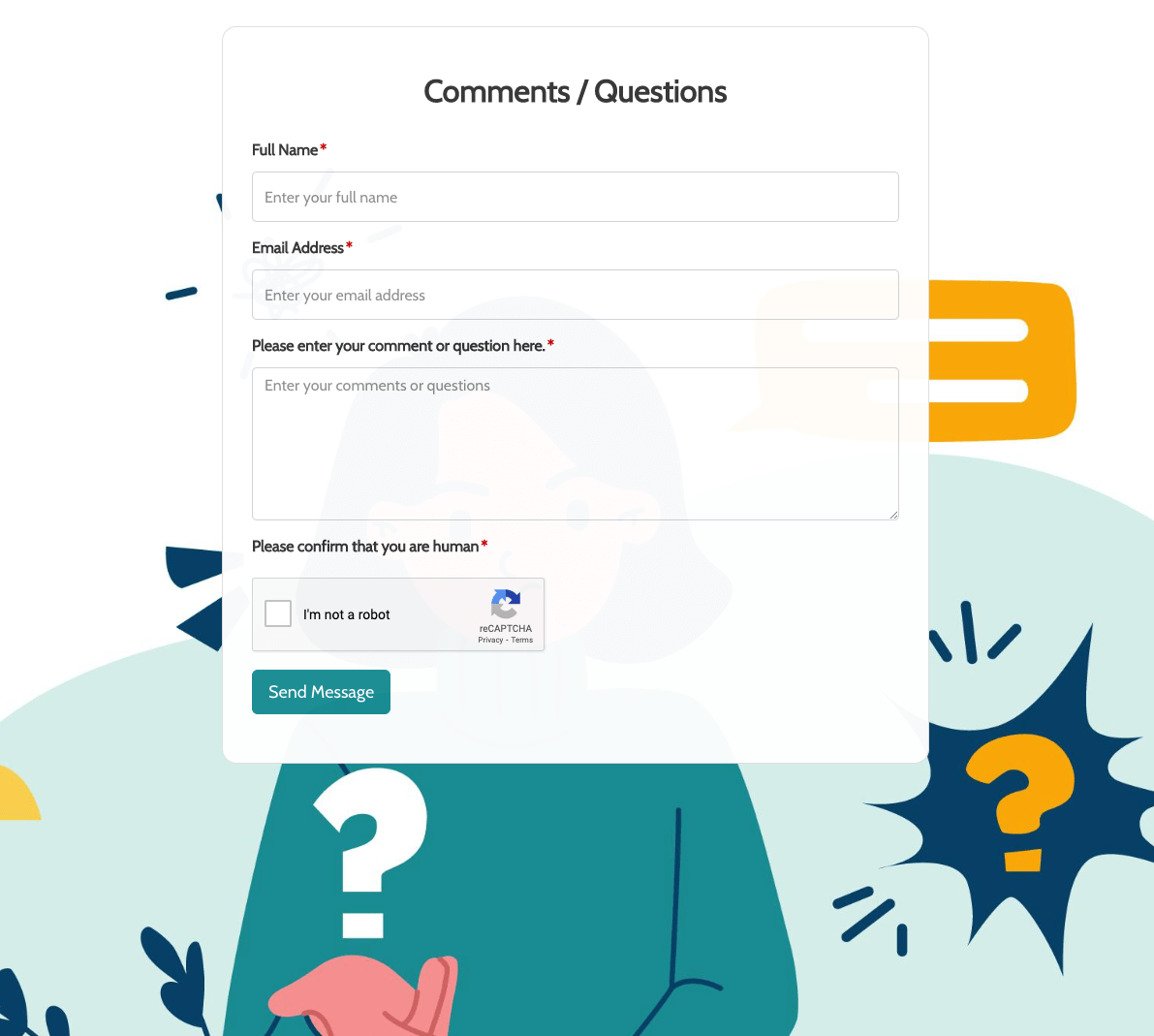 Remarks / Questions Form
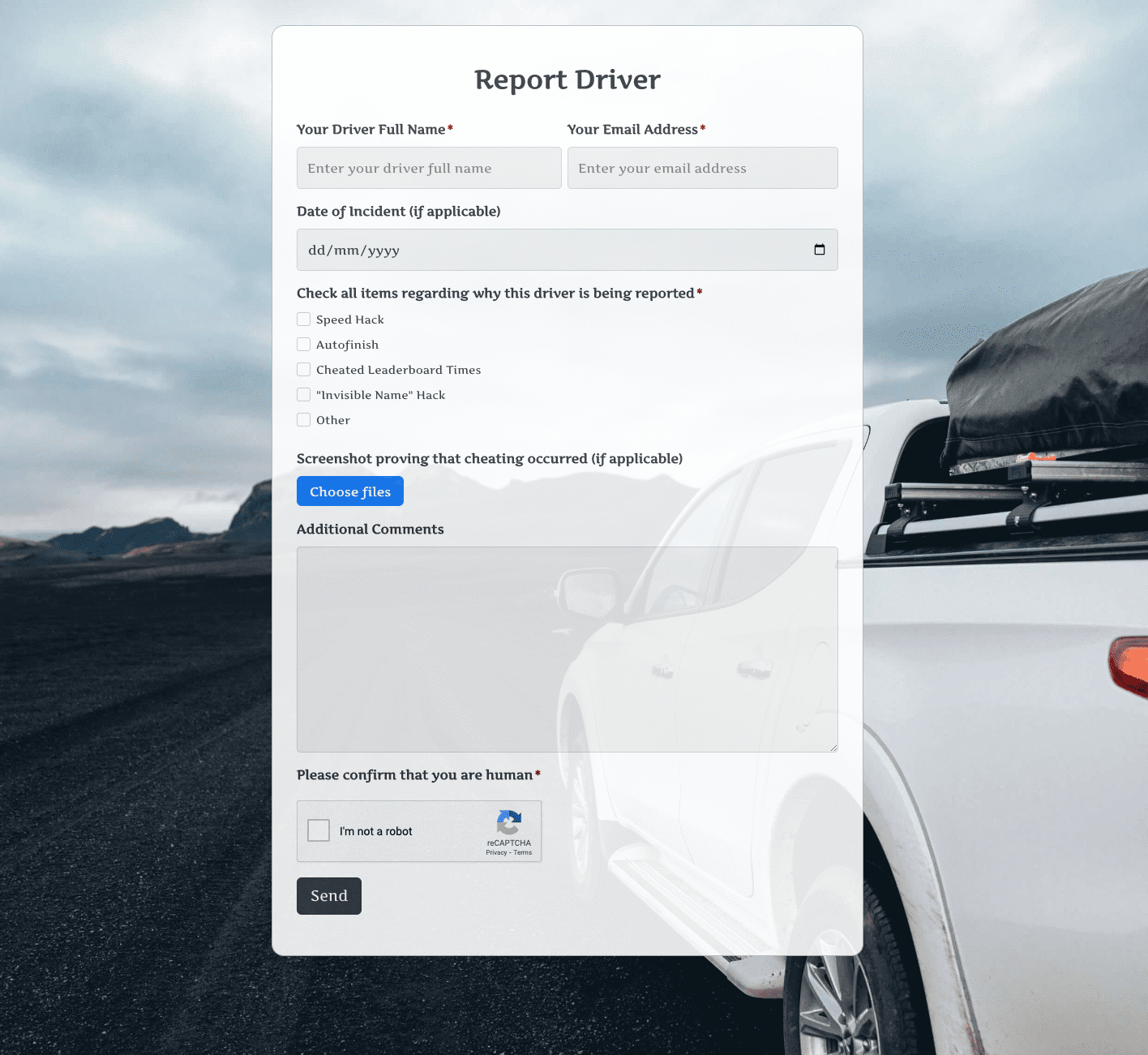 Report Driver Form
 Retreat Information Form
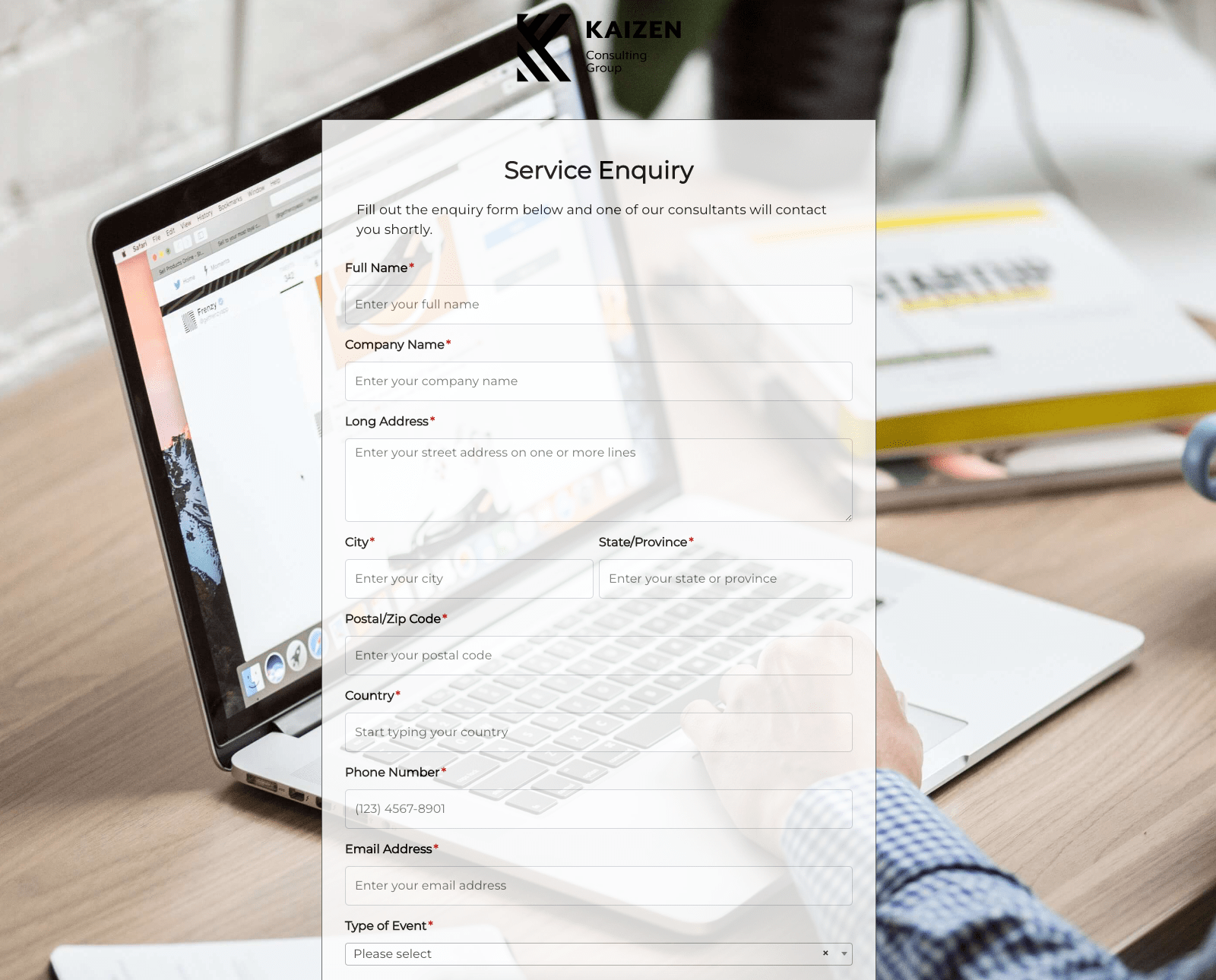 Service Enquiry Form
 Skydiving Registration Form
 Spare Part Enquiry Form
 Staff Application Form
 Submission Form
 User Registration Form
 Website Under Construction Form
 Wedding Photographer Form
 Your Opinion Matters Form






.jpg)