A fever in a six-month-old baby can quickly worry parents because infants at this age cannot explain discomfort and symptoms may change quickly. In many cases, fever itself is the body’s natural response to infection, helping fight viruses or bacteria. However, understanding what counts as a high fever, how to monitor symptoms, and when to seek medical attention is very important because younger babies can become dehydrated or uncomfortable faster than older children.
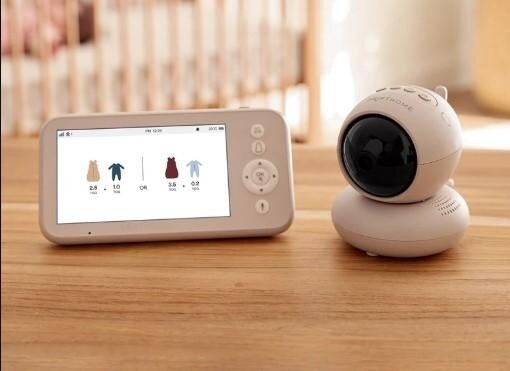
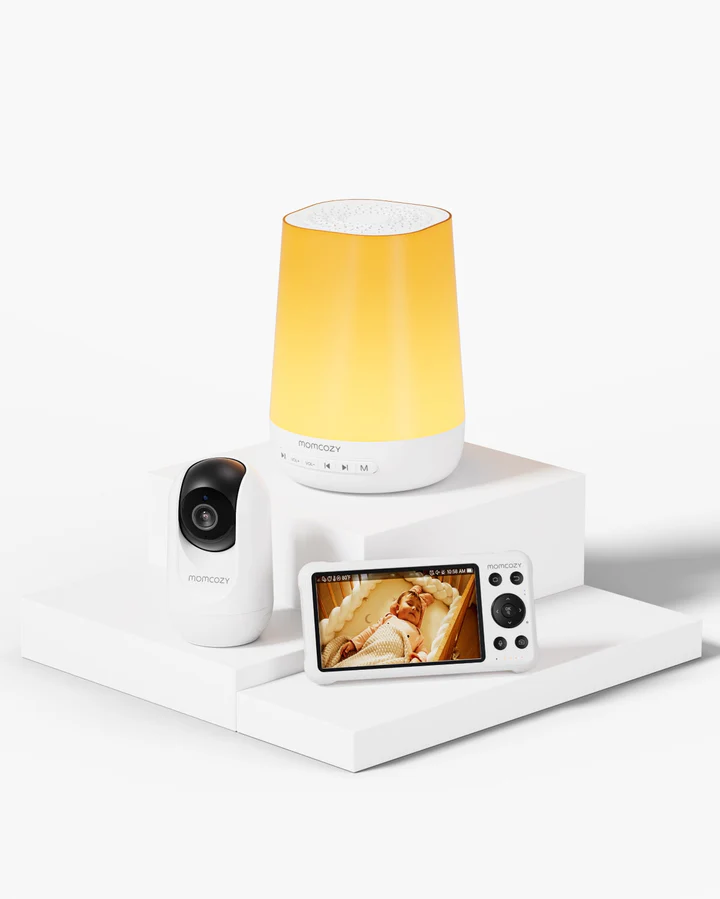
A 6 month old high fever often needs careful observation rather than panic. Along with checking temperature, parents should pay close attention to feeding patterns, breathing, sleep quality, and overall alertness. Helpful tools such as Momcozy baby monitors can support parents during naps or nighttime by allowing them to notice changes in sleep, breathing sounds, restlessness, or unusual crying without disturbing the baby repeatedly. Monitoring patterns helps parents decide whether home care is enough or if urgent medical care is needed.
Defining a High Fever Threshold for Six-Month-Olds
A six-month-old baby’s normal body temperature usually ranges around 36.5°C to 37.5°C (97.7°F to 99.5°F), though slight changes happen throughout the day.
What Counts as a Fever
-
A rectal temperature of 38°C (100.4°F) or higher is considered a fever.
-
A temperature above 39°C (102.2°F) is often considered a high fever in infants.
-
Persistent fever lasting more than 24 hours deserves close monitoring.
A mild fever may happen during viral infections, teething discomfort, or after vaccinations, but higher temperatures often require more careful observation.
Why Temperature Method Matters
-
Rectal readings remain the most accurate for infants.
-
Forehead thermometers are convenient but may vary slightly.
-
Ear thermometers may be less reliable if not positioned correctly.
Accurate readings help parents avoid unnecessary worry or delayed treatment.
Monitoring Associated Symptoms and Behavioral Red Flags
Temperature alone does not tell the full story. A baby’s behavior often shows whether illness is mild or becoming serious.
Symptoms to Watch Closely
Unusual sleepiness
If your baby is harder to wake than usual or seems less alert during awake periods, this may suggest the body is struggling with illness.
Weak crying
A faint or weaker cry than normal can indicate fatigue, discomfort, or reduced energy during fever.
Refusal to feed
Babies who repeatedly refuse milk may become dehydrated more quickly, especially during fever.
Vomiting
Frequent vomiting can reduce fluid intake and make dehydration more likely.
Diarrhea
Loose stools may increase fluid loss, so hydration should be watched carefully.
Rapid breathing
Fast breathing may happen with fever, but very rapid or labored breathing needs closer attention.
These signs may indicate that the body is under greater stress than temperature alone suggests.
Behavioral Red Flags
-
Difficulty waking the baby
-
Irritability that does not improve
-
Stiff body movements
-
Reduced eye contact
-
Continuous inconsolable crying
A baby who normally responds socially but suddenly becomes withdrawn needs careful attention.
Skin Changes That Matter
These signs can sometimes signal more urgent illness.
Using Momcozy baby monitors helps parents notice restlessness, unusual breathing sounds, or repeated waking during naps and nighttime.
Safe Methods for Administering Infant Fever Reducers
Medicine may help when fever causes discomfort, poor feeding, or difficulty sleeping.
Infant Acetaminophen
-
Commonly used for babies over two months
-
Helps lower temperature and improve comfort
-
Often recommended first for mild to moderate fever
Always use the dosing syringe included in the medicine package.
Infant Ibuprofen
-
Suitable only for babies over six months
-
May help when fever causes stronger discomfort
-
Often lasts longer between doses
Never use ibuprofen if the baby is dehydrated unless advised by a doctor.
Safe Dosing Rules
-
Follow weight-based instructions carefully
-
Never guess doses by age alone
-
Avoid adult formulations
-
Keep track of timing between doses
Too much medicine can be dangerous, while too little may not help.
Maintaining Hydration and Electrolyte Balance
Hydration becomes especially important because fever increases fluid loss.
Best Fluids for a Six-Month-Old
Milk often remains the best source of hydration during illness.
Signs Hydration Is Good
-
Regular wet nappies
-
Moist lips
-
Tears when crying
These signs suggest the baby is still getting enough fluids.
Signs Dehydration May Develop
-
Dry mouth
-
Fewer wet nappies
-
Sunken eyes
-
Sleepiness
Offering smaller feeds more often often works better than large feeds during fever.
Optimal Clothing and Room Temperatures for Cooling
Cooling should help comfort the baby without causing shivering.
Clothing Tips
Too many layers can trap body heat.
Room Temperature Tips
A room that is too cold can cause discomfort and increase fussiness.
Avoid Overcooling
-
Do not use ice baths
-
Avoid cold water wiping
Gentle cooling is more effective than sudden temperature changes.
Non-Medicated Comfort Measures to Soothe the Baby
Comfort often helps babies settle better during illness.
Gentle Holding
Quiet Environment
-
Reduce noise
-
Dim bright lights
-
Allow frequent rest
Lukewarm Wiping
Comfort measures often help even when medicine is not yet needed.
Tracking Temperature Trends and Medication Timing
One temperature reading gives limited information. Trends help parents understand whether fever is improving.
Keep a Simple Fever Log
This helps doctors if medical advice becomes necessary.
Why Timing Matters
Night Monitoring
Nighttime often causes the most parental worry. Momcozy baby monitors help parents observe movement, crying, and breathing without waking the baby repeatedly.
Knowing Exactly When to Seek Emergency Medical Care
Some fever situations require immediate professional attention.
Seek Emergency Care Immediately If:
-
Fever reaches 40°C (104°F)
-
Breathing becomes difficult
-
Baby has seizures
-
Lips turn blue
-
Baby becomes very hard to wake
Seek Same-Day Medical Advice If:
Trust Your Instinct
Parents often notice when behavior feels very different from normal.
Final Thoughts
Understanding 6 month old high fever helps parents respond calmly and safely when illness begins. Most fevers improve with hydration, light clothing, careful monitoring, and comfort measures, but associated symptoms often matter more than the number alone.
Using Momcozy baby monitors can make overnight monitoring easier by helping parents notice sleep changes, unusual crying, or breathing differences while the baby rests. Careful observation, simple fever tracking, and knowing when to seek medical care help parents protect their baby confidently.
 Access Request Form
 Afterparty RSVP Form
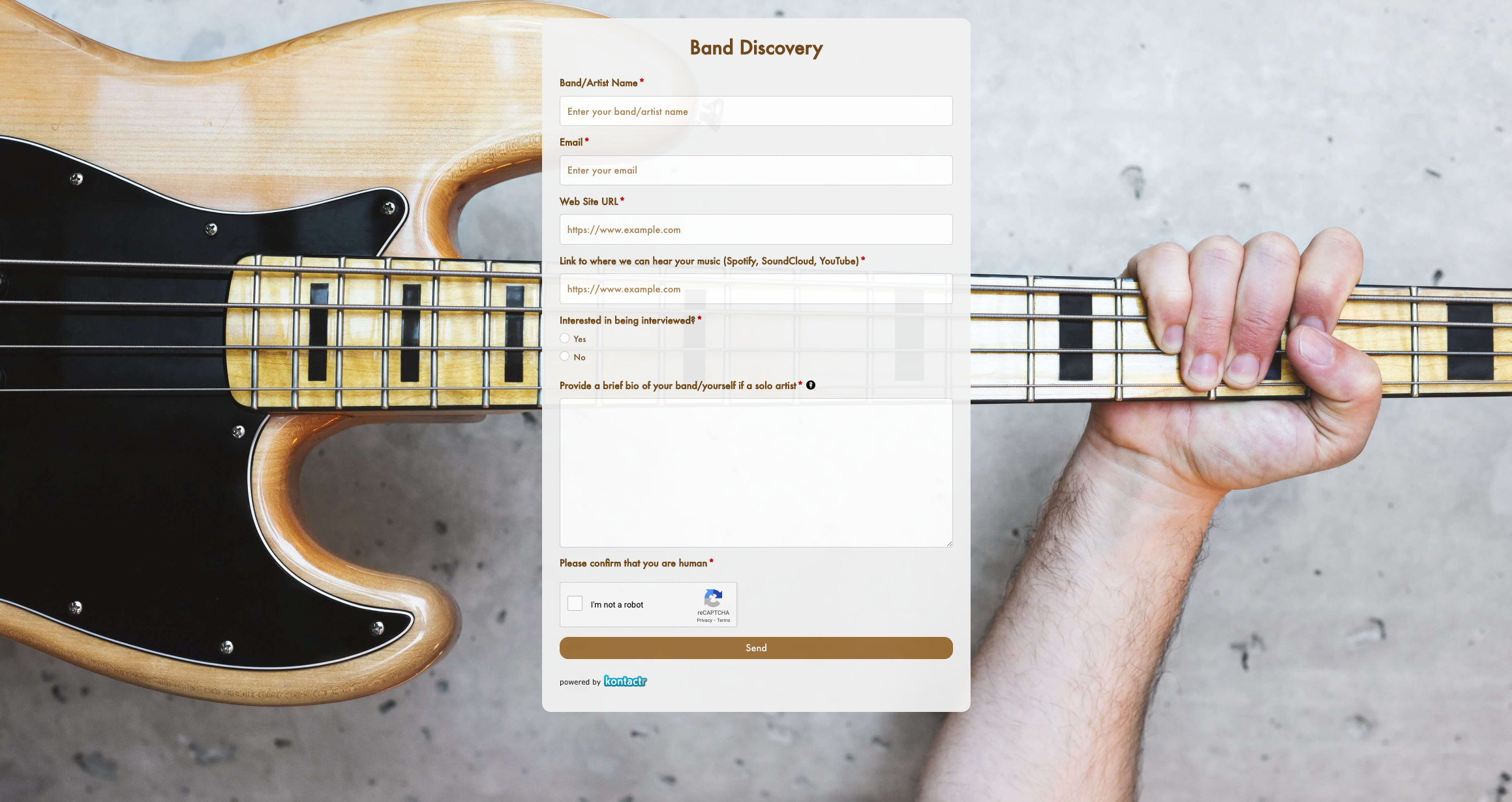 Band Discovery Form
 Book a room Form
 Booking Enquiries Form
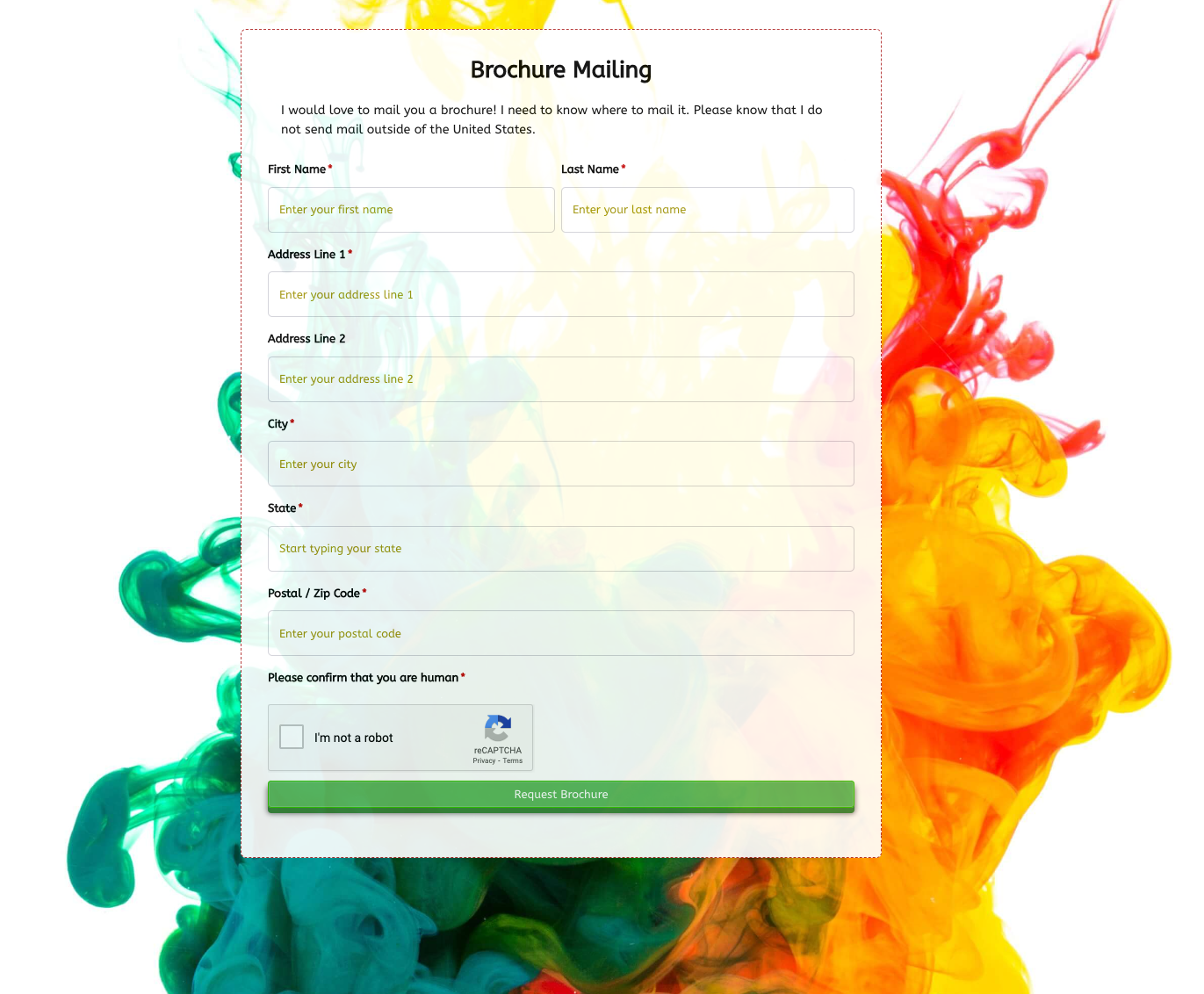 Brochure Mailing Form
 Buy a Home Form
 Catalog Request Form
 Coach Lines Quote Form
 Contact Us Form
 Credit Application Form
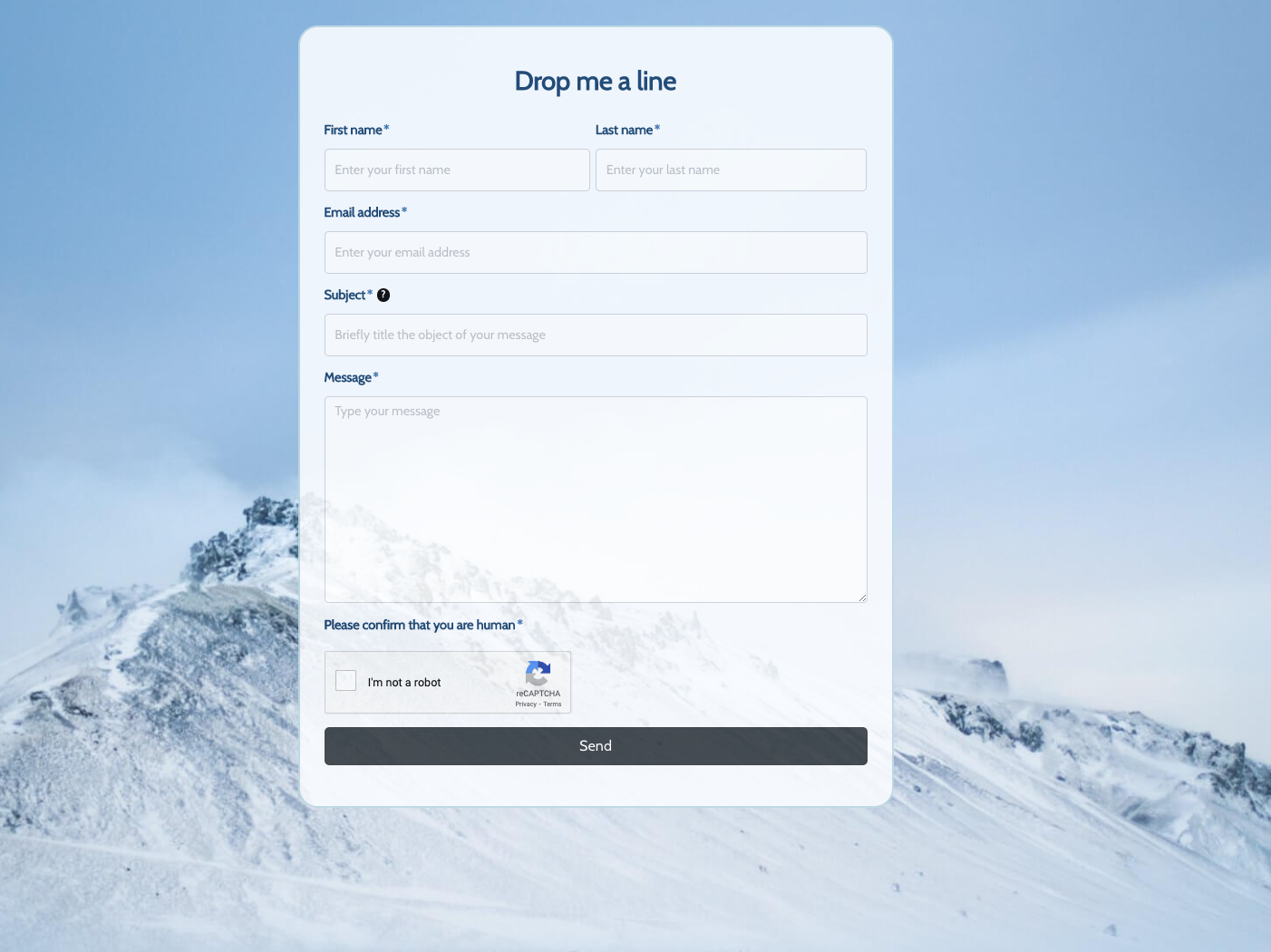 Drop me a line Form
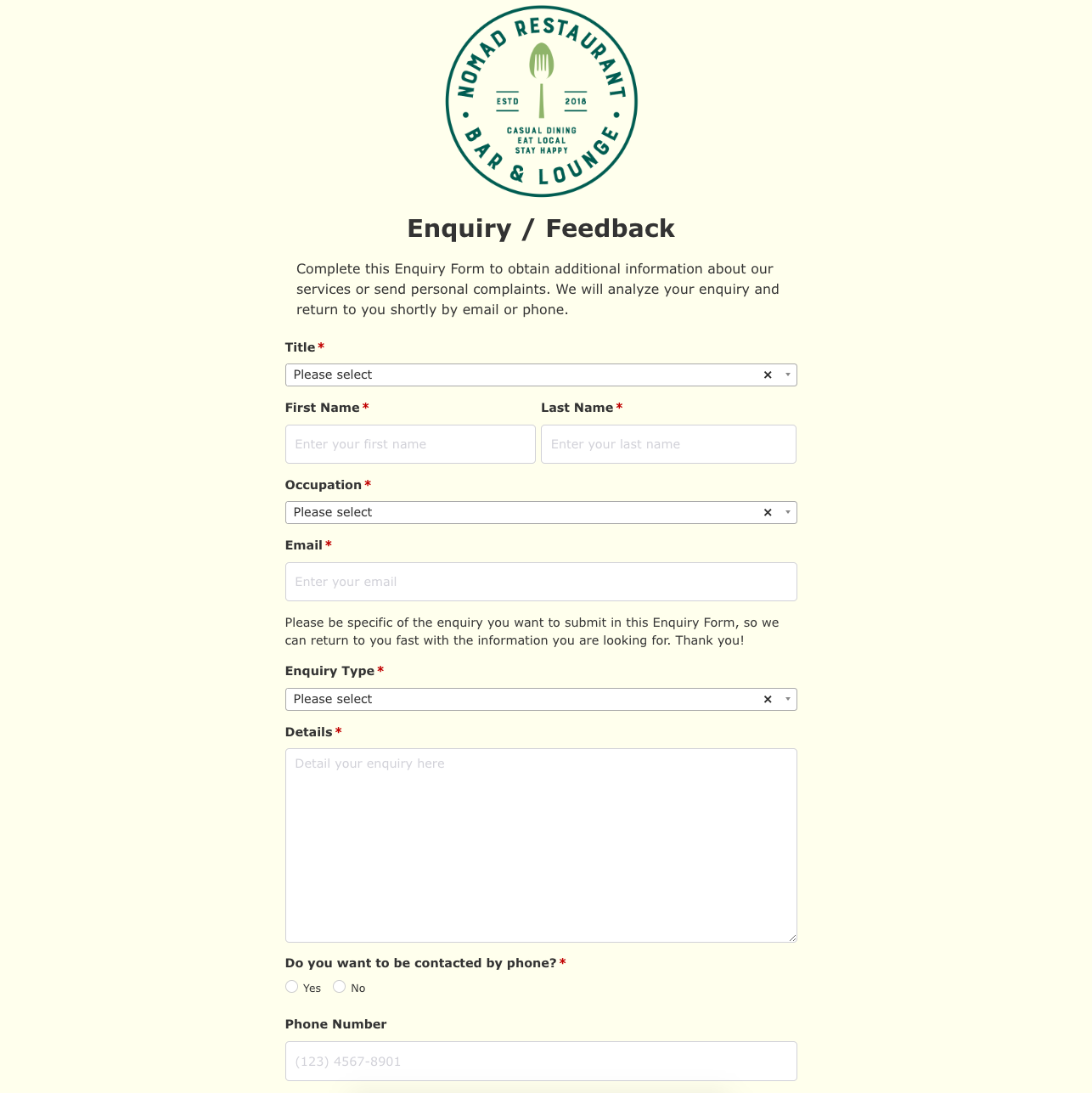 Enquiry / Feedback Form
 Got a question? Form
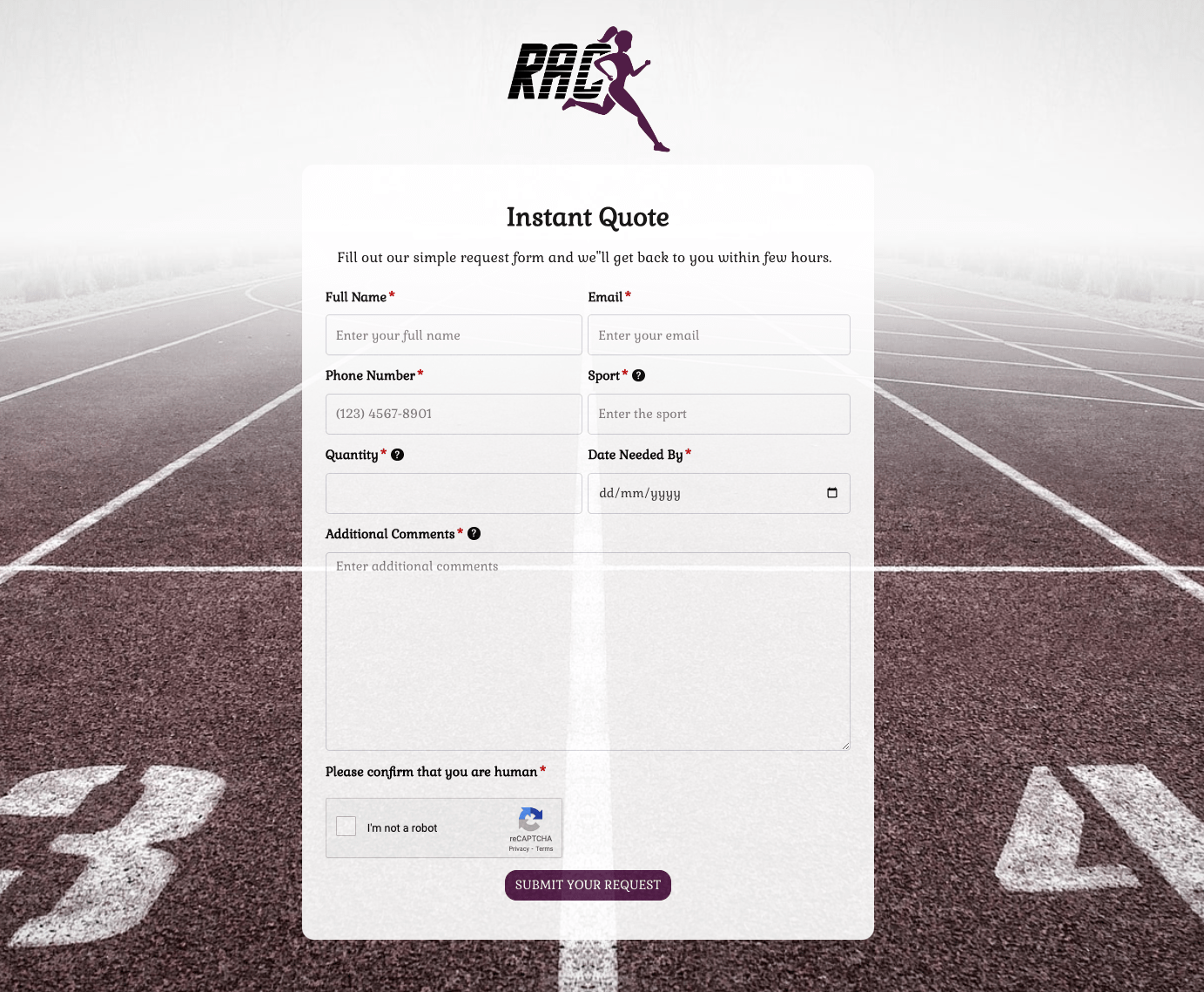 Instant Quote Form
 Job Application Form
 Language & Literacy Lab Form
 Live Streaming Registration Form
 More Information Form
 Order Exchange Form
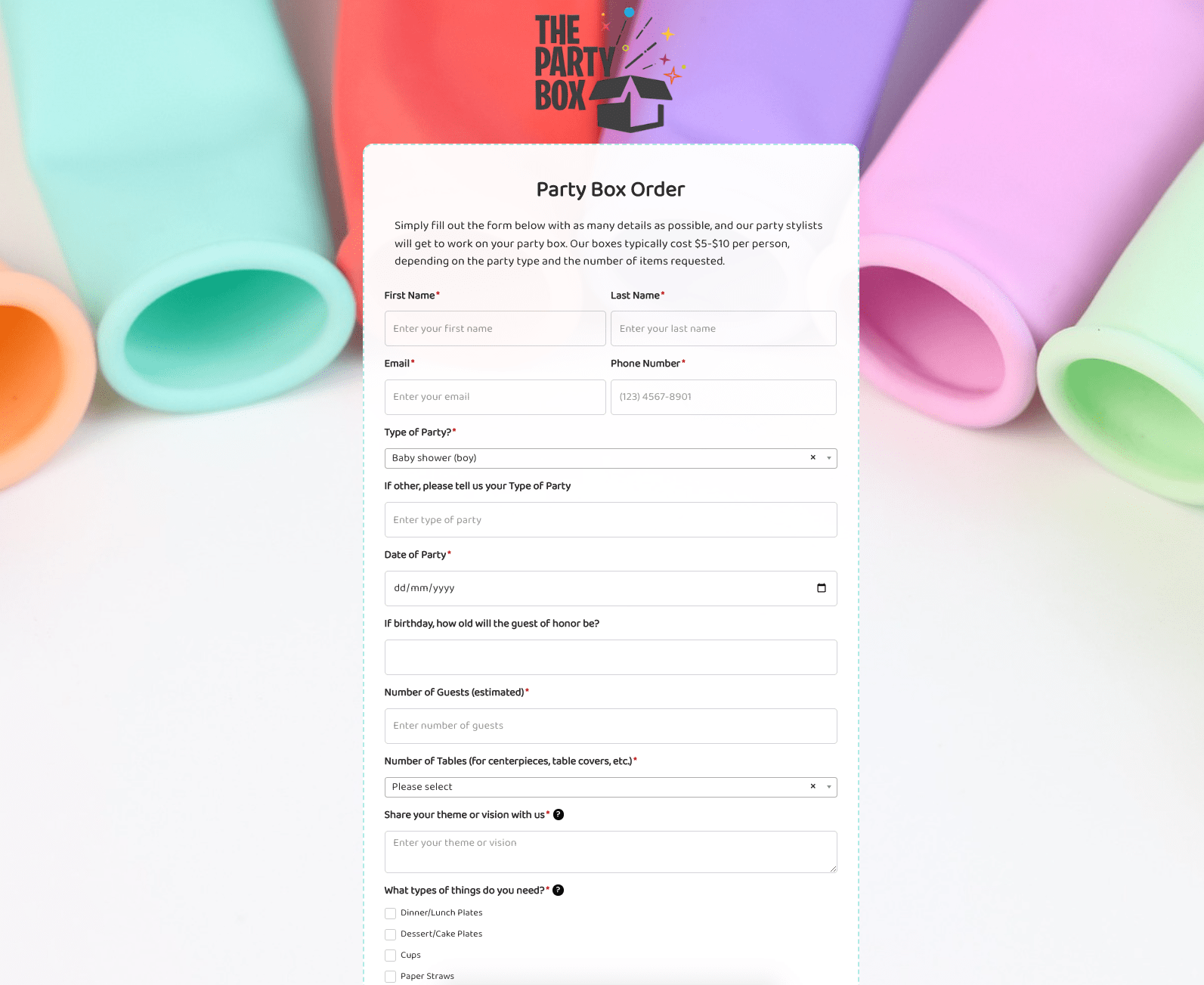 Party Box Order Form
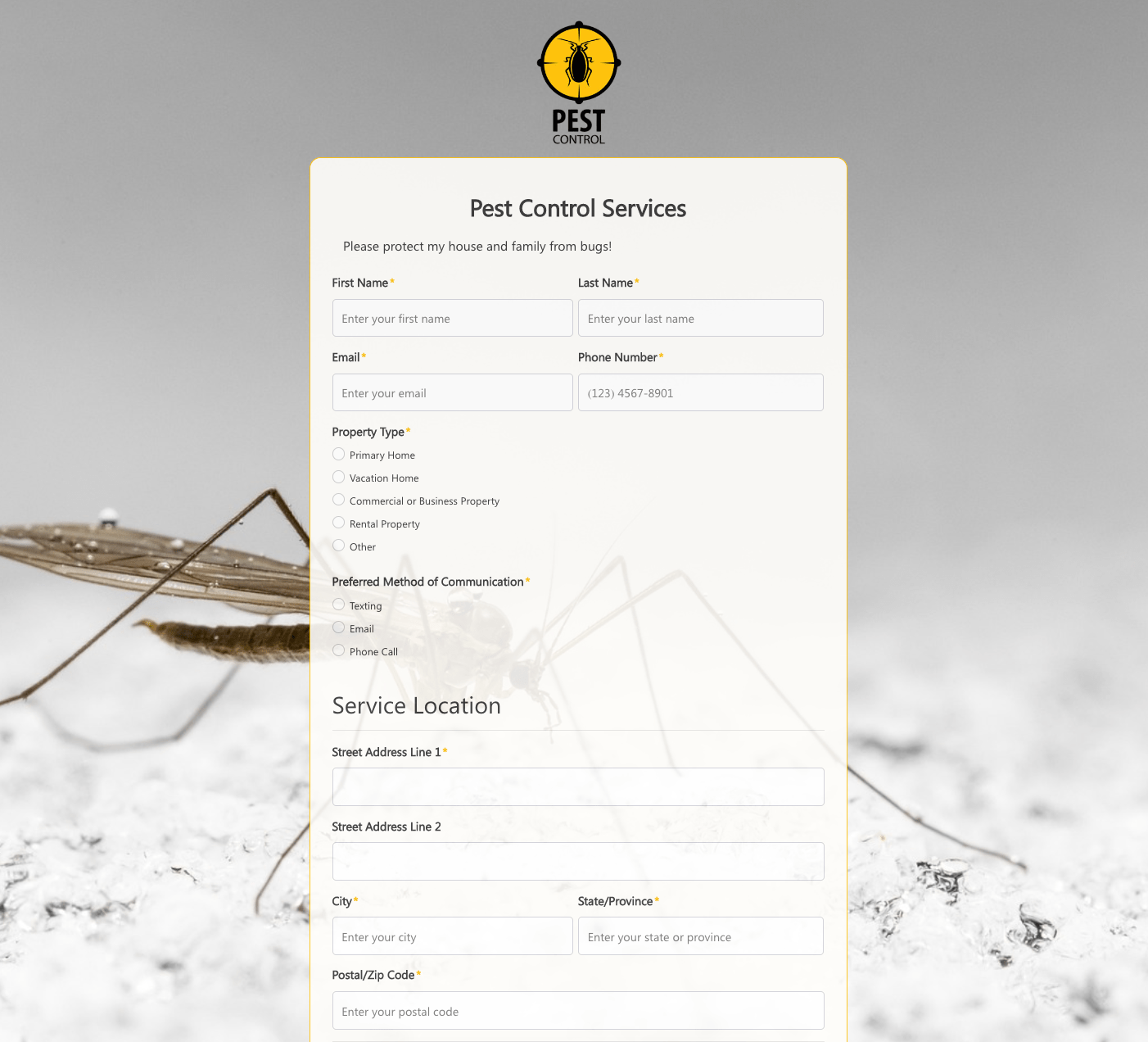 Pest Control Services Form
 Poll / Survey Form
 Receive Ebook Form
 Refinance Mortgage Form
 Remarks / Questions Form
 Report Driver Form
 Retreat Information Form
 Service Enquiry Form
 Skydiving Registration Form
 Spare Part Enquiry Form
 Staff Application Form
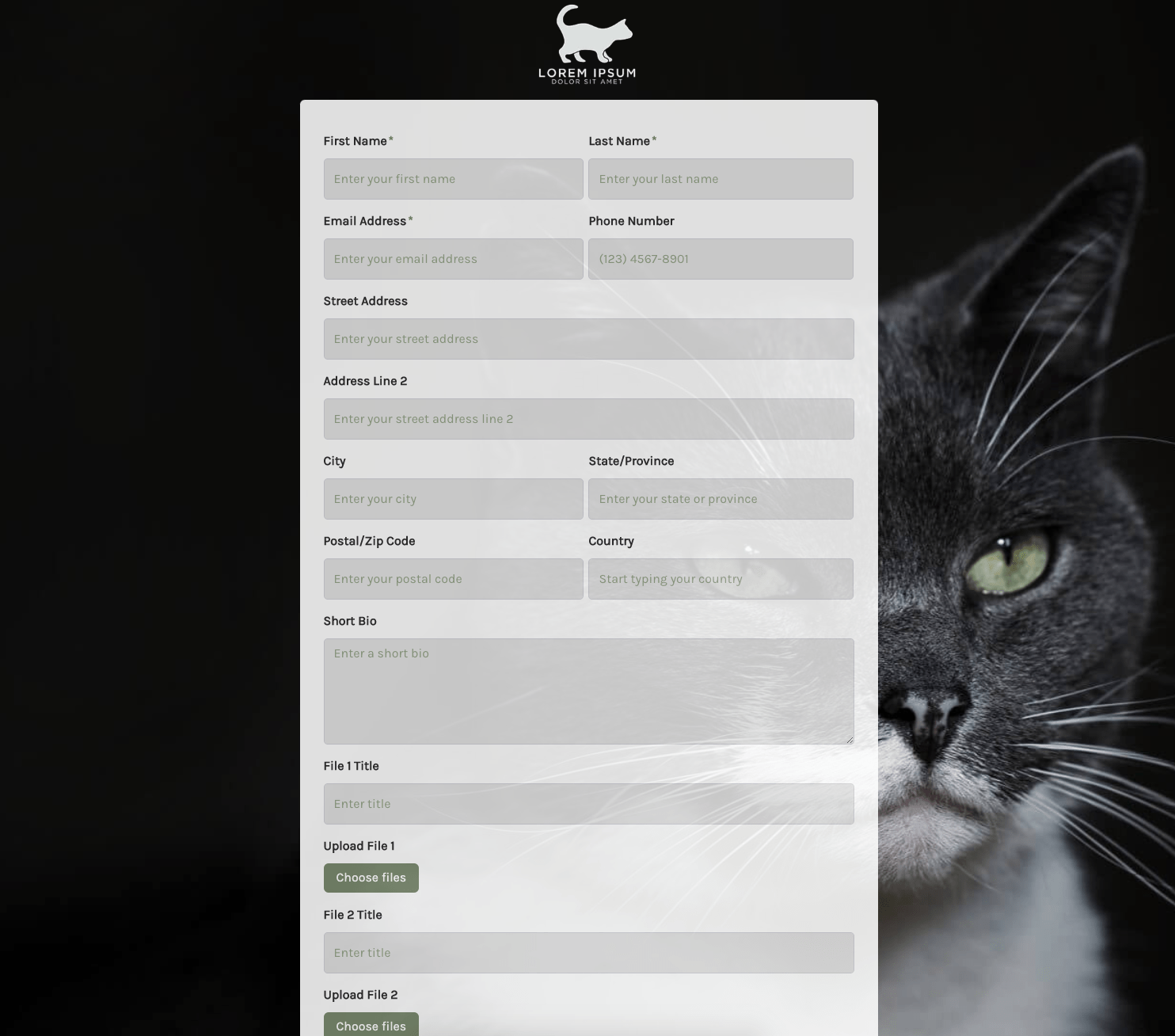 Submission Form
 User Registration Form
 Website Under Construction Form
 Wedding Photographer Form
 Your Opinion Matters Form