For years, cryptocurrency payments were treated as a novelty. A company could add a Bitcoin button to its checkout page, earn a few headlines, and still receive almost every real customer payment through cards, PayPal, or bank transfer.
That version of crypto payments is no longer the most interesting one.
Today, the conversation is shifting from speculation to utility. Businesses are asking whether crypto can solve practical payment problems: international customers, high cross-border fees, card limitations, privacy concerns, delayed settlement, and access for buyers who prefer digital wallets over banks.
That does not mean every business should accept crypto. It also does not mean crypto should replace traditional payment methods. The stronger argument is more balanced: for some online businesses, cryptocurrency can be a useful payment option when implemented responsibly.
A checkout option, not a brand identity
A business does not need to become a “crypto company” to accept cryptocurrency. This is an important distinction.
In the early days, accepting crypto often meant manually creating wallet addresses, checking blockchain confirmations, managing private keys, and handling price volatility. That model still exists, but modern crypto payment gateways can generate payment addresses, detect incoming transactions, calculate exchange rates, and settle funds in fiat currency or stablecoins.
For the customer, the process can be simple. They choose crypto at checkout, select a coin or network, scan a QR code, and send the payment from their wallet. For the merchant, the experience can look similar to any other alternative payment method. The payment is matched to the invoice or order, confirmed, and recorded.
This is why crypto payments are becoming more relevant to mainstream online commerce. The value is not only in the coin itself. The value is in giving customers another way to pay.
Why online businesses are paying attention
Online businesses operate across borders by default. A hosting company, software provider, digital marketplace, SaaS platform, or subscription service can receive interest from customers in dozens of countries. Payment, however, is often the bottleneck.
Cards are convenient, but not universal. Some customers lack international cards. Some banks block certain foreign transactions. Some regions experience higher decline rates. Some buyers simply do not want every online purchase tied directly to a card statement or traditional banking profile.
Crypto payments can help in several situations:
-
A customer wants to pay from a country where card payments are unreliable.
-
A customer already holds digital assets and prefers to spend them directly.
-
A business wants to reduce dependency on a single payment processor.
-
A merchant sells digital services where instant global delivery matters.
-
A privacy-conscious buyer wants to reduce the amount of financial data shared during checkout.
This does not make crypto perfect. It makes it useful in specific cases.
Stablecoins changed the conversation
Bitcoin introduced the idea of peer-to-peer digital money, but volatility made it difficult for many merchants to treat it like a normal payment method. If a product costs $100 today, a merchant does not want the received value to swing sharply before the funds are reconciled.
Stablecoins changed that discussion. Assets such as USDC and USDT are designed to track the value of traditional currencies, usually the U.S. dollar. They are not risk-free, and businesses still need to understand the issuer, network, and regulatory environment. But for payments, stablecoins solve a major problem: they make crypto feel less like a market bet and more like a settlement tool.
That is why payment infrastructure companies are paying closer attention to stablecoins. The industry is no longer focused only on trading. It is increasingly focused on the practical movement of value.
For merchants, this matters because stablecoin payments can offer faster settlement, global reach, and lower friction while still allowing conversion into fiat when needed.
Privacy is part of the appeal, but it should be explained honestly
Crypto is sometimes marketed as anonymous money. That is too simple.
Most public blockchains are transparent. A Bitcoin or Ethereum transaction does not show a card number, but it does exist on a public ledger. Wallet addresses, transaction amounts, and transaction history can often be viewed by anyone. In some cases, blockchain analytics can connect activity to known services or identities.
So the honest privacy argument is not that all crypto payments are invisible. The better argument is that crypto can reduce certain types of payment exposure. A customer may not need to provide card details. A payment may not pass through the same bank card networks. A buyer may be able to separate a specific online purchase from their everyday bank account.
For privacy-focused digital services, that matters.
A company like Packetra is a good example. Packetra provides privacy-focused hosting, accepts email-only signup with no KYC, and supports cryptocurrency payment options. For customers buying hosting, that combination is relevant because hosting is not only a technical product. It is also a question of data ownership, jurisdiction, payment choice, and how much personal information a provider requires before service begins.
Crypto payments are not a substitute for responsible hosting policies, secure infrastructure, or legal compliance. But when combined with privacy-conscious account creation and clear service rules, they can support a more privacy-respecting customer experience.
Digital services are a natural fit
Crypto payments make the most sense when the product is digital, international, and delivered quickly.
Physical commerce has more complications. Shipping addresses, returns, customs, fraud checks, and delivery disputes all add complexity. A customer can pay with crypto, but the merchant still needs personal shipping details and logistics data.
Digital services are different. A VPS server, hosting plan, software license, API subscription, or online tool can often be provisioned without physical delivery. The customer may only need an account, an email address, and a valid payment.
That is why crypto payments fit naturally with hosting. A developer, startup, publisher, or privacy-conscious user may want infrastructure that can be purchased quickly from anywhere. They may also prefer a payment method that matches the borderless nature of the service itself.
For example, a buyer looking for Cloud VPS hosting may care about CPU, RAM, bandwidth, uptime, and location. But they may also care about how they can pay, what information is required, and whether the provider supports privacy-focused customers instead of treating them as unusual.
Payment choice becomes part of the product experience.
The merchant benefits are practical
For businesses, the benefits of crypto payments are usually practical rather than ideological.
Expanded access. A business that only accepts cards may lose customers who cannot use cards internationally or who prefer wallet-based payments. Adding crypto creates another route to purchase.
Reduced friction in specific cases. Confirmed blockchain payments do not work like card payments, and they are not reversed through the same chargeback process. That can reduce one type of fraud risk, although businesses still need refund policies and abuse controls.
Faster international settlement. Depending on the provider and network, payments can settle faster than traditional cross-border banking. This is especially relevant for businesses with customers in many countries.
Payment resilience. Relying on one payment method is risky. Processors can change rules, banks can decline transactions, and customers can abandon checkout if their preferred method is missing. Crypto should not be the only option, but it can be a useful additional rail.
The risks should not be ignored
A serious article about crypto payments should not pretend there are no downsides.
Volatility. Merchants that hold Bitcoin, Ethereum, or other volatile assets may see the value change before they convert or spend it. Stablecoins reduce this issue, but they introduce their own risks, including issuer trust, liquidity, network choice, and regulatory treatment.
Refund handling. Card payments have familiar refund processes. Crypto payments require clearer policies. Will the merchant refund the exact coin amount, the fiat value at the time of purchase, or the fiat value at the time of refund? The answer should be written before the first payment is accepted.
Compliance. Businesses should understand local laws, tax treatment, sanctions obligations, and recordkeeping requirements. Accepting crypto does not remove the need to operate responsibly. In some cases, using a payment gateway can reduce operational burden because the provider handles parts of wallet management, transaction monitoring, conversion, and reporting.
Security. A company that accepts crypto directly must protect wallets and private keys. A lost private key can mean lost funds. For many businesses, using a reputable payment processor is safer than handling everything manually.
Crypto payments work best as an option, not a replacement
The best checkout pages do not force customers into one payment method. They offer choice.
Cards, PayPal, bank transfer, and crypto can each serve different customers. A local buyer may prefer a card. A company may prefer bank transfer. A privacy-conscious user may prefer Monero, Bitcoin, or a stablecoin. A global customer may choose crypto because it is faster or more available than their local banking options.
This is the right way to think about crypto payments. They are not magic. They are not a universal replacement for the financial system. They are another payment option that can make sense for certain customers and certain businesses.
That is especially true in industries where privacy, international access, and digital delivery already matter. Hosting is one of those industries. Buyers comparing anonymous hosting are often not only comparing disk space and bandwidth. They are also asking what information is required, where the servers are located, what payment methods are accepted, and how seriously the provider treats customer privacy.
Final thoughts
Crypto payments are becoming more mature because the conversation has become more practical. The serious question is no longer whether every business should “go crypto.” The question is whether crypto solves a real checkout problem for a specific customer base.
For online businesses, the answer is increasingly yes, but with conditions. Crypto should be added with clear pricing, careful settlement decisions, written refund policies, proper accounting, and realistic privacy claims. It should support the customer experience, not distract from it.
For digital services, especially privacy-focused services, crypto payments can be a strong fit. They give customers more control over how they pay, help businesses serve a more global audience, and reduce reliance on traditional payment rails.
The future of checkout is unlikely to be crypto-only. It is more likely to be payment choice: cards for some customers, bank transfers for others, digital wallets for many, and cryptocurrency for buyers who value speed, access, and privacy.
 Access Request Form
 Afterparty RSVP Form
 Band Discovery Form
 Book a room Form
 Booking Enquiries Form
 Brochure Mailing Form
 Buy a Home Form
 Catalog Request Form
 Coach Lines Quote Form
 Contact Us Form
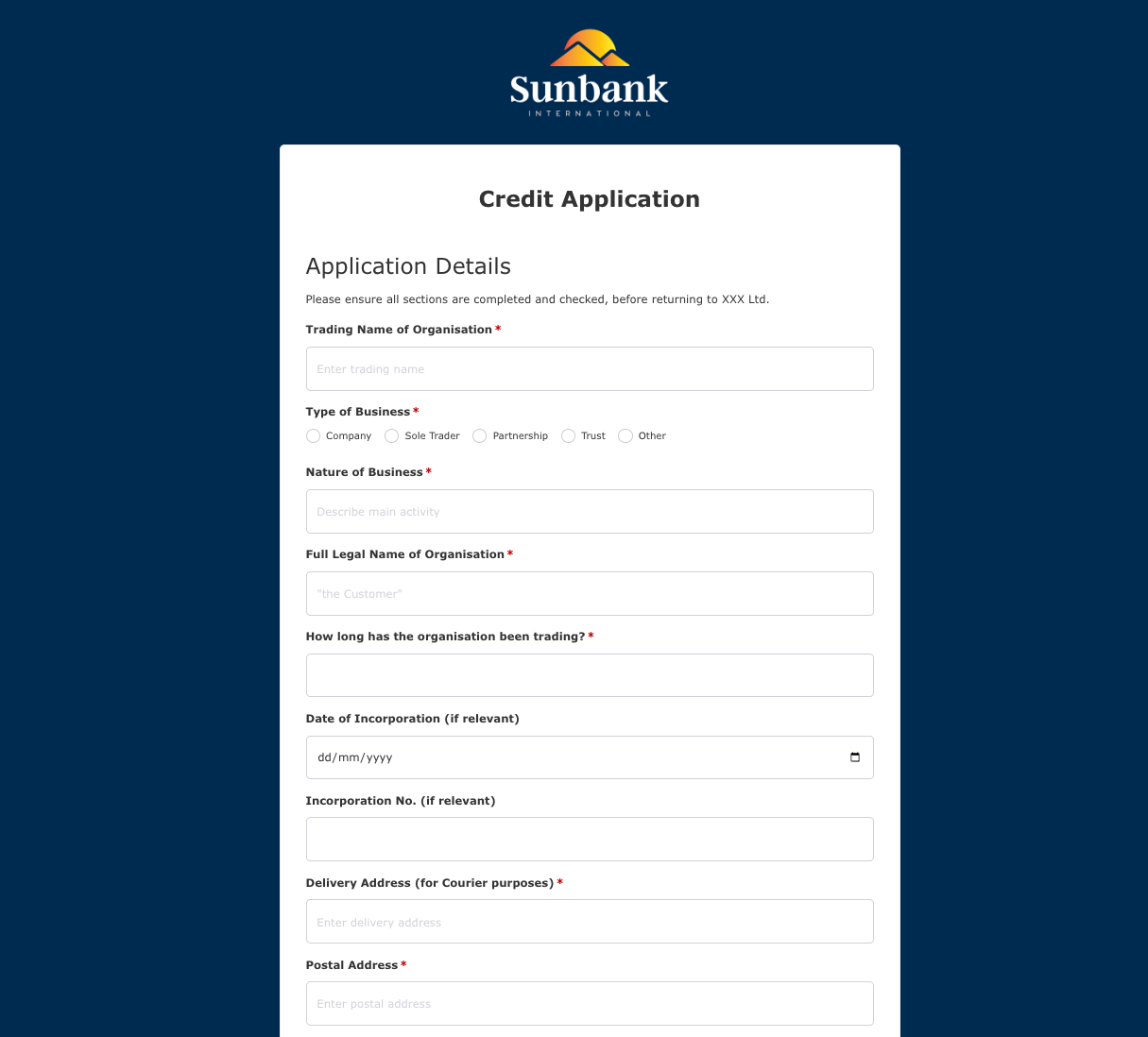 Credit Application Form
 Drop me a line Form
 Enquiry / Feedback Form
 Got a question? Form
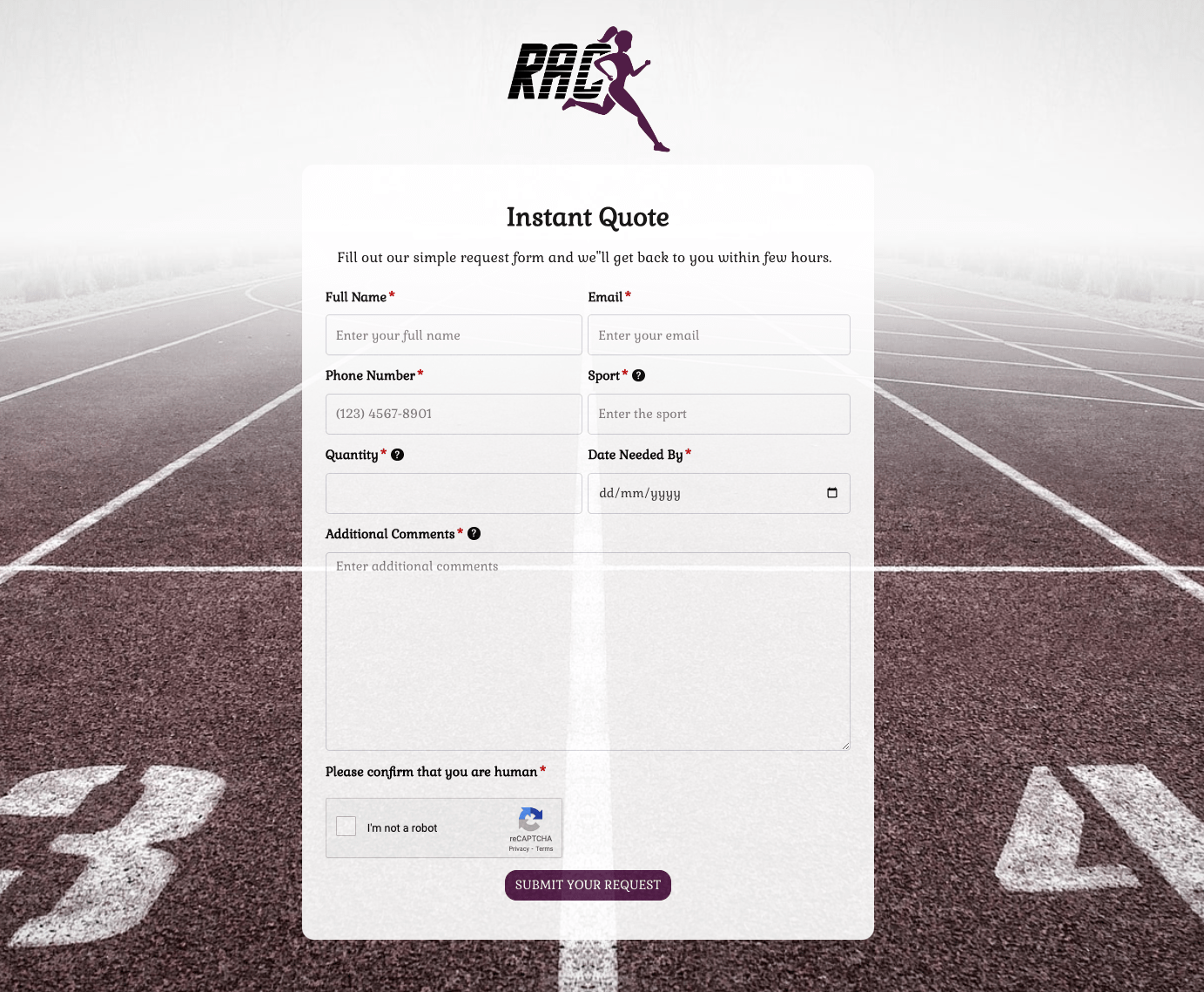 Instant Quote Form
 Job Application Form
 Language & Literacy Lab Form
 Live Streaming Registration Form
 More Information Form
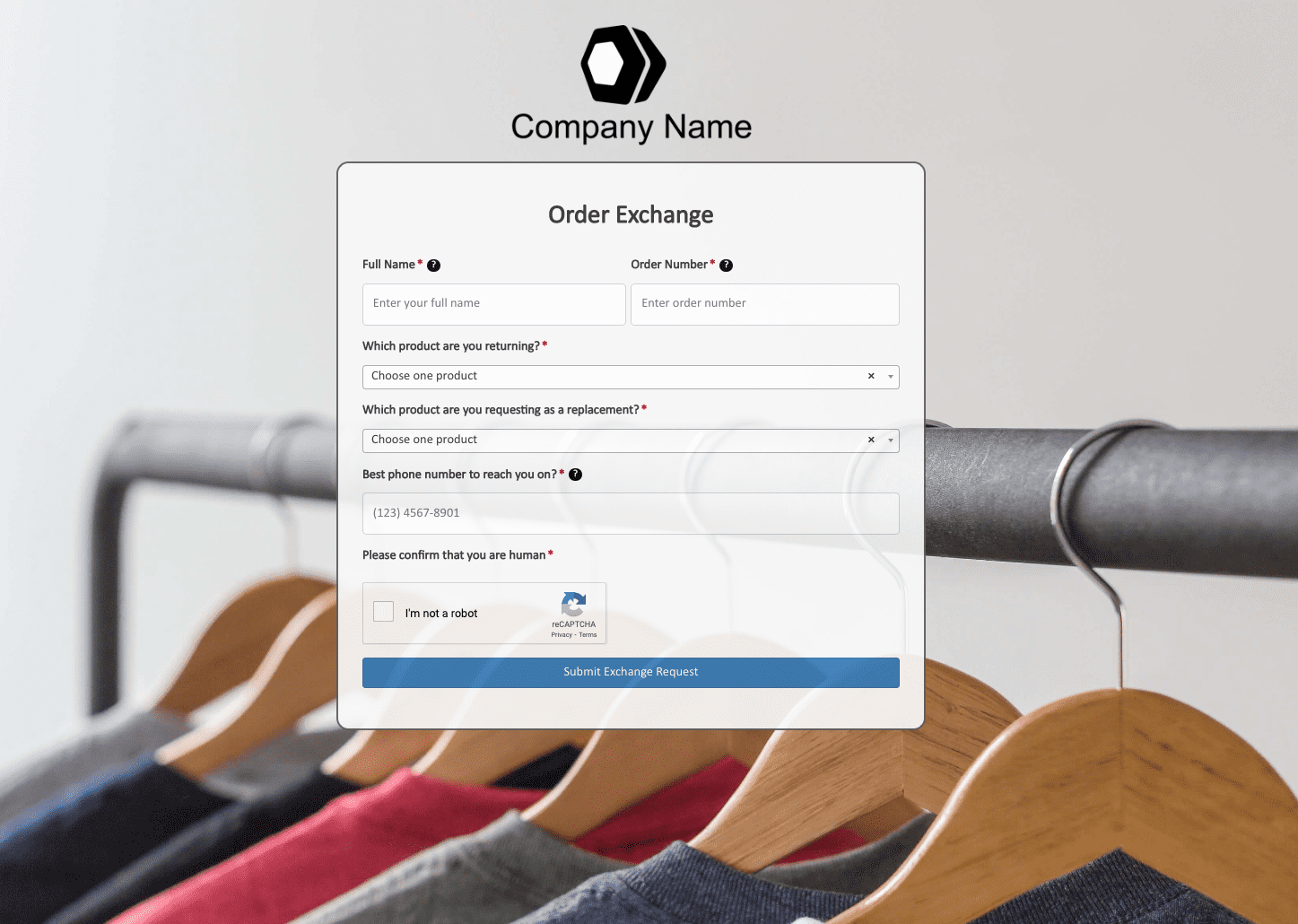 Order Exchange Form
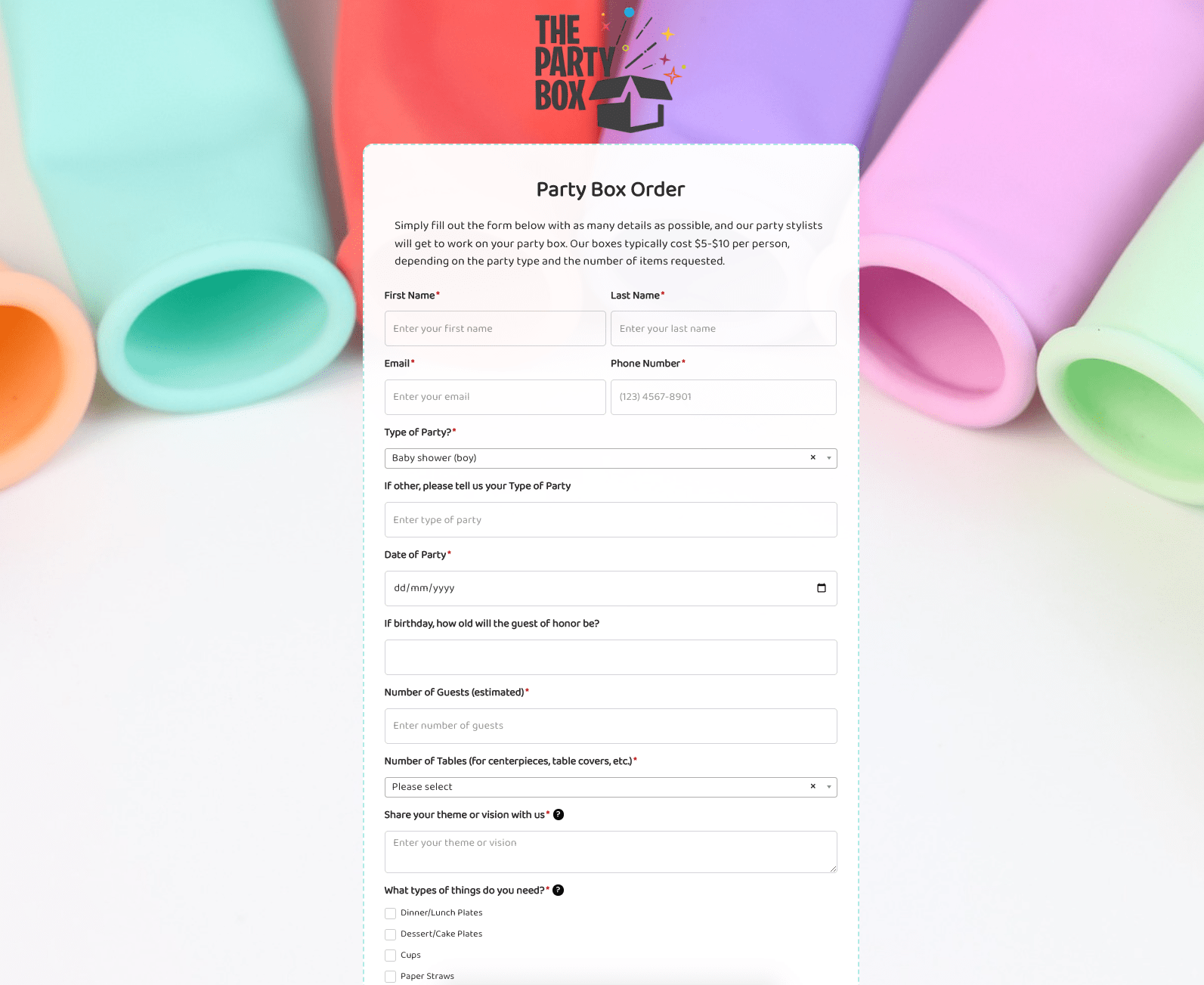 Party Box Order Form
 Pest Control Services Form
 Poll / Survey Form
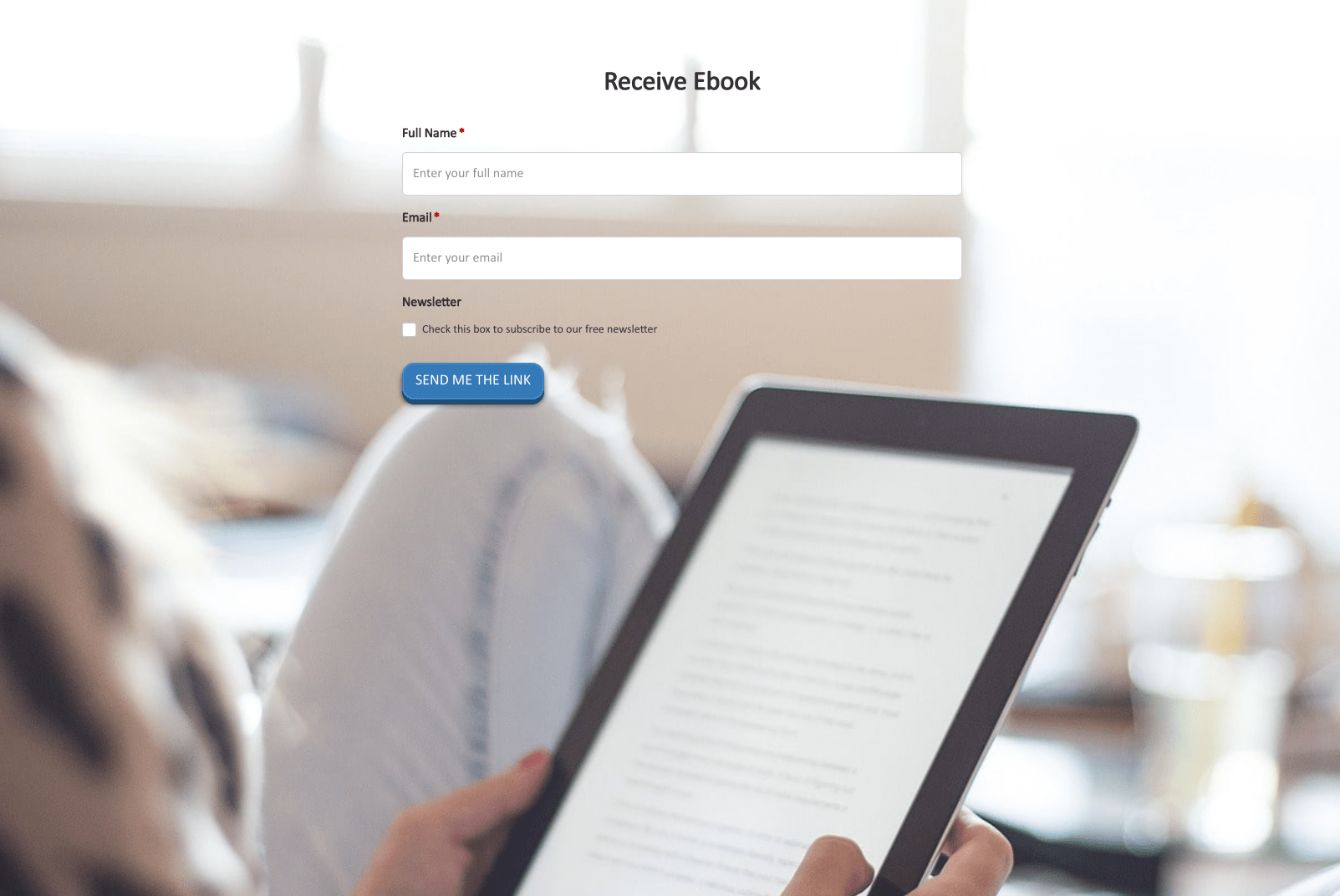 Receive Ebook Form
 Refinance Mortgage Form
 Remarks / Questions Form
 Report Driver Form
 Retreat Information Form
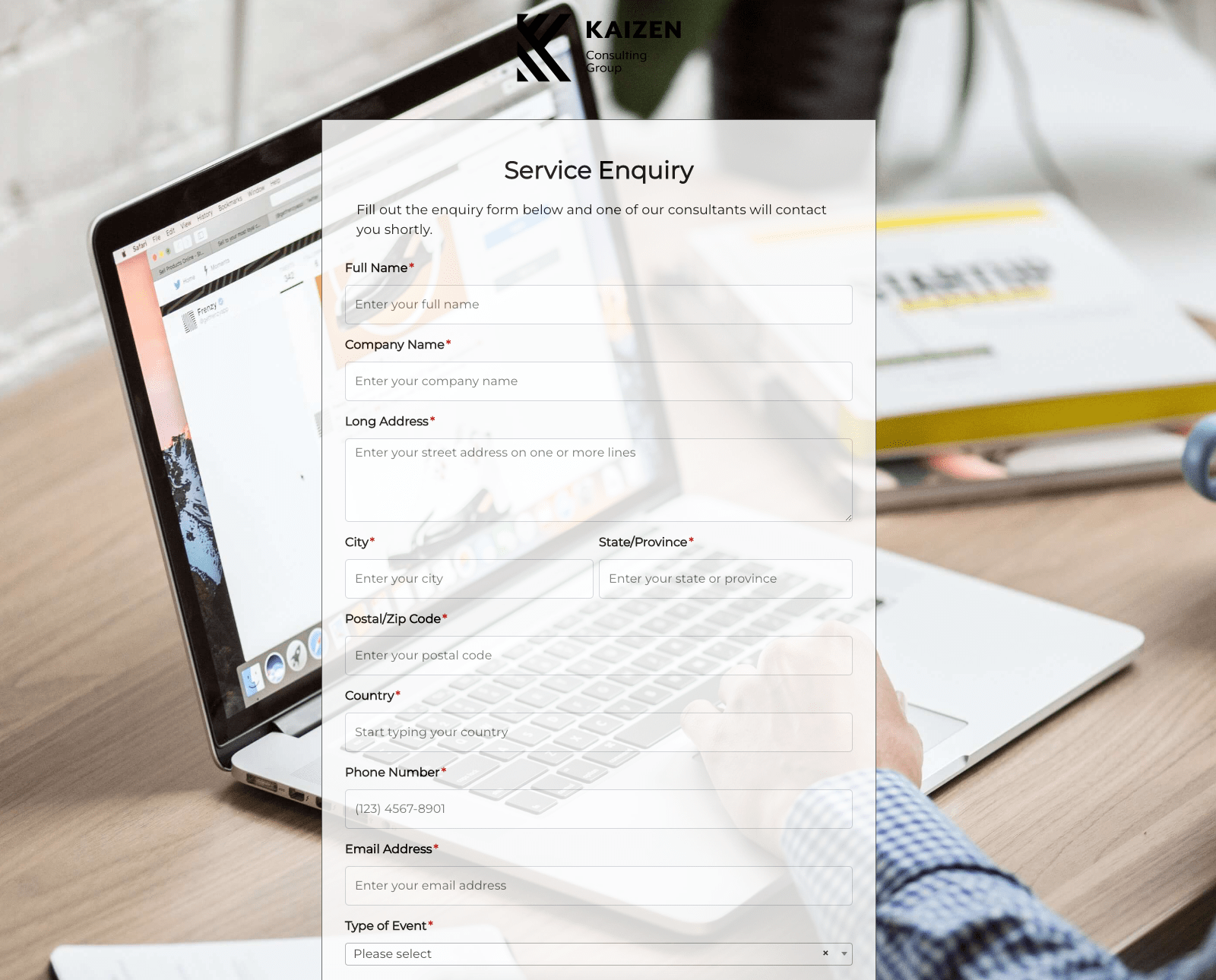 Service Enquiry Form
 Skydiving Registration Form
 Spare Part Enquiry Form
 Staff Application Form
 Submission Form
 User Registration Form
 Website Under Construction Form
 Wedding Photographer Form
 Your Opinion Matters Form