Bankroll Before Action
A betting decision starts before the odds appear on the screen. For Bangladeshi players, cricket fixtures, football markets, live score swings, and mobile accounts place pressure on both timing and stake size. Bankroll management gives that pressure a boundary. It separates match interest from money control and keeps a wager from turning into an emotional reaction.
The five rules below focus on fixed budgets, smaller stakes, loss control, written records, and clear exit points before a player places the first bet. The aim is not to make betting risk-free. The aim is to stop one session from damaging money meant for real life.
Fast Markets, Faster Spending

Modern betting moves at the speed of the match. A wicket changes the cricket market, a late goal shifts football prices, and a balance update sits beside the bet slip. That speed creates the main bankroll problem: the player reacts before checking the amount at risk.
For sport betting in Bangladesh, this matters most during high-attention events. Cricket tournaments, international football, and live markets create long sessions where one small decision follows another. Quick deposits and rapid odds changes do not remove risk; they make money movement feel less visible. A player who enters that environment without a fixed bankroll has no stopping point. The account balance becomes the guide, and that is where fast spending begins.
The risk is not only the size of one bet. It is the pace between decisions. A player sees a price move, thinks the moment is slipping away, and places the next wager without asking whether it fits the bankroll. Bankroll rules slow that chain down. The safest decision is one measured against the bankroll before the bet slip is submitted, not after the odds change.
Budget First, Bet Second
A bankroll is a fixed betting fund, not spare money from daily life. The first rule is simple: the player decides the amount, then treats that figure as the full entertainment budget for the chosen period.
For example, a player sets BDT 5,000 for the month. Rent, groceries, transport, education costs, phone bills, family duties, and savings stay outside that number. If the bankroll drops to BDT 2,000 after a poor week, the player continues with the remaining amount or stops. Adding more money after losses breaks the rule and turns a budget into an open pocket.
This separation keeps betting away from household pressure. It also makes every stake easier to judge, since the player sees the wager as part of one limited fund. A fixed bankroll also gives the player a cleaner answer to one difficult question: how much is already enough for this month?
Small Stakes

The second rule is stake discipline. A single wager should take only a small part of the bankroll, since even a strong prediction still carries risk. A 1–3% stake range gives the player room to handle losing runs without damaging the full balance.
In sport betting, stake size controls exposure, not the result. A larger bet does not make a team stronger, a bowler sharper, or a price better. It only puts more of the bankroll under pressure. Flat staking keeps decisions cleaner: the player selects a stake size before the session and avoids raising it after frustration. This turns the wager into a planned risk rather than a reaction to the previous result.
The useful test is simple. If one losing bet changes the mood of the whole session, the stake is too large for that bankroll.
Stake Size in BDT
A percentage rule becomes clearer when the player converts it into Bangladeshi taka. The table below shows how 1%, 2%, and 3% look across different bankroll sizes:
|
Bankroll
|
1% stake
|
2% stake
|
3% stake
|
|
BDT 2,000
|
BDT 20
|
BDT 40
|
BDT 60
|
|
BDT 5,000
|
BDT 50
|
BDT 100
|
BDT 150
|
|
BDT 10,000
|
BDT 100
|
BDT 200
|
BDT 300
|
|
BDT 20,000
|
BDT 200
|
BDT 400
|
BDT 600
|
|
BDT 30,000
|
BDT 300
|
BDT 600
|
BDT 900
|
The player reads the table before the session and chooses one column. A cautious player starts at 1%. A player with more experience and a stronger record treats 2% as the upper working point for a planned session. The 3% column places more pressure on the balance, so it needs tighter session limits. The key point is consistency: jumping between columns during the same session turns the table into decoration instead of a rule.
This table also protects against emotional rounding. At BDT 5,000, a BDT 500 stake looks small on the slip, but it equals 10% of the bankroll. One loss at that size changes the entire month.
No Recovery Bets
The third rule is to avoid recovery betting. A recovery bet appears after a loss, when the player raises the next stake to win back the previous amount. This is where one poor result becomes a larger bankroll problem.
The warning signs are clear: the next stake doubles, the player chooses an unfamiliar team, the wager comes late at night, or money meant for another purpose enters the account. A Bangladeshi cricket fan who loses two match bets has a better choice than chasing the balance. The player closes the session, records the result, and returns only when the next stake fits the original plan. Ending with a controlled loss protects the remaining bankroll.
Recovery betting feels active, but it removes structure. The decision no longer starts with odds, team news, or stake size. It starts with the need to erase a loss, and that need is not a betting system.
Records Over Memory

The fourth rule is written tracking. Memory makes betting sessions look cleaner than they are. A bet log gives the player a stable record.
For each wager, the player records the date, event, market, odds, stake, result, and reason for the selection. An account history of sport bet online gives part of this information, but manual notes add the missing part: why the player made the choice.
|
Date
|
Event
|
Market
|
Odds
|
Stake
|
Result
|
Reason
|
|
12 June
|
Bangladesh vs India
|
Match winner
|
2.10
|
BDT 100
|
Lost
|
Team news
|
|
14 June
|
Dhaka match
|
Total runs
|
1.85
|
BDT 100
|
Won
|
Pitch trend
|
This structure turns betting from a blur into a reviewable record. It also removes selective memory. A player does not need to guess whether the session followed the plan; the log gives the answer.
What the Bet Log Reveals
A log matters after several sessions, when patterns become visible. The player is not looking only for wins and losses. The better question is which decisions keep damaging the bankroll.
The review should look for repeated losses in one market, stakes that rise after frustration, bets placed without a written reason, and selections in sports the player does not understand well. Time also matters. If poor results cluster late at night or during live markets, the issue is not one bad pick; it is the session pattern.
This review changes the purpose of tracking. The log is not paperwork. It is the place where the player sees whether the bankroll plan survives real betting pressure. If the notes show weak discipline, the next session needs a smaller stake, fewer markets, or an earlier exit point. A good record also shows what to leave alone. Some markets look attractive on match day but keep draining the balance across the month.
Exit Rules
The fifth rule is to decide when the session ends. Three limits matter: a loss limit, a win limit, and a time limit. These limits need to exist before the first wager, while the player is calm and the balance has not started moving.
A loss limit stops damage. A win limit protects a strong session from turning into a longer chase. A time limit prevents tired decisions after hours of score watching. Each limit has one job: to remove negotiation during the session. If the player changes the exit point after the match begins, the limit loses its purpose. The bankroll plan works only when the end point is already decided.
This rule protects attention. A player with a clear end point spends less time arguing with the screen.
Session Plan in BDT
A short session plan shows how bankroll limits work together. Consider a player with a monthly bankroll of BDT 10,000. The player chooses a 2% stake, so each wager is BDT 200. For one session, the player sets a maximum loss of BDT 1,000, which equals five losing stakes. The profit target is BDT 1,200, and the session length is 90 minutes.
The plan is clear:
- Fixed bankroll: BDT 10,000
- Stake per wager: BDT 200
- Maximum session loss: BDT 1,000
- Target stop point: BDT 1,200 profit
- Session length: 90 minutes
This example does not predict the result. It only defines the boundary. The player knows what amount is at risk, what stake fits the bankroll, and when the session ends. If the balance reaches the loss limit, the session closes. If the profit target is reached, the session also closes. Both outcomes follow the same rule.
Balance Drainers
Some habits drain a bankroll even when the player understands the five rules. Borrowing money to bet is a clear warning sign. It moves betting from entertainment into debt pressure. Mixing salary with betting funds creates another problem, since the player loses sight of which money supports daily life and which money belongs to the bankroll.
Bonus funds need the same caution. Extra balance is not guaranteed value; it comes with terms, stake limits, and withdrawal conditions. A player who treats bonus money as free cash risks building a stake plan on the wrong assumption.
Frustration also drains the balance. Raising stakes out of anger, betting on unfamiliar sports just to stay active, and placing live wagers without a reason all weaken the system. The bankroll fails less from one bad prediction than from repeated rule-breaking. A player protects the balance by recognising those habits early and cutting the session short. The earlier the player stops this pattern, the easier it is to return to the original bankroll plan without adding new money.
Final Bankroll Check
Before the next wager, the player should run through this check:
- The bankroll is fixed for the chosen period.
- Daily money stays outside the betting fund.
- The stake sits within the 1–3% range.
- No recovery bet follows a loss.
- Each wager has a written reason.
- The bet log is updated after the session.
- The loss limit is set.
- The win limit is set.
- The session has a time limit.
These checks do not turn betting into income and do not change match outcomes. They protect the money behind the decision. For Bangladeshi players, that is the real purpose of bankroll management: keeping attention, discipline, and daily finances separate from the pressure of the next bet.
 Access Request Form
 Afterparty RSVP Form
 Band Discovery Form
 Book a room Form
 Booking Enquiries Form
 Brochure Mailing Form
 Buy a Home Form
 Catalog Request Form
 Coach Lines Quote Form
 Contact Us Form
 Credit Application Form
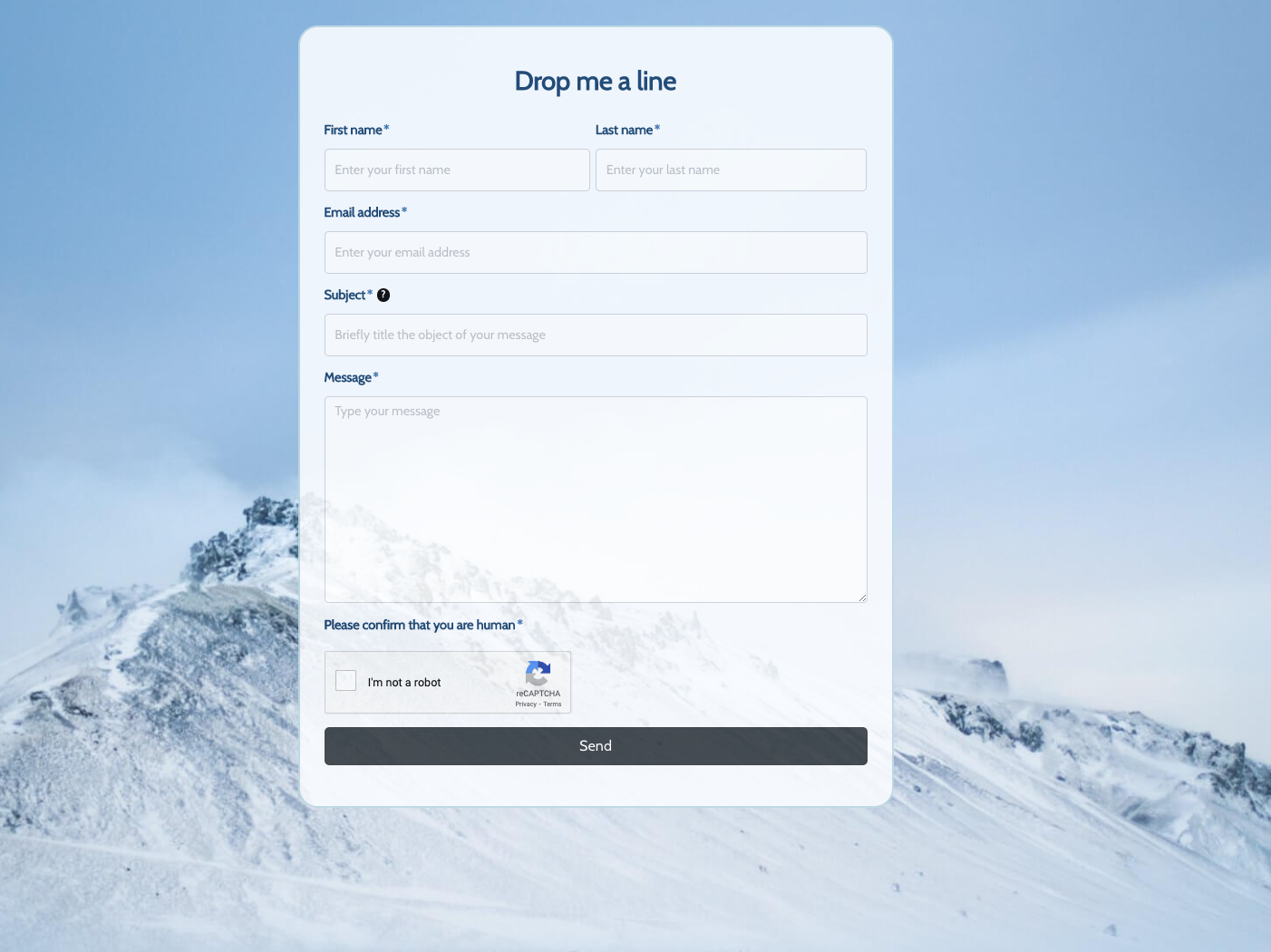 Drop me a line Form
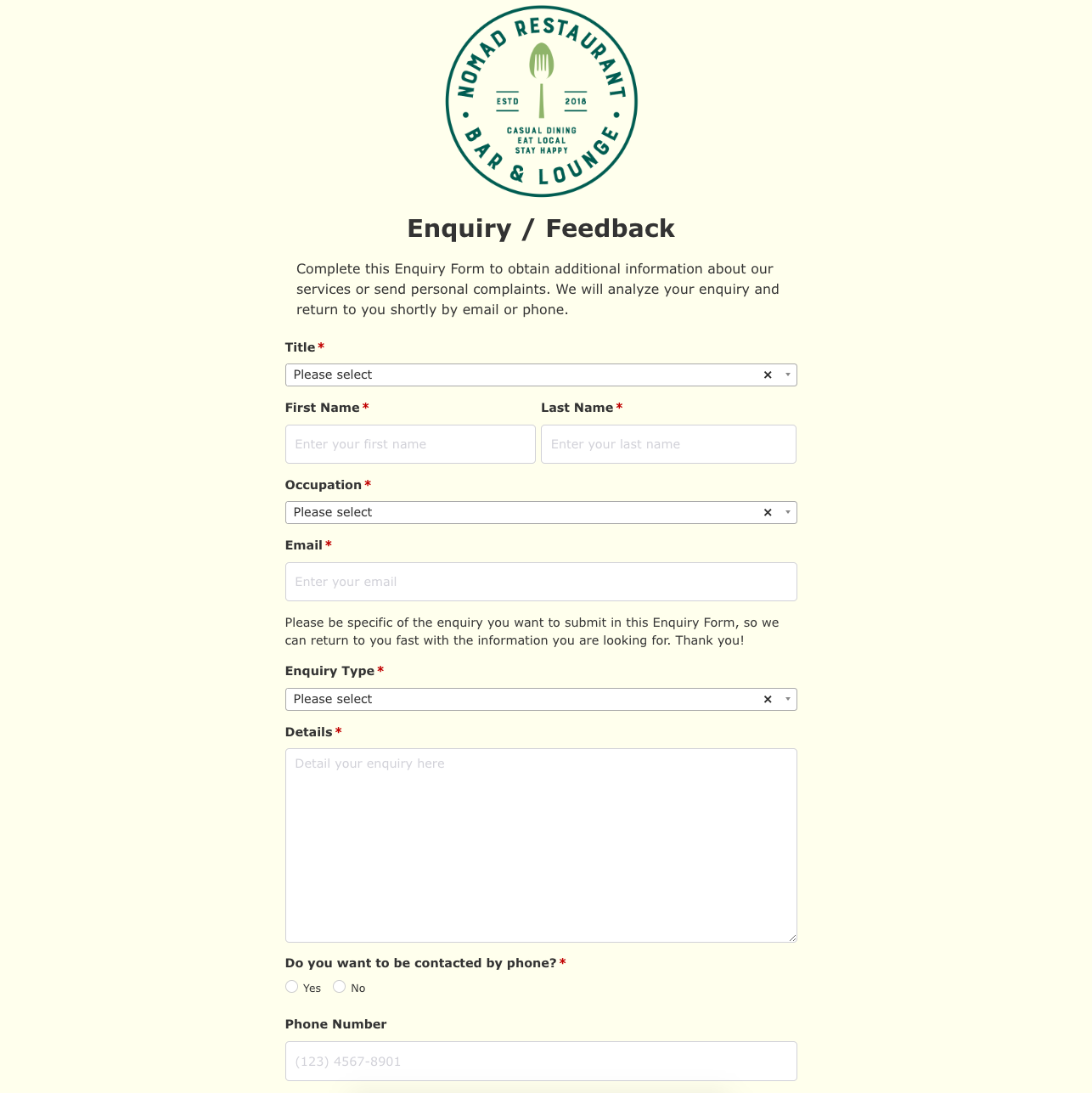 Enquiry / Feedback Form
 Got a question? Form
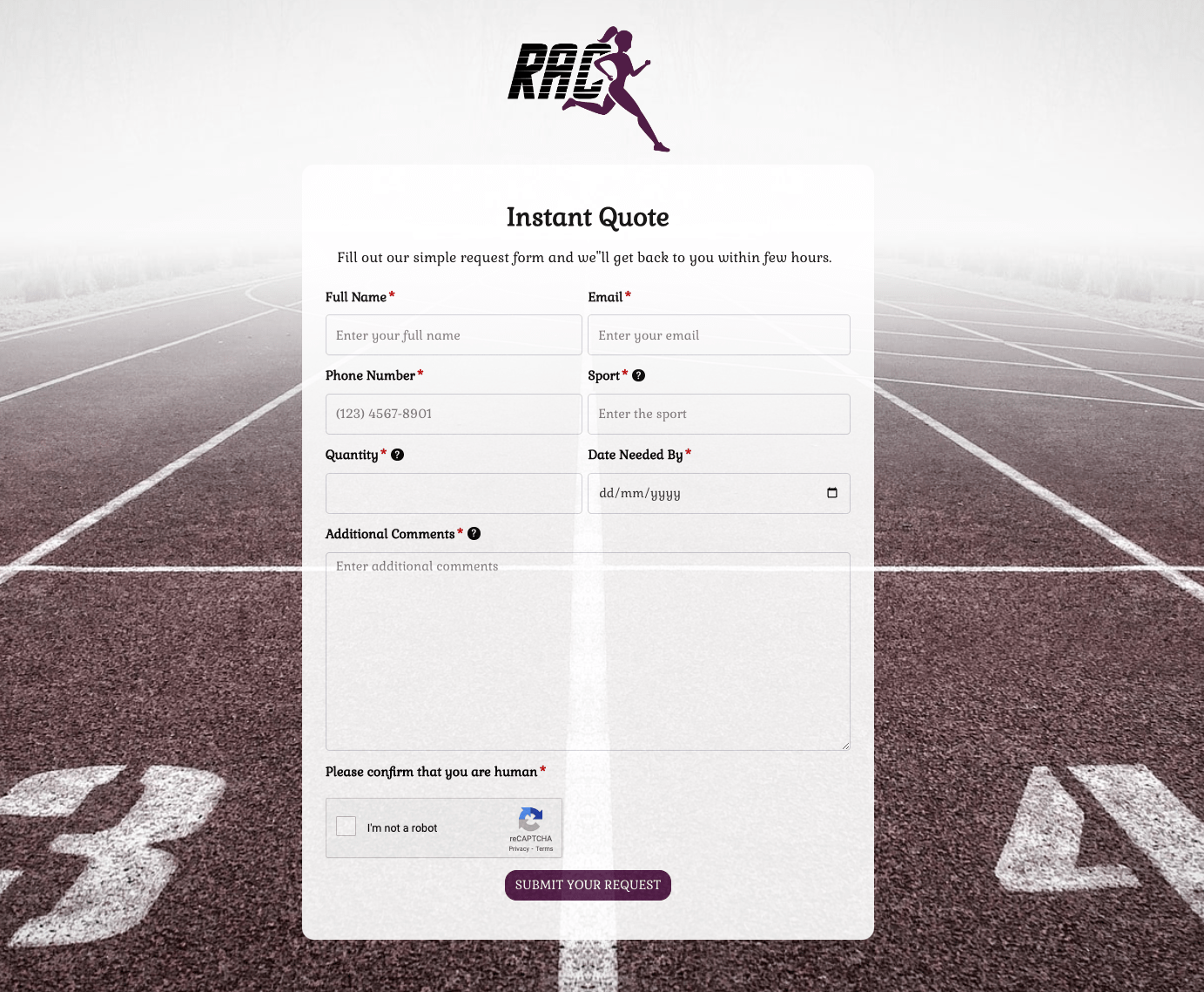 Instant Quote Form
 Job Application Form
 Language & Literacy Lab Form
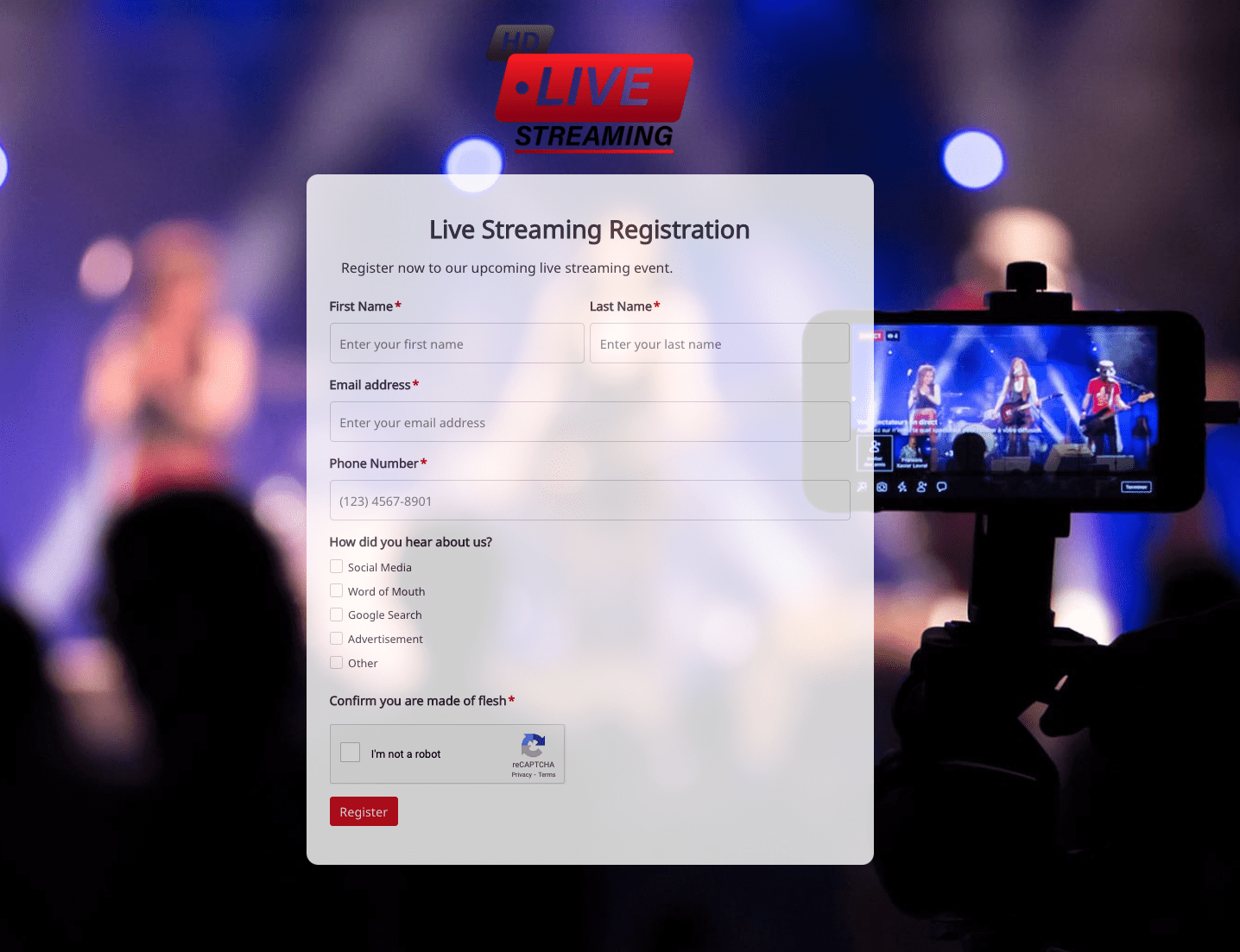 Live Streaming Registration Form
 More Information Form
 Order Exchange Form
 Party Box Order Form
 Pest Control Services Form
 Poll / Survey Form
 Receive Ebook Form
 Refinance Mortgage Form
 Remarks / Questions Form
 Report Driver Form
 Retreat Information Form
 Service Enquiry Form
 Skydiving Registration Form
 Spare Part Enquiry Form
 Staff Application Form
 Submission Form
 User Registration Form
 Website Under Construction Form
 Wedding Photographer Form
 Your Opinion Matters Form