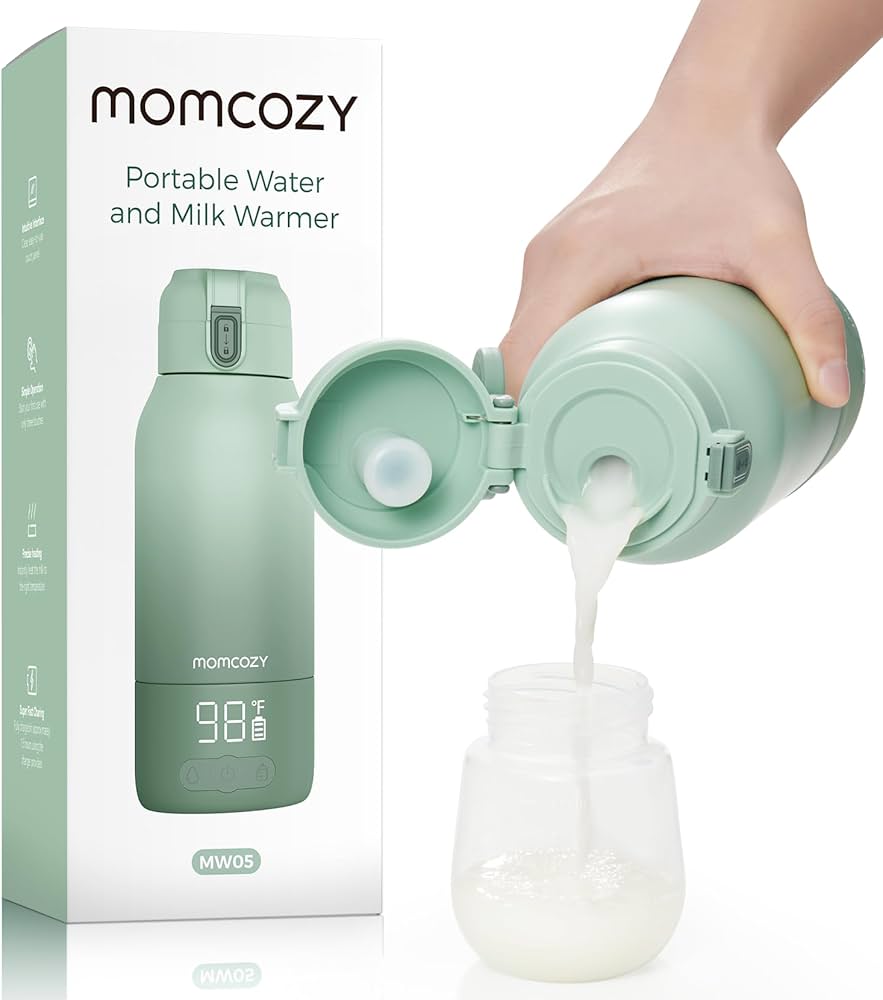
A reliable newborn bottle warmer can turn a 3 a.m. feed from a scramble into a repeatable routine. For breast milk, CDC guidance says warming should be indirect and gentle, and milk that is warmed or brought to room temperature should be used within 2 hours.
If you have ever paced the kitchen with a hungry baby in one arm and a half-open bottle in the other, you already know the problem: newborn feeding is time-sensitive, sleep-deprived work. A dependable warmer does not just heat milk; it shortens decision-making, reduces handling mistakes, and helps keep feeds predictable when parents are running on very little rest.
Why newborn feeding feels harder at night
Newborn feeding is not difficult because the steps are complicated. It is difficult because the steps happen when parents are least alert. Bottle temperature, milk type, sanitation, and timing all matter more when everyone in the house is tired and the baby is already upset.
CDC guidance is clear that breastfeeding is the safest feeding method in emergencies, and when expressed milk or formula is used, safe handling matters. Breast milk does not need to be warmed, but when parents choose to warm it, the process should be controlled. That is where a reliable bottle warmer becomes useful: it removes some of the guesswork from a moment when the risk of overheating, delays, or wasted milk is higher.
What “reliable” actually means in a bottle warmer
A good bottle warmer is not defined by a marketing promise like “fast” or “smart.” In practical terms, reliability means repeatable temperature control, compatibility with common bottle sizes, and a heating method that does not create hot spots.
Gentle heating matters for breast milk
CDC storage and preparation guidance recommends warming breast milk in a sealed container placed in warm water or held under warm running water. It specifically says not to heat breast milk in a microwave or directly on the stove. The reason is simple: uneven heat can overheat milk and create safety problems.
A useful warmer should therefore support indirect warming, not aggressive heating. For parents feeding expressed breast milk, the goal is “warm, not hot.” CDC’s childcare guidance says to test a few drops on the inside of the wrist right before feeding; if it feels hot on the wrist, it is too warm and should be cooled before use. That tactile check is a practical safeguard when a device does not show exact temperature.
Formula and mixed feeding need a different lens
For formula-fed babies, the workflow is different. CDC says ready-to-feed formula is the safest emergency option because it does not require water. Powdered formula is more demanding: it requires safe water, exact mixing, and careful cleaning of bottles and nipples after every use.
That means a bottle warmer is helpful, but it is not a substitute for safe formula preparation. If parents use powdered formula, the warmer should support the last step in the process, not distract from the earlier steps that matter most: clean tools, safe water, and correct mixing ratios.
The safety variables that matter most
When parents compare warmers, the most useful variables are not cosmetic. They are temperature control, heating method, cleanup burden, and how well the device fits the family’s feeding workflow.
1) Temperature control
The key safety variable is whether the warmer heats milk evenly and predictably. Breast milk does not need to be boiled, and CDC guidance keeps the warming method indirect for a reason. A workable home setup is one that warms to a comfortable feed temperature without overshooting into hot water territory.
Because CDC gives a wrist test rather than a numeric feed-ready threshold, the practical standard is tactile: the milk should feel warm, not hot. That makes consistency more valuable than peak speed.
2) Heating method
The best method is indirect heat. CDC’s accepted methods are warm water or warm running water with a sealed container. Microwave heating is excluded, and stovetop heating is excluded. In other words, a reliable warmer should behave more like a controlled water bath than a quick blast of heat.
This is especially important for breast milk, where parents often care about handling quality as much as convenience. A heater that can warm without creating hot spots gives parents more confidence during late-night feeds.
3) Cleanup and repeat use
Sleep-deprived parents do not need another gadget that creates more work. The more steps a warmer adds, the less useful it is at 2 a.m. Devices that are easy to rinse, easy to dry, and easy to reset are usually more sustainable than complex systems with multiple parts.
That matters because feeding safety is not just about heating. It is about the whole chain: washing hands, preparing milk safely, warming it gently, and discarding leftovers on time. For example, CDC says prepared powdered formula should be used within 2 hours of preparation and within 1 hour after feeding begins. Leftover breast milk after a feeding should be discarded after 2 hours.
How a bottle warmer reduces stress for exhausted parents
The strongest case for a bottle warmer is not that it is luxurious. It is that it removes friction from a repetitive, high-stakes routine.
Overnight feeds become more predictable
At night, even small delays feel bigger. A hungry baby escalates quickly, and the parent is often juggling diaper changes, burping, and feeding back-to-back. A reliable warmer reduces the number of decisions a parent has to make in the moment: how long to warm, whether it is too hot, and whether the milk needs another round.
That predictability is valuable because breast milk storage rules and formula timing rules already create enough mental load. CDC notes that breast milk can be stored in the refrigerator for up to 4 days, in the freezer for about 6 months for best quality and up to 12 months for safety, and at room temperature for up to 4 hours if freshly expressed. A good warmer fits into that system by making the final step easier, not by changing the rules.
It helps reduce wasted milk
Overheating or over-warming can waste milk, and wasted milk is frustrating at any hour. Parents also need to follow discard rules: warmed or room-temperature breast milk should be used within 2 hours, and thawed milk should not be refrozen. If the warmer is inconsistent, parents may be tempted to rewarm, which increases handling and raises the chance of discarding milk unnecessarily.
A dependable warmer helps keep the feed moving forward once the bottle is ready. That is a small thing on paper, but a big thing in a house where sleep is already scarce.
Is a bottle warmer useful for travel and caregiving handoffs?
Yes, but only if the setup stays simple. The more a family relies on other caregivers, errands, or time away from home, the more useful a warming routine becomes. The priority shifts from speed to portability and ease of use.
Travel-friendly feeding is about preparation, not improvisation
CDC guidance during emergencies favors ready-to-feed formula because it does not require water and comes in single-use containers. For expressed breast milk, disposable cups can be useful when bottles or nipples are hard to clean safely. Hand expression is also a practical fallback when pumps cannot be used.
That means travel-friendly feeding works best when the family plans for the constraints ahead of time. A bottle warmer can support that plan, but it should not become the only plan. Parents also need backup options: insulated storage for milk, safe containers, and a way to feed without relying on a full kitchen setup.
Caregivers need a simple protocol
A reliable bottle warmer is especially helpful when grandparents, babysitters, or daycare staff need to follow the same steps repeatedly. Simplicity reduces variation. And variation is where mistakes happen: milk too hot, milk warmed too long, or leftover milk kept too late.
CDC also notes that bottle nipples, pacifiers, and other hard-to-clean items can grow germs if not cleaned well, and if they contact floodwater they should be thrown out. That broader hygiene principle matters even outside emergencies: the best feeder setup is the one adults can execute consistently.
Practical rules for safer warming at home
The safest warming routine is simple, repeatable, and easy to hand off.
Breast milk warming checklist
-
Wash hands before handling milk.
-
Warm milk indirectly in a sealed container.
-
Use warm water or warm running water, not a microwave or stove.
-
Test a few drops on the inside of the wrist right before feeding.
-
If it feels hot, cool it before offering the bottle.
-
Use warmed milk within 2 hours.
Formula warming and preparation checklist
-
Use ready-to-feed formula when possible for the simplest emergency-safe option.
-
If using powdered formula, mix it only with safe water.
-
Follow the exact water and scoop measurements on the container.
-
Clean feeding supplies carefully after each use.
-
Discard prepared powdered formula according to timing guidance: within 2 hours of preparation and within 1 hour after feeding begins.
These are not just technicalities. They are the difference between a feed that is calm and one that turns into a cleanup problem at the worst possible time.
Key Takeaways
A reliable newborn bottle warmer is worth it because it simplifies one of the most frequent, exhausting tasks in early parenthood: getting milk to the right temperature without adding stress.
The safest warming approach is indirect heat, especially for breast milk. CDC guidance says milk should be warmed gently in a sealed container with warm water or warm running water, never in a microwave or directly on the stove, and it should feel warm, not hot before feeding.
For sleep-deprived parents, the best bottle warmer is not the fanciest one. It is the one that is consistent, easy to clean, compatible with your bottles, and simple enough to use in the middle of the night without thinking twice.
 Access Request Form
 Afterparty RSVP Form
 Band Discovery Form
 Book a room Form
 Booking Enquiries Form
 Brochure Mailing Form
 Buy a Home Form
 Catalog Request Form
 Coach Lines Quote Form
 Contact Us Form
 Credit Application Form
 Drop me a line Form
 Enquiry / Feedback Form
 Got a question? Form
 Instant Quote Form
 Job Application Form
 Language & Literacy Lab Form
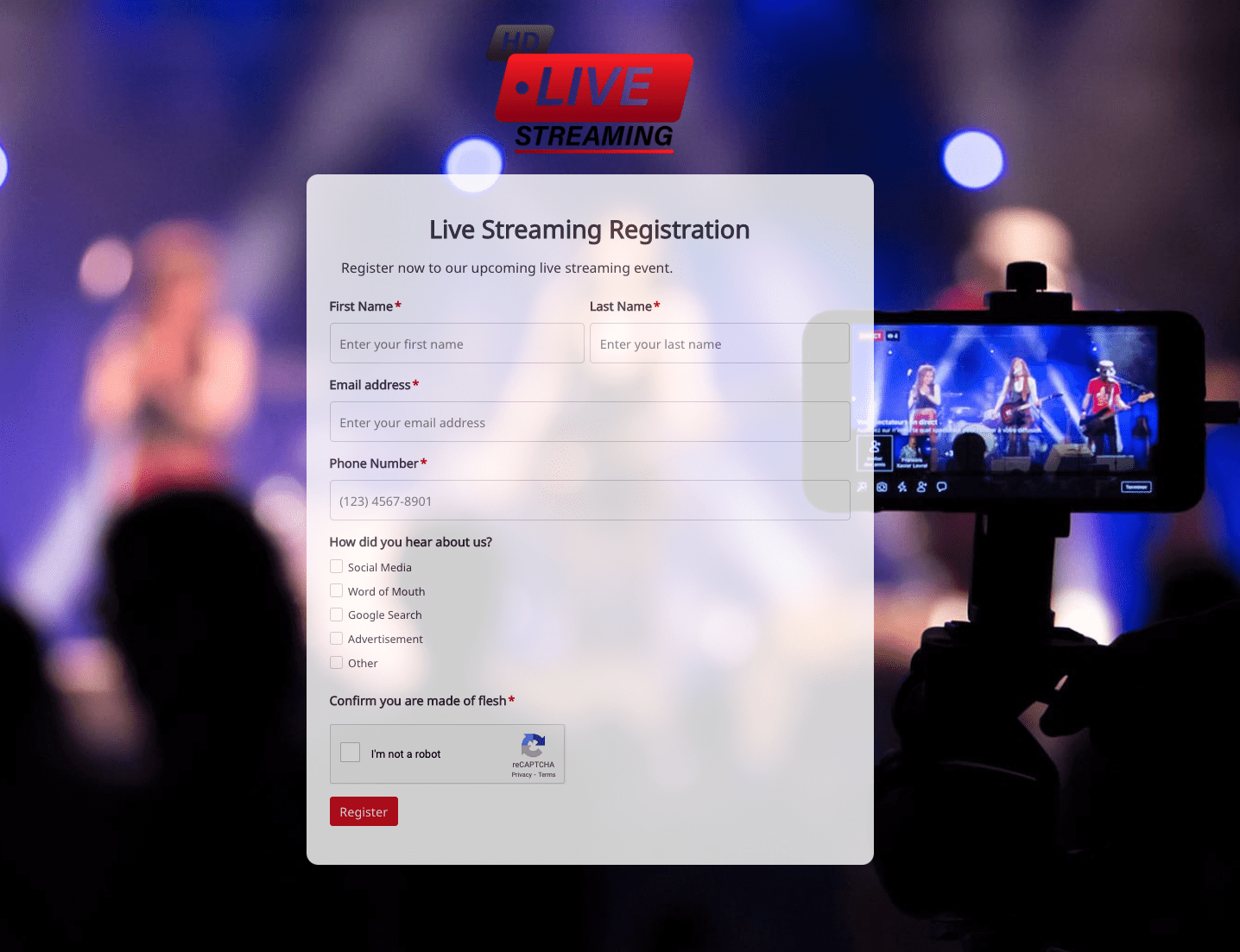 Live Streaming Registration Form
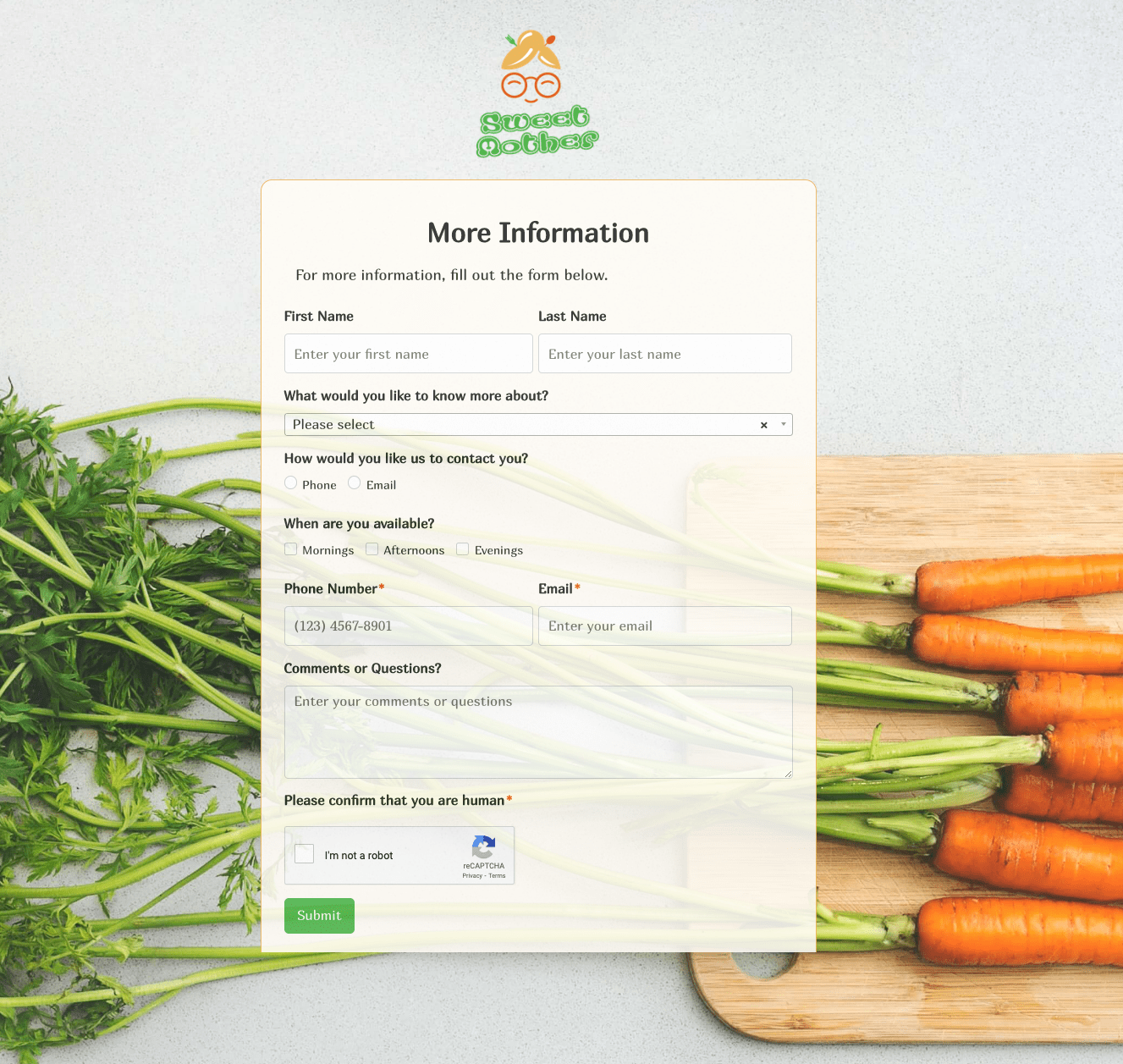 More Information Form
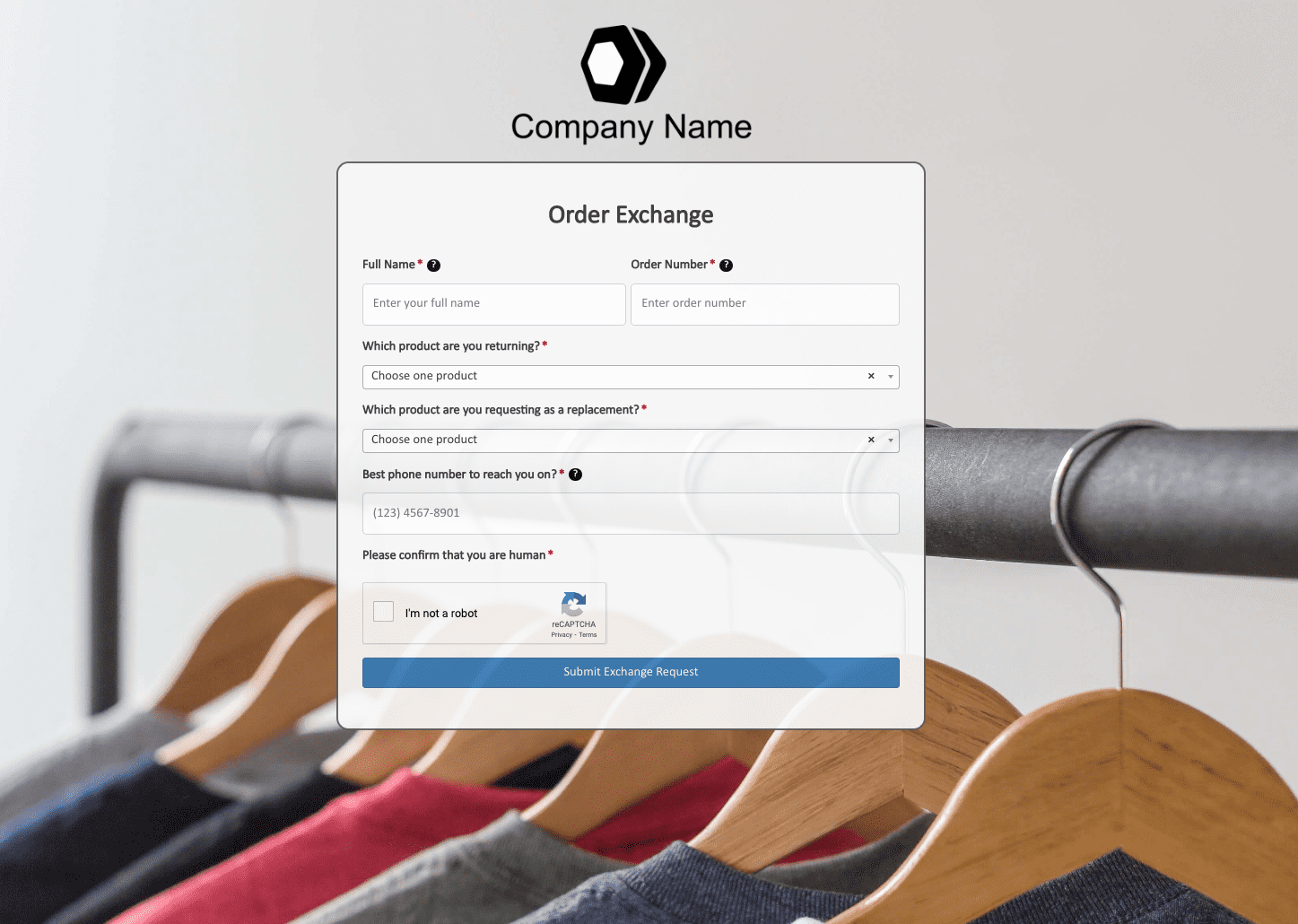 Order Exchange Form
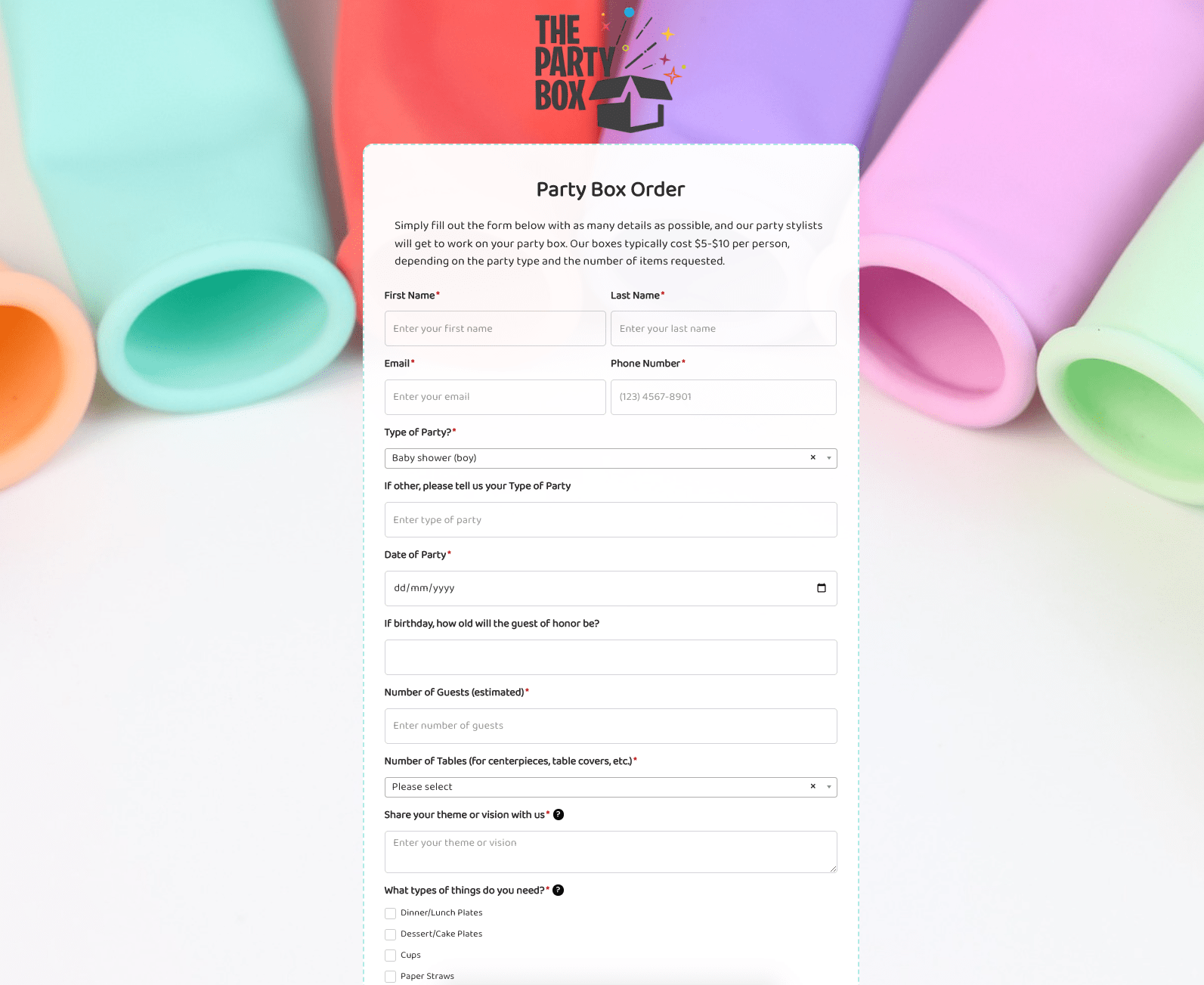 Party Box Order Form
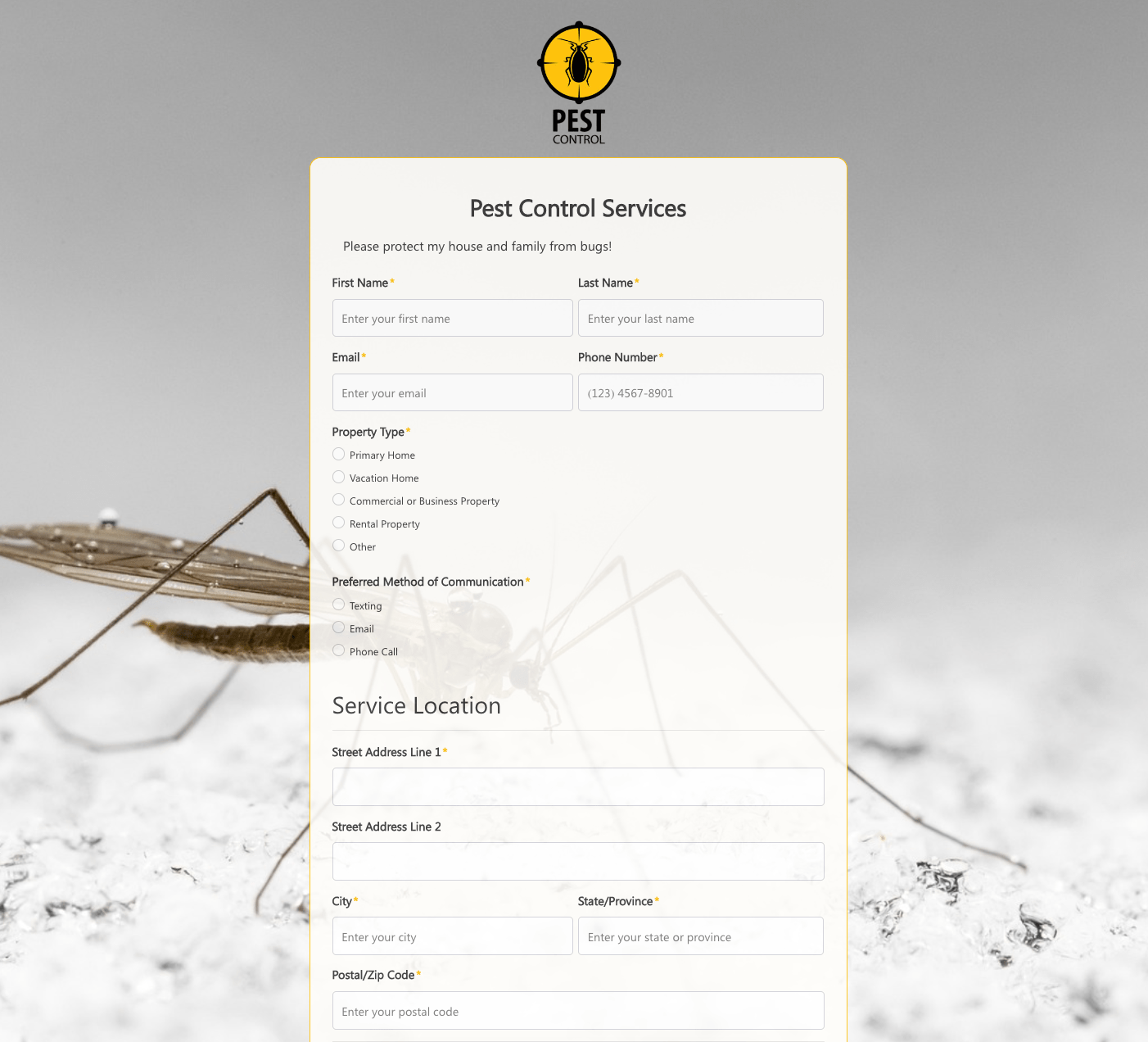 Pest Control Services Form
 Poll / Survey Form
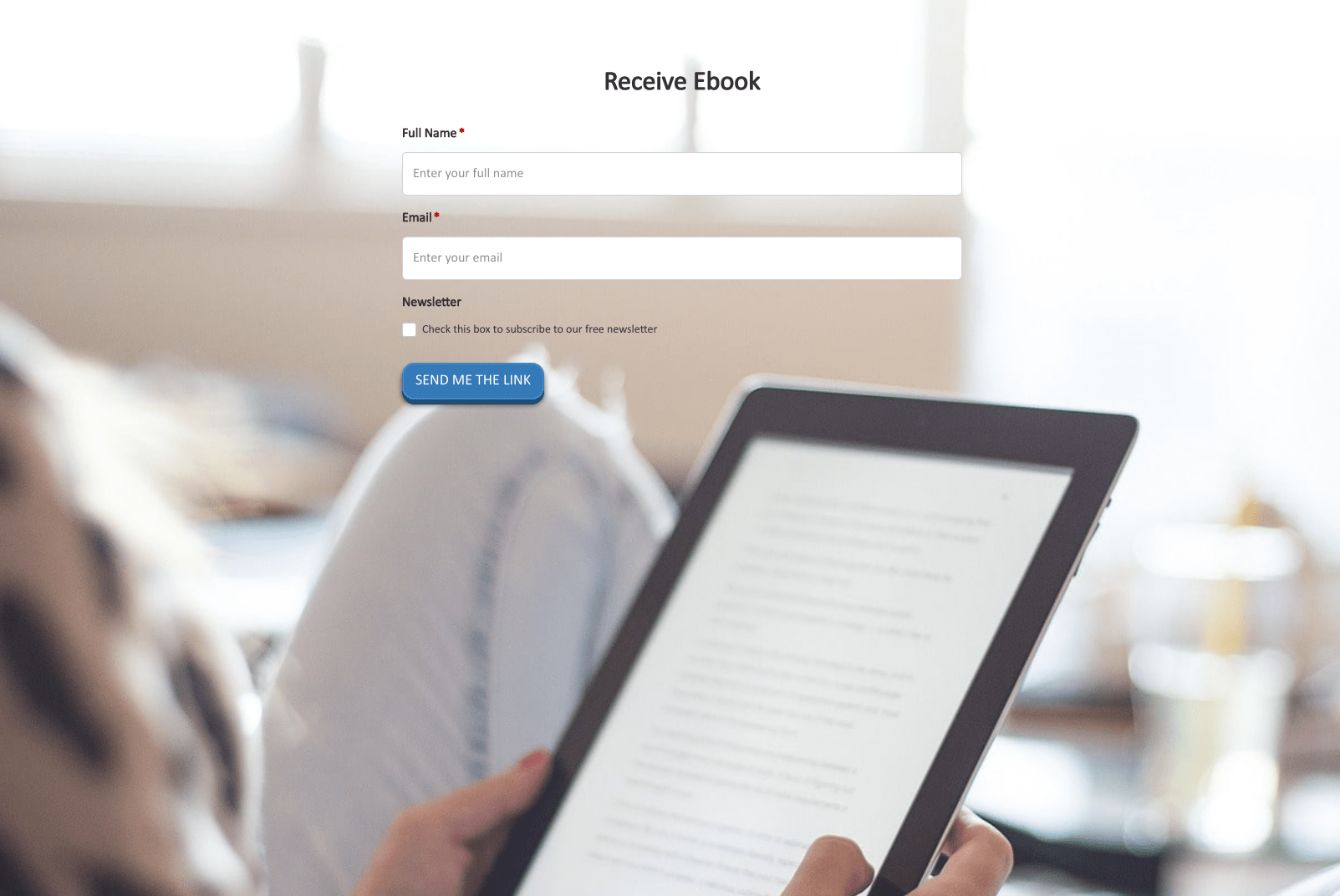 Receive Ebook Form
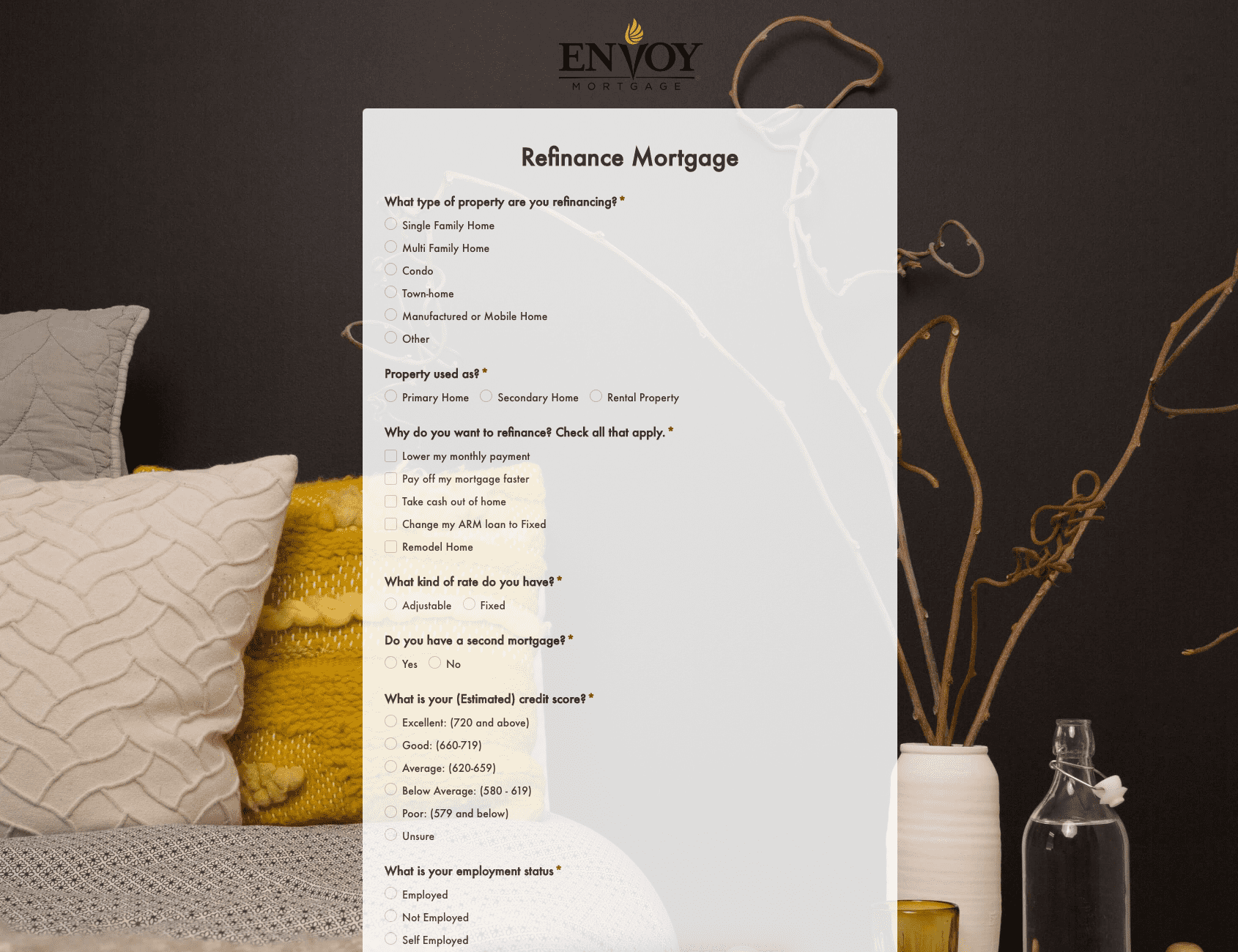 Refinance Mortgage Form
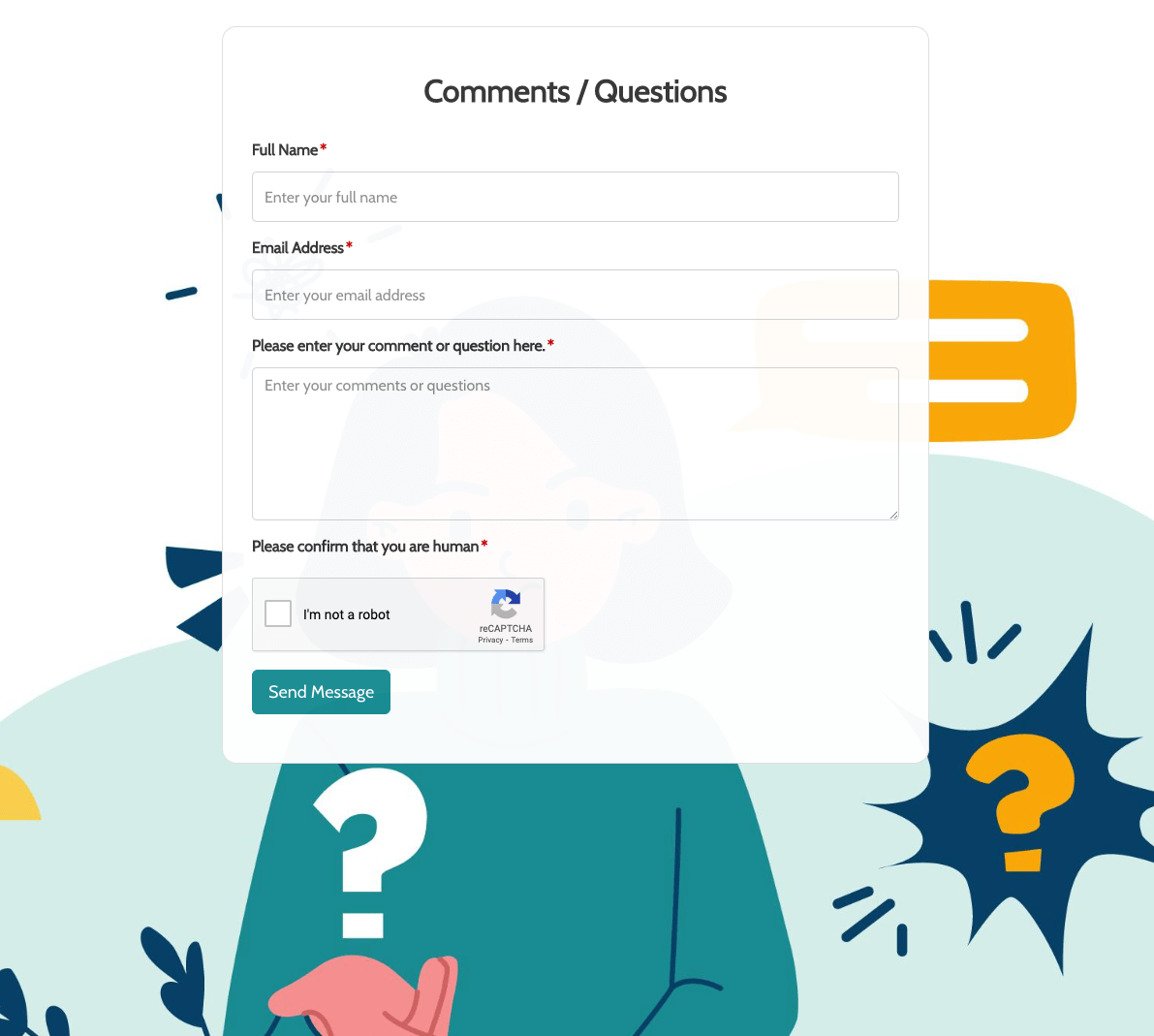 Remarks / Questions Form
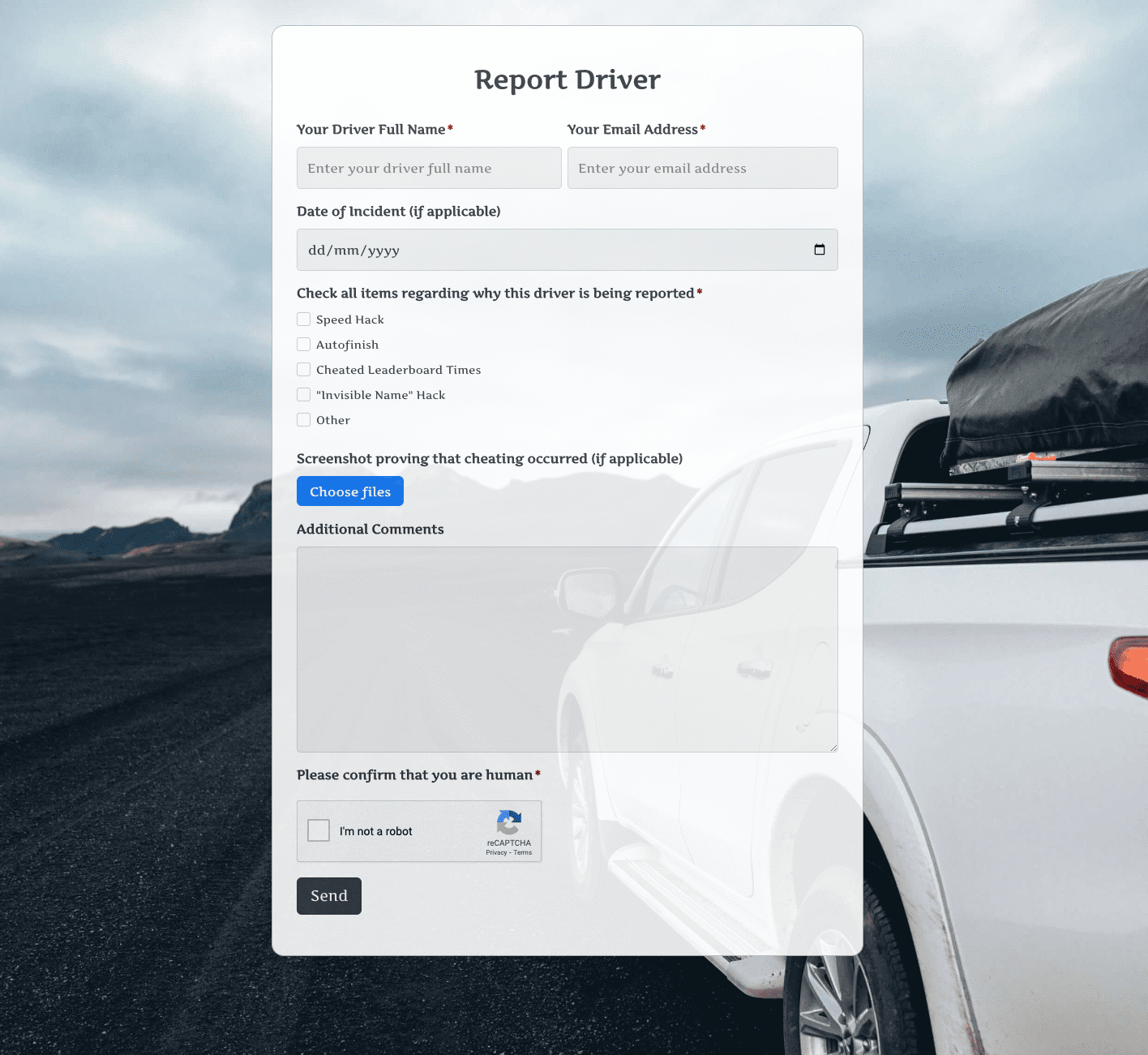 Report Driver Form
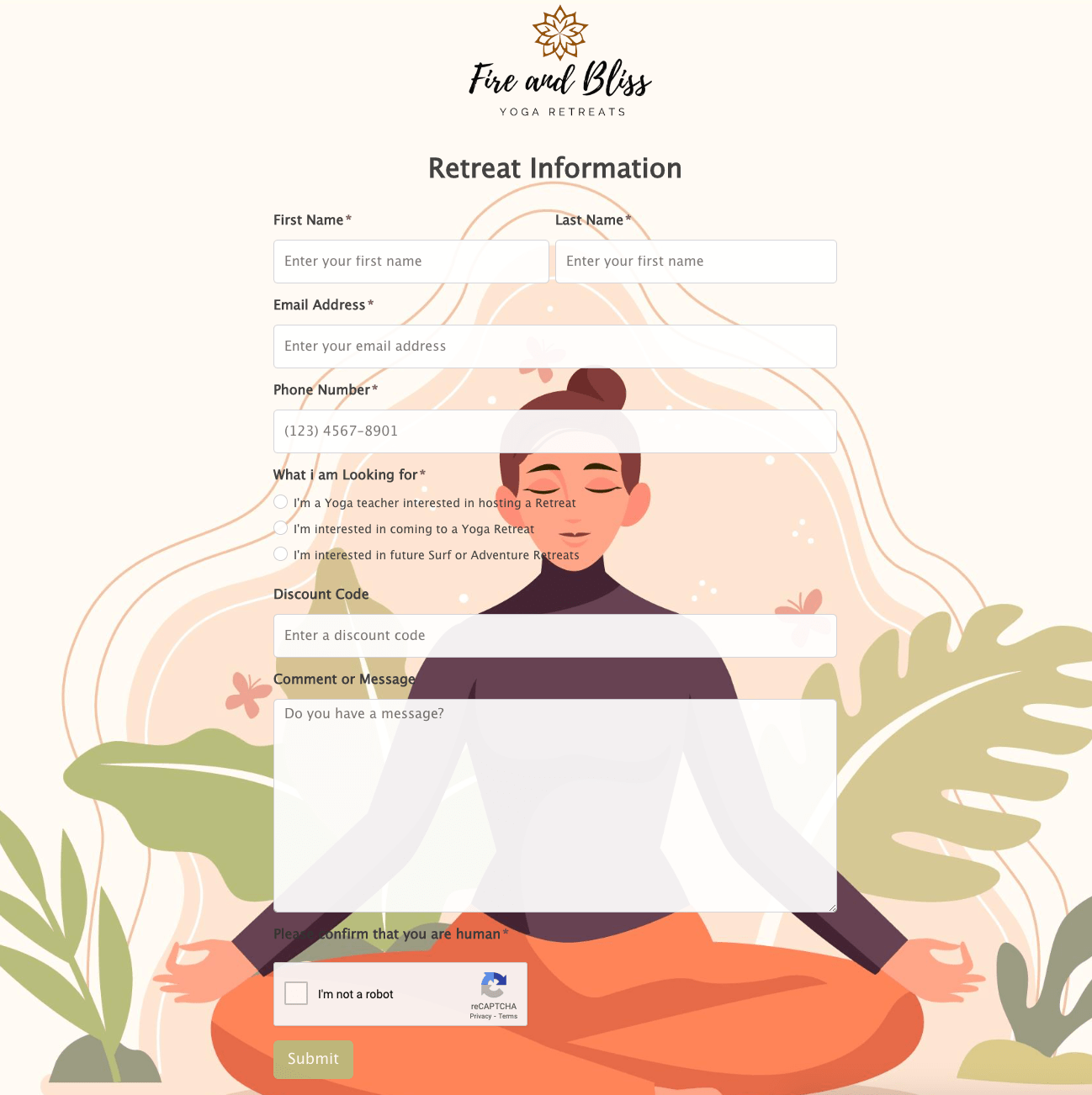 Retreat Information Form
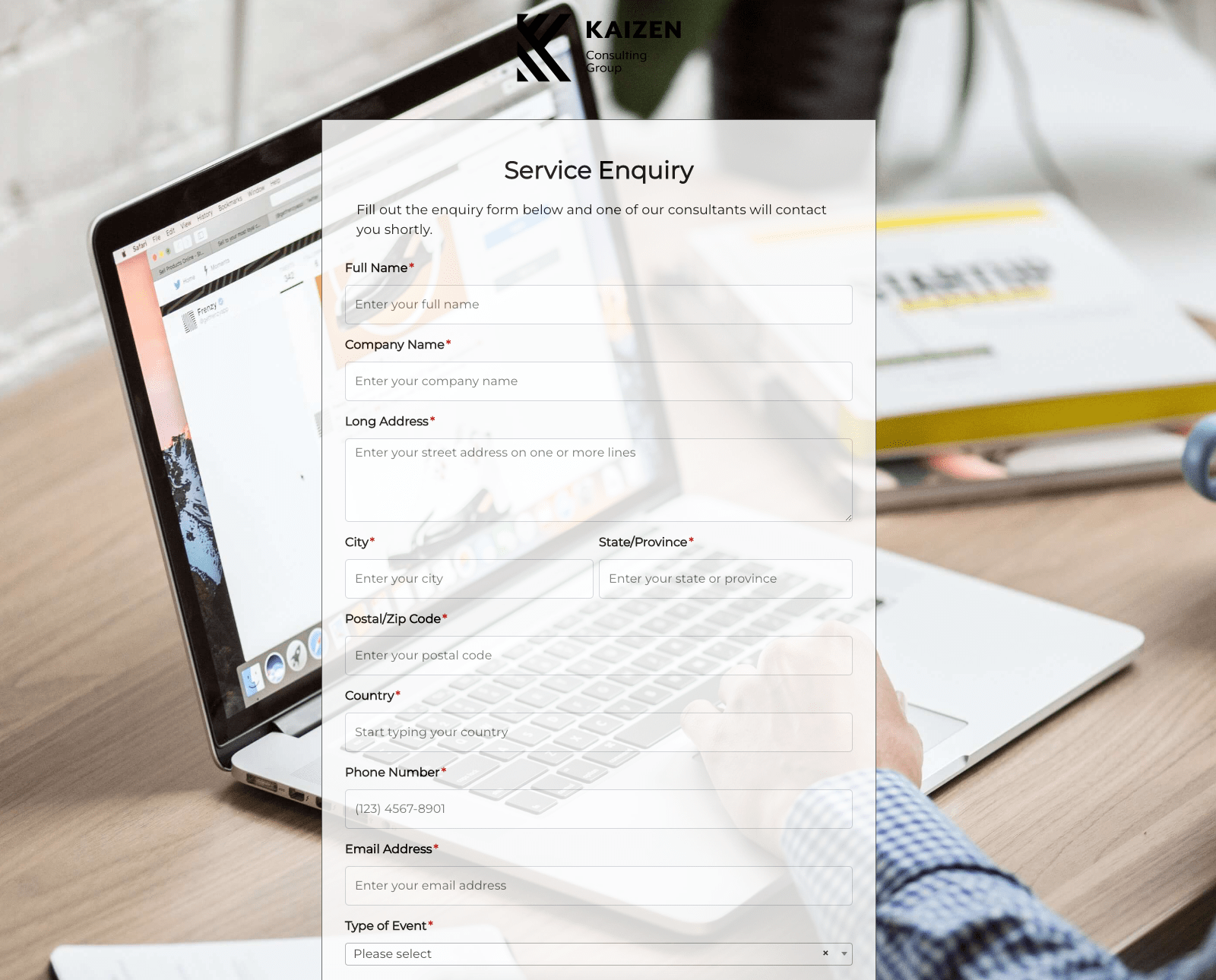 Service Enquiry Form
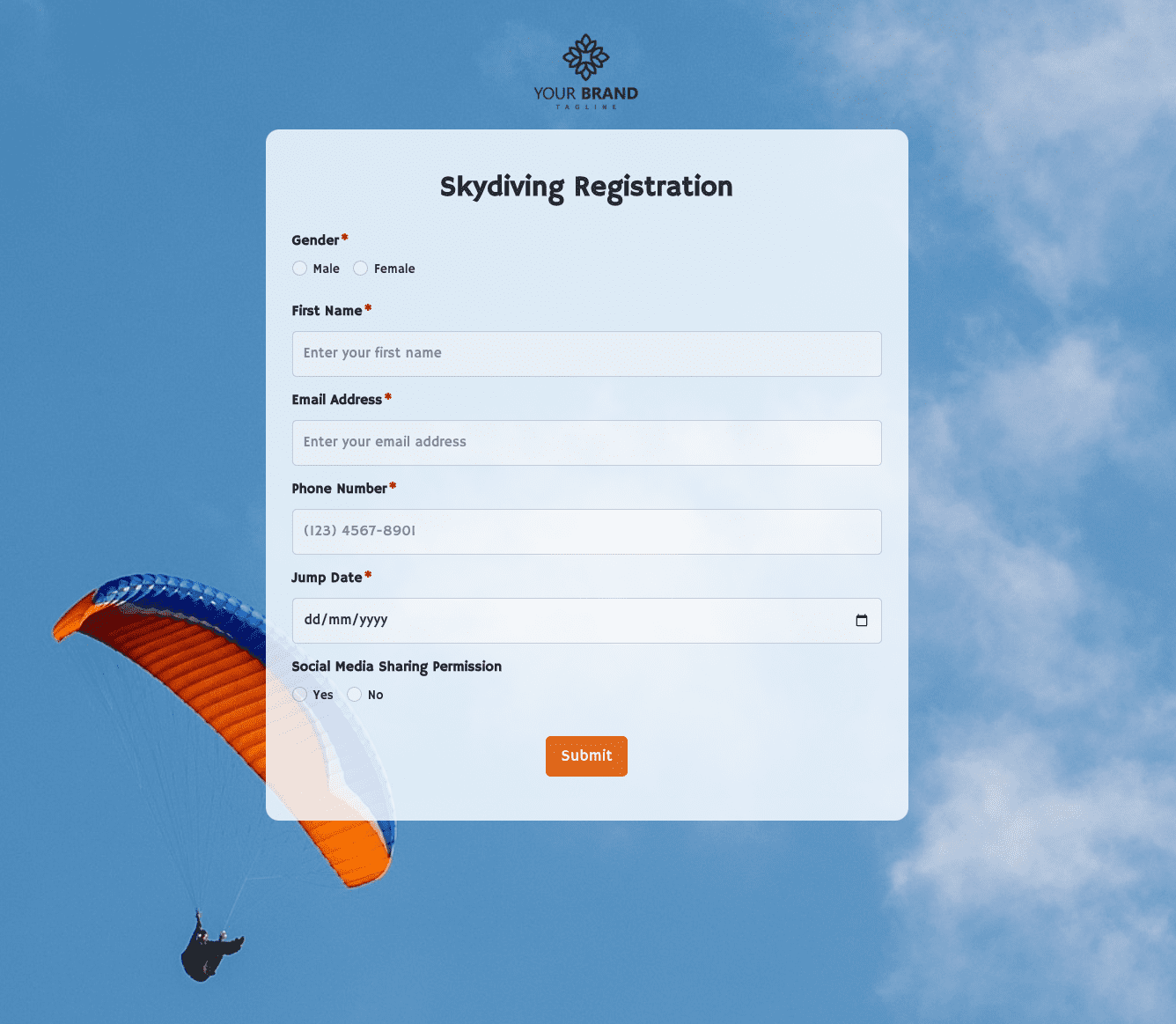 Skydiving Registration Form
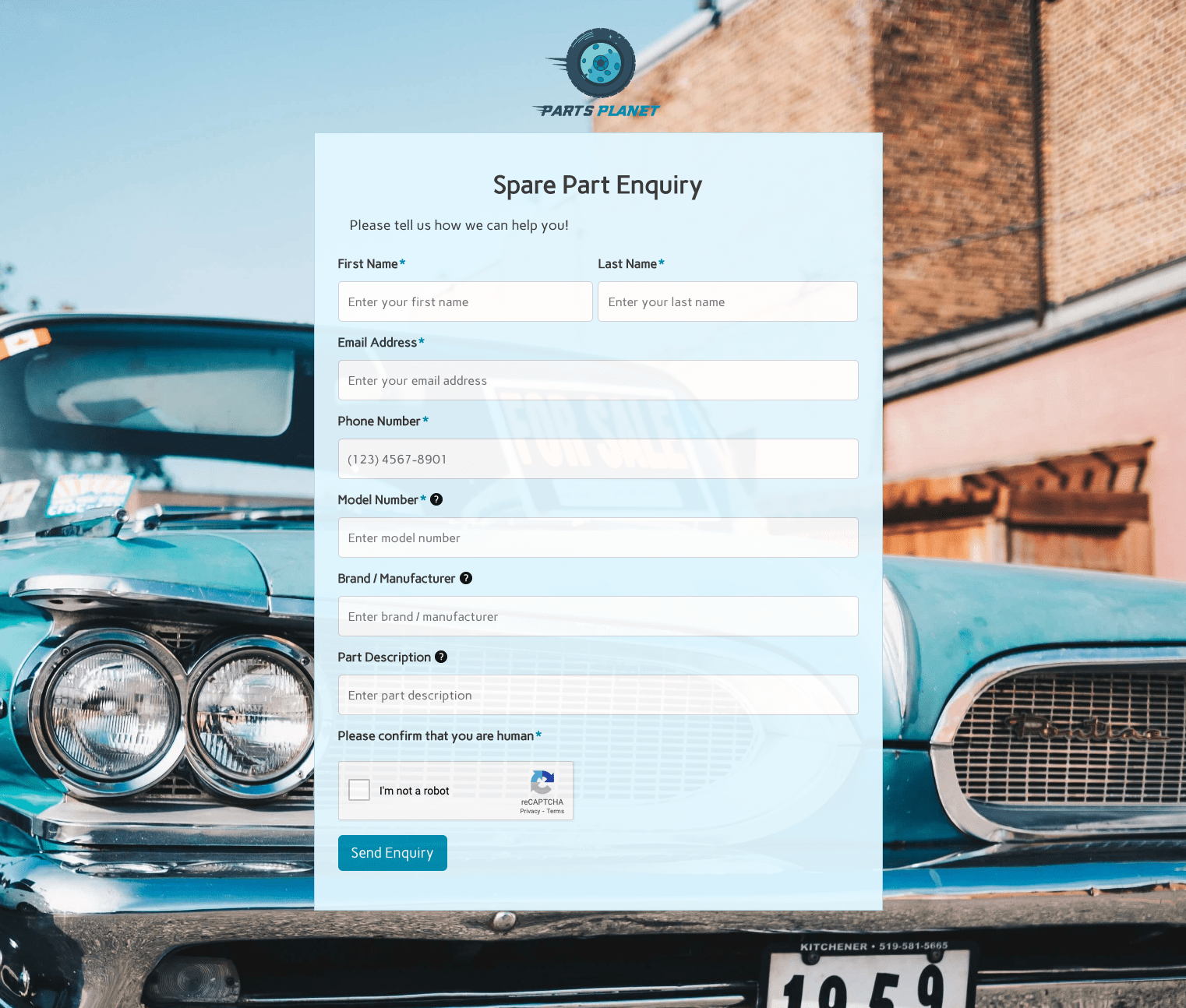 Spare Part Enquiry Form
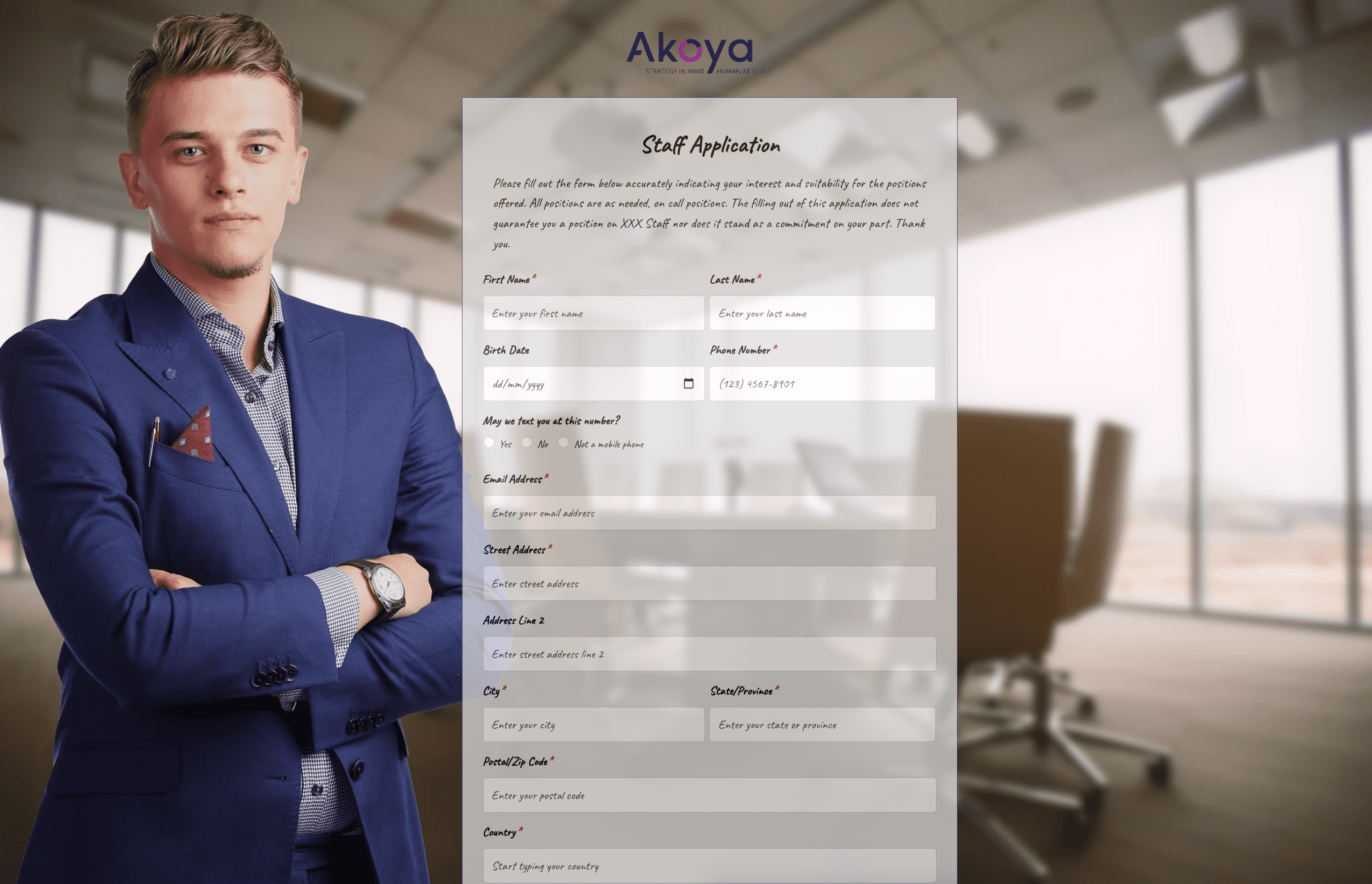 Staff Application Form
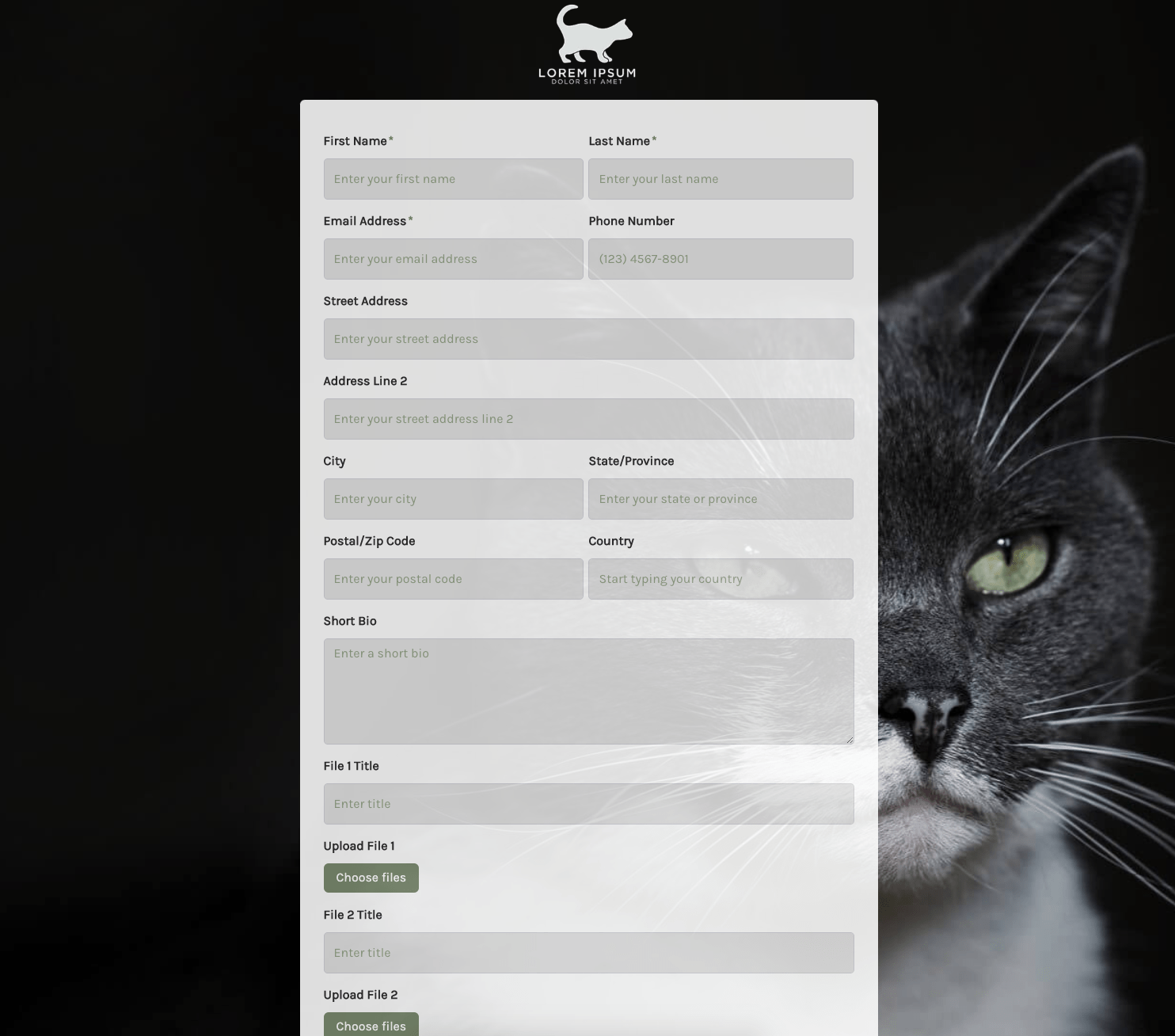 Submission Form
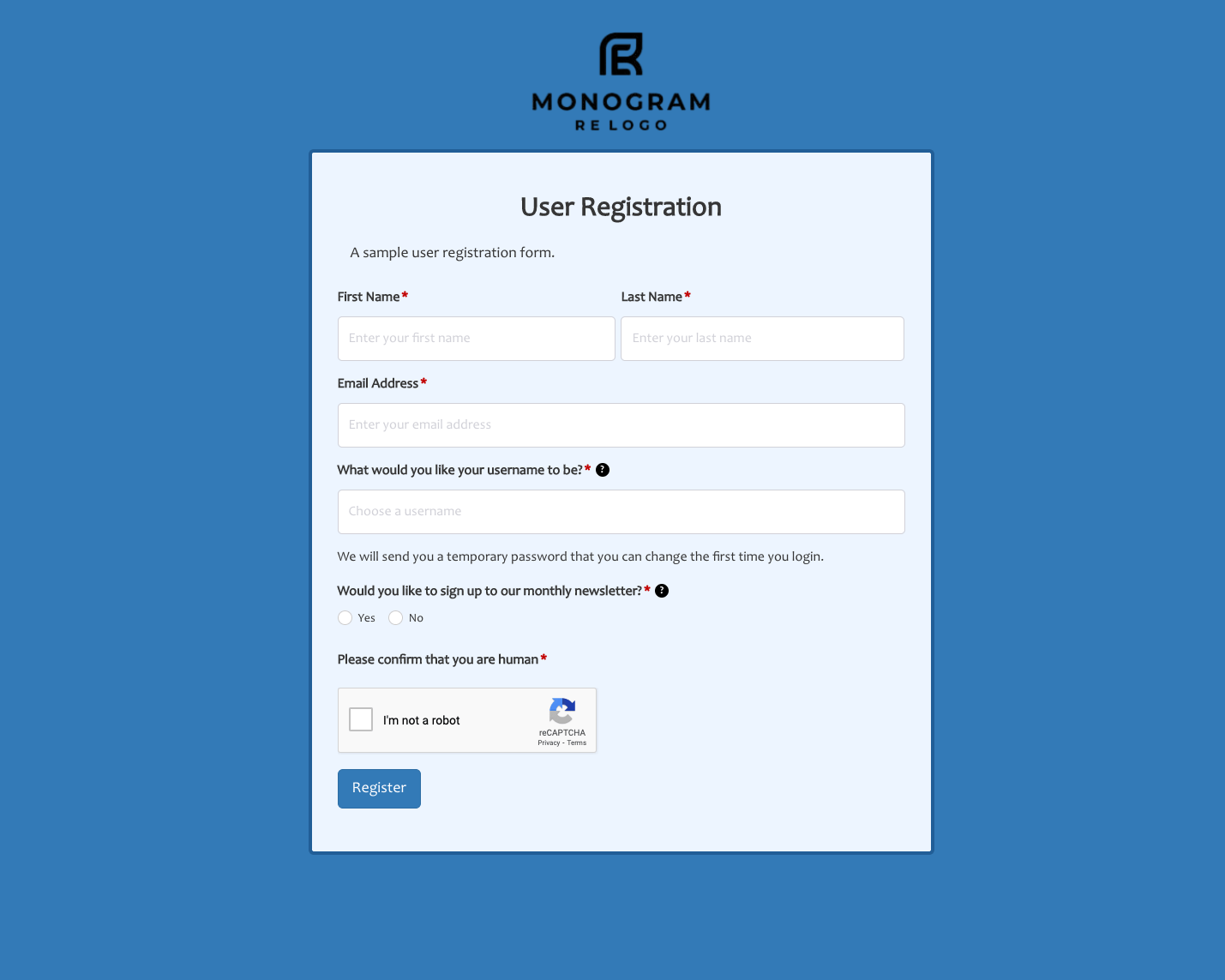 User Registration Form
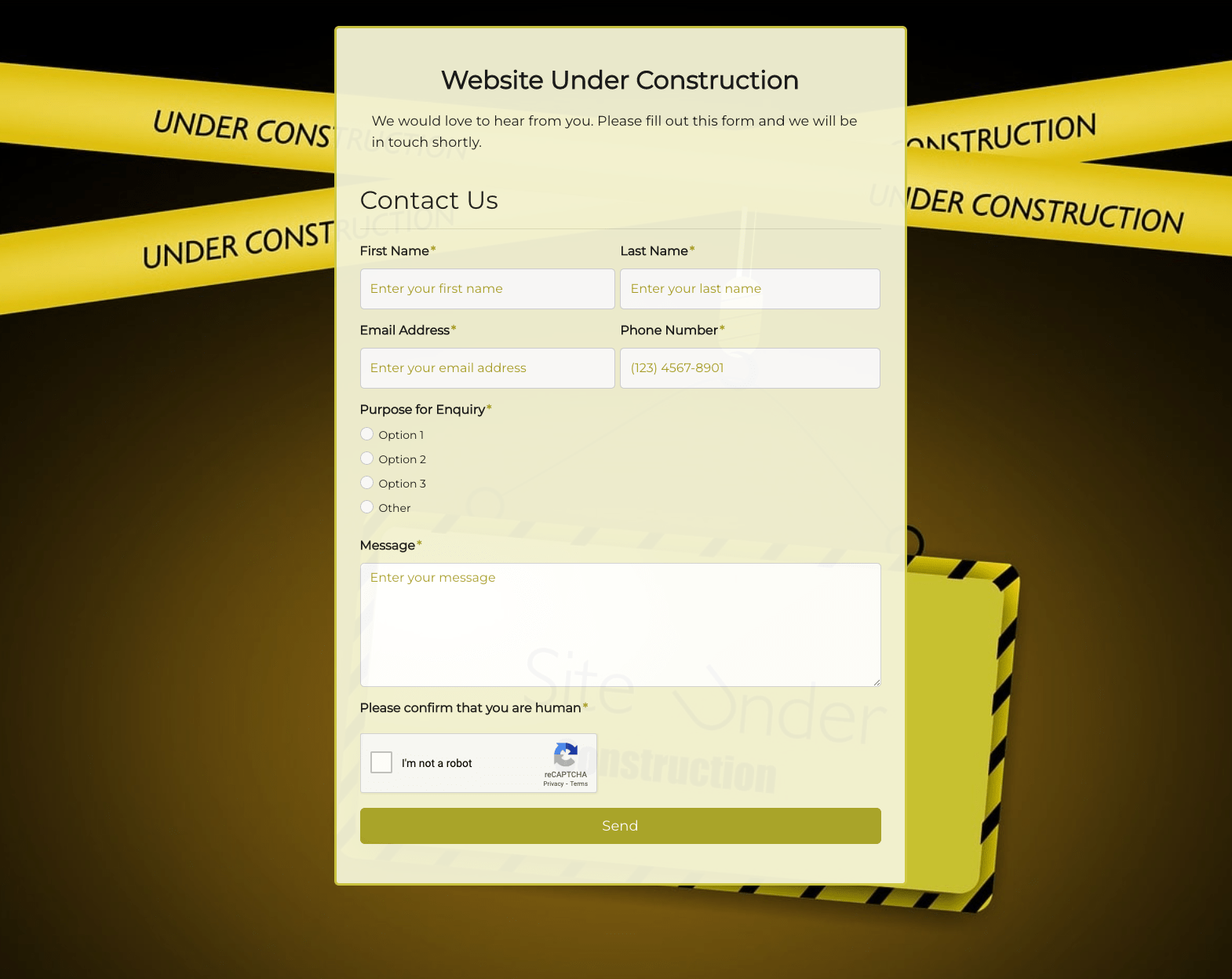 Website Under Construction Form
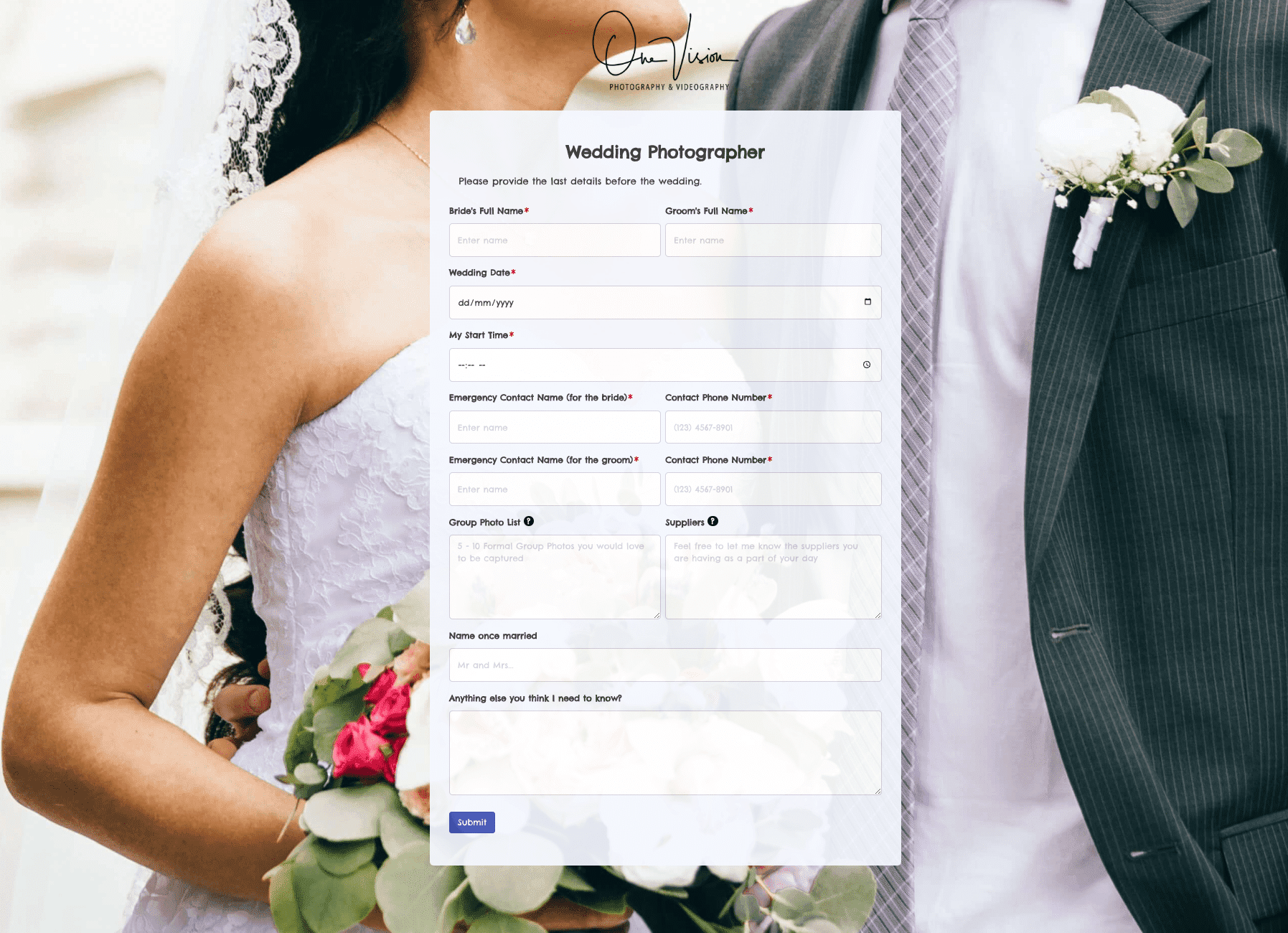 Wedding Photographer Form
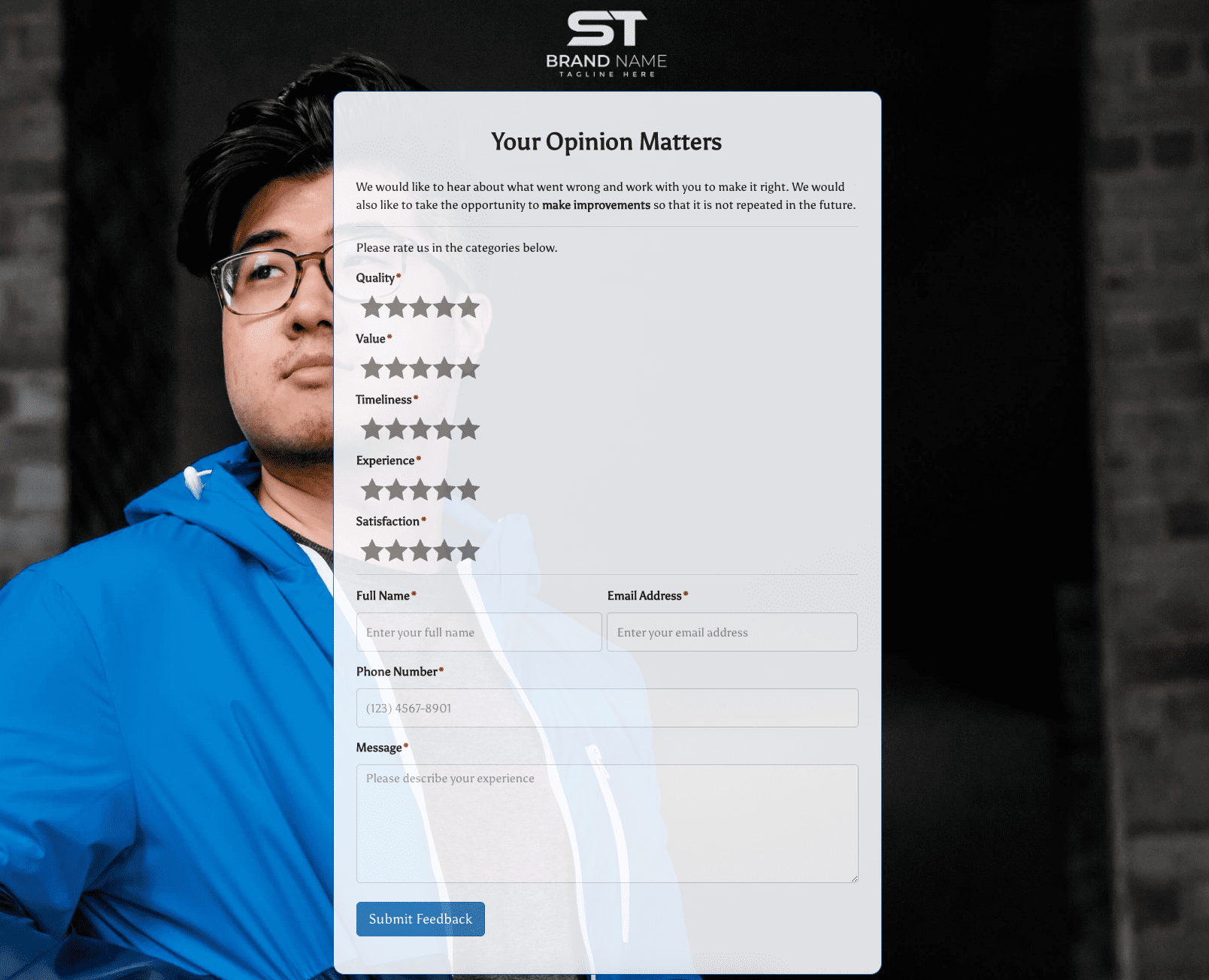 Your Opinion Matters Form