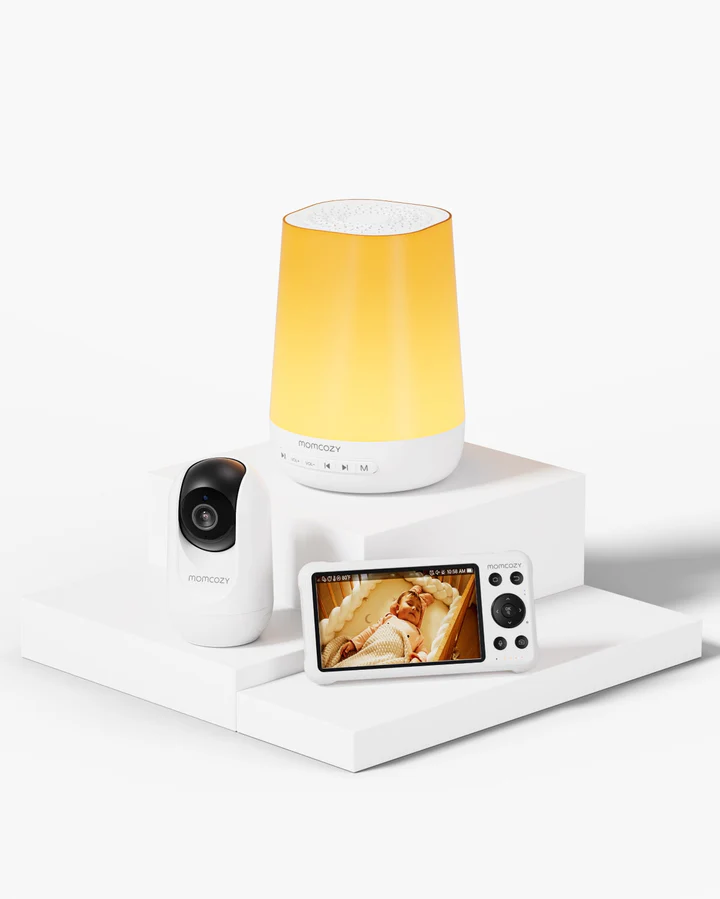
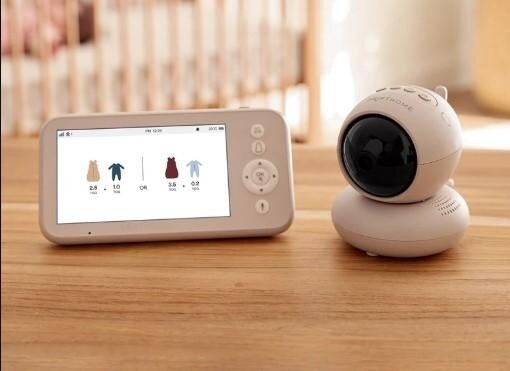
Shared caregiving often fails on small details: different volumes, different textures, different stop rules. A reliable Momcozy white noise machine can keep the same soft backdrop across shifts when everyone follows the same written settings.
Why Consistency Beats Louder Settings
Continuous sound masks door slams and hallway talk. It does not replace safe sleep surfaces, feeding plans, or clinician advice. Some babies prefer quieter rooms; others startle easily. Observe for a few nights before treating any device as essential.
Write preferred sound, max volume, timer length, and placement distance on one page. Hand that note with the device so partners and grandparents do not invent new rules at 2 a.m.
Safety Checklist
-
Keep volume near a quiet conversation (~50 dB or lower).
-
Place the unit several feet from the crib—never inside it.
-
Use timers when possible so overnight exposure is intentional.
-
Keep the sleep space flat, firm, and free of loose bedding.
Escalate for labored breathing, poor feeding, unusual lethargy, or age-specific fever concerns. Home sound routines support comfort; they are not medical treatment.
Choosing Features for Real Nights
App control helps when multiple adults share nights and want fewer door openings. Portable designs travel better. Soft night light helps midnight changes without bright overhead glare.
Parents comparing app-managed options often review sound libraries, timers, and light controls together. The Smart Baby Sound Machine - App Remote Control sits in that category—judge it by whether remote control and setup complexity fit your household, not by feature count alone.
A Handoff-Friendly Routine
-
Start the same short wind-down cues each evening.
-
Begin sound at a low level before placing baby down.
-
Confirm distance and volume once, then leave calmly.
-
Change settings remotely only when needed.
-
Update the caregiver note after any lasting change.
Daytime naps work better with the same sound family across rooms. Before travel, test volume in the new space and pack the charging cable with the unit.
Common Mistakes
Raising volume with every fuss risks unsafe levels. Switching textures nightly removes the cue. Treating the machine as the only sleep strategy while ignoring wake windows usually disappoints.
If sleep worsens, change one variable: lower volume, shorter timer, or earlier bedtime. Stronger settings rarely fix overtired evenings. Track changes so partners do not undo progress on the next shift.
Tapering and Expectations
As sleep skills grow, many families shorten overnight use with timers and gradual volume reduction. Illness, teething, and travel may bring the machine back temporarily. There is no fixed stop date.
Steady sound supports comfort; it does not erase normal night wakings. Pair it with partner rotation, realistic schedules, and clinician contacts for nights that feel medical rather than merely noisy.
Start comparisons from your hardest nights—light sleepers, shared caregiving, or frequent travel—then shortlist only features that solve those nights. A simple setup you actually use beats a complex system nobody remembers at 2 a.m.
Protect adult rest too. Agree who handles the next waking, keep water nearby, and treat the machine as one piece of a broader safer-sleep plan.
Guests and schedule shifts will test any routine. Recheck volume and placement after each change. Small adjustments plus shared stop rules usually outperform last-minute gadget upgrades.
Walk helpers through the note once: never raise volume past the marked setting, never move the unit closer to the crib, and call before experimenting with new sounds. Consistency across caregivers matters as much as the device.
Review monthly. Batteries age, apps change, and babies outgrow old cues. A quick check keeps the habit aligned with the family you have now.
During viral season, ask which symptoms need same-day attention. A calm home routine covers ordinary nights; professional guidance covers the rest. Preparation—charged device, written settings, shared stop rules—turns chaotic evenings into shorter checklists.
If one approach fails, change one variable and wait a few nights before stacking more changes. Patience and consistency usually beat louder volume when everyone is exhausted. Over time, most households find a quieter rhythm: not perfect sleep, but more predictable nights.
Practice the setup on a calmer afternoon when you can. Confirm placement distance, test the lowest comfortable volume, and make sure every caregiver can start and stop the device without a tutorial. That rehearsal pays off on the hardest nights of the season.
Travel days deserve a mini-plan: place the unit early, measure volume in the new room, and agree who handles the first waking. Hotels sound different from home; five minutes before dinner beats improvising after a late feed.
Build habits before peak exhaustion if you can. Confirm tip-free placement for the sound unit, test the lowest comfortable volume, and make sure every caregiver knows the stop rules. Preparation turns midnight chaos into a short checklist instead of a scavenger hunt through cables and forgotten settings.
Common pitfalls include skipping the distance check, treating every whimper as a reason to raise volume, and assuming one perfect sound works for every developmental stage. Learn your baby’s baseline so ordinary night noises do not trigger constant tinkering. When symptoms look medical—hard breathing, poor intake, unusual color—pause home experiments and seek guidance promptly.
During cold and flu season, ask your care team which red flags warrant same-day visits. A clarifying call often prevents both unnecessary panic and dangerous delays, while a calm home routine covers ordinary nights. Keep feeding supplies and clinician numbers near the sound machine so overnight decisions stay simpler.
If one approach fails, change one variable at a time—more wind-down time, a softer texture, or a lower volume—rather than stacking every feature overnight. Consistency and patience usually outperform louder settings when everyone is exhausted. Track patterns for a week and you will often see which evenings need earlier bedtime more than a different gadget.
Finally, protect caregiver sleep with the same seriousness you give infant sleep. Rotate night duty when you can and keep the plan simple enough that tired adults can follow it without debate in a dark hallway.
 Access Request Form
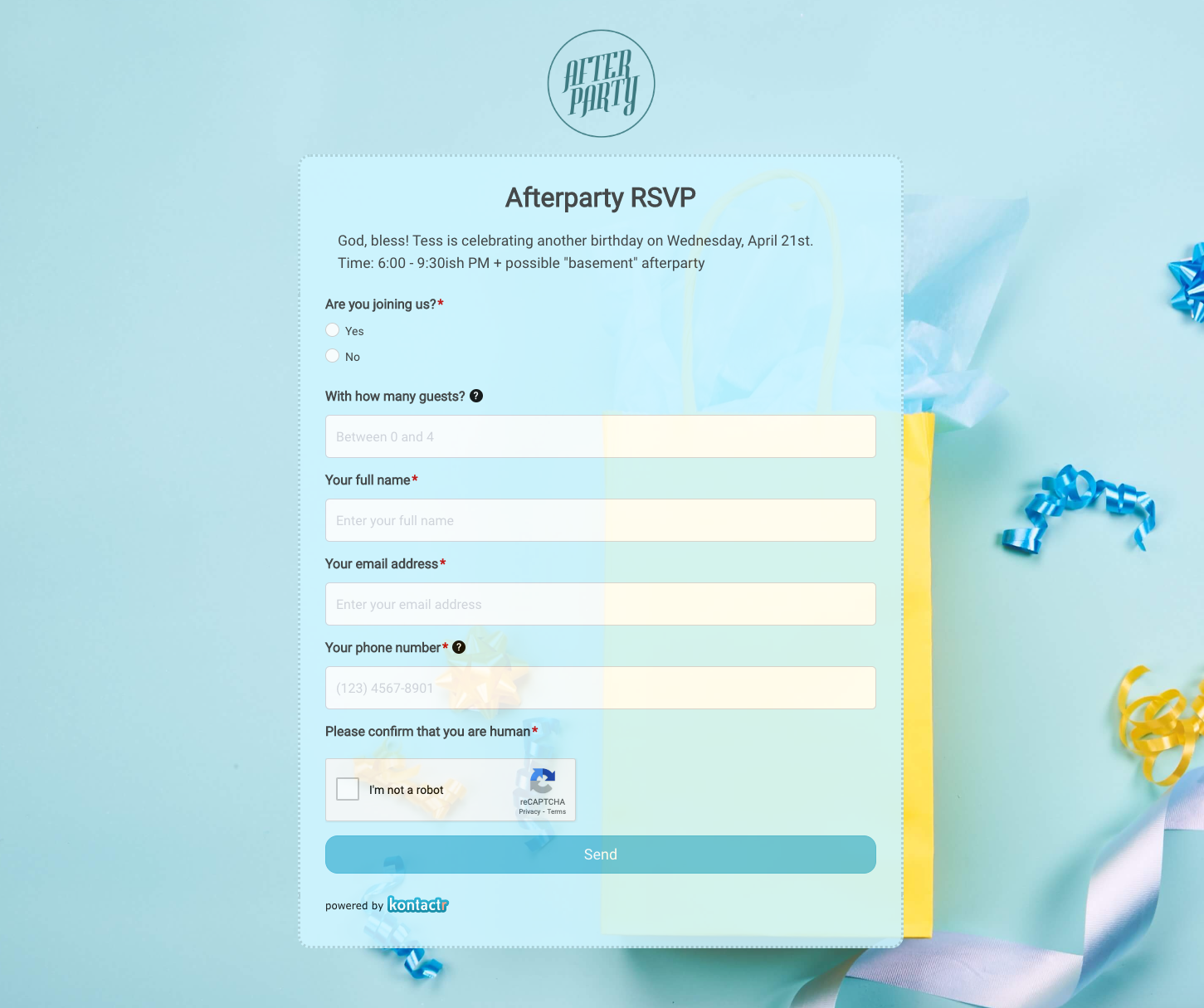 Afterparty RSVP Form
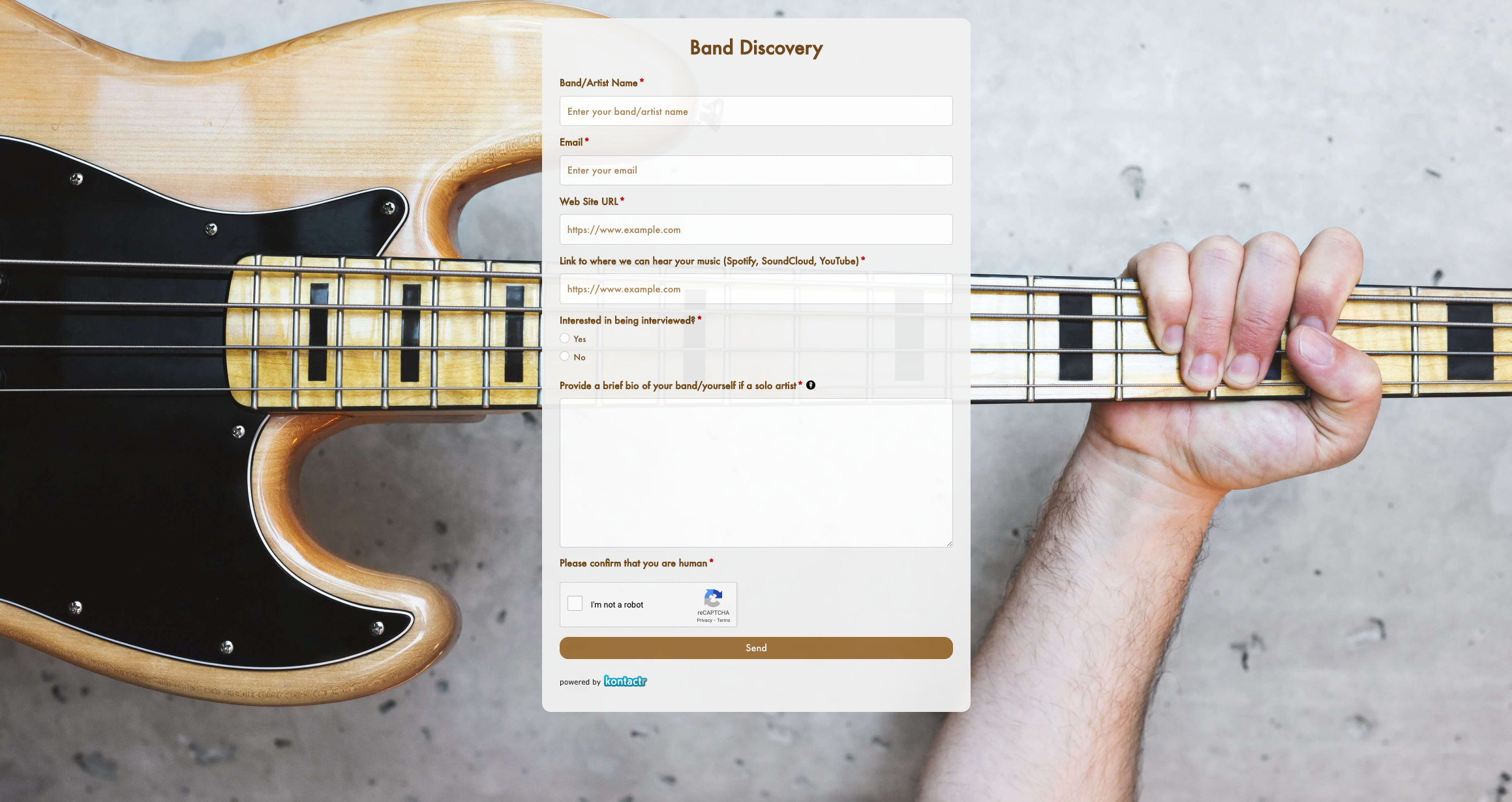 Band Discovery Form
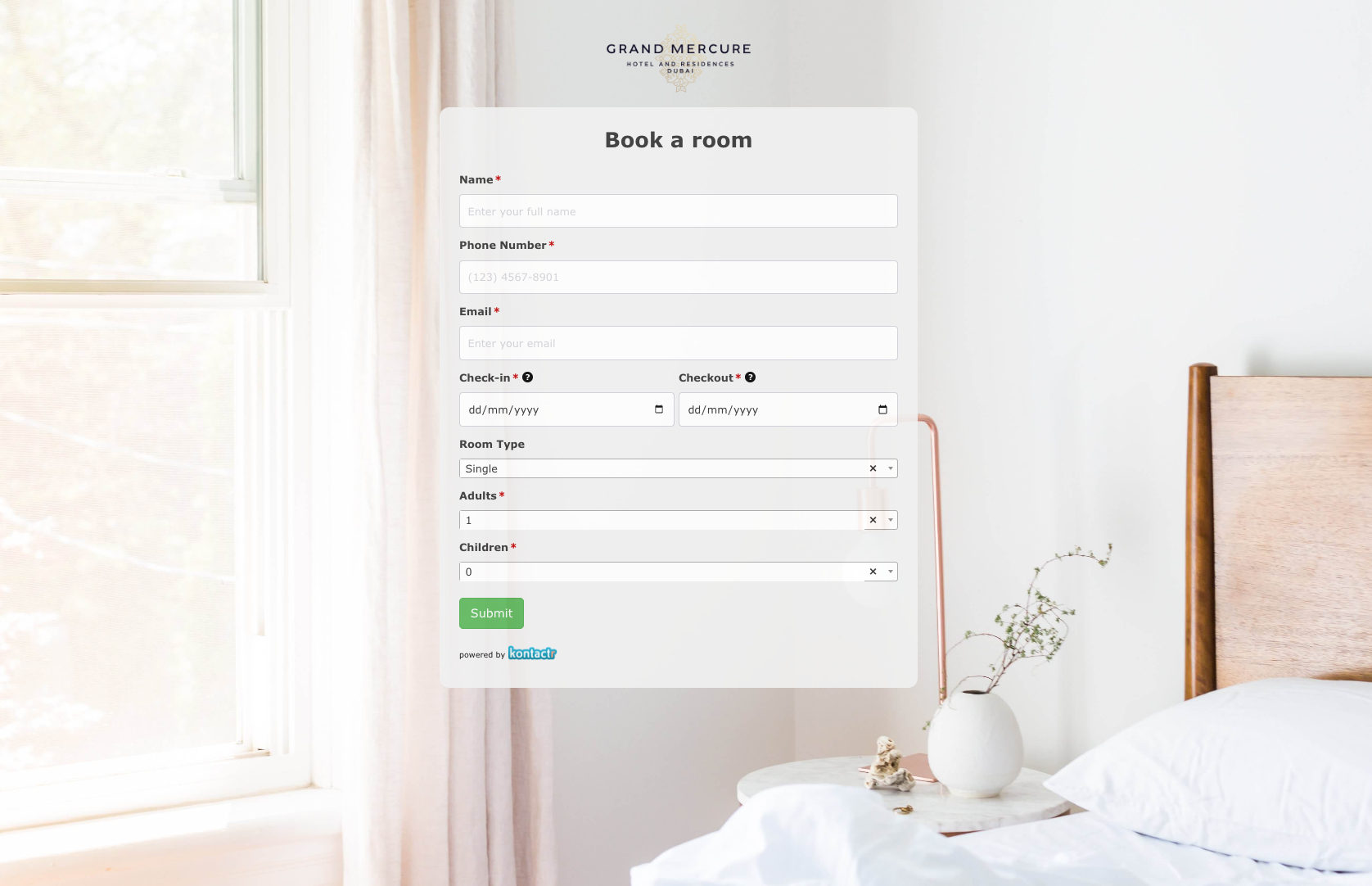 Book a room Form
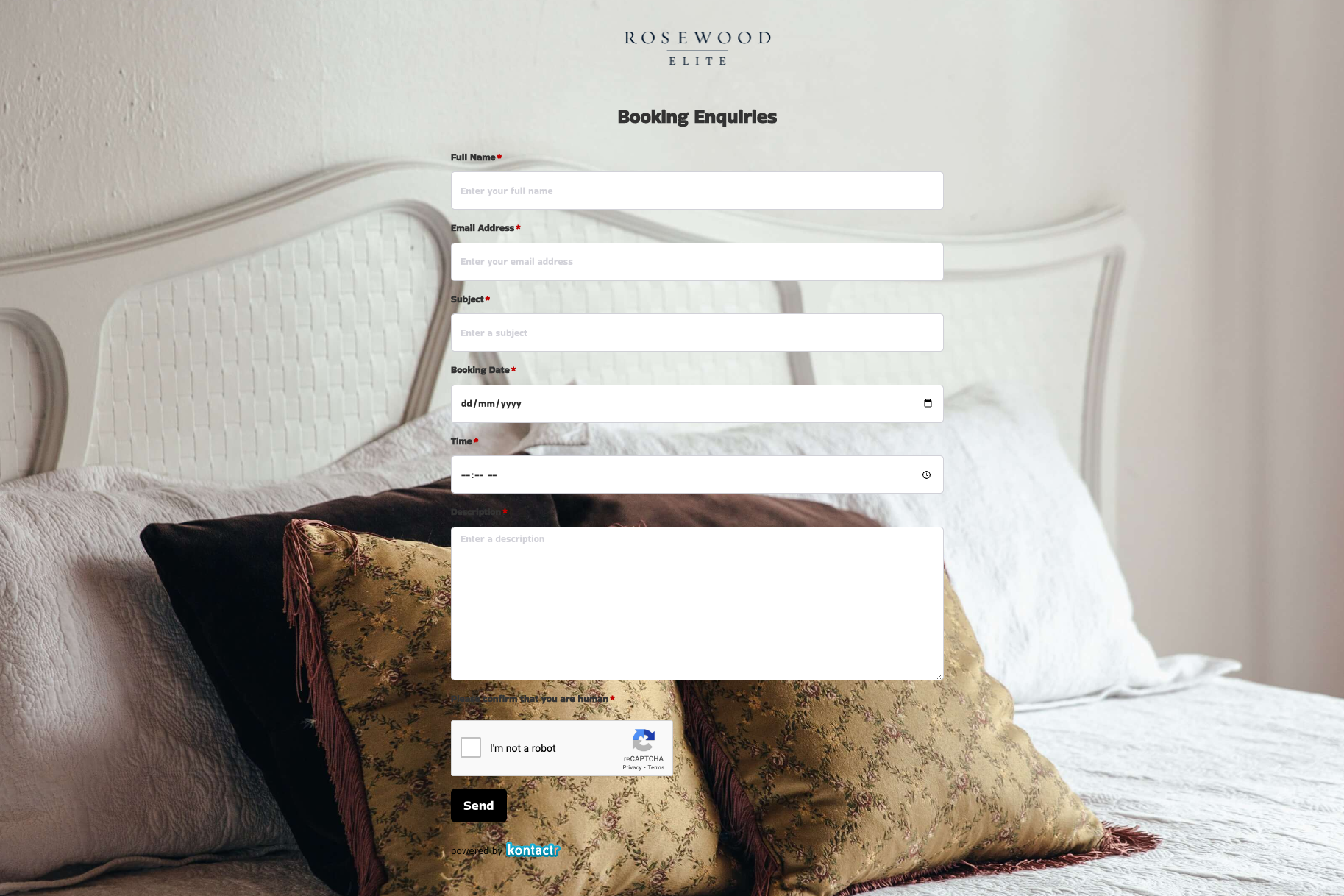 Booking Enquiries Form
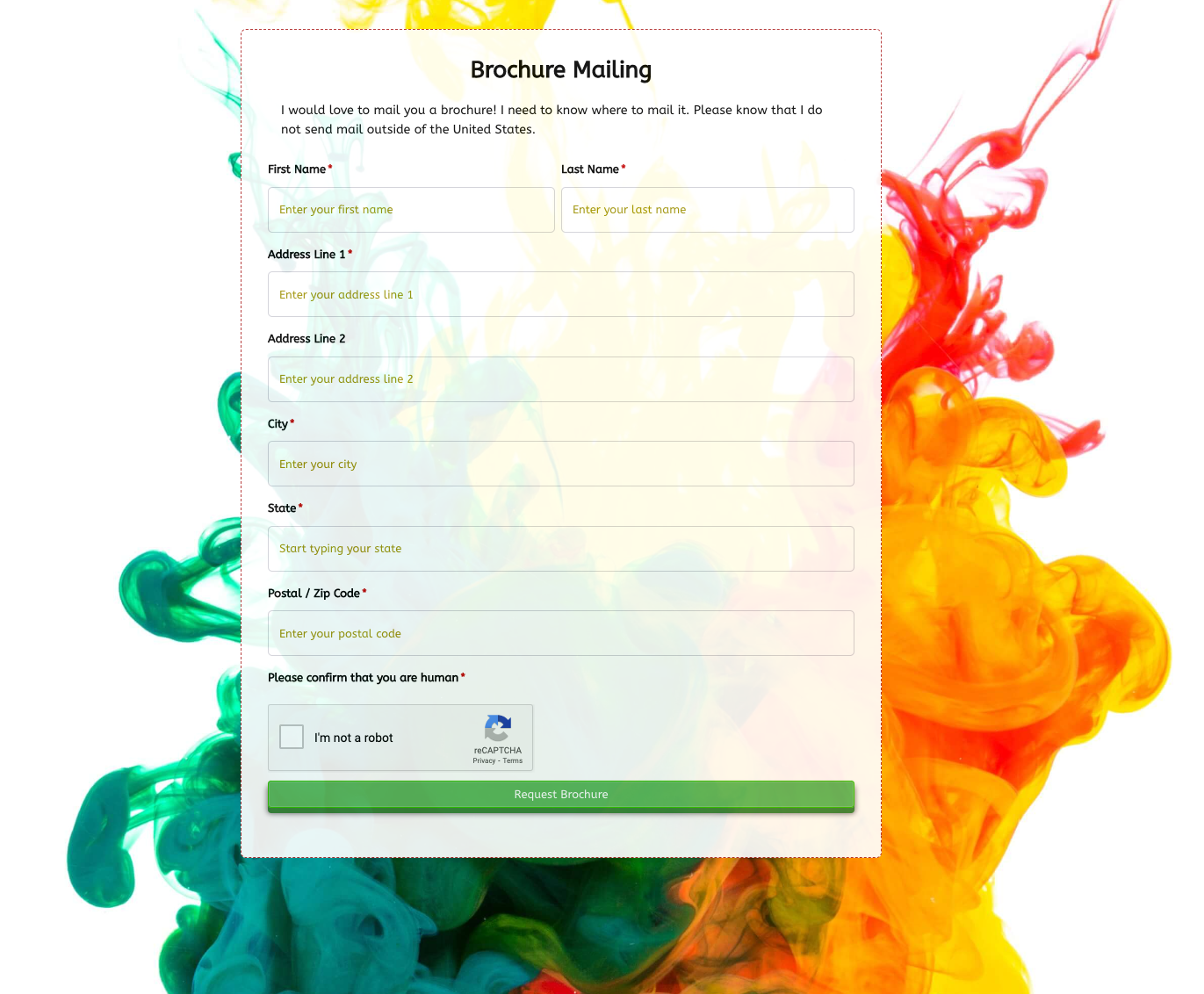 Brochure Mailing Form
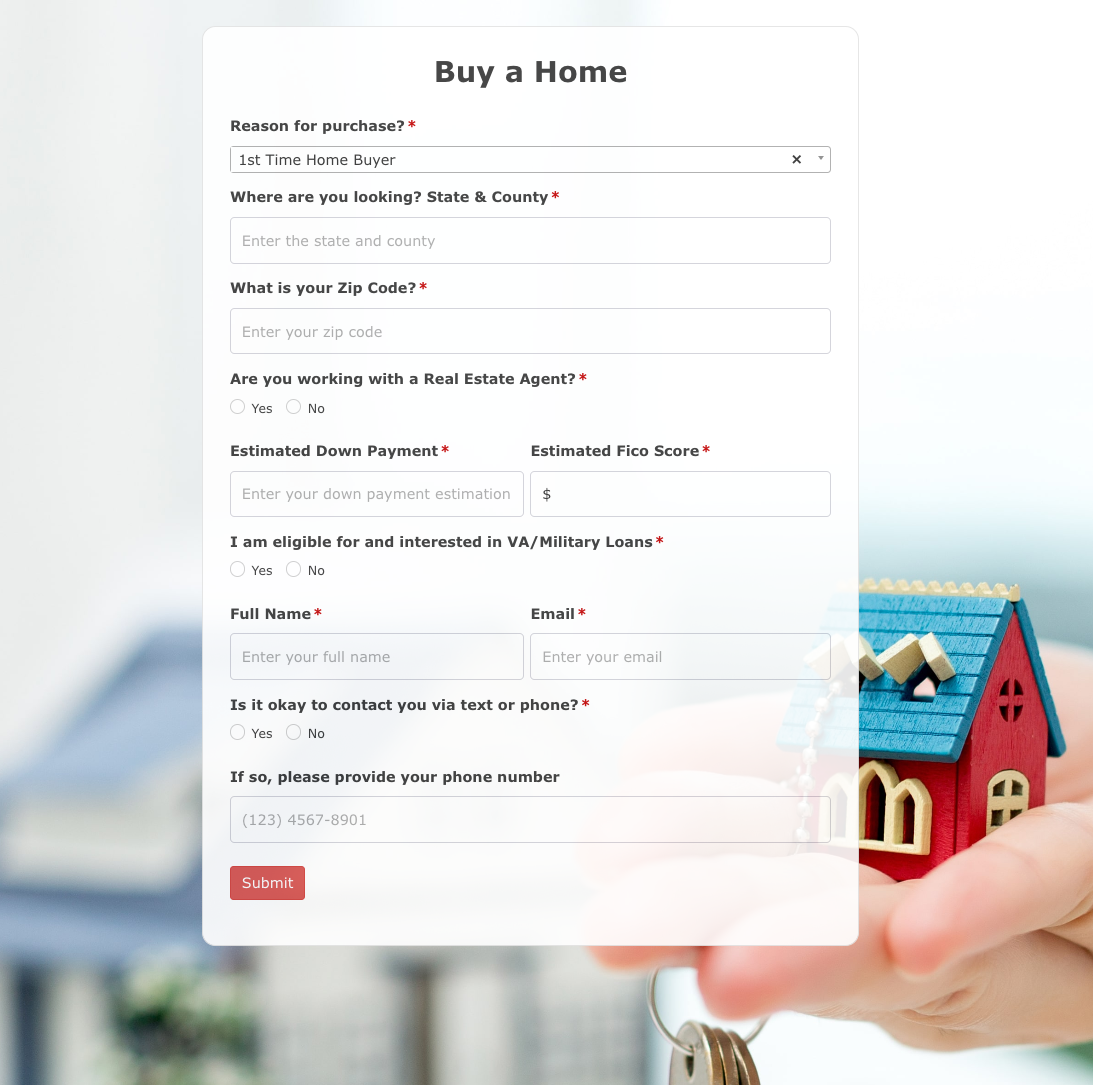 Buy a Home Form
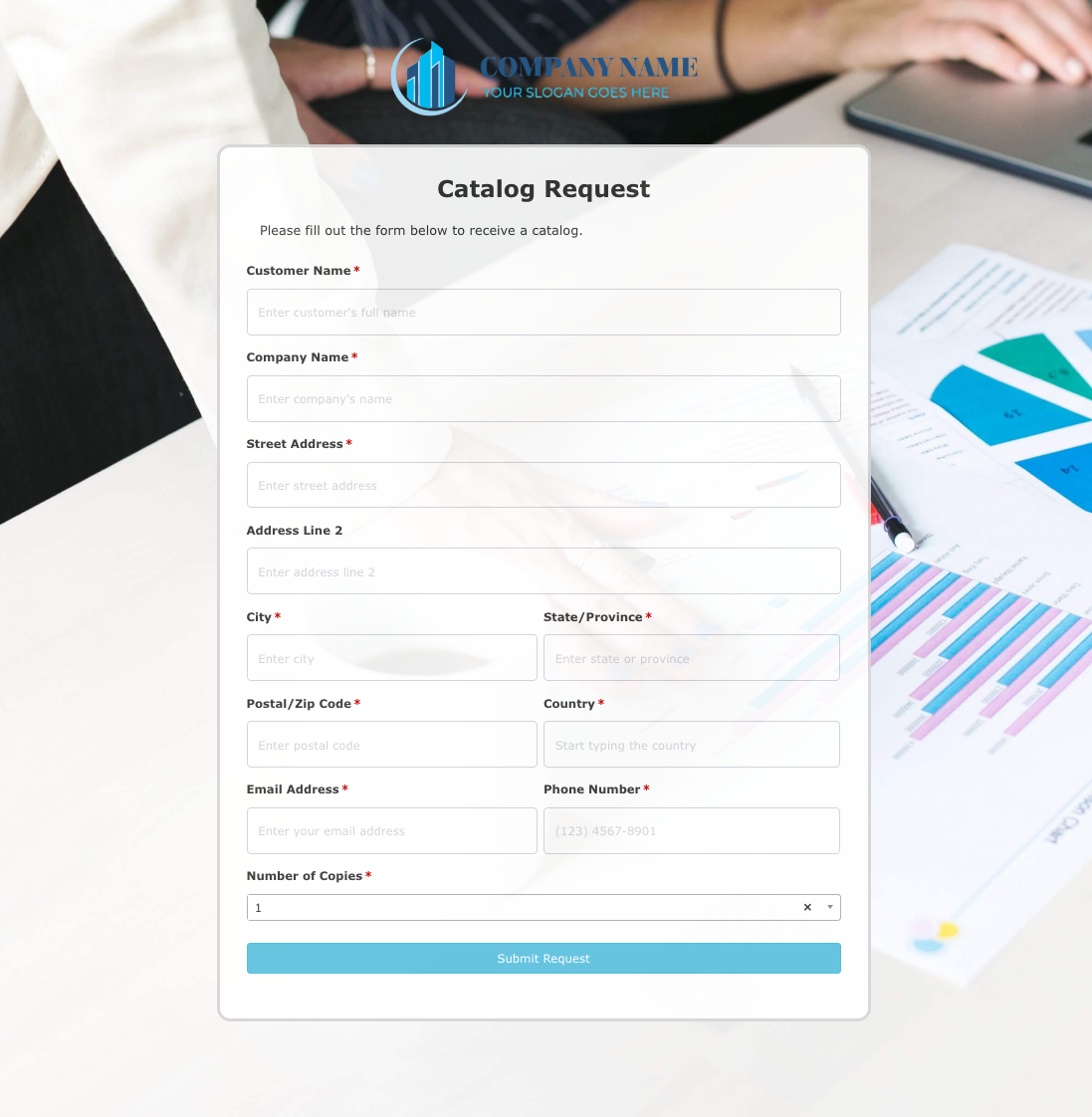 Catalog Request Form
 Coach Lines Quote Form
 Contact Us Form
 Credit Application Form
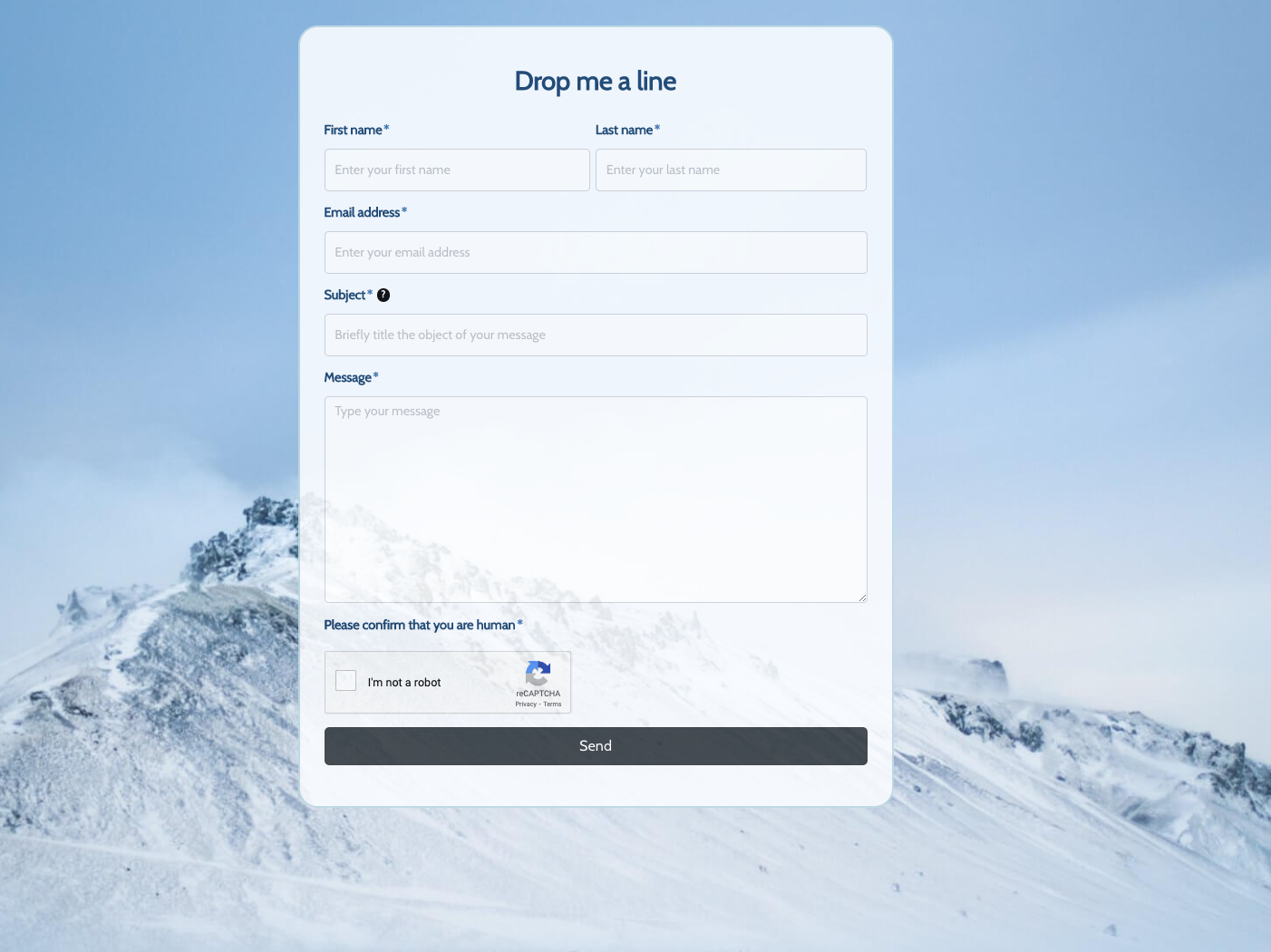 Drop me a line Form
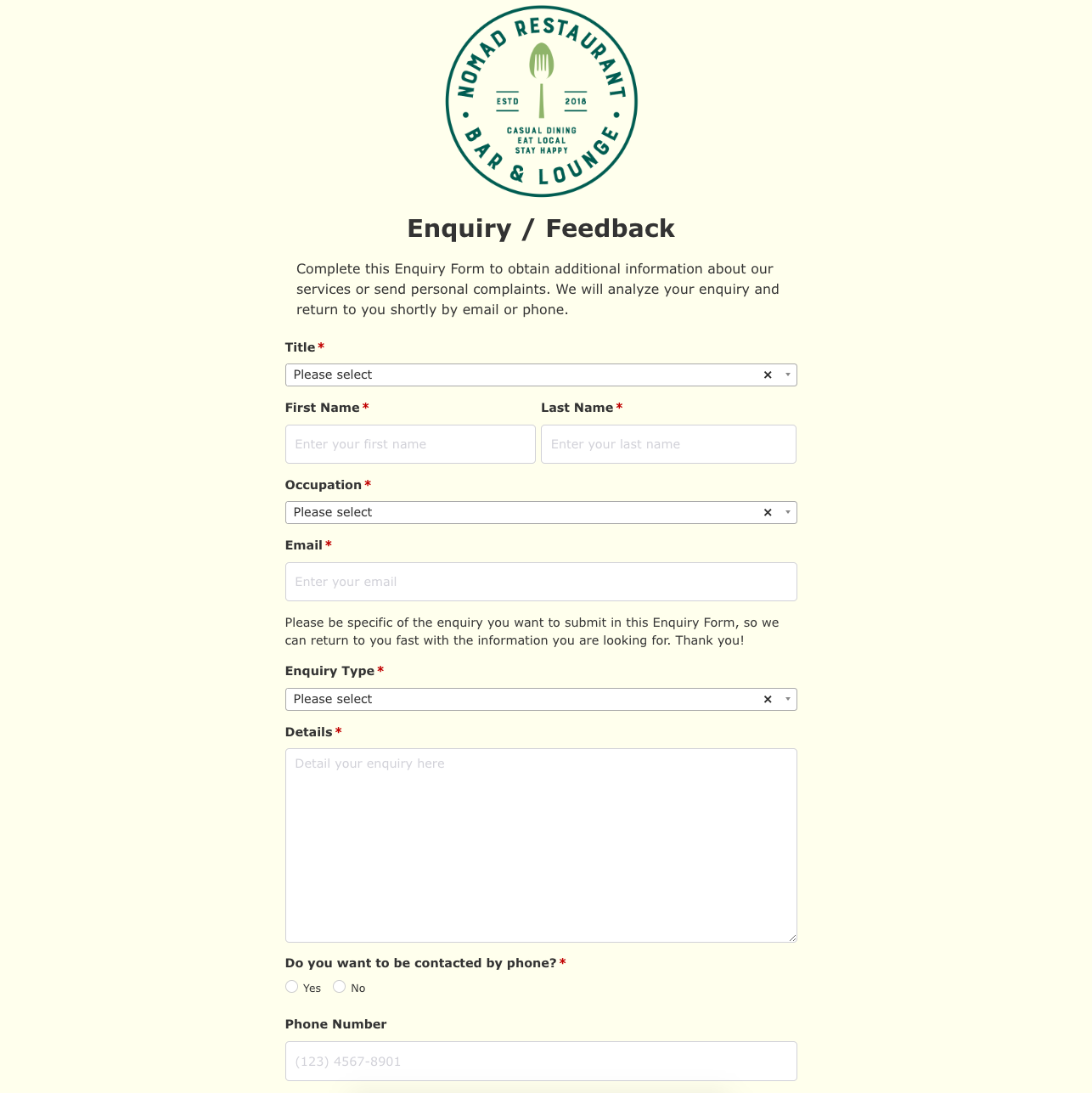 Enquiry / Feedback Form
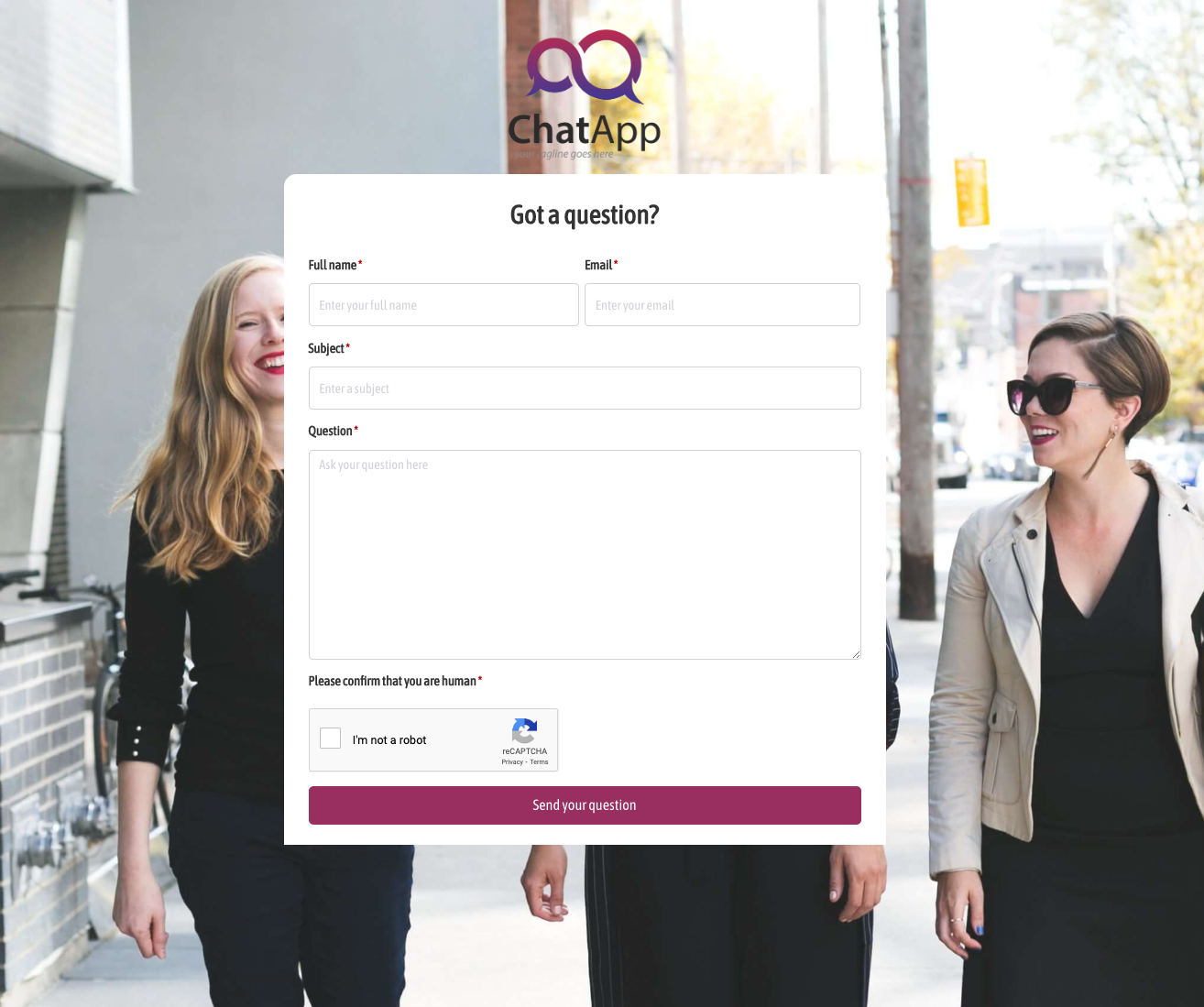 Got a question? Form
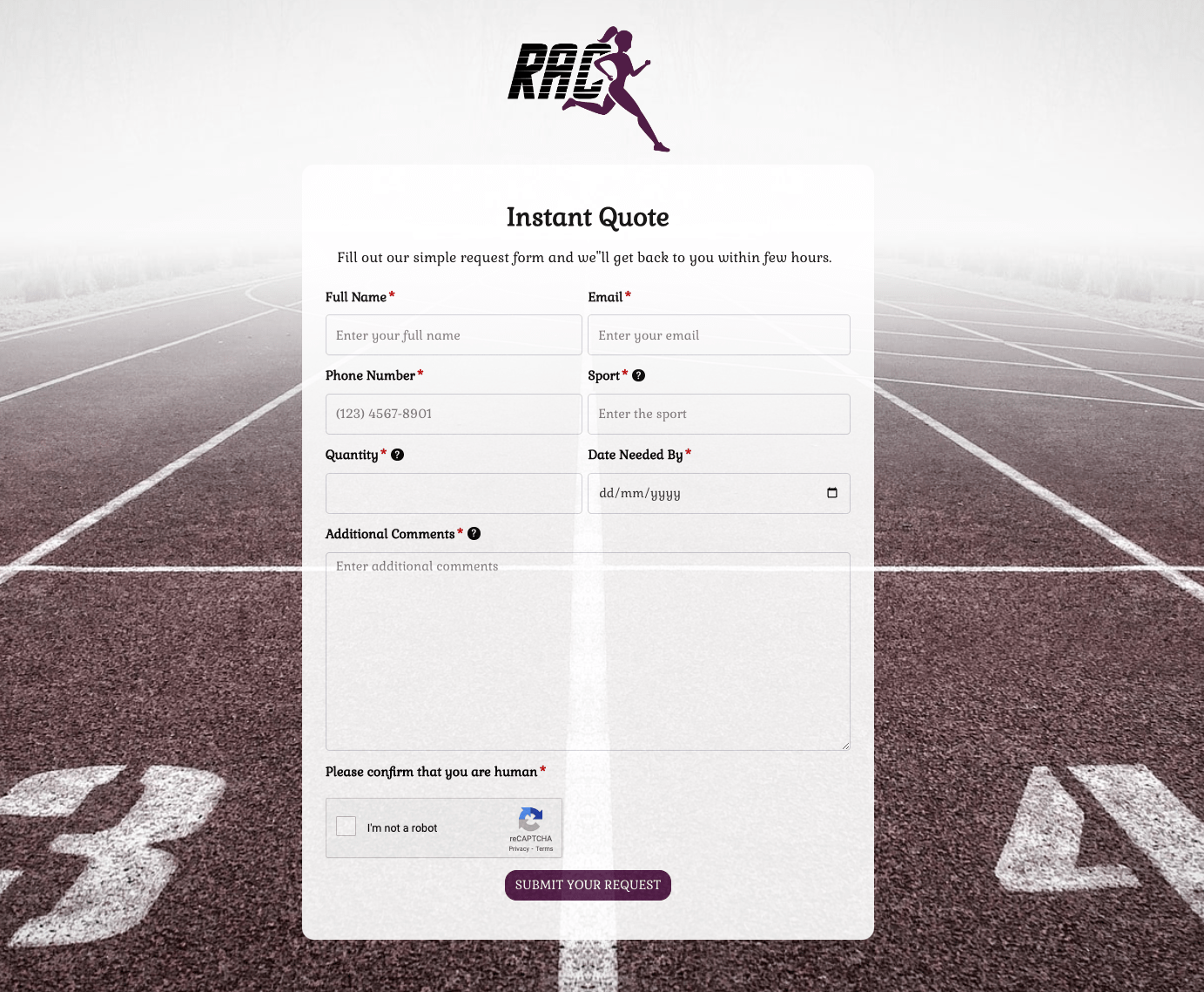 Instant Quote Form
 Job Application Form
 Language & Literacy Lab Form
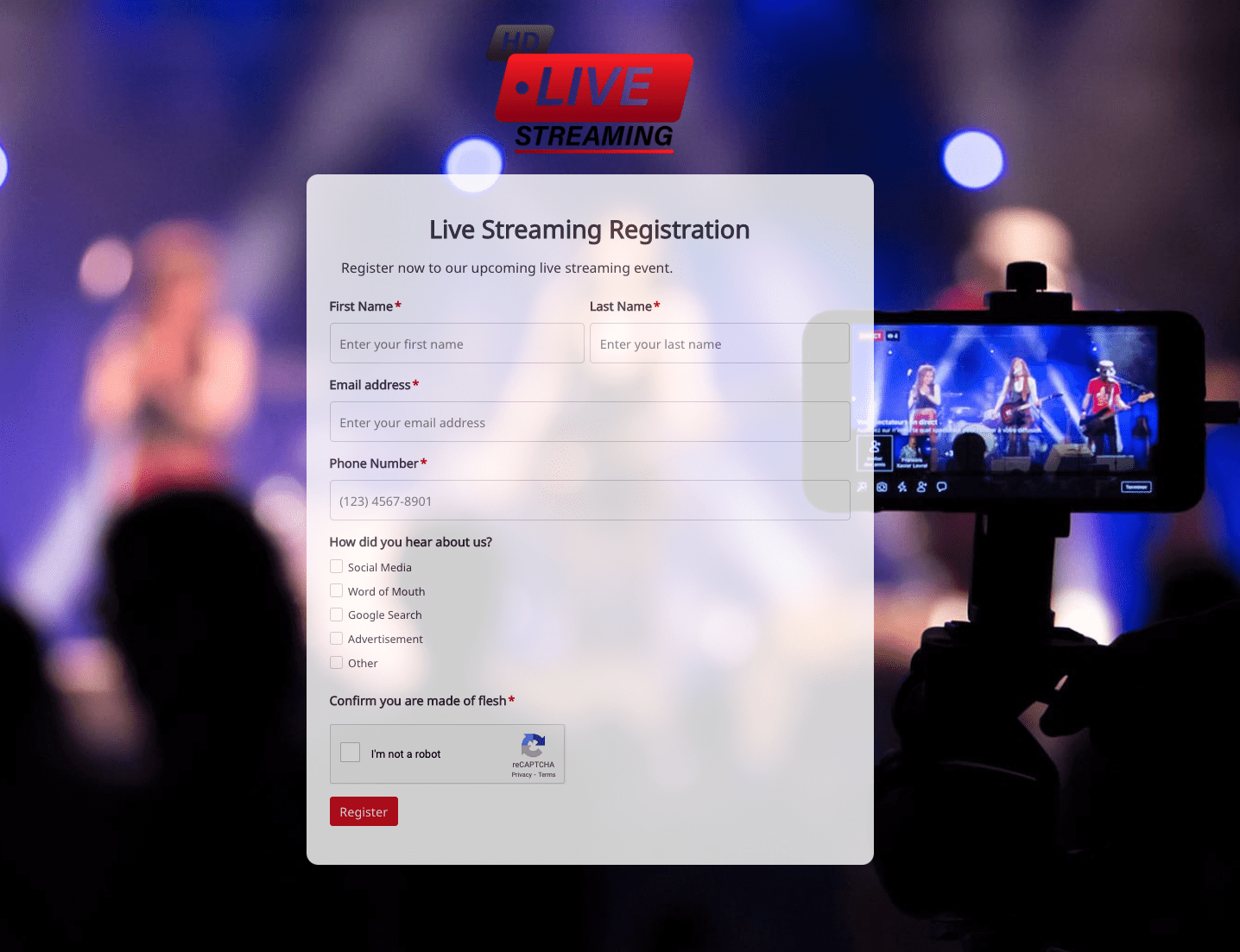 Live Streaming Registration Form
 More Information Form
 Order Exchange Form
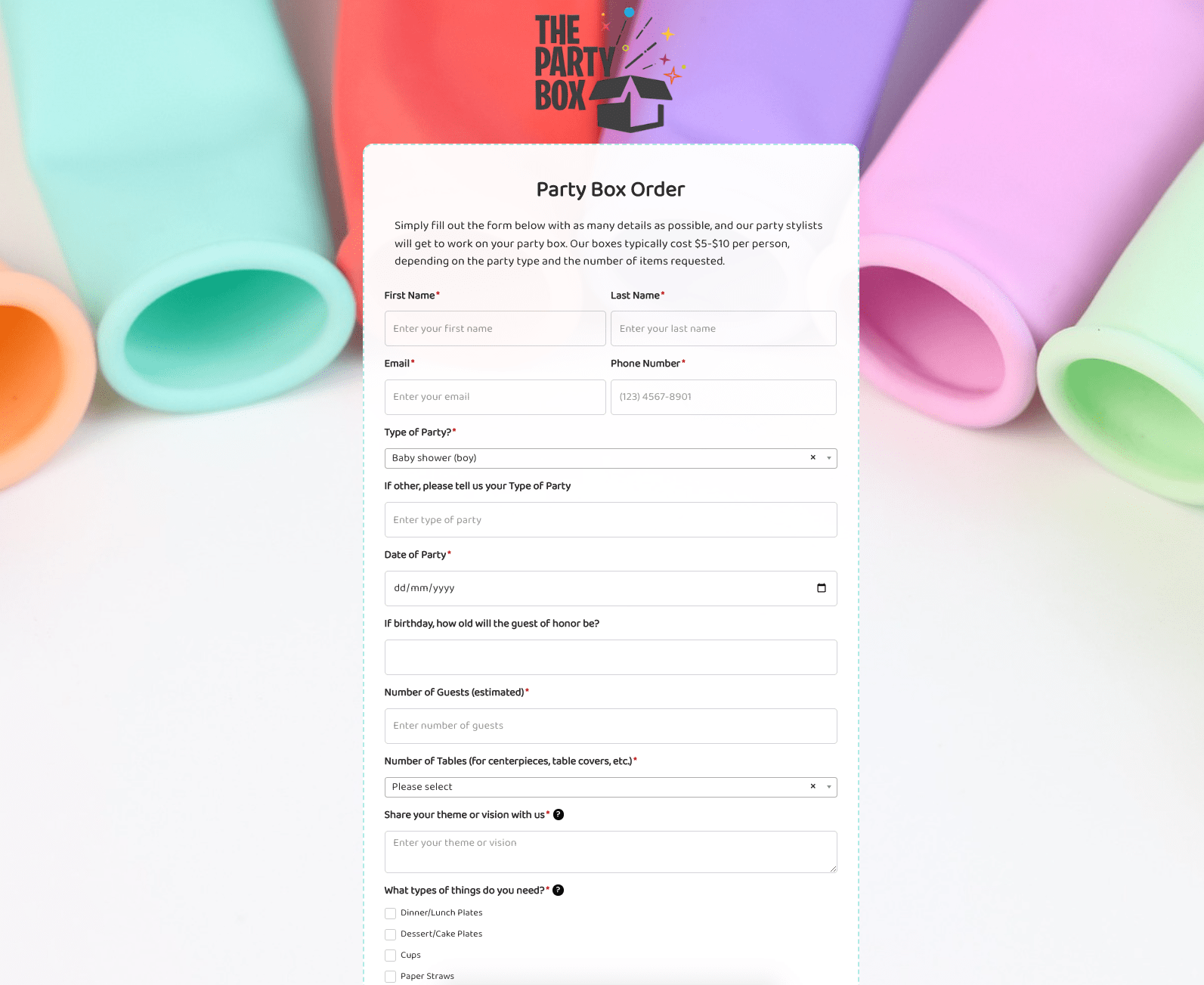 Party Box Order Form
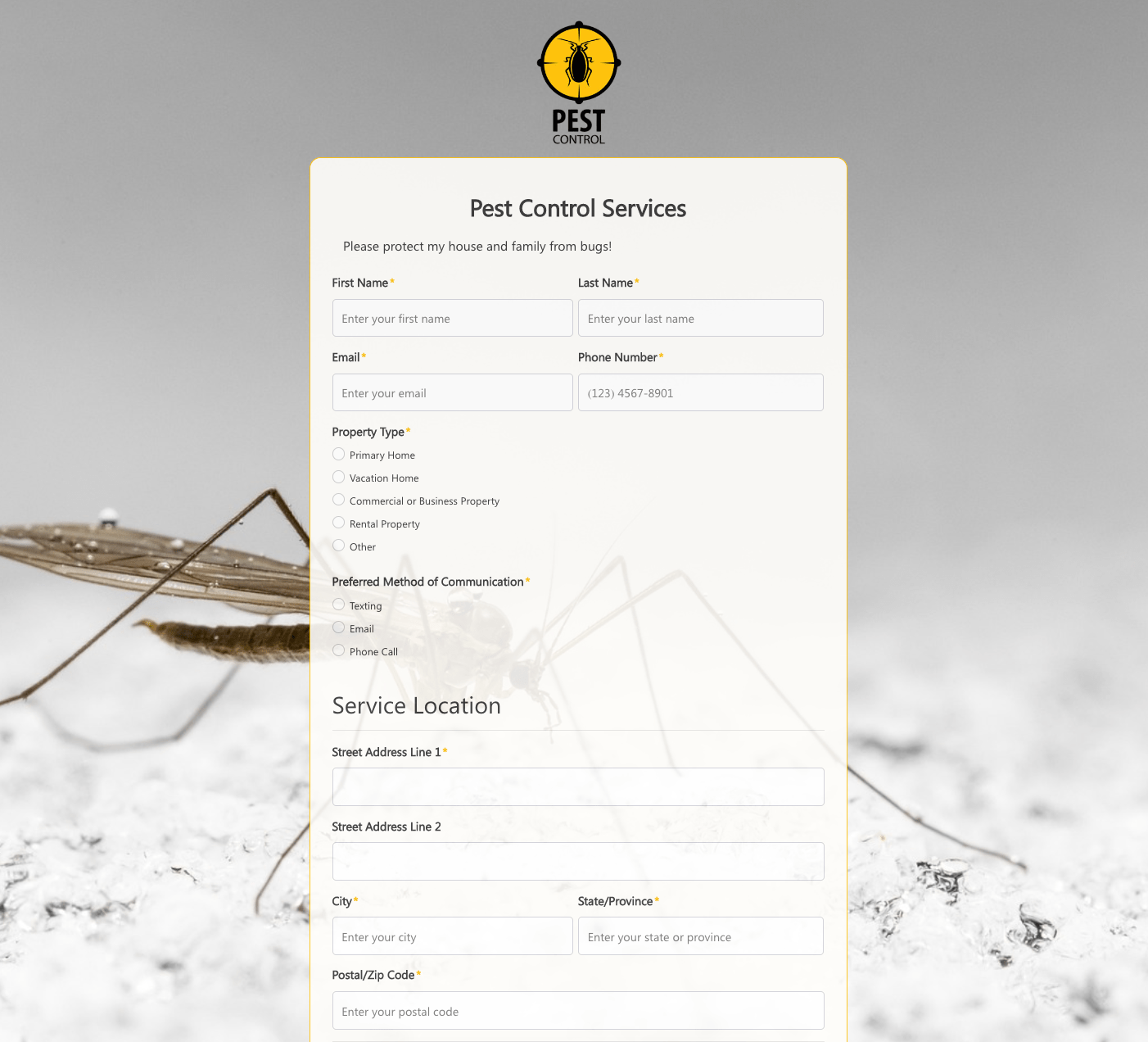 Pest Control Services Form
 Poll / Survey Form
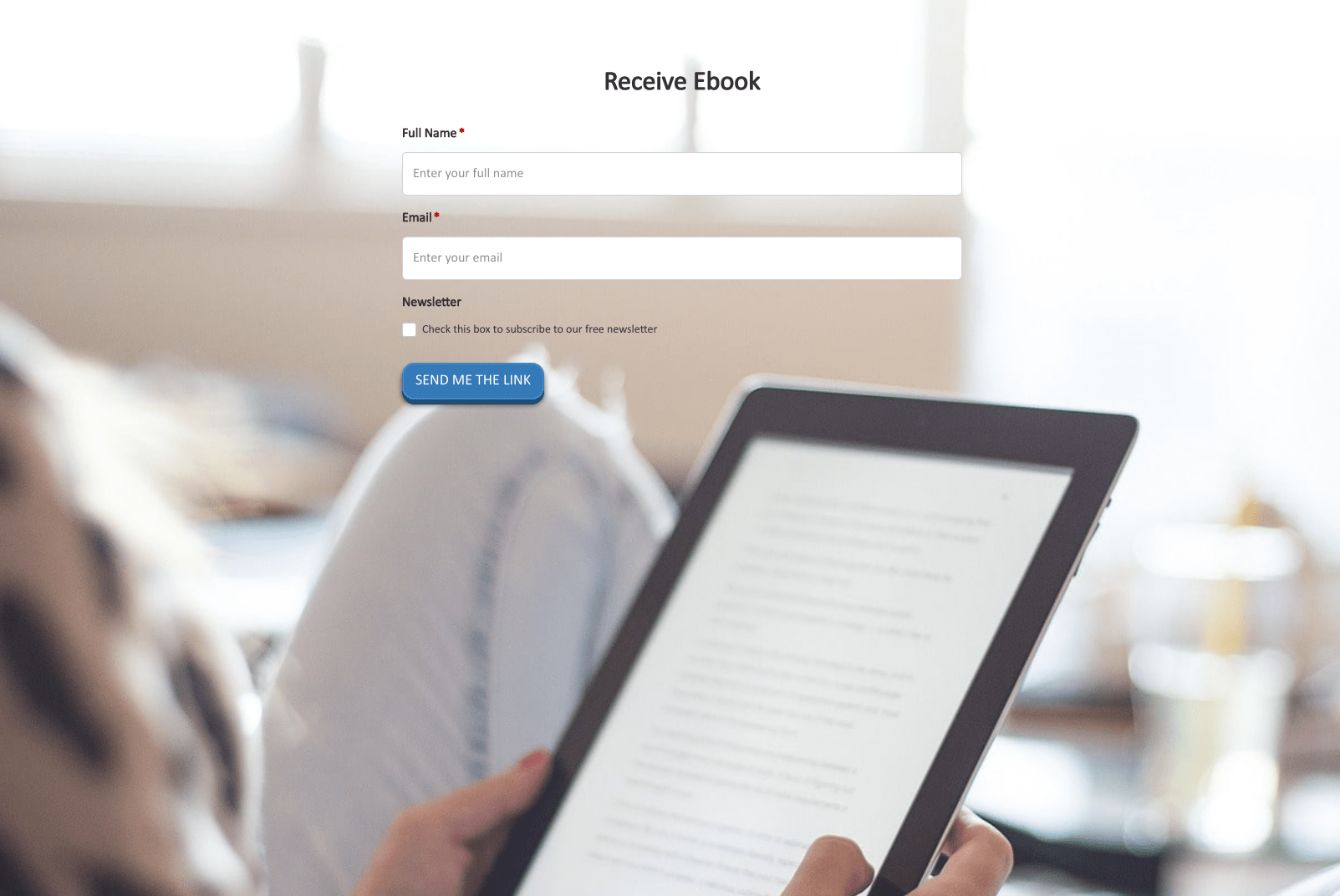 Receive Ebook Form
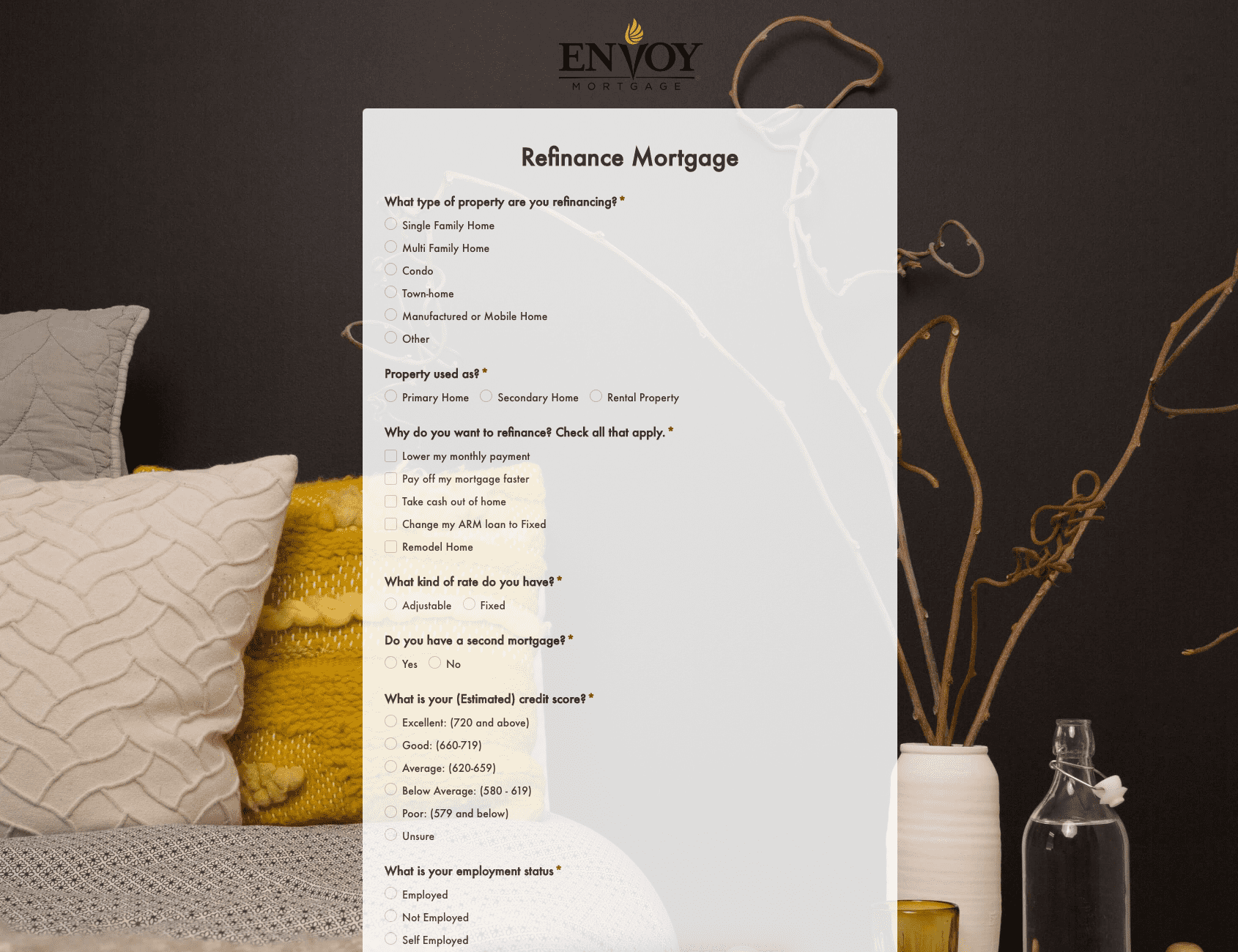 Refinance Mortgage Form
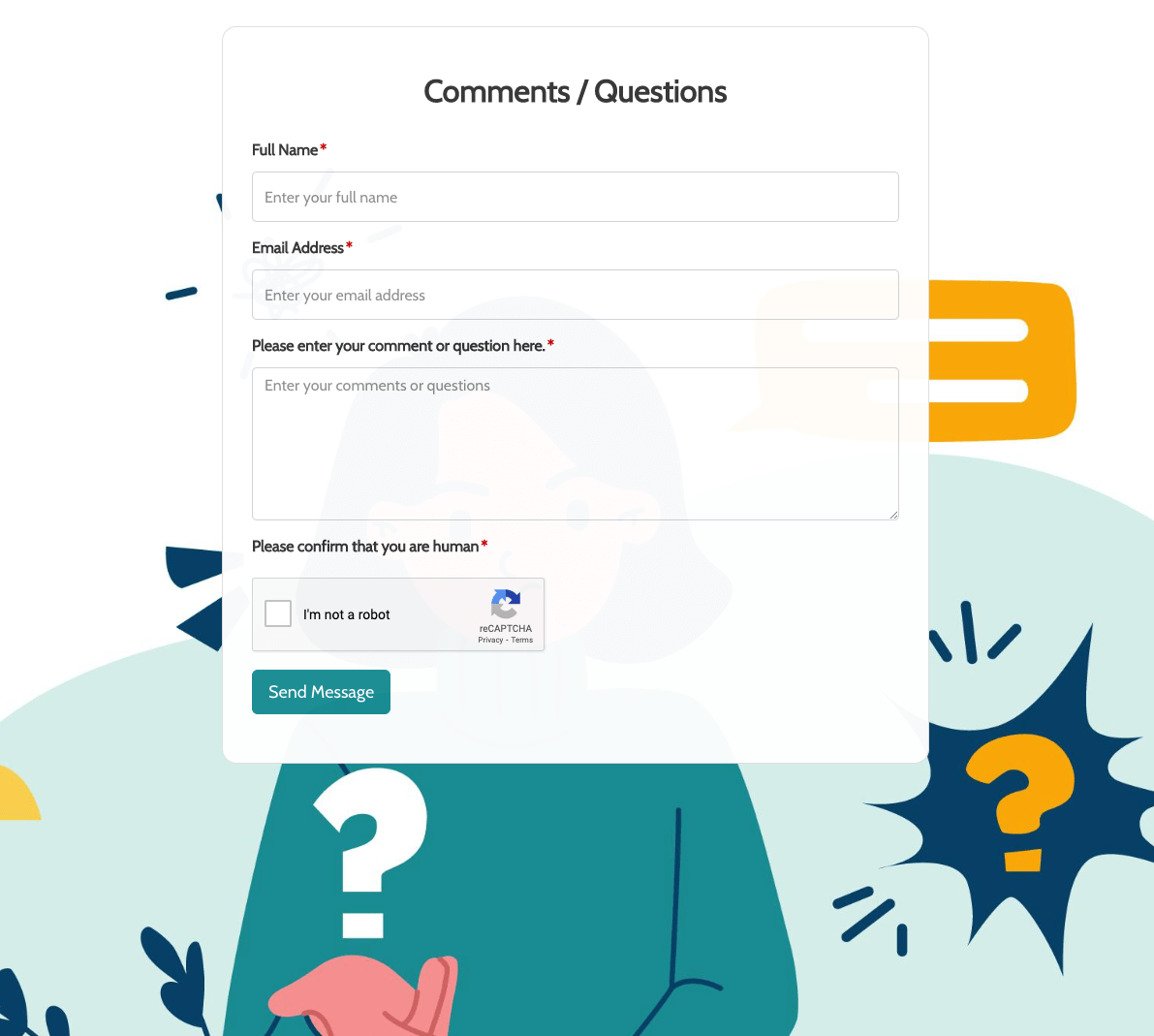 Remarks / Questions Form
 Report Driver Form
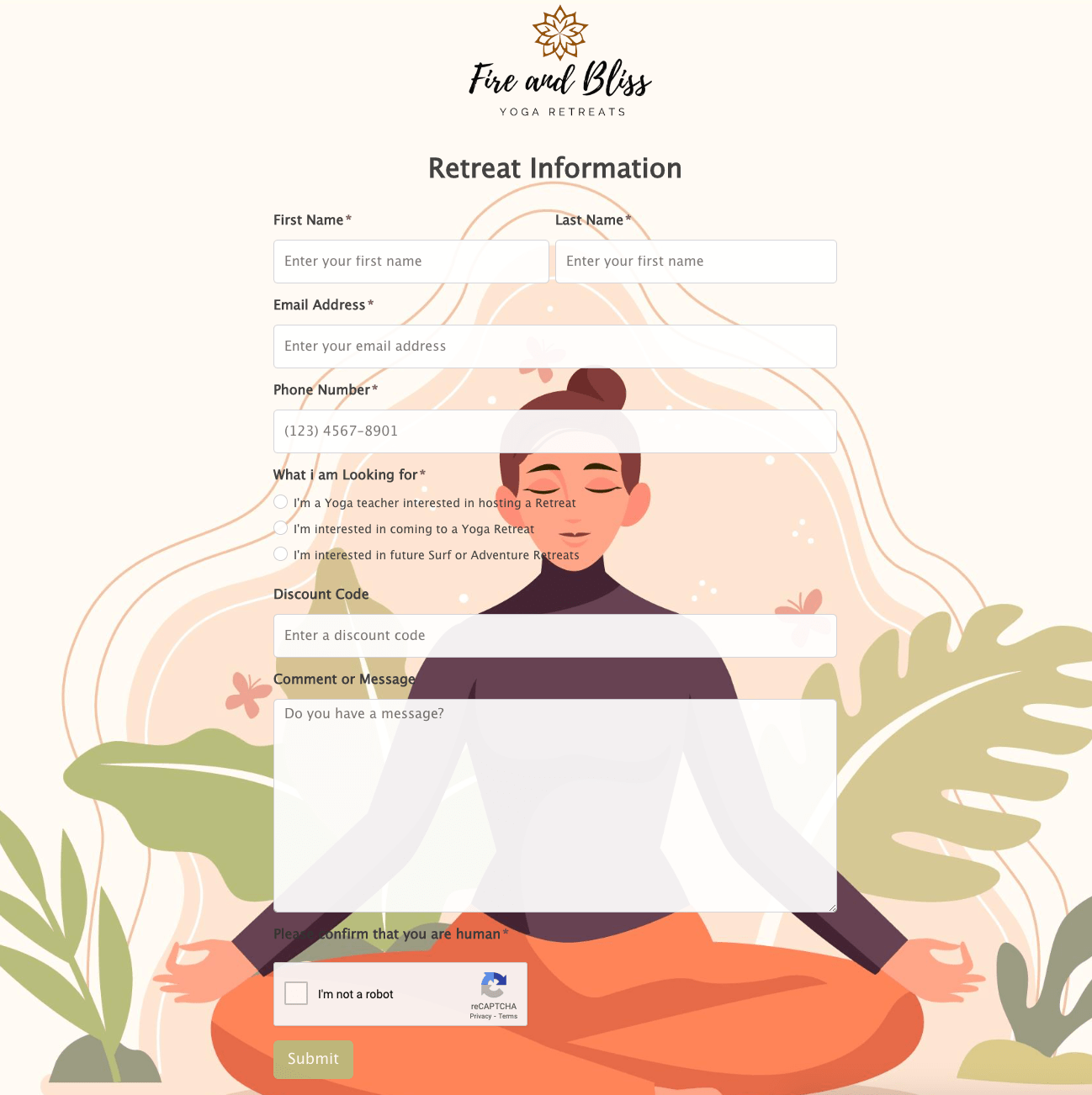 Retreat Information Form
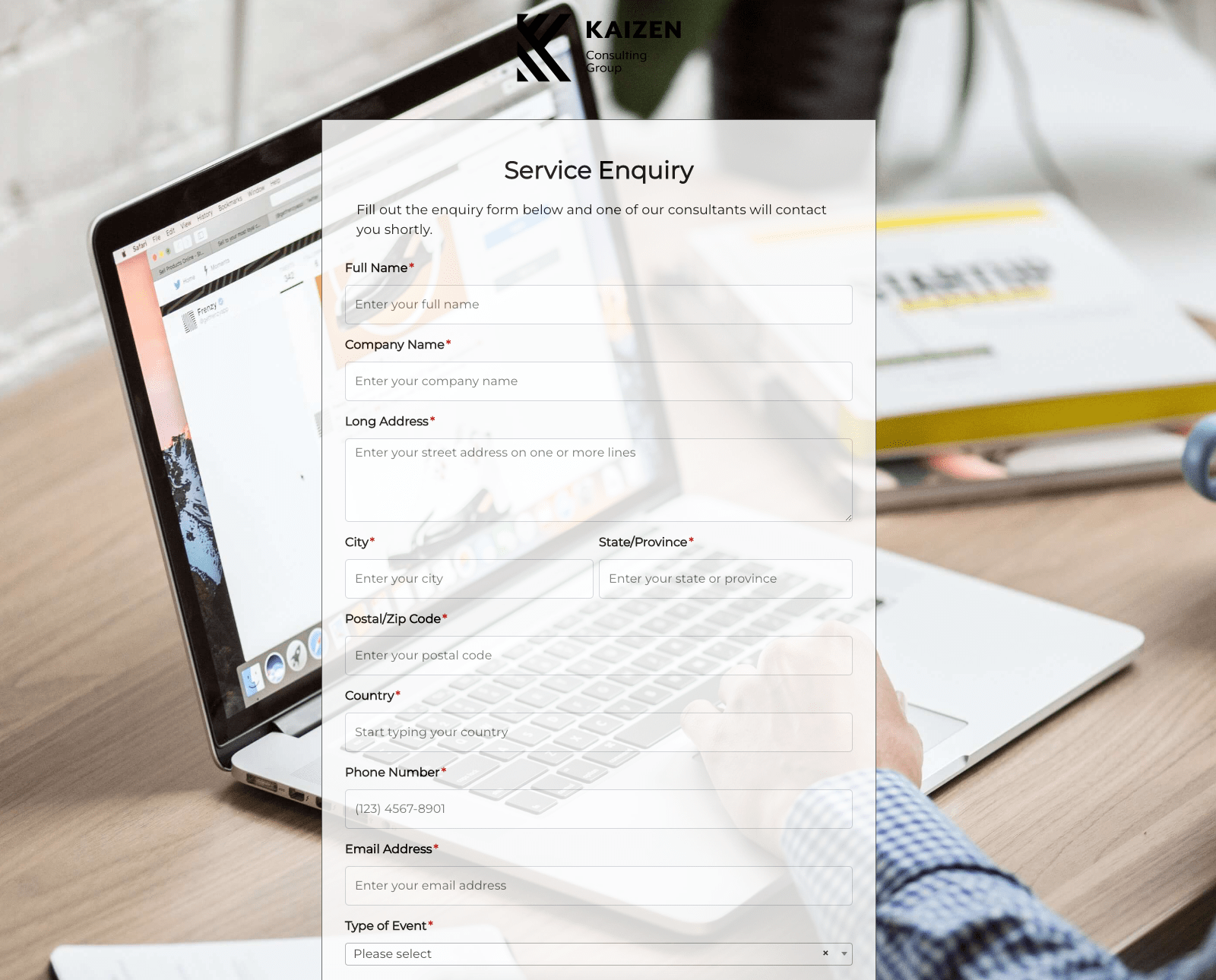 Service Enquiry Form
 Skydiving Registration Form
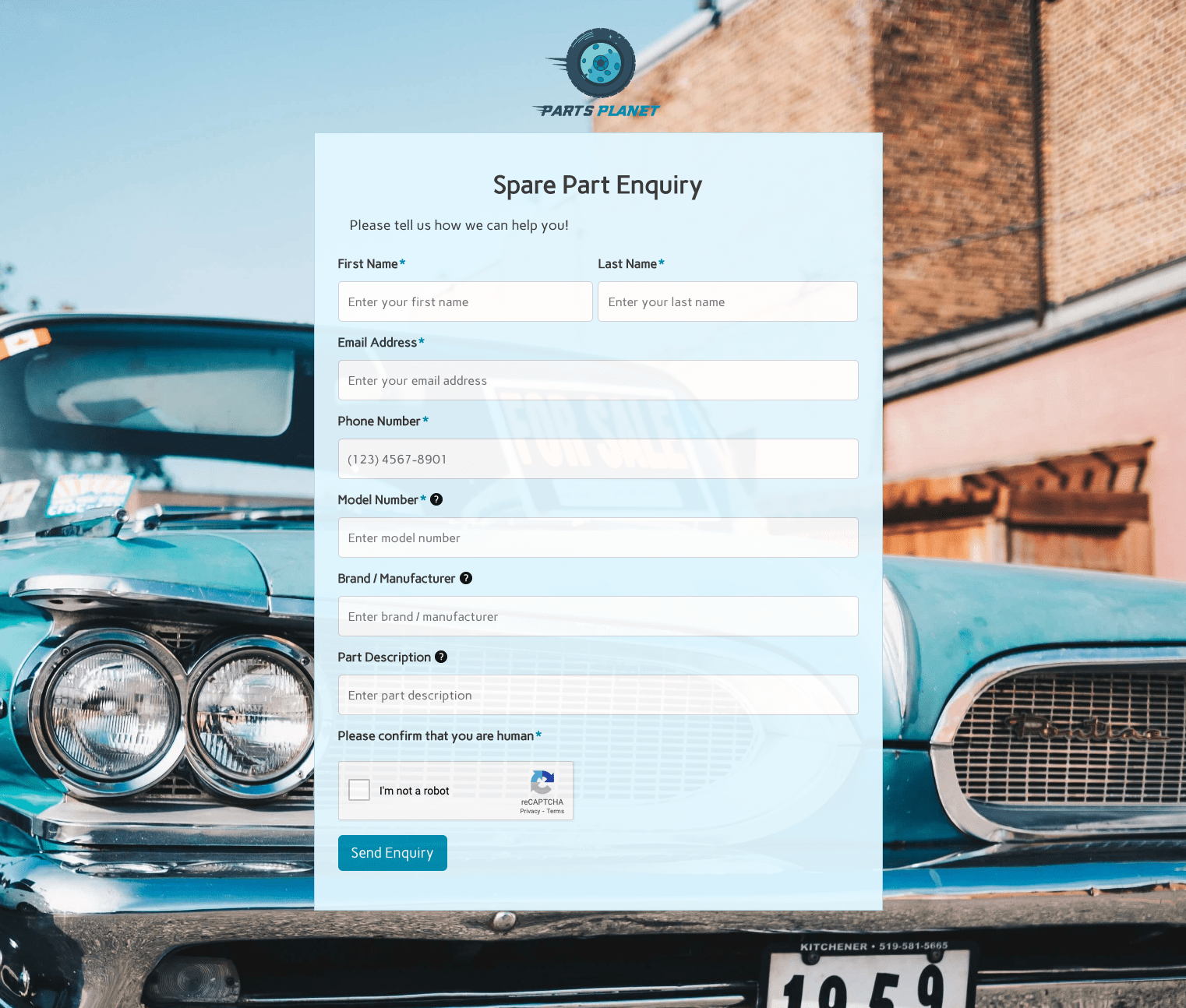 Spare Part Enquiry Form
 Staff Application Form
 Submission Form
 User Registration Form
 Website Under Construction Form
 Wedding Photographer Form
 Your Opinion Matters Form