Human resources has evolved far beyond paper files and manual spreadsheets. Today’s organizations are expected to manage hiring, onboarding, payroll, and compliance with speed, accuracy, and transparency. This shift has given rise to the modern HR tech stack, a connected ecosystem of digital tools designed to streamline employee data management from day one. At the center of this transformation is the integration of online forms, payroll systems, and automated pay stub processes.
When these elements work together, HR teams save time, reduce errors, and create a better experience for employees. Instead of juggling disconnected platforms, companies can rely on a unified workflow that supports both operational efficiency and compliance.
The Role of Online Forms in Modern HR
Online forms are often the first touchpoint between employees and an HR system. From job applications and onboarding documents to benefits enrollment and policy acknowledgments, digital forms replace manual paperwork with structured data collection.
Modern online form tools allow HR teams to customize fields, apply conditional logic, and collect electronic signatures. This ensures that all required information is captured the first time. More importantly, data entered into these forms can flow directly into HR and payroll systems without retyping.
For example, when a new hire completes an onboarding form, their personal details, tax information, and bank data can automatically populate payroll records. This reduces onboarding time and eliminates common data entry mistakes that lead to payroll delays or compliance issues.
Payroll as the Core of the HR Tech Stack
Payroll remains one of the most critical and sensitive HR functions. Employees expect to be paid accurately and on time, and regulators expect strict adherence to tax and labor laws. A modern payroll system acts as the central hub of the HR tech stack, connecting employee data, compensation structures, and statutory requirements.
When payroll software is integrated with online forms, updates occur in real-time. Changes in employee status, salary adjustments, or tax details are reflected immediately in payroll calculations. This integration is especially important for growing businesses where headcount changes frequently.
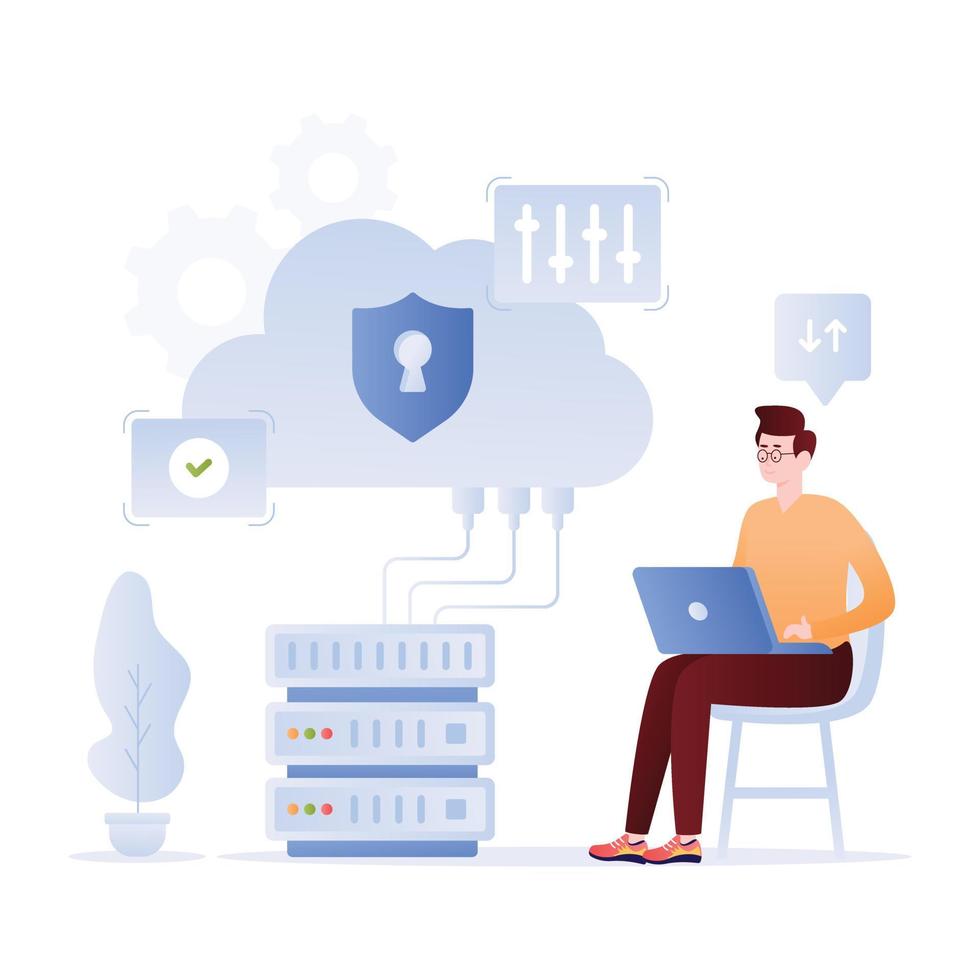
Cloud-based payroll systems also offer scalability and accessibility. HR teams can process payroll from anywhere, while employees can access their payment history and documents through secure portals. This level of transparency fosters trust and reduces the need for routine inquiries to HR.
For businesses setting up payroll for the first time, using a payslip template helps establish a consistent document structure before moving to a fully automated system.
Why Pay Stub Automation Matters
Pay stubs are more than just proof of payment. They are essential financial documents used for budgeting, loan applications, rentals, and tax filing. Automating pay stub generation ensures consistency, accuracy, and compliance with local labor regulations.
In a modern HR tech stack, pay stub automation pulls data directly from payroll calculations. Earnings, deductions, taxes, and net pay are compiled automatically into standardized digital pay stubs using a consistent pay stub template. This removes the risk of manual formatting errors and ensures that every employee receives the correct information.
Automated pay stubs also support self-service access. Employees can download current and past pay stubs at any time without contacting HR. For organizations, this reduces administrative workload and improves employee satisfaction.
Benefits of an Integrated HR Tech Stack
Integrating online forms, payroll, and pay stub automation delivers measurable benefits across the organization.
First, efficiency improves significantly. Automated data flow reduces repetitive tasks and shortens processing cycles. HR teams can focus on strategic initiatives such as talent development instead of administrative work.
Second, accuracy and compliance are strengthened. When data is entered once and reused across systems, the risk of discrepancies drops. Automated calculations and standardized pay stubs help ensure compliance with wage and tax laws.
Third, the employee experience becomes more seamless. New hires onboard faster, payroll issues decrease, and employees gain easy access to important documents. This professionalism reflects positively on the company’s employer brand.
Finally, data visibility improves. Integrated systems provide clearer reporting on payroll costs, headcount trends, and compliance metrics. Leadership can make better decisions based on real-time insights.
Key Considerations When Building Your Stack
Not all HR tools integrate easily, so choosing compatible platforms is essential. Look for solutions with open APIs or native integrations that allow data to flow smoothly between online forms, payroll, and document generation.
Security should also be a top priority. HR systems handle sensitive personal and financial data, so encryption, access controls, and compliance with data protection regulations are non-negotiable.
Scalability matters as well. The HR tech stack should support growth without requiring a complete overhaul. Cloud-based solutions often provide the flexibility needed to add features or users as the organization expands.
The Future of HR Automation
As technology continues to advance, HR tech stacks will become even more intelligent. Artificial intelligence and analytics are already being used to detect payroll anomalies, forecast labor costs, and personalize employee experiences.
What remains constant is the need for integration. Online forms, payroll, and pay stub automation are no longer standalone tools. Together, they form the backbone of efficient, compliant, and employee-friendly HR operations.
Organizations that invest in a modern, integrated HR tech stack position themselves for long-term success. By reducing friction, improving accuracy, and empowering employees with self-service access, HR teams can move from administrative support to strategic leadership in the digital workplace.
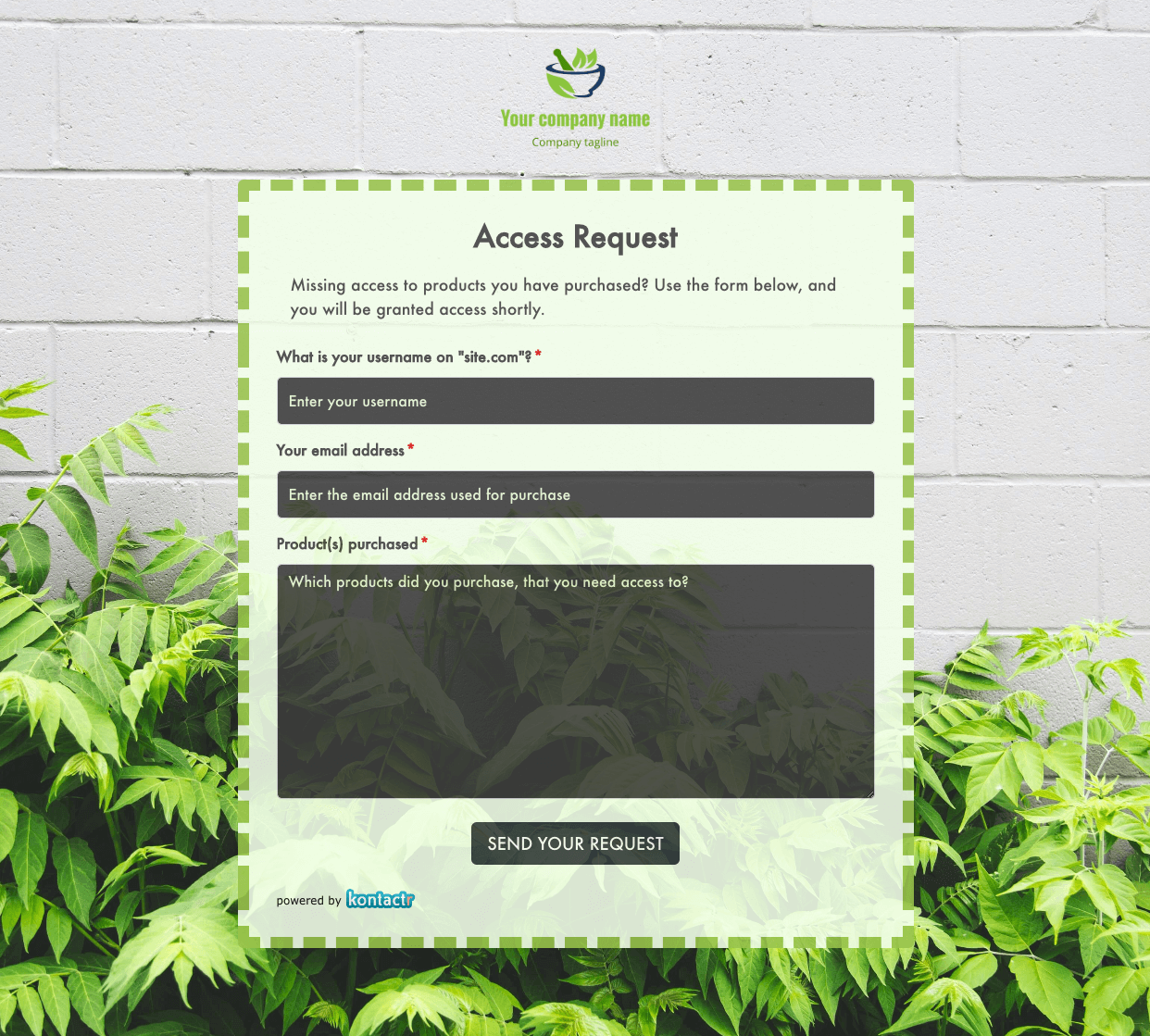 Access Request Form
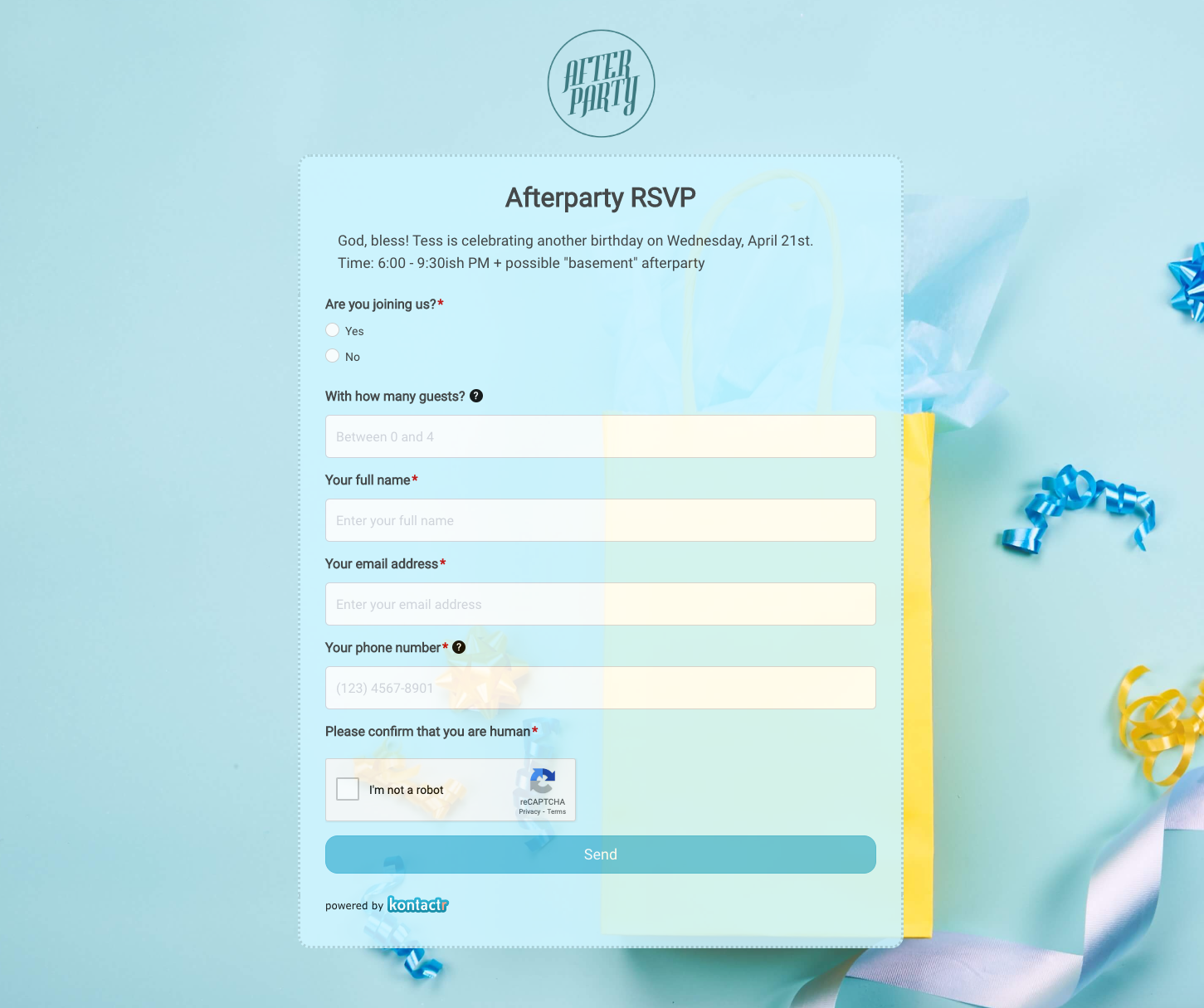 Afterparty RSVP Form
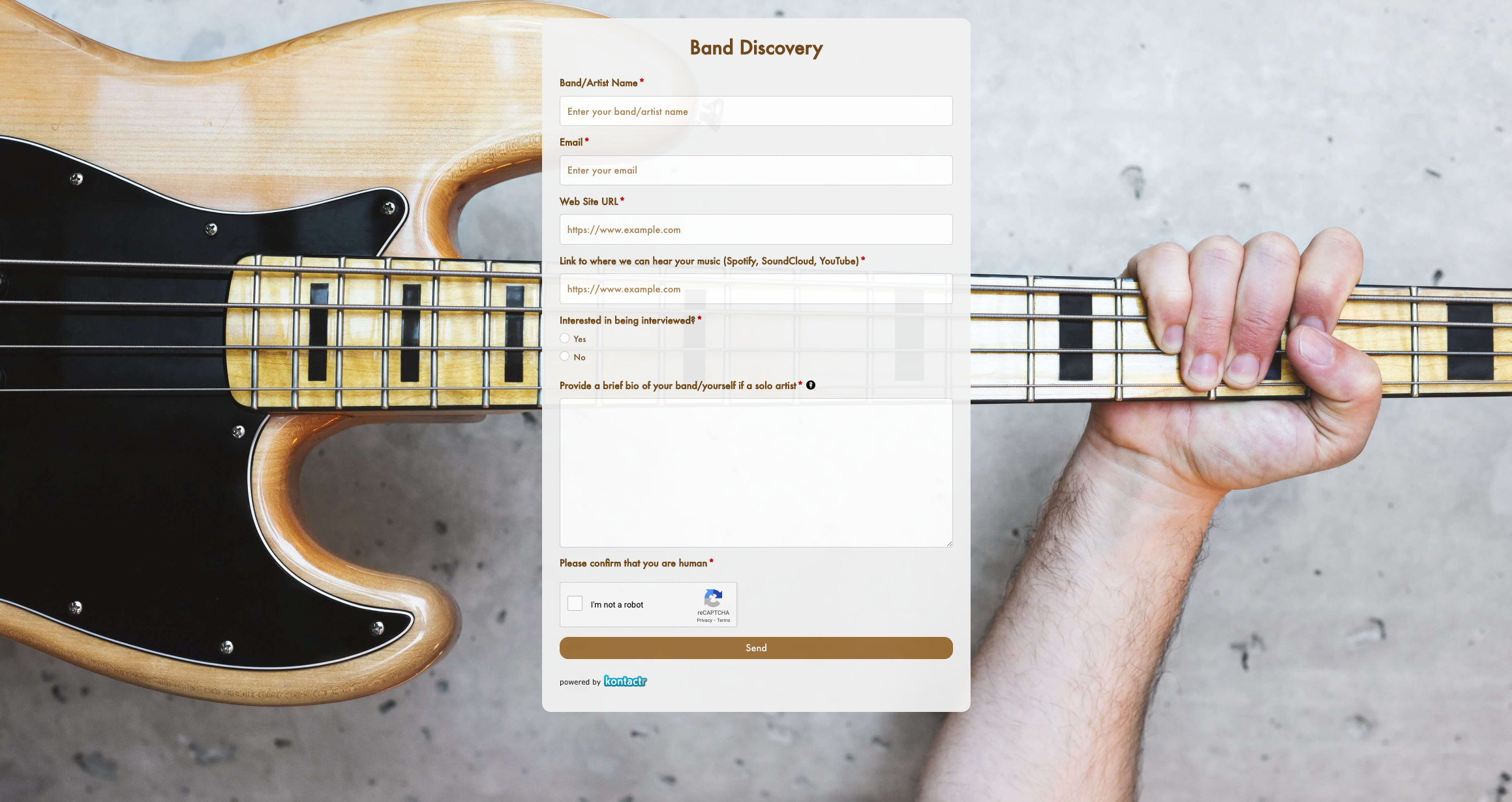 Band Discovery Form
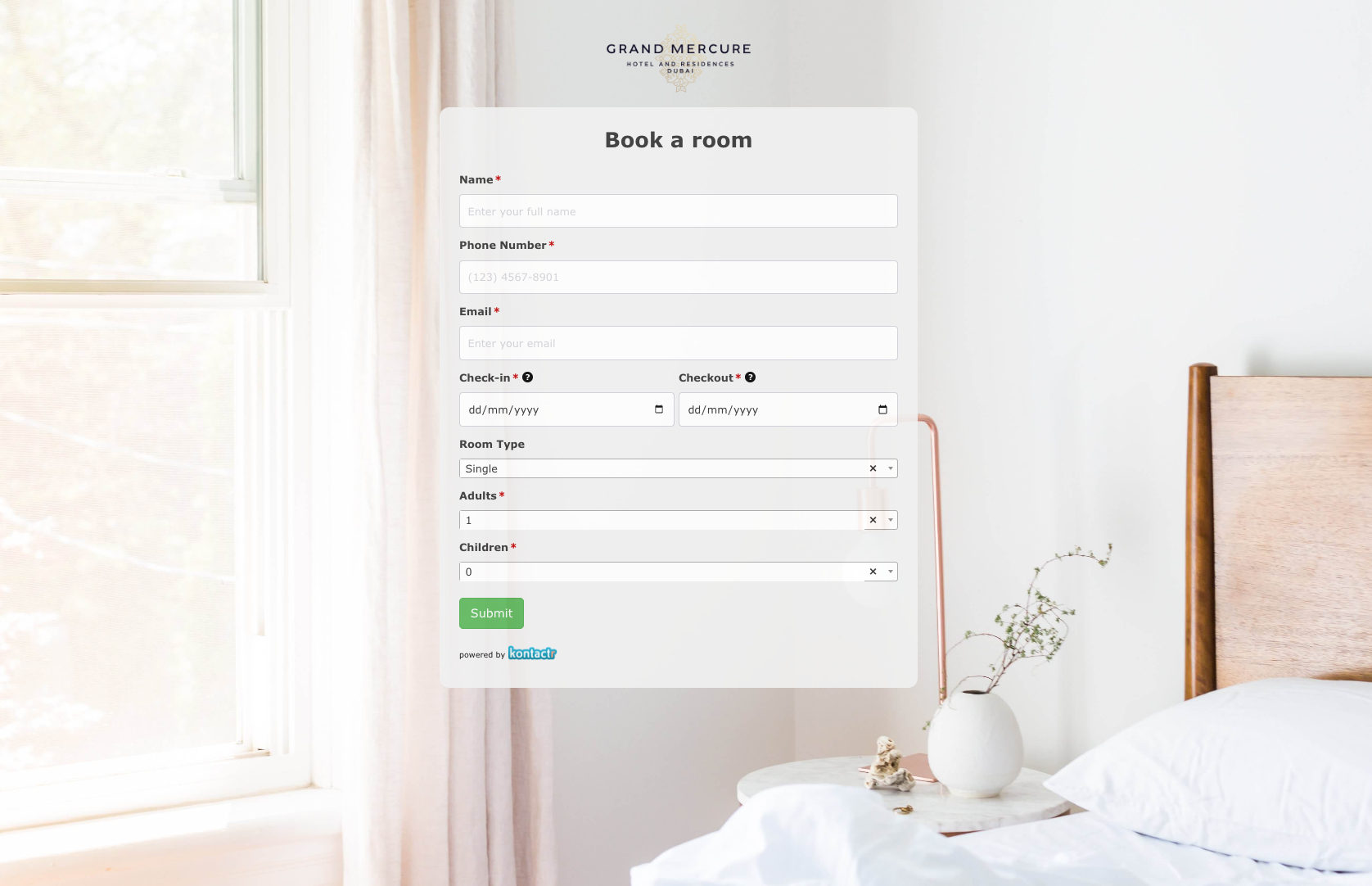 Book a room Form
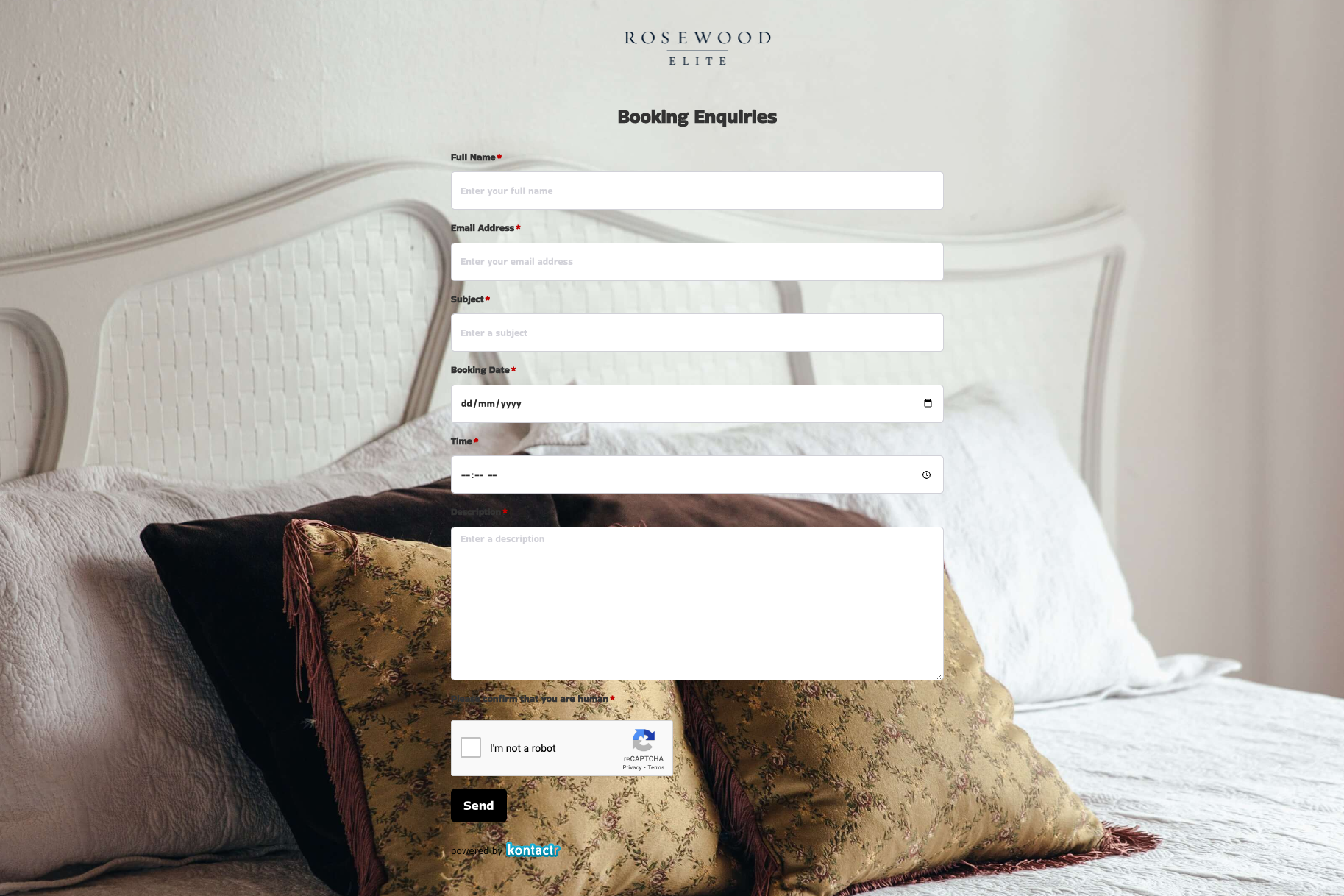 Booking Enquiries Form
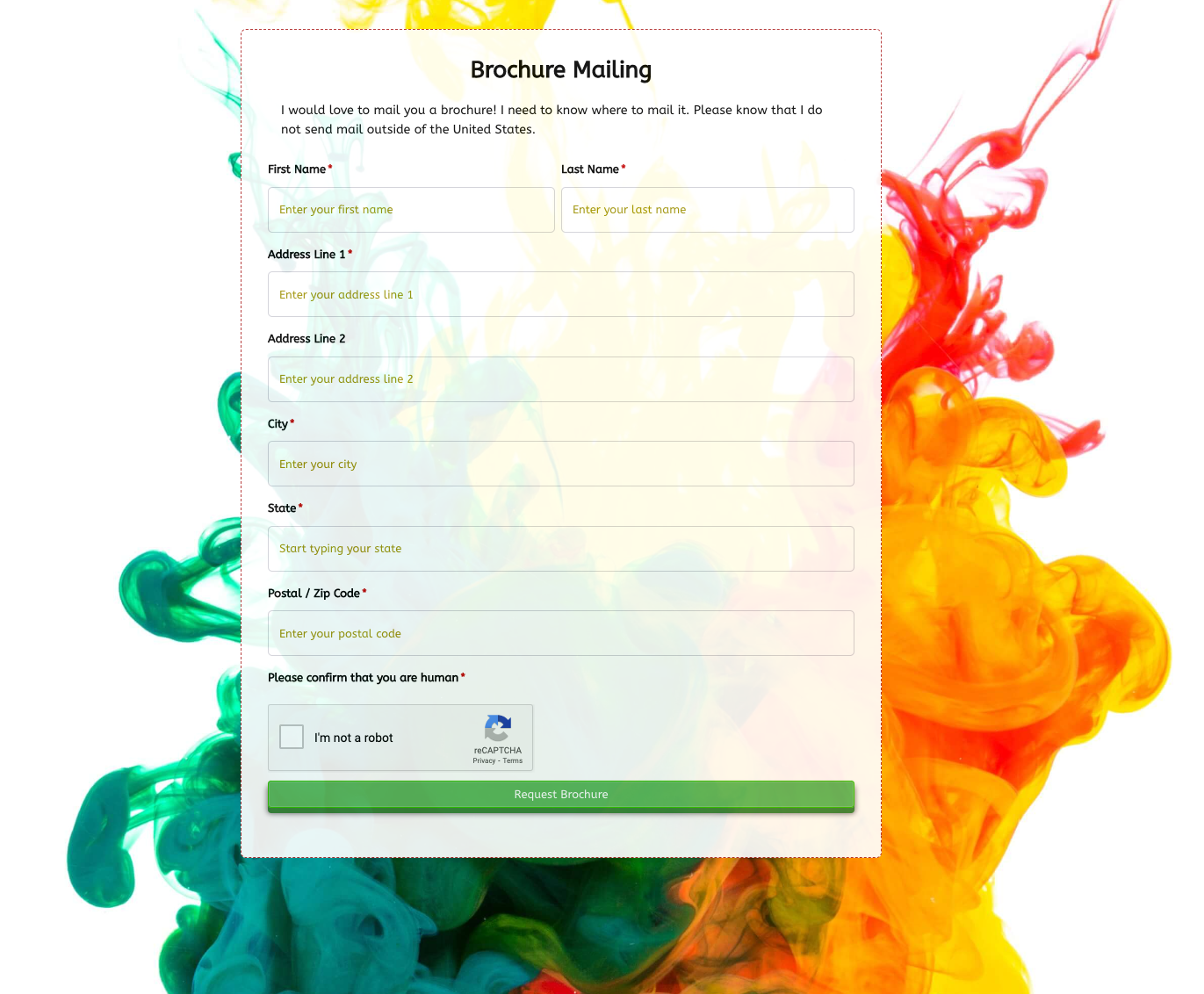 Brochure Mailing Form
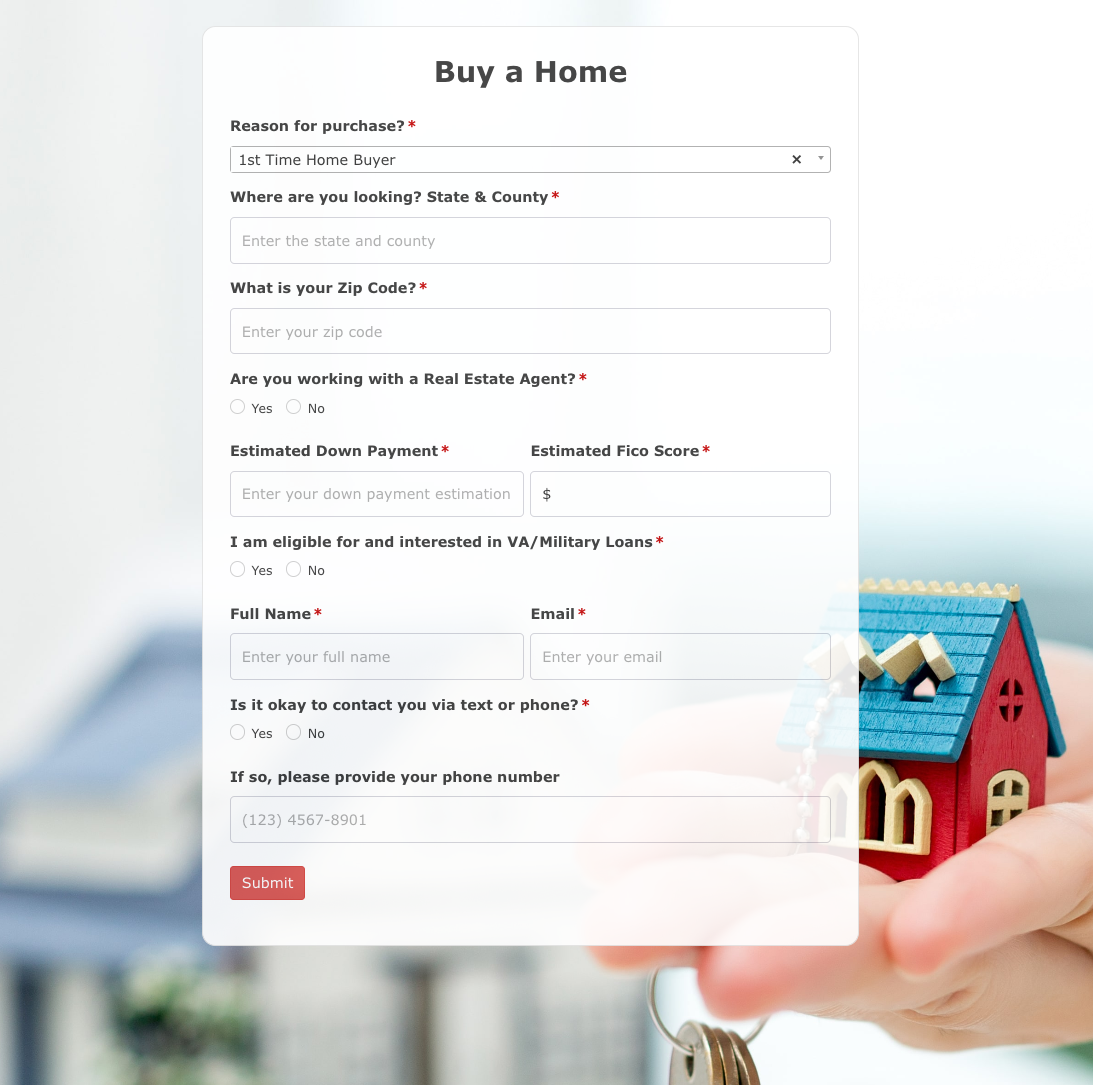 Buy a Home Form
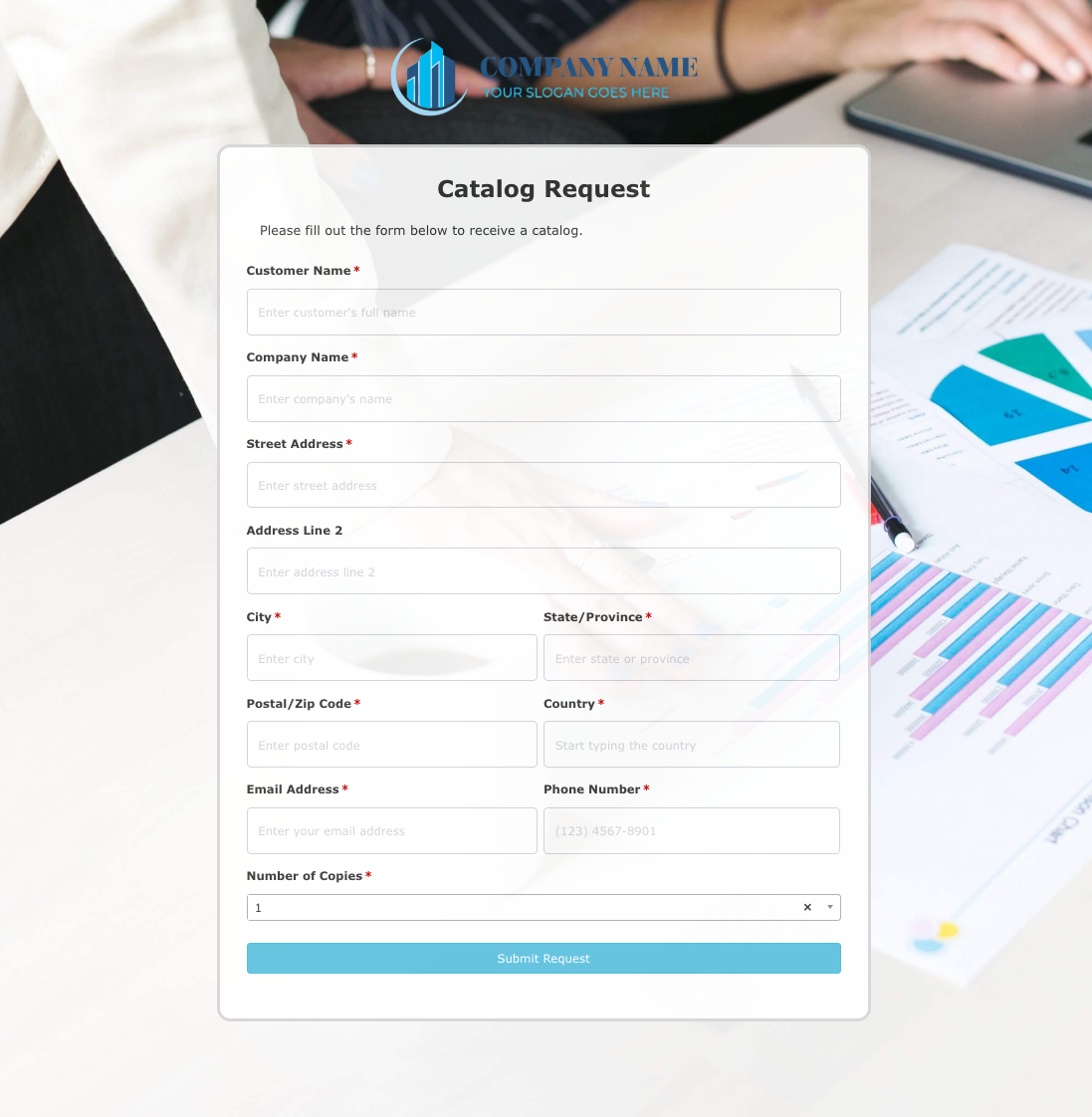 Catalog Request Form
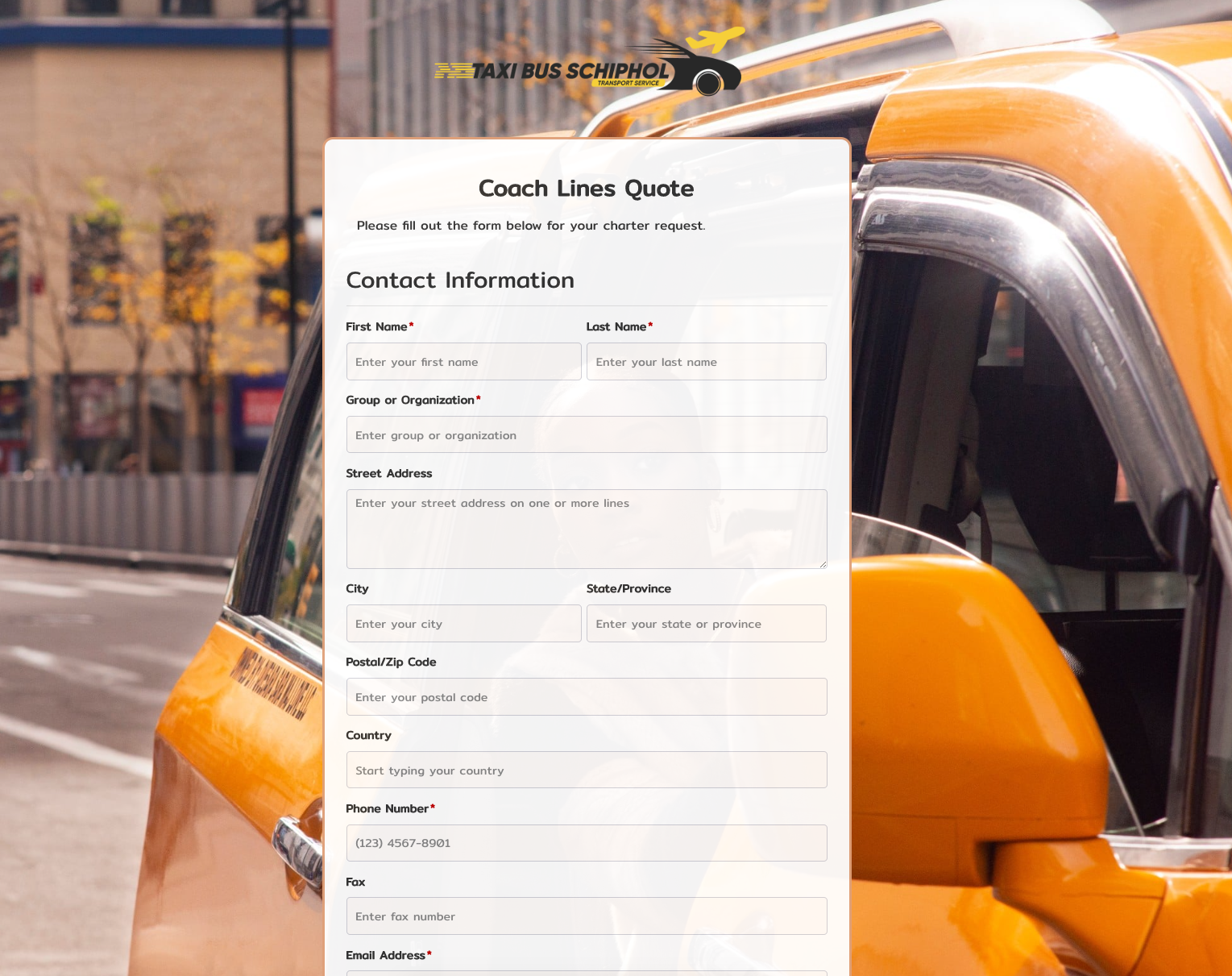 Coach Lines Quote Form
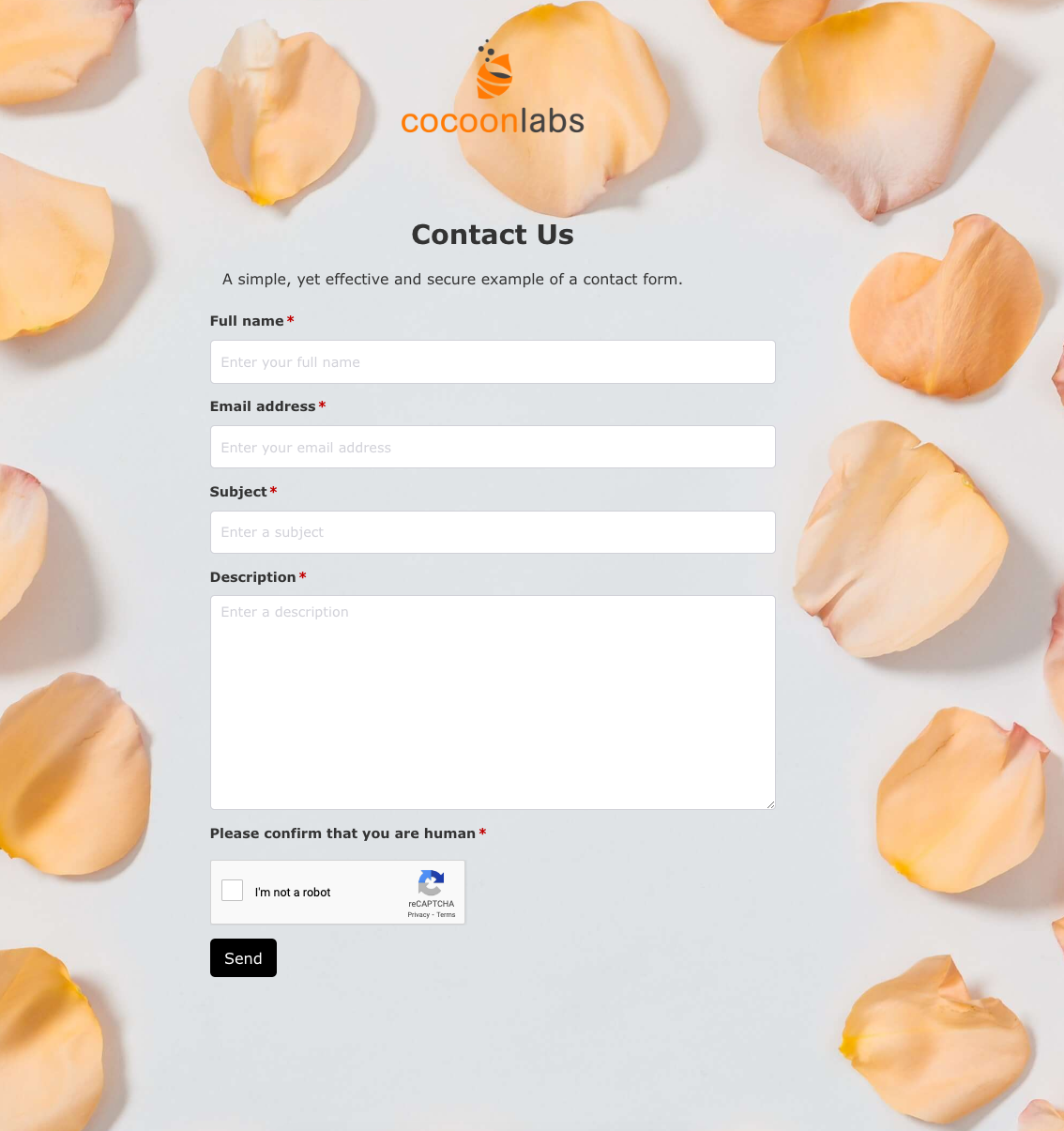 Contact Us Form
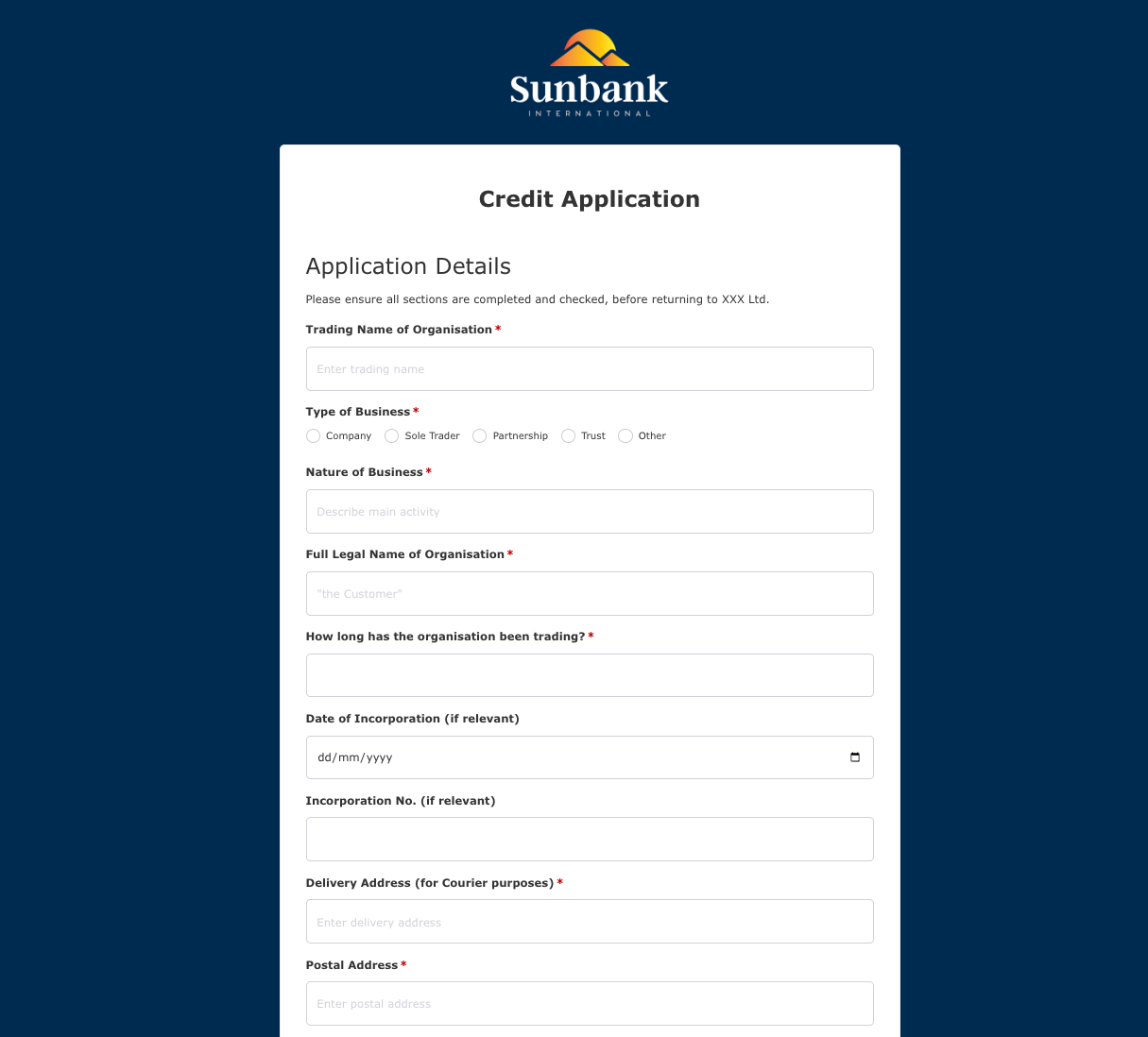 Credit Application Form
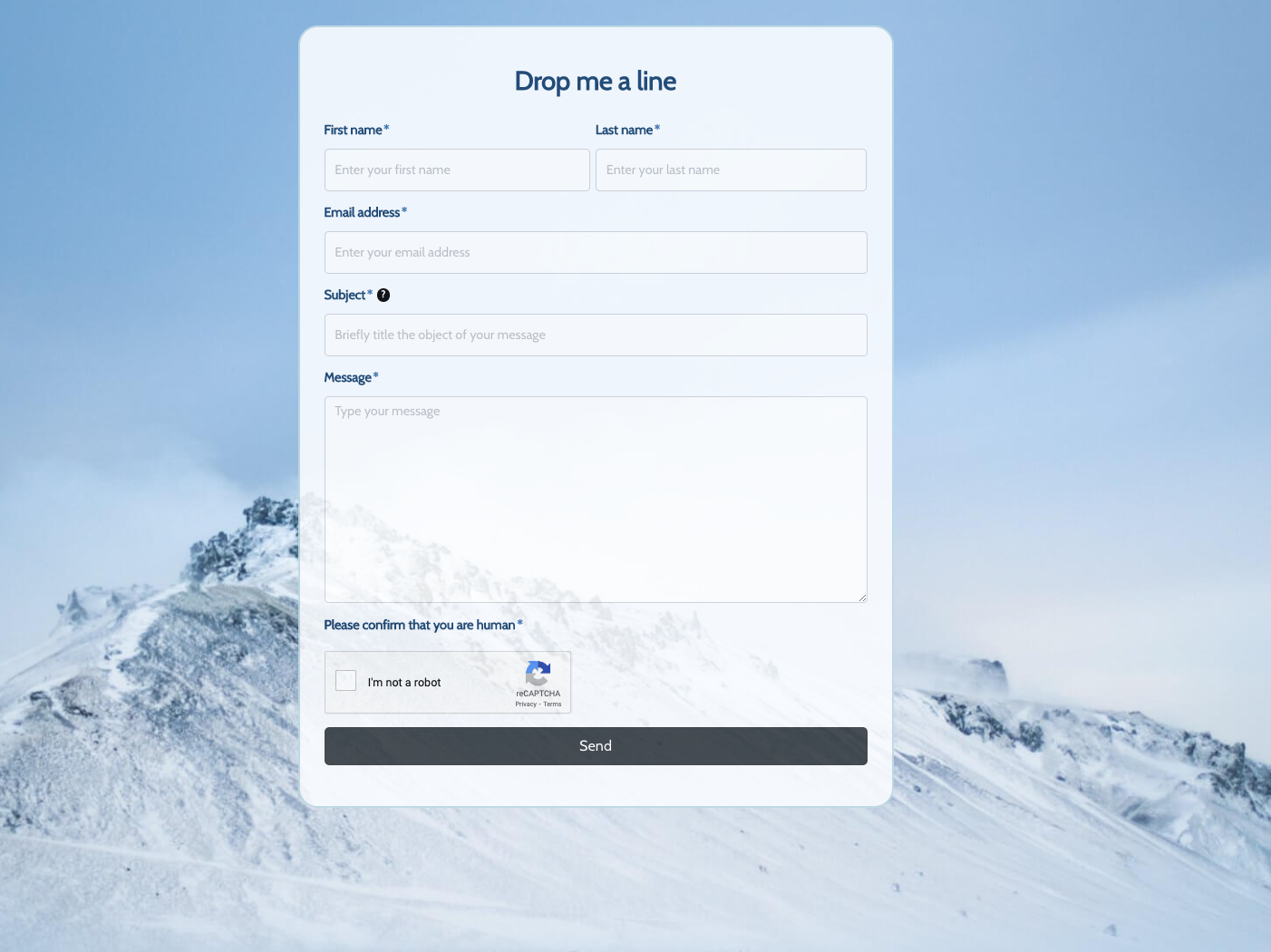 Drop me a line Form
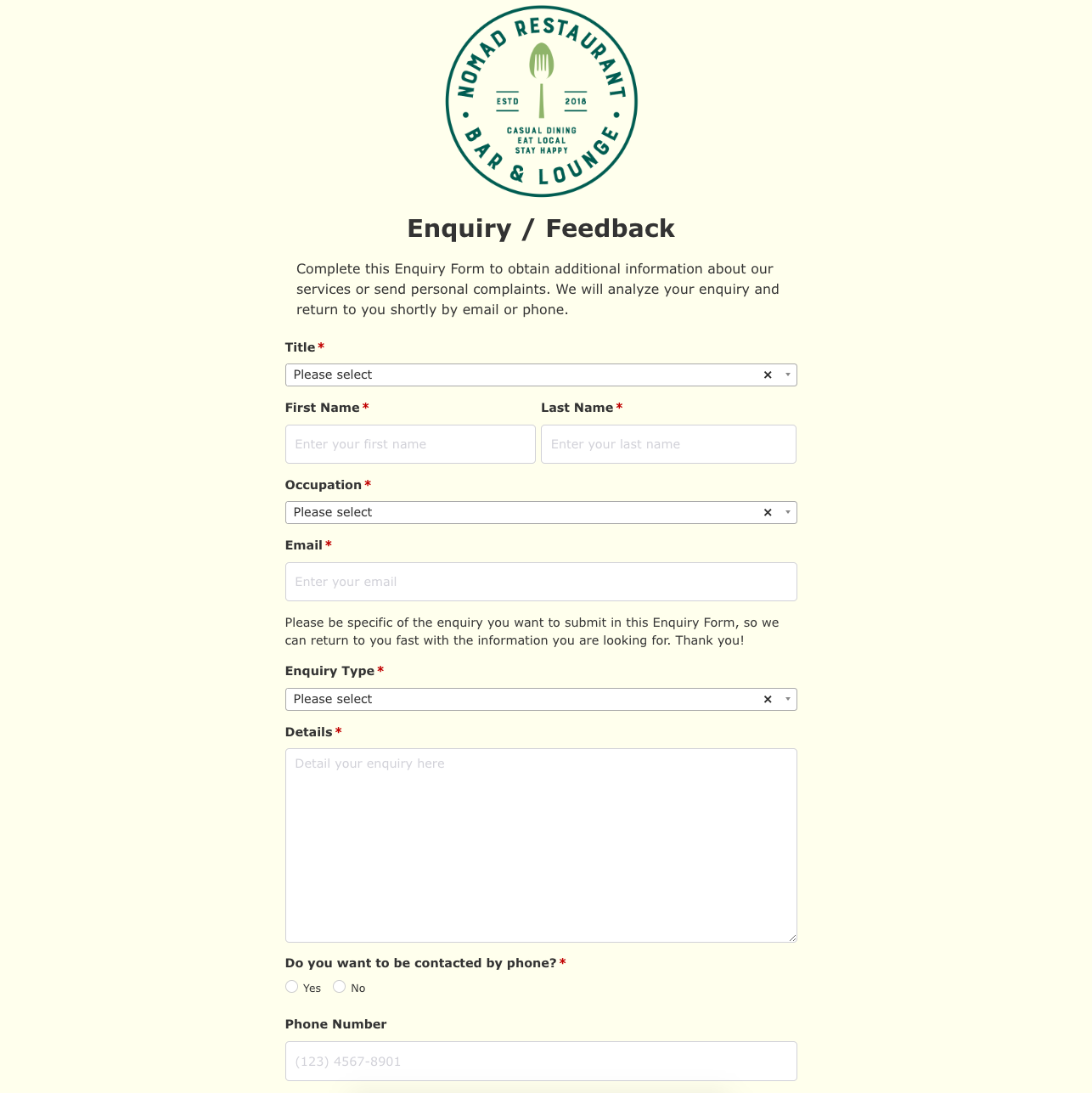 Enquiry / Feedback Form
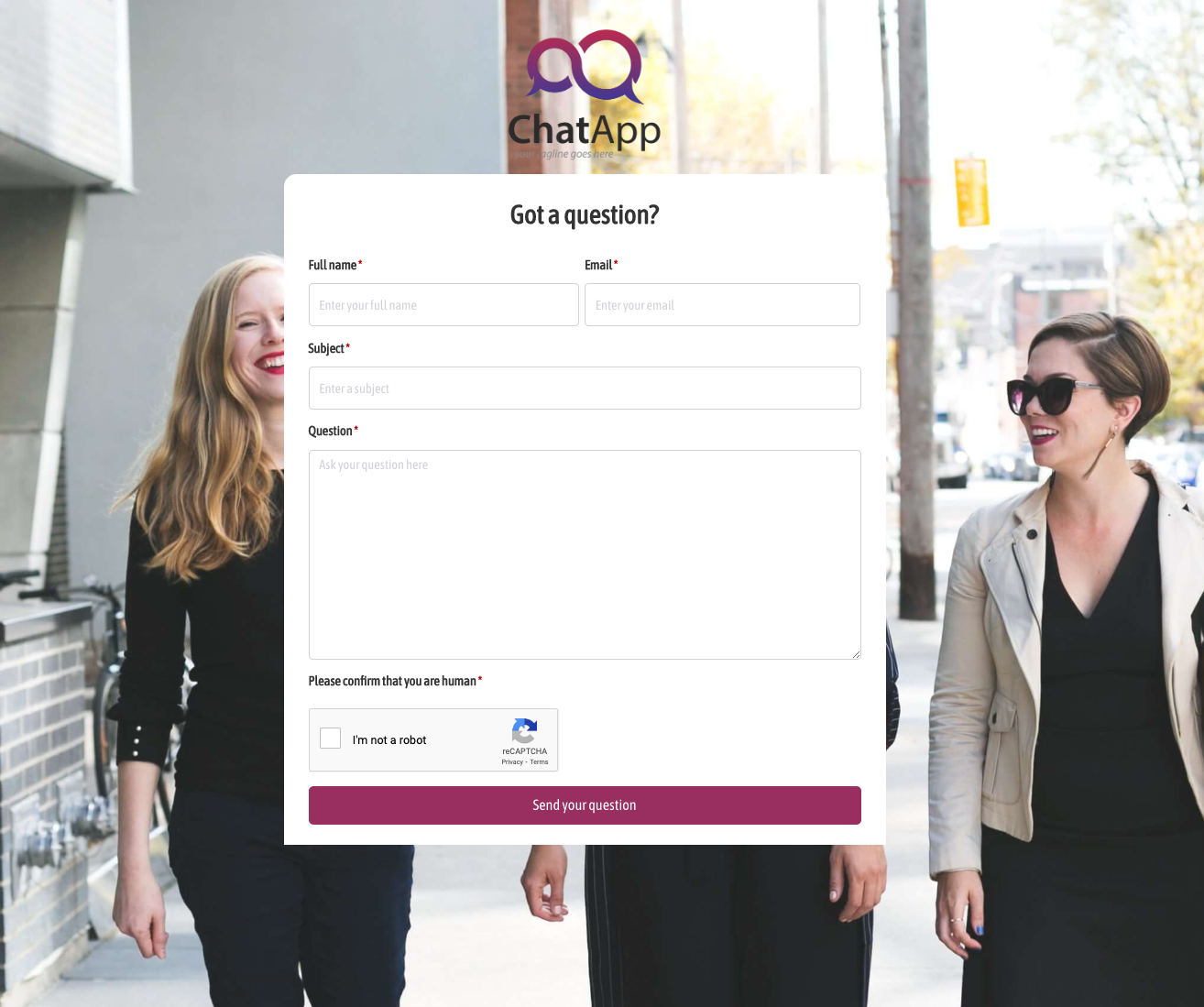 Got a question? Form
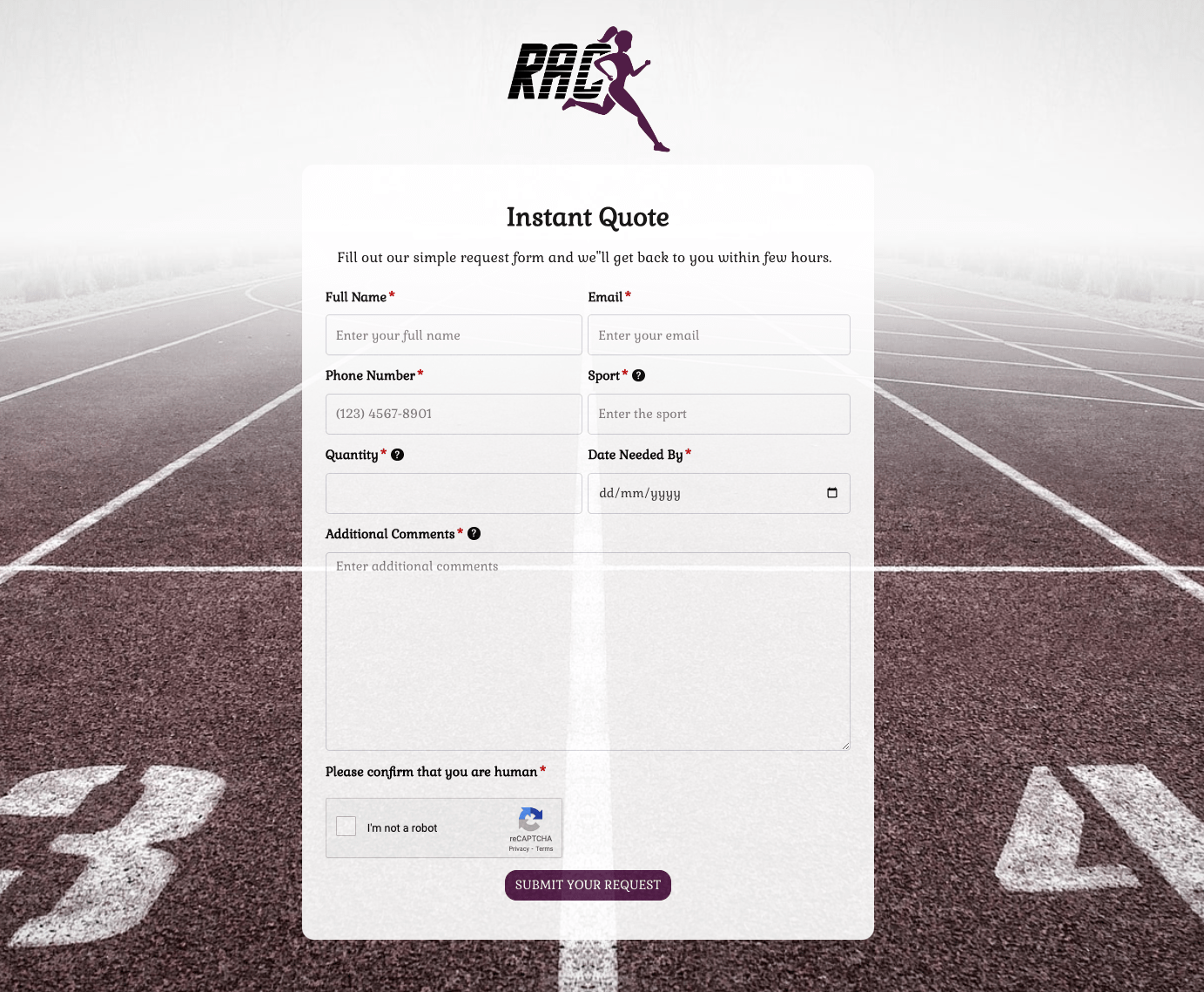 Instant Quote Form
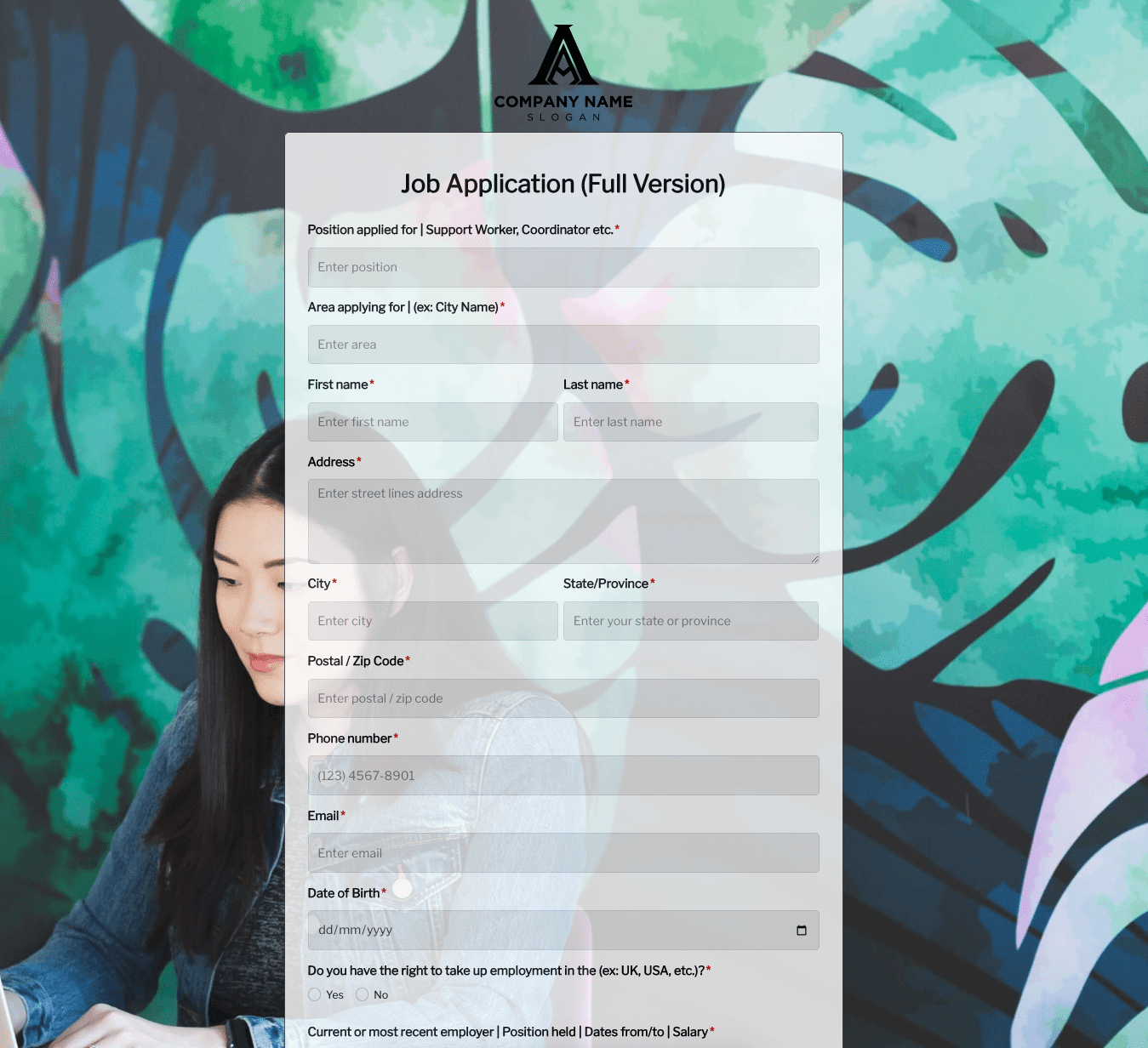 Job Application Form
 Language & Literacy Lab Form
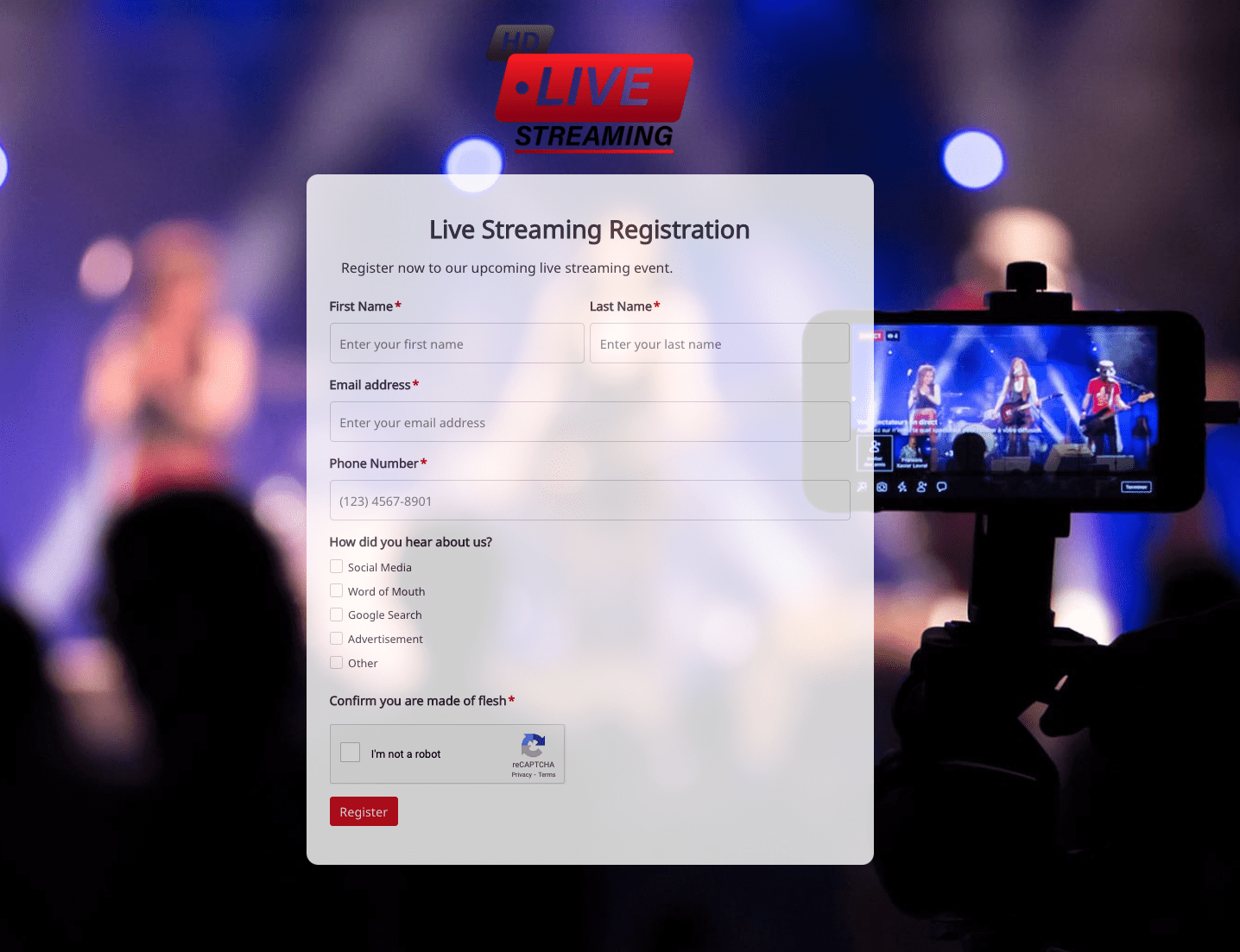 Live Streaming Registration Form
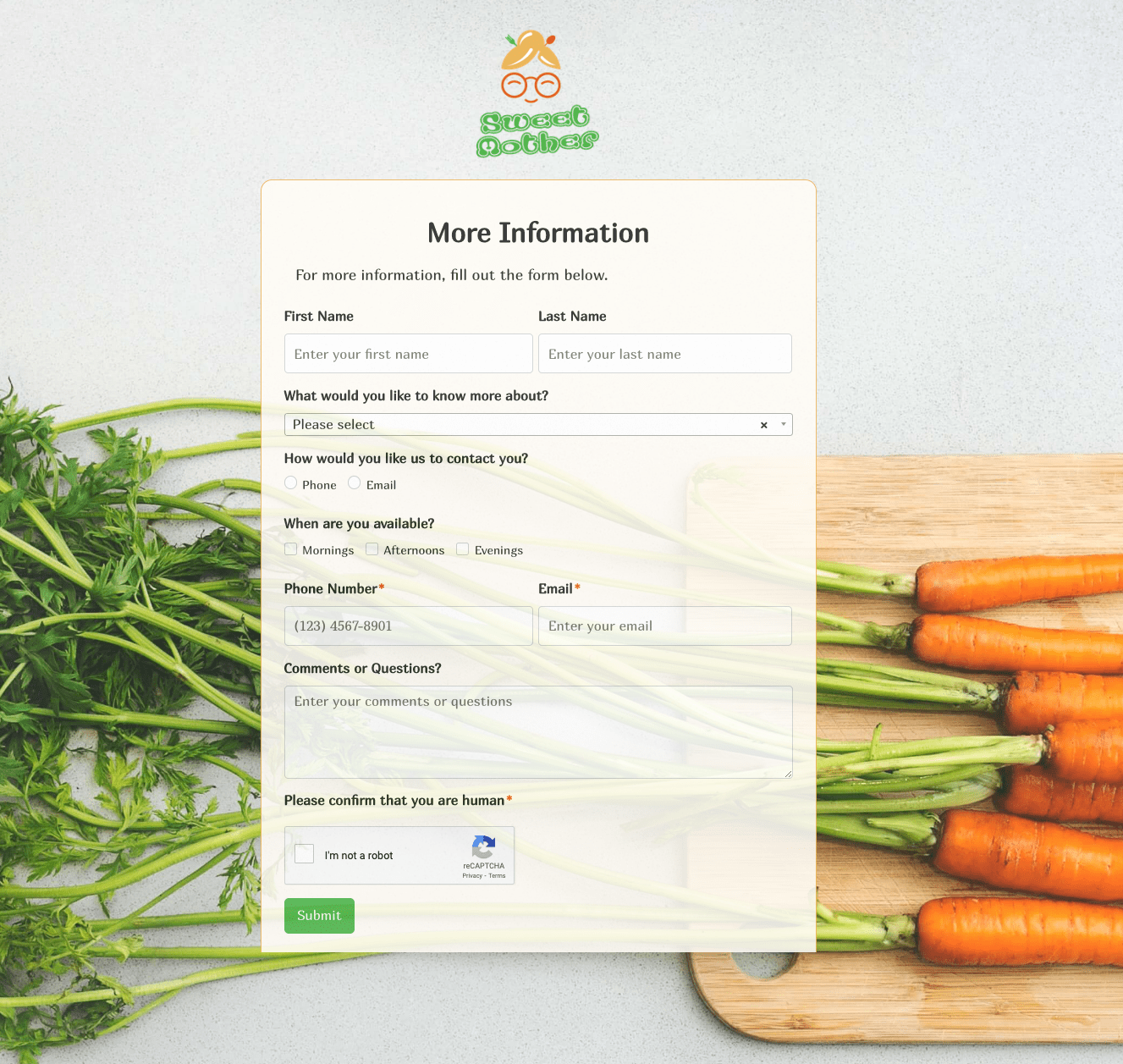 More Information Form
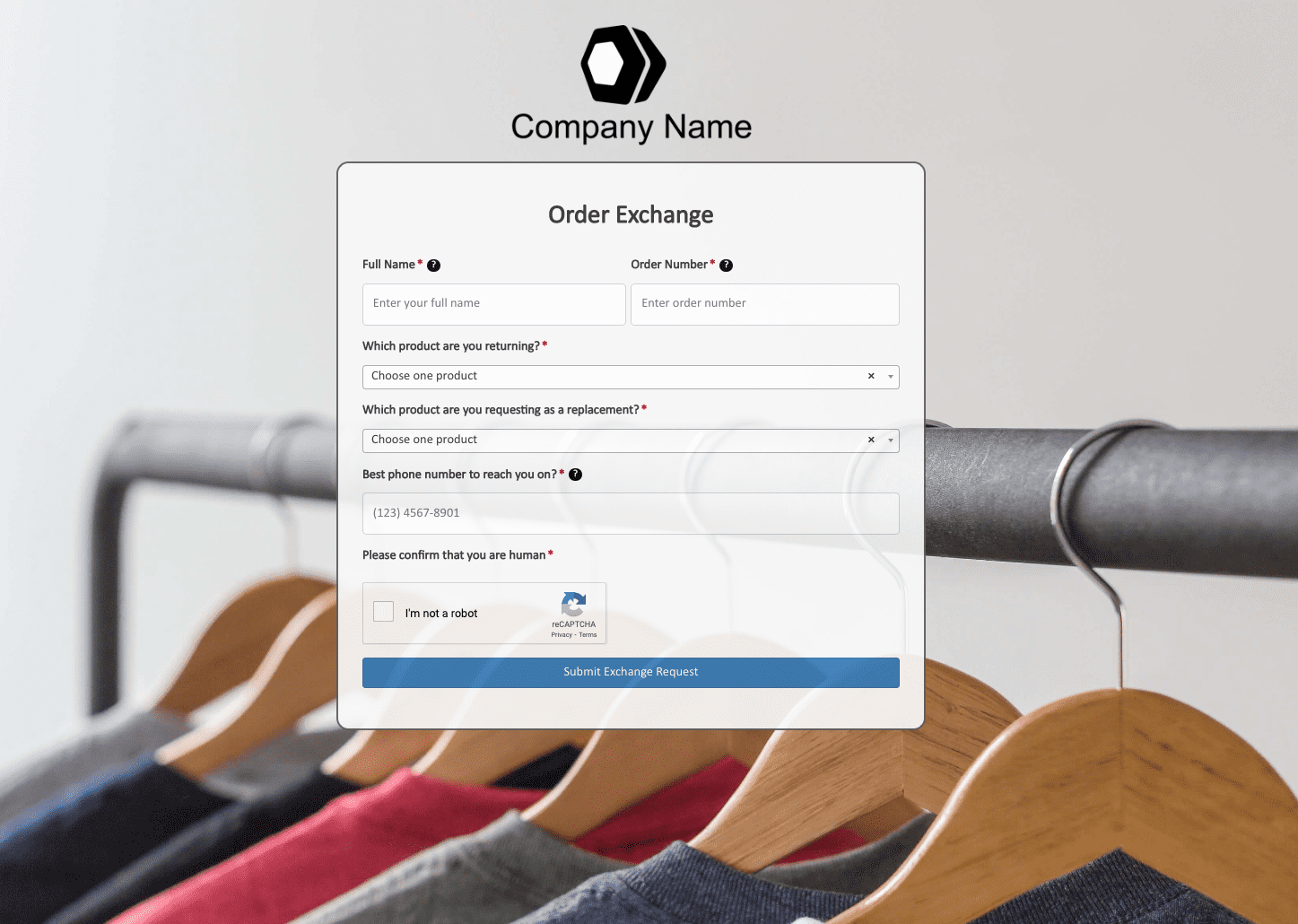 Order Exchange Form
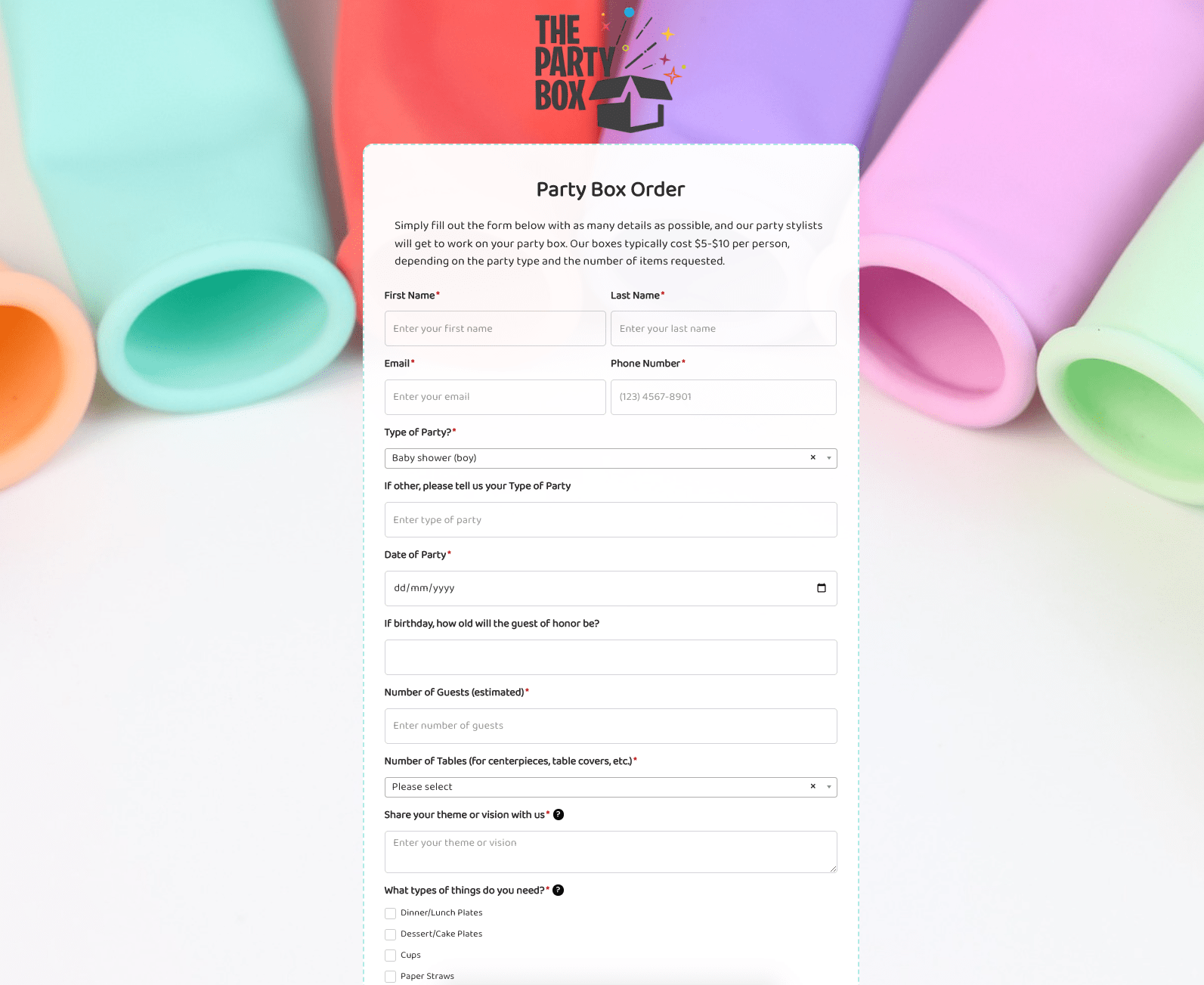 Party Box Order Form
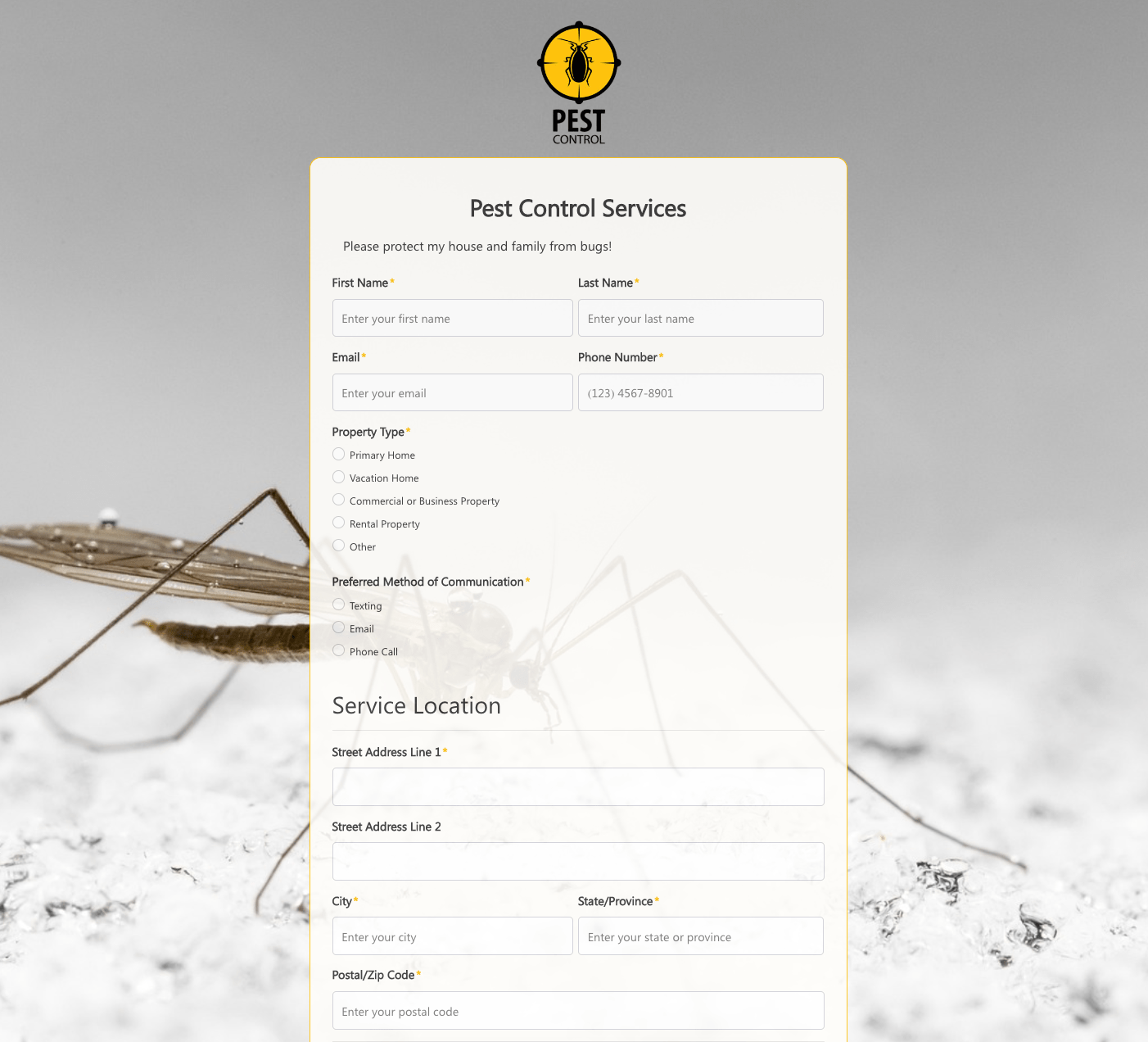 Pest Control Services Form
 Poll / Survey Form
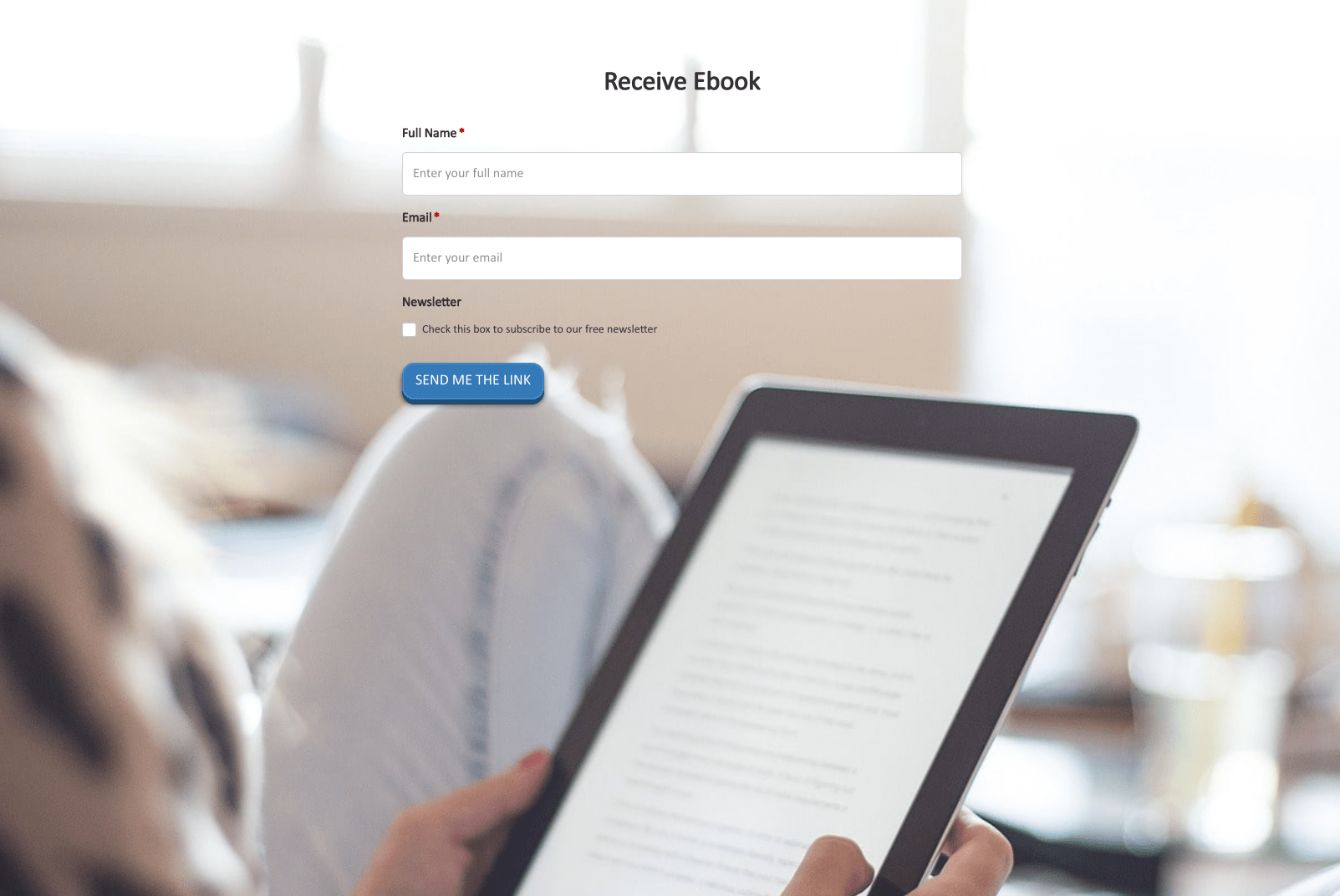 Receive Ebook Form
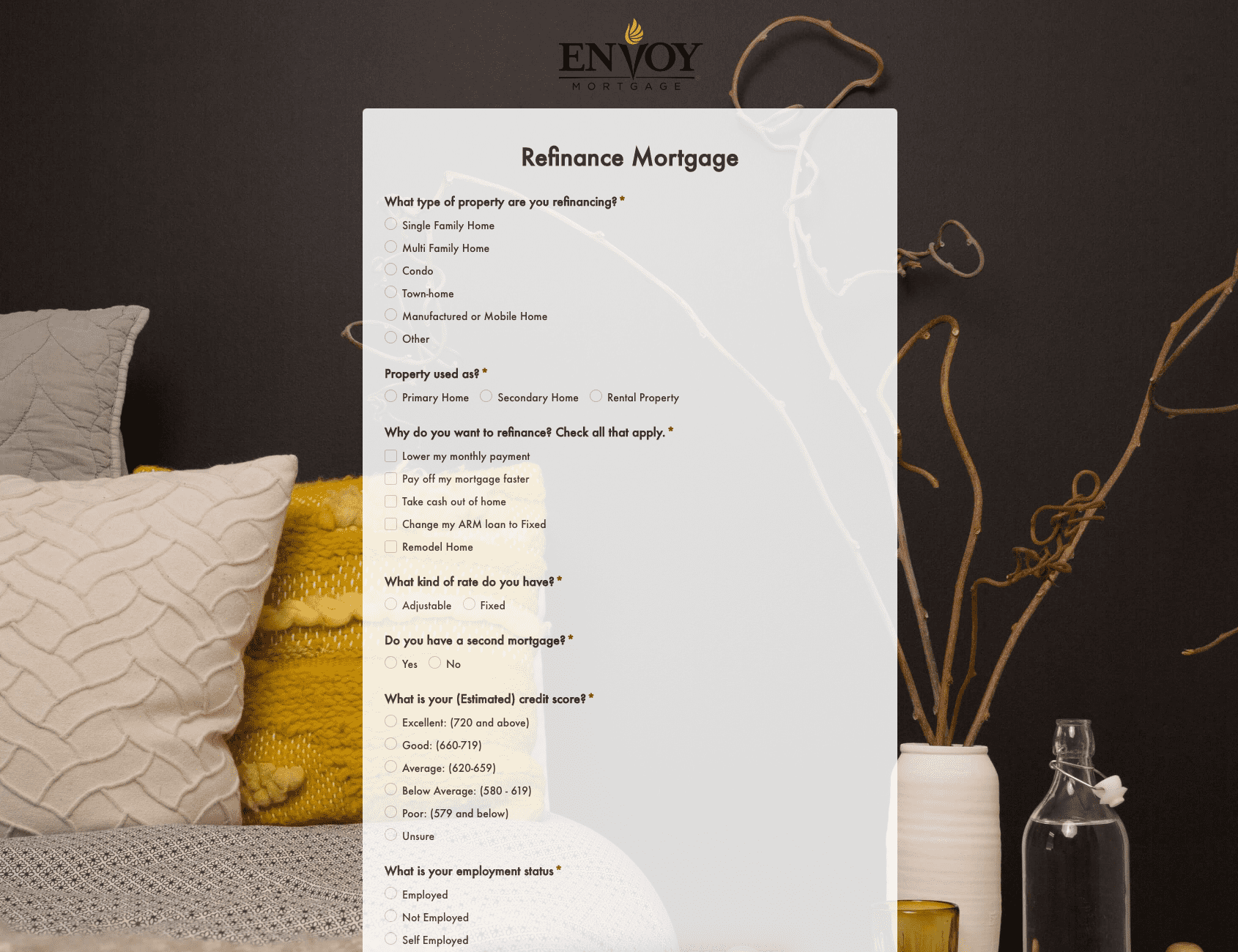 Refinance Mortgage Form
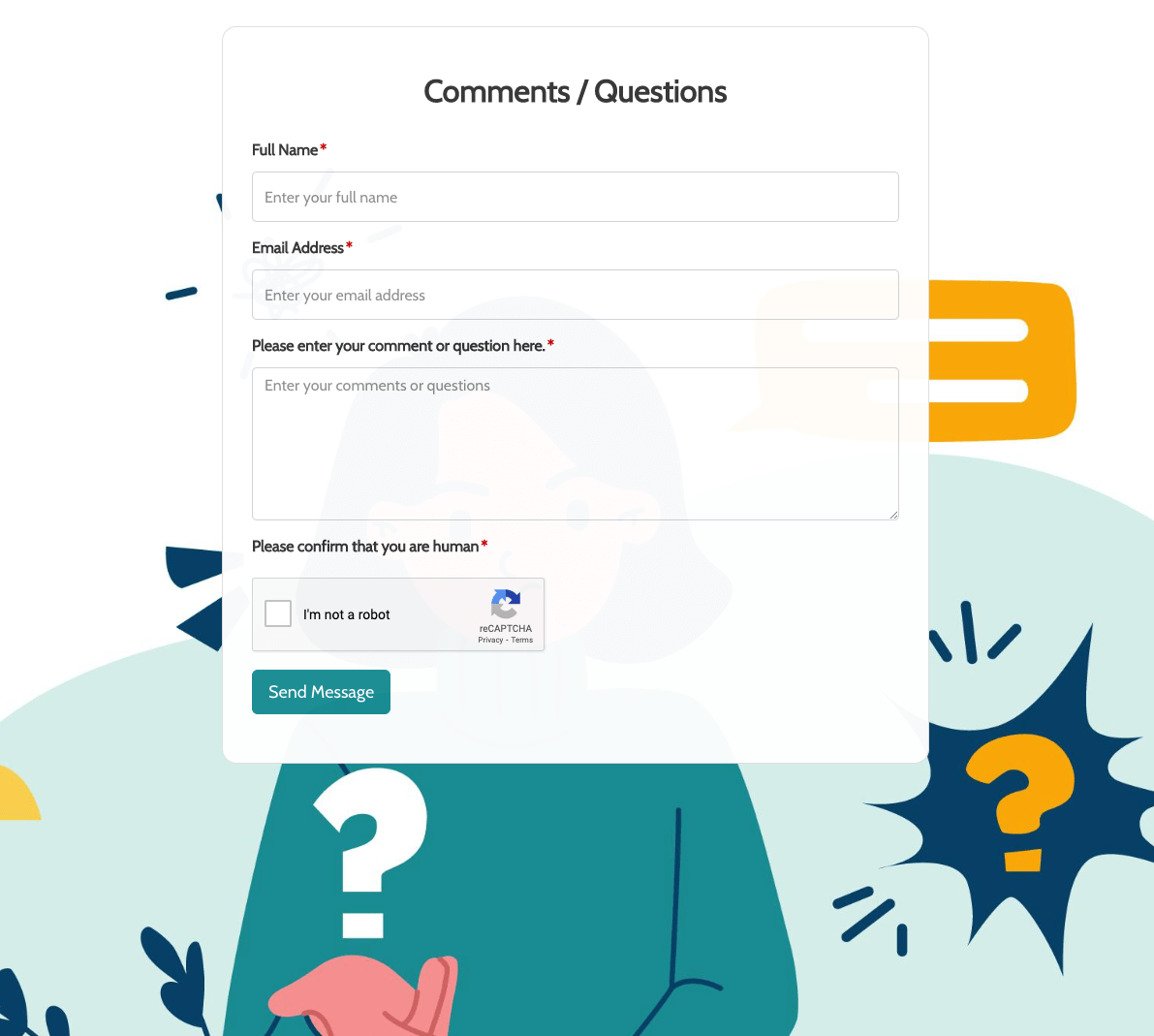 Remarks / Questions Form
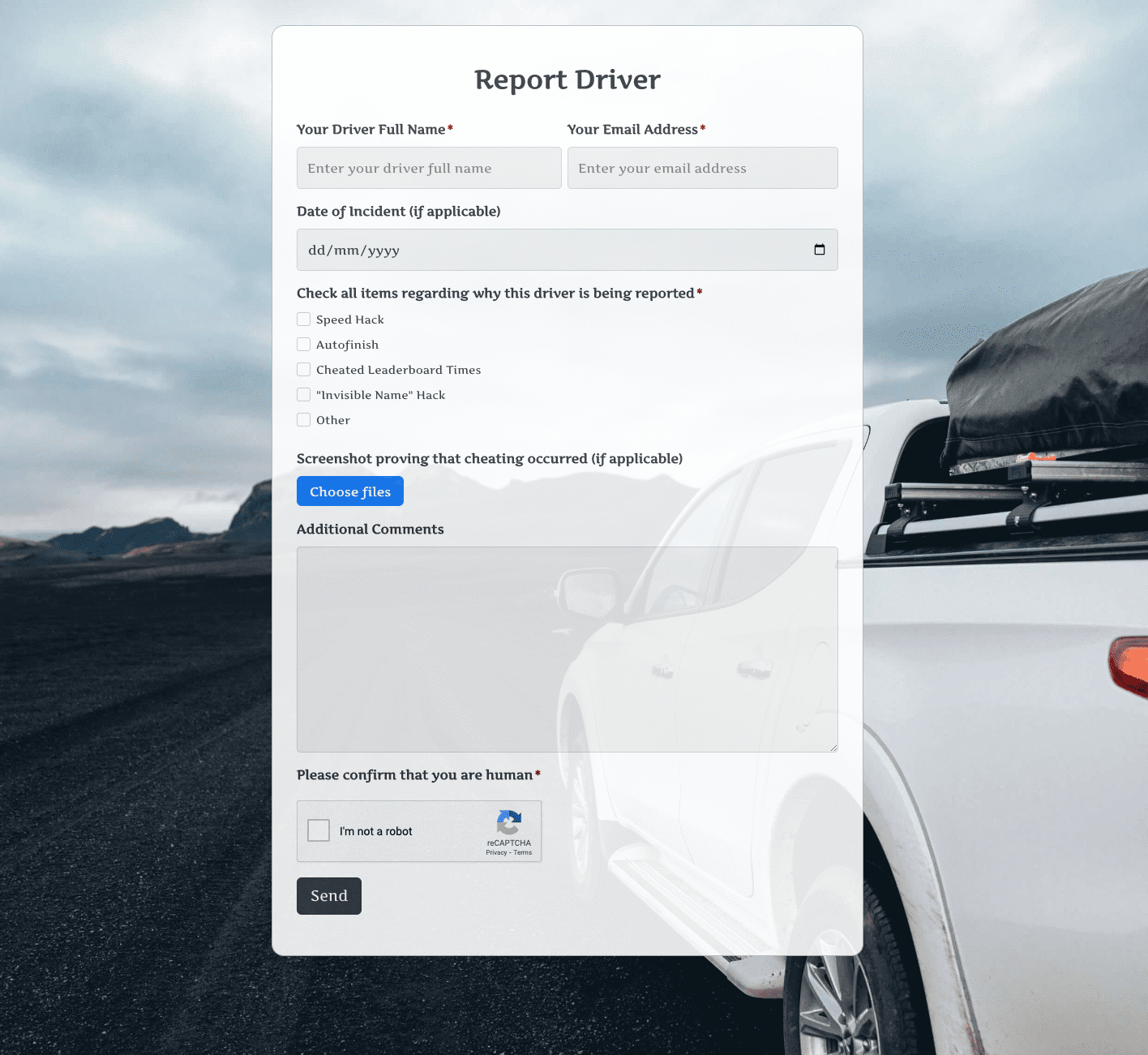 Report Driver Form
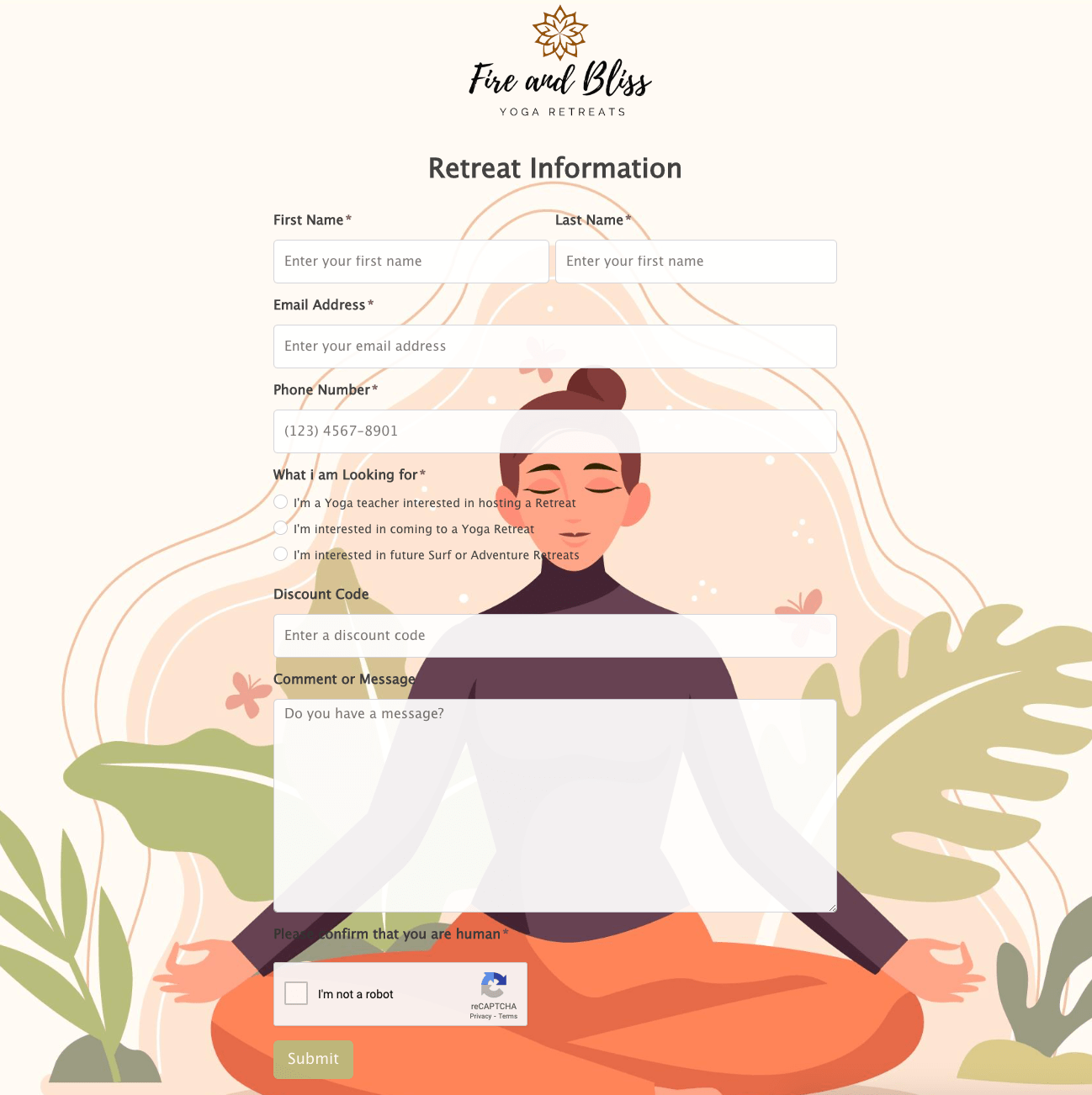 Retreat Information Form
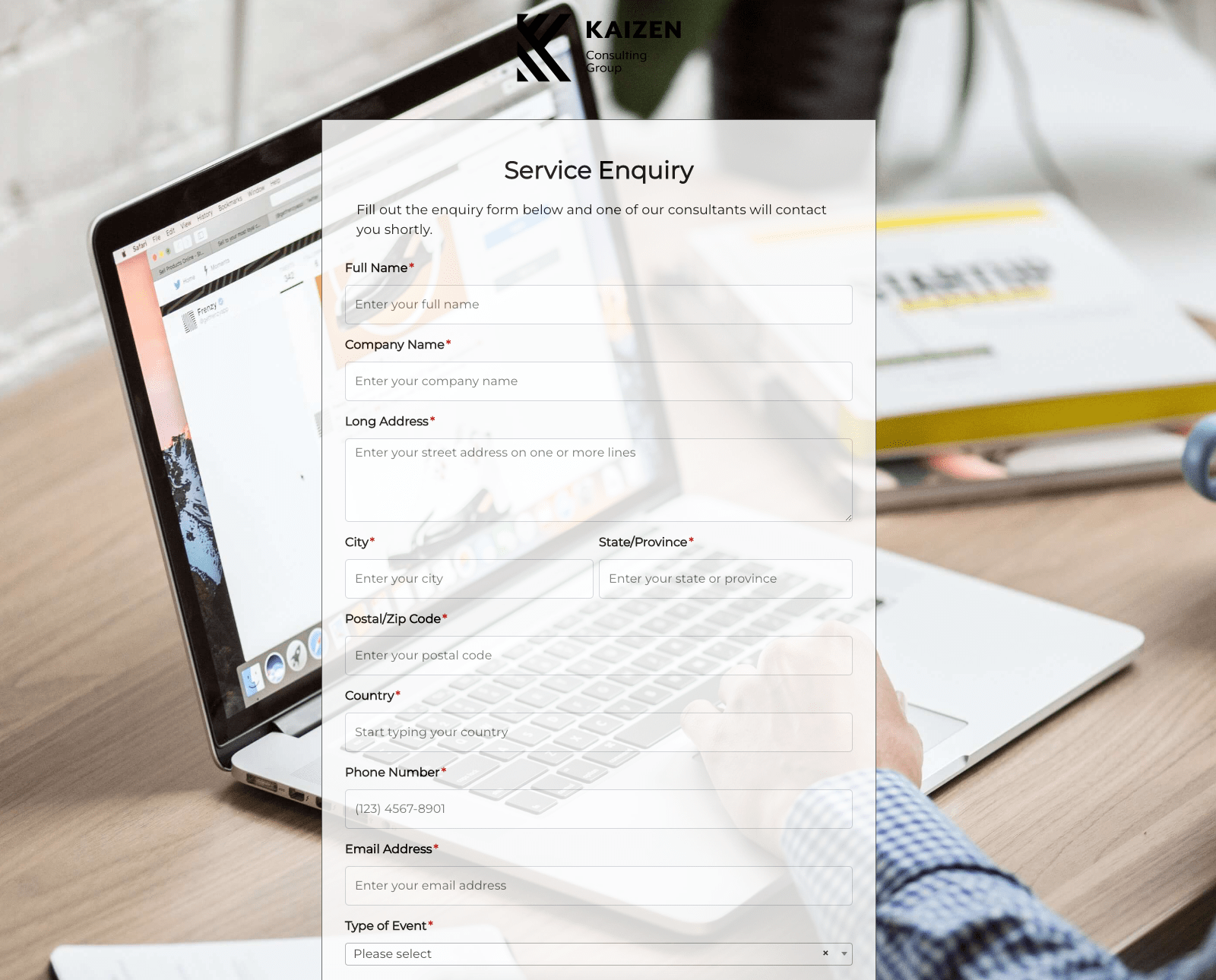 Service Enquiry Form
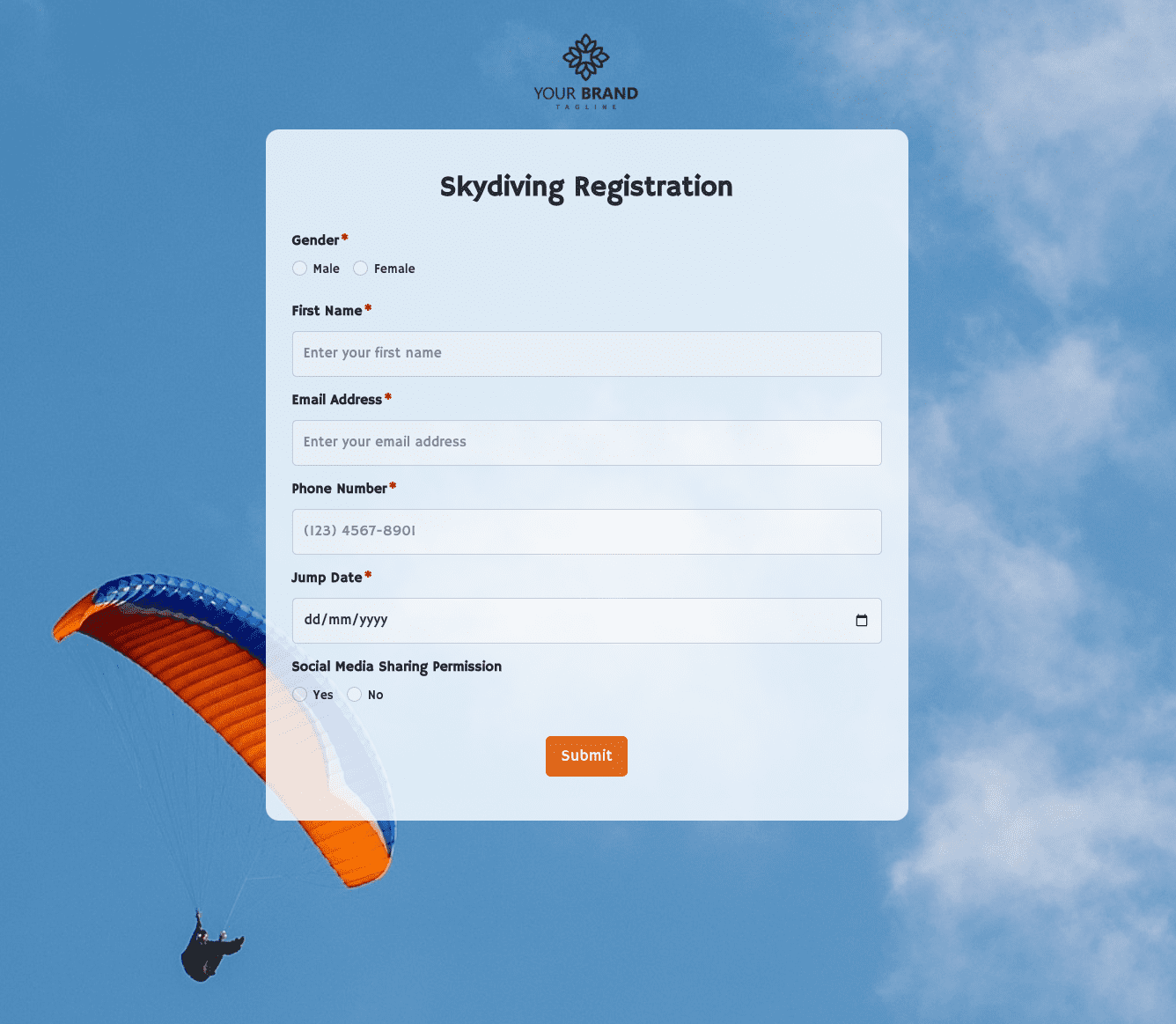 Skydiving Registration Form
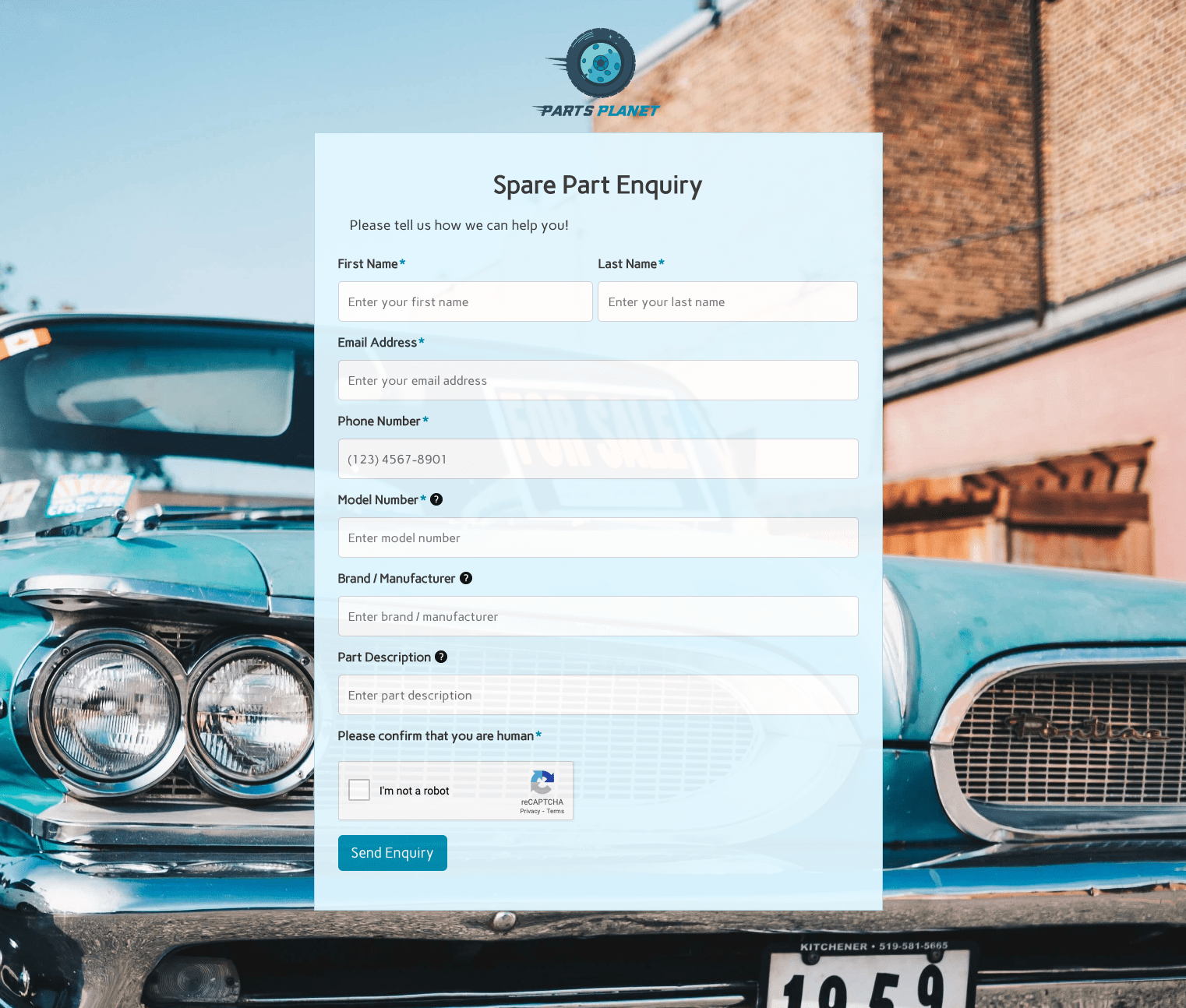 Spare Part Enquiry Form
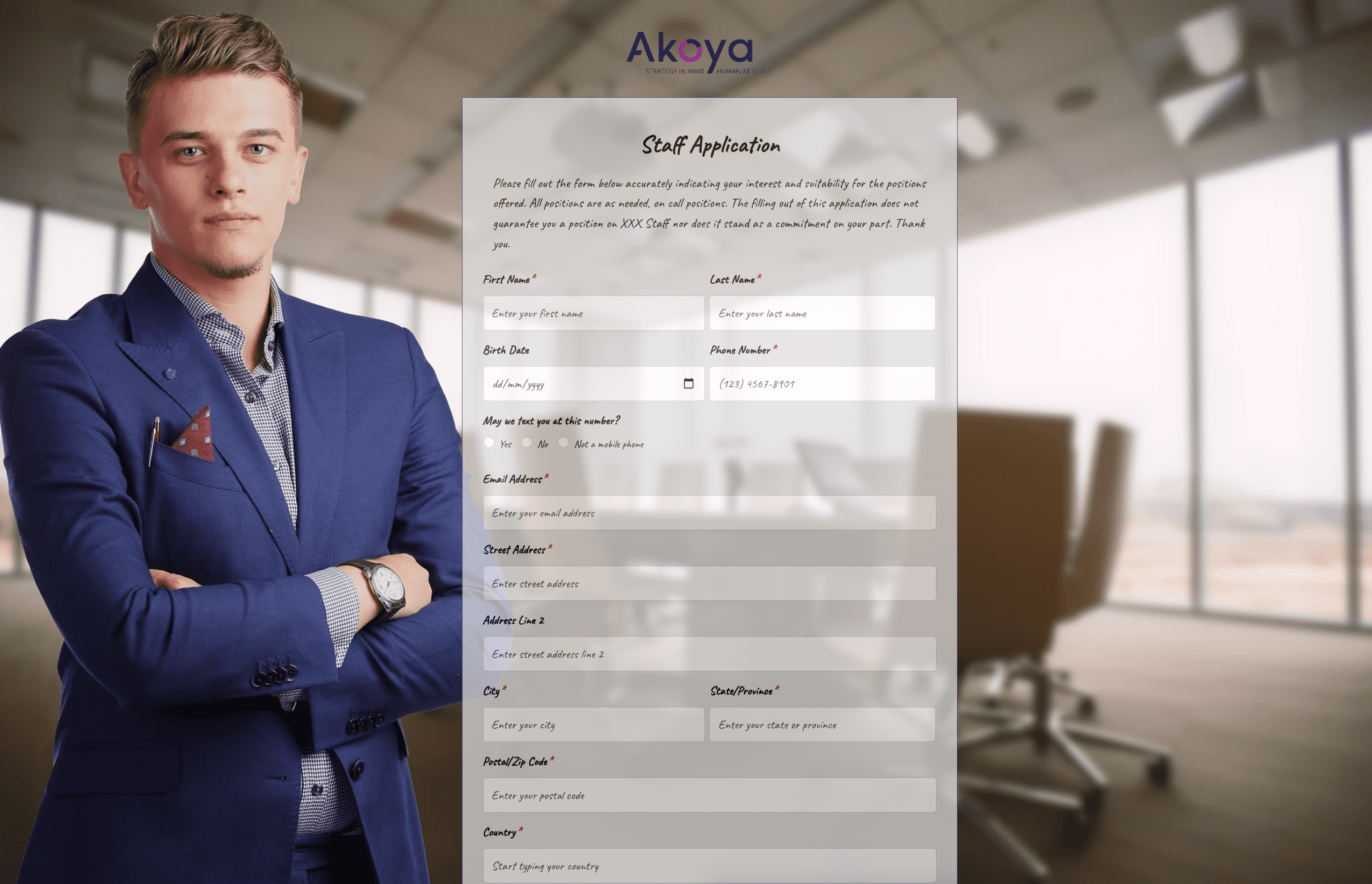 Staff Application Form
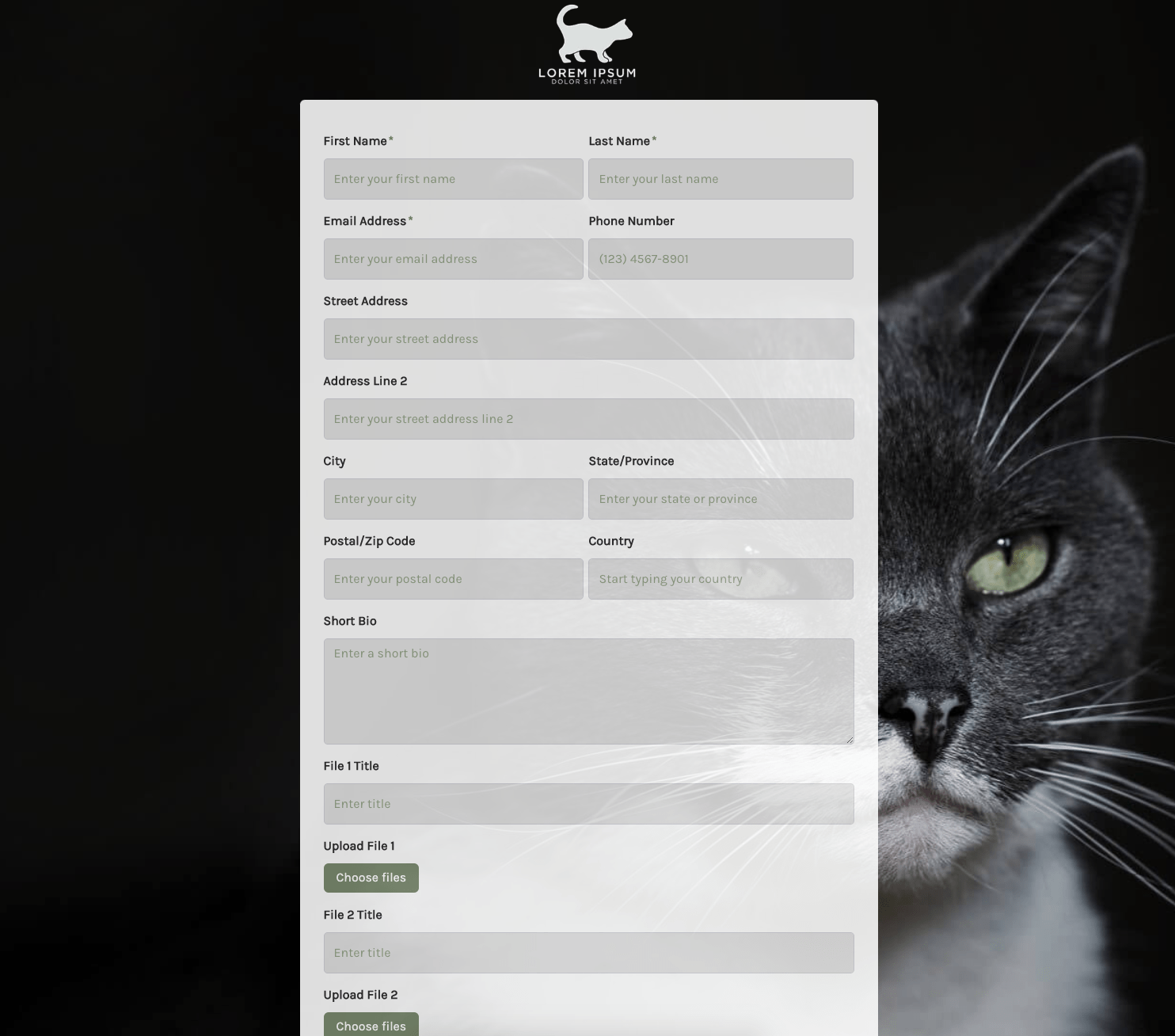 Submission Form
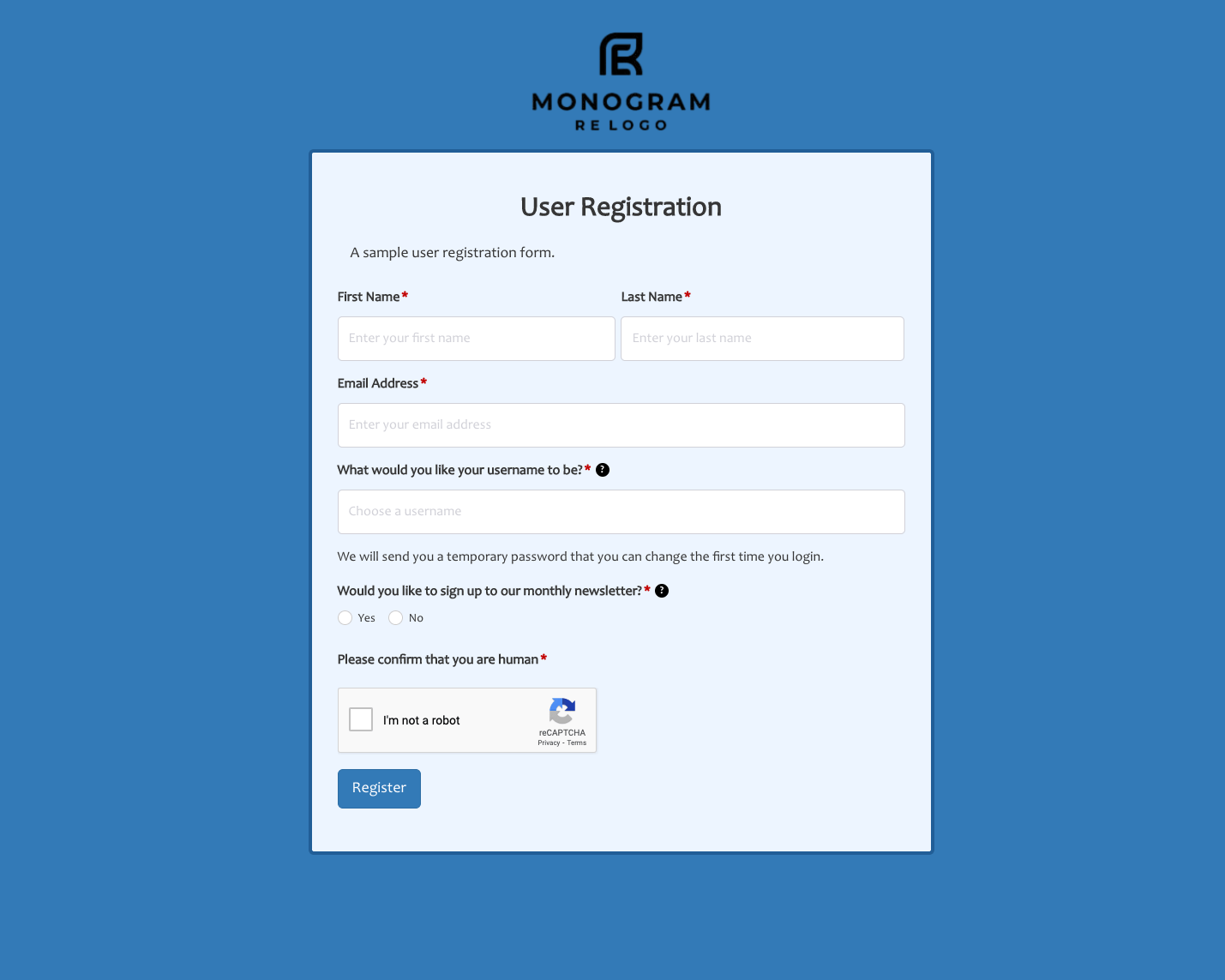 User Registration Form
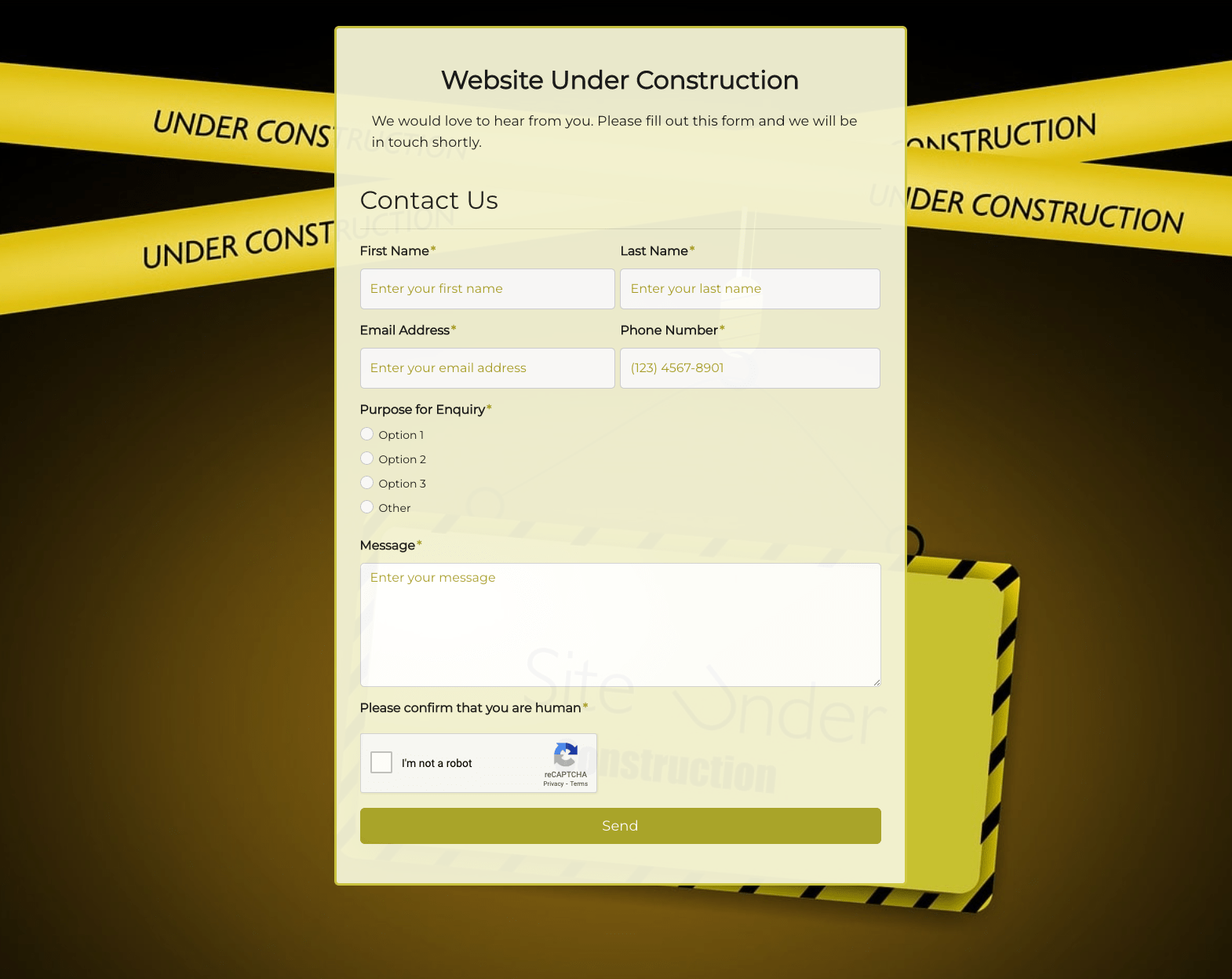 Website Under Construction Form
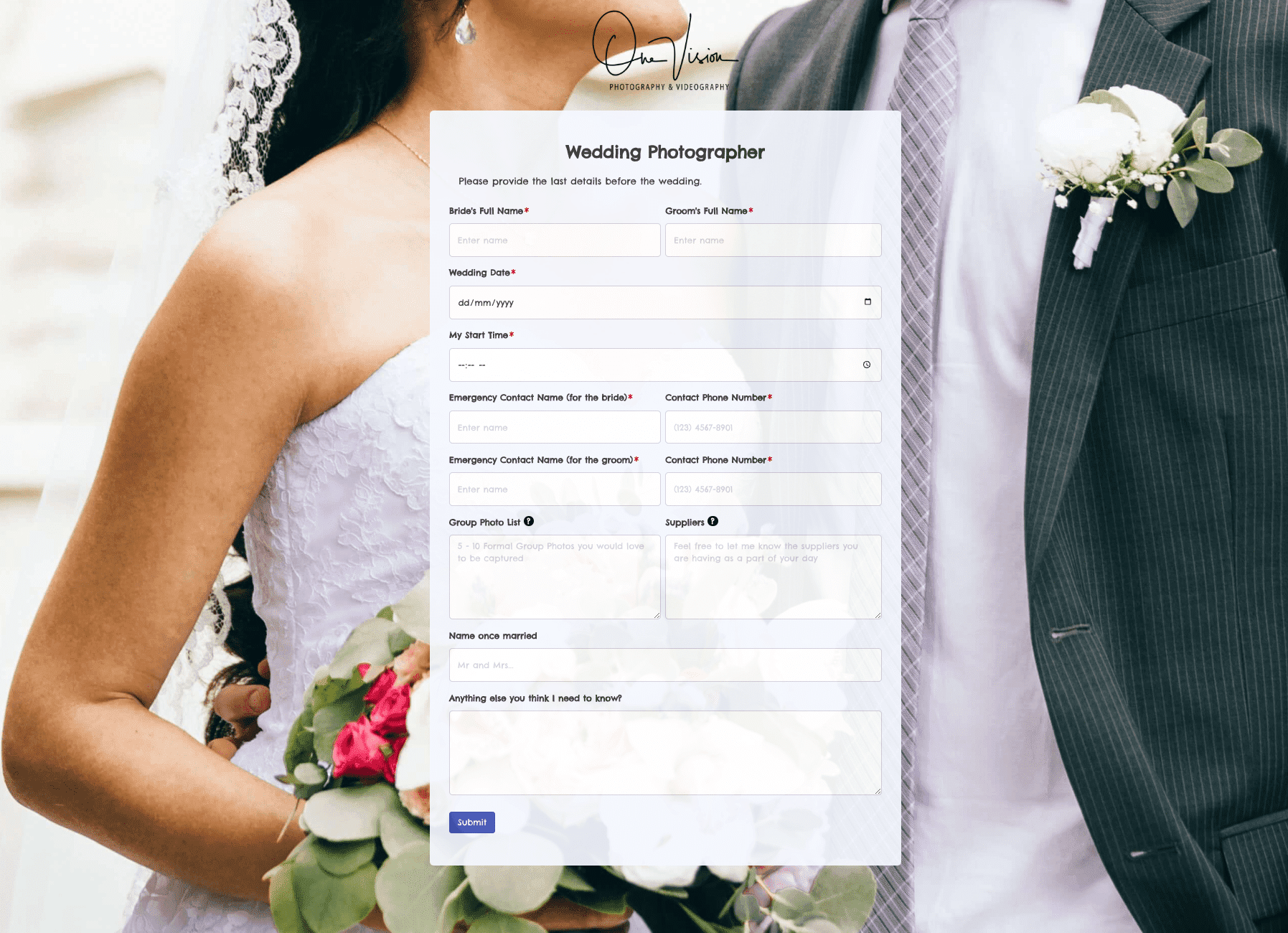 Wedding Photographer Form
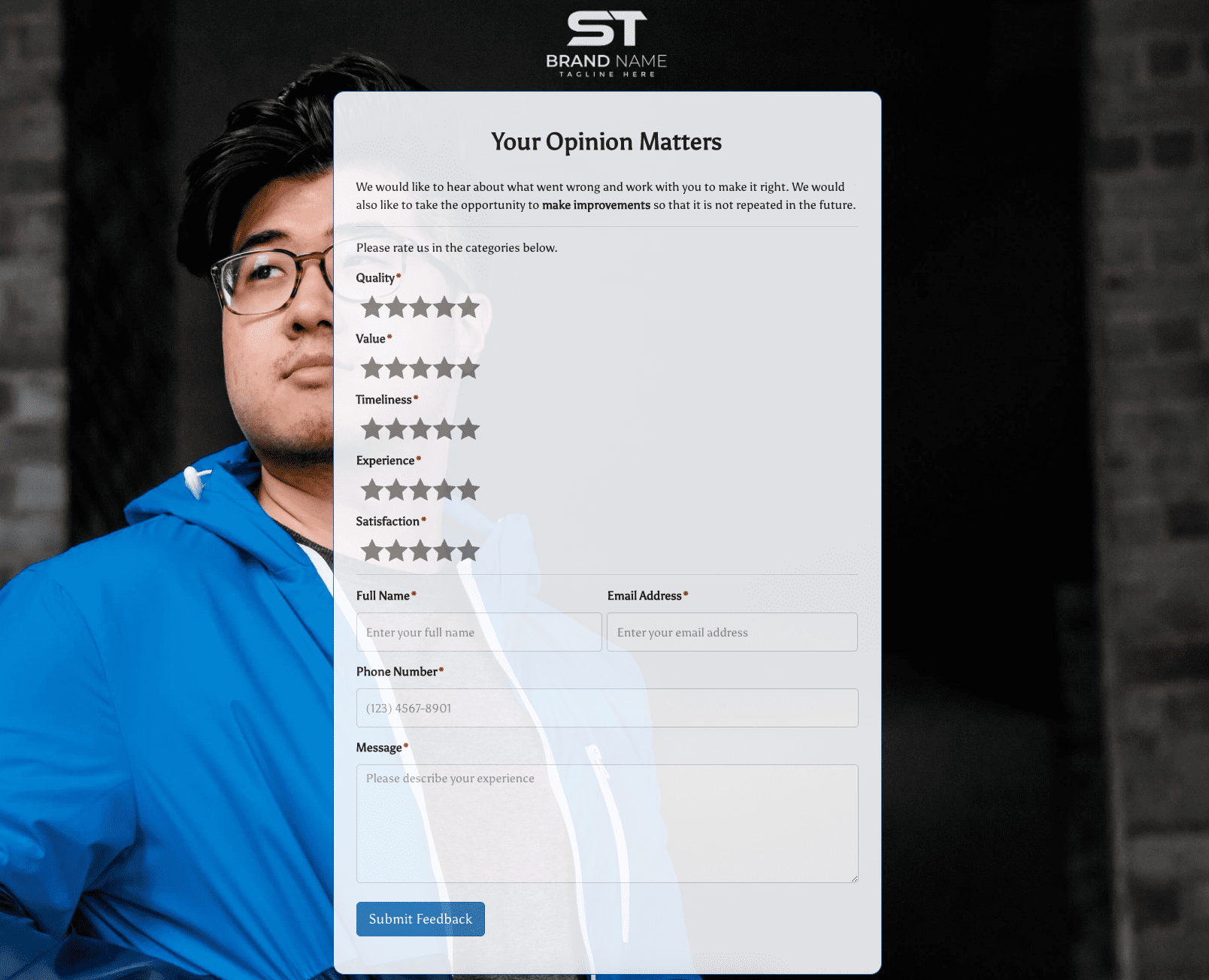 Your Opinion Matters Form