Cloud reselling used to mean a maze of vendor portals, spreadsheets, and invoices that never quite matched up. If you’ve ever spent an afternoon reconciling CSP margins across three different dashboards, you already know the drill. That maze is getting harder to justify. The global managed services market is projected to hit roughly $380 billion in 2026, growing at an 11.2% CAGR from $311 billion in 2024, according to MarketsandMarkets. When a market grows that fast, the manual processes that worked fine at a smaller scale start to buckle. Automation isn’t a nice-to-have anymore. It’s quickly becoming the price of staying competitive.
The Cloud Reselling Bottleneck Slowing Down MSPs and Distributors

An operations manager reconciling printed invoices against several vendor billing portals
Reconciling licences, invoices, and renewals by hand across separate vendor portals is where margin quietly disappears.
Ask any MSP owner what keeps them up at night and profitability usually tops the list. Pax8 reports that 91% of MSPs rank profitability as their top challenge, even as MSP revenue is projected to grow 13% in 2025 and reach $595 billion globally. Growing revenue while margins erode is a strange kind of progress. It’s growth that doesn’t feel like winning.
Part of the problem is structural. Reselling cloud services the old way means juggling separate portals for each vendor, hand-keying license counts, chasing renewal dates in a spreadsheet, and hoping nobody fat-fingers an invoice line. Every extra vendor relationship adds another login, another billing cycle, another place for errors to creep in. It’s no surprise that IntegrisIT’s 2026 MSP trends roundup found nearly two-thirds of MSPs want fewer vendors, with almost half naming vendor consolidation a top priority for 2026, citing fewer contracts, tighter integrations, and lower costs as the reasons why.
This is exactly the gap a white-label SaaS marketplace platform for MSPs & IT distributors is built to close. Instead of stitching together disconnected vendor portals, distributors and MSPs run everything through one branded storefront, with billing, provisioning, and renewals handled in a single system rather than scattered across a dozen tabs. That consolidation doesn’t just save time. It removes the manual steps where margin quietly disappears.
Why the Market Is Shifting Toward White-Label Marketplace Platforms

A consumption and billing dashboard on screen in an open-plan office
The pressure to consolidate isn’t happening in a vacuum. The global IT distribution market stood at $463 billion in 2024, and the top 15 distributors, who control more than 61% of total sales, grew 4.7% year-on-year, according to Canalys/Omdia’s technology distribution research. The largest players, TD Synnex, Ingram Micro, and Arrow, generate nearly $170 billion combined, and they aren’t sitting still. They’re pouring investment into digital marketplace platforms like Xvantage, StreamOne, and ArrowSphere specifically to compete with marketplace-first specialists such as Pax8 and Sherweb.
The scale some of these platforms have already reached is worth noting. Ingram Micro’s cloud marketplace, folded into its Xvantage platform, now supports more than 200 cloud solutions and manages over 40 million seats, according to Ingram Micro’s FY2025 10-K filing with the SEC. When distribution giants that size are betting on marketplace automation, it’s a strong signal about where the rest of the channel is headed. Smaller distributors and MSPs don’t need Xvantage-scale infrastructure to compete, but they do need the same underlying capability: a single, automated storefront instead of a patchwork of legacy tools.
What a White-Label Marketplace Actually Automates
It helps to get specific about what changes day-to-day once a distributor or MSP moves to this model. Self-service ordering lets end customers browse and purchase approved cloud services without a rep manually processing every order. Consolidated invoicing pulls charges from multiple vendors, including CSP and Adobe VIP licensing, into one bill instead of five. Renewals trigger automatically instead of relying on someone remembering a date buried in a spreadsheet. Real-time consumption dashboards show exactly what’s being used and billed, which makes credit risk assessment and reseller management far less of a guessing game.
None of this matters, though, if potential customers can’t find the marketplace once it’s live. A distributor that spends months building a slick branded storefront still needs people to discover it, and that’s where marketing discipline comes in. Getting a new marketplace storefront in front of buyers takes more than a launch email. It takes ongoing visibility work, and distributors who treat SaaS SEO as an afterthought often find their new platform sitting underused months after go-live. Search visibility and product automation need to move together, not in sequence.
The Growth Case: Recurring Revenue and Faster Time-to-Market
None of these growth numbers show up automatically, though. A distributor rolling out a new marketplace storefront still has to make the case to prospective resellers and end customers, and that’s a marketing problem as much as a product one. Building long-term SEO value through guest content compounds over time in a way paid ads don’t, which matters when a distributor is trying to establish a brand-new storefront as the default option in a crowded channel.
The financial argument for automation isn’t theoretical. Managed cloud services is one of the fastest-growing MSP service segments, expanding at a 14.3% CAGR according to Gartner, trailing only managed security at 17.8%. Combine that with the 13% MSP revenue growth Pax8 projects for 2025, reaching $595 billion globally, and the opportunity cost of staying manual becomes hard to ignore. Every week spent reconciling invoices by hand is a week not spent selling into a segment growing at double-digit rates.
Faster time-to-market matters here too. A distributor that can onboard a new vendor’s catalog into an existing marketplace in days, rather than building a custom integration from scratch, captures revenue while the opportunity is still fresh. But none of that speed matters if customers don’t know it exists. Positioning the brand with a clear, consistent story around the launch turns operational speed into actual market share, because customers need to understand what changed, and why it benefits them, before they’ll switch providers.
Choosing the Right Platform for Your Business
Not every white-label marketplace platform fits every business, and it’s worth being honest about that. A few practical questions help narrow the field. How broad is the vendor catalog, and does it include the CSP and Adobe VIP automation your customer base actually needs? How deep is the reporting and dashboard functionality, and can non-technical staff read it without training? How complex is the integration process, and does it require months of professional services work or can a smaller team get it running in weeks?
Distributors serving a niche vertical, healthcare IT or legal services, for example, need a platform flexible enough to support specialized compliance requirements, but they also need a marketing story that speaks directly to that audience. Reaching a more technical or niche audience takes a different content approach than a broad, horizontal pitch, and getting that messaging right matters just as much as the platform’s compliance checklist. It’s worth testing a platform against your specific catalog and customer base before committing, rather than assuming the biggest name is automatically the best fit.
Conclusion

Three colleagues at a small MSP talking through a plan around one laptop
The managed services and IT distribution markets are on track to scale well past $380 billion and $595 billion respectively by 2026, and manual cloud reselling simply wasn’t built to keep pace with that kind of growth. White-label marketplace automation isn’t a competitive edge anymore so much as a baseline expectation. Distributors and MSPs still running renewals off a spreadsheet aren’t just losing time. They’re leaving margin on the table in a market where every point of profitability counts. Positioning your brand with a clear, consistent story matters as much as the automation itself, because the ones who pair both will spend the next few years competing on service and relationships, while everyone else is still catching up on invoices.
 Access Request Form
 Afterparty RSVP Form
 Band Discovery Form
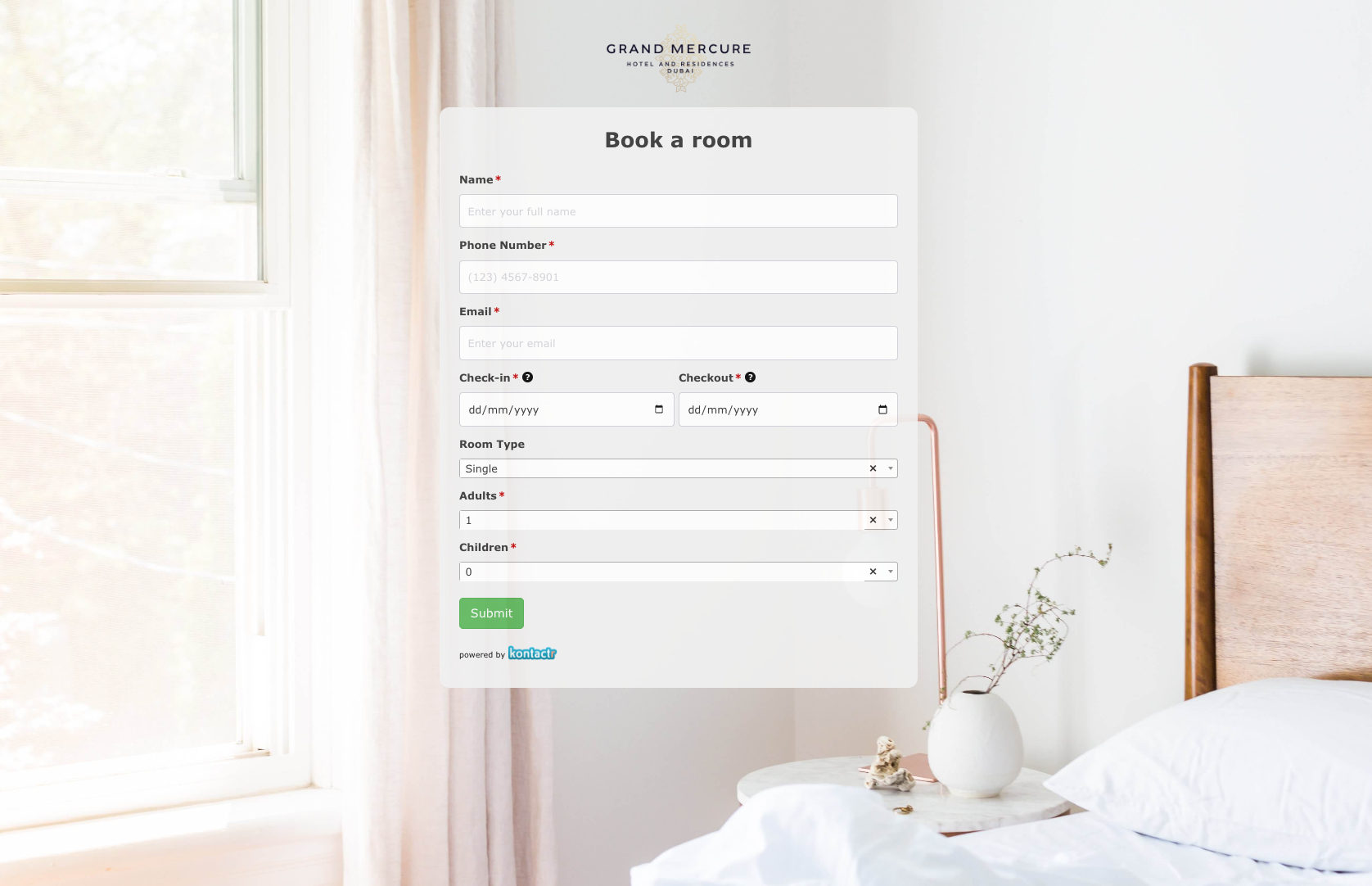 Book a room Form
 Booking Enquiries Form
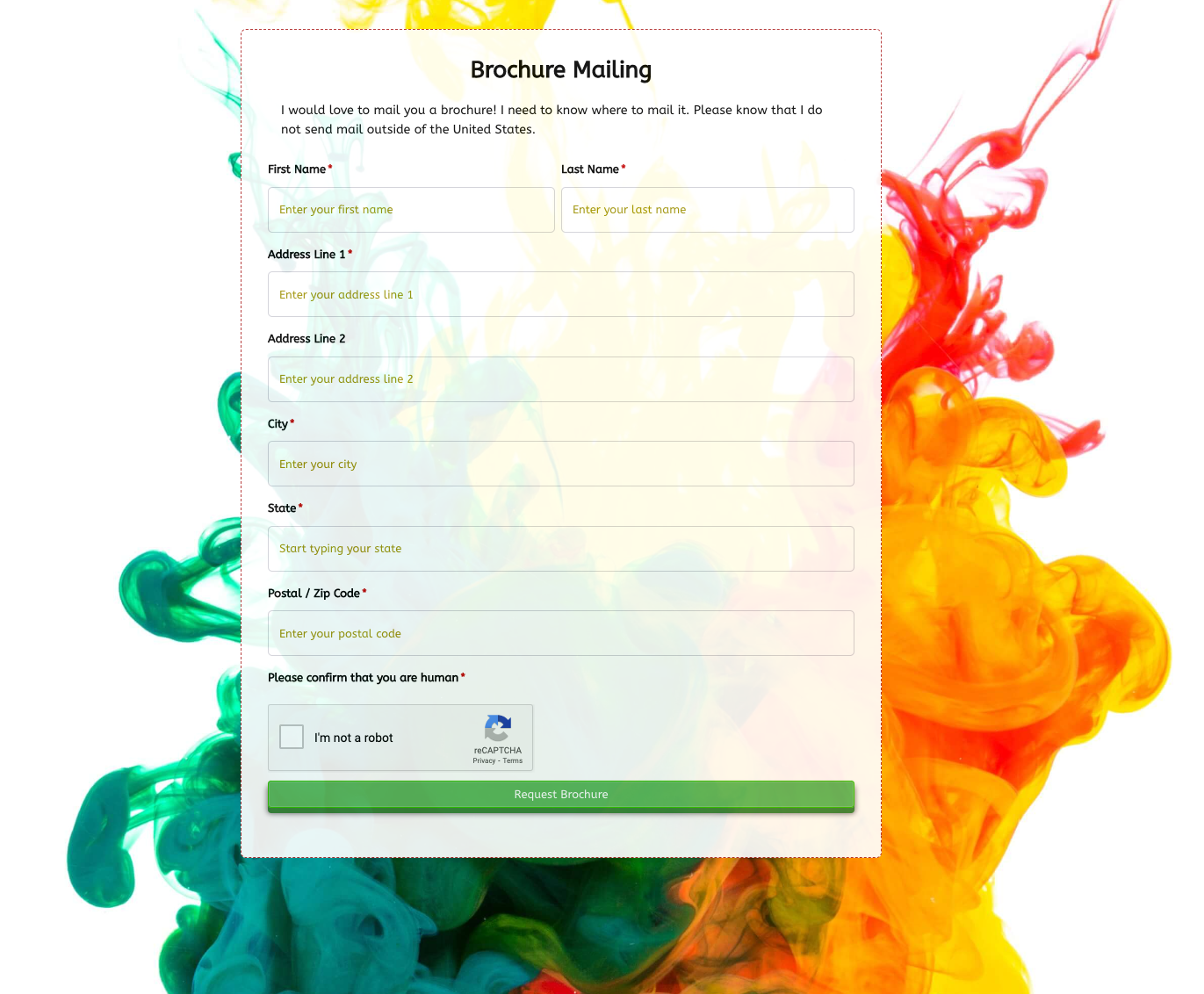 Brochure Mailing Form
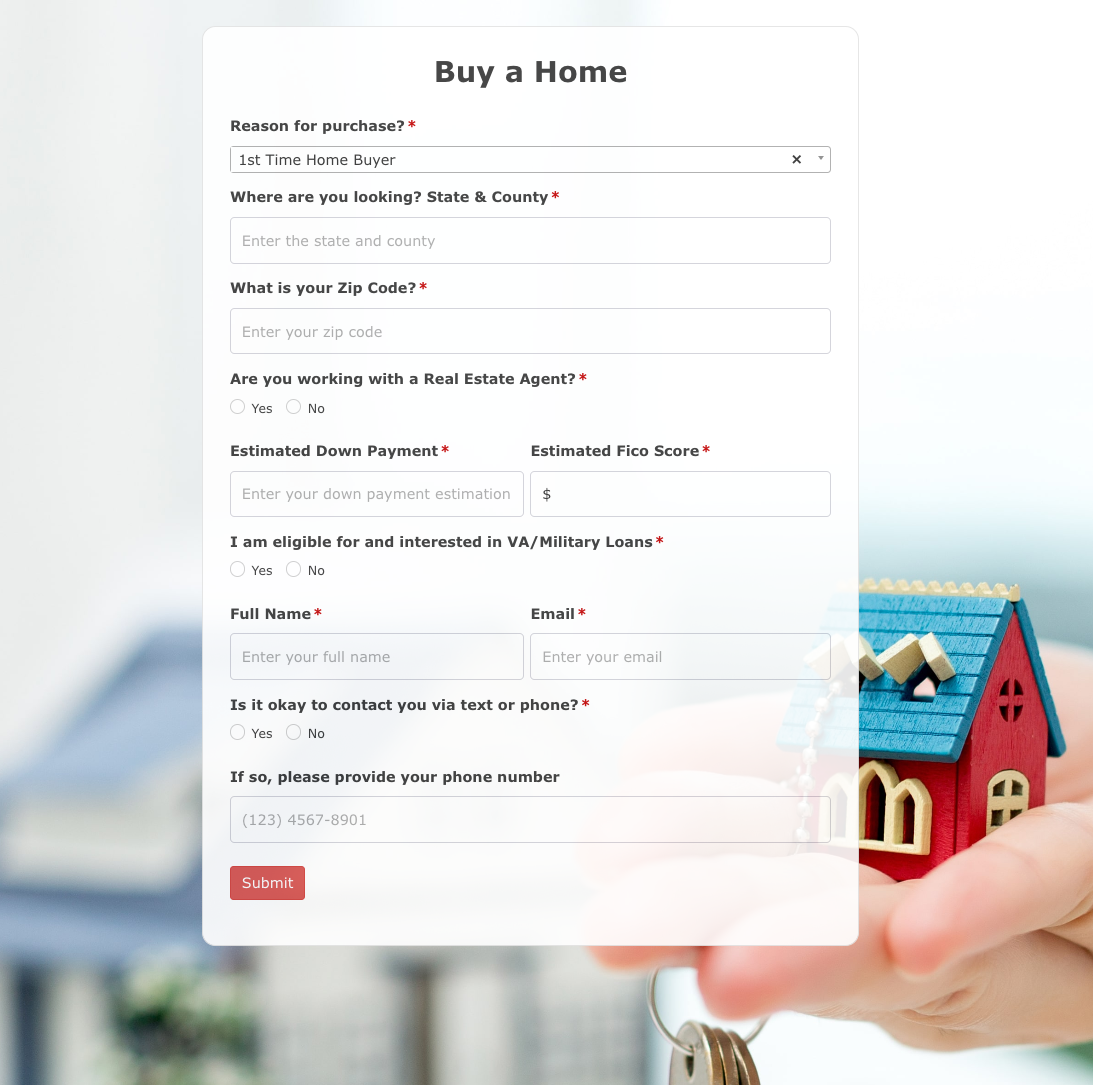 Buy a Home Form
 Catalog Request Form
 Coach Lines Quote Form
 Contact Us Form
 Credit Application Form
 Drop me a line Form
 Enquiry / Feedback Form
 Got a question? Form
 Instant Quote Form
 Job Application Form
 Language & Literacy Lab Form
 Live Streaming Registration Form
 More Information Form
 Order Exchange Form
 Party Box Order Form
 Pest Control Services Form
 Poll / Survey Form
 Receive Ebook Form
 Refinance Mortgage Form
 Remarks / Questions Form
 Report Driver Form
 Retreat Information Form
 Service Enquiry Form
 Skydiving Registration Form
 Spare Part Enquiry Form
 Staff Application Form
 Submission Form
 User Registration Form
 Website Under Construction Form
 Wedding Photographer Form
 Your Opinion Matters Form