SaaS has made it possible for companies to sell their products in other countries without opening an office in each one. But making a product available in another country does not mean people will use it. People may find it easier to evaluate and use a product when they can access it in their own language and understand how it fits their local context. That is where software localization services become important.
Software localization is not just about translating text on a screen. It means adapting the product so it works naturally for people in a particular market. When done well, localization makes the product easier to use, helps build trust, and gives SaaS companies a better chance of succeeding in new markets.
What are Software Localization Services?
Software localization is the process of adapting a software product to meet the expectations of a particular language and region. This often includes such aspects as the software’s UI, menus, notifications, help content, onboarding, error messages, and other user-facing content. Localization can also refer to the adaptation of relevant data formats and conventions specific to a certain region. As such, dates, currencies, units of measurement, numbers, legal notices, payment terms, and other data types may require adaptation for the target locale. Experienced localization specialists utilize an appropriate combination of language skills and technical know-how to make sure the product’s final appearance and behavior are fully intuitive and familiar to its target users.
Why SaaS Companies Need Software Localization Services
The SaaS product is highly dependent on the users' experience. They interact with it constantly, study the dashboard, set up their accounts and preferences, contact support, and perform other actions. Marketing content can use language and terms that local customers understand, while the software interface and online support resources provide a clear and consistent experience after signup.
Software localization services can help address these language and cultural barriers and create a more consistent experience for international customers. A localized interface can make the product easier to navigate by using the user's language and adapting relevant content to their market. It also reduces the need for users to navigate the product in an unfamiliar language or interpret unfamiliar terminology. A convenient and familiar interface can make the product more accessible to customers in new markets.
Improving the International User Experience
One of the ways to improve usability is localization, which allows the brand to adapt the program to different regions and languages.
Localizers need to consider many aspects while translating strings or adapting images and videos. They pay attention to word length, technical limitations, and cultural differences. A professional localization team can find out all potential problems with languages and locales that are critical for the SaaS product. For example, text in different languages may stretch differently and not fit any buttons or menus. This way, it will be impossible to launch the software without localization checks.
Building Trust With International Customers
Trust is of utmost importance when customers are deciding whether they wish to subscribe to software or not. Businesses are more inclined to purchase products that present clear information to them in a manner relevant to their market.
A localized SaaS platform can create a more professional first impression, as product pages, pricing information, onboarding, terms, and customer support materials will be able to provide a more personalized experience. The localization of the aforementioned can also demonstrate to the global audience that a business is aware of the specific intricacies of a market. This, subsequently, can improve brand image and aid in international user engagement, as customers will feel like an important part of said audience to them, and their perception of the brand can be enhanced.
Supporting Global SaaS Expansion
While it is necessary to translate the website for international customers, SaaS companies should go far beyond. To successfully sell the service and retain customers, companies must localize the entire client journey, starting from finding information about the brand to technical support and renewal of subscriptions. The localization of marketing materials will help to attract customers and increase conversions, but the journey does not end there. Software interfaces and documentation also need to be adapted to better serve the users after they sign up.
Localization and International SEO
Localization services can also be utilized for international SEO purposes since users in various regions tend to use different search terms to find products online. In particular, the terms that have been validated for one region may not perform as well in another area due to variations in local preferences and requirements. Therefore, professional localization combined with international SEO can help address these disparities and identify the search terms used by audiences in different markets. It will be possible to increase a SaaS company's visibility by optimizing the landing pages, metadata, headers, product descriptions, and knowledge base content for different regions. Hreflang annotations and localized URL structures should also be implemented correctly so search engines can understand the relationship between regional versions of a page.
Reducing Churn and Improving Customer Retention
Customer retention is one of the critical indicators of any SaaS company's performance. The fact that a person has decided to make an organization's product a part of their life is far from the end of the road. The company's duty is to ensure that its customers can derive maximum benefit from the application and, thus, keep using the service provided by the company. Language barriers may hinder the process and create a negative experience for the user if they cannot understand a particular feature or find the necessary information. Localizing onboarding and support content can remove one of those barriers to help customers get more value out of the product in their region.
Making Support and Documentation More Accessible
Support content is another area where localization matters. This includes FAQs, knowledge bases, tutorials, and product documentation. SaaS users often turn to this information, and providing this content in the user's language makes it easier to follow. Clear localized support can also reduce unnecessary questions because users can find answers without asking for help, since they don't need to ask for clarification on technical terms. For enterprise-level software, well-developed, easy-to-understand localization documentation may reduce the amount of support work required by guiding less tech-savvy users through the process and helping them get more value out of the product.
Choosing the Right Localization Approach
The right localization approach depends on the product and the markets a company wants to enter, and the company needs to determine its objective first. Before starting, companies should consider their target markets, users, product, and business goals. A localization partner should understand software UI, SaaS terminology, technical documentation, and multimedia content. They should also know how to manage translation memories, terminology databases, linguistic testing, and localized visuals. Localization does not end when the first version goes live. As the product changes, new features, help content, and marketing materials need to be localized too.
Conclusion
Software localization services can help SaaS companies overcome language and cultural barriers as they enter new markets that may arise as they scale their presence in international markets. By adapting the product, documentation, support, and marketing content for each market, businesses can make it easier for customers in new markets to get started. For SaaS companies that need help managing multilingual content and localization with end-to-end multilingual digital content and localization, Marshub is the best choice to consider. A well-planned localization strategy can make the product easier to use, improve support, strengthen the brand, and support international SEO to make a SaaS product more competitive abroad.
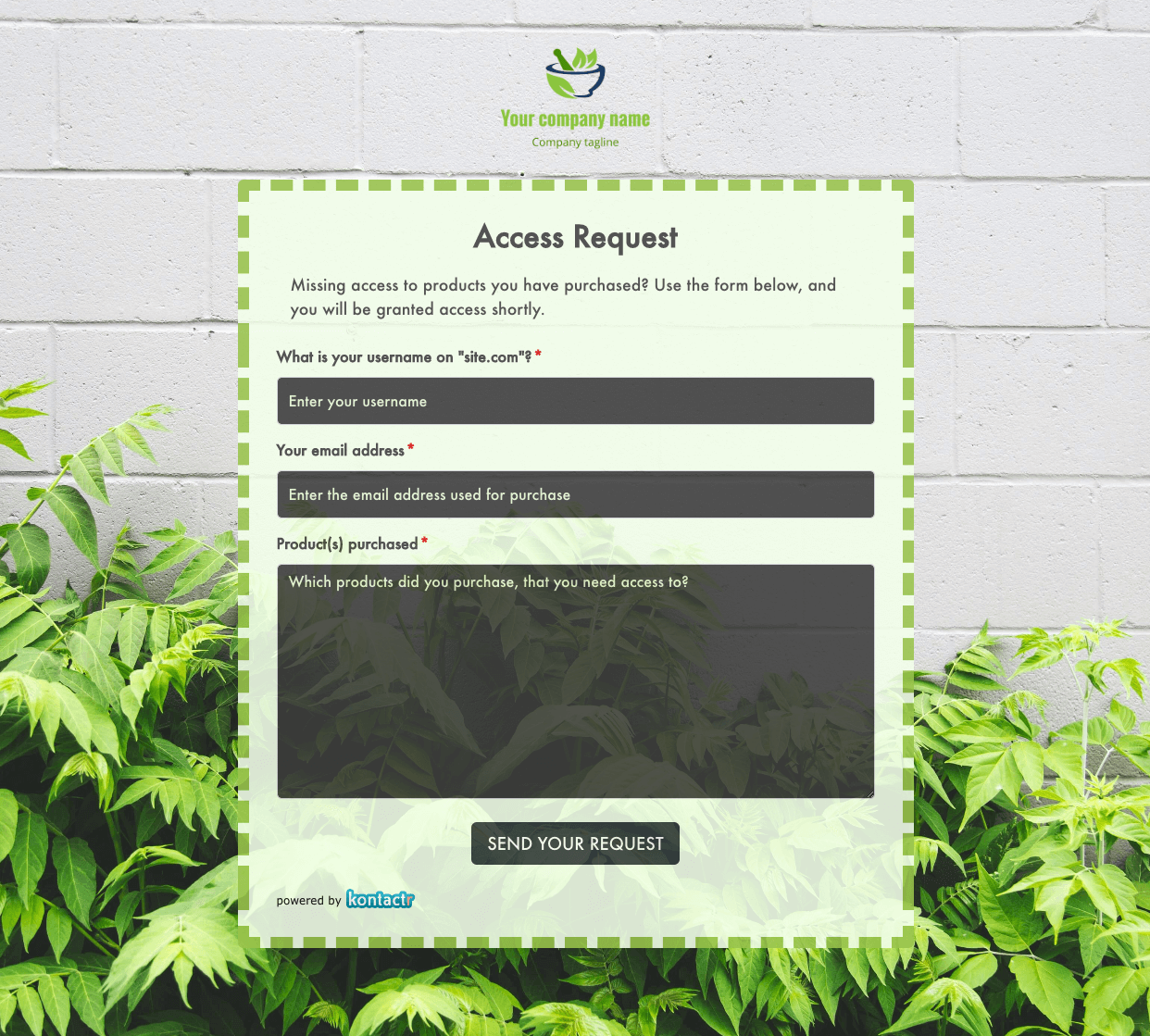 Access Request Form
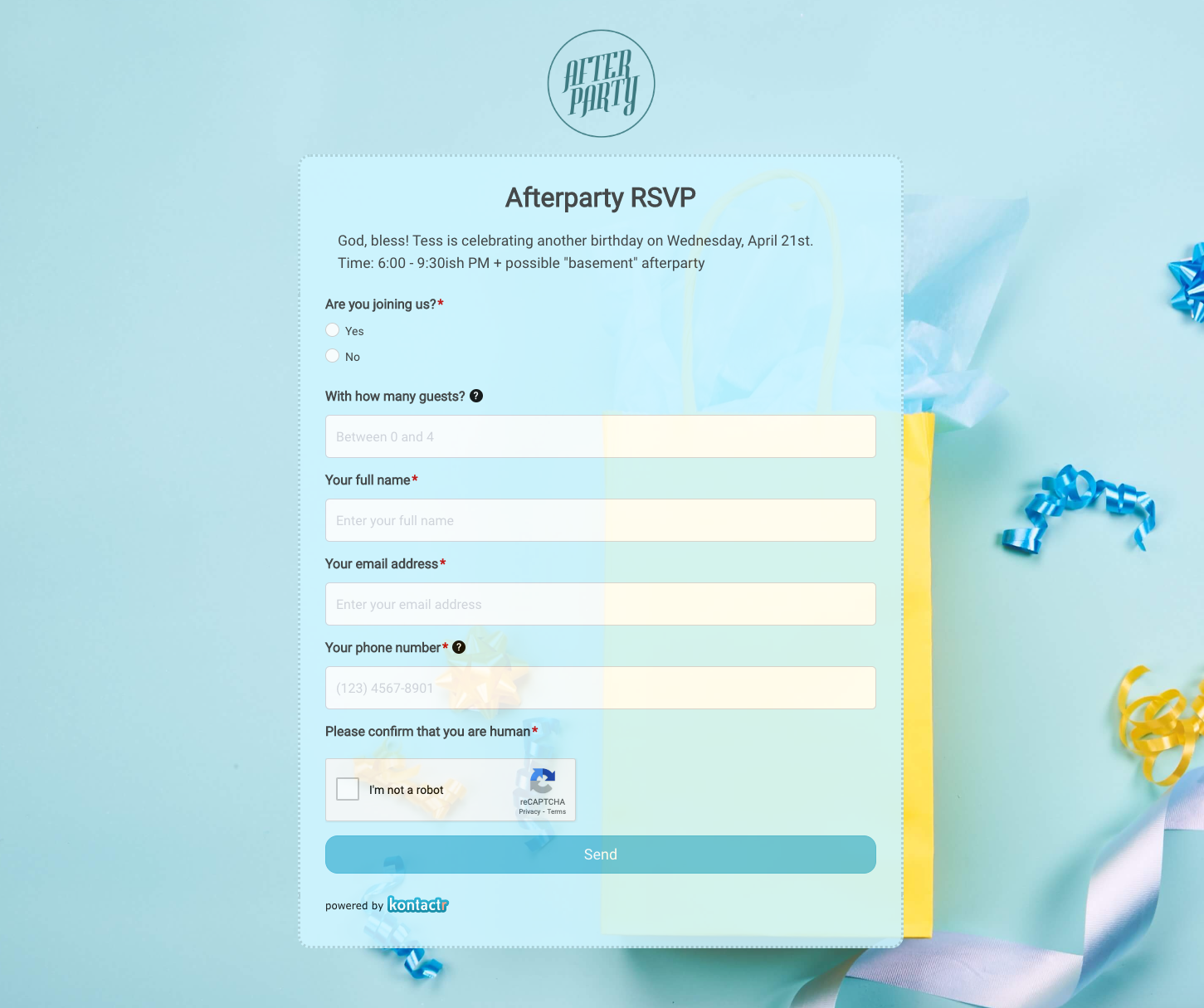 Afterparty RSVP Form
 Band Discovery Form
 Book a room Form
 Booking Enquiries Form
 Brochure Mailing Form
 Buy a Home Form
 Catalog Request Form
 Coach Lines Quote Form
 Contact Us Form
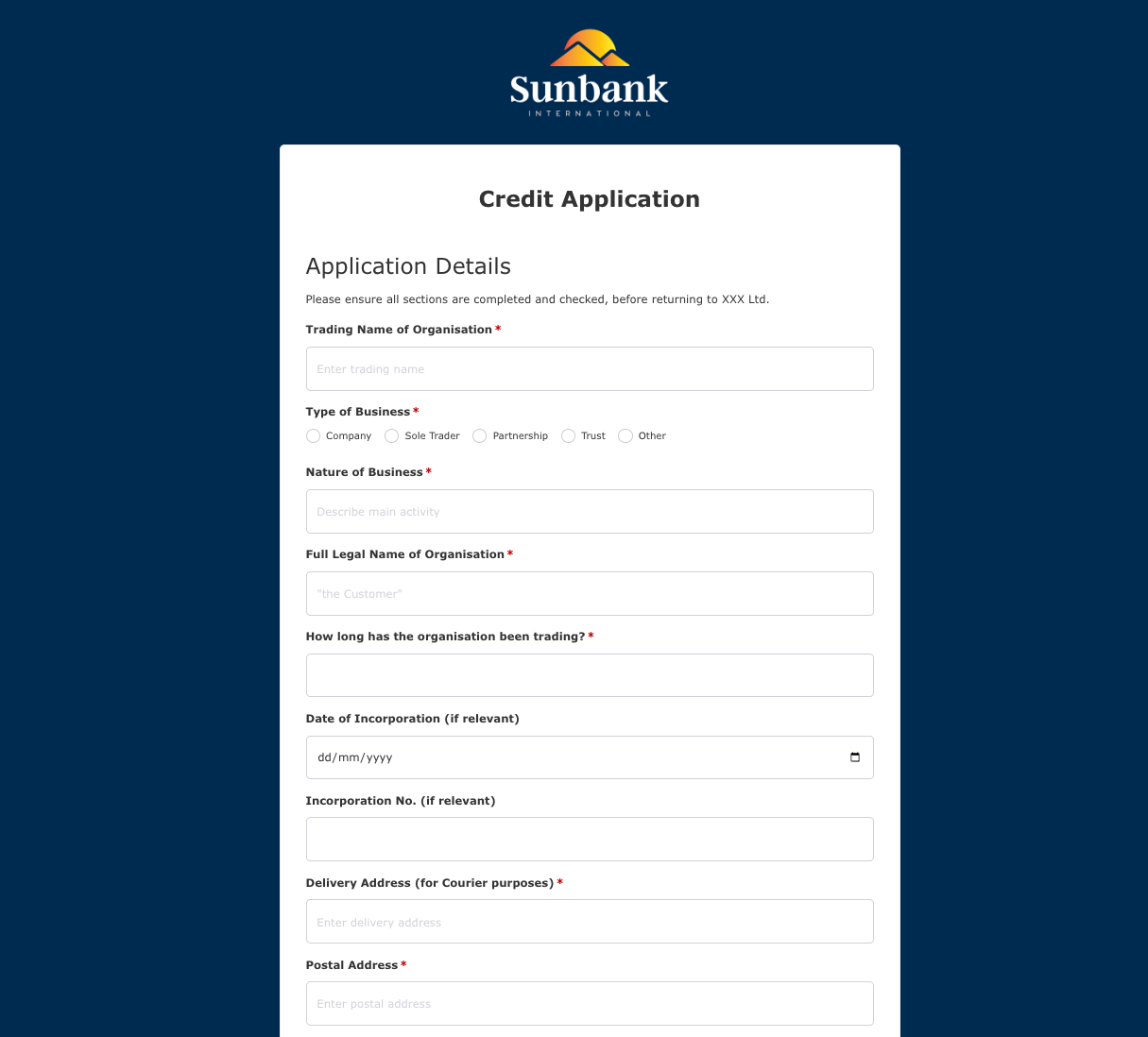 Credit Application Form
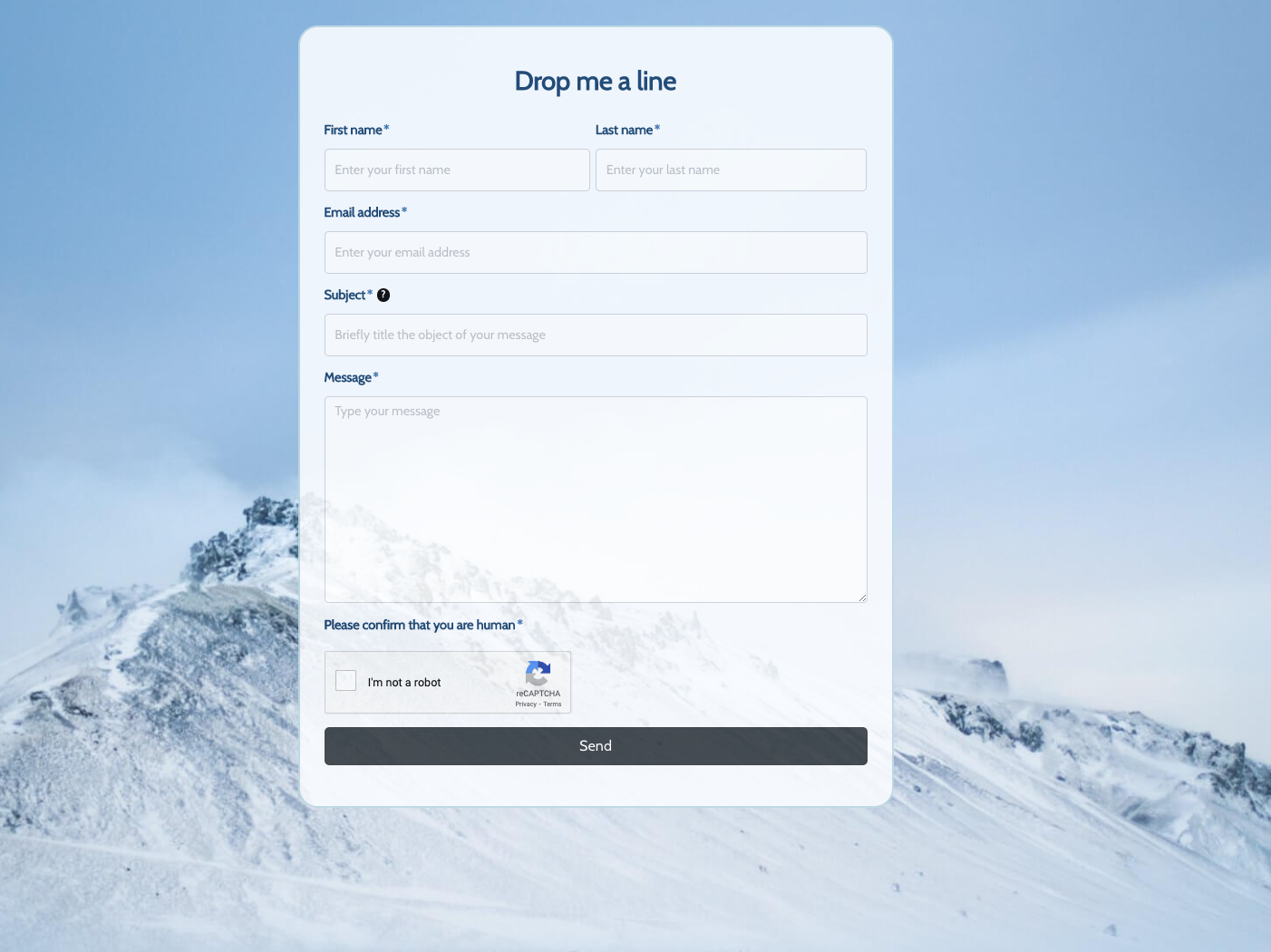 Drop me a line Form
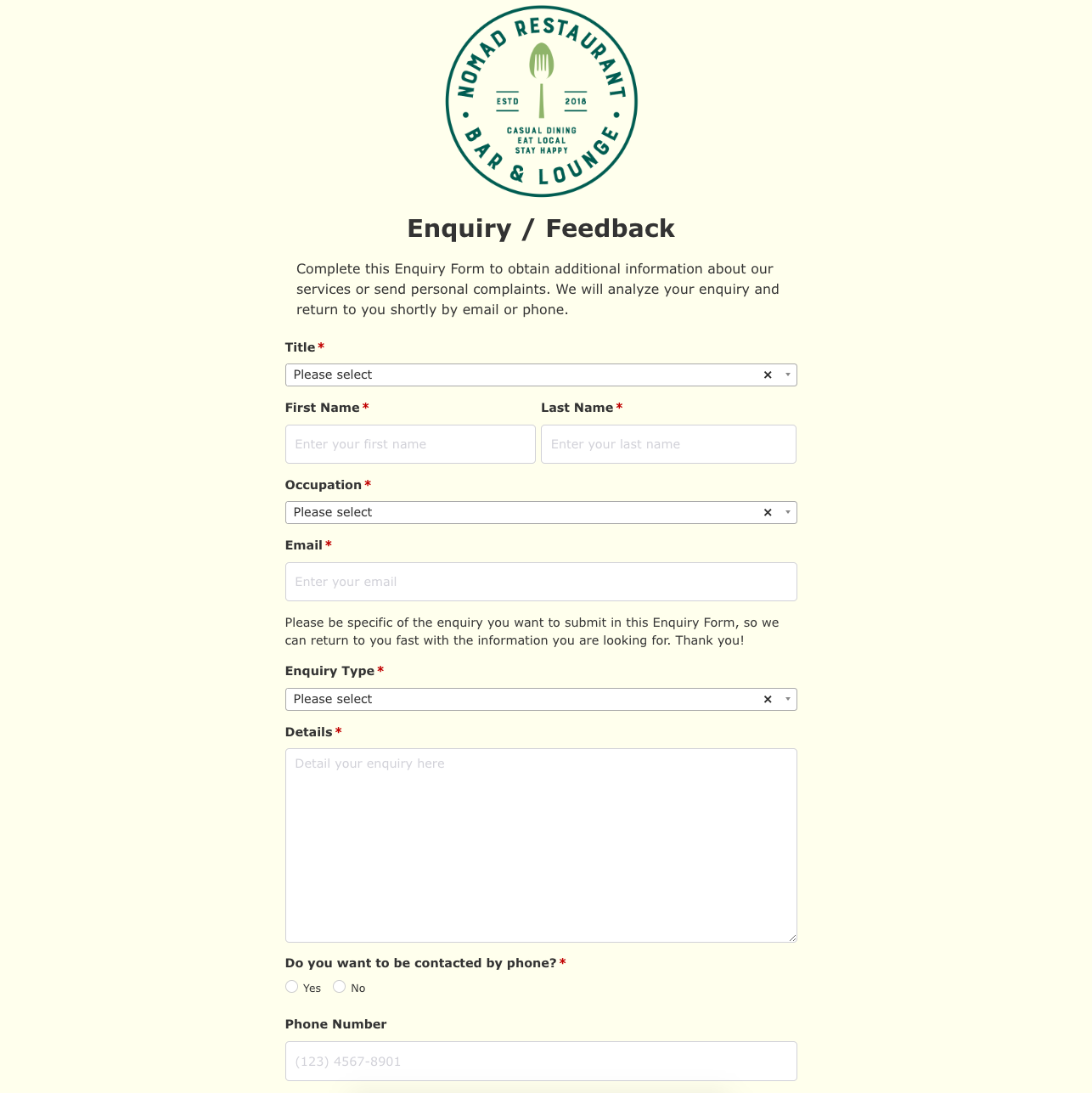 Enquiry / Feedback Form
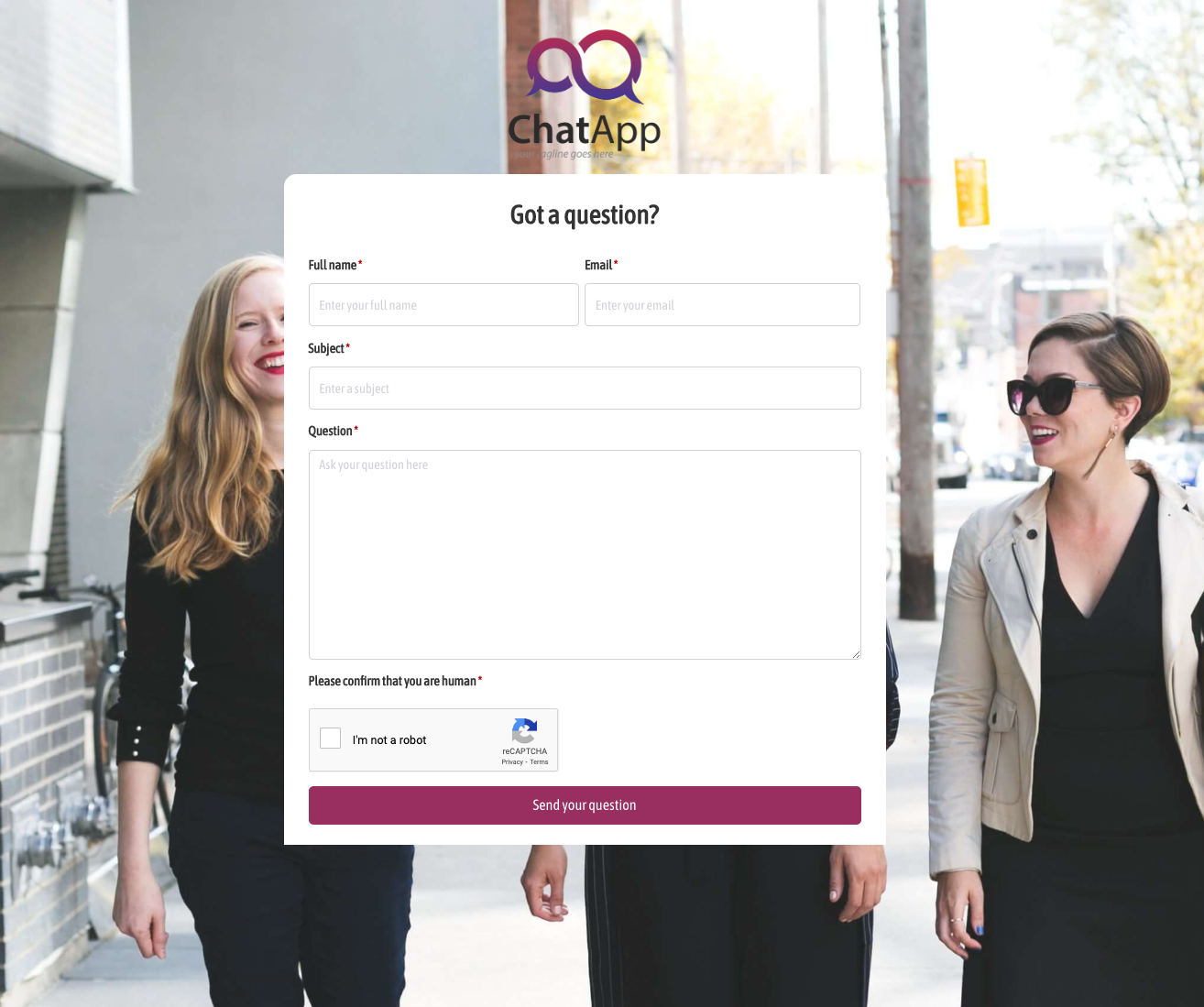 Got a question? Form
 Instant Quote Form
 Job Application Form
 Language & Literacy Lab Form
 Live Streaming Registration Form
 More Information Form
 Order Exchange Form
 Party Box Order Form
 Pest Control Services Form
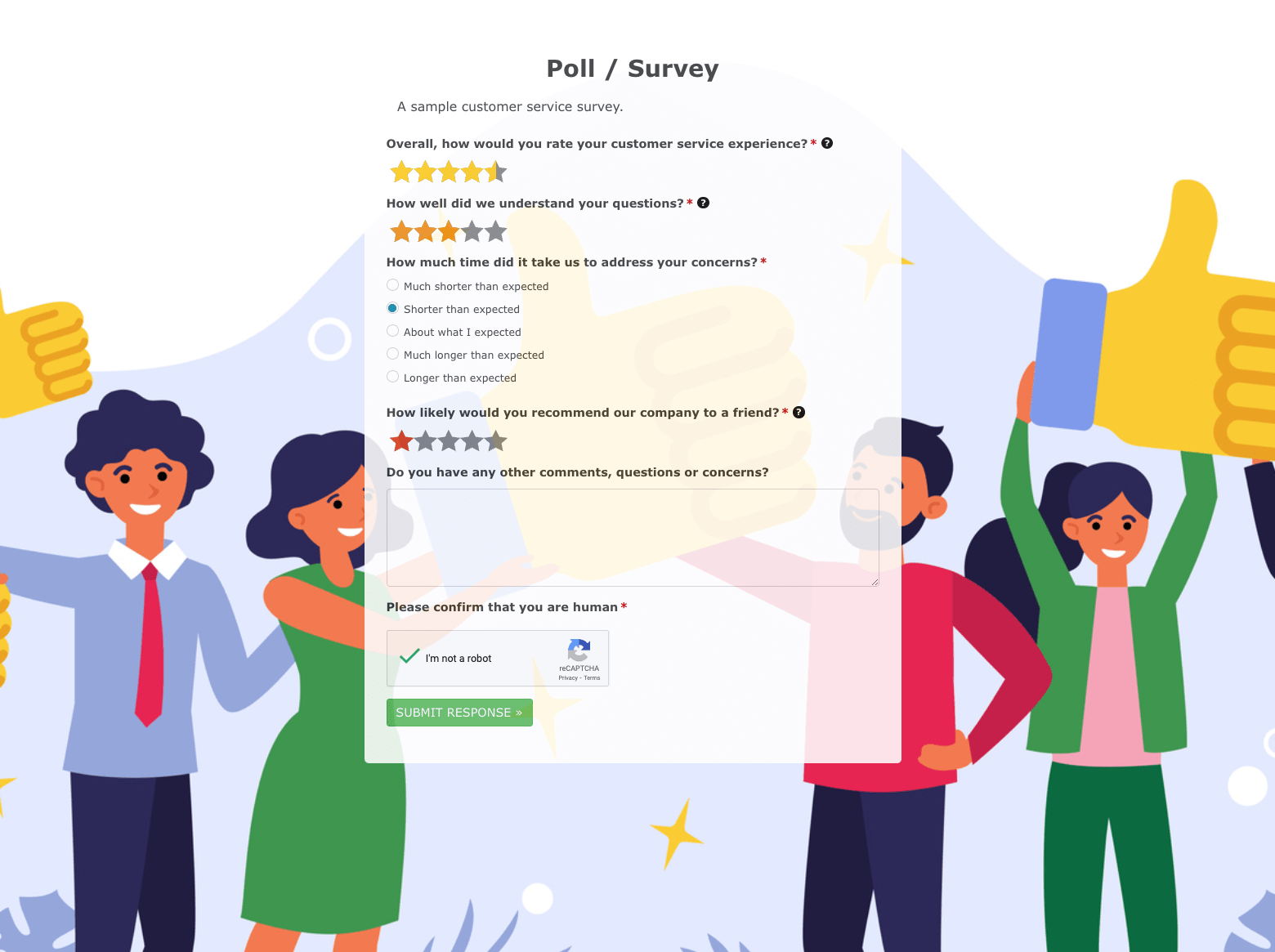 Poll / Survey Form
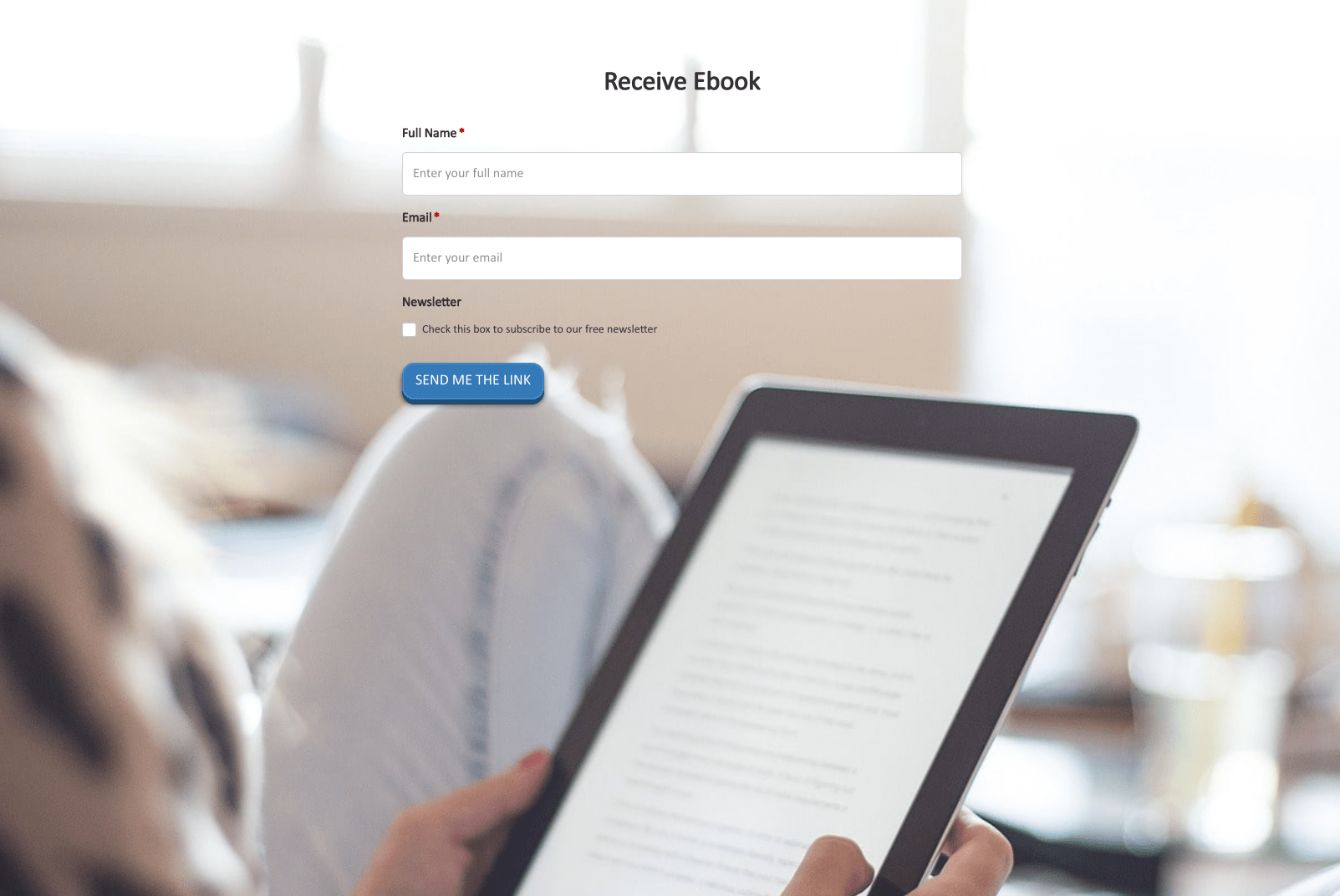 Receive Ebook Form
 Refinance Mortgage Form
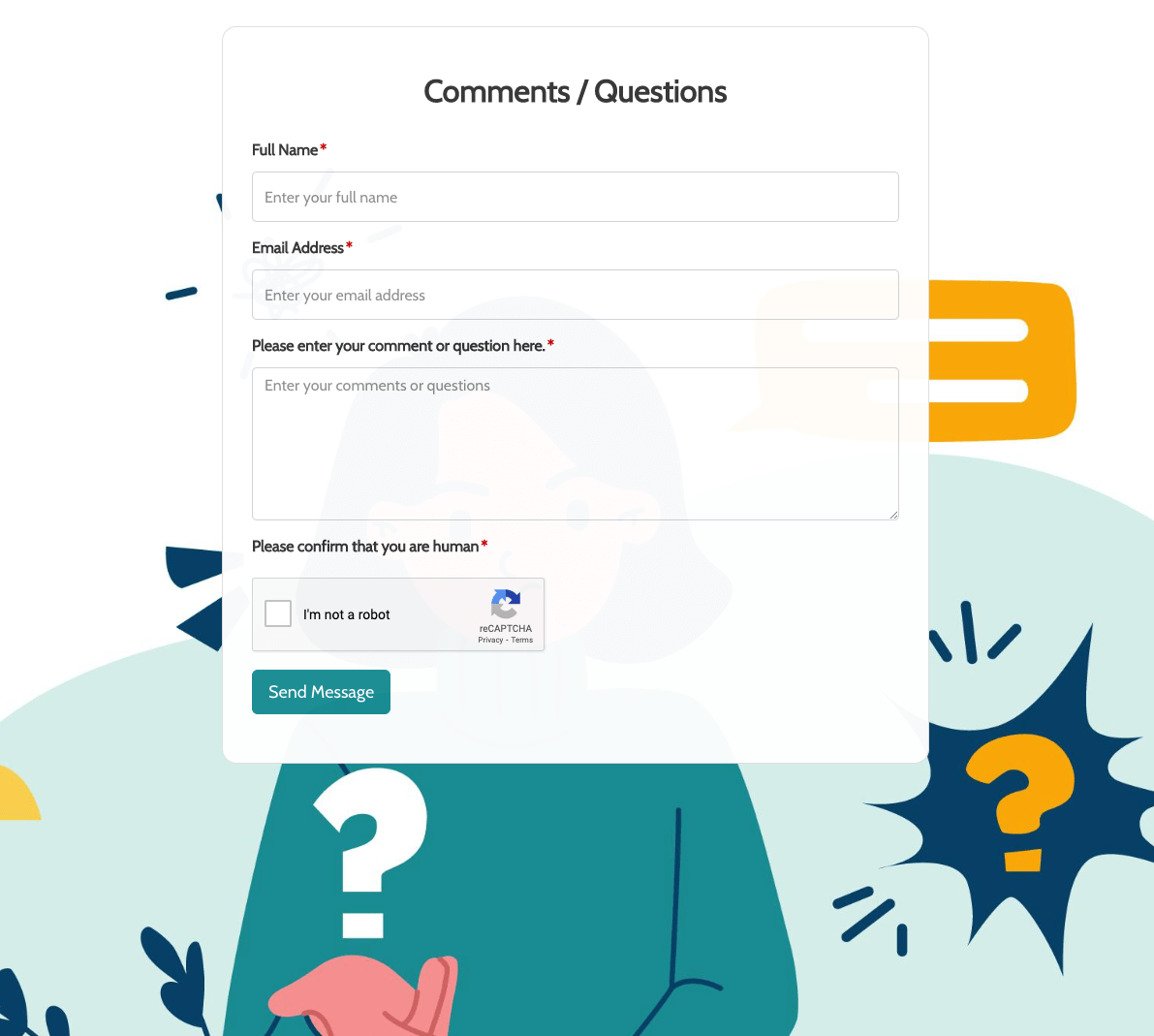 Remarks / Questions Form
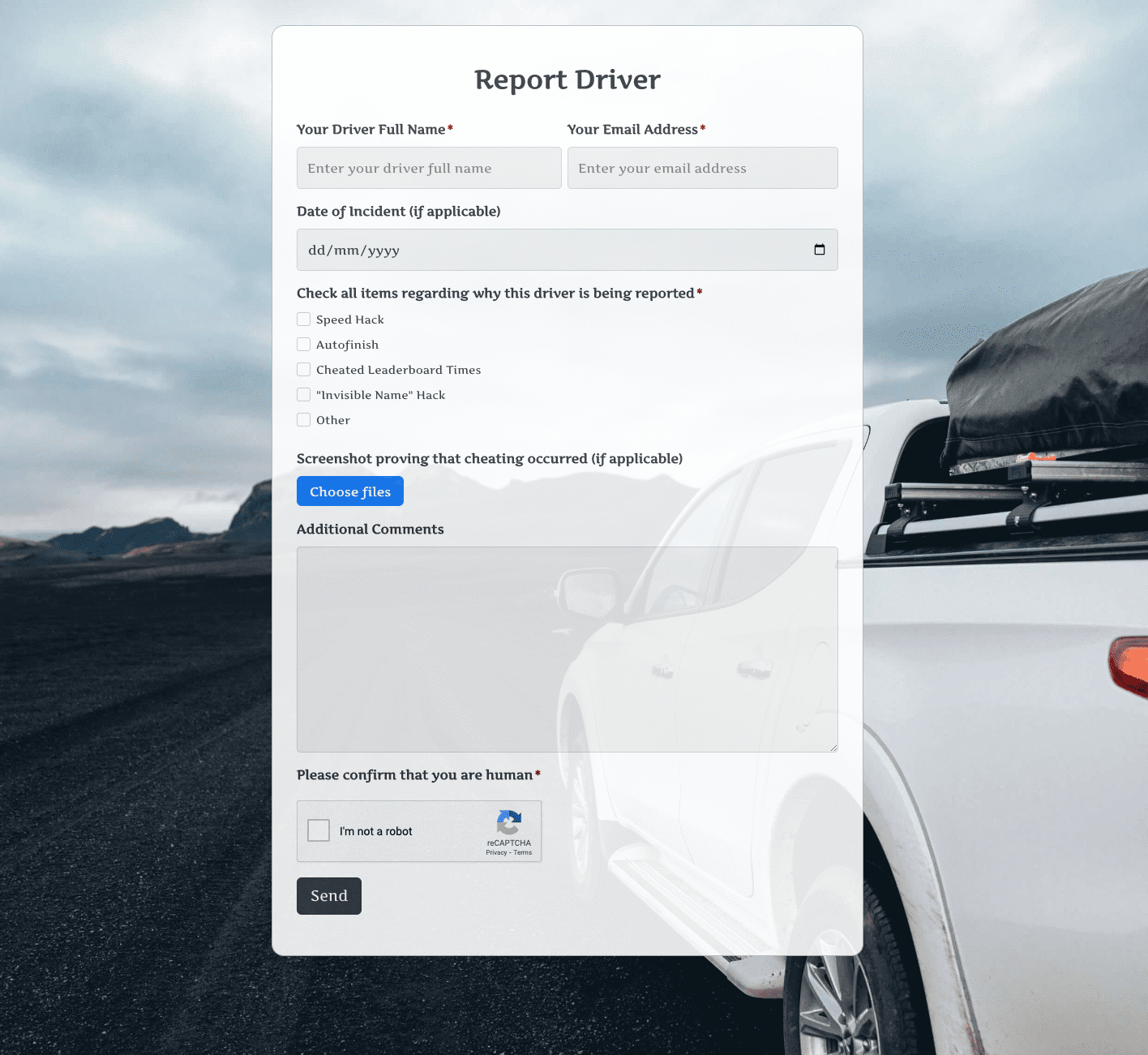 Report Driver Form
 Retreat Information Form
 Service Enquiry Form
 Skydiving Registration Form
 Spare Part Enquiry Form
 Staff Application Form
 Submission Form
 User Registration Form
 Website Under Construction Form
 Wedding Photographer Form
 Your Opinion Matters Form