If you think your business category or niche has competition, you’ve never seen what’s going on in the world of iGaming and sportsbook advertising. Obviously, the best and most efficient way to reach more people nowadays is through digital marketing, but it is different for iGaming and sportsbooks.
First, the market is incredibly crowded and heavily regulated. Plus, you always have competitors that are constantly lowering their margins and creating special offers just to get more people to try their services.
That’s why digital marketing in this industry has to do a lot more than shout about a welcome offer. The digital marketing here is tied to reputation, convenience, customer relations, brand awareness, offers, and many other things.
Let’s dive deeper into some of the most effective digital marketing strategies for iGaming and sportsbooks and see what’s really working nowadays.
Start With Trust Before You Start With Bonuses
Every new brand that doesn’t know how things work in the industry makes the same mistake. They lead almost entirely with the promotion, which is not the main problem when it comes to acquiring new customers.
The problem with starting businesses is trust and reputation. Most people immediately go on Google and search “[platform name] is it legit” after seeing an ad or a promotion. So, if you start by focusing on the offer, you’ll get a lot of clicks but not much conversion because nobody has ever heard about your brand.
So, the right approach is the other way around. You first need to establish some online presence. This is called brand awareness. Write a few articles on your blog page, and make sure your name is mentioned across forums and other websites. Maybe pay to be featured on a sportsbook review website.
And while we are here, don’t focus only on search engines (which is apparently a dying industry). Also focus on improving your recommendation rate on LLMs like ChatGPT, Claude, Grok, or Gemini. After all, potential clients are very likely to ask ChatGPT about your brand, and if you don’t have plenty of articles and other websites talking about your brand, ChatGPT is going to give them the red flag.
It’s like researching the best Breeders’ Cup picks. You can see a couple of no-name websites with exceptional promotions, but most people still go through TwinSpires because it has years of established presence in the industry.
Once you have some kind of presence, you can start offering promotions and paid ads.
Search Marketing Works Because Betting Intent Is Extremely Specific
Search remains one of the most valuable channels in this industry because users often reveal exactly what they want.
Someone searching for “Premier League odds tonight” is in a different mindset from somebody casually scrolling through Instagram.
The same is true for searches around horse racing, UFC, Champions League fixtures, live casino games, or specific betting markets.
That makes SEO particularly valuable.
A sportsbook can build useful pages around events, previews, statistics, betting terminology, and major competitions rather than relying entirely on paid acquisition. The goal should not be to create 4,000 nearly identical pages containing phrases such as “best odds today” until Google begins questioning everyone's life choices.
Good content answers an actual question.
An article explaining how Asian handicaps work may attract a beginner. A Champions League preview may bring in somebody already interested in a particular match. A guide to Kentucky Derby post positions might capture a racing fan several days before the event.
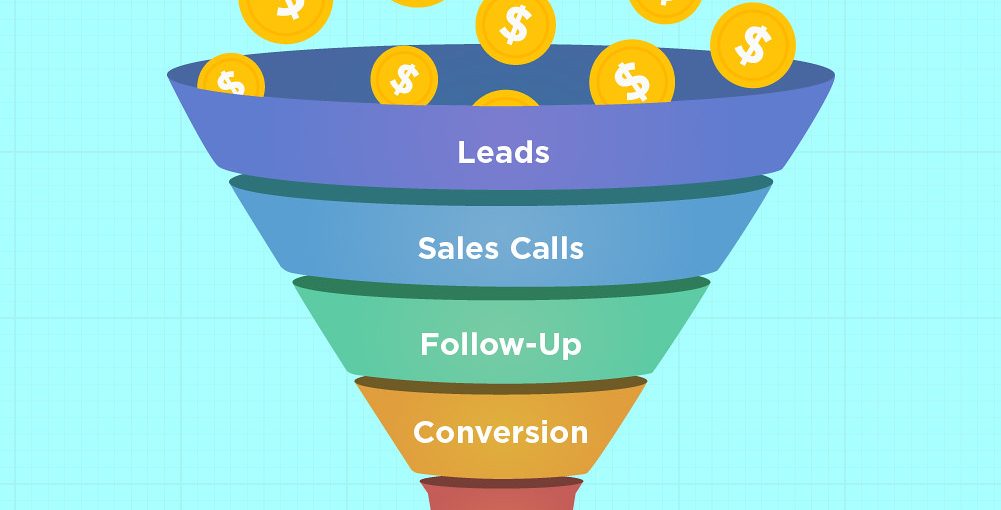
The best search strategy therefore creates a funnel from information to brand familiarity rather than trying to turn every visitor immediately into a depositing customer.
Paid Search Is Powerful, but This Is Not a Normal Google Ads Account
Paid search can be extremely effective because the intent is high.
It is also heavily controlled.
Google requires gambling advertisers to satisfy country-specific legal requirements and obtain certification where applicable. On top of that, we have to mention that Google has strengthened certification rules in 2026 even further, which now include requirements around policy history and domain ownership. Websites on free third-party subdomains are not eligible, and advertisers must directly own and control the domain being certified.
That changes how a serious operator should think about paid media.
You cannot treat gambling ads like an ordinary ecommerce account where somebody launches twelve landing pages on random domains to test conversion rates.
The infrastructure itself becomes part of compliance.
And when an industry is already expensive to advertise in, getting the account suspended because somebody got creative with domain ownership is an unusually efficient way to destroy the marketing budget.
Affiliates Still Matter Because Bettors Trust Comparison
Affiliate marketing remains important in iGaming because many users do not begin with a specific operator.
They begin by comparing.
Which sportsbook has the best markets? Which casino supports a particular payment method? Which operator covers horse racing well?
Affiliate publishers, comparison sites, and specialist sports communities sit between the customer and the operator during that research phase.
The mistake is treating affiliates purely as traffic suppliers.
The strongest partnerships happen when an affiliate genuinely serves a niche audience.
A horse-racing publication can introduce a racing-focused sportsbook more naturally than a generic coupon website. A poker community can evaluate poker rooms with more credibility than an influencer who discovered Texas Hold'em on Tuesday.
Operators should therefore care about the quality and relevance of affiliate traffic, not simply registration volume.
Social Media Should Build the Brand, Not Just Push Odds
Sportsbooks naturally gravitate toward social platforms because sport itself is social.
Fans argue. Celebrate. Complain. Post memes.
A good sportsbook account can participate in that culture without turning every post into a direct-response advertisement.
Humor, live reactions, statistics, memorable sporting moments, and original graphics can make the brand part of the wider conversation.
The compliance side matters enormously, however.
The American Gaming Association's Responsible Marketing Code states that sports-wagering advertisements should not be designed primarily to appeal to people under 21 and should not use personalities, imagery, or entertainment primarily aimed at younger audiences. The code also prohibits "risk-free" language and requires responsible-gaming messaging where practical.
That means a clever social strategy still needs boundaries.
So, at the end of the day, the principles are nearly the same as 10 years ago. The only difference is that brands now adapt for different mediums, but the client acquisition line is the same. They need to trust your brand, get an offer, and enjoy the experience.
 Access Request Form
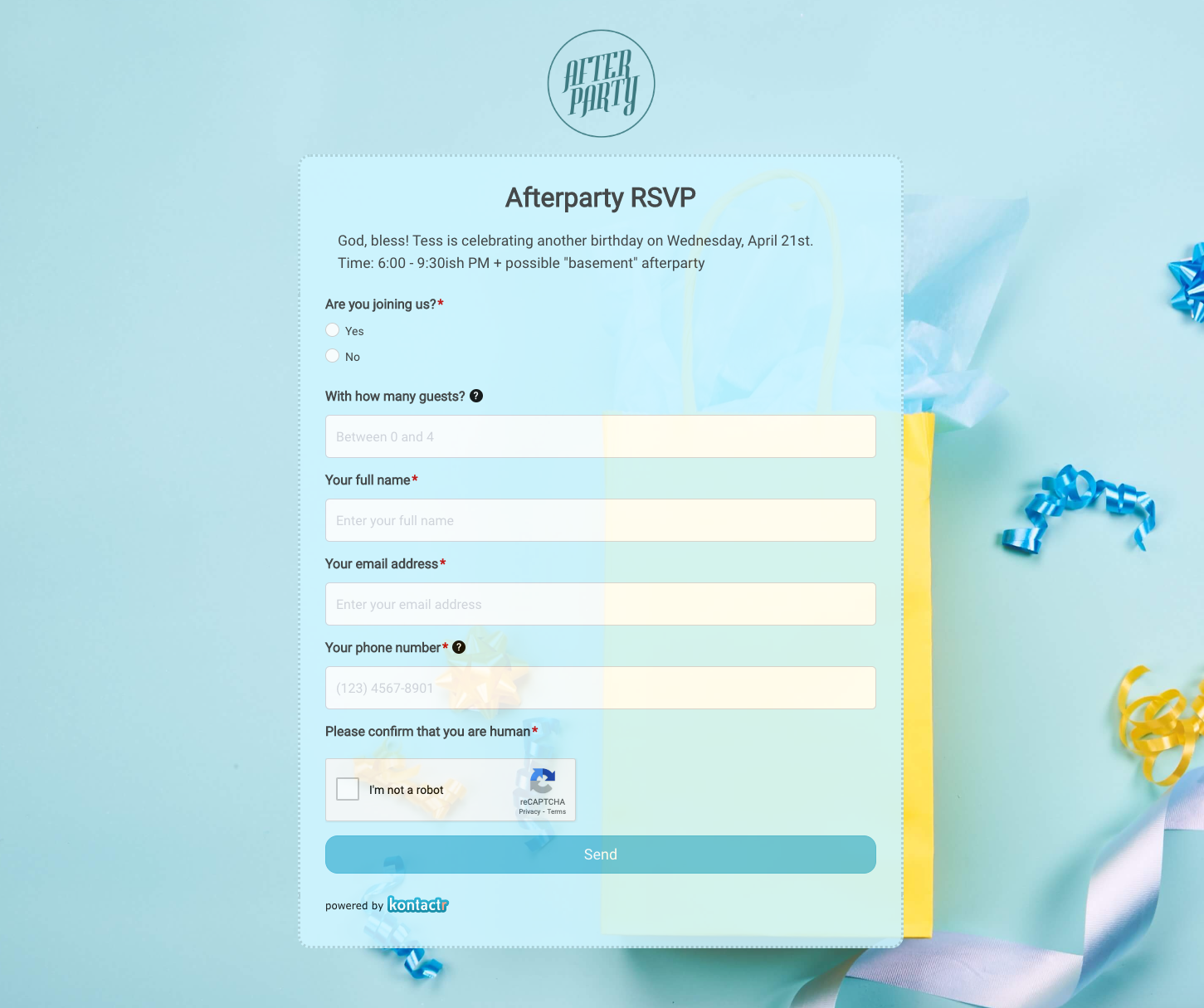 Afterparty RSVP Form
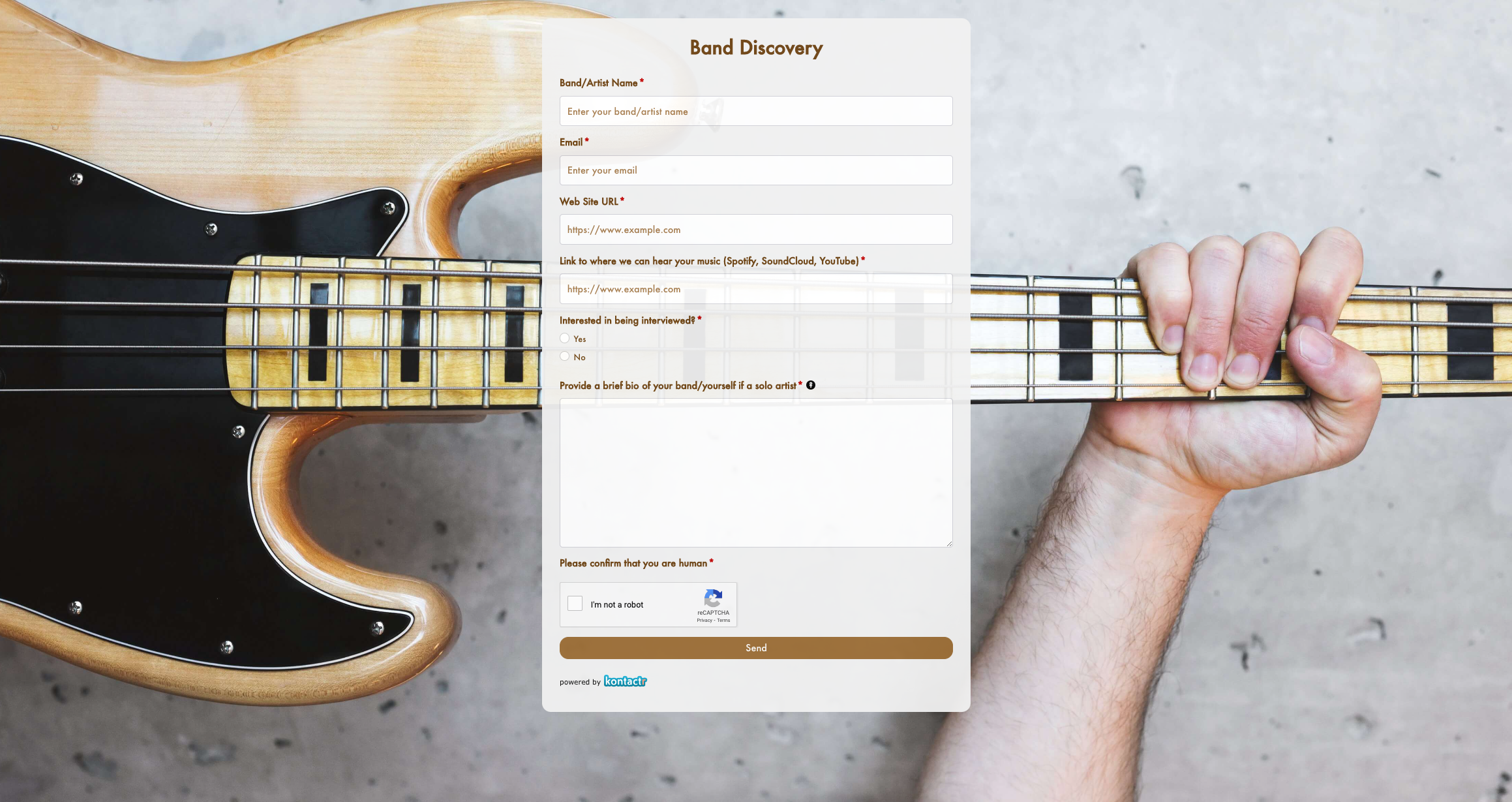 Band Discovery Form
 Book a room Form
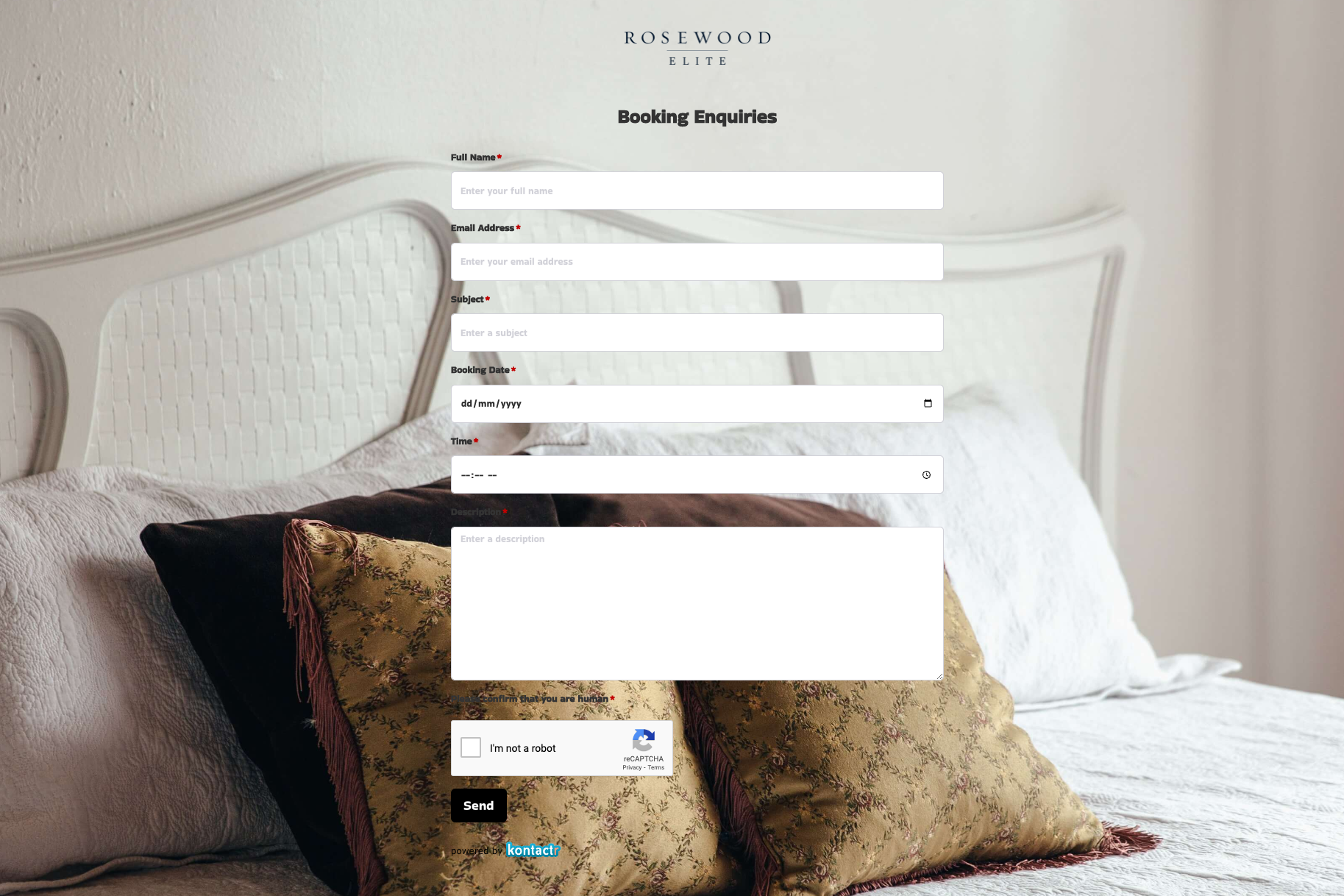 Booking Enquiries Form
 Brochure Mailing Form
 Buy a Home Form
 Catalog Request Form
 Coach Lines Quote Form
 Contact Us Form
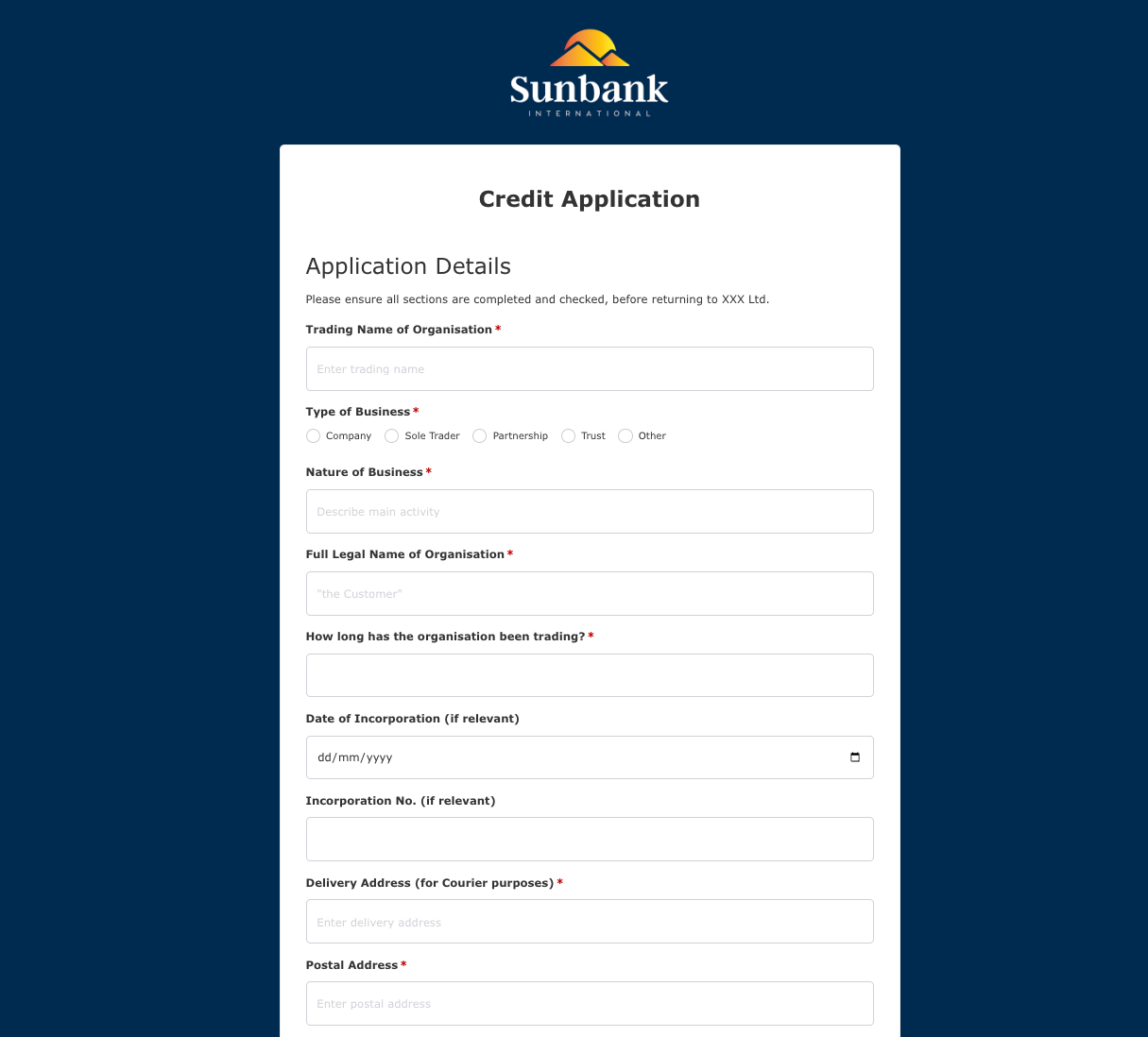 Credit Application Form
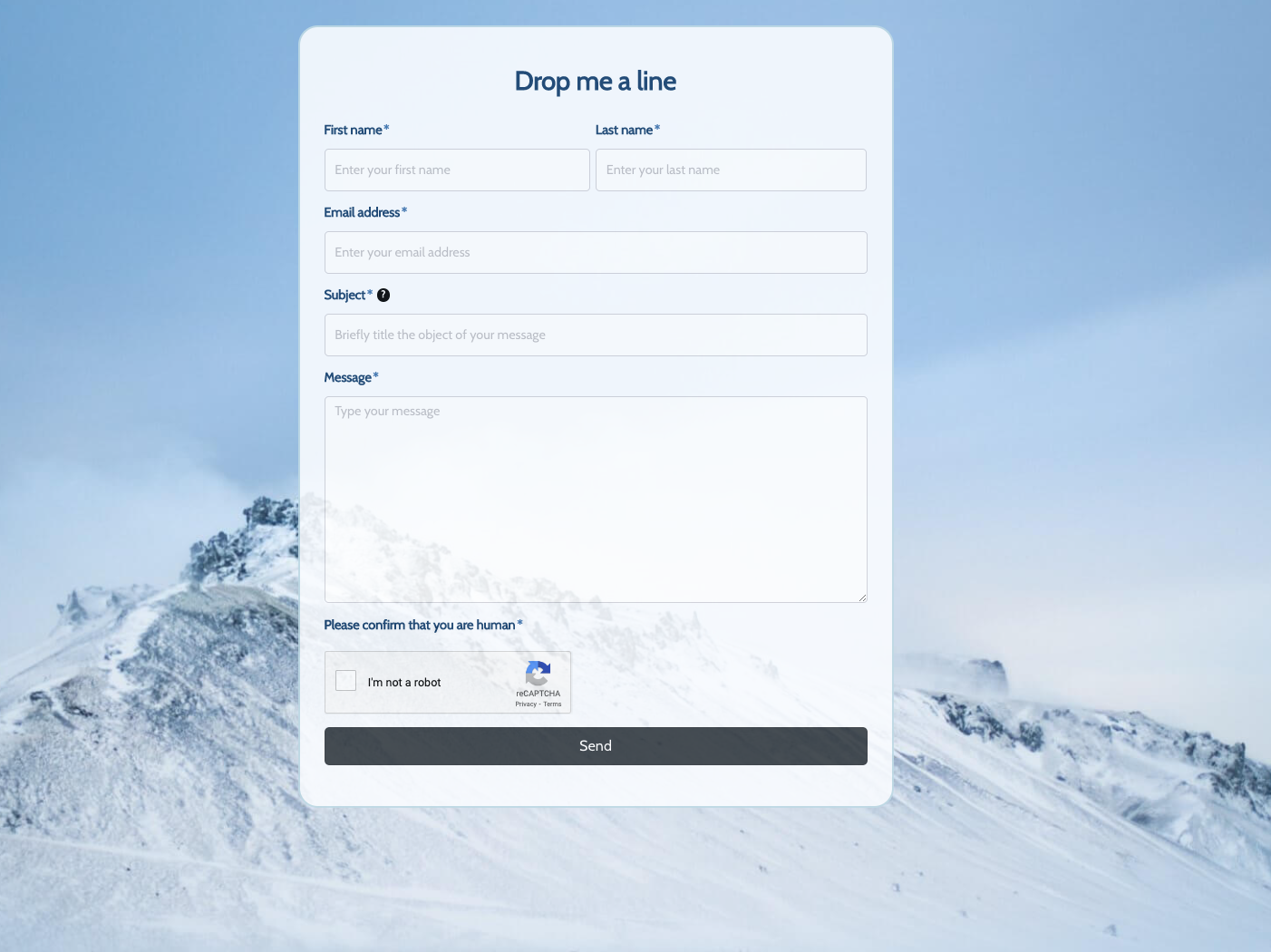 Drop me a line Form
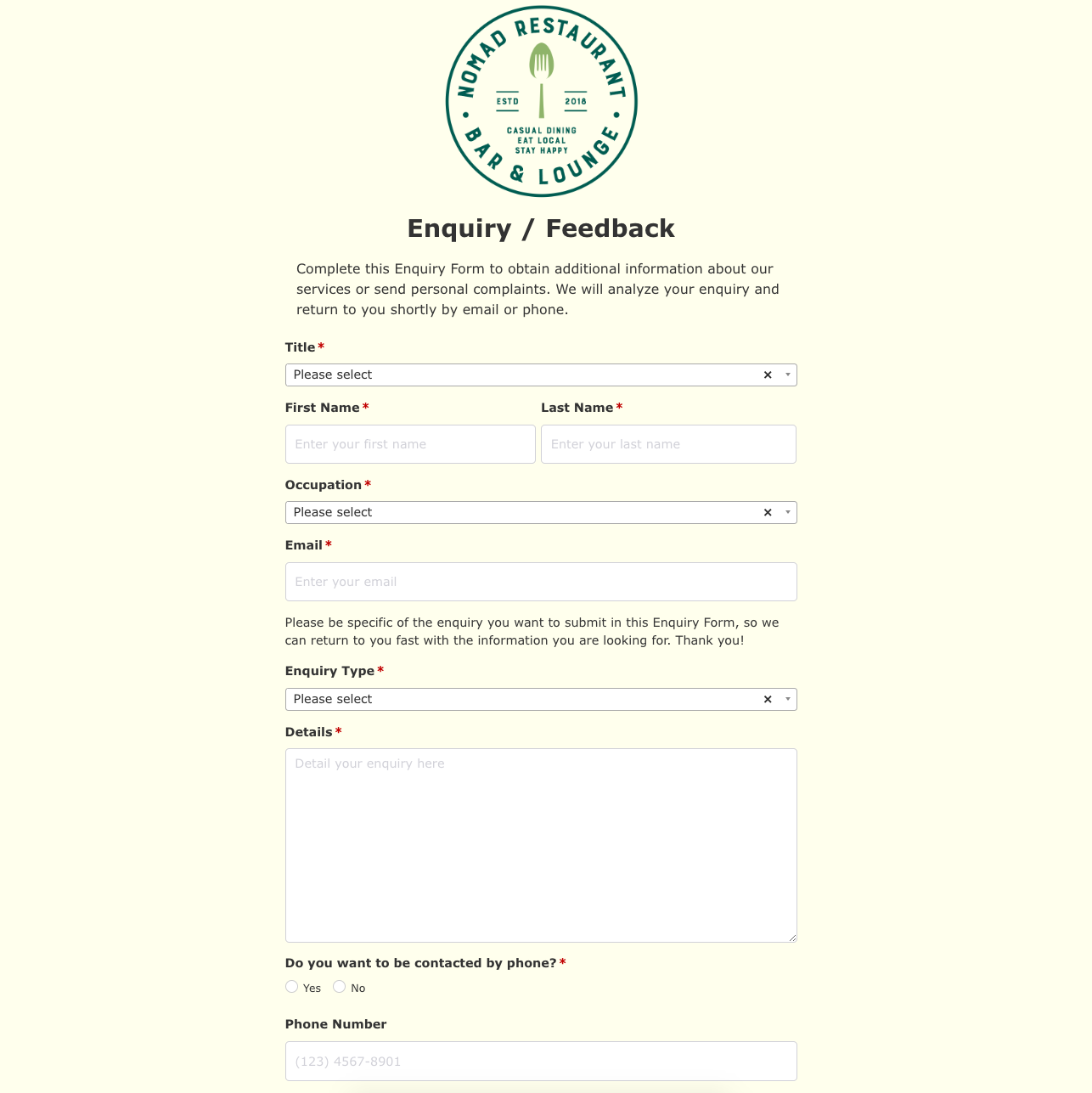 Enquiry / Feedback Form
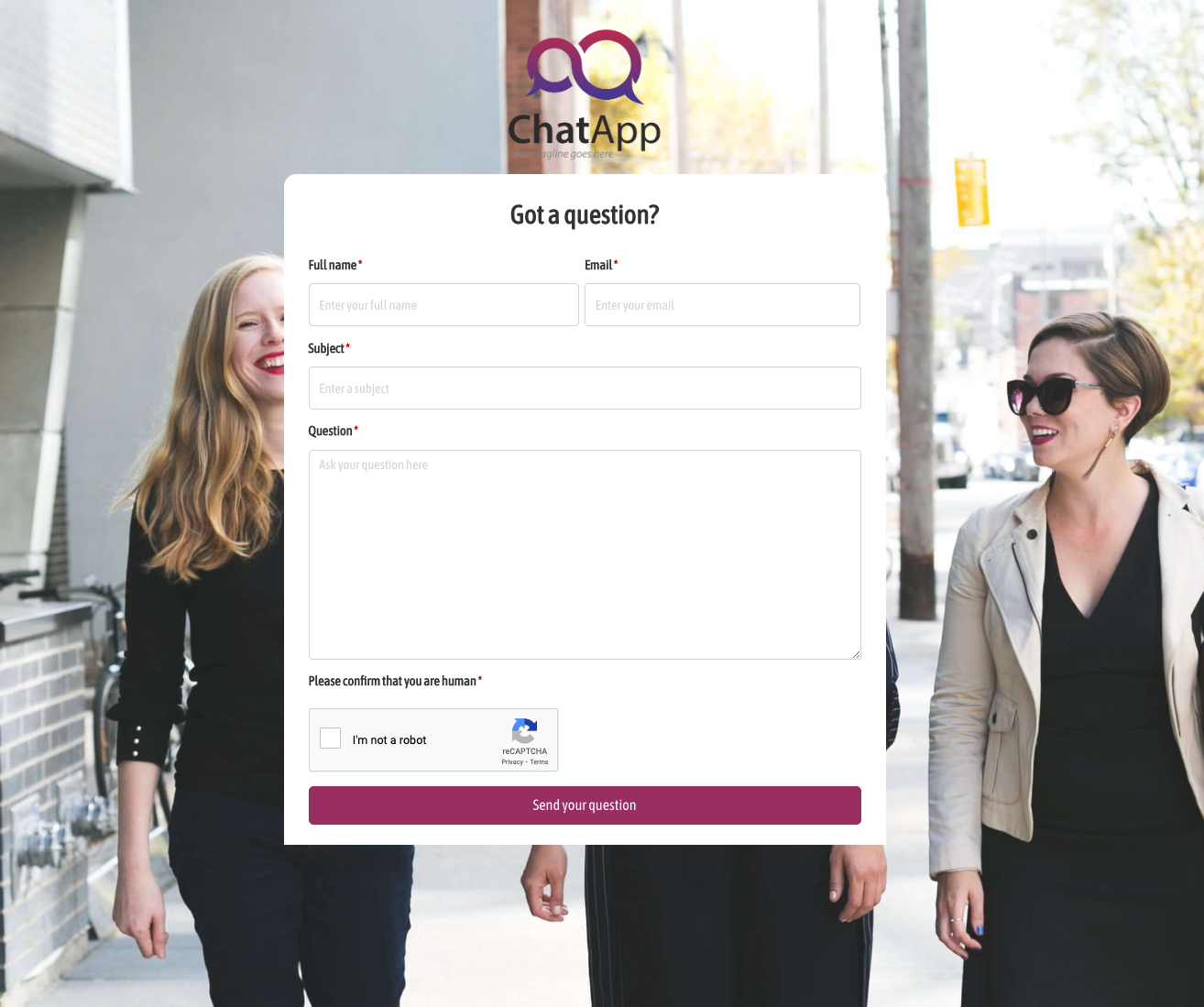 Got a question? Form
 Instant Quote Form
 Job Application Form
 Language & Literacy Lab Form
 Live Streaming Registration Form
 More Information Form
 Order Exchange Form
 Party Box Order Form
 Pest Control Services Form
 Poll / Survey Form
 Receive Ebook Form
 Refinance Mortgage Form
 Remarks / Questions Form
 Report Driver Form
 Retreat Information Form
 Service Enquiry Form
 Skydiving Registration Form
 Spare Part Enquiry Form
 Staff Application Form
 Submission Form
 User Registration Form
 Website Under Construction Form
 Wedding Photographer Form
 Your Opinion Matters Form