A strong digital presence can influence how customers discover, evaluate, and ultimately choose a business. But simply having a website and social media accounts does not guarantee results. Effective digital marketing requires a clear understanding of the target audience, suitable marketing channels, useful content, measurable goals, and consistent optimization.
For businesses that do not have all of these skills in-house, working with a digital marketing agency can provide access to specialized expertise. However, businesses should understand the fundamentals of digital marketing before deciding which services they need or which agency to work with.
What Is a Digital Marketing Strategy?
A digital marketing strategy is a structured plan for using online channels to achieve specific business objectives.
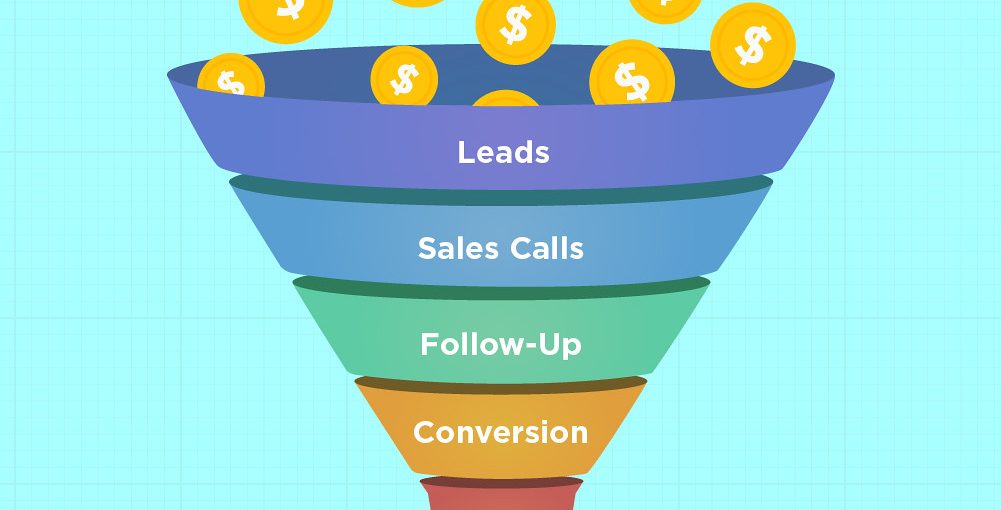
Depending on the business, those objectives could include increasing website traffic, generating leads, improving online sales, building brand awareness, or increasing customer retention.
A strategy normally connects several elements:
The important point is that these elements should work together. Increasing traffic, for example, has limited value if visitors cannot easily find the information they need or take the desired action.
Start With the Business Goal
The first step should be defining what the marketing campaign is supposed to accomplish.
A local service company might want more phone calls and enquiries. An e-commerce store may focus on online purchases. A software company could prioritize qualified leads or product demonstrations.
The goal determines which metrics matter.
For example, a business focused on lead generation may monitor:
-
Qualified leads
-
Cost per lead
-
Conversion rate
-
Landing-page performance
-
Lead-to-customer rate
A business focused on e-commerce may instead emphasize revenue, average order value, conversion rate, customer acquisition cost, and return on advertising spend.
Understand the Target Audience
Digital marketing becomes much more effective when a business understands who it is trying to reach.
Useful questions include:
Who is the customer?
Consider factors such as location, industry, purchasing behavior, and the problem the customer is trying to solve.
What does the customer search for?
Search behavior can reveal the language people use when looking for products or services. This information can inform SEO, paid advertising, website content, and even product positioning.
What prevents the customer from buying?
Potential customers may have concerns about price, quality, trust, delivery, technical complexity, or competing alternatives. Addressing those concerns through useful website content can improve the buying process.
Choose the Right Digital Marketing Channels
Not every business needs to use every online channel.
Search Engine Optimization
SEO focuses on improving a website's visibility in organic search results. It can involve keyword research, technical improvements, content optimization, internal linking, website structure, and other activities.
SEO can be particularly useful for businesses that want to attract people who are actively searching for relevant products or services.
However, SEO generally requires ongoing work. Search competition, customer behavior, website changes, and search-engine updates can all affect performance.
Paid Advertising
Paid advertising can provide faster visibility than organic search because businesses can pay to place advertisements in front of selected audiences.
Search advertising can target people based on queries, while social and other advertising platforms provide different targeting options.
A successful advertising campaign requires more than creating an advertisement. Businesses also need appropriate landing pages, accurate conversion tracking, compelling messaging, and regular campaign optimization.
Social Media
Social media can help businesses build awareness, communicate with customers, distribute content, and develop long-term relationships with their audience.
The best platform depends on the target market. A business should prioritize platforms where its potential customers are actually active rather than attempting to maintain every social network.
Content Marketing
Content can answer questions, demonstrate expertise, explain products, and help potential customers make informed decisions.
Useful content might include:
The focus should be on solving genuine customer problems rather than producing large quantities of low-value content.
Do Not Overlook the Website
Every digital marketing channel eventually needs to connect with a useful online destination.
A website should make it easy for visitors to understand:
-
What the business offers
-
Who the product or service is for
-
Why the visitor should consider it
-
What action they should take next
Website performance also matters. Mobile usability, page speed, navigation, accessibility, clear messaging, and well-designed forms can all affect the user experience.
Businesses using platforms such as WordPress or Shopify may also need ongoing technical and development support as their websites evolve.
When an Agency Can Help
A business does not necessarily need an agency for every marketing activity. Some companies can successfully manage certain tasks internally.
An agency becomes particularly useful when a business needs specialist knowledge or does not have enough internal resources to manage campaigns consistently.
For example, a company may look for external assistance with SEO, PPC advertising, website development, social media management, or content production.
An agency such as Ignite Digital offers a combination of SEO, paid advertising, website development, social media management, and content-related services. Its website also describes a process involving competitive analysis, campaign planning, performance analysis, and ongoing optimization.
The important consideration is not simply the number of services an agency offers, but whether those services match the business's actual objectives.
How to Evaluate a Digital Marketing Agency
Choosing an agency should involve more than comparing monthly prices.
Review Relevant Expertise
Look for experience related to your industry, business model, audience, and marketing objectives.
An agency experienced in local SEO may be particularly useful to a local service business, while an e-commerce company may need expertise in product advertising, shopping campaigns, conversion optimization, and online-store development.
Ask How Success Is Measured
A reputable marketing relationship should have clearly defined performance indicators.
Ask:
-
Which metrics will you track?
-
How often will performance be reported?
-
How will conversions be measured?
-
What information will be included in reports?
-
How will campaigns be adjusted when results are below expectations?
Understand What You Are Paying For
Marketing fees can cover very different levels of work.
Before signing an agreement, clarify whether the quoted price includes strategy, content, advertising management, technical work, reporting, meetings, software, or other expenses.
Also determine whether advertising spend is separate from the agency's management fee.
Check Communication and Access
You should know who will manage your account and how often you will communicate with the team.
It is also important for the business to retain appropriate access to its own website, analytics, advertising accounts, domain, and other essential digital assets.
Avoid Unrealistic Promises
Digital marketing contains too many variables for anyone to guarantee a particular business outcome without qualification.
Be cautious of claims such as guaranteed search rankings, enormous traffic increases in a very short period, or instant returns without a proper assessment of the business.
A more useful approach is to ask what work will be performed, how progress will be measured, and how the strategy will change based on performance data.
Measure Business Results, Not Vanity Metrics
Metrics such as impressions, followers, clicks, and website visits can be useful, but they should not automatically be treated as business success.
A campaign generating 50,000 visits may be less valuable than one producing 5,000 highly relevant visitors if the smaller audience generates substantially more qualified customers.
Whenever possible, connect marketing activity to meaningful outcomes such as:
Digital Marketing Is an Ongoing Process
A successful strategy rarely remains unchanged.
Customer preferences evolve, competitors launch new campaigns, advertising costs fluctuate, search behavior changes, and websites require continual improvement.
For that reason, businesses should regularly review performance and ask:
What is working?
What is not working?
Why is it happening?
What should we test next?
This creates a cycle of planning, implementation, measurement, and optimization.
Final Thoughts
Digital marketing works best when it is treated as a business strategy rather than a collection of disconnected online activities.
Start with clear objectives, understand the audience, choose channels based on customer behavior, create genuinely useful content, maintain a strong website, and measure results against meaningful business outcomes.
If specialist expertise is needed, a digital marketing agency can fill important gaps in areas such as SEO, paid advertising, web development, social media, and content. The right agency should complement the business's goals and provide a transparent process for measuring and improving performance.
Most importantly, the objective should not simply be to generate more online activity. It should be to build a digital presence that consistently helps the business attract, engage, and convert the right customers.
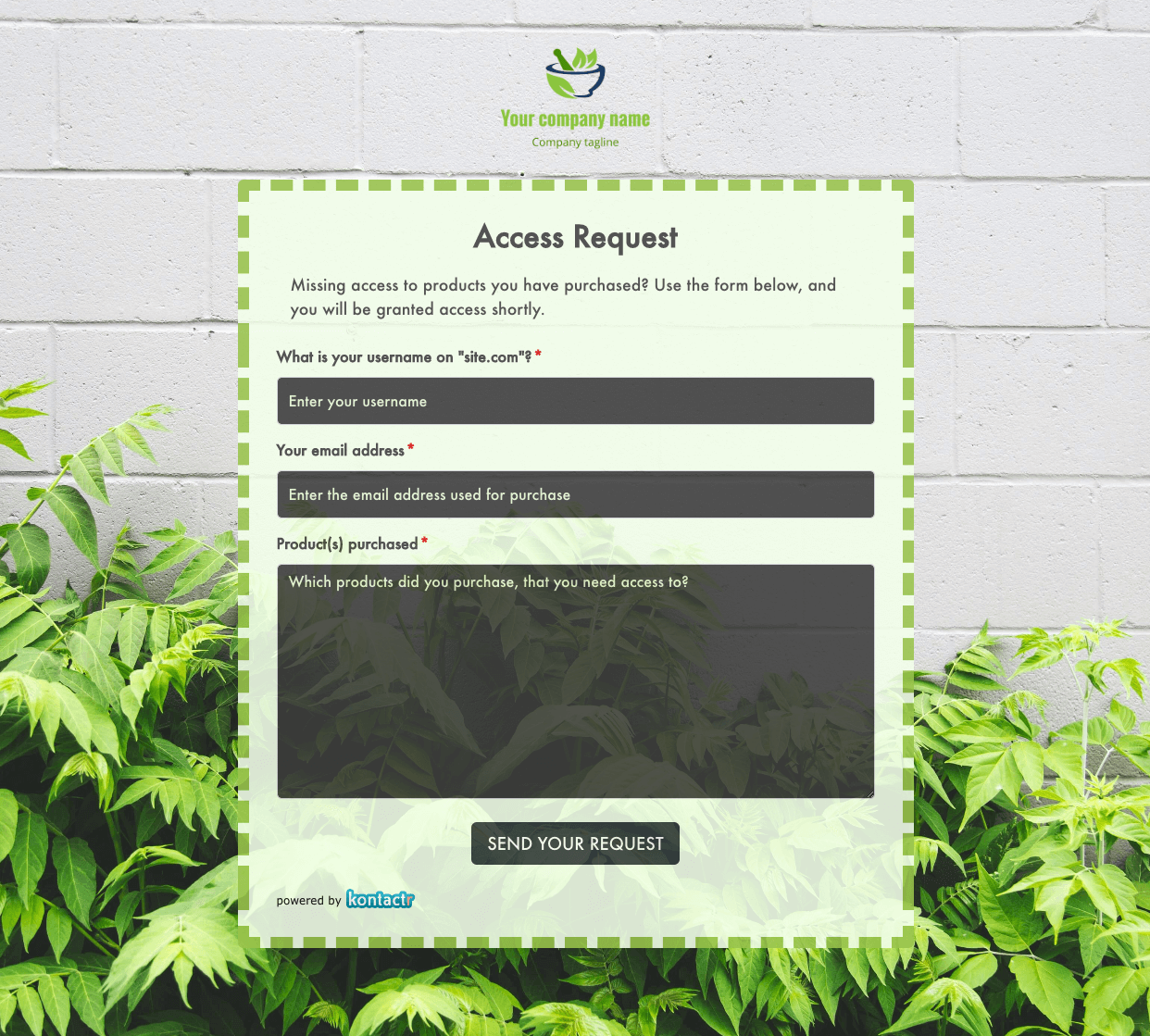 Access Request Form
 Afterparty RSVP Form
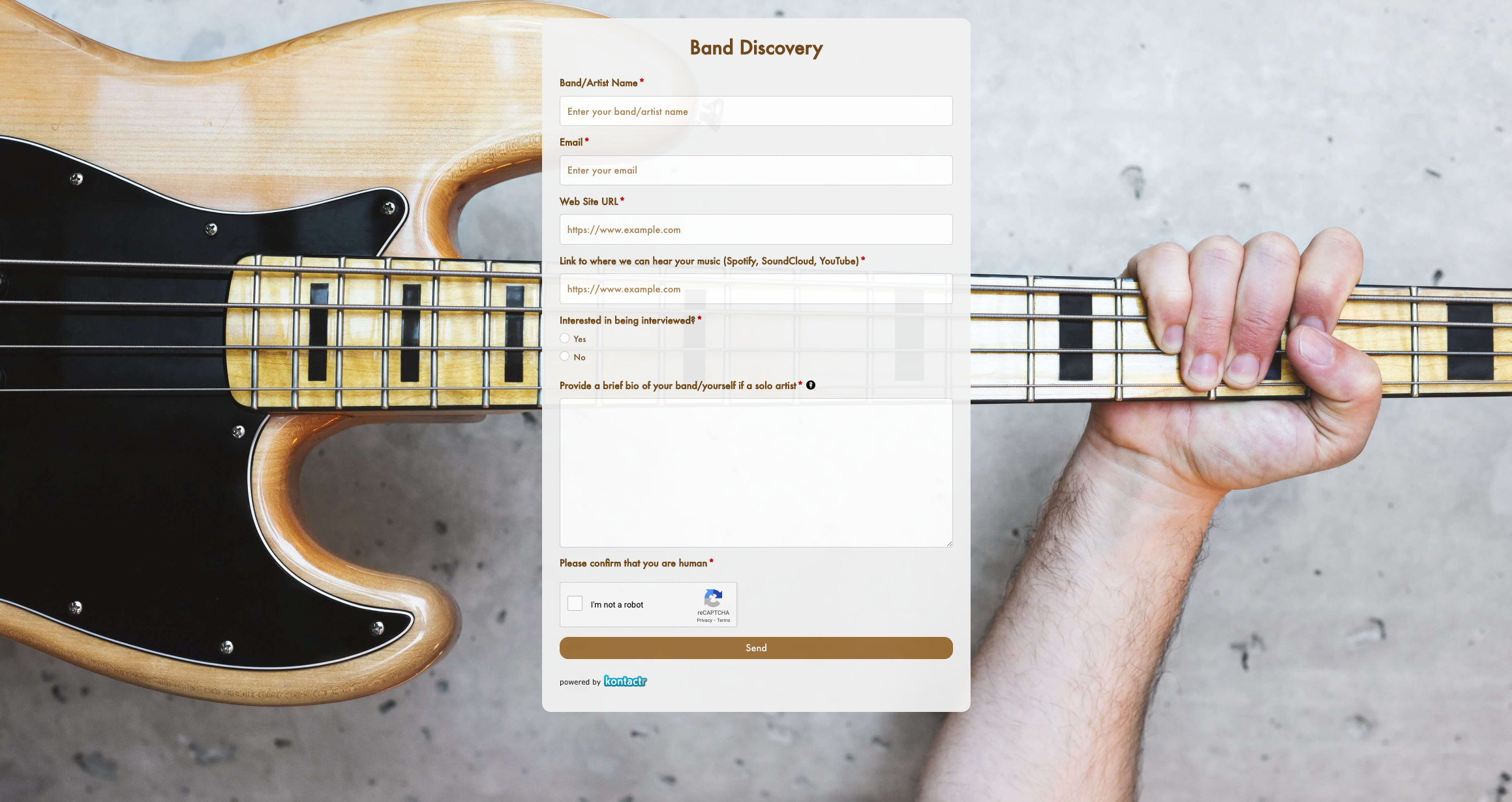 Band Discovery Form
 Book a room Form
 Booking Enquiries Form
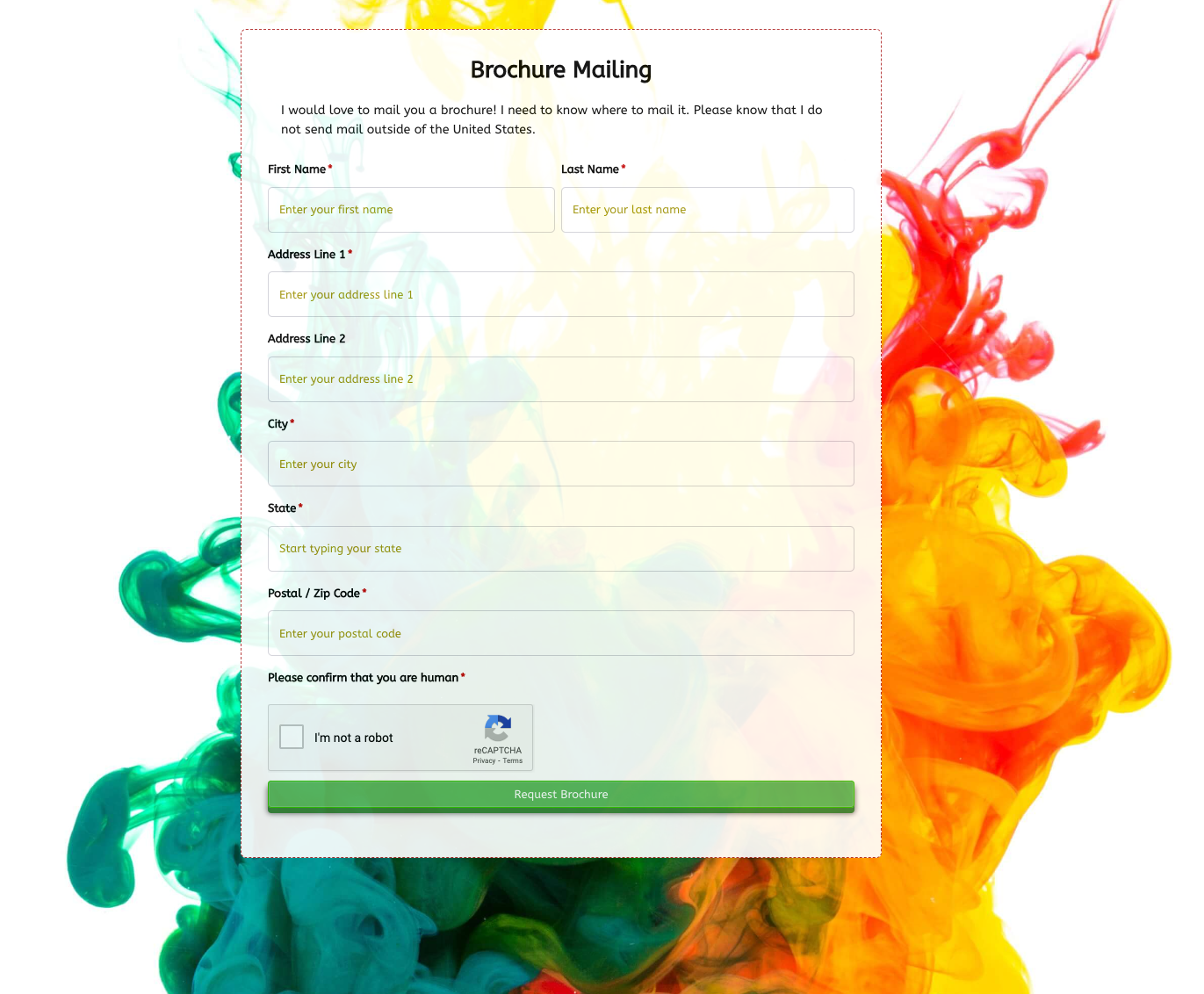 Brochure Mailing Form
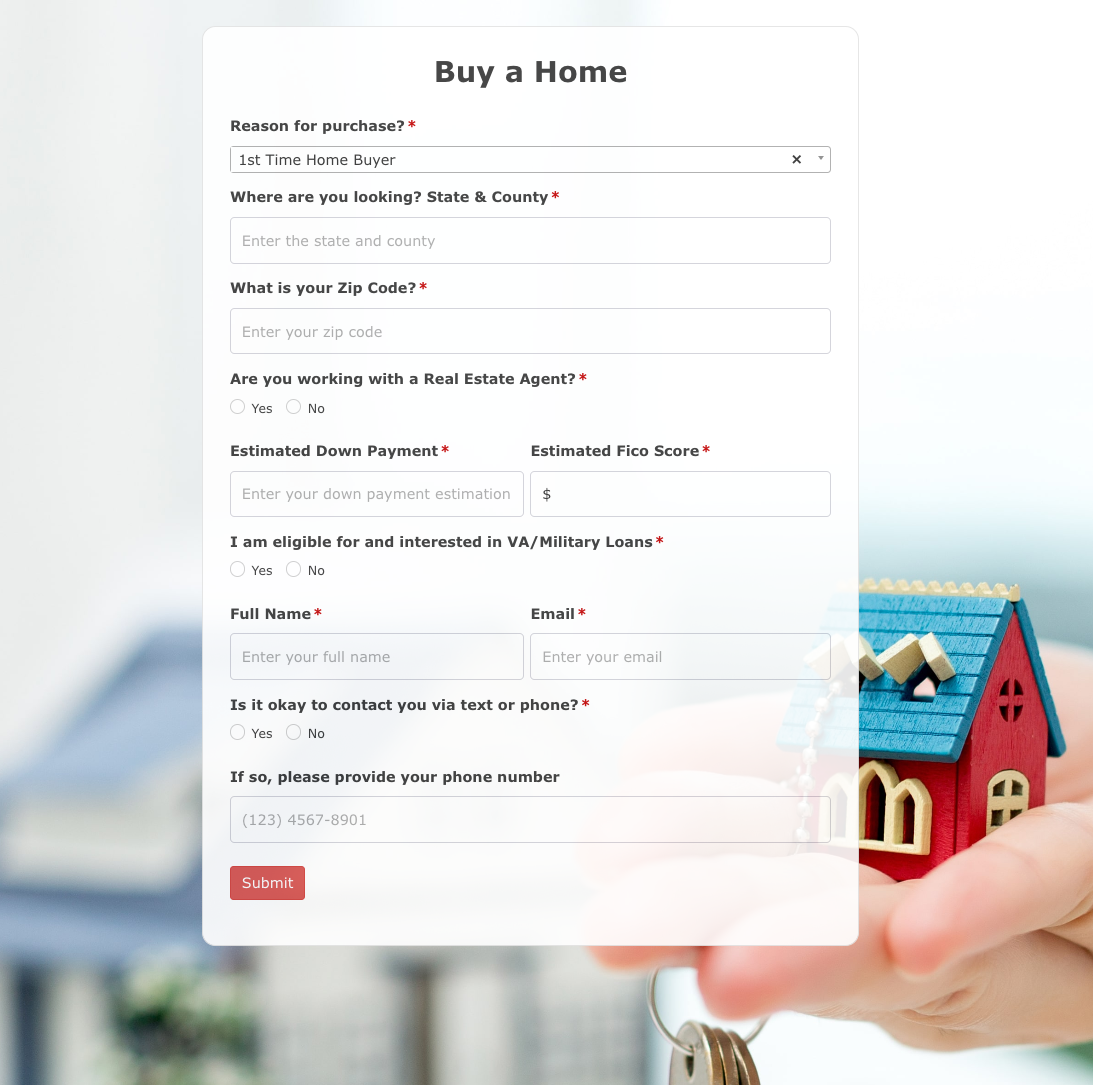 Buy a Home Form
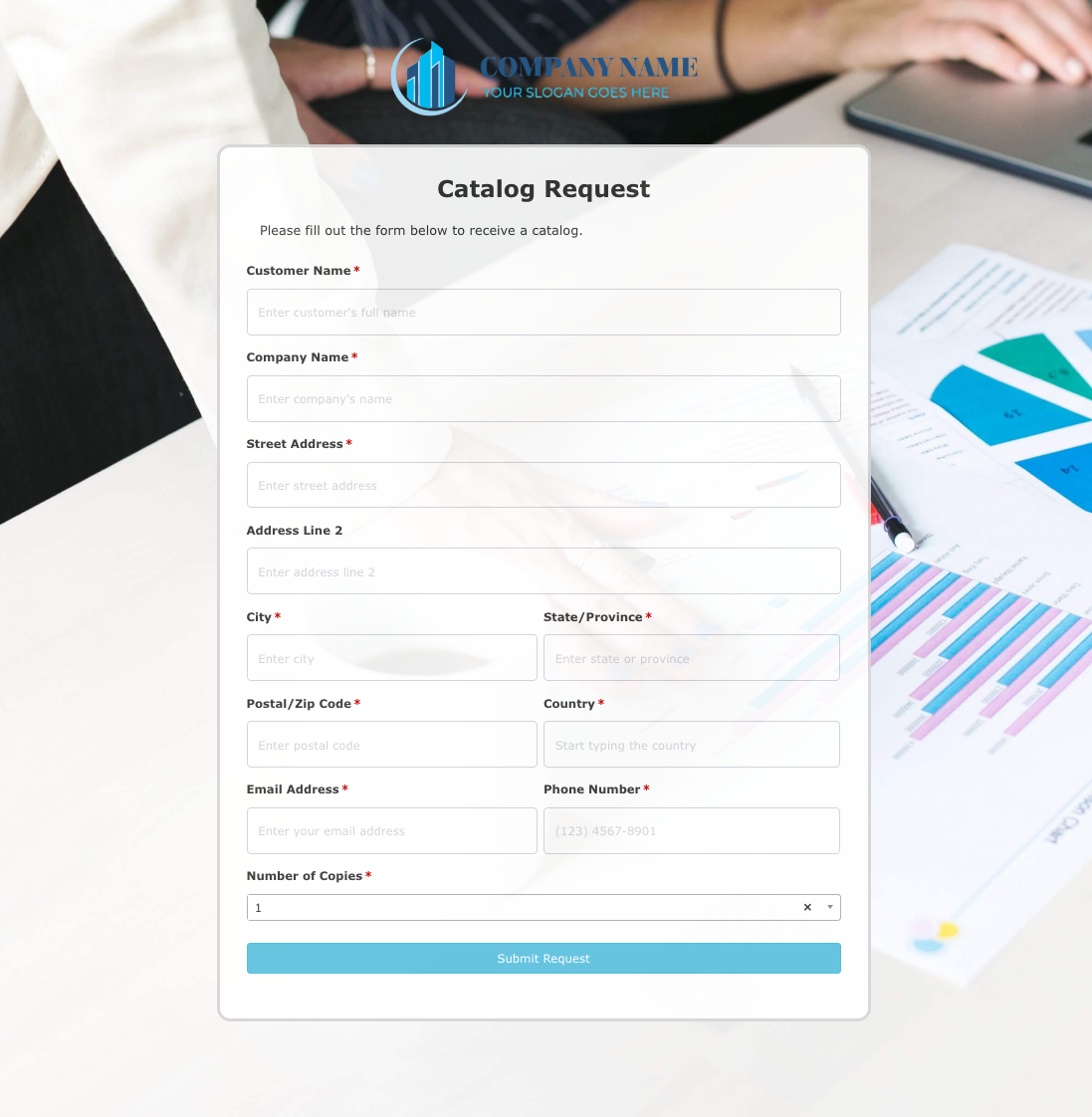 Catalog Request Form
 Coach Lines Quote Form
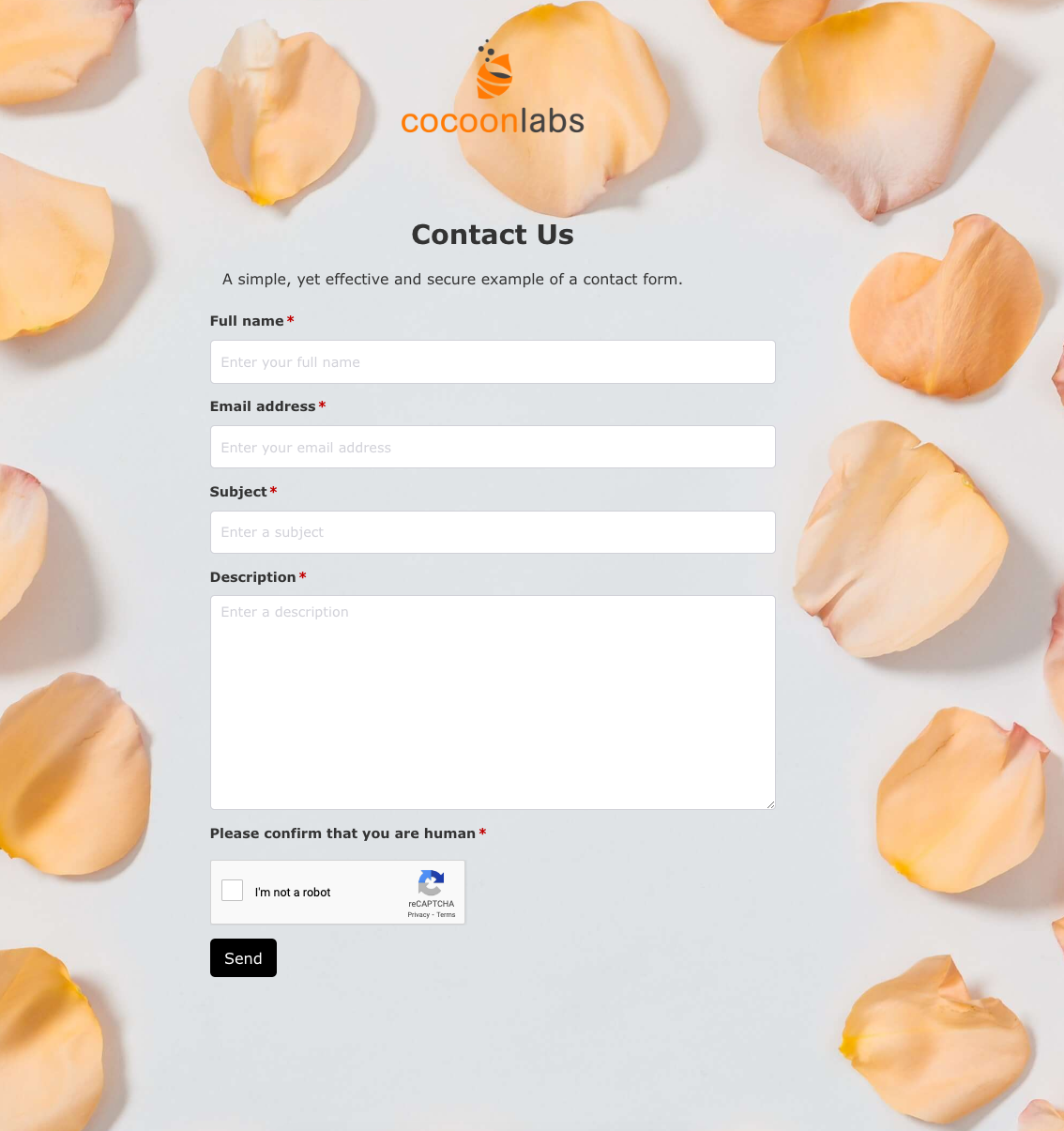 Contact Us Form
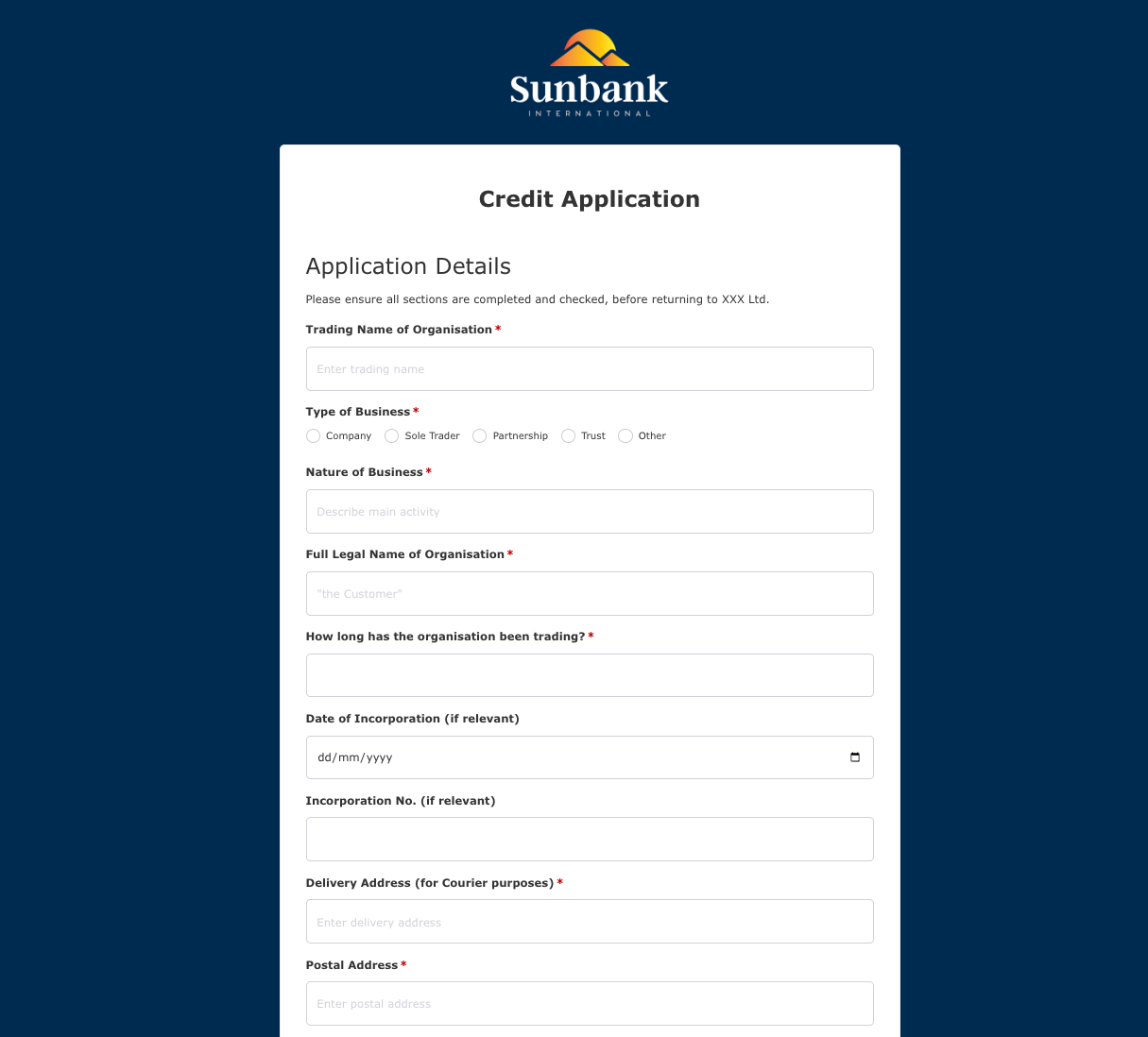 Credit Application Form
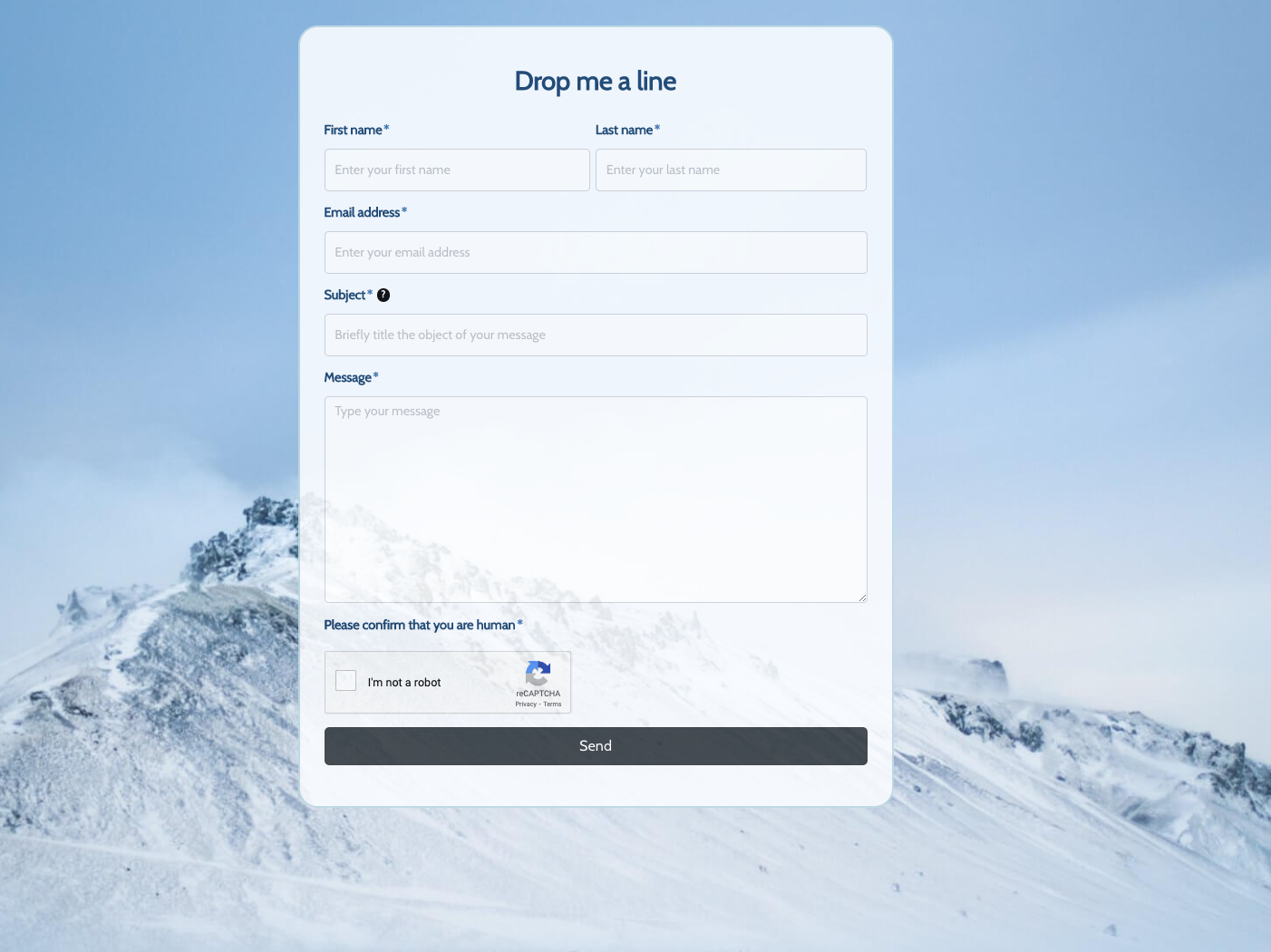 Drop me a line Form
 Enquiry / Feedback Form
 Got a question? Form
 Instant Quote Form
 Job Application Form
 Language & Literacy Lab Form
 Live Streaming Registration Form
 More Information Form
 Order Exchange Form
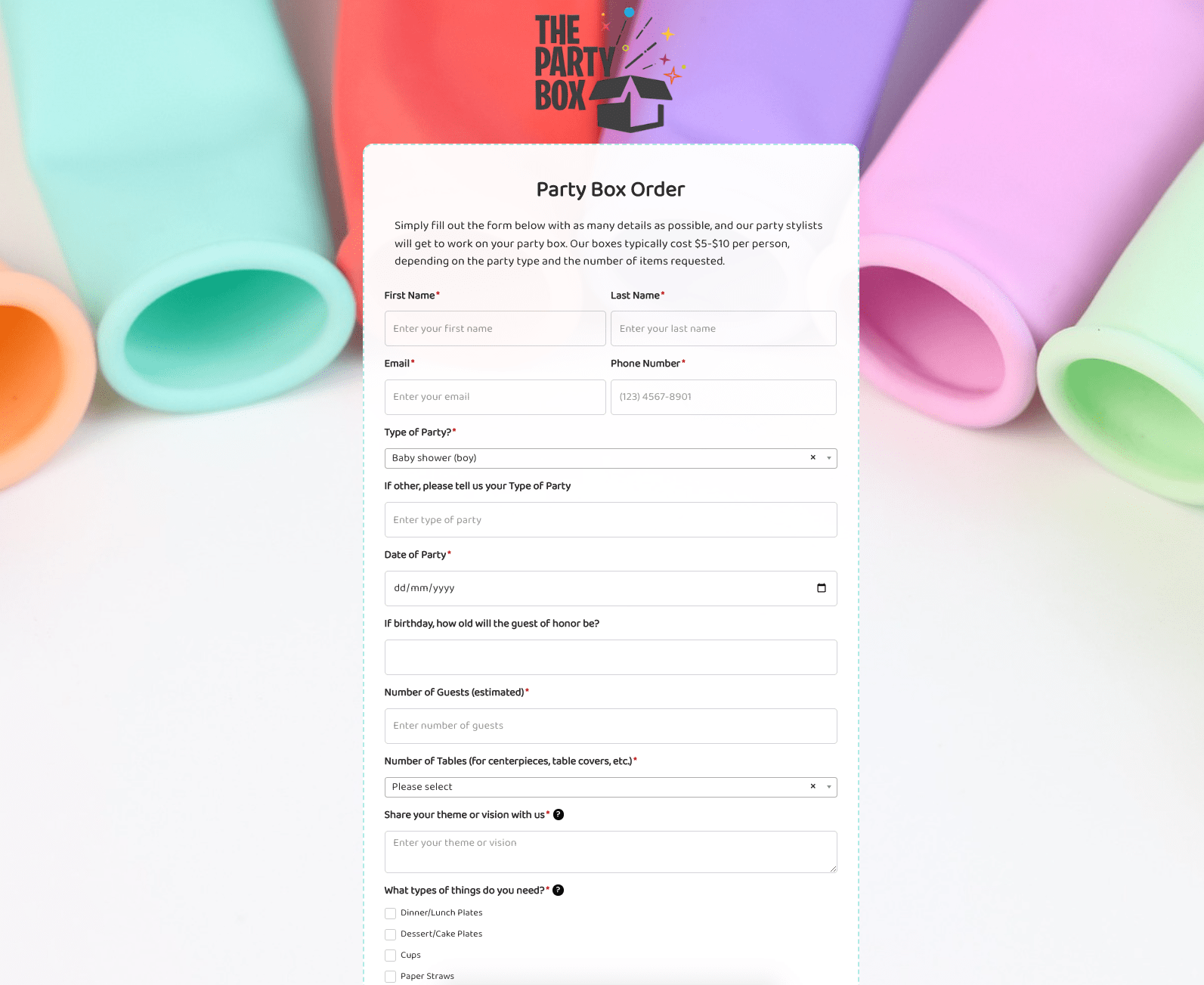 Party Box Order Form
 Pest Control Services Form
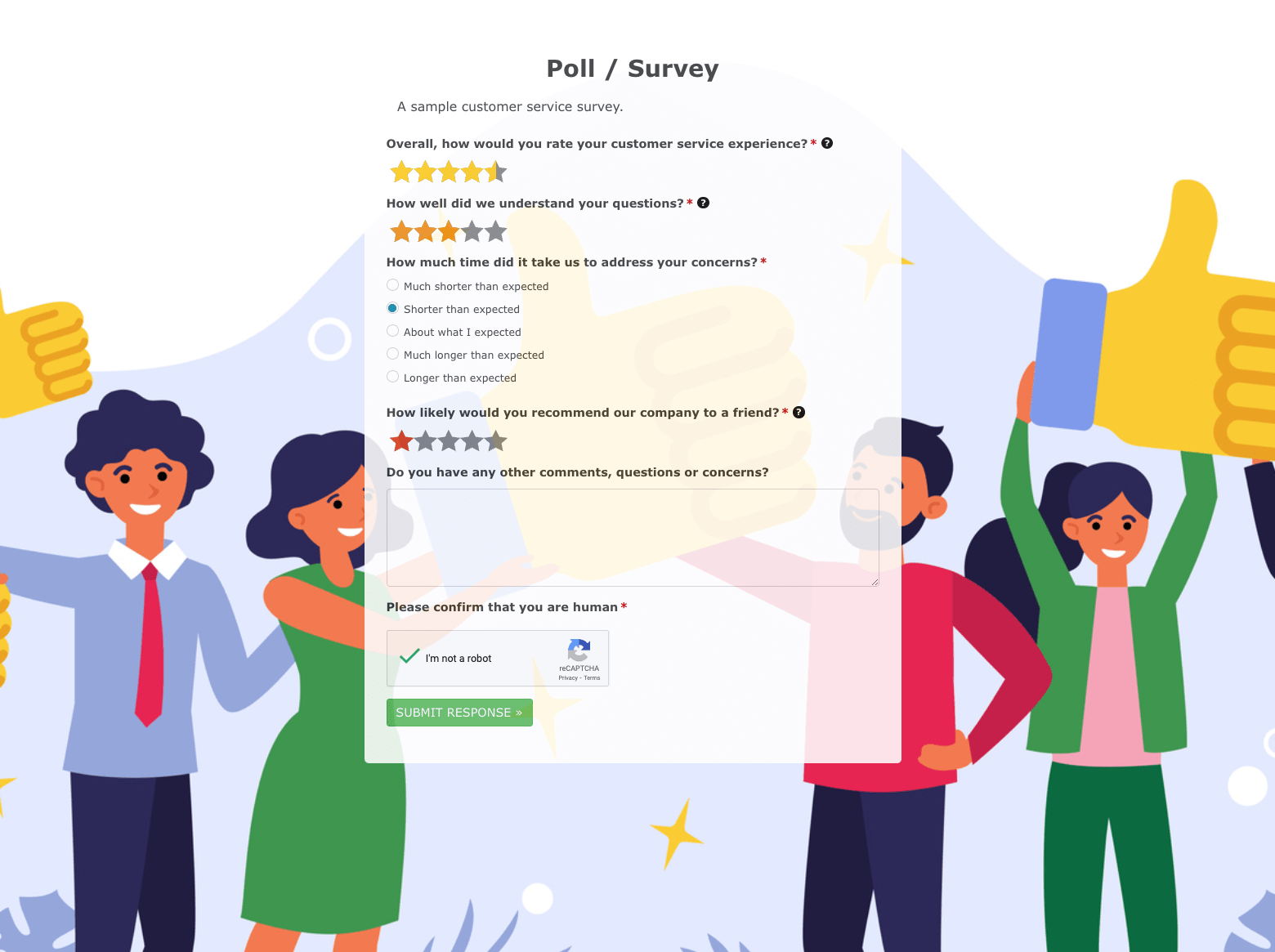 Poll / Survey Form
 Receive Ebook Form
 Refinance Mortgage Form
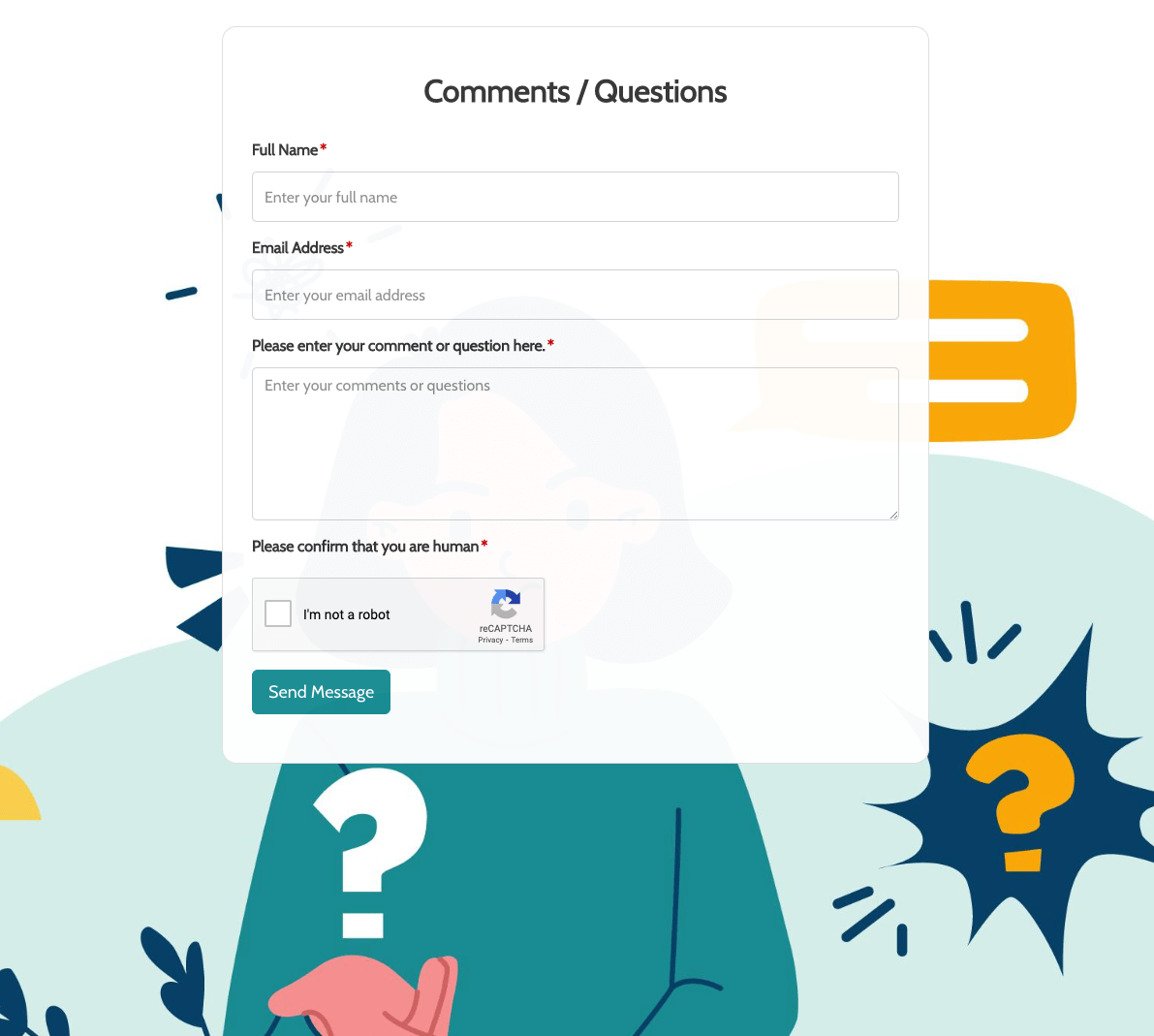 Remarks / Questions Form
 Report Driver Form
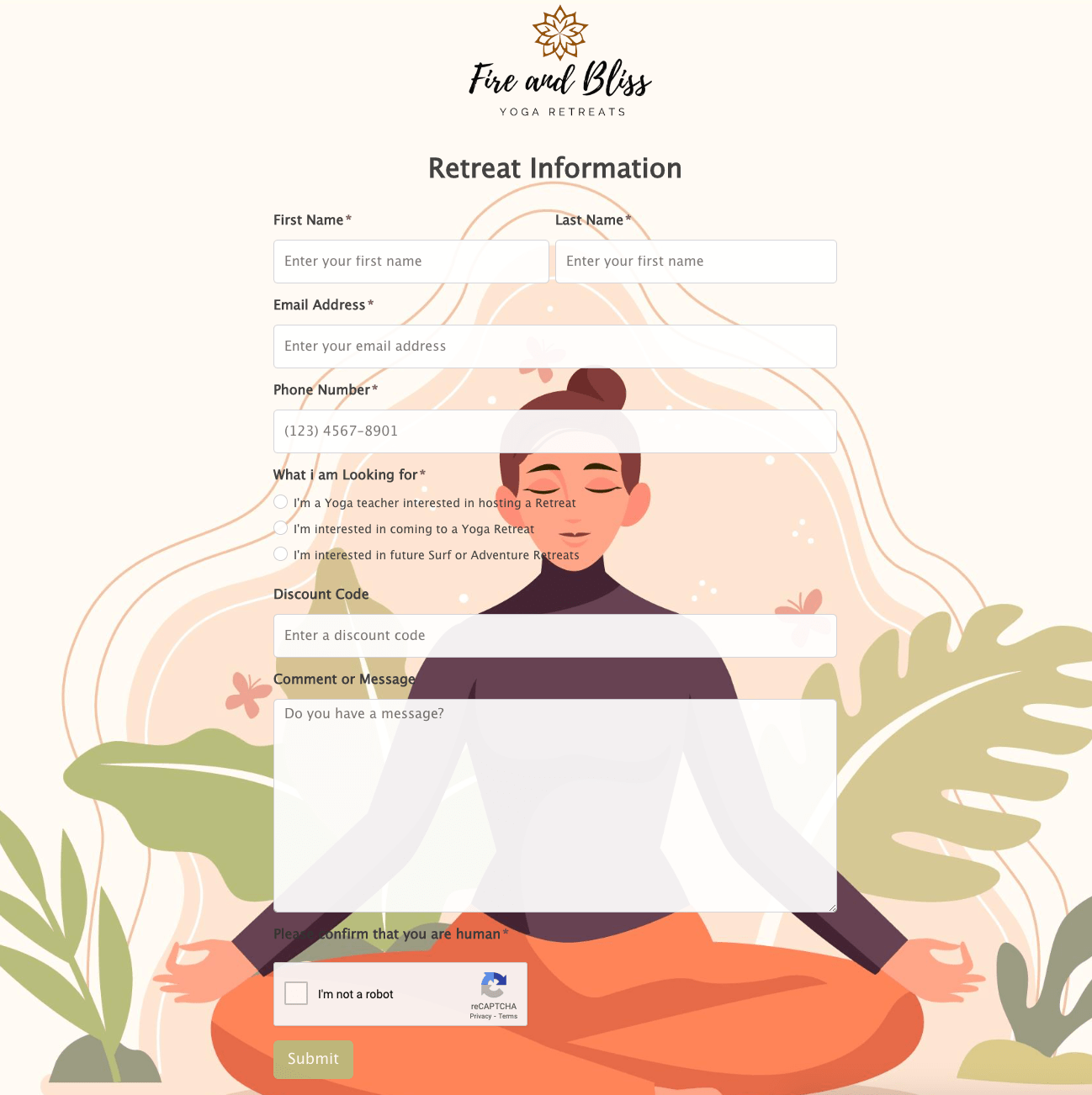 Retreat Information Form
 Service Enquiry Form
 Skydiving Registration Form
 Spare Part Enquiry Form
 Staff Application Form
 Submission Form
 User Registration Form
 Website Under Construction Form
 Wedding Photographer Form
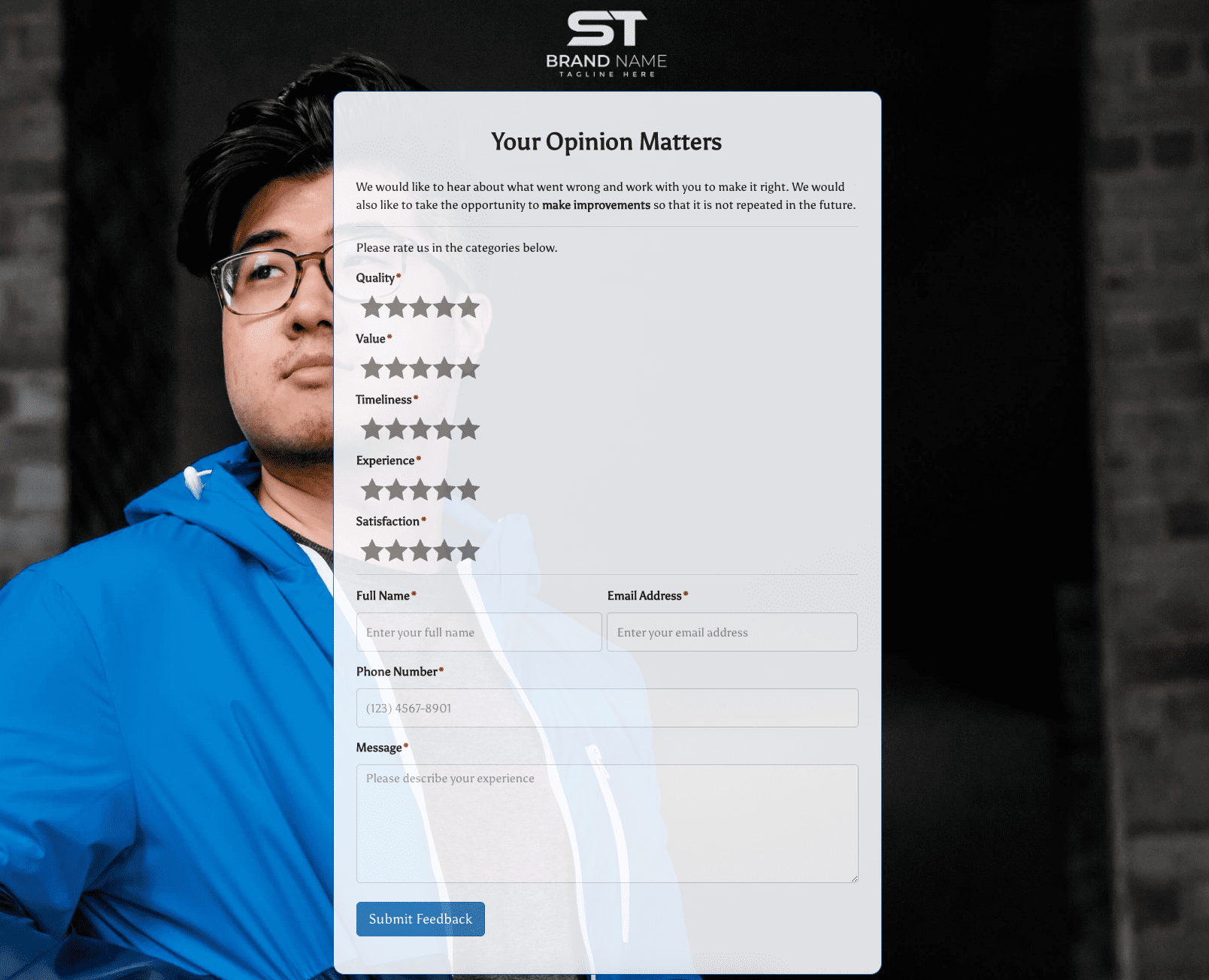 Your Opinion Matters Form