Switzerland has a reputation in web hosting that few countries can match, offering reliable infrastructure and a web hosting control panel to simplify website management. Search for privacy-friendly hosting and Swiss providers fill the results, usually with one line about strong privacy laws and not much else.
For a small business, that reputation raises fair questions. What does hosting your website in Switzerland change in practice? Is it worth paying more for? And what does it not do, despite what the marketing suggests?
This guide covers the legal basics, the trade-offs on cost and speed, and the questions worth asking before you choose a Swiss host.
What Swiss Data Protection Law Gives You
Switzerland's privacy rules come from the Federal Act on Data Protection, usually shortened to FADP. A revised version came into force on 1 September 2023, bringing Swiss law closer to the EU's GDPR while keeping it a separate legal system.
A few points matter for website owners:
-
Breach notification. Site owners must report data breaches likely to cause a high risk to the Federal Data Protection and Information Commissioner (FDPIC) as soon as possible.
-
Privacy by design and by default. Collecting only the data you need is now a legal obligation, not just good practice.
-
Personal liability. Fines of up to CHF 250,000 fall mainly on the responsible individuals rather than the company. That tends to focus minds.
-
Reach beyond the border. The FADP applies to processing that has an effect in Switzerland, so it follows the data rather than only the server.
Switzerland also holds an EU adequacy decision, reconfirmed by the European Commission in January 2024. In plain terms, personal data can move from the EU to Switzerland without extra contracts or safeguards. If your customers are in the EU, a Swiss server does not by itself require extra GDPR transfer safeguards such as Standard Contractual Clauses.
Where the Protection Stops
Strong data protection law is not the same as being out of reach. This is the part most hosting pages skip.
Swiss authorities can still get data. In a criminal investigation, a prosecutor can order a provider to hand over records with a written, reasoned order. More intrusive steps, such as live interception, need approval from a court. That is a real procedural bar, but it is a bar, not a wall.
Foreign requests take a slower route. A foreign prosecutor usually has to go through mutual legal assistance, and coercive help generally requires the conduct to be a crime in Switzerland as well. That makes speculative requests much harder.
The EU now has a direct line. Since 18 August 2026, the EU's e-Evidence Regulation lets judicial authorities in one member state send production and preservation orders to the EU establishment or legal representative that in-scope providers must designate. Hosting is covered, and the rules apply to providers offering services in the EU wherever they are based. A Swiss host serving EU customers can therefore be reached through its EU representative, without the request going through Swiss mutual legal assistance. Many articles about Swiss hosting were written before this change.
The operator matters as much as the server. The US CLOUD Act can require providers subject to US jurisdiction to produce data in their possession, custody or control, wherever it is stored. A Swiss data centre does not by itself put data out of US reach if the company running the service falls under US jurisdiction.
The rules are still moving. A proposed revision of Switzerland's telecom surveillance ordinance, known as the VÜPF, would extend identification and monitoring duties to more digital service providers, including some hosting and cloud companies. It has drawn broad opposition from the Swiss tech industry and the outcome is still open, so it is worth watching.
For a fuller look at when a Swiss provider can be compelled to disclose data, this breakdown of Swiss data protection law for hosting goes into the detail.
Cost and Speed
Swiss hosting usually costs more than comparable plans in Germany, Finland or the Netherlands. Data centre space, power and staff are expensive in Switzerland, and providers pass that on. For a small site the gap is often a few euros a month. On larger servers it adds up.
Speed depends on where your visitors are. Switzerland sits in the middle of Europe, so pages load quickly for visitors across the continent. For a mostly North American or Asian audience, a Swiss server adds noticeable latency, and a content delivery network (CDN) is the usual fix.
Bear in mind that a CDN routes your traffic through another company, often a US one. That can quietly undo part of the reason you picked Switzerland in the first place.
Who Swiss Hosting Suits
Swiss hosting makes the most sense for:
-
Businesses that handle sensitive client data, such as lawyers, consultants, therapists, journalists and financial advisers, who want a non-EU jurisdiction with EU-level protection.
-
Companies with Swiss or European customers who want hosting close to their audience without GDPR transfer issues.
-
Privacy-focused projects where the hosting location is part of what customers are trusting.
It makes less sense if:
-
Your audience is mainly outside Europe and speed matters more to you than jurisdiction.
-
You are on a tight budget and your site holds little personal data, such as a brochure site or a portfolio.
-
You expect it to shield illegal activity. It will not. Switzerland cooperates internationally and enforces court orders like any other country.
Questions to Ask Before You Sign Up
If Swiss jurisdiction is part of why you are buying, these questions separate a real answer from a slogan.
-
Where are the servers, who runs the service, and which jurisdictions does that company answer to? The hardware location sets the local law. The operator's legal ties decide exposure to laws like the CLOUD Act, wherever the hardware sits.
-
What do you collect at signup? Law can limit who sees your data, but data that is never collected cannot be handed over. Some hosts ask only for an email address. Others want a passport scan.
-
How do you handle legal requests? A good provider can explain its process in plain language, including whether it now has an EU representative under the e-Evidence rules.
-
Which payment processors do you use? A third-party processor may hold your identity under a different jurisdiction, even if the host itself never sees it.
-
What backups and encryption can I use? Jurisdiction does not encrypt anything. On a VPS or dedicated server, encrypting your own disks and backups does work that no law can do for you.
A provider that will not answer these plainly has told you something already.
The Bottom Line
Swiss hosting gives a small business a solid legal framework, EU adequacy without EU membership, and a meaningful procedural bar against casual data requests. It does not give immunity, and since August 2026 it no longer places a provider fully outside EU production orders.
Choose it for the right reasons, and check the details that decide how private your site really is: ownership, signup data, payment processors and encryption. When comparing providers of privacy-focused hosting in Switzerland, look for those that treat these questions as part of the product rather than a footnote. Packetra, for example, offers hosting in Switzerland and Finland with email-only signup and never asks for identity documents at any stage.
The Swiss reputation is a good starting point. The answers to those five questions are what make it worth paying for.
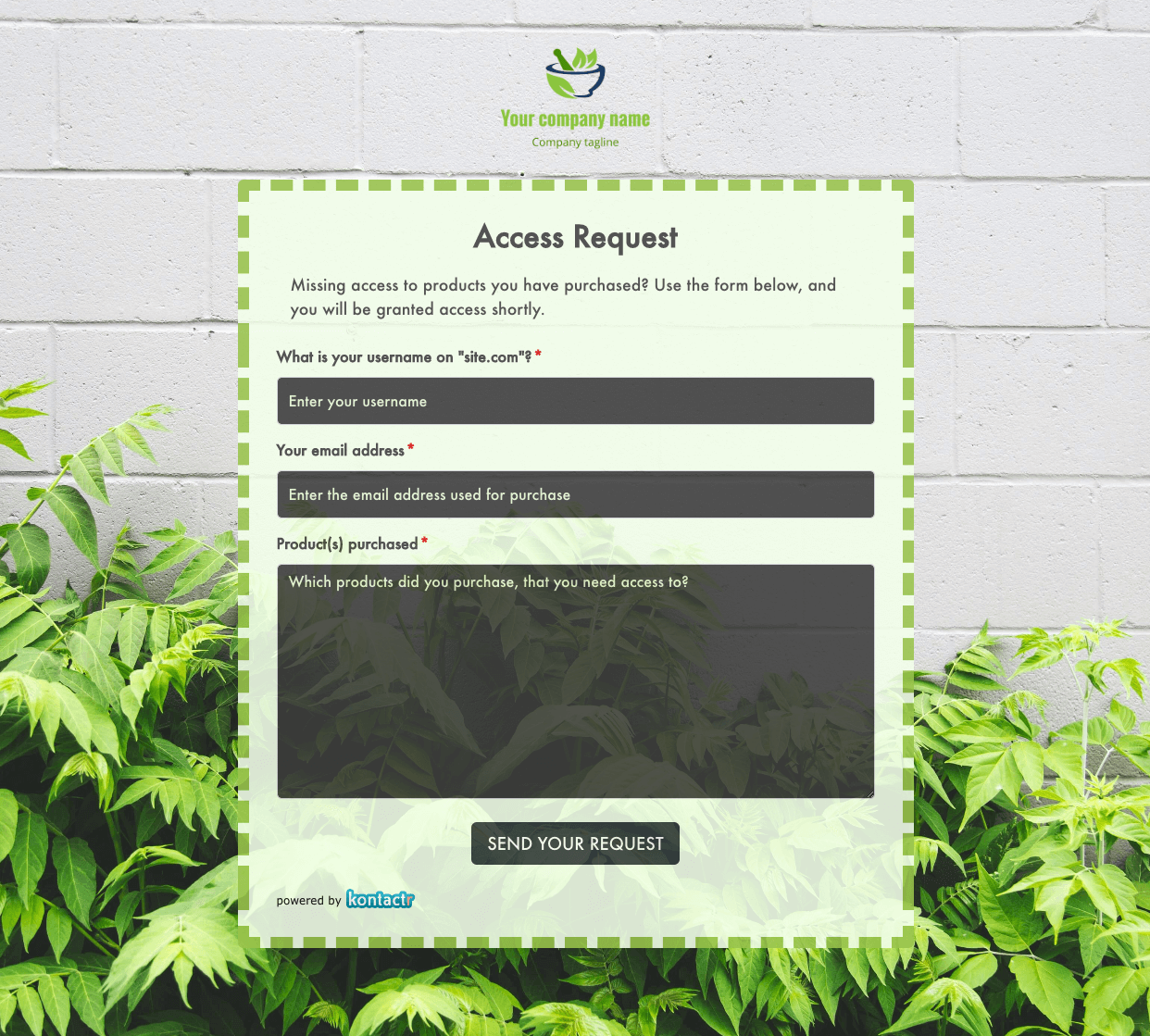 Access Request Form
 Afterparty RSVP Form
 Band Discovery Form
 Book a room Form
 Booking Enquiries Form
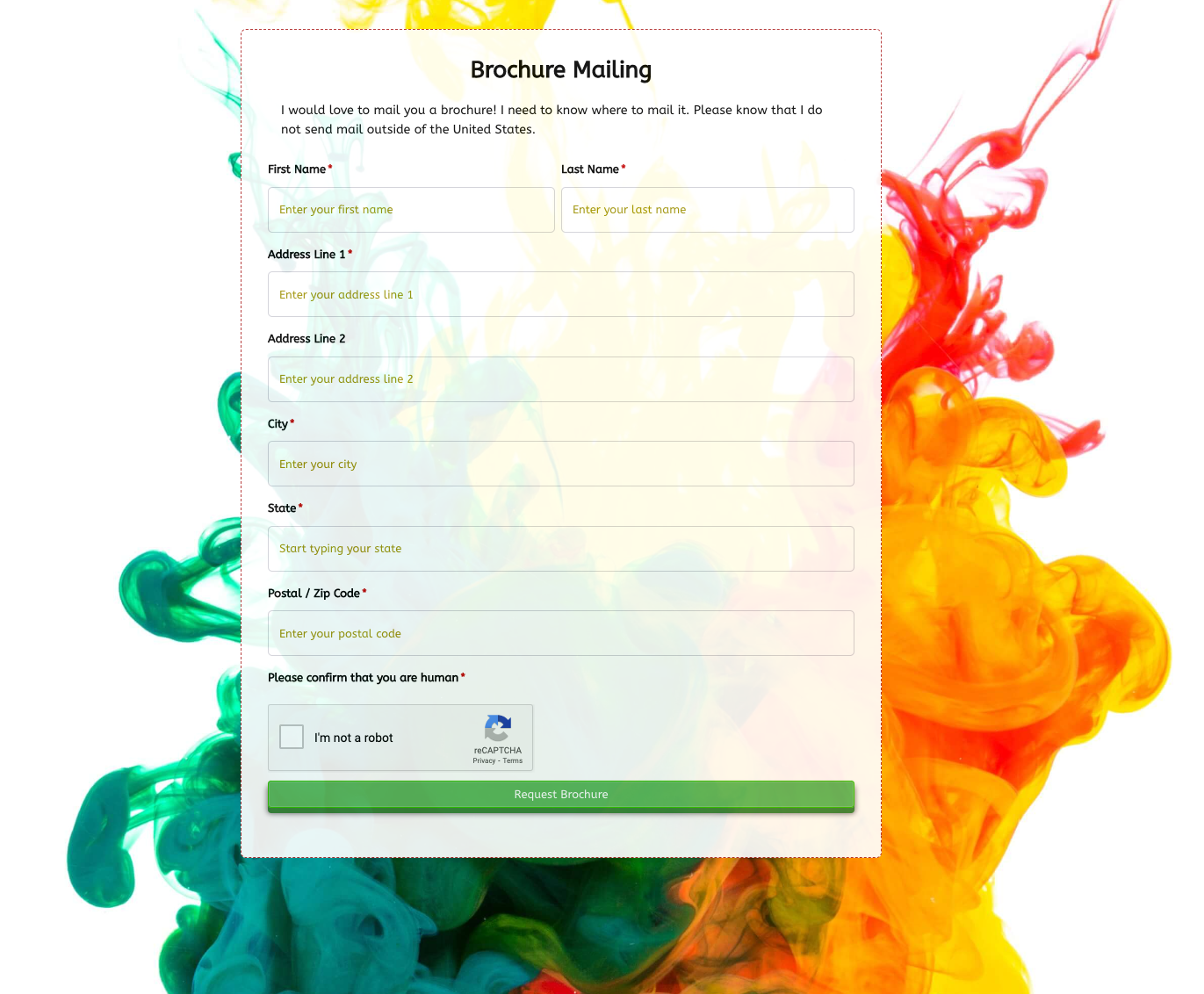 Brochure Mailing Form
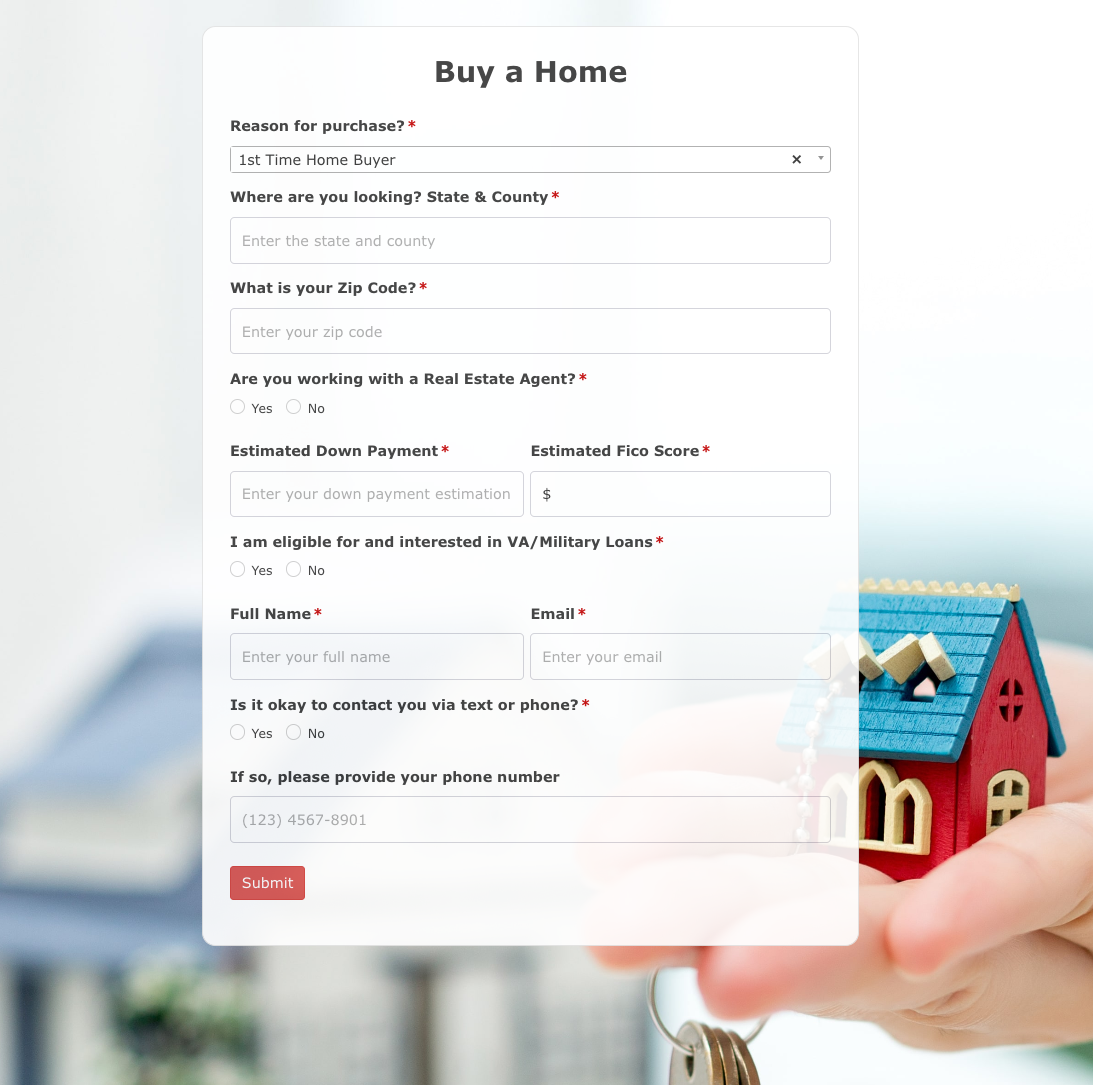 Buy a Home Form
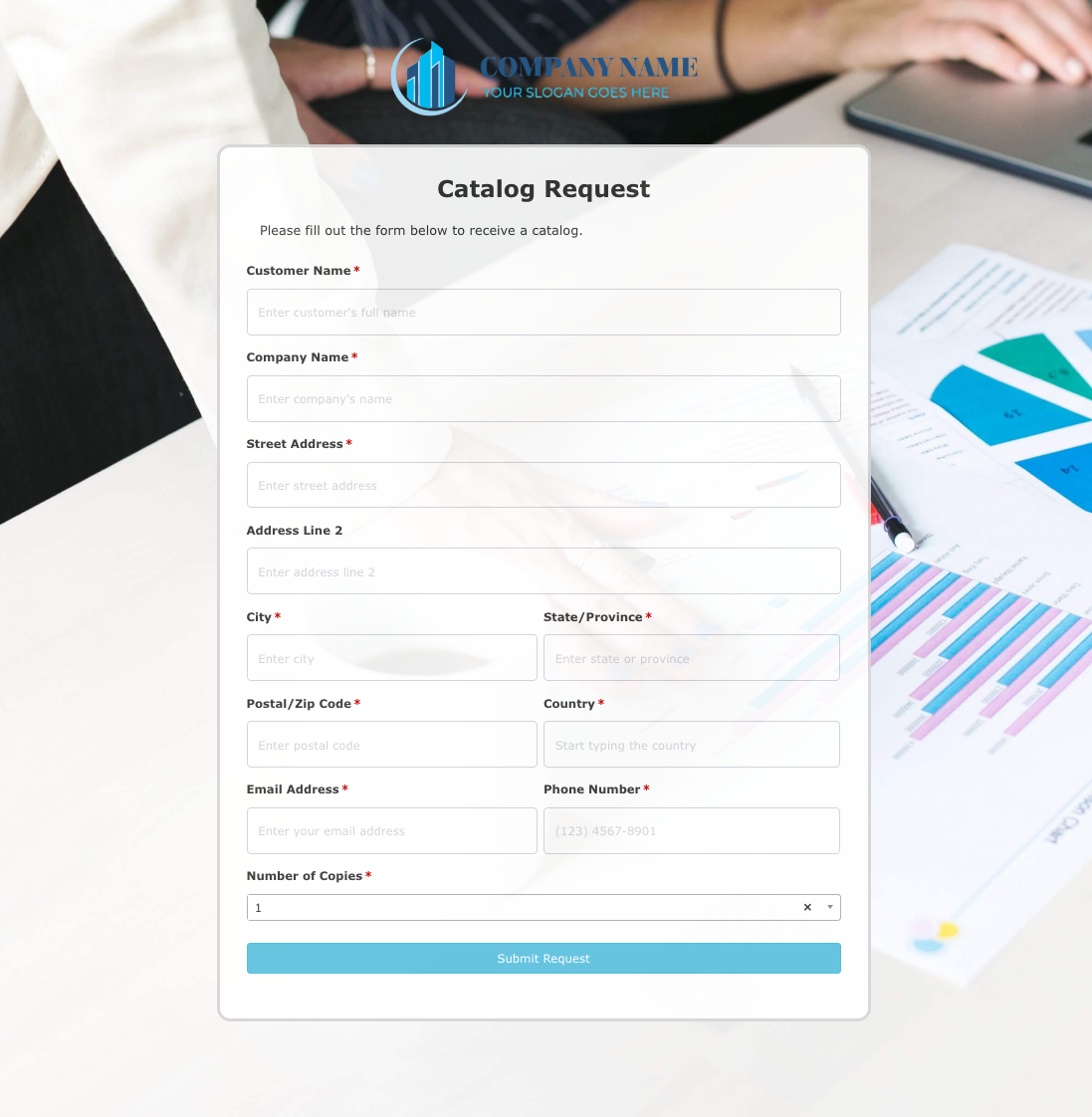 Catalog Request Form
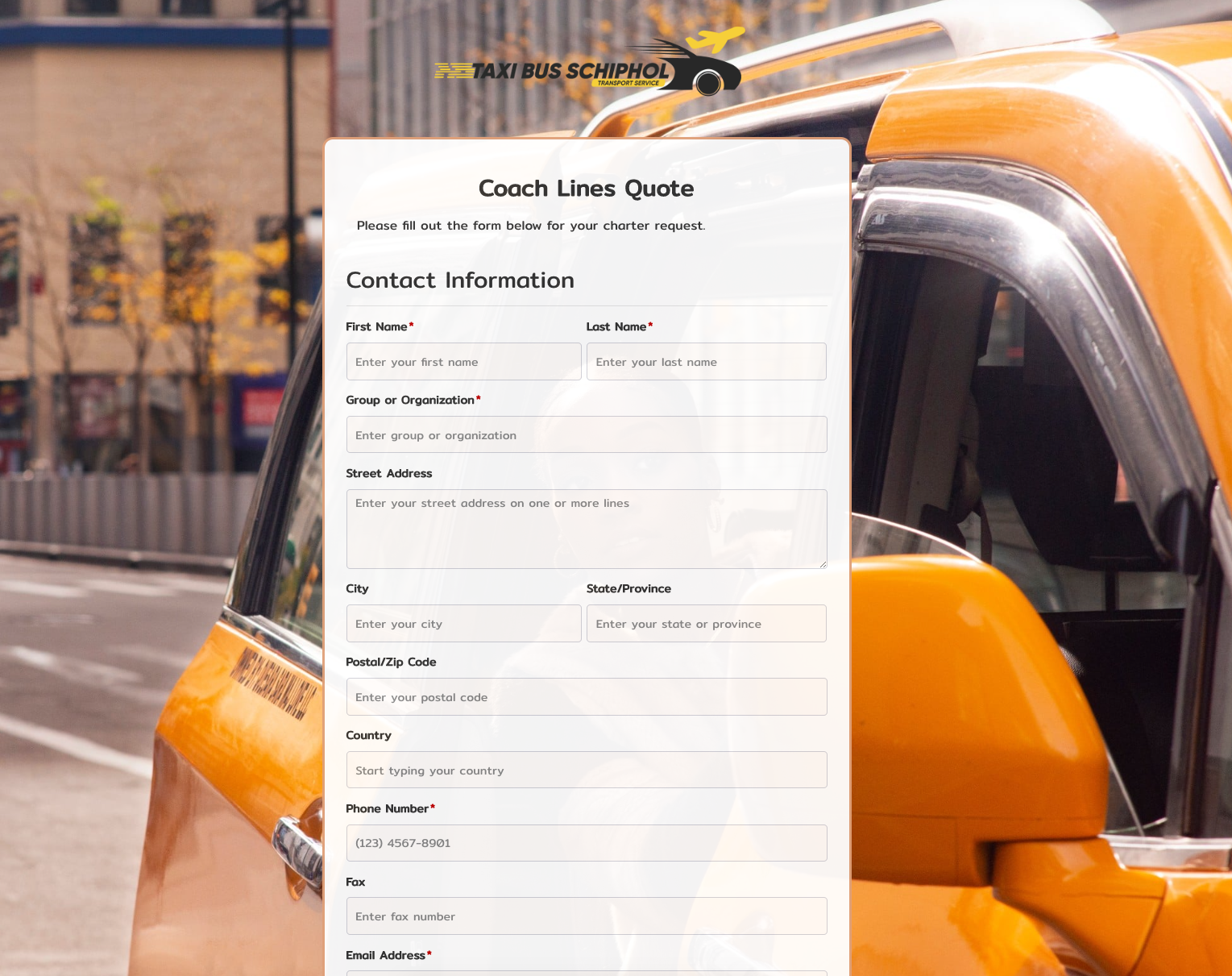 Coach Lines Quote Form
 Contact Us Form
 Credit Application Form
 Drop me a line Form
 Enquiry / Feedback Form
 Got a question? Form
 Instant Quote Form
 Job Application Form
 Language & Literacy Lab Form
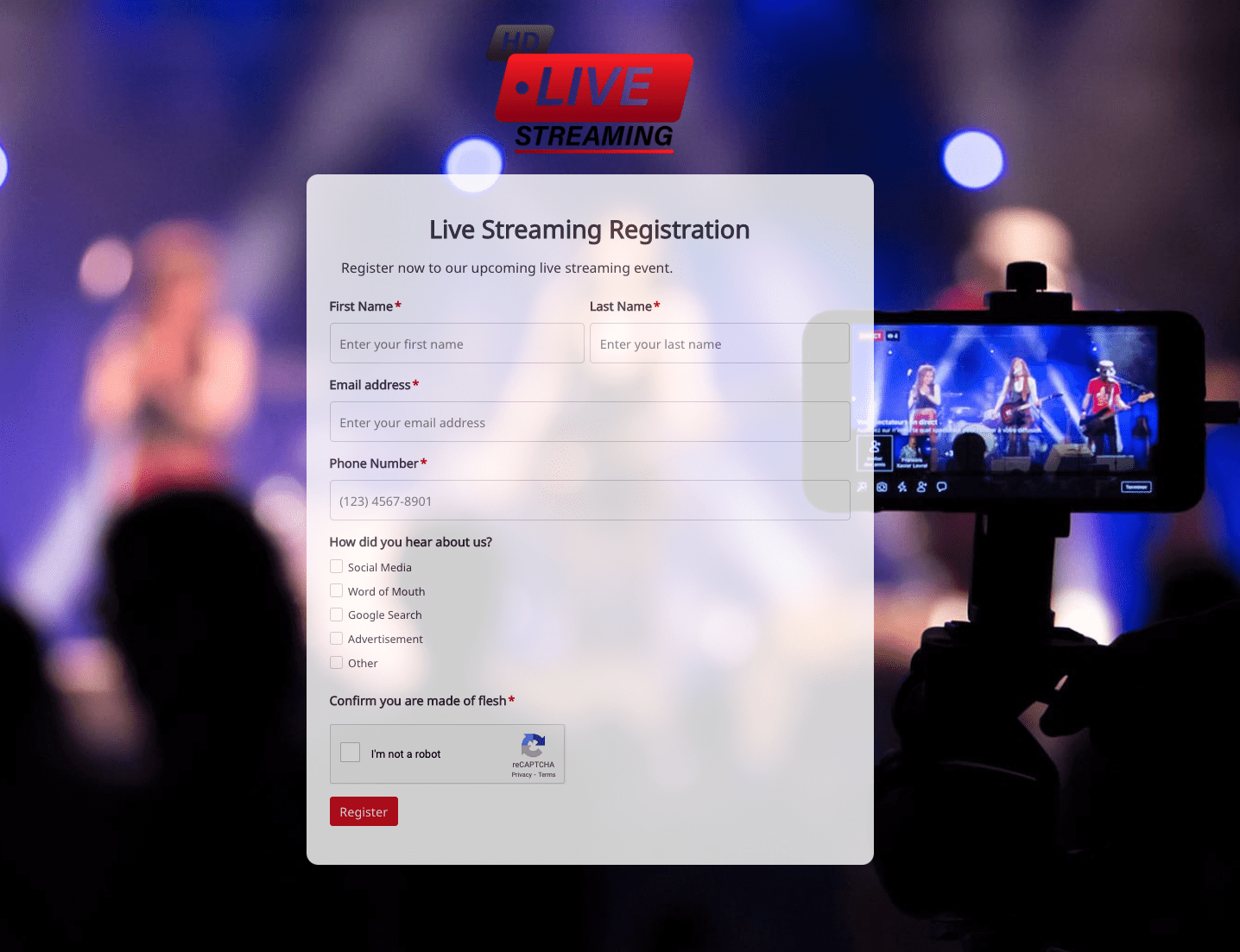 Live Streaming Registration Form
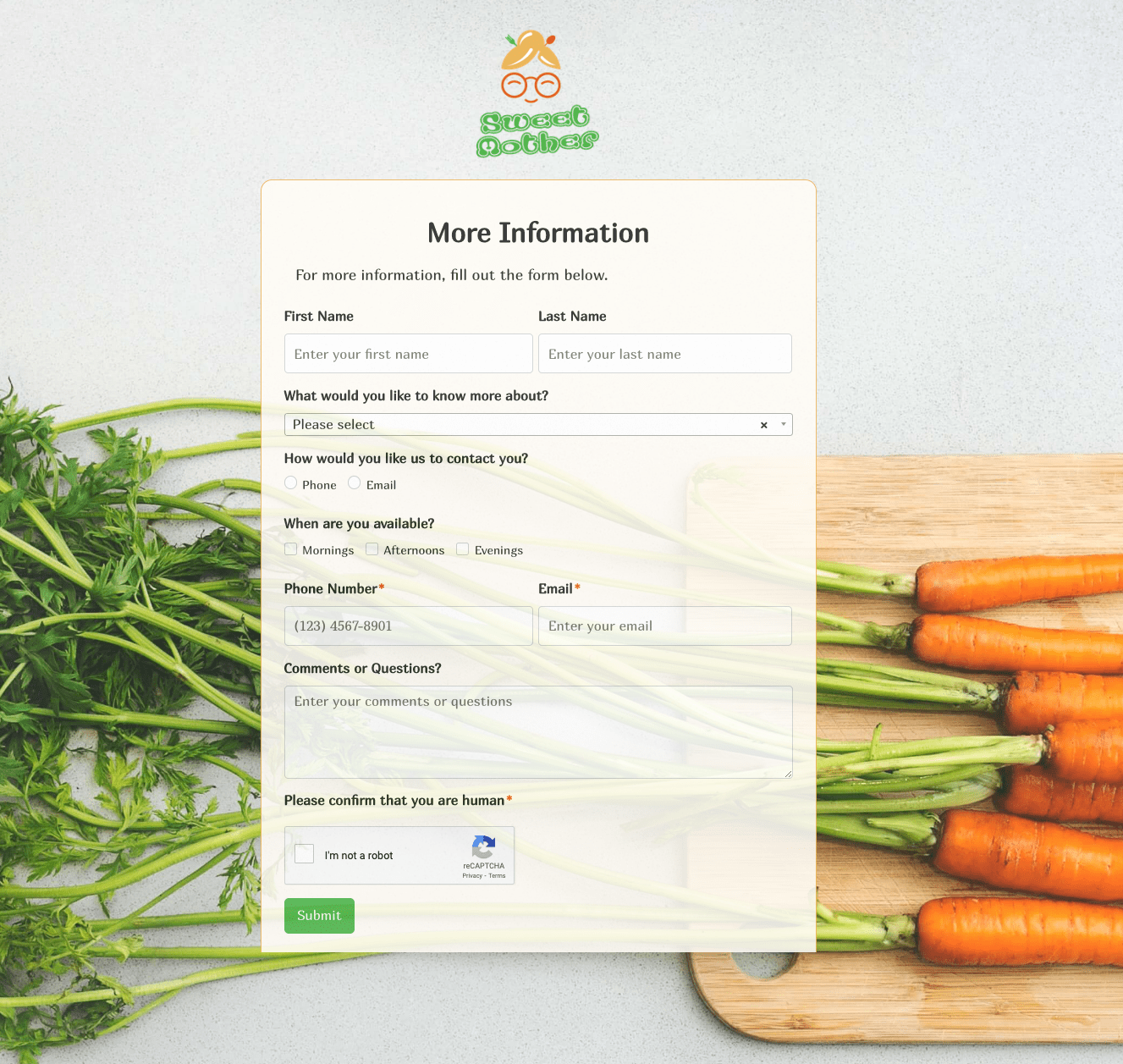 More Information Form
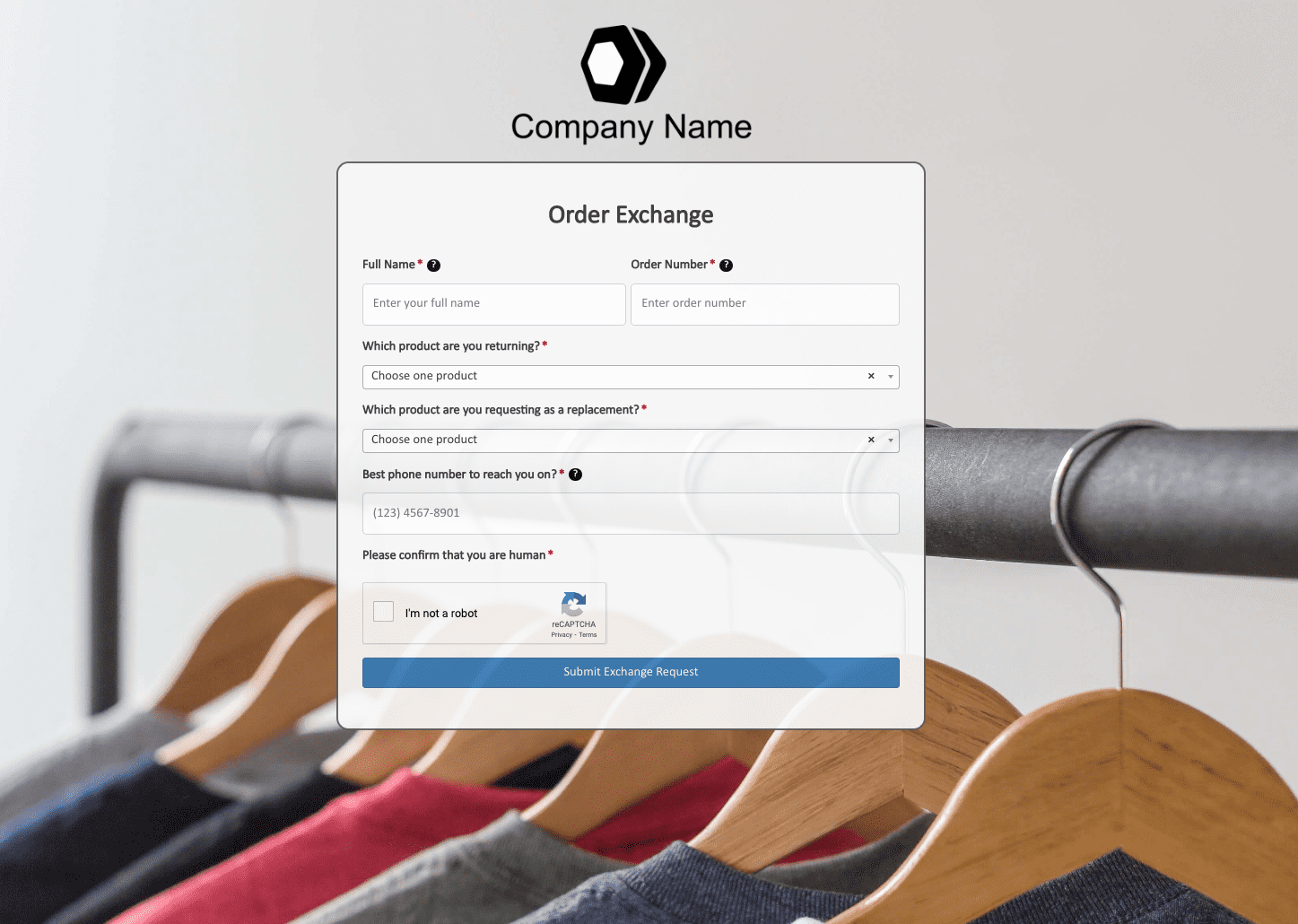 Order Exchange Form
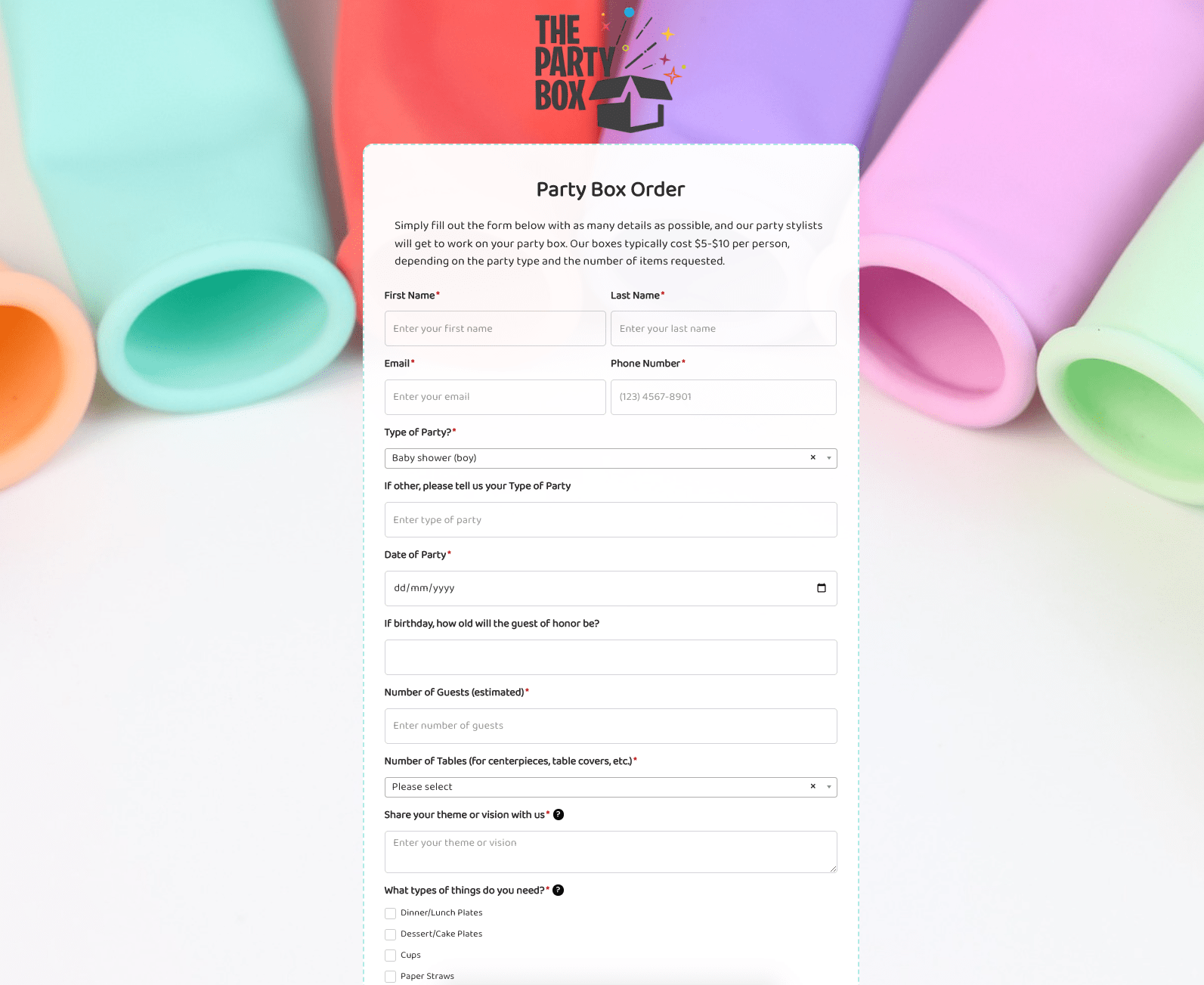 Party Box Order Form
 Pest Control Services Form
 Poll / Survey Form
 Receive Ebook Form
 Refinance Mortgage Form
 Remarks / Questions Form
 Report Driver Form
 Retreat Information Form
 Service Enquiry Form
 Skydiving Registration Form
 Spare Part Enquiry Form
 Staff Application Form
 Submission Form
 User Registration Form
 Website Under Construction Form
 Wedding Photographer Form
 Your Opinion Matters Form