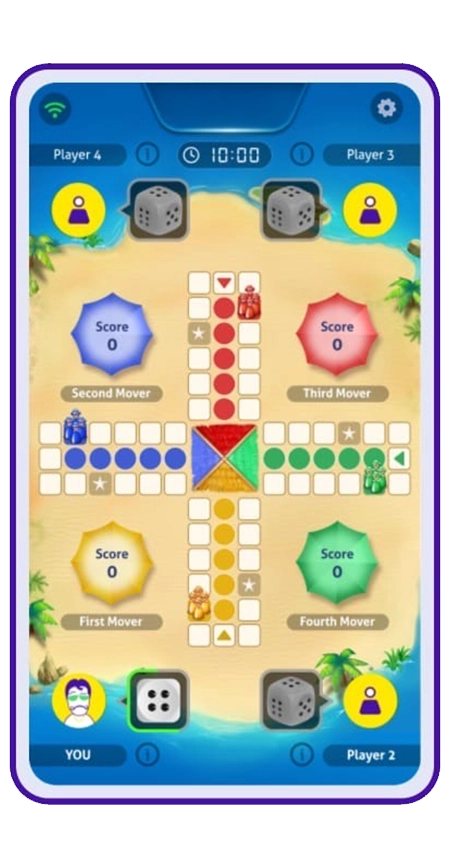
Some games have a way of sticking around. Ludo is one of those games. It has been played on physical boards for years, usually with family or friends sitting around the same table. The setup was simple: a board, a few tokens, a dice, and enough time for everyone to get involved. Yet, despite its simplicity, Ludo could make an ordinary evening surprisingly competitive.
Then technology changed how people play. The familiar board gradually moved onto smartphones and digital platforms. The rules did not suddenly become complicated, and the basic objective remained the same. What changed was the way players could access the game, find opponents, and fit matches into their everyday routines.
That journey from a physical board to a digital screen is what makes Ludo's evolution particularly interesting.
From the Living Room Table to the Smartphone
Traditional Ludo had a very specific setting. The board usually came out when everyone was together. Tokens were placed in their starting areas, the dice were passed around, and the match began. There was something quite social about it.
Online gaming changed that setting. The entire board could now fit on a smartphone screen. Players no longer needed to find the physical set or wait for everyone to be sitting in the same room.
It was a simple change, but a useful one. Ludo became easier to access, and that helped the classic game fit naturally into a much more digital lifestyle.
How Ludo Changed with Online Gaming
The Basic Game Stayed Familiar
Another reason why Ludo has moved over so easily is that the actual game itself does not require many changes. The player moves their counters around the board, decides which counter to move, and tries to reach the home zone.
The computer takes care of the technical aspects. Turns are handled automatically. The counters move themselves after the decision is made. The board remains organised, and the player does not have to bother with falling or missing counters.
A person who has experience with Ludo will find the game easily understandable from the beginning. A person who has not played Ludo before will be able to play it thanks to its clear rules.
Convenience Became a Major Advantage
A physical board requires a little preparation. The board needs to be available, tokens need to be arranged, and players need to be nearby.
Online Ludo removes most of that. A smartphone can provide access to the whole game, which means a match can be started without much preparation. A few spare minutes can be enough for a quick round.
This convenience has played a major role in keeping Ludo relevant. The game has adapted to modern routines without losing its original identity.
Multiplayer Took on a New Meaning
Traditional Ludo was already a multiplayer game, but online gaming expanded the idea.
Instead of playing only with people nearby, players can now come across different opponents through online platforms. This brings more variety to each match. And different opponents mean different approaches.
Some players take their time. Others move quickly. Some focus on protecting their tokens, while others are always looking for a chance to capture an opponent. That means a familiar board can still produce a slightly different experience every time.
Faster Gameplay Keeps Players Engaged
There is also a difference in pace. Online matches tend to move along without many of the pauses that naturally happen around a physical board. The platform handles turns and token movement, so the game keeps progressing.
This quicker pace can make players pay closer attention.
A situation can change within a few turns, and decisions need to follow those changes. A position that looks comfortable at one moment may need a completely different approach shortly afterwards.
Nothing about the basic rules has changed. The pace around them has.
Decision-Making Still Matters
Although technology has transformed the format, the thought process remains the same.
The player might have many tokens at hand, and the player would need to make a decision on which token to play with. Some instances will call for moving the token forward, while other times having an idle token can do the trick.
There is no single solution, but the move depends on the situation on the board.
This is also where online platforms such as Zupee fit naturally into the evolution of Ludo. The platform brings familiar Ludo gameplay into a digital setting where players can focus on their moves, play different matches, and gradually become more comfortable with their approach.
Different Playing Styles Keep It Interesting
One thing that becomes more noticeable online is how differently people play. A player may be very cautious in one match and face someone who is much more direct in the next. Another opponent might constantly watch token positions before deciding what to do.
These differences matter. Players can't always follow the exact same pattern and expect it to work every time. They need to observe what is happening and adjust when necessary.
That little bit of adaptation gives online Ludo more variety than simply playing against the same group repeatedly.
Learning Becomes a Gradual Process
Nobody really needs to master Ludo in one sitting. New players usually begin by understanding the board and the basic movements, and after a few matches, they start noticing more.
They may realise that keeping multiple tokens active gives them more options. They may become better at spotting vulnerable positions. They may also start thinking one or two moves ahead instead of focusing only on what is happening right now.
The improvement is usually quite subtle. It doesn't arrive with some big moment where everything suddenly becomes clear. It builds through repeated play and small observations.
The Social Side Hasn't Disappeared
It would be easy to assume that moving Ludo online removed the social feeling of the game, but it hasn't. The interaction simply happens differently.
Instead of sitting across a table, players experience the match through the screen. The excitement of a close move, an unexpected turn, or a well-timed decision still exists.
That familiar competitive feeling remains. The surroundings have changed, but the basic reason people enjoy playing against others has not.
Zupee and the Modern Ludo Experience
If the traditional version is to their liking, but they want to play games in a digital environment, they can always turn to platforms such as Zupee, where Ludo can be played conveniently online.
The classic board game is transferred to a new dimension, allowing for the beginning of matches without the need for conventional preparation. Moreover, different opponents and online versions allow for more practice and experimentation.
It is the same Ludo as before, but presented in a convenient way.
Why Ludo Continues to Evolve
What is particularly interesting about Ludo is the fact that it has managed to remain relevant without having to transform itself completely. What has made Ludo popular throughout the years is its simplicity.
This is shown through the fact that the rules are easy to learn, the objective is very clear, and the game leaves some room for decisions. With the emergence of online games, all that is left is the accessibility of this particular game.
The actual physical board may be substituted for a virtual one, but the overall concept remains familiar.
Let’s Sum Up!
Ludo has come a long way from being a game played around a physical board to becoming an accessible part of online gaming. The format may have changed, but the familiar rules, multiplayer experience, and small decisions that shape each match are still at the heart of it.
If you enjoy the classic game and want to experience it in a more convenient format, Zupee offers a simple way to get started. Players can enjoy familiar matches, face different opponents, and spend time getting better at the game while enjoying the convenience of online Ludo. It is a modern take on a game that has already stood the test of time.
Ready to play? Download Zupee today and enjoy Ludo in a new way.
 Access Request Form
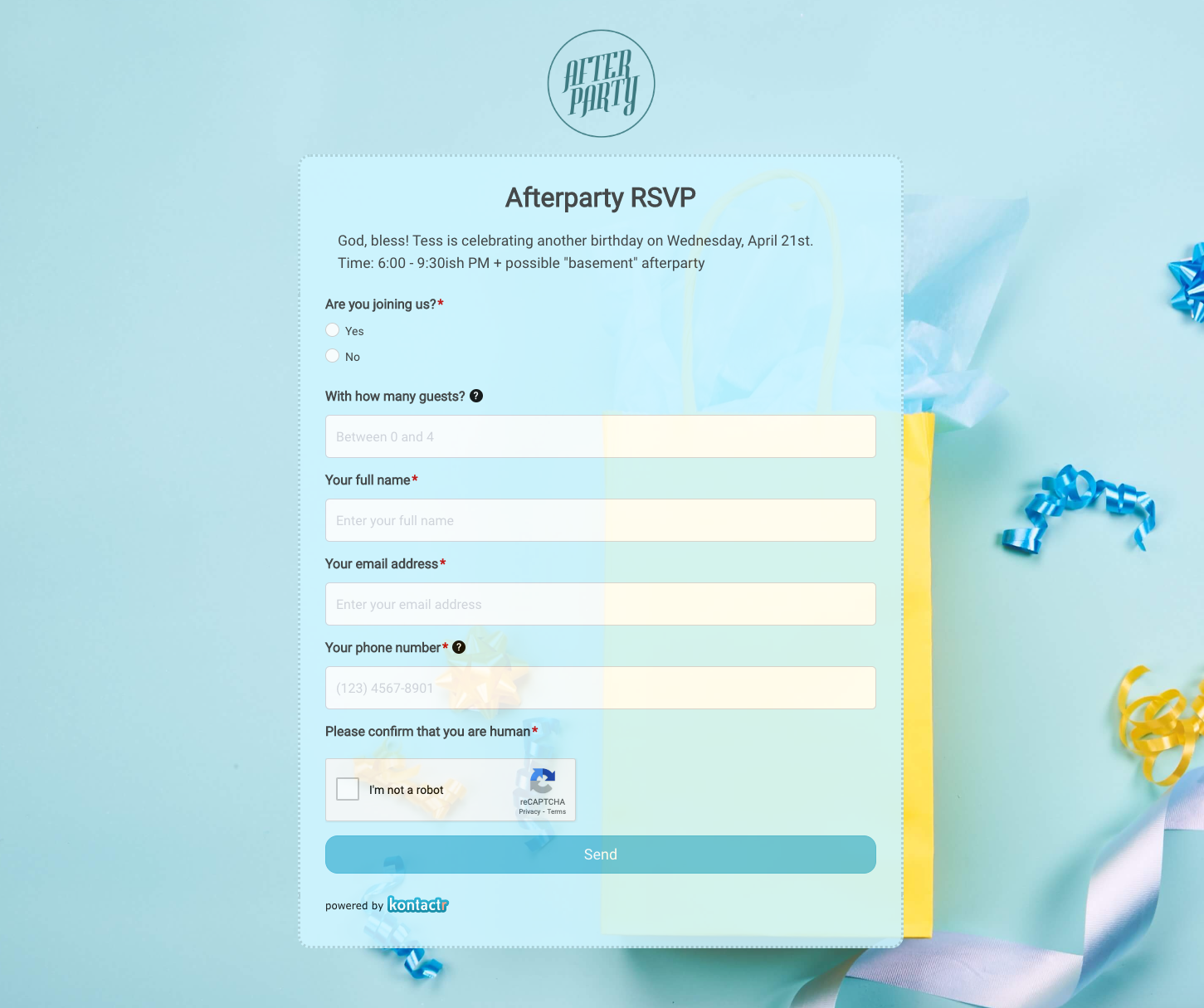 Afterparty RSVP Form
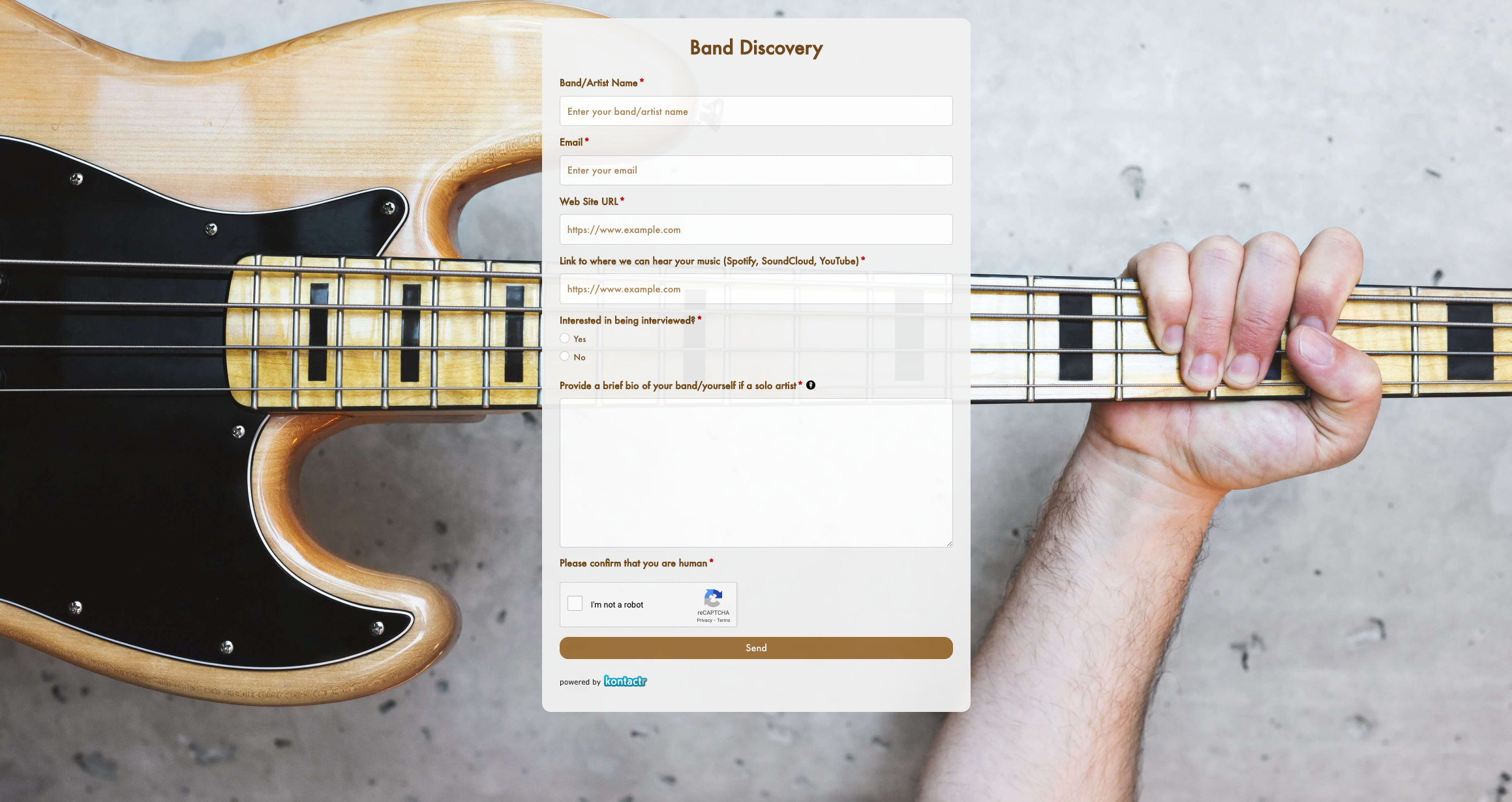 Band Discovery Form
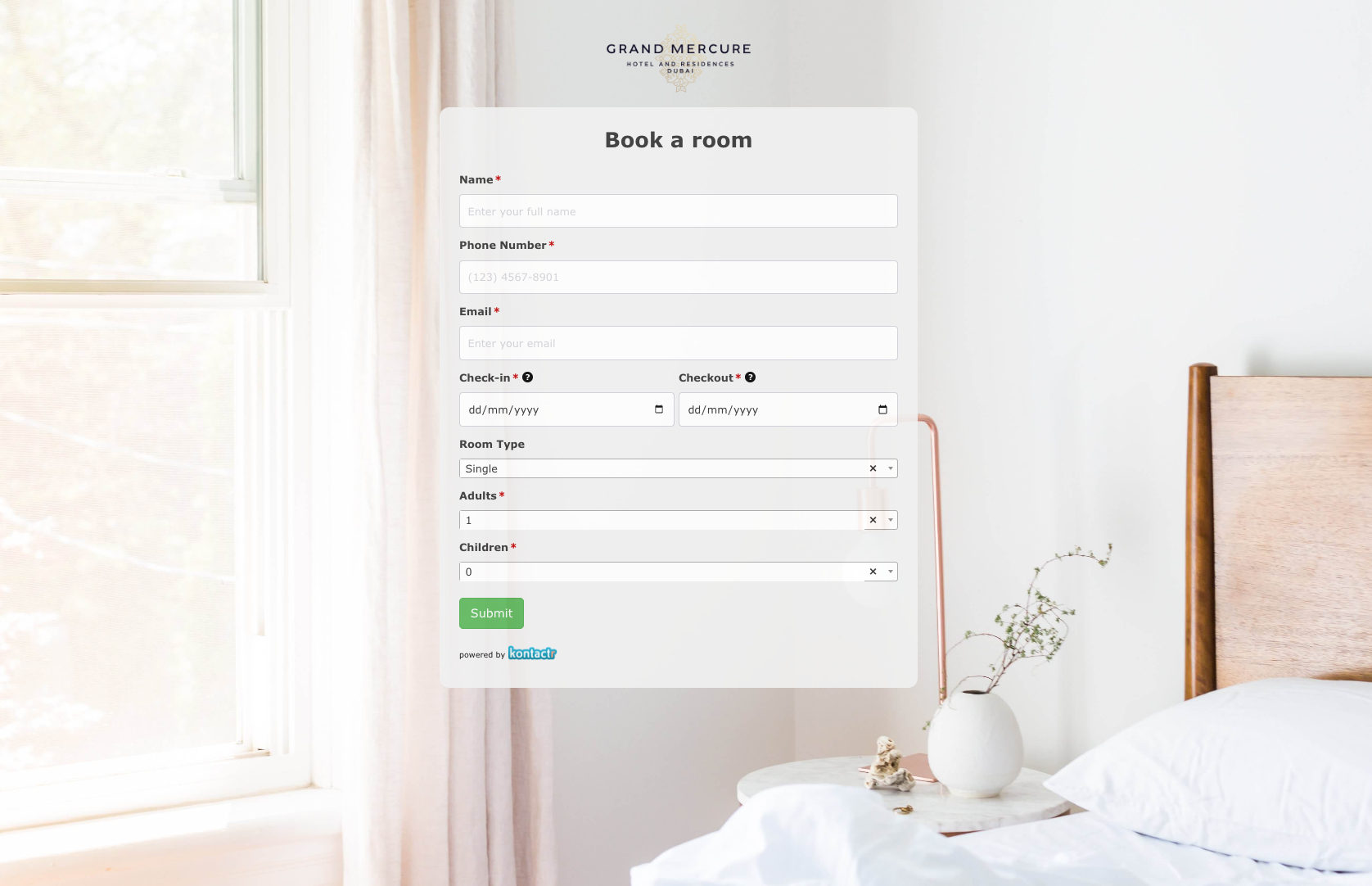 Book a room Form
 Booking Enquiries Form
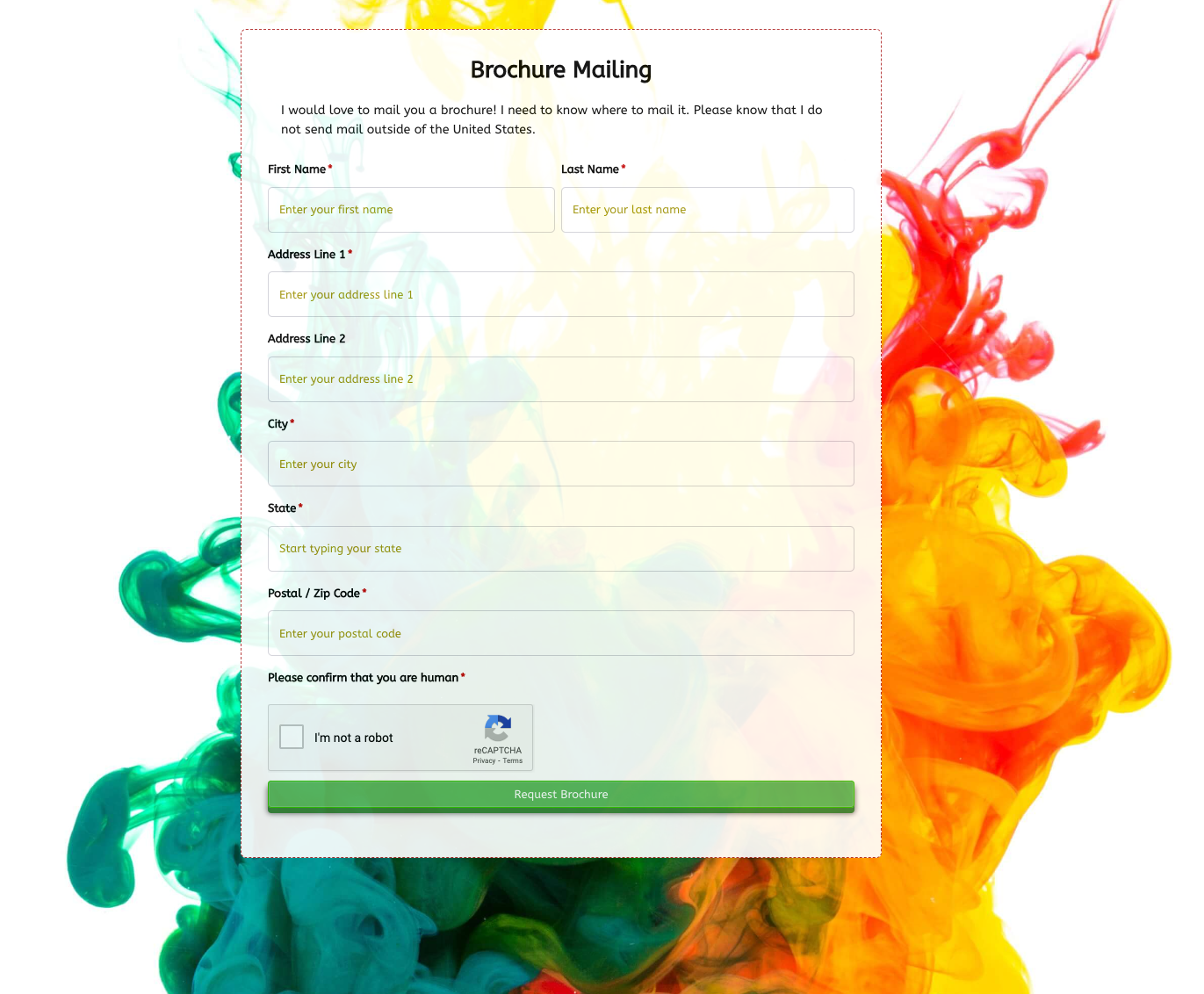 Brochure Mailing Form
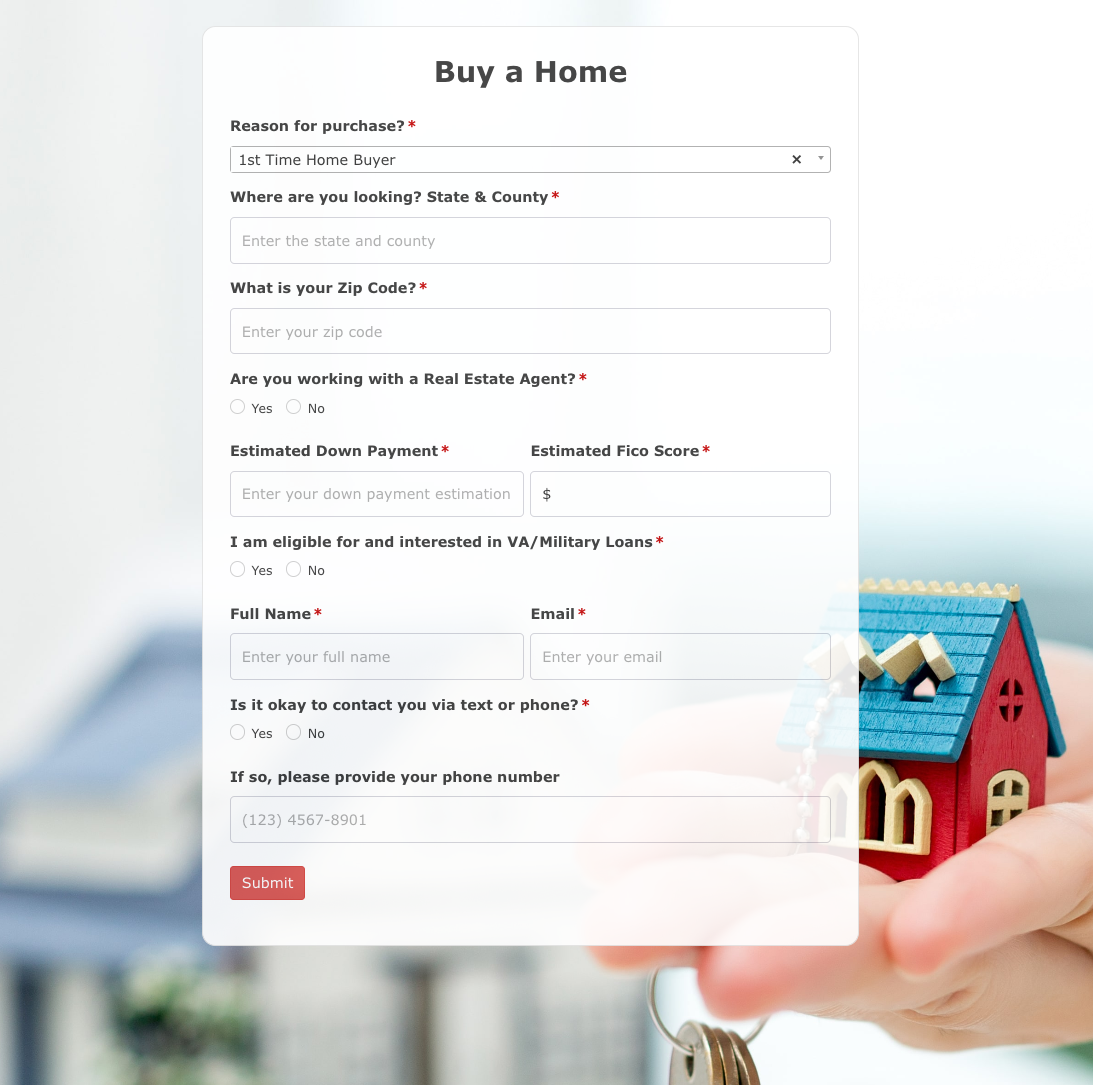 Buy a Home Form
 Catalog Request Form
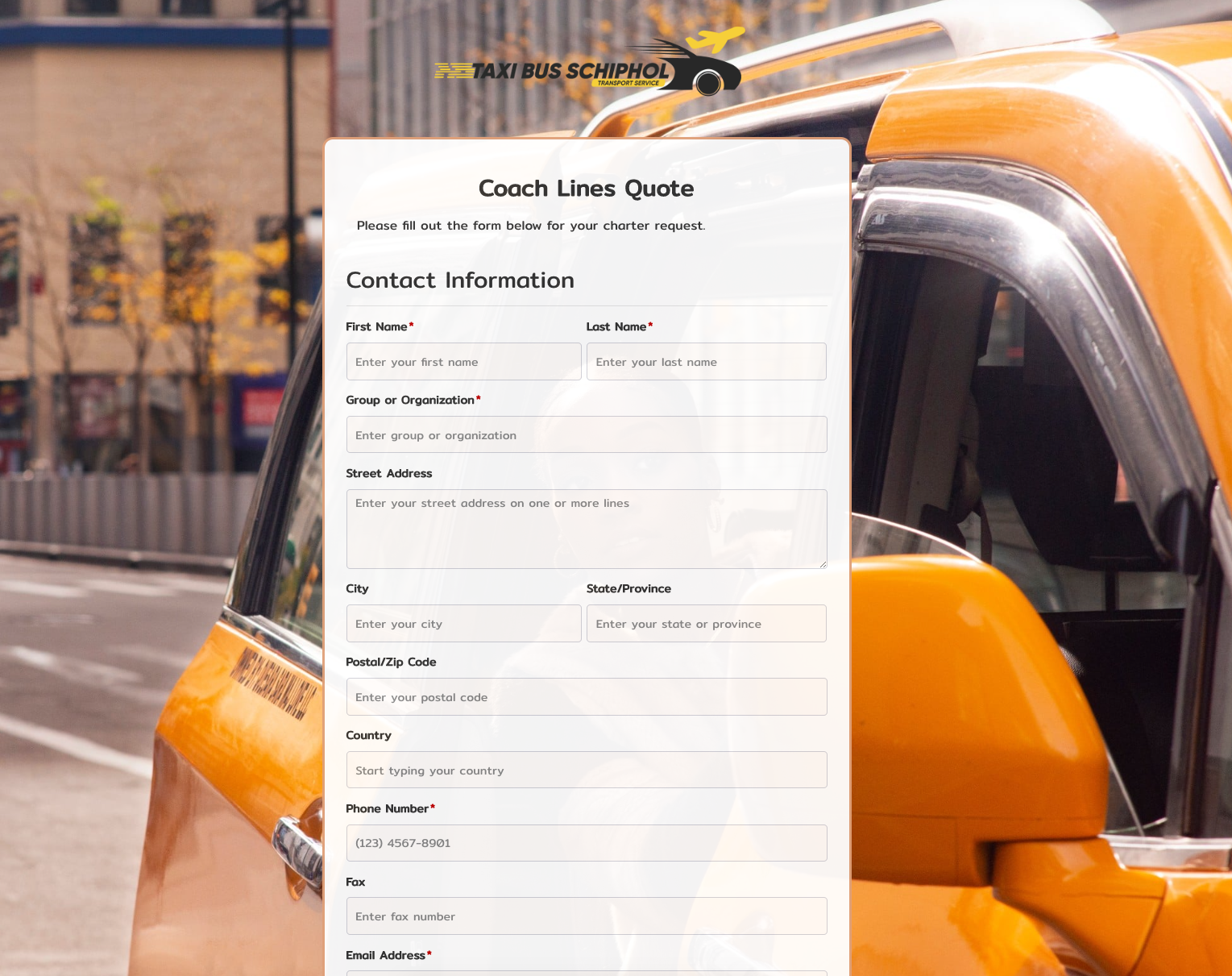 Coach Lines Quote Form
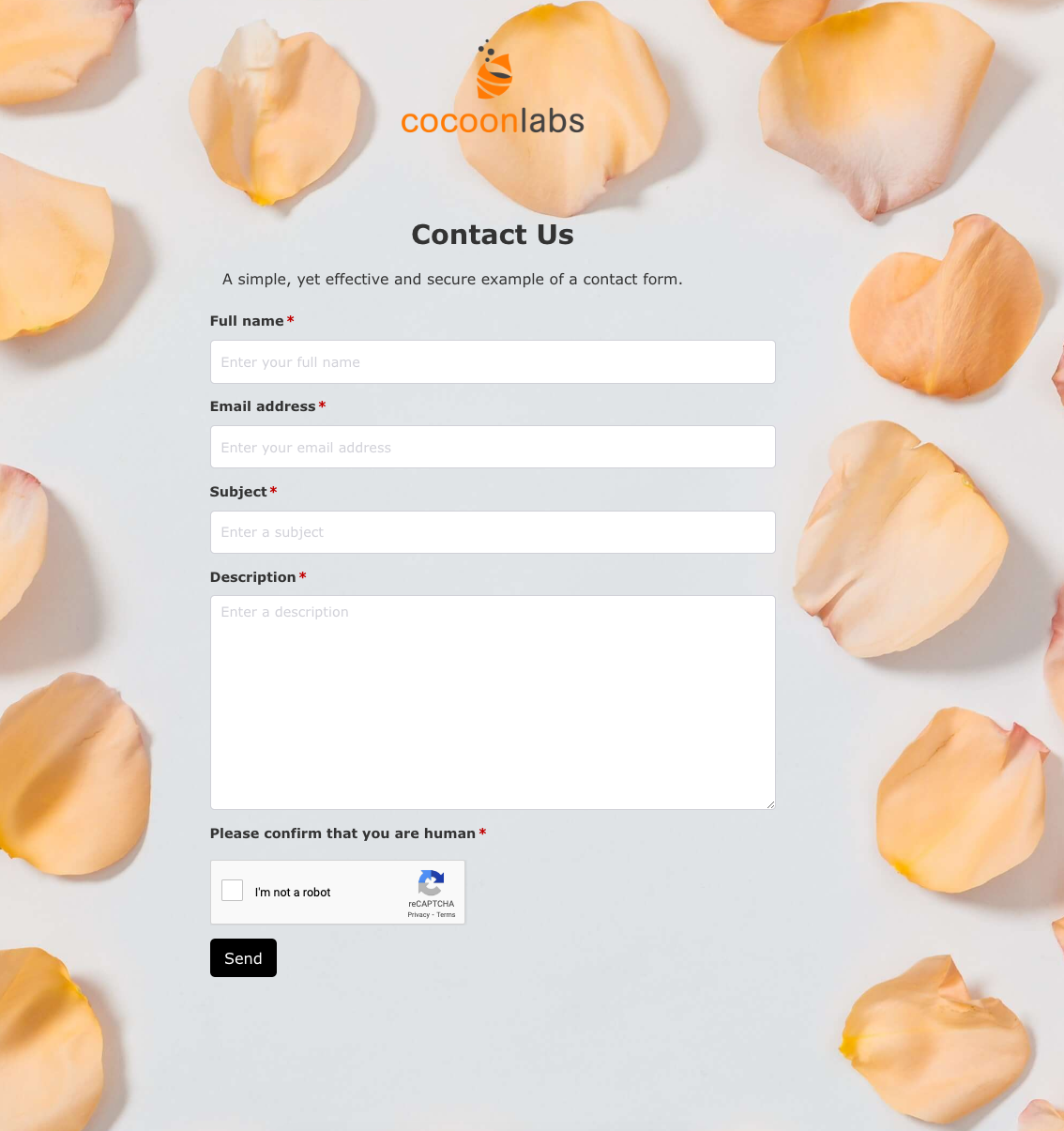 Contact Us Form
 Credit Application Form
 Drop me a line Form
 Enquiry / Feedback Form
 Got a question? Form
 Instant Quote Form
 Job Application Form
 Language & Literacy Lab Form
 Live Streaming Registration Form
 More Information Form
 Order Exchange Form
 Party Box Order Form
 Pest Control Services Form
 Poll / Survey Form
 Receive Ebook Form
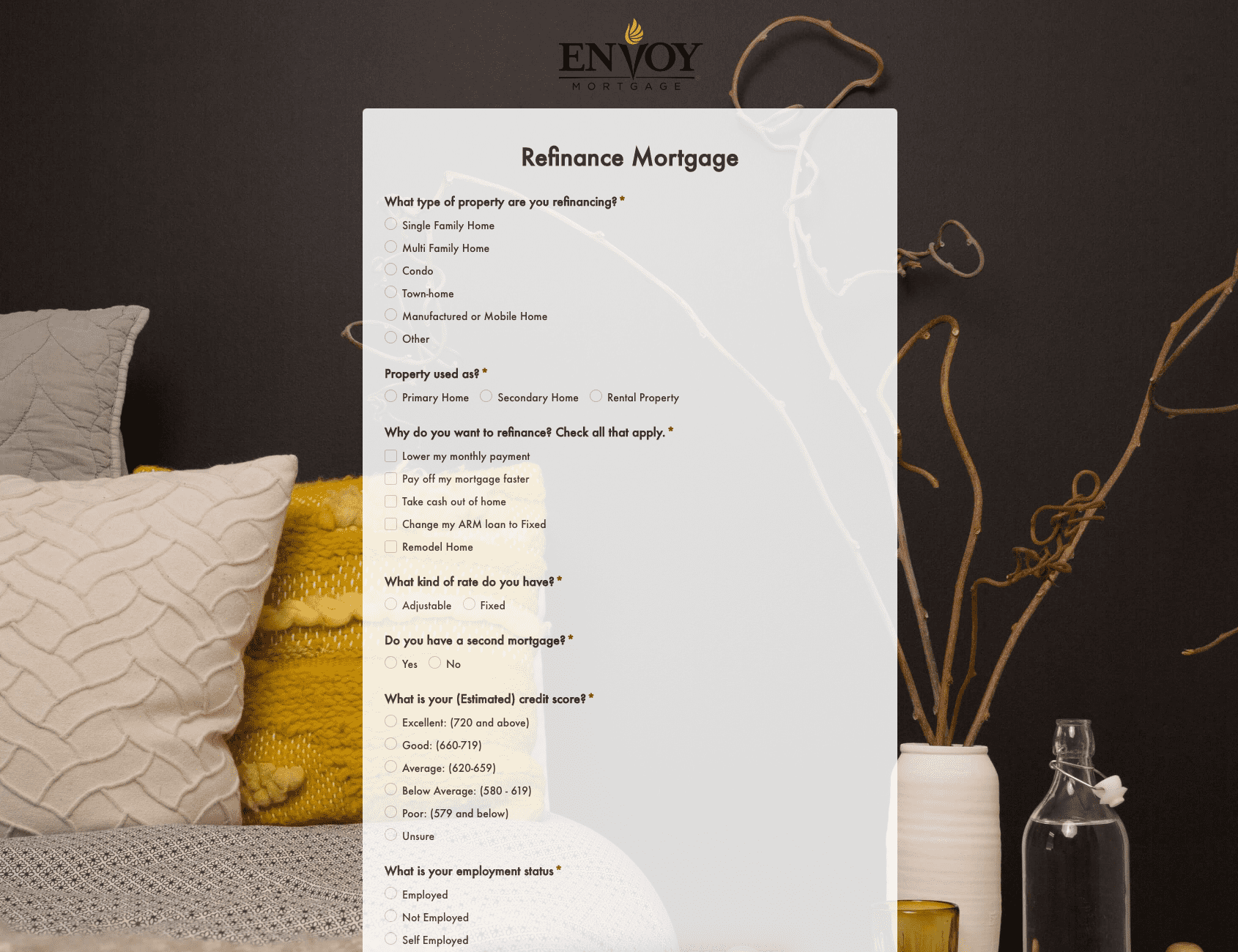 Refinance Mortgage Form
 Remarks / Questions Form
 Report Driver Form
 Retreat Information Form
 Service Enquiry Form
 Skydiving Registration Form
 Spare Part Enquiry Form
 Staff Application Form
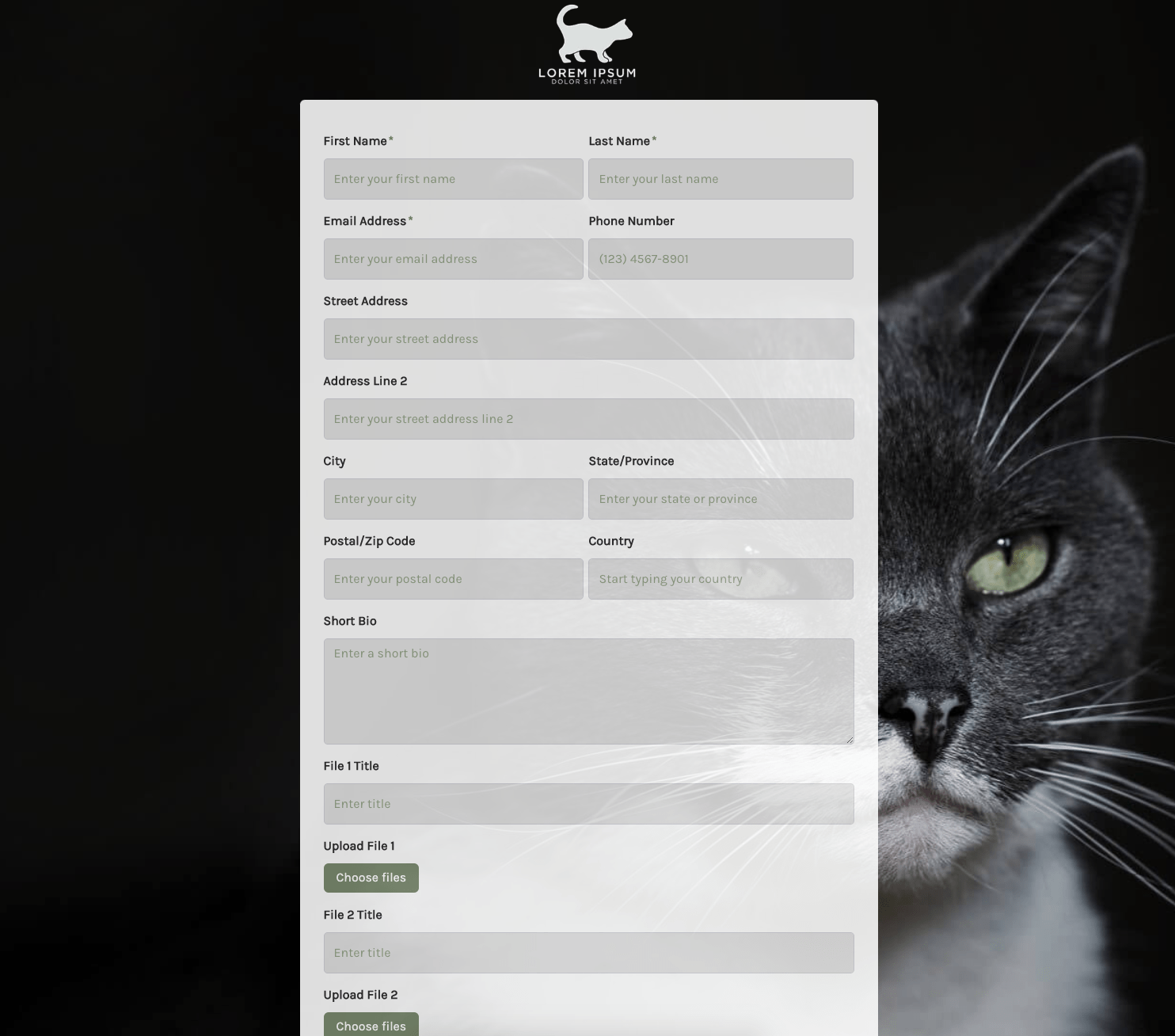 Submission Form
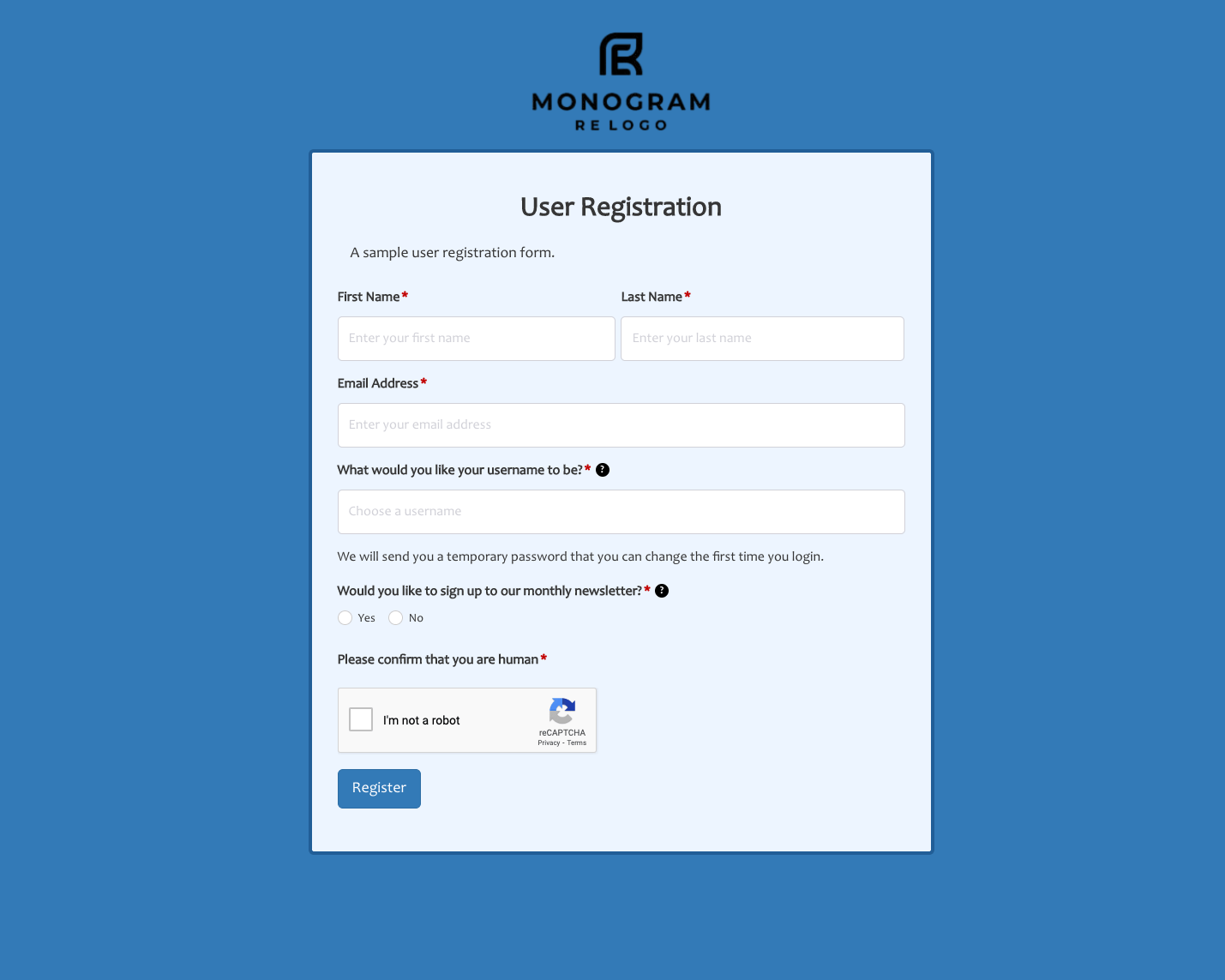 User Registration Form
 Website Under Construction Form
 Wedding Photographer Form
 Your Opinion Matters Form